Languages with Sounds English Speakers Can’t Make
English might feel like the center of the world if it’s all someone has ever known, but the truth is that it’s just one small piece of a much bigger puzzle. There are thousands of languages spoken across the planet, and many of them use sounds that would make an English speaker’s mouth feel like it’s doing gymnastics.
Some of these sounds don’t exist anywhere in English, which means people who only speak English often struggle to even hear the difference, let alone pronounce them correctly. Let’s take a closer look at some of these languages and the sounds that leave English speakers tongue-tied.
Mandarin Chinese

Mandarin Chinese uses tones to change the meaning of words, and that’s where things get tricky for English speakers. The language has four main tones plus a neutral one, and the same syllable can mean completely different things depending on how the pitch rises or falls.
For example, ‘ma’ can mean mother, hemp, horse, or scold, all based on tone alone. English speakers aren’t used to pitch carrying meaning like this, so it feels like trying to sing and talk at the same time.
Many learners find themselves accidentally insulting someone’s mother when they mean to ask about a horse.
Arabic

Arabic has several throat sounds that don’t exist in English, and they’re not just subtle differences. The letter ‘ayn’ is produced deep in the throat with a kind of constriction that feels almost like a controlled gag.
Then there’s the ‘qaf,’ which is like a ‘k’ sound but made way back in the throat instead of the front of the mouth. English speakers often replace these with sounds they know, like a regular ‘k’ or just a vowel, but native speakers can always tell the difference.
These sounds take practice and a willingness to make noises that feel completely unnatural at first.
Xhosa

Xhosa, spoken in South Africa, is famous for its click consonants, and they’re exactly what they sound like. The language has three basic types of clicks: one made with the tongue against the side teeth, one with the tongue on the roof of the mouth, and one that sounds like the ‘tsk tsk’ noise people make when they disapprove of something.
English has no clicks at all, so speakers have to learn these sounds from scratch like a baby learning to talk. The clicks aren’t just decorative either; they’re essential parts of words, so getting them wrong changes the meaning completely.
Georgian

Georgian packs consonants together in ways that would make an English speaker’s jaw drop. Words can start with three or four consonants in a row, like ‘gvprtskvni,’ which means ‘you peel us.’
English speakers are used to having vowels break up consonant clusters, so trying to pronounce these words feels like running a tongue twister marathon. The language also has ejective consonants, which are made by closing the vocal cords and then releasing a burst of air.
It’s a sound that requires coordination English speakers simply don’t practice.
Zulu
Zulu, like Xhosa, uses click consonants, but it has its own set of challenges beyond that. The language includes sounds called implosives, where the airflow goes inward instead of outward when pronouncing certain consonants.
English speakers are trained to push air out when they talk, so reversing that flow feels completely backward. Zulu also combines clicks with other consonant sounds, creating combinations that sound almost musical but are incredibly difficult for outsiders to master.
The language demands a level of mouth coordination that English simply doesn’t require.
Vietnamese

Vietnamese is a tonal language with six different tones, and English speakers often can’t even hear the differences at first. The tones include level, rising, falling, broken rising, broken falling, and a low falling tone that dips down sharply.
A word like ‘ma’ can mean ghost, mother, rice seedling, tomb, horse, or but, all depending on the tone used. English speakers tend to flatten everything out into one tone, which makes their Vietnamese sound robotic and confusing.
Learning to hear and produce these tones takes months of focused practice and a lot of patience.
Icelandic
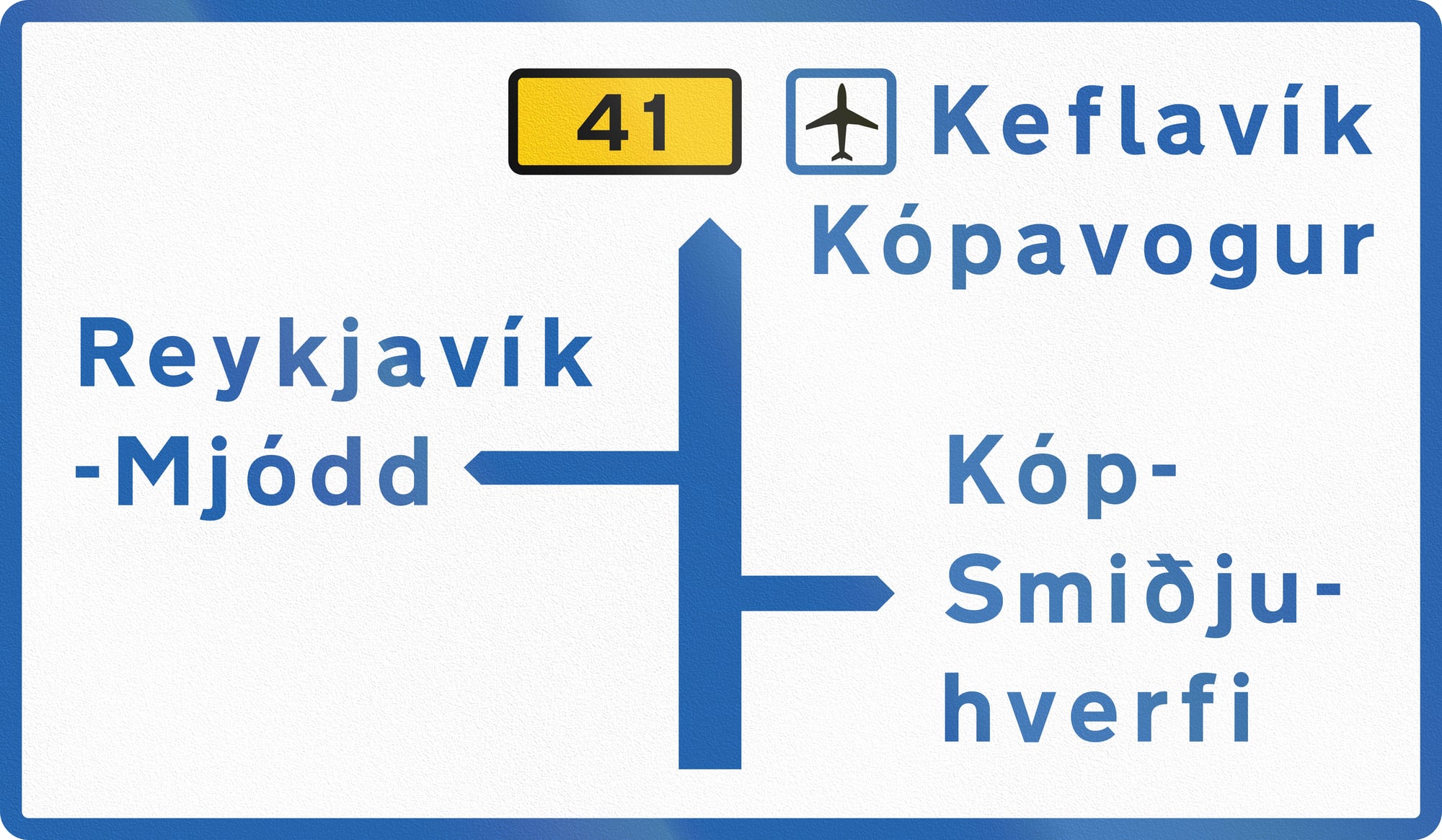
Icelandic has a sound called the voiceless lateral fricative, written as ‘ll,’ and it’s nothing like the ‘l’ sound in English. It’s produced by putting the tongue in the ‘l’ position but then pushing air out the sides, creating a kind of hissing sound.
English speakers usually just pronounce it like a regular ‘l’ or ‘tl,’ which makes words sound completely wrong. The language also rolls its ‘r’ sounds with much more intensity than most English speakers can manage.
These sounds are part of what makes Icelandic feel so ancient and distinctive.
Polish

Polish is notorious for its consonant clusters and its ‘rz’ sound, which is like a cross between ‘zh’ and ‘sh’ but with a slightly different tongue position. The language also has nasal vowels, where air flows through both the mouth and nose at the same time.
English lost its nasal vowels centuries ago, so speakers have to relearn how to direct airflow in a way that feels strange. Words like ‘szczęście’ (happiness) combine multiple challenging sounds in a way that leaves English speakers stumbling.
Polish also distinguishes between hard and soft consonants in ways English doesn’t, adding another layer of difficulty.
!Xóõ

!Xóõ, spoken by a small community in Botswana and Namibia, holds the record for having one of the largest consonant inventories of any language. It has over 100 different consonant sounds, including dozens of clicks that vary by tongue position, airflow, and nasalization.
English speakers can’t even begin to approach this level of complexity without years of dedicated study. The language uses sounds that seem physically impossible at first, like a click combined with a nasal release and a specific tone.
Learning !Xóõ would be like learning to play a new instrument with the mouth.
French

French has the ‘r’ sound that’s made in the back of the throat, almost like a soft gargle, and it’s completely different from the English ‘r.’ The language also has nasal vowels, where sounds like ‘on,’ ‘an,’ and ‘un’ are pronounced with air flowing through the nose.
English speakers often try to fake the nasal vowels by adding an ‘n’ sound at the end, but that’s not quite right. The French ‘u’ sound is another challenge; it’s pronounced with rounded lips and the tongue forward, creating a vowel that doesn’t exist in English.
These sounds are subtle but essential for sounding even remotely French.
Hindi
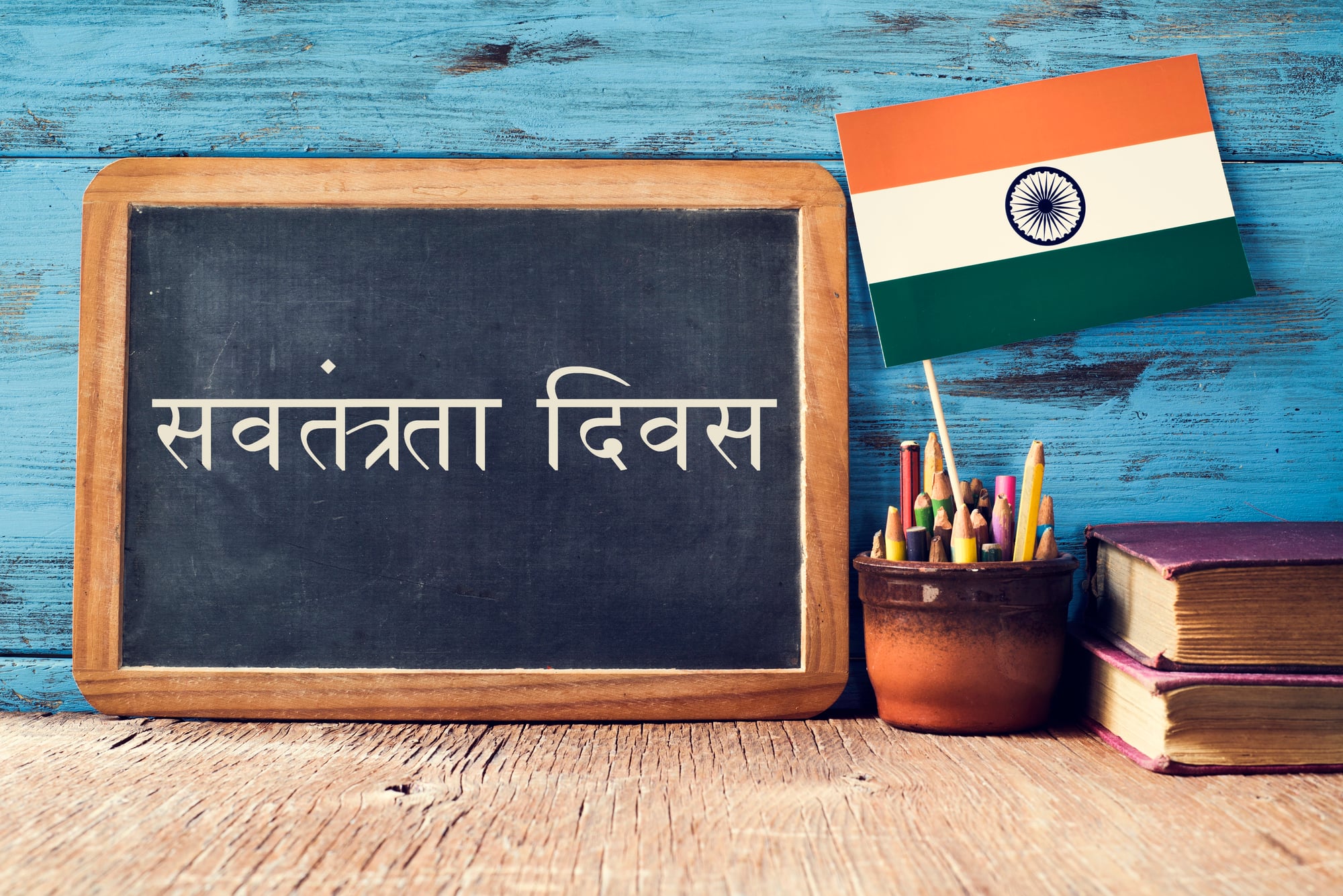
Hindi includes retroflexed consonants, where the tongue curls back to touch the roof of the mouth further back than it would for regular ‘t’ or ‘d’ sounds. English has a similar tongue position for the ‘r’ sound in some accents, but not for stops like ‘t’ and ‘d.’
Hindi also uses aspirated consonants, where a puff of air follows the sound, distinguishing words like ‘pal’ (moment) from ‘phal’ (fruit). English speakers often miss the aspiration entirely or add it in the wrong places.
The language requires a level of precision that English doesn’t demand from its speakers.
Scottish Gaelic
Scottish Gaelic has a sound called the velarized or ‘dark’ ‘l,’ which is made with the back of the tongue raised toward the soft palate. It’s similar to the ‘l’ at the end of ‘bell’ in some English accents, but Gaelic uses it in different positions and more consistently.
The language also has slender and broad consonants, which change based on the vowels around them, creating a system English speakers find slippery and hard to pin down. There’s also the throaty ‘ch’ sound, like in ‘loch,’ which English borrowed but doesn’t use naturally.
Gaelic sounds soft and flowing, but it’s deceptively difficult to pronounce correctly.
Ubykh
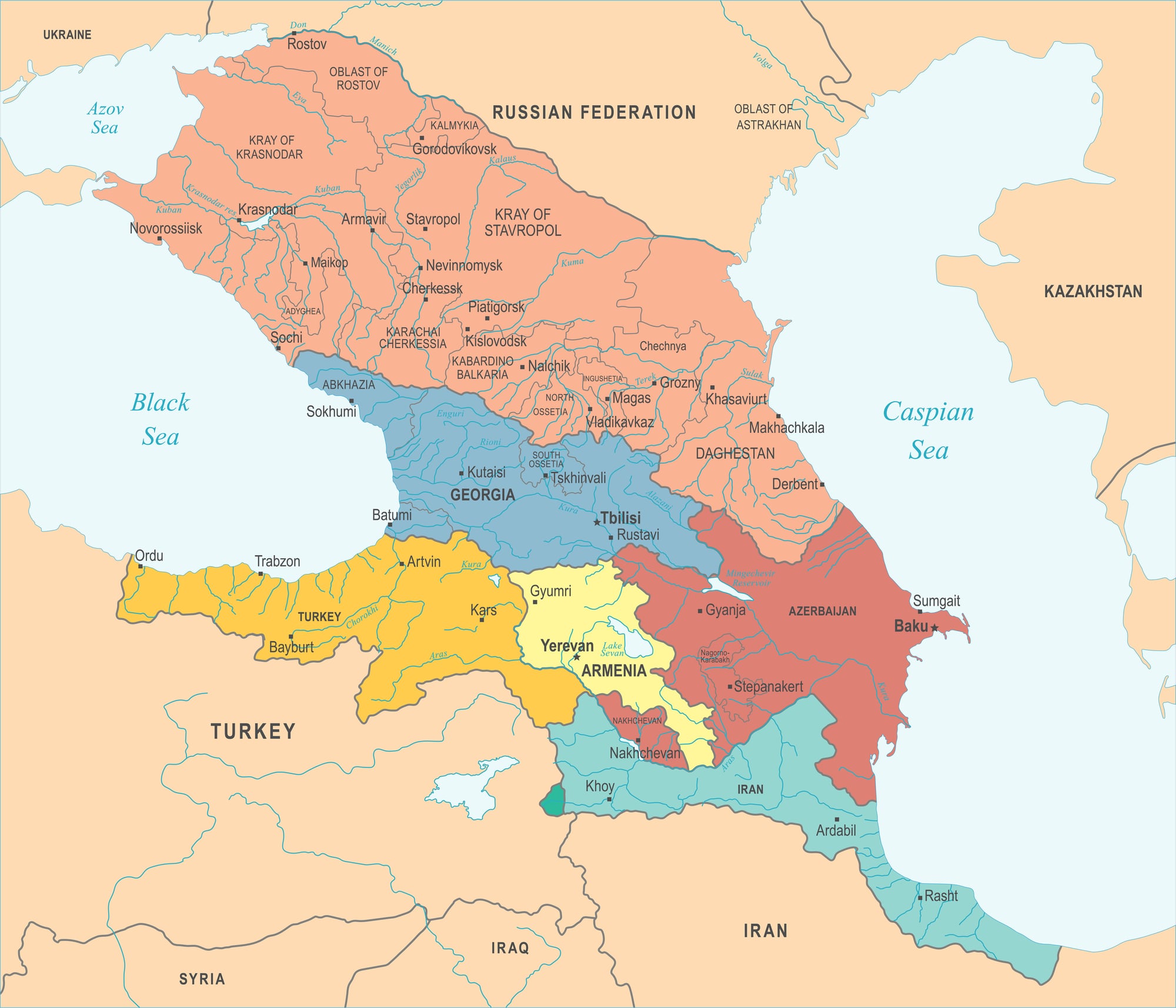
Ubykh was a language spoken in the Caucasus region until its last speaker died in 1992, but it’s worth mentioning because of its extreme complexity. It had only two vowel sounds but around 80 consonants, making it one of the most consonant-heavy languages ever recorded.
Many of these consonants were subtle variations on sounds that English speakers would consider the same. The language required speakers to make tiny adjustments in tongue position and airflow that English doesn’t even recognize as meaningful.
Learning Ubykh would have been like learning to hear and speak in a completely different dimension of sound.
Taa

Taa, also known as !Xóõ (though sometimes distinguished as a separate language), is another language from southern Africa with an enormous inventory of click sounds. It has around 80 to 100 consonants depending on how they’re counted, and many of them are clicks with different accompaniments like nasalization or glottalization.
English speakers would have to train their ears and mouths from the ground up to even begin approaching these sounds. The language also uses tone, so clicks have to be combined with the right pitch to convey meaning.
It’s a level of multitasking that feels almost superhuman to outsiders.
Korean

Korean has a three-way distinction for stops: plain, aspirated, and tense. English only really distinguishes between two types (like the ‘p’ in ‘pin’ versus ‘spin’), so the third category throws English speakers off completely.
The tense consonants are produced with a lot of muscular tension in the throat and mouth, creating a sound that’s sharper and more forceful. Korean also has a vowel system that includes distinctions English doesn’t make, like different degrees of lip rounding and tongue height.
These subtle differences are hard to hear at first, let alone produce consistently.
Welsh

Welsh has the famous ‘ll’ sound, which is a voiceless lateral fricative similar to Icelandic but with its own character. It’s made by putting the tongue in an ‘l’ position and blowing air out the sides, creating a sound that’s sometimes described as ‘breathing an l.’
English speakers usually replace it with a ‘thl’ sound or just a regular ‘l,’ both of which are wrong. Welsh also rolls its ‘r’ sounds more than most English accents do.
The combination of these sounds gives Welsh its distinctive musicality, but it also makes it challenging for English speakers who aren’t used to such precise tongue placement.
Ejagham

Ejagham, spoken in Nigeria and Cameroon, uses a range of sounds that include labial-velar consonants, where two parts of the mouth work at the same time. One example is ‘kp,’ which is pronounced by closing both the lips and the back of the mouth simultaneously and then releasing them together.
English speakers usually try to pronounce it as ‘k’ plus ‘p’ in sequence, but that’s not right; it has to be simultaneous. The language also has tones and nasalization patterns that add more layers of complexity.
These double articulations require a kind of coordination that feels unnatural until it’s practiced extensively.
Where sound meets culture

Languages shape the way people experience the world, and sounds are a big part of that. The clicks in Xhosa carry cultural weight, the tones in Mandarin connect to centuries of poetry, and the throat sounds in Arabic tie into religious recitation.
English speakers who take the time to learn these sounds don’t just pick up a new skill; they open a door to understanding how other people think and communicate. The struggle to make unfamiliar sounds is humbling, but it’s also a reminder that there’s always more to learn and appreciate about human language.
More from Go2Tutors!

- The Romanov Crown Jewels and Their Tragic Fate
- 13 Historical Mysteries That Science Still Can’t Solve
- Famous Hoaxes That Fooled the World for Years
- 15 Child Stars with Tragic Adult Lives
- 16 Famous Jewelry Pieces in History
Like Go2Tutors’s content? Follow us on MSN.



