Facts about the Colosseum in Rome
Standing in the heart of Rome, the Colosseum remains one of the most recognizable structures on Earth. Its weathered arches and crumbling stone tell stories of an empire that shaped the Western world.
Nearly two thousand years after its construction, this ancient arena still draws millions of visitors who want to walk where gladiators once fought and emperors once sat. The building represents more than just Roman architecture—it’s a window into how an ancient civilization entertained itself, showcased power, and built structures that would outlast the empire itself.
The Colosseum wasn’t just about spectacle. It was engineering, politics, and social control all wrapped into one massive stone structure.
The original name wasn’t Colosseum
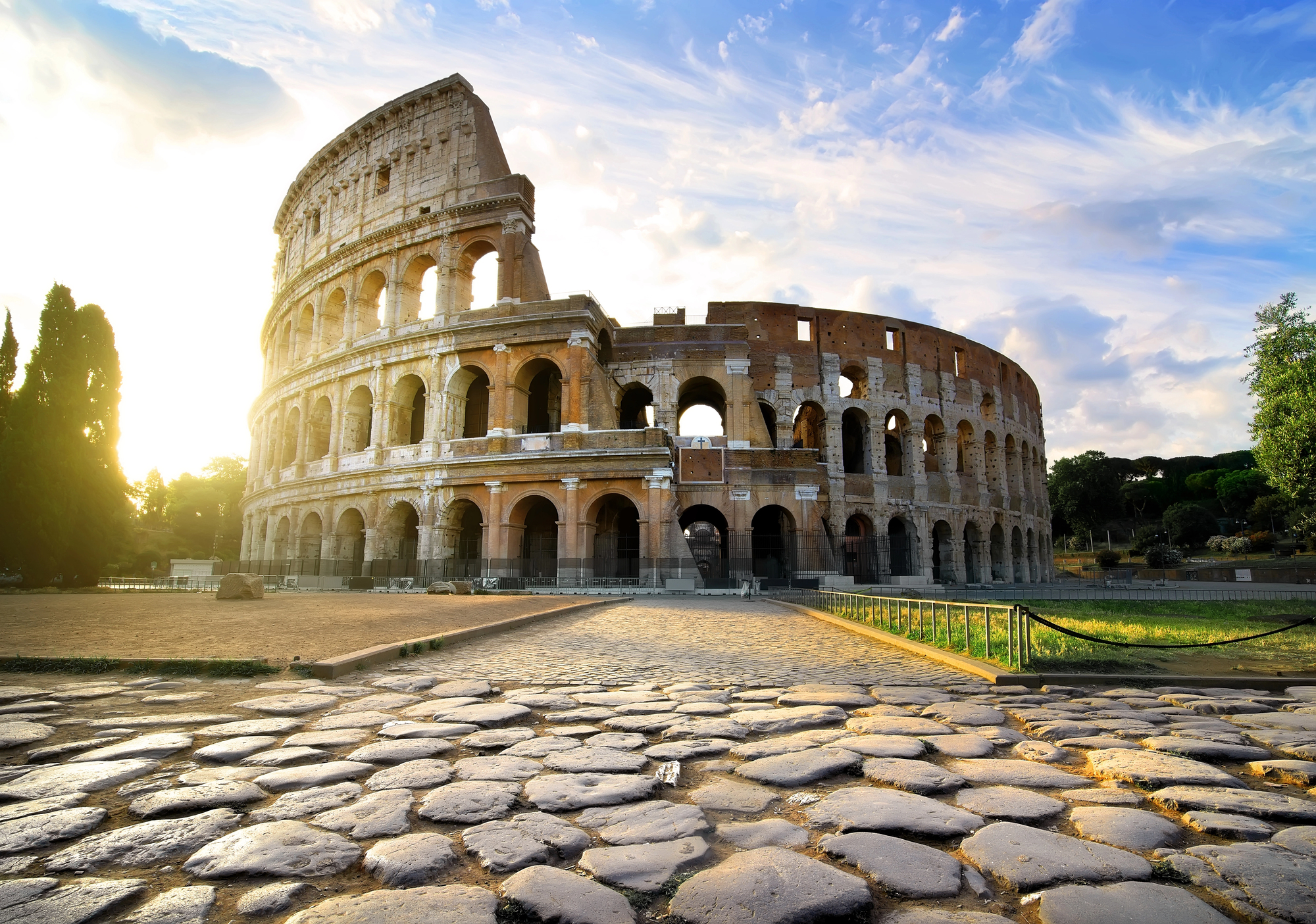
Romans called it the Flavian Amphitheatre when it opened in 80 AD. The name honored the Flavian dynasty—Vespasian, Titus, and Domitian—the emperors who commissioned and completed it.
The nickname ‘Colosseum’ didn’t stick until the medieval period, likely inspired by a colossal bronze statue of Emperor Nero that stood nearby. That statue is long gone, but the name it inspired became permanent.
It took less than a decade to build
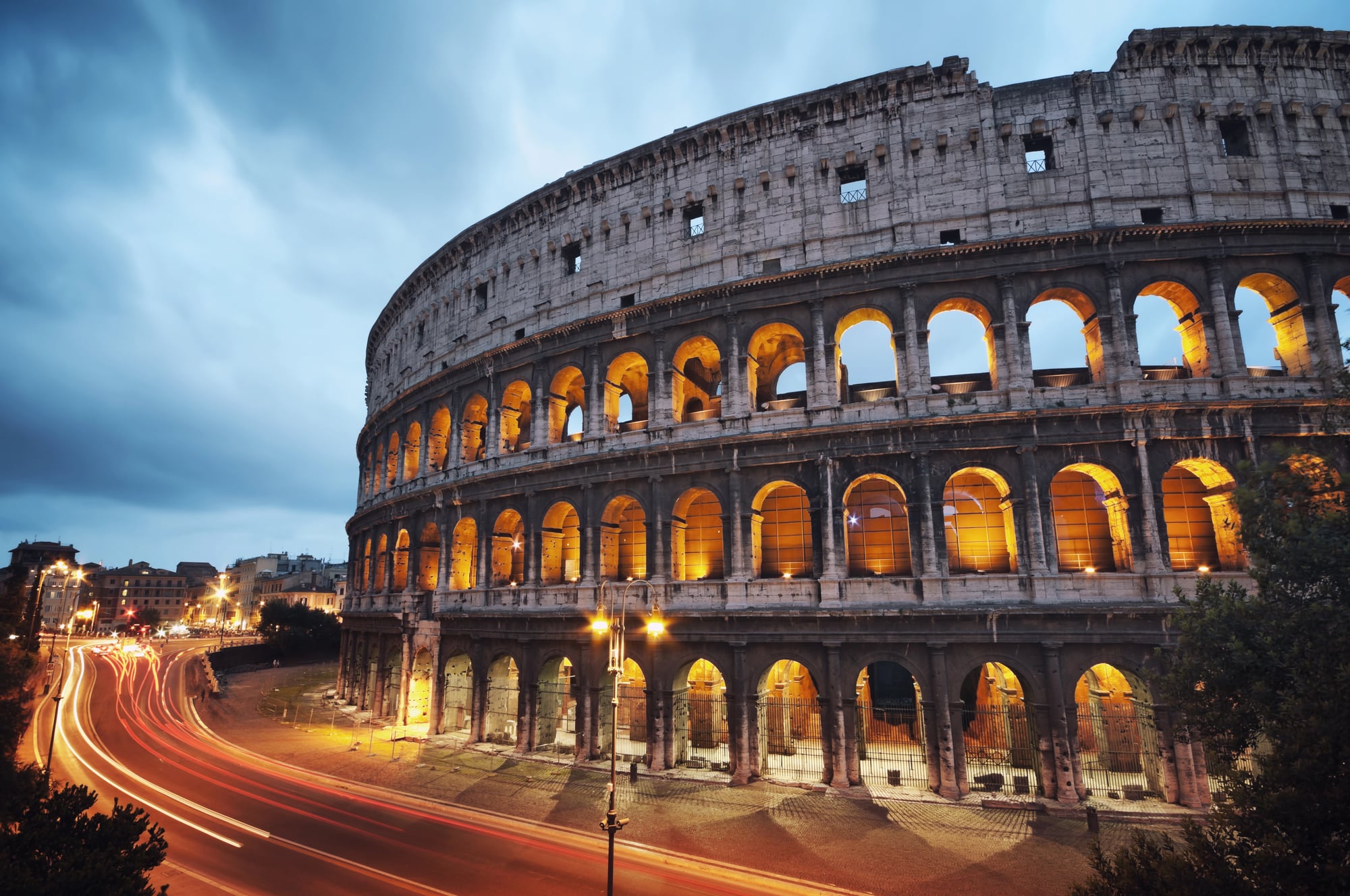
Construction started around 72 AD under Emperor Vespasian and finished in 80 AD under his son Titus. Eight years might sound like a long time, but consider this: the structure measures 620 feet long, 512 feet wide, and originally stood 157 feet tall.
Tens of thousands of laborers, many of them Jewish slaves captured after the siege of Jerusalem, worked on the project. The speed of construction demonstrates Roman engineering efficiency and their brutal use of forced labor.
The funding came from war loot
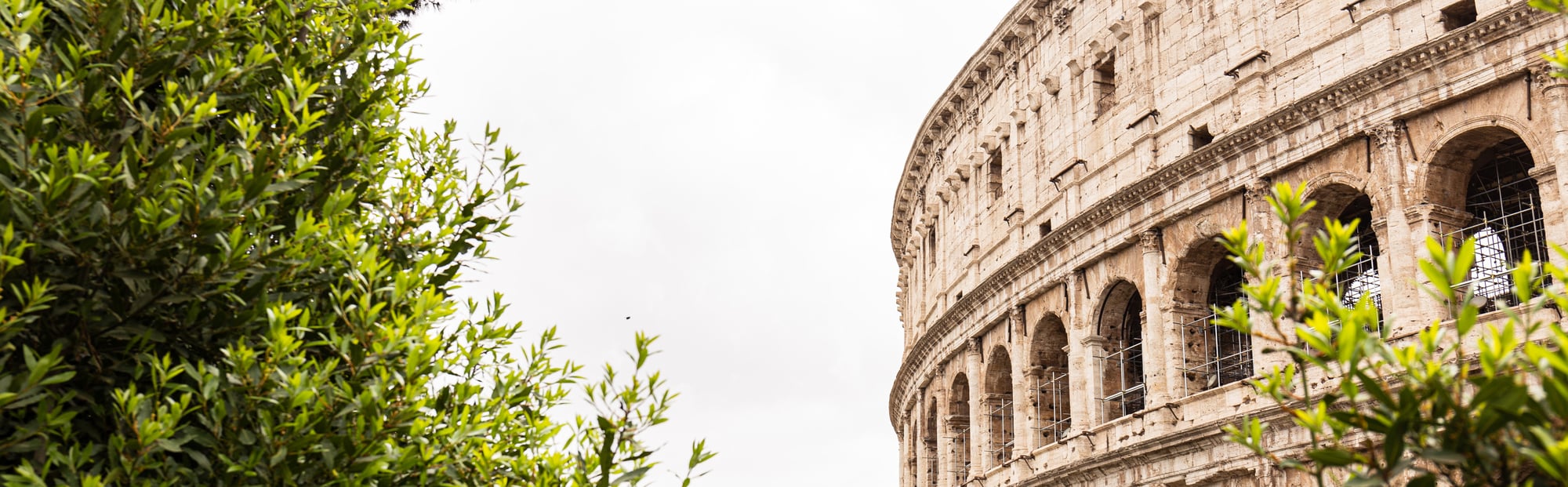
Vespasian financed the Colosseum with treasure plundered from Jerusalem during the First Jewish-Roman War. After destroying the Second Temple in 70 AD, Roman forces brought back enormous quantities of gold, silver, and religious artifacts.
This wasn’t just construction—it was a political statement. Building a public entertainment venue with Jewish war spoils sent a clear message about Roman military dominance.
It could hold between 50,000 and 80,000 spectators
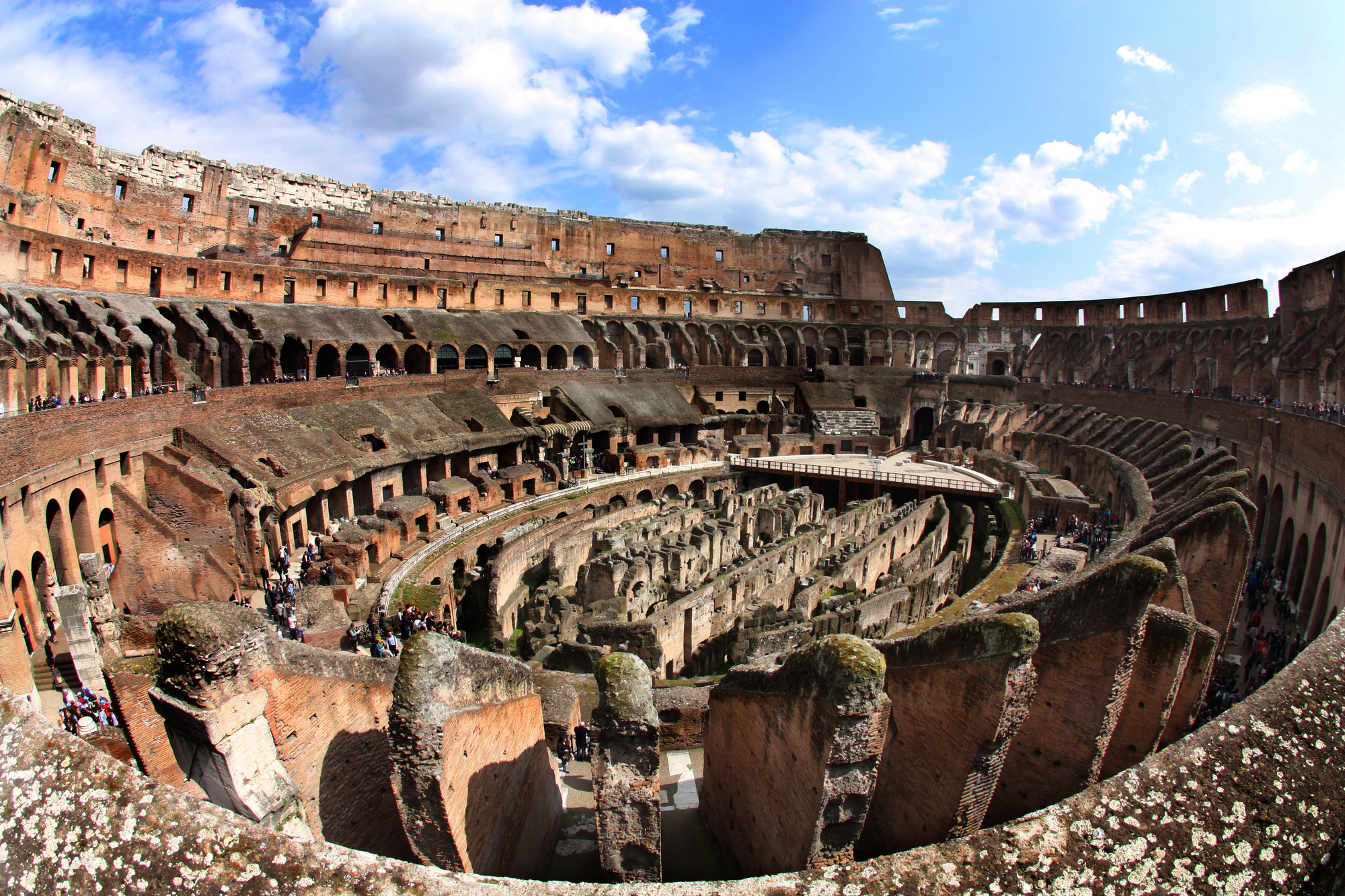
The exact capacity remains debated among historians, but most estimates place it somewhere in that range. The tiered seating arrangement reflected Roman social hierarchy, with the best seats reserved for senators and the emperor, while common citizens sat higher up.
Women and the lowest classes occupied the uppermost tiers. Getting 50,000 people in and out efficiently required serious planning, which the Romans executed brilliantly.
Free admission kept the masses happy
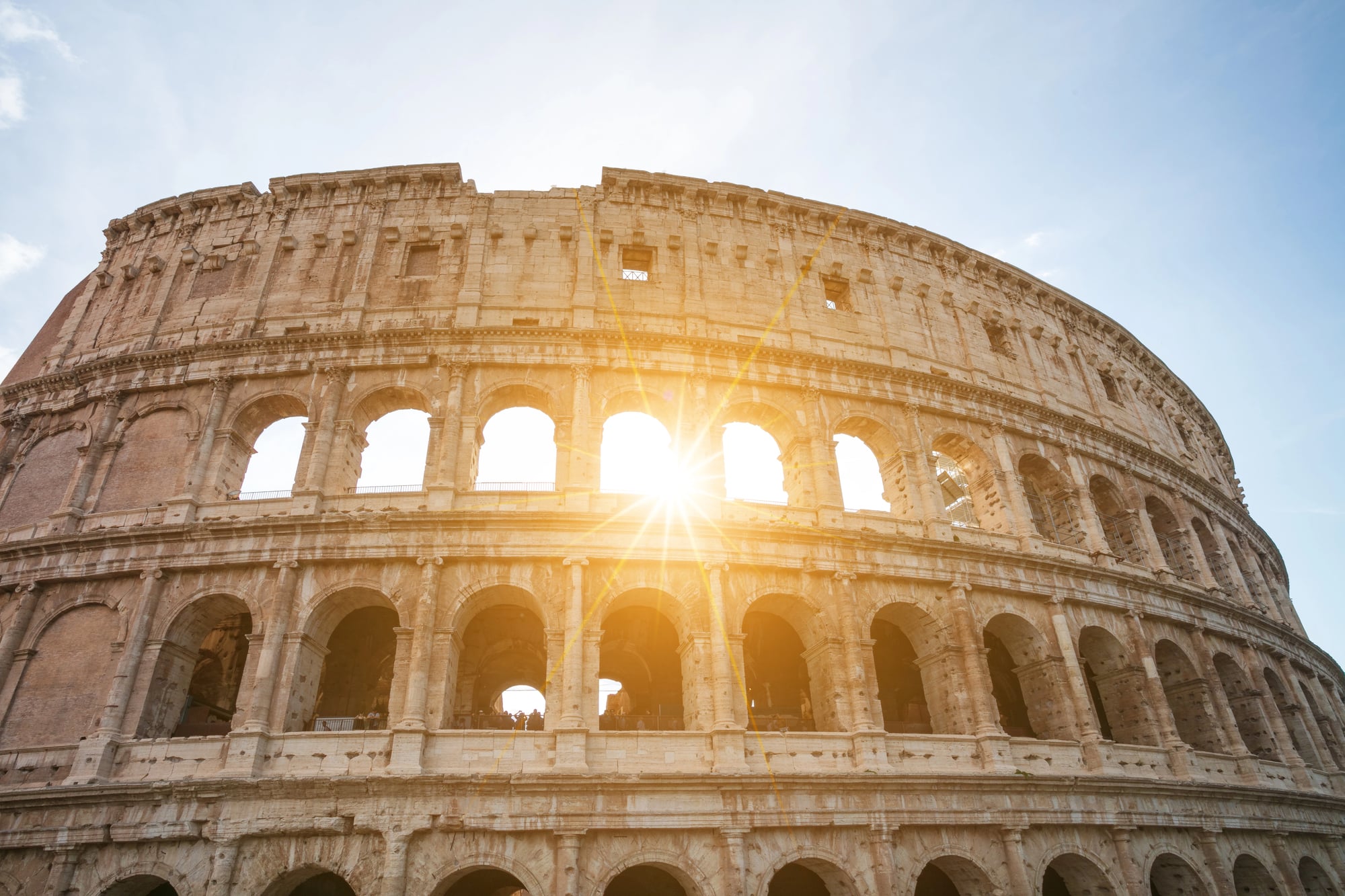
Emperors used the Colosseum as a tool for political control through a policy Romans called ‘bread and circuses’. Entry was free, and sometimes food was distributed to attendees.
Keeping the population entertained and fed reduced the risk of civil unrest. The events also reinforced the emperor’s generosity and power, creating loyalty through spectacle. It was social engineering disguised as entertainment.
Naval battles actually happened inside
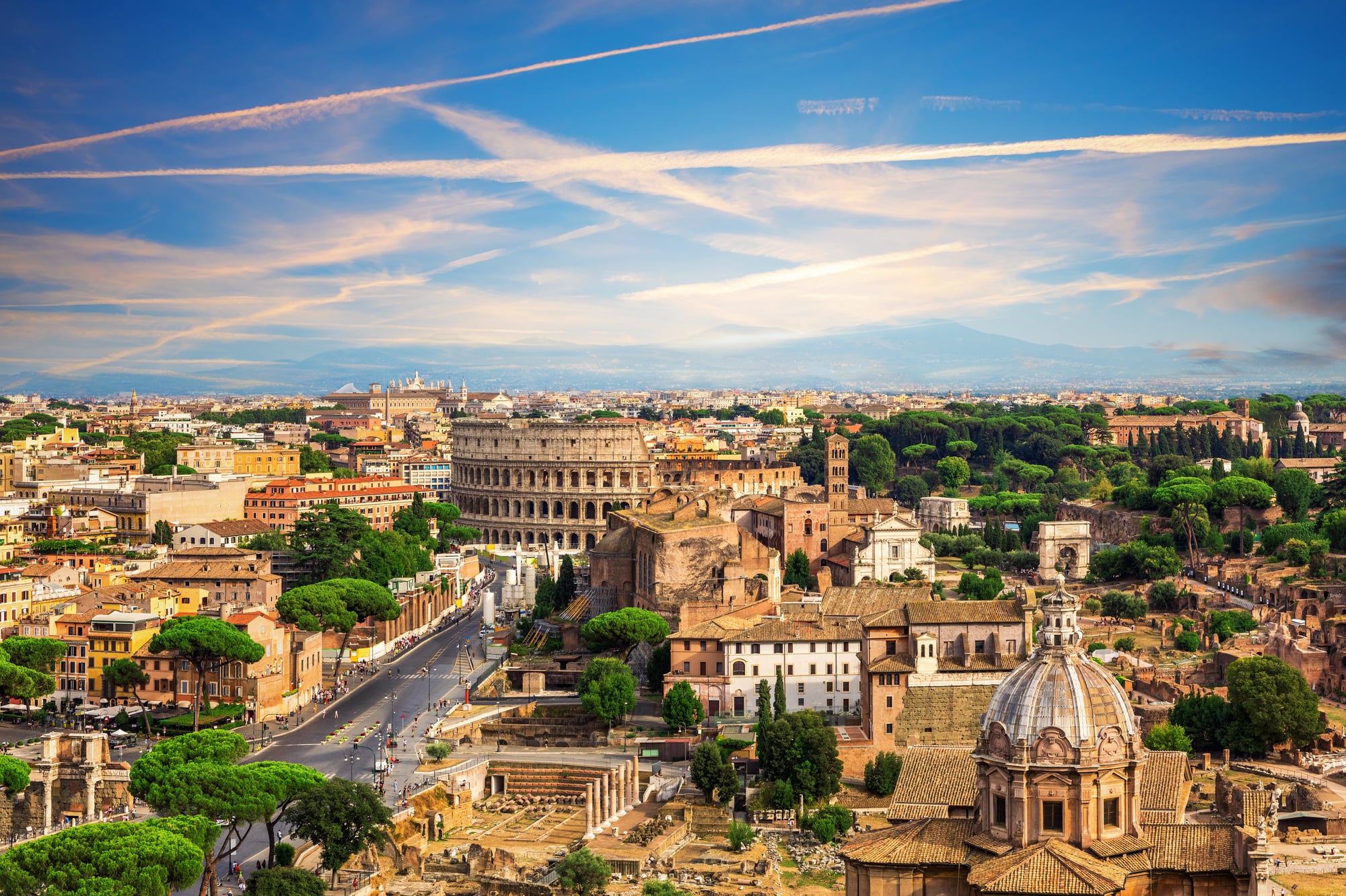
During the early years, before the hypogeum was fully built, Romans flooded the arena to stage naumachiae—mock naval battles. They would fill the space with enough water to float actual ships, then reenact famous sea conflicts with real combatants who fought to the death.
These spectacles were expensive and logistically complex, which is why they became less common as modifications to the building made flooding more difficult.
Gladiator fights weren’t always to the death
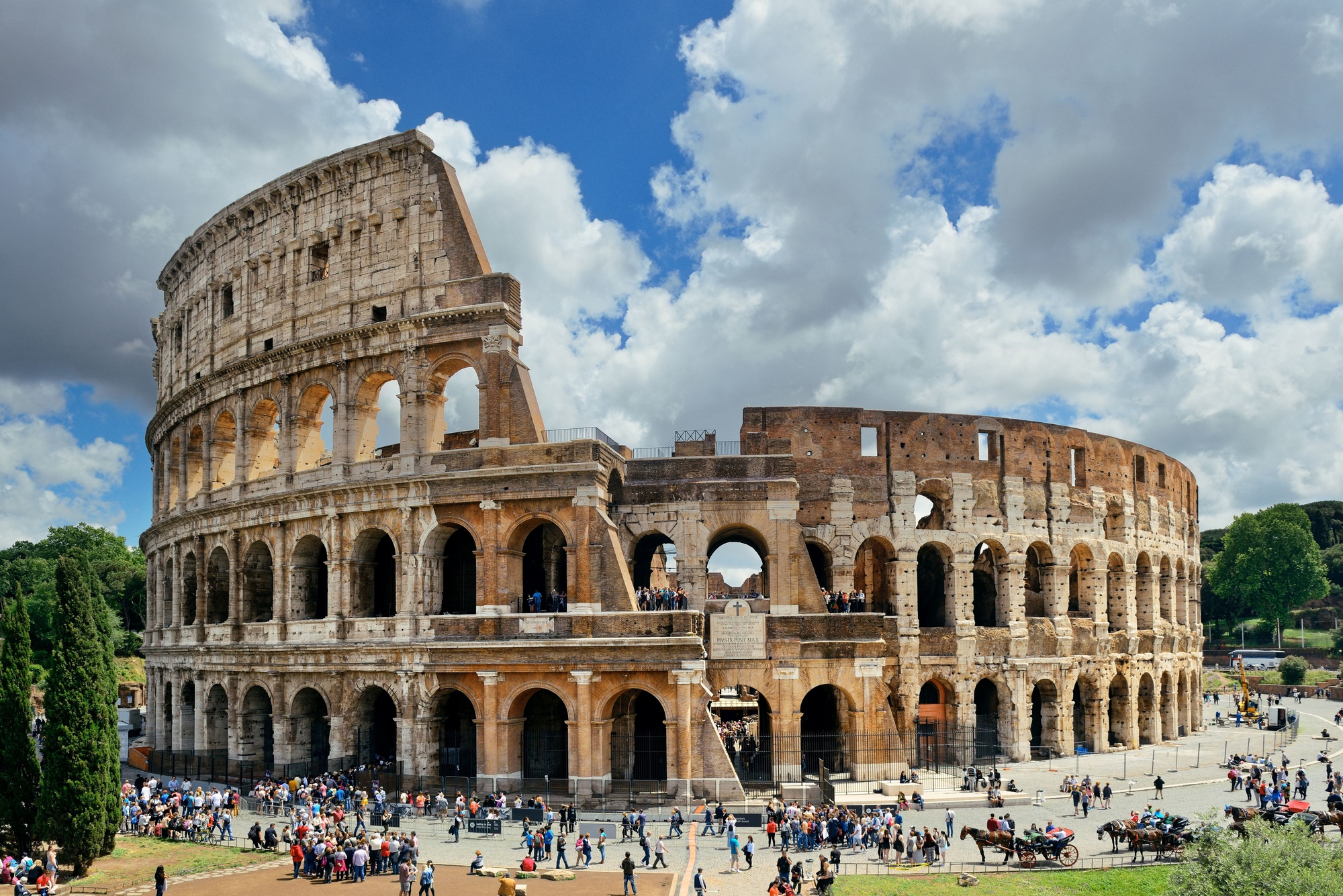
Contrary to Hollywood depictions, not every gladiator match ended in death. Gladiators were expensive to train and maintain, making them valuable investments.
Many fights ended when one combatant was clearly defeated, at which point they could appeal for mercy. The crowd and emperor would decide their fate with the famous thumb gesture—though historians still debate whether thumbs up or thumbs down meant death.
Animals were imported from across the empire
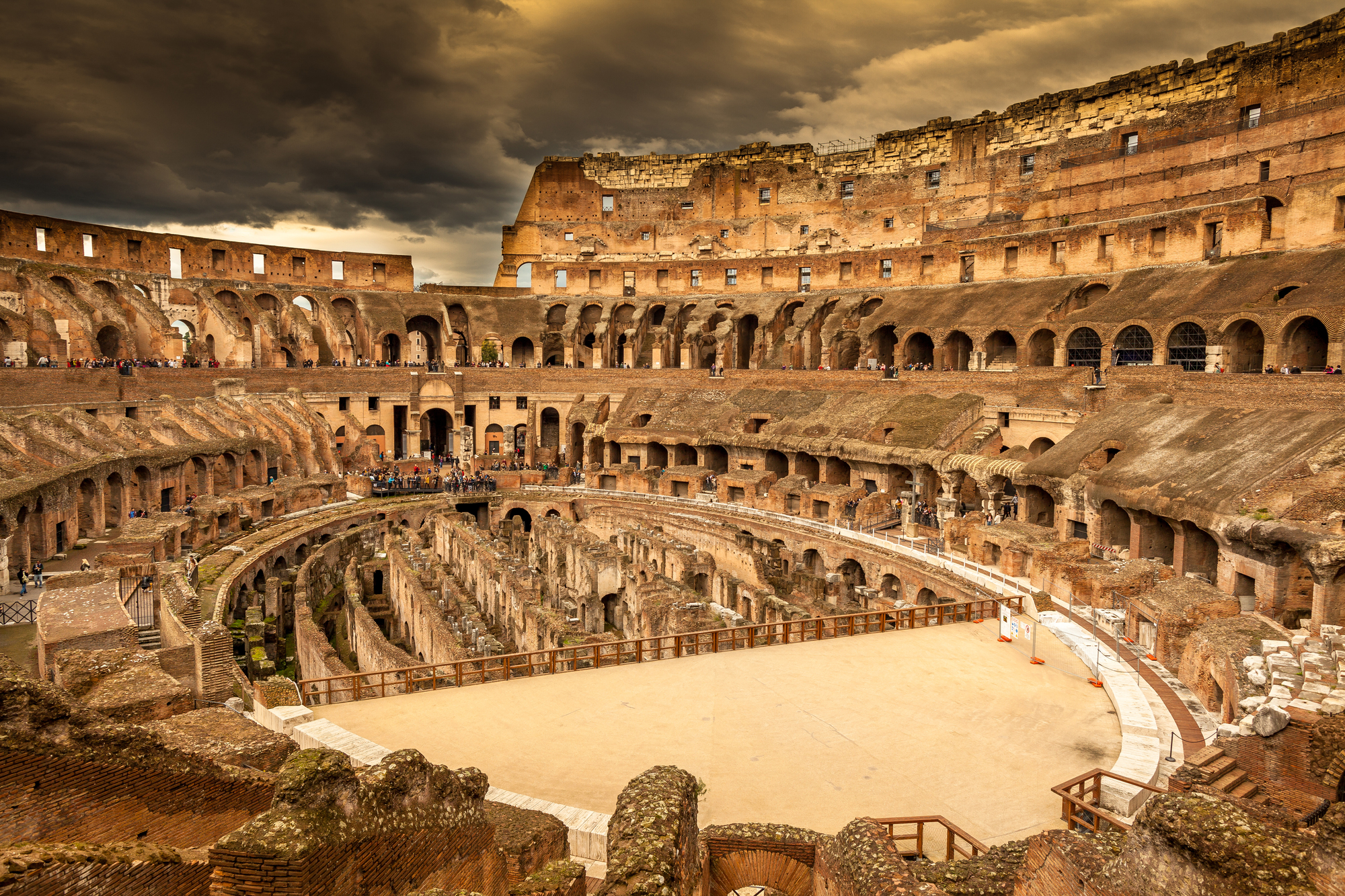
The Colosseum’s animal hunts, called venationes, featured creatures from every corner of the Roman Empire and beyond. Lions from Africa, bears from Europe, tigers from Asia, and even elephants and rhinoceroses made appearances.
These exotic animals demonstrated Rome’s vast reach and control over distant lands. Unfortunately, thousands of animals died in these spectacles, contributing to local extinctions of some species.
A massive retractable awning provided shade
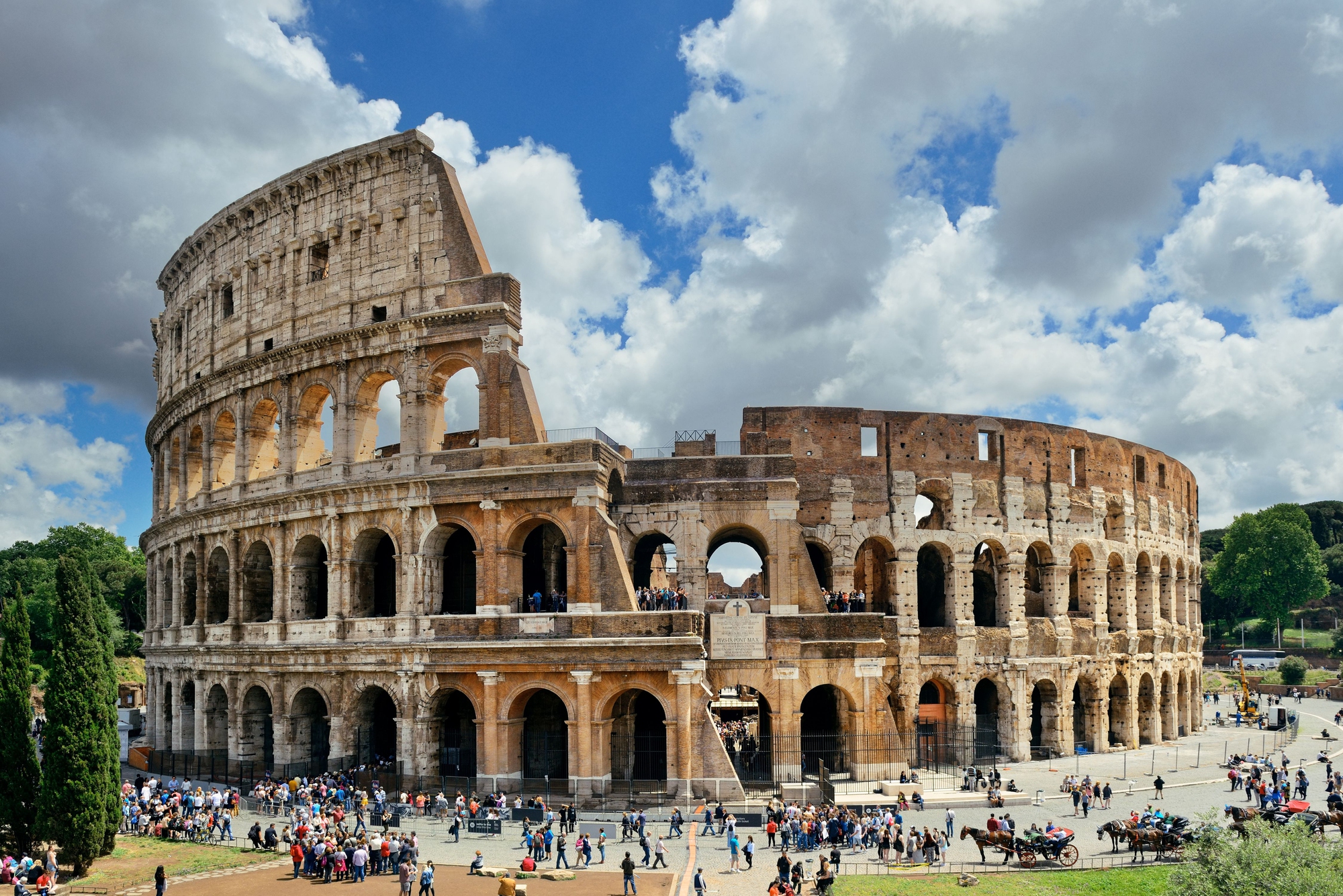
The velarium was a complex system of canvas sheets that could be extended over much of the seating area to protect spectators from the sun. Sailors from the Roman navy operated the rigging, using their nautical expertise to manage the ropes and pulleys.
The system required about 1,000 men to operate and represented yet another impressive feat of Roman engineering. Without it, sitting through hours-long events under the Mediterranean sun would have been unbearable.
Earthquakes and stone robbers damaged it over centuries
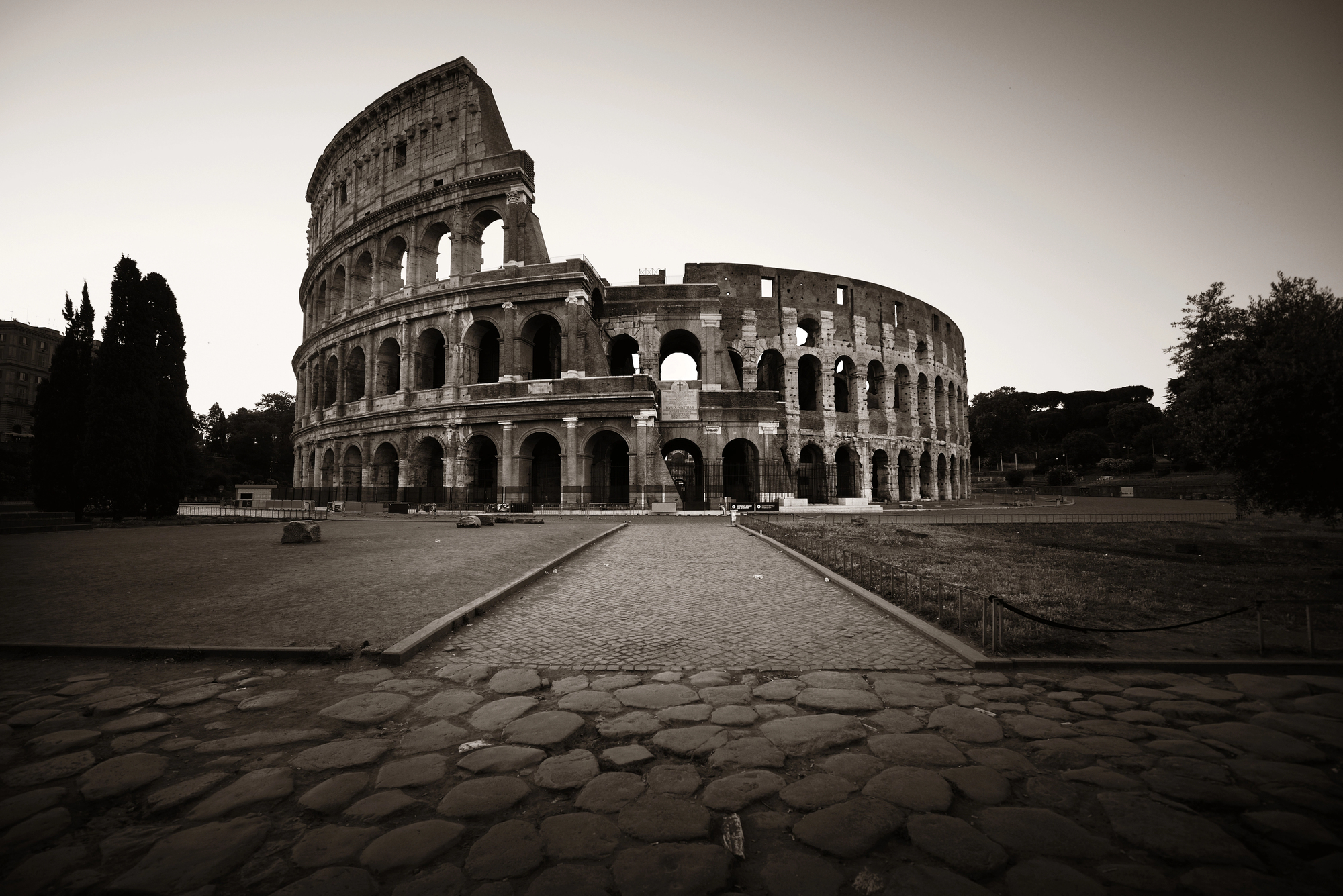
The Colosseum survived fairly intact through the Roman Empire’s fall, but earthquakes in 847 and 1231 AD caused significant damage, particularly to the outer south side. During the Middle Ages and Renaissance, Romans treated the structure like a quarry, removing stones to build churches, palaces, and other structures throughout the city.
This stone recycling continued for centuries until preservation efforts finally began in the 18th century.
Execution methods were disturbingly creative
Beyond gladiator combat and animal hunts, the Colosseum hosted public executions of criminals and prisoners. These weren’t simple affairs—Romans staged them as mythological reenactments where the condemned person played the role of a character who dies in the story.
Someone might be burned alive while playing Hercules, or torn apart by animals while portraying Orpheus. These executions served as entertainment while reinforcing Roman justice and authority.
The Christian martyrdom stories are probably exaggerated
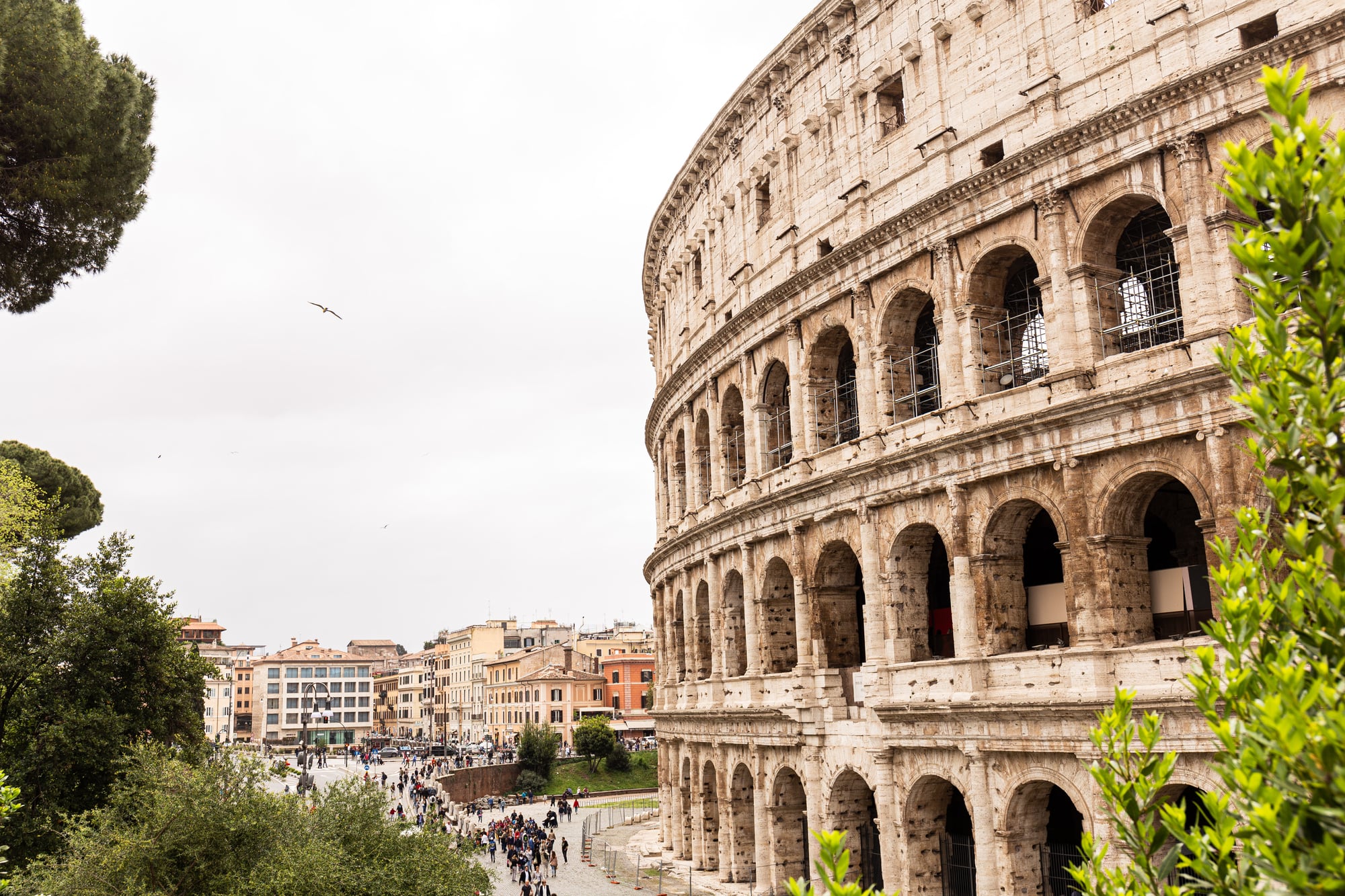
While Christians were certainly persecuted in ancient Rome, there’s limited historical evidence that mass martyrdoms occurred specifically in the Colosseum. The popular image of Christians being thrown to lions in this particular arena comes more from later religious tradition than documented history.
Executions of Christians did happen in Rome, but connecting them definitively to the Colosseum requires making assumptions that many historians find questionable. The Catholic Church declared it a sacred site in honor of Christian martyrs, but the archaeological and historical record remains murky.
Different doors were used by various groups depending on their status
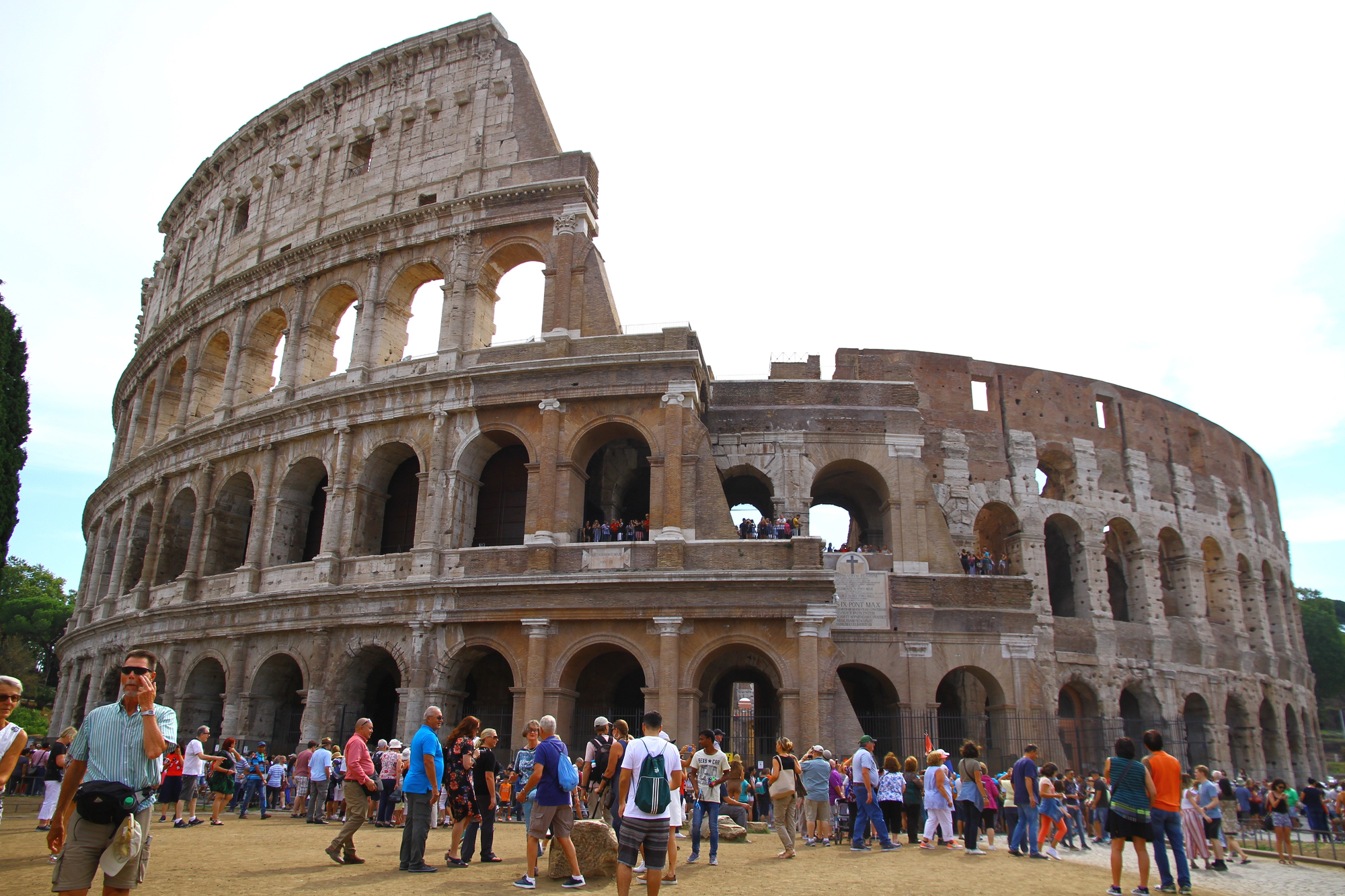
The Colosseum featured 80 ground-level gates, each marked by a Roman numeral. Since the top four were reserved for VIPs, everyone else used the remaining 76 based on rank.
Because of this setup, crowds reached their spots fast – no class mingling needed. Dug-up clay pieces with numbers probably worked as entry passes, pointing folks to the right door. Meanwhile, the ruler entered through a special gate linked directly to palace buildings nearby.
Just 15 minutes passed before everyone left the building
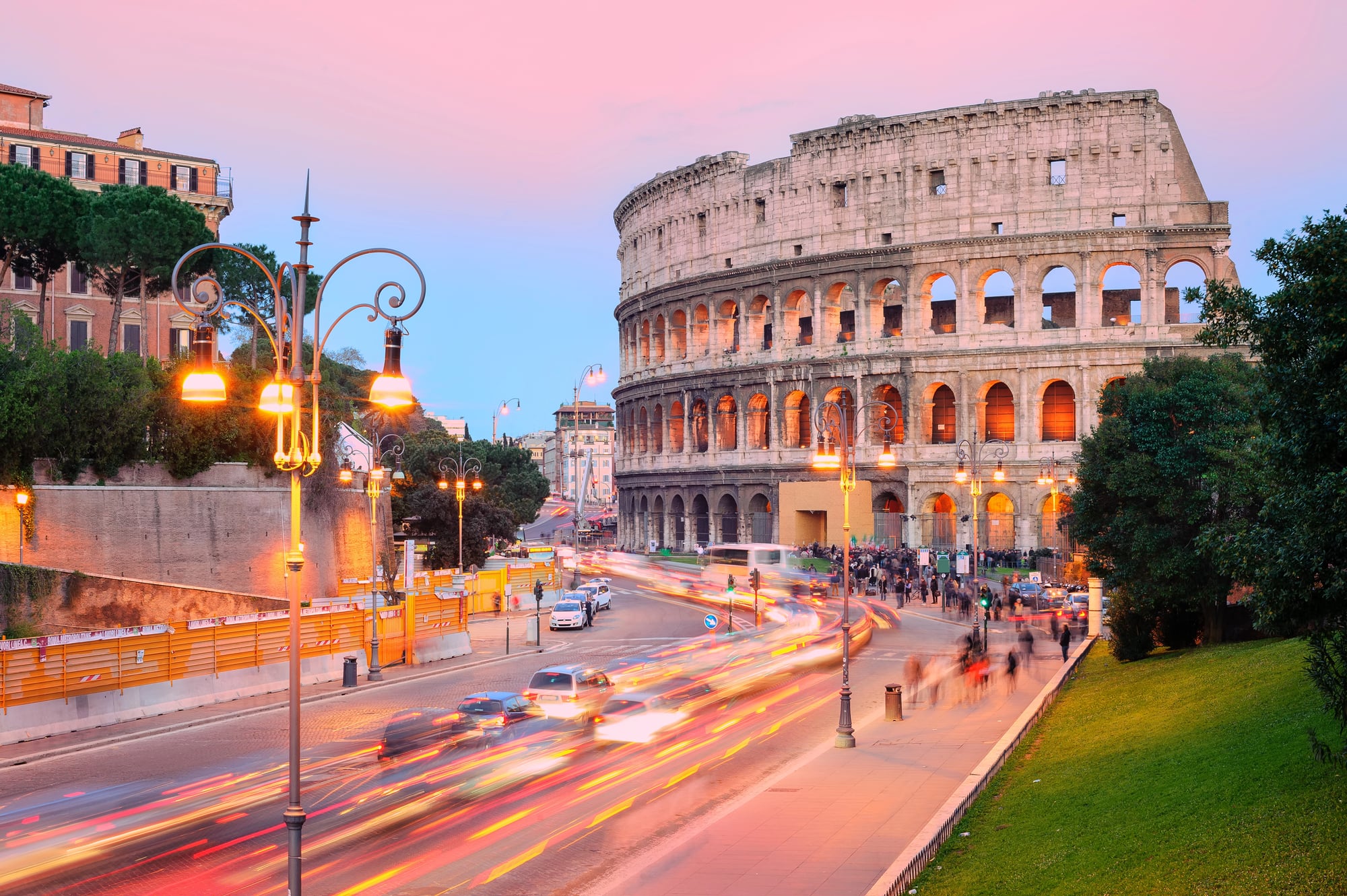
Roman builders came up with smart exits named vomitoria – hallways helping big groups rush out fast. Even though the term sounds gross, it wasn’t about puking at all.
It just translates to “spew out.” Thanks to this clever setup, fifty thousand folks – or even more – could leave in around fifteen minutes. Today’s arena planners check old Roman colosseum blueprints when figuring how crowds move through new spaces.
Medieval Romans lived inside the ruins
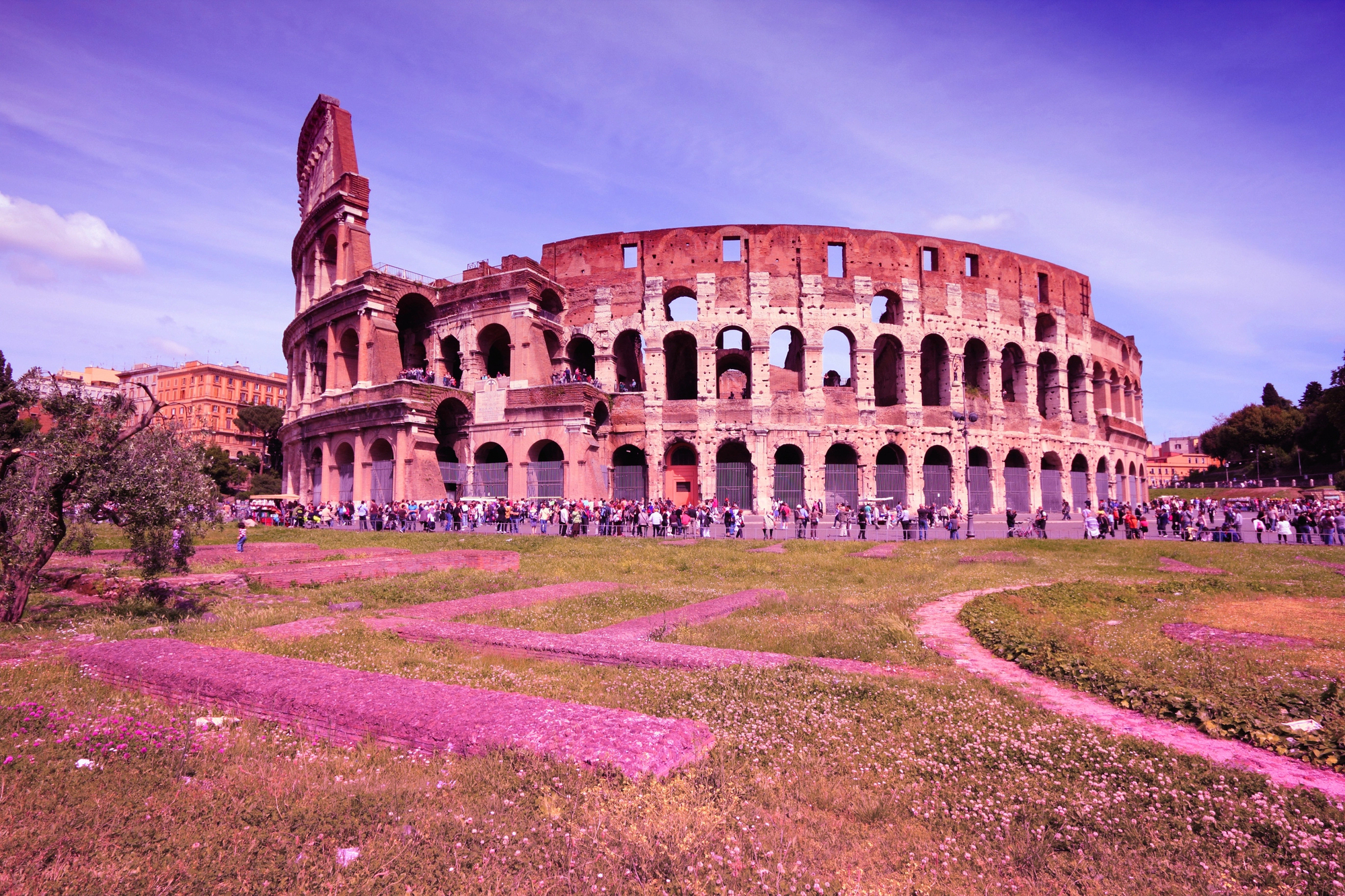
Once fights ended at the Colosseum, folks moved in instead. In medieval times, rooms inside got used for houses, shops, or storage spaces.
A powerful clan – the Frangipane – set up defenses in one area. Some corners were converted into tiny prayer spots around that time. This reuse went on for ages – imagine the Colosseum used like a regular part of town, not some grand landmark. It wasn’t until much later that folks started seeing it as something old but valuable, instead of just space to build on.
A bolt hit – wrecked the place back in 1231
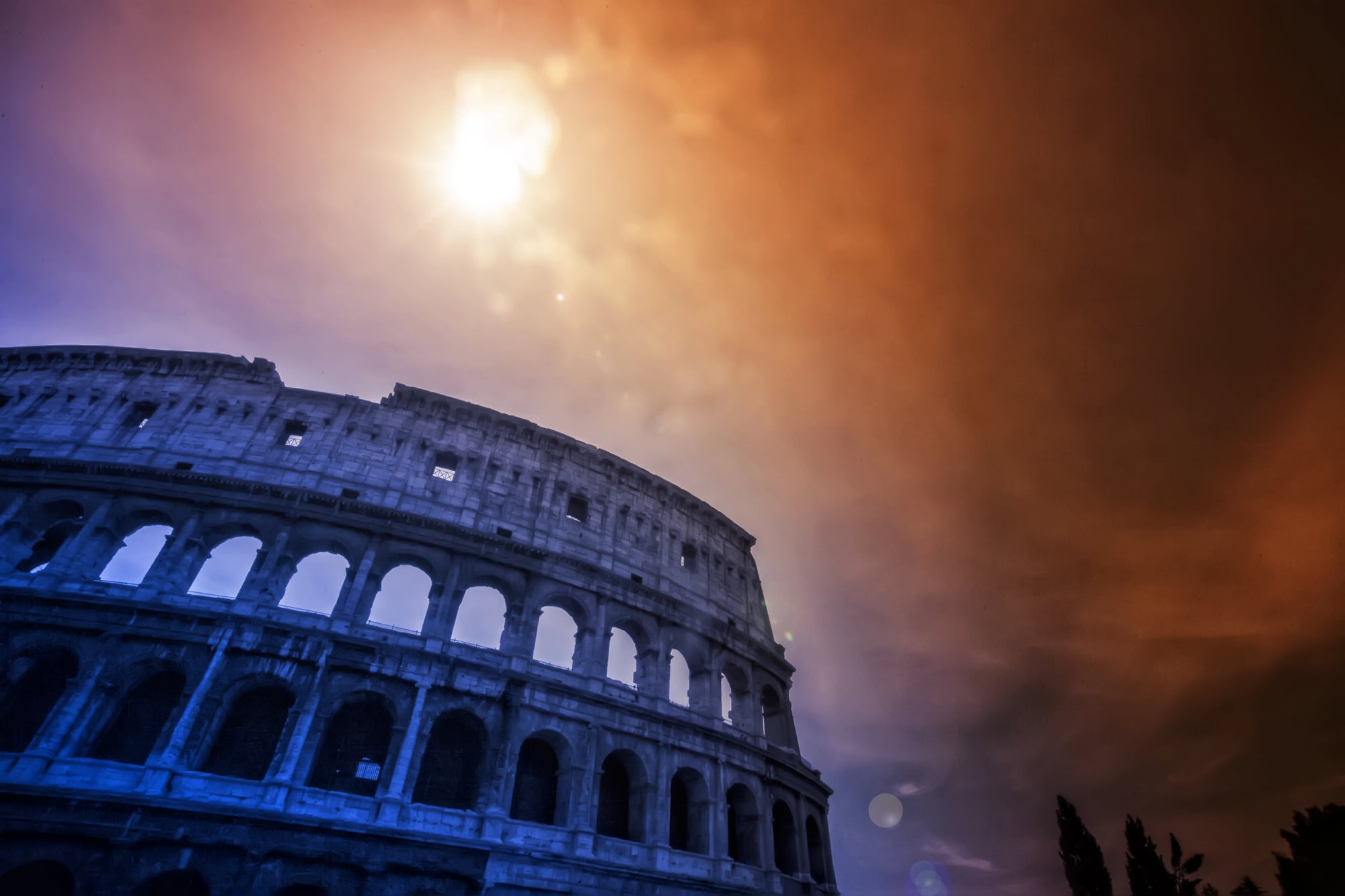
A big bolt of lightning hit during a storm back in 1231, shaking up parts of the outer wall already cracked by quakes. Because the quake had weakened it before, the whole southern stretch gave way soon after.
The huge stone chunks that came down were reused later on in new city builds across Rome. What you notice now – the lopsided look where one side is far more broken – mostly comes from that old strike and what followed.
Fumes today bring big danger
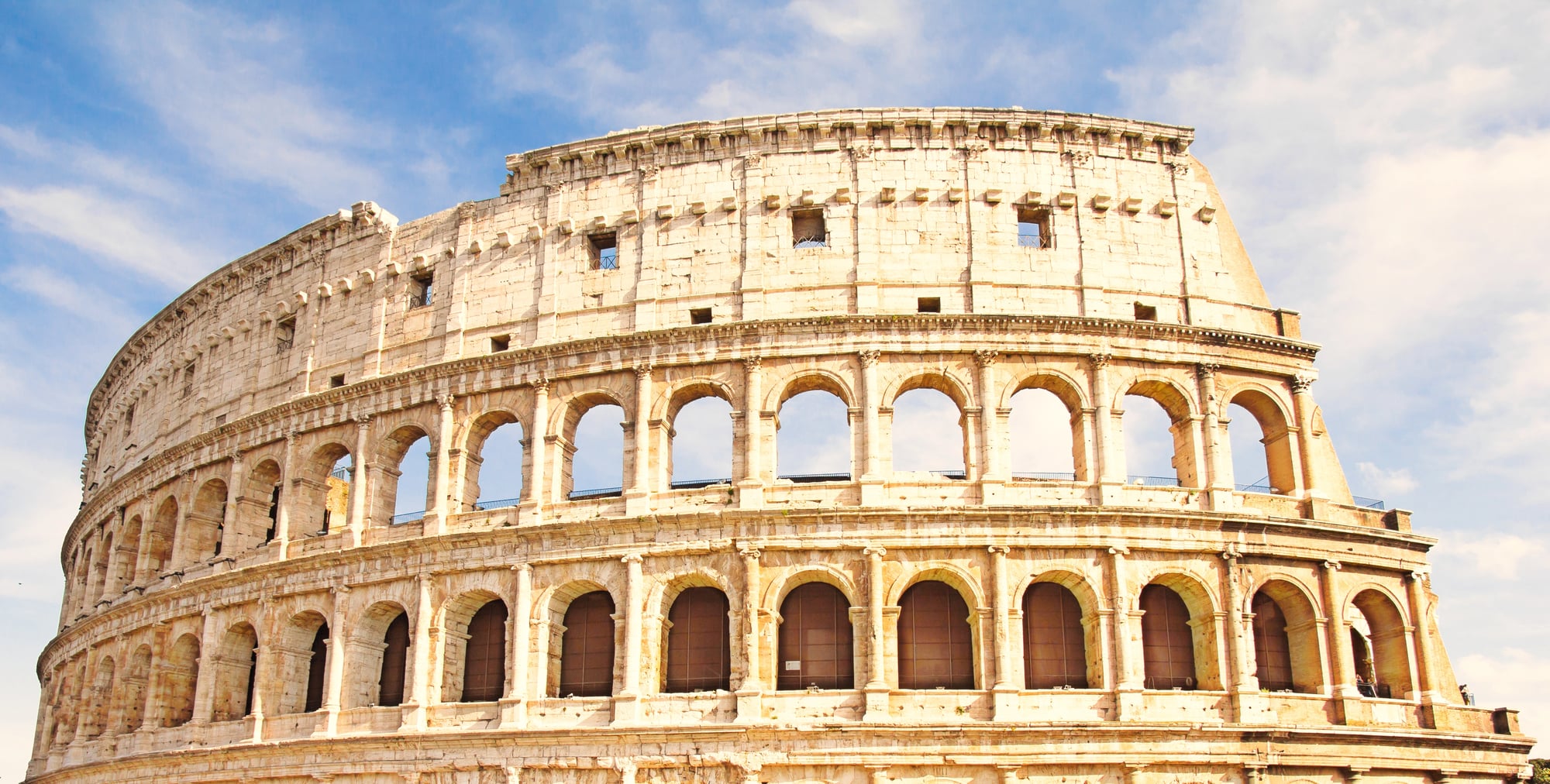
The Colosseum made it through almost 2000 years, yet fumes from factories over the past 100 hit harder than ages before. Fumes from cars, smoke from plants – these wore down the stone, leaving dark stains across its face.
Busy roads nearby plus underground trains shake the ground constantly, adding strain bit by bit. Clean-up work lately scrubbed off grime and braced shaky spots; still, shielding it from today’s mess isn’t getting easier.
Old times touch the road
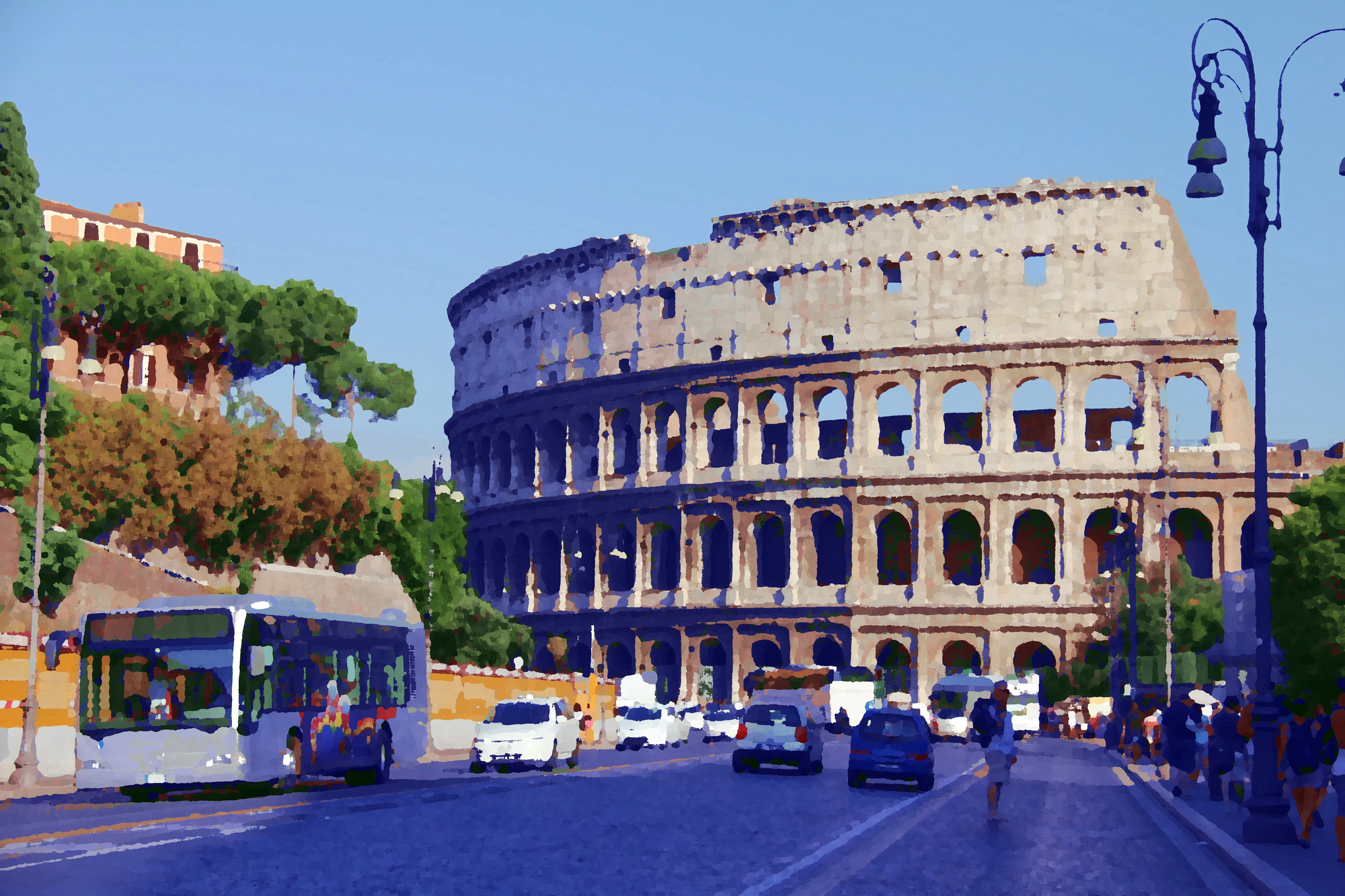
Tourists nowadays stroll under the very arches Romans used centuries ago, yet hand over cash no old-timer could ever grasp. This site pulls more than 7 million people each year – topping Italy’s list while filling city coffers.
Lights dance across old walls at night, sometimes paired with music events held right behind the scenes. What stood as a bold sign of empire now stands for shared human history, watched over by global experts and admired by builders who still steal tricks from its blueprint.
More from Go2Tutors!

- The Romanov Crown Jewels and Their Tragic Fate
- 13 Historical Mysteries That Science Still Can’t Solve
- Famous Hoaxes That Fooled the World for Years
- 15 Child Stars with Tragic Adult Lives
- 16 Famous Jewelry Pieces in History
Like Go2Tutors’s content? Follow us on M



