15 Historical Facts About Christmas Celebrations
Christmas looks different now than it did centuries ago. The holiday has transformed from ancient winter festivals into the gift-wrapped, tree-decorated celebration most people know today.
Many traditions considered essential to Christmas actually started relatively recently, while others trace back thousands of years to celebrations that had nothing to do with Christianity. The way people celebrate Christmas has changed based on religion, culture, geography, and even politics.
Understanding where these traditions came from adds depth to the holiday and explains why Christmas celebrations vary so much around the world.
The history behind Christmas traditions reveals some surprising twists. Some beloved customs nearly disappeared, while others started as complete accidents.
Ancient Romans celebrated Saturnalia first
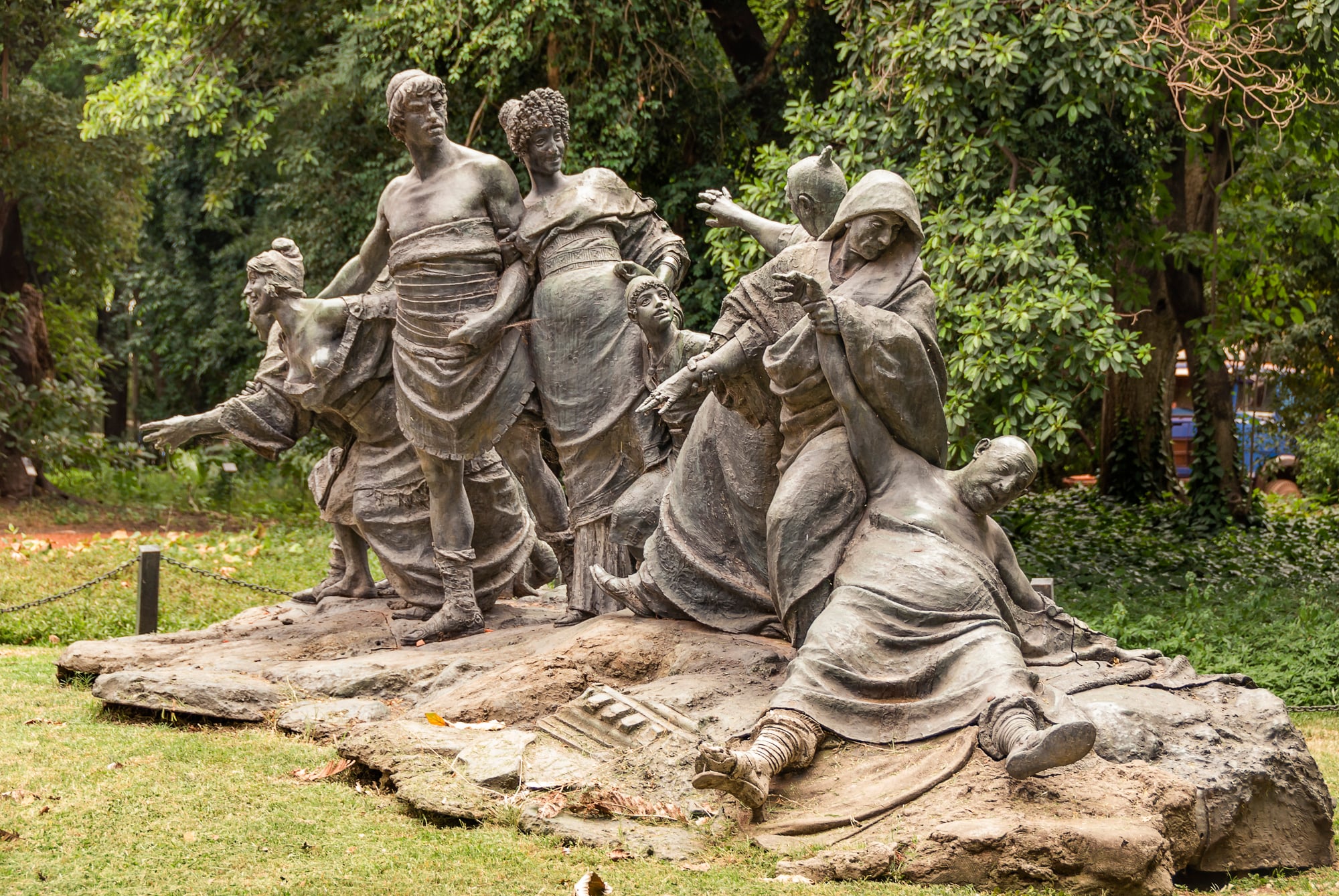
Long before Christmas existed, Romans held a winter festival called Saturnalia that honored the god Saturn. The celebration ran from December 17 to December 23 and included feasting, gift-giving, and role reversals where masters served their servants.
People decorated their homes with greenery, lit candles, and generally partied for a week straight. When Christianity spread through Rome, church leaders strategically placed Christmas near Saturnalia to make conversion easier for pagans who already celebrated during that time.
December 25 wasn’t always Christmas Day

Early Christians didn’t celebrate Jesus’s birth at all because they considered birthdays a pagan tradition. The Bible never mentions the date of his birth, and scholars believe he was likely born in spring or fall based on details about shepherds in fields.
The church officially established December 25 as Christmas in 336 AD under Roman Emperor Constantine. This date coincided with existing winter solstice festivals across Europe, making it easier for new converts to transition their celebrations toward Christian themes.
Christmas trees started in Germany

Germans began bringing evergreen trees into their homes during the 16th century, decorating them with apples, nuts, and paper flowers. Martin Luther allegedly added candles to a tree after being inspired by starlight shining through forest branches, though this story might be more legend than fact.
The tradition stayed mostly German until Queen Victoria’s husband, Prince Albert, brought a Christmas tree to Windsor Castle in 1848. A popular illustration of the royal family around their tree appeared in newspapers, and suddenly everyone in Britain and America wanted one.
Puritans banned Christmas in England and America

Puritans believed Christmas celebrations had become too rowdy and pagan, so they actually outlawed the holiday in the 1600s. England banned Christmas from 1647 to 1660, and in Massachusetts, celebrating Christmas could result in a fine.
Anyone caught feasting or taking the day off work faced penalties. The bans eventually lifted, but Christmas remained relatively low-key in America until the 1800s.
Many early Americans considered it a British holiday and wanted nothing to do with it after the Revolution.
Santa Claus evolved from Saint Nicholas

Saint Nicholas was a 4th-century bishop in modern-day Turkey known for his generosity, particularly toward children and the poor. Dutch settlers brought their tradition of Sinterklaas to America, where the name eventually became Santa Claus.
The transformation from a thin bishop in religious robes to a jolly fat man in a red suit happened gradually through various poems, stories, and illustrations. Clement Clarke Moore’s 1823 poem ‘A Visit from St. Nicholas’ (better known as ‘The Night Before Christmas’) established many details Americans now consider standard for Santa.
Coca-Cola didn’t invent the red suit

Contrary to popular belief, Coca-Cola didn’t create the image of Santa in red and white. Santa wore various colors in earlier illustrations, including green, blue, and brown, but red appeared frequently before Coca-Cola’s 1930s advertising campaigns.
Political cartoonist Thomas Nast drew Santa in a red suit as early as the 1860s. What Coca-Cola did do was standardize and popularize one specific version of Santa through massive advertising, making their interpretation the dominant image worldwide.
The company’s Santa looked friendly and grandfatherly, setting the template others copied.
Christmas cards started as a money-making scheme
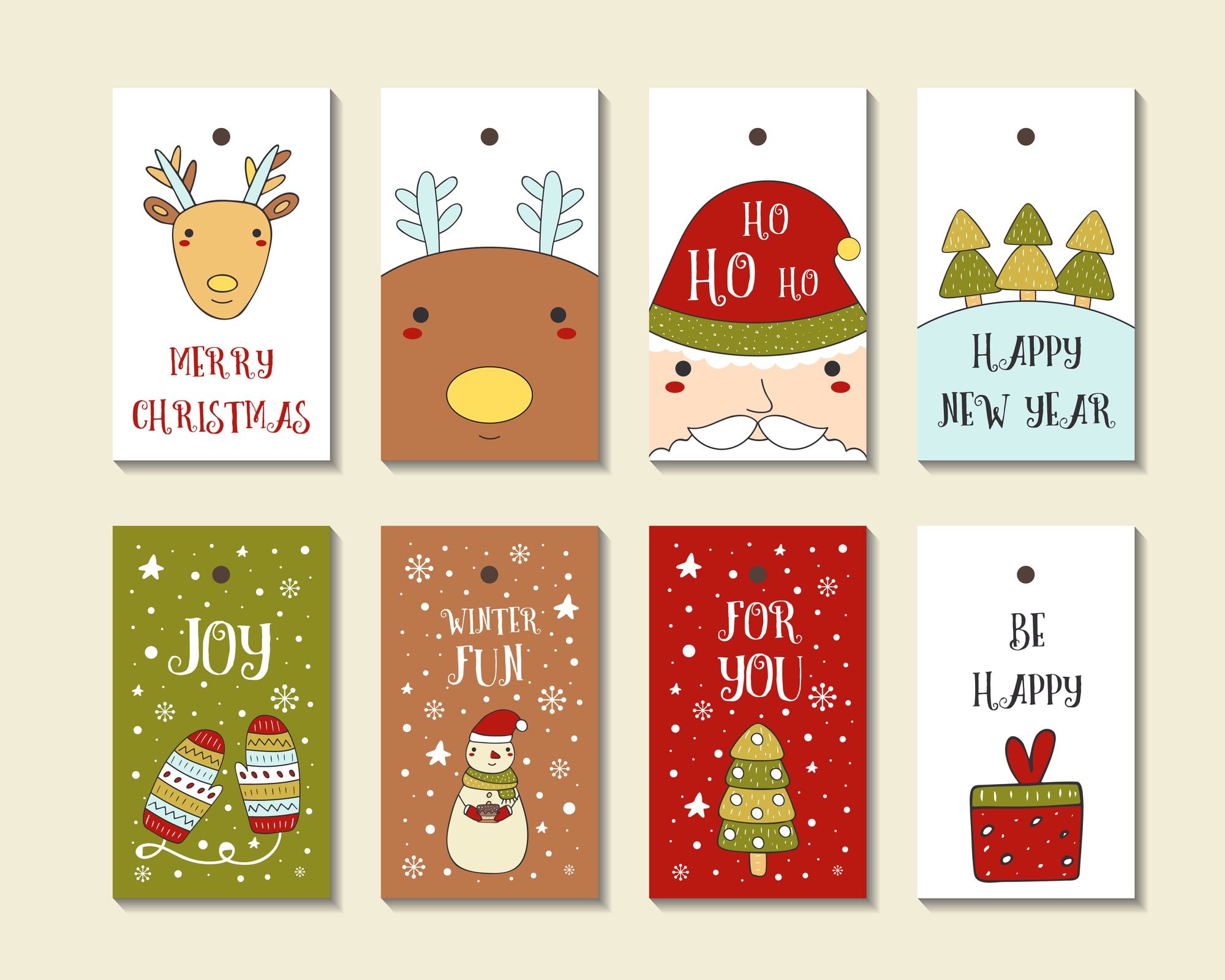
Sir Henry Cole commissioned the first commercial Christmas card in London in 1843 because he was too busy to write personal holiday letters. He hired artist John Callcott Horsley to design a card showing a family celebration, then printed 1,000 copies to sell.
The venture didn’t make much money initially, but the idea caught on within a few decades. Advances in printing technology and cheaper postage made cards affordable for regular people by the 1860s.
Now billions of Christmas cards get mailed annually, though email and digital greetings have cut into physical card sales.
Jingle Bells wasn’t written for Christmas

James Lord Pierpont composed ‘One Horse Open Sleigh’ in 1857 for Thanksgiving, not Christmas. The song celebrated sleigh racing, a popular winter activity in Massachusetts at the time.
It got renamed ‘Jingle Bells’ and somehow became associated with Christmas, even though the lyrics never mention the holiday. The song’s catchy tune and winter theme made it a natural fit for Christmas celebrations, so people just adopted it.
This accidental Christmas song has been recorded thousands of times and remains one of the most recognizable holiday tunes worldwide.
Gift-giving wasn’t always part of Christmas

Early Christmas celebrations focused on church services and feasting, not presents. The gift-giving tradition grew gradually, influenced by the legend of the Three Wise Men bringing gifts to baby Jesus and stories of Saint Nicholas secretly leaving gold coins for poor families.
Exchanging gifts became more common in the 1800s as the middle class grew and consumer culture expanded. Department stores encouraged the practice because it boosted sales during the slow winter months.
By the early 1900s, giving Christmas presents had become expected rather than optional.
Rudolph appeared in 1939

Robert L. May created Rudolph the Red-Nosed Reindeer for Montgomery Ward department stores as a free Christmas coloring book to give customers. The store distributed 2.4 million copies that first year.
May’s brother-in-law, Johnny Marks, turned the story into a song in 1949, and Gene Autry’s recording became a massive hit. The 1964 television special cemented Rudolph’s place in Christmas tradition.
Before 1939, Rudolph didn’t exist at all, yet now he’s as essential to Christmas as Santa himself.
Christmas became a federal holiday surprisingly late

Despite being widely celebrated, Christmas didn’t become an official federal holiday in the United States until 1870. Before that, many businesses and government offices stayed open on December 25.
The move toward making it official came as Christmas celebrations became more family-focused and less rowdy. Alabama became the first state to recognize Christmas as a legal holiday in 1836, and other states slowly followed.
Even after the federal declaration, some businesses and institutions resisted closing on Christmas for years.
Mistletoe has ancient Druid roots

Druids back in old Britain saw mistletoe as special, thinking it cured illnesses while also bringing fortune. They gathered it at winter’s peak with shiny sickles – dropping it was a no-go.
That smooching habit? Blame Norse tales linking the plant to harmony and affection. By the 1700s, workers in England began pairing kisses with mistletoe, sparking wider use.
Now you’ll spot it hanging indoors during gatherings; still, few recall its mystical roots or past health promises.
Candy canes could’ve begun as a way to keep kids busy

Back in 1670, folks say a German choir leader handed out white candy sticks shaped like shepherd hooks to hush kids at church. He curved them on purpose – meant to make youngsters think of shepherds near baby Jesus.
Still, no real proof backs up this claim. One thing’s clear: candy canes showed up in Europe during the 1600s, stayed plain white for ages, then picked up red stripes when factories started mass-producing them.
As for mint taste? That arrived even later.
Feasts at Christmas look totally different depending on where you are

Americans usually go for turkey or ham at Christmas dinner, though not everyone does. Meanwhile, folks in Italy stick to seafood on Christmas Eve – especially seven kinds of fish.
In Japan, families dig into KFC fried chicken; it caught on after a smart ad push in the ’70s. Down under, Aussies fire up the grill since their December holiday hits mid-summer.
Germans go for goose or sometimes carp, whereas Norwegians lay out fermented fish. What counts as a classic holiday meal depends on where you are; something usual here might feel odd there.
Electric Christmas lights replaced dangerous candles

Back in the 1800s, folks put actual candles on their holiday trees – this led to tons of homes going up in flames. Then came Edison’s helper, Edward H. Johnson, who rigged up a set of electric lights by hand in 1882 using eighty bulbs colored red, white, and blue.
Those early electrical decorations cost way more than most people could handle; they also needed custom setups. Because of that, only richer households ended up with them.
General Electric started selling ready-to-use light strands back in 1903; by the 1920s, costs had fallen so low that average households could afford them. These days, most people use LED versions instead of old-style bulbs – these new ones sip power while running way longer.
From ancient fires to electric lights
Christmas now blends old winter customs from many centuries – pagan rituals meet church beliefs, Victorian ideas mix with today’s shopping culture, creating a messy but lively festival. That tree indoors? It echoes long-ago reverence for trees standing through dark months.
Presents below link not just to a kind bishop from Turkey, but also holiday ads and mysterious figures from scripture tales. And the chosen day itself was once a deal struck between faiths trying to get along.
Those celebrating Christmas now are part of a shifting habit – always absorbing fresh ideas while holding on to familiar rituals. Fifty years ahead, the holiday’ll probably seem unlike what it is today, still changing like it always has, shaped by how people face winter’s longest nights with warmth, meals, or shared moments.
More from Go2Tutors!

- The Romanov Crown Jewels and Their Tragic Fate
- 13 Historical Mysteries That Science Still Can’t Solve
- Famous Hoaxes That Fooled the World for Years
- 15 Child Stars with Tragic Adult Lives
- 16 Famous Jewelry Pieces in History
Like Go2Tutors’s content? Follow us on MSN.