Unexpected Christmas Traditions You’ve Never Heard Of
Christmas looks different depending on where you stand. While most people picture trees, presents, and family dinners, some corners of the world celebrate in ways that surprise anyone who hasn’t seen them firsthand.
These traditions didn’t come from marketing or greeting cards. They grew from centuries of local culture, folklore, and the creativity that happens when people make a holiday of their own.
The Pooping Log of Catalonia
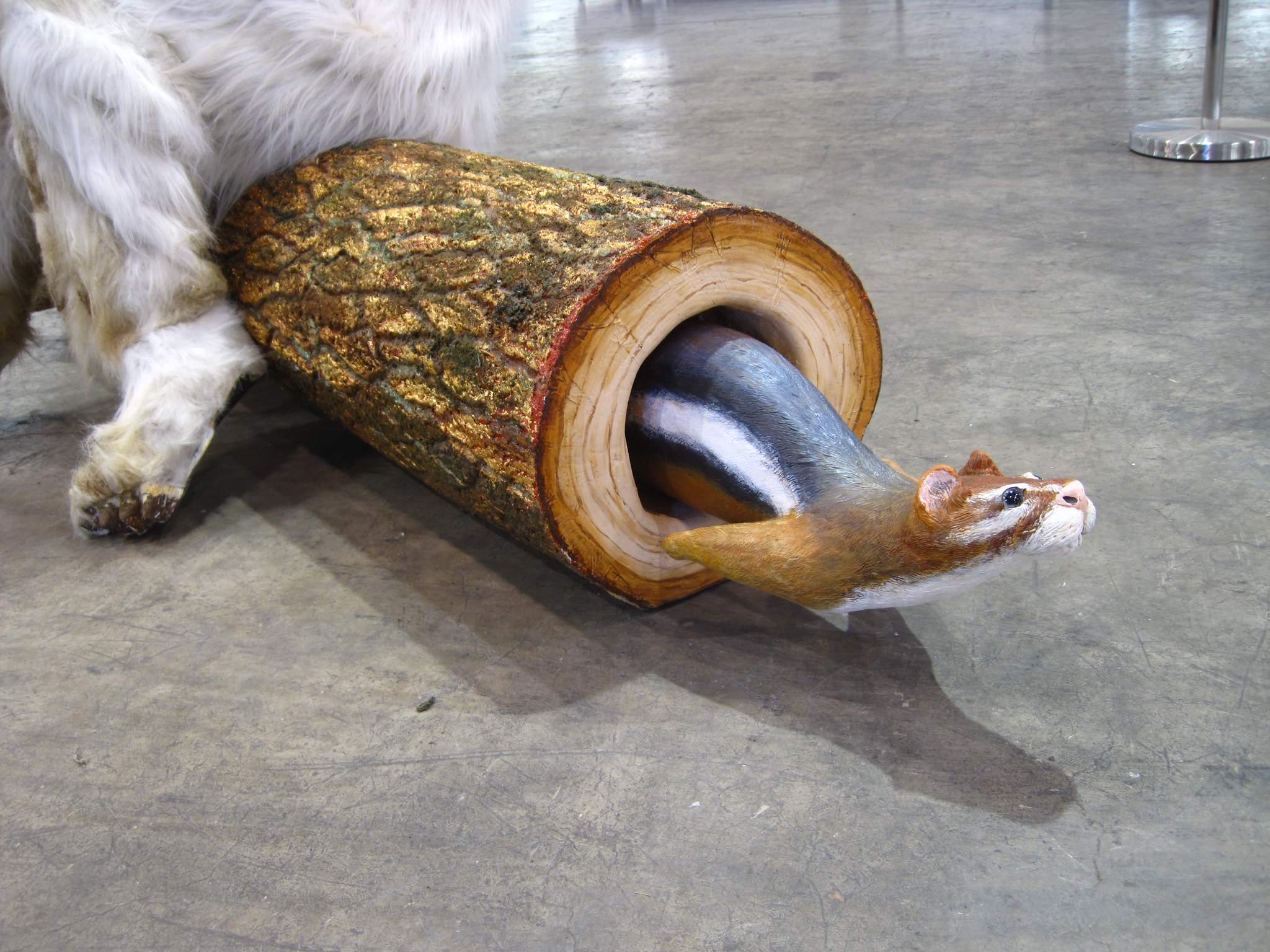
In Catalonia, families bring a wooden log into their homes in early December and treat it like a pet. They cover it with a blanket, draw a face on it, and feed it scraps of food.
On Christmas Eve, children beat the log with sticks while singing songs. The Tió de Nadal, or “Christmas log,” produces small toys and candies, ending with garlic or onions when it’s done for the year.
Venezuelans Roller Skate to Church

In Caracas, Christmas morning means lacing up roller skates. People glide through closed streets to early mass, with families skating together in groups.
After mass, people head home for hallacas—a traditional tamale-like dish—still wearing their skates. The event feels more like a street festival than a religious observance.
Iceland’s Yule Cat Hunts the Poorly Dressed
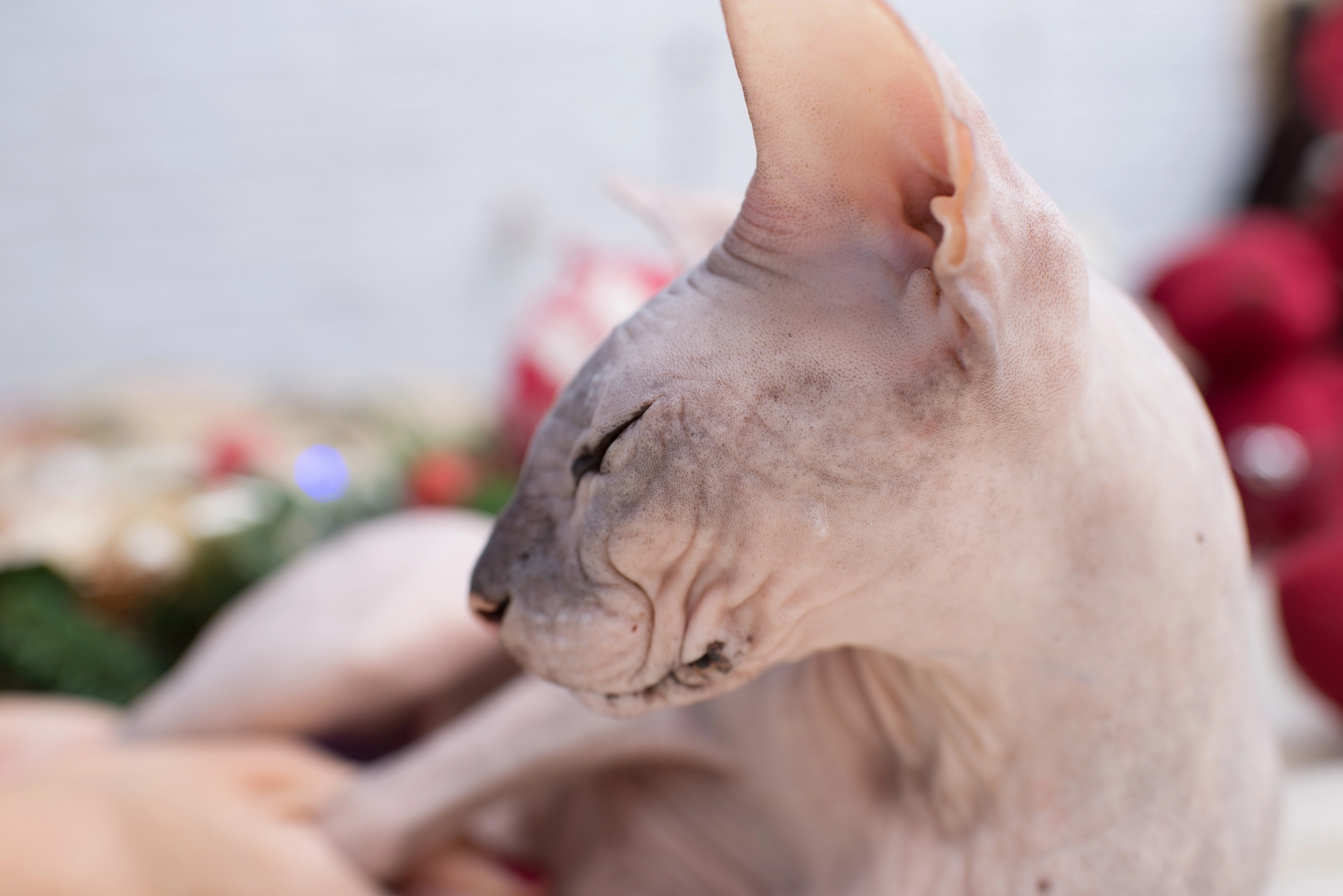
The Jólakötturinn, or Yule Cat, prowls Iceland during Christmas. It’s a massive creature that eats anyone who doesn’t receive new clothes before Christmas Eve.
The legend motivated workers to finish processing wool before winter. Today, Icelanders exchange at least one piece of new clothing to keep the tradition alive.
Norway Hides the Brooms
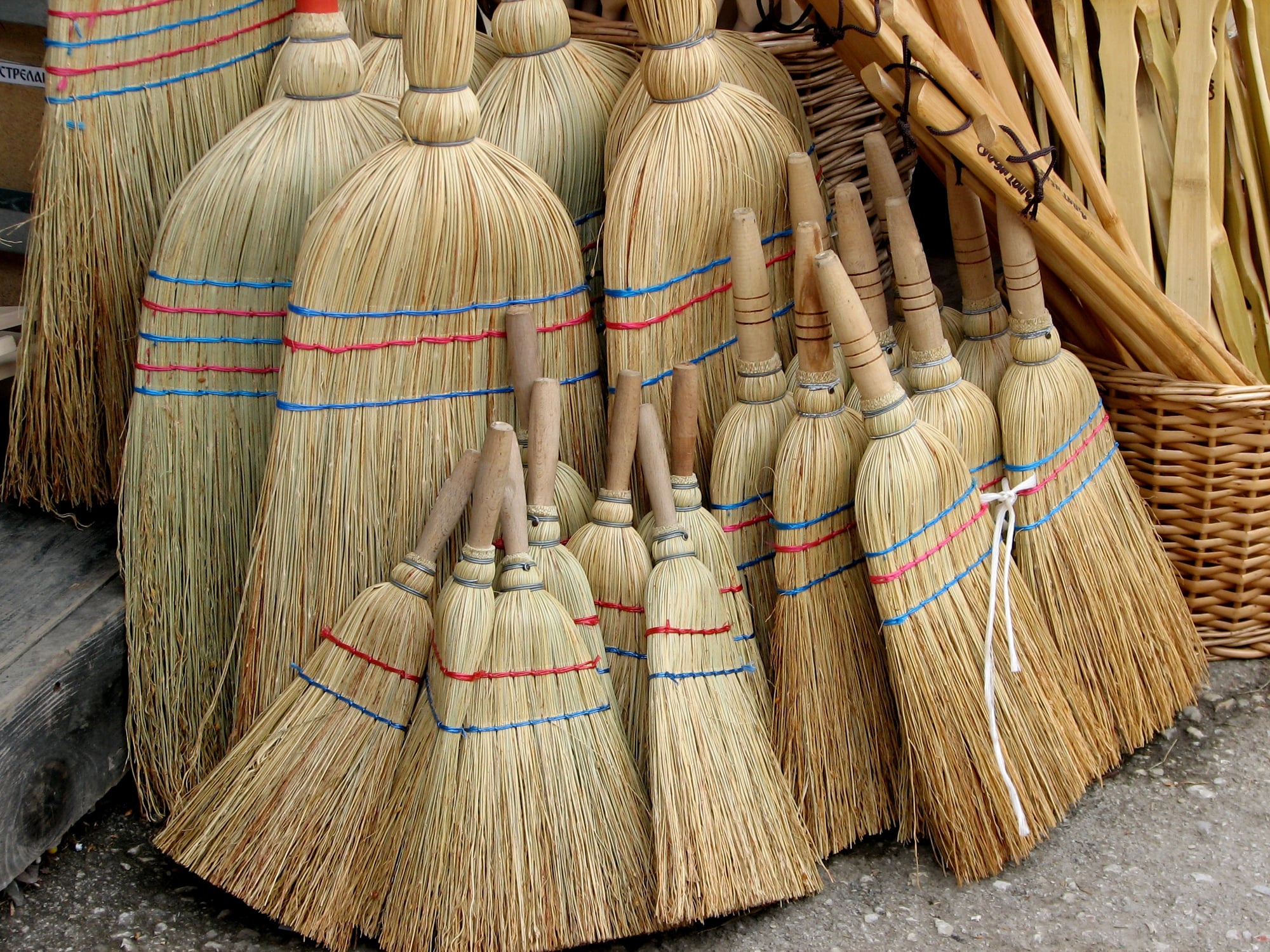
Norwegian families hide their brooms on Christmas Eve. The belief comes from old Norse traditions, warning that witches and evil spirits might steal brooms for midnight flights.
Some modern households hide mops and dustpans too. The tradition persists as a fun habit rather than a serious precaution.
Oaxaca Carves Enormous Radishes

Every December 23rd, Oaxaca hosts La Noche de Rábanos, or Night of the Radishes. Farmers and artists carve massive radishes into intricate scenes depicting nativity stories and local landmarks.
Some radishes grow up to two feet long. The displays last only days, with winners receiving cash prizes.
Guatemala Burns the Devil
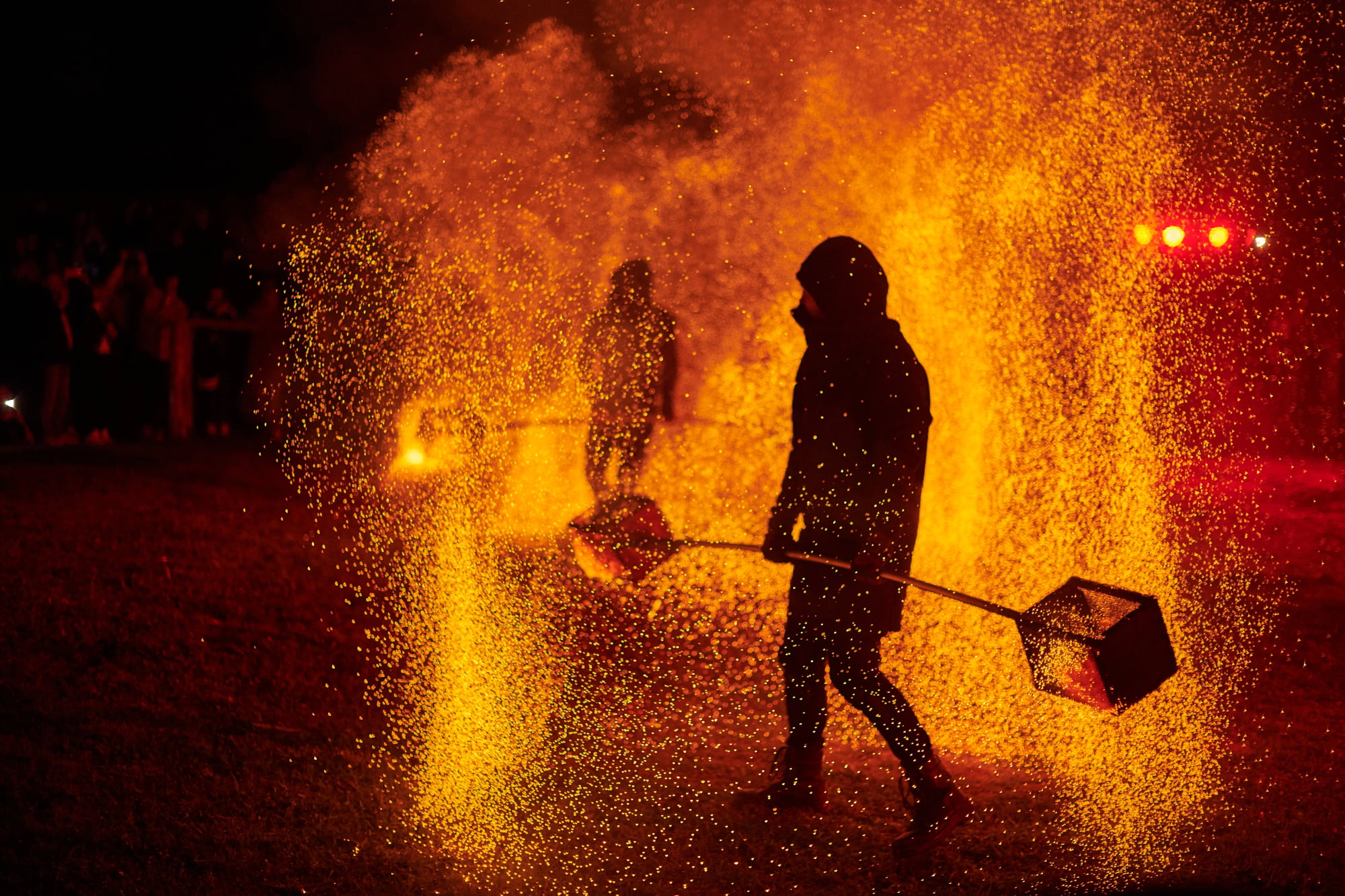
On December 7th, Guatemalans light fires to burn effigies of the devil. La Quema del Diablo symbolizes cleansing homes of evil before Christmas.
People pile trash and old furniture into bonfires, while firecrackers add noise. The streets smell of smoke for hours, marking a fresh start for the new year.
Czech Women Throw Shoes

Unmarried Czech women toss shoes over their shoulders on Christmas. If the shoe lands pointing toward the door, they’ll marry within the year; if away, they stay single.
Variations exist regarding timing, shoe type, or direction. It has become a playful Christmas Eve game.
Wales Brings Out the Dead Horse

In parts of Wales, people parade with a horse skull on a pole called the Mari Lwyd. The skull is decorated with ribbons, bells, and sometimes a white sheet.
Groups of men carry it from house to house, engaging in rhyming challenges. Losing houses must provide food and drink. The tradition stems from pre-Christian fertility rites.
Ukraine Decorates with Spider Webs

Ukrainian Christmas trees sparkle with artificial spider webs. The tradition comes from a tale about a poor widow whose spiders covered her tree in silver and gold overnight.
Today, small spider ornaments are added for good luck. Visitors are often puzzled why anyone would intentionally add spider decorations.
Japan Eats KFC

Over three million Japanese families eat Kentucky Fried Chicken at Christmas. The 1974 “Kentucky for Christmas” campaign made ordering KFC a holiday tradition.
Meals include special packaging and small Christmas cakes. Lines form on Christmas Eve as families secure their festive chicken.
Finland Hits the Sauna

Finns clean and heat their saunas on Christmas Eve. They respect the sauna elf, or saunatonttu, leaving food or maintaining cleanliness to avoid bad luck.
Families enjoy the sauna before church or dinner. The practice combines cleansing and renewal with holiday celebrations.
Austria Meets Krampus
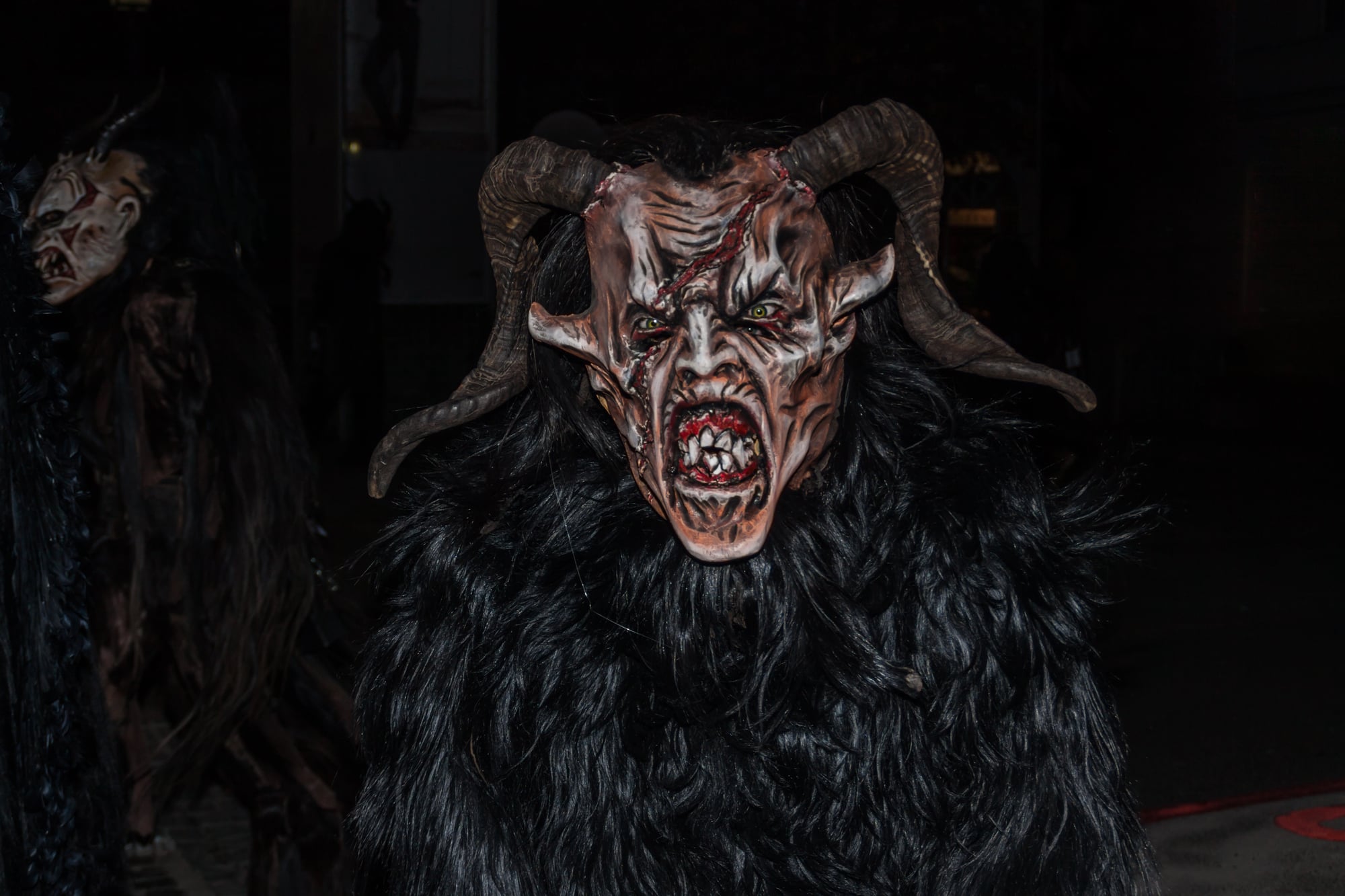
Krampus punishes naughty children while Santa rewards the good. Horned and hairy, Krampus parades through Austrian towns in early December, rattling chains and carrying birch branches.
Young men dress as Krampus in elaborate masks and fur suits. Some cities host Krampus runs where dozens charge through the streets.
Sweden Builds a Giant Goat
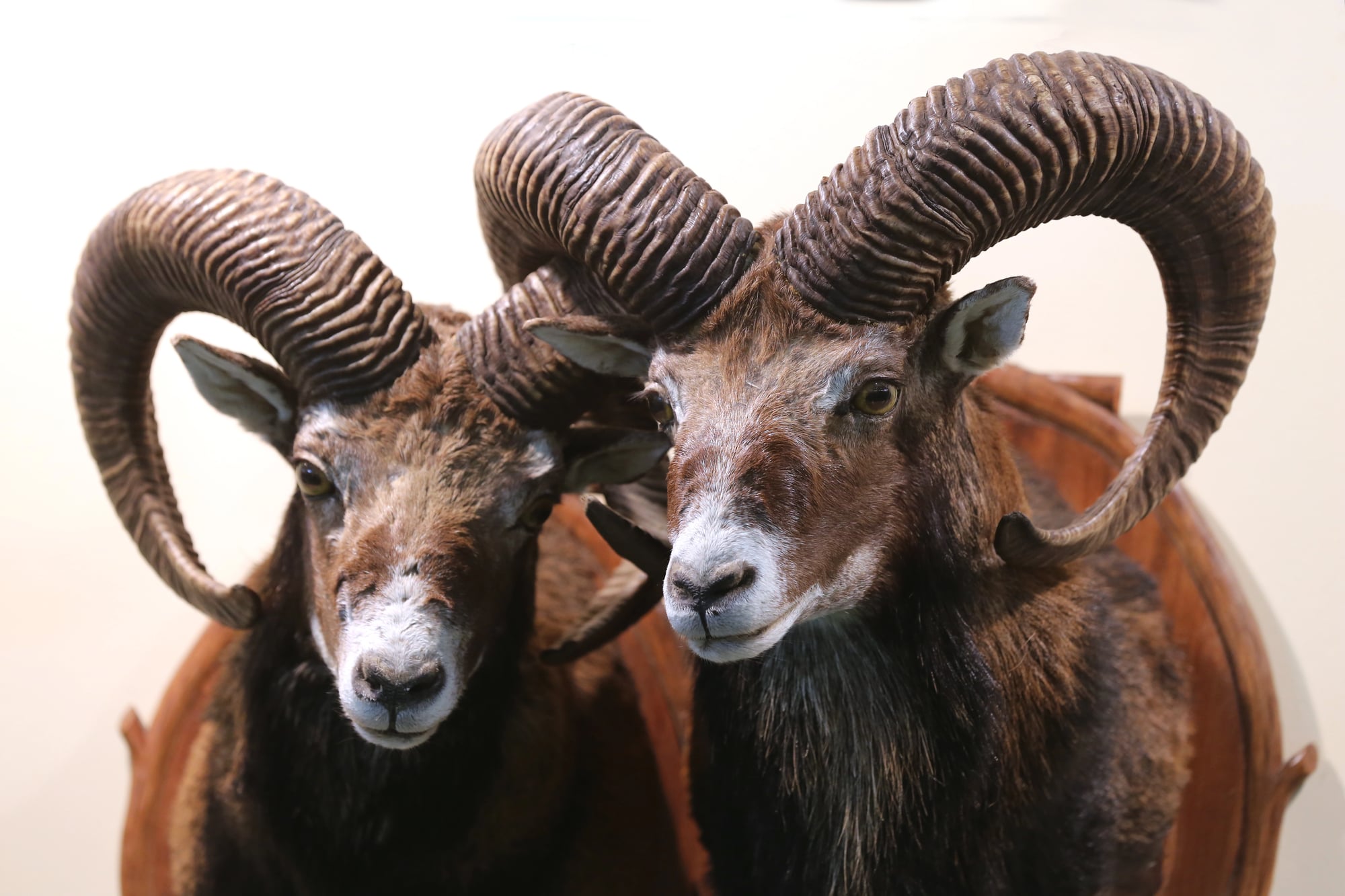
The town of Gävle erects a massive straw goat each year. The Gävle Goat stands over 40 feet tall, weighs several tons, and has been burned down more than 30 times since 1966.
Arsonists have used flaming arrows or disguised themselves as Santa. The town rebuilds it annually, turning survival or destruction into an unofficial tradition.
The Philippines Hangs Star Lanterns
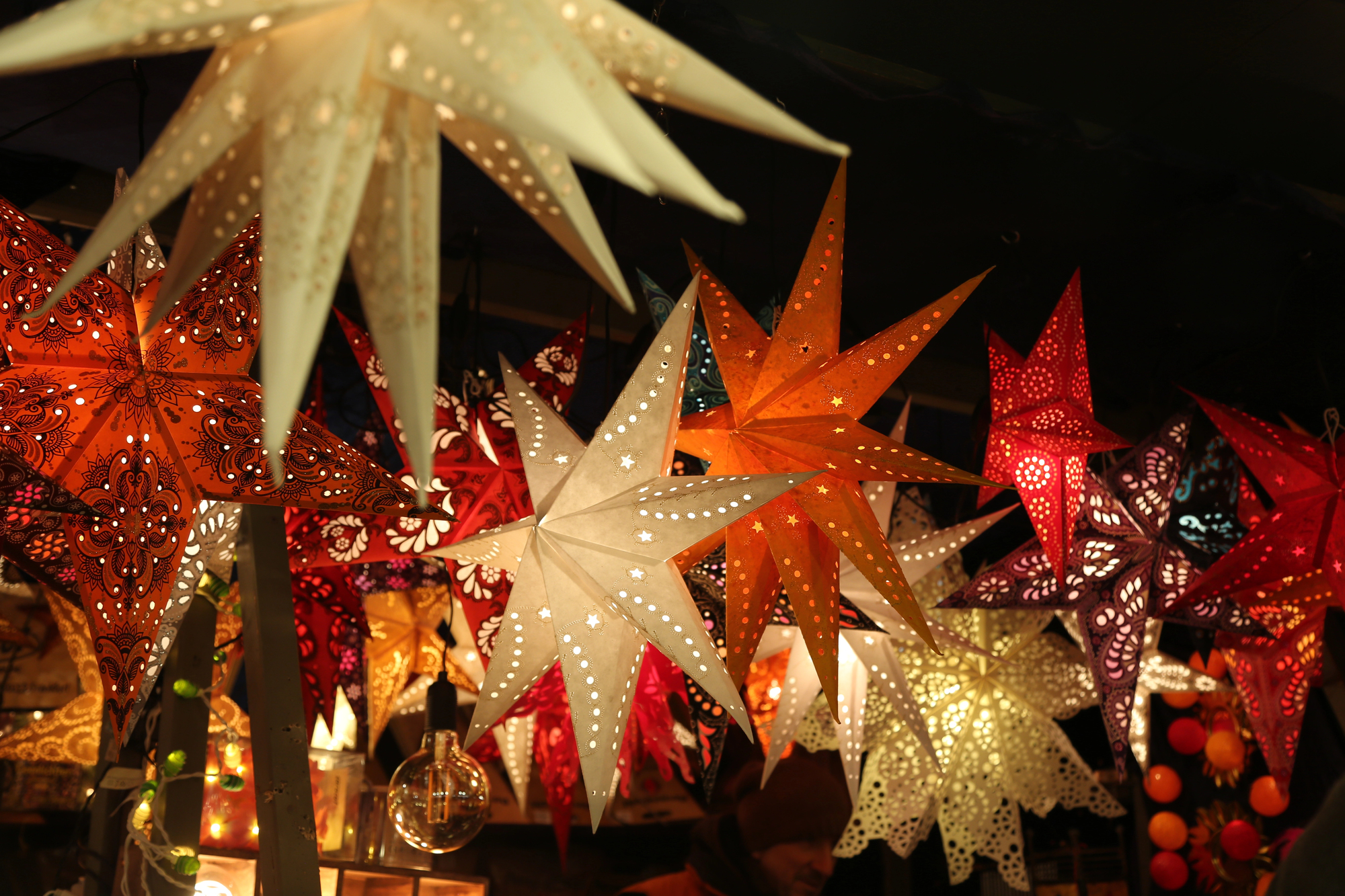
Filipino homes fill with parol—illuminated star lanterns symbolizing the Star of Bethlehem. Some lanterns are simple, while others are enormous with multiple tiers and synchronized light shows.
San Fernando hosts an annual Giant Lantern Festival where lanterns reach 20 feet across. The humble star has evolved into a dazzling spectacle lighting up the country.
The Threads That Connect Us

Traditions endure when people feel they matter. Oddities like a pooping log, skating to mass, or burning effigies become meaningful through participation.
Every year, Christmas changes slightly. Quirks and local customs show that the season isn’t fixed—it lives through those who embrace it, twist it, and pass it forward.
More from Go2Tutors!

- The Romanov Crown Jewels and Their Tragic Fate
- 13 Historical Mysteries That Science Still Can’t Solve
- Famous Hoaxes That Fooled the World for Years
- 15 Child Stars with Tragic Adult Lives
- 16 Famous Jewelry Pieces in History
Like Go2Tutors’s content? Follow us on MSN.