Weird Facts About Wassailing and Caroling Customs
Groups of people wandering through neighborhoods in the dark, demanding food and drink while singing at strangers’ doors—this would seem odd any other time of year. But during the holidays, caroling and wassailing became cherished traditions that survived centuries.
These customs carry histories that go far beyond the sanitized versions you see in greeting cards and holiday movies.
Wassailing Originally Meant Threatening Your Neighbors
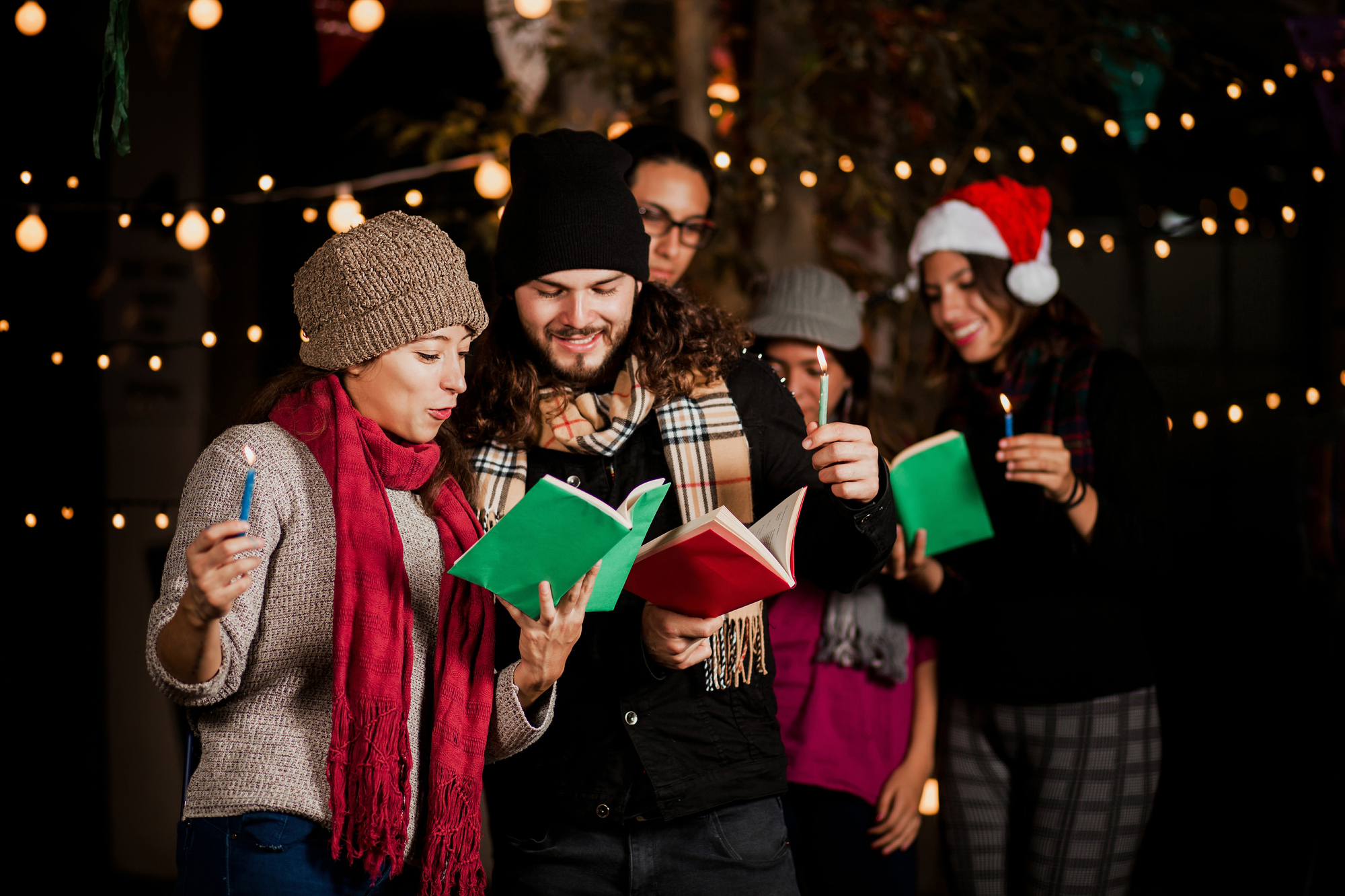
The word “wassail” comes from the Anglo-Saxon phrase “waes hael,” meaning “be in good health.” But early wassailing wasn’t the friendly custom you might imagine.
Groups of peasants would show up at wealthy landowners’ homes and demand food, drink, and money. The implicit threat was clear—give us what we want, or things might not go well for you.
The songs they sang weren’t always cheerful. Some contained veiled warnings about what happens to stingy people.
Apple Trees Got Wassailed Too
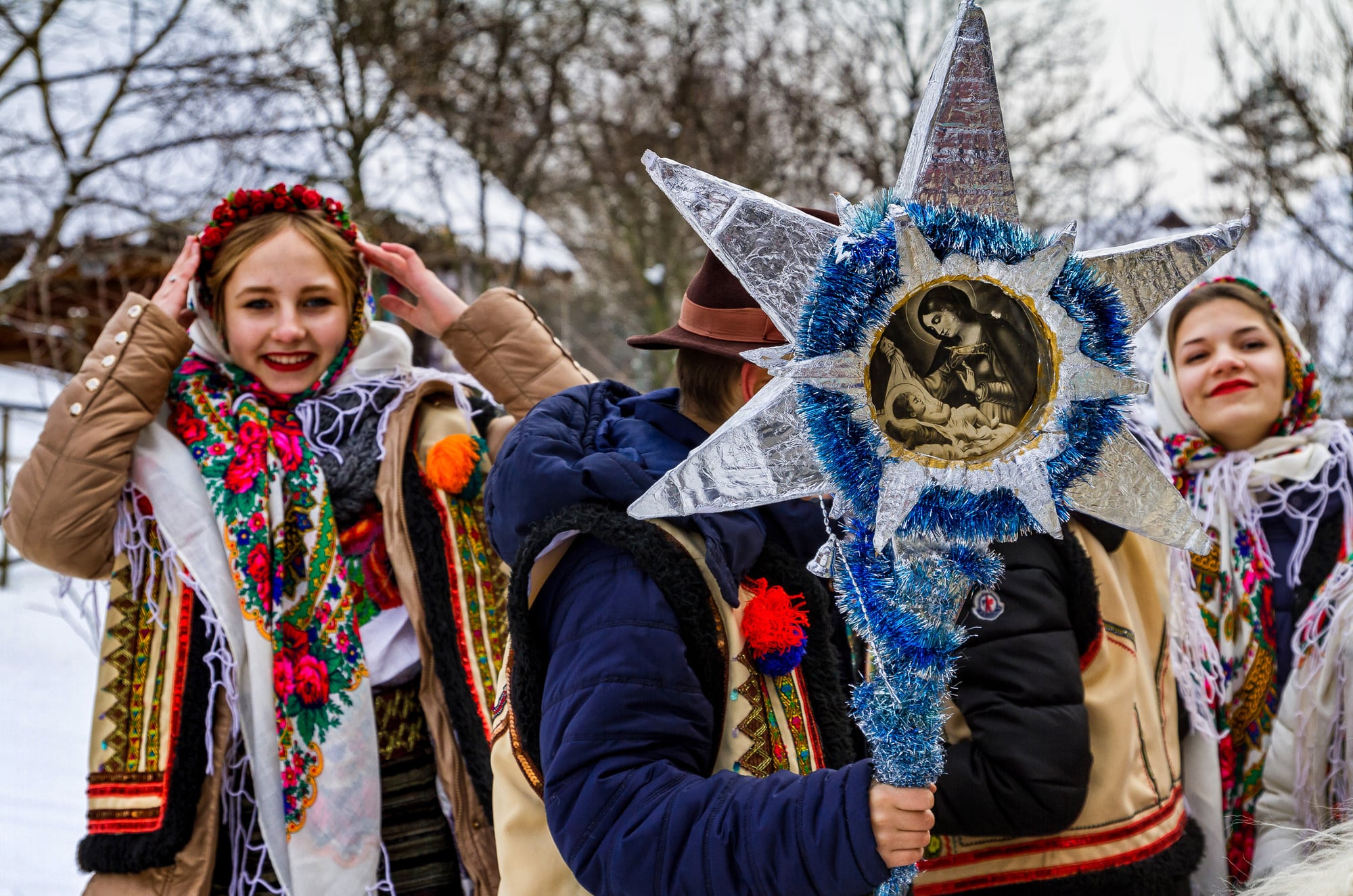
In rural England, farmers wassailed their orchards on Twelfth Night. They poured cider on the roots of the oldest apple tree, placed toast soaked in cider in its branches, and sang loudly to wake the tree’s spirit.
Then they banged pots and pans, fired guns into the air, and made as much noise as possible to scare away evil spirits that might harm the harvest. This ritual was supposed to ensure a good crop the following year.
Some orchards in England still wassail their trees every January.
Carolers Expected to Be Let Inside
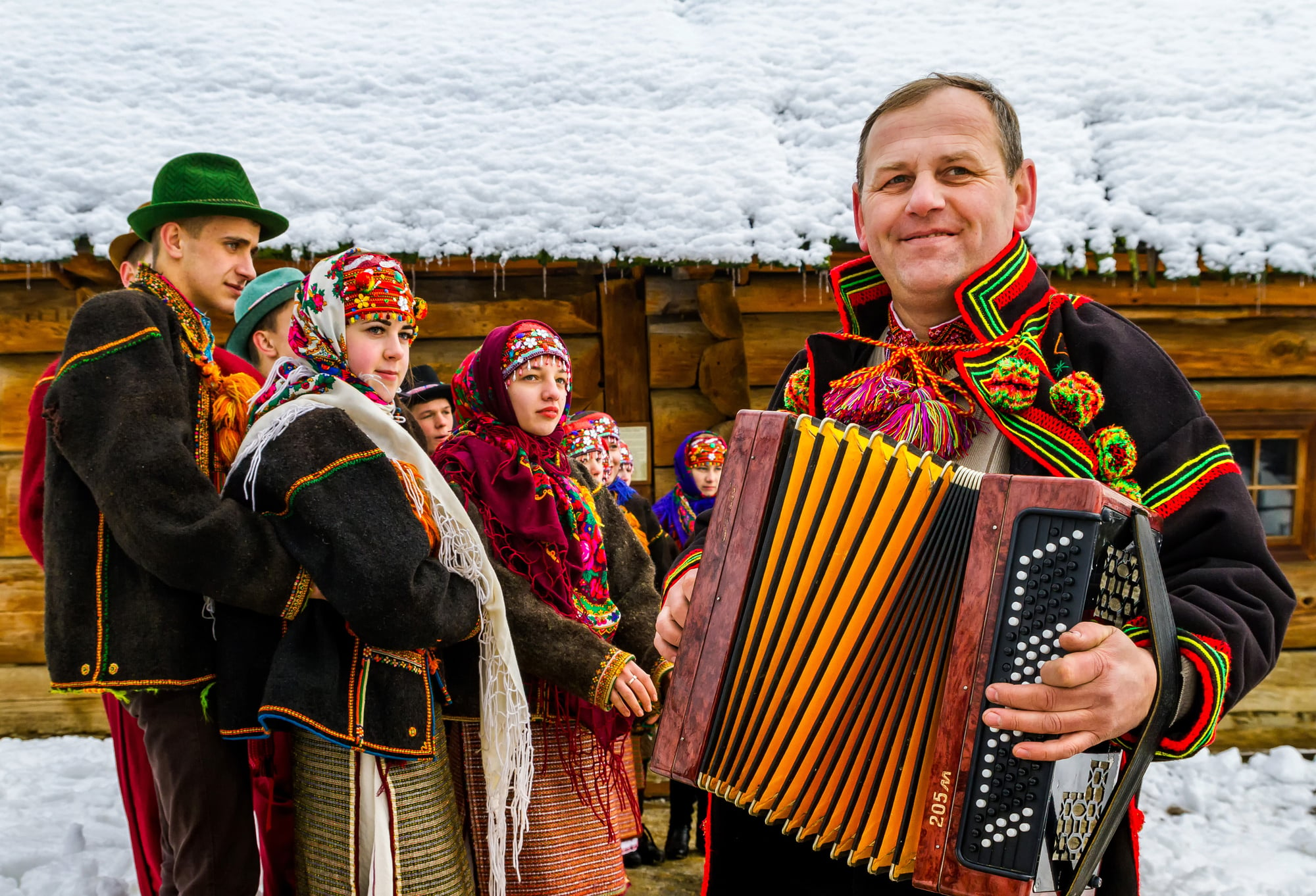
Medieval caroling wasn’t performed from the porch. When carolers arrived, you invited them in, gave them food and drink, and let them warm themselves by your fire.
Turning them away was considered incredibly rude and potentially bad luck. The exchange was transactional—they provided entertainment and blessings for your household, you provided hospitality.
Refusing meant you risked your reputation and possibly worse.
The Church Initially Banned Caroling
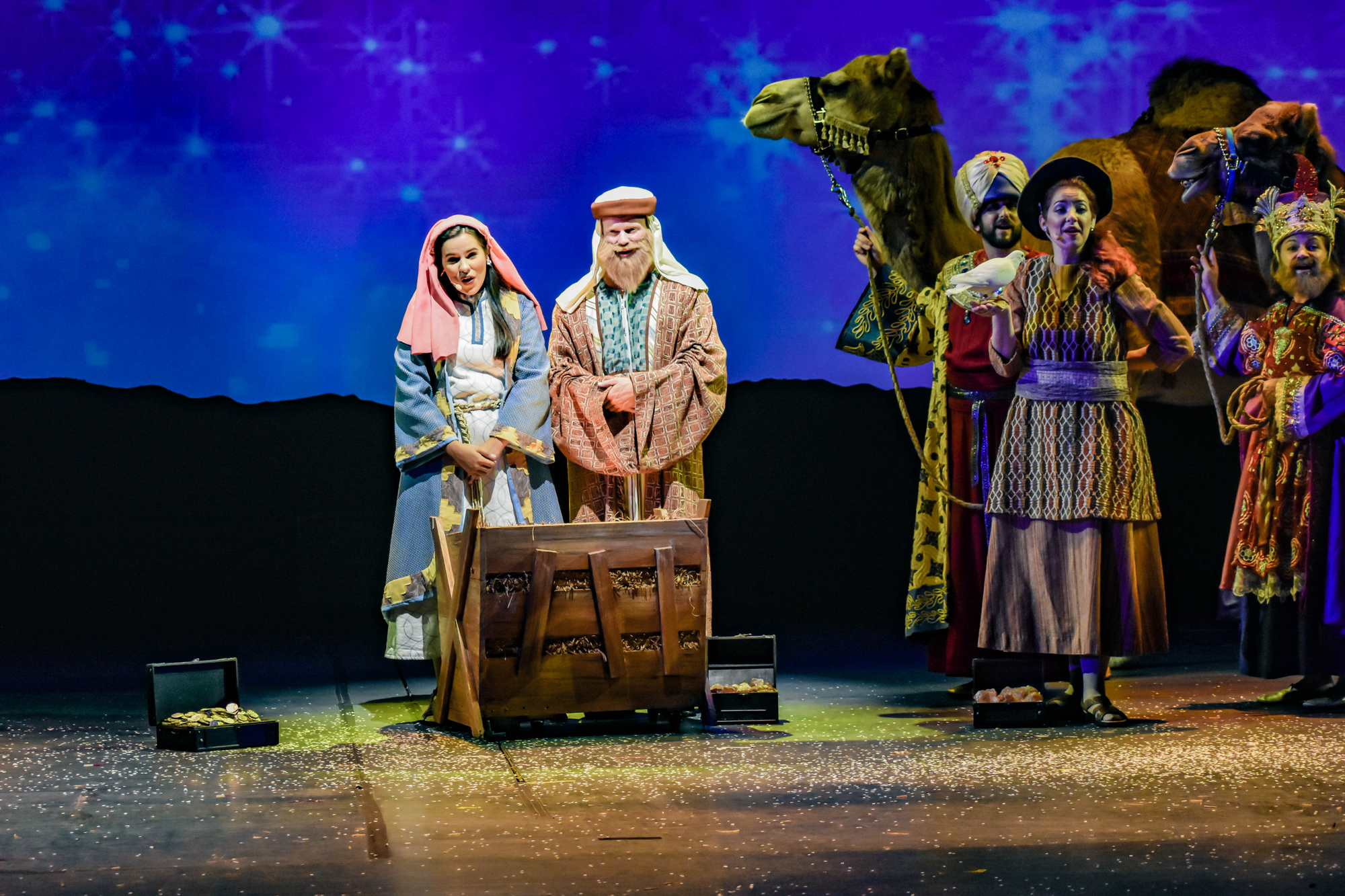
Church authorities in medieval Europe tried repeatedly to stop caroling because it had pagan origins. The songs and rituals came from ancient winter solstice celebrations that predated Christianity.
The loud singing, drinking, and door-to-door visits struck religious leaders as too rowdy and secular. But people kept doing it anyway, eventually forcing the church to co-opt the tradition by introducing religious themes into the songs.
Wassail Bowls Could Hold Gallons
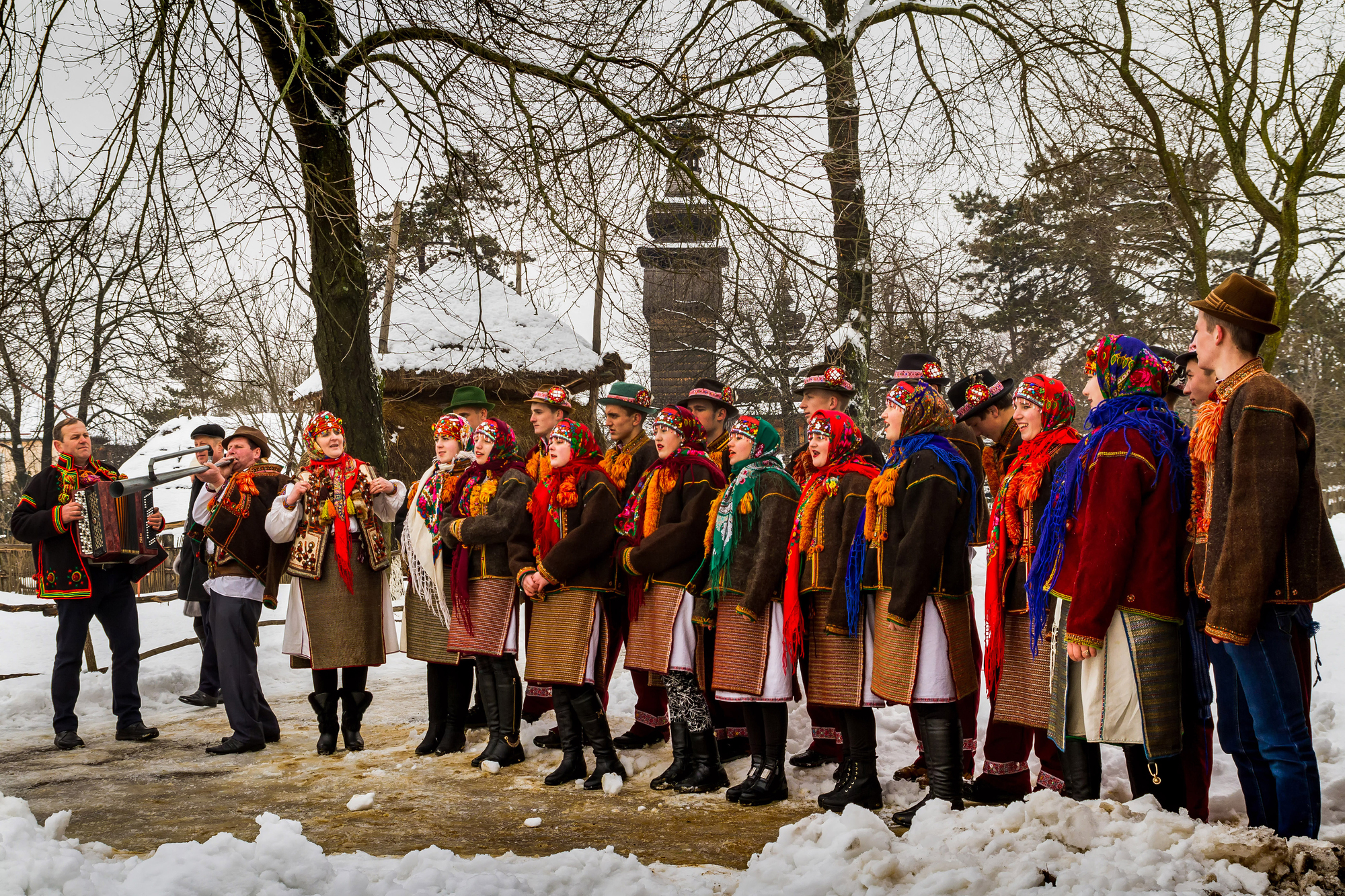
Traditional wassail bowls were enormous wooden or metal vessels that held enough spiced ale or cider for dozens of people. The drink got passed around and shared from a common bowl, which sounds unsanitary now but was standard practice then.
Some wassail bowls featured elaborate decorations, with carved handles and ornate designs. Wealthy families owned special bowls used only for this purpose, storing them the rest of the year.
Children Used to Carry Wassail Dolls

In some regions, children went wassailing with small dolls dressed in ribbons and greenery. They displayed these dolls at each house, singing songs about the doll’s journey and the coming year.
The homeowner was expected to put money in the doll’s collection box. These dolls, called “wassail queens,” represented ancient fertility symbols, though by the Victorian era most people had forgotten the original meaning.
Carolers Could Get Aggressive
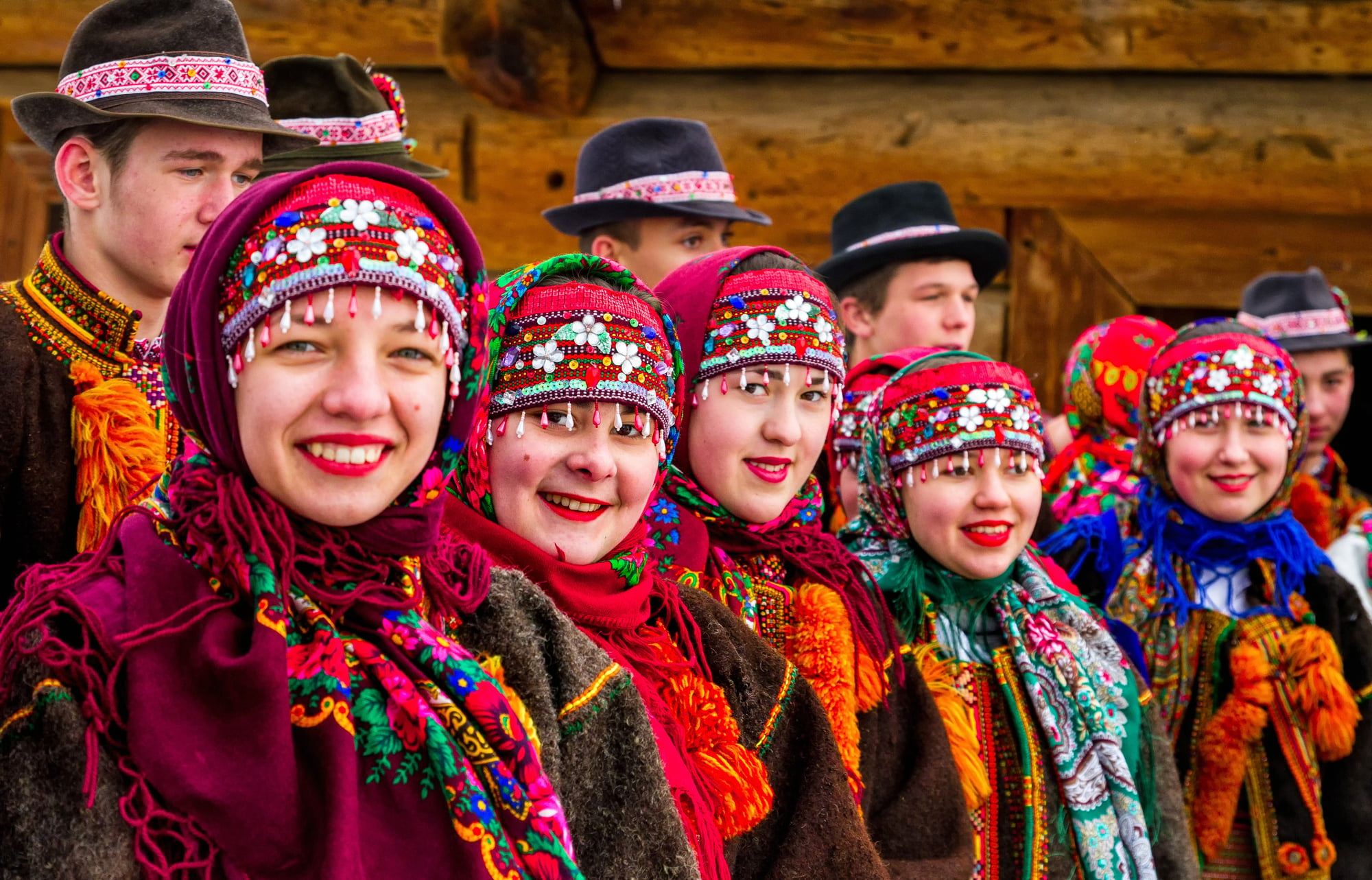
If a household refused to give carolers food or money, the group sometimes retaliated. They might sing rude songs about the family, damage property, or spread gossip through the village.
Historical records document cases where stingy homeowners found their fences broken, their wells fouled, or worse. The tradition had an edge that modern caroling completely lacks.
Certain Songs Came with Dance Requirements
Many traditional carols were accompanied by circle dances, with participants holding hands and moving in patterns. The word “carol” originally referred to this kind of dance song, not specifically to Christmas music.
People danced while they sang, creating a spectacle that was part performance, part ritual. Victorian reformers eventually stripped away the dancing element, leaving only the singing.
The Wealthy Employed Professional Waits
Towns and wealthy estates hired official musicians called “waits” who performed during the Christmas season. These professionals got paid to wassail and carol, making rounds through their assigned territories.
They wore special uniforms and carried badges proving their legitimate status. This prevented random groups from pretending to be official wassailers and scamming people for free food and drink.
Mumming Mixed with Caroling

In parts of England and Ireland, mummers combined caroling with theatrical performances. They dressed in elaborate costumes, wore masks, and acted out traditional plays at each house.
The plays featured stock characters like Saint George, a dragon, and a doctor who could resurrect the dead. After the performance, they caroled and collected payment.
This bizarre combination of theater and music made for strange entertainment.
Caroling Was Sometimes Illegal for Women
During certain periods, authorities forbade women from going caroling or wassailing. The activity was considered too rowdy and dangerous for respectable women.
Only men and boys were supposed to participate in the door-to-door visits. Women could sing carols in church or at home, but public caroling remained off-limits.
This restriction gradually faded, though it lasted into the early 20th century in some conservative communities.
The Songs Could Last Hours

Traditional wassail visits weren’t quick. Groups would sing multiple songs at each house, sometimes spending half an hour or more at a single door.
The homeowners listened patiently, knowing that cutting the performance short would be rude. Some songs had dozens of verses, telling long stories or listing elaborate blessings.
Modern caroling’s quick “one song and move on” approach would have seemed rushed and insulting.
Wassail Recipes Varied Wildly
Every region had its own wassail recipe. Some used ale as the base, others used cider or wine.
Spices ranged from simple cinnamon and nutmeg to complex blends including ginger, cloves, and cardamom. Some recipes called for roasted apples that disintegrated into the drink.
Others included beaten eggs, creating a thick, creamy texture. The alcohol content varied too—some wassails could knock you down, while others were mild enough for children.
Victorian Reformers Sanitized Everything

The wassailing and caroling traditions you know today are Victorian inventions. Reformers in the 1800s decided the old customs were too crude and pagan.
They rewrote the songs, removed the threatening elements, eliminated the alcohol, and transformed the whole practice into something sweet and wholesome. The Victorians turned a tradition with genuine edge and danger into a quaint family activity suitable for Christmas cards.
When the Night Gets Cold

Somewhere under tonight’s sky, folks pull on coats and step into the cold with song on their lips. Not for payment – no threats, no drama.
No steaming drinks passed around, nor shots fired into bare branches. Just voices rising together, a tune or two drifting through neighborhoods.
Perhaps a jar passes hand to hand, coins clinking for a cause. Laughter mixes with frosty air, brief moments shared between those who pause and listen.
Then off they go, back toward lit windows and heat, carrying quiet joy in their pockets. The old ways linger in pieces – voices rising together, footsteps moving house to house, gestures passed like quiet promises.
Yet the raw edge has faded, worn thin through generations of smoothing. Still, traces remain for those who notice, out where country folk stir at dawn, rattling tins, pouring drink into roots, calling spring from silent bark.
In days gone by, folks reenacted true wassail rites with solemn intent. Those ancient tunes hummed today once held warnings wrapped in cheer.
Change came out of necessity – no more knocking door to door insisting on cider and cake. Vandalizing homes over denied favors? That kind of thing stopped mattering.
Still, softening those rougher roots took something real away. When rituals got cleaned up, tamed down, handed to kids like paper lanterns – the bite faded, along with whatever truth it carried.
The old wassailers might scoff at today’s polished carols – so gentle, so approved, so neatly scheduled. Winter meant shadow, chill, dread – they faced it bare.
Their songs rose sharp, cutting through the night like flint strikes. Booze flowed thick, numbing thoughts of lean days ahead.
They didn’t ask nicely; they insisted the rich open their doors. Truth like that won’t land softly on glossy paper.
Yet it held weight. And people lived by it, year after year.
More from Go2Tutors!

- The Romanov Crown Jewels and Their Tragic Fate
- 13 Historical Mysteries That Science Still Can’t Solve
- Famous Hoaxes That Fooled the World for Years
- 15 Child Stars with Tragic Adult Lives
- 16 Famous Jewelry Pieces in History
Like Go2Tutors’s content? Follow us on MSN.