Superfoods That Are Just Marketing Hype
Walk into any health food store and you’ll see the same pattern. Exotic berries from the Amazon.
Ancient grains from the Himalayas. Powders made from algae that supposedly sustained Aztec warriors.
The labels promise everything from improved brain function to disease prevention, and the price tags reflect these grand claims. But here’s what most people don’t realize: the term “superfood” has no official definition, no scientific criteria, and no regulatory oversight.
It’s pure marketing.
Acai Berries
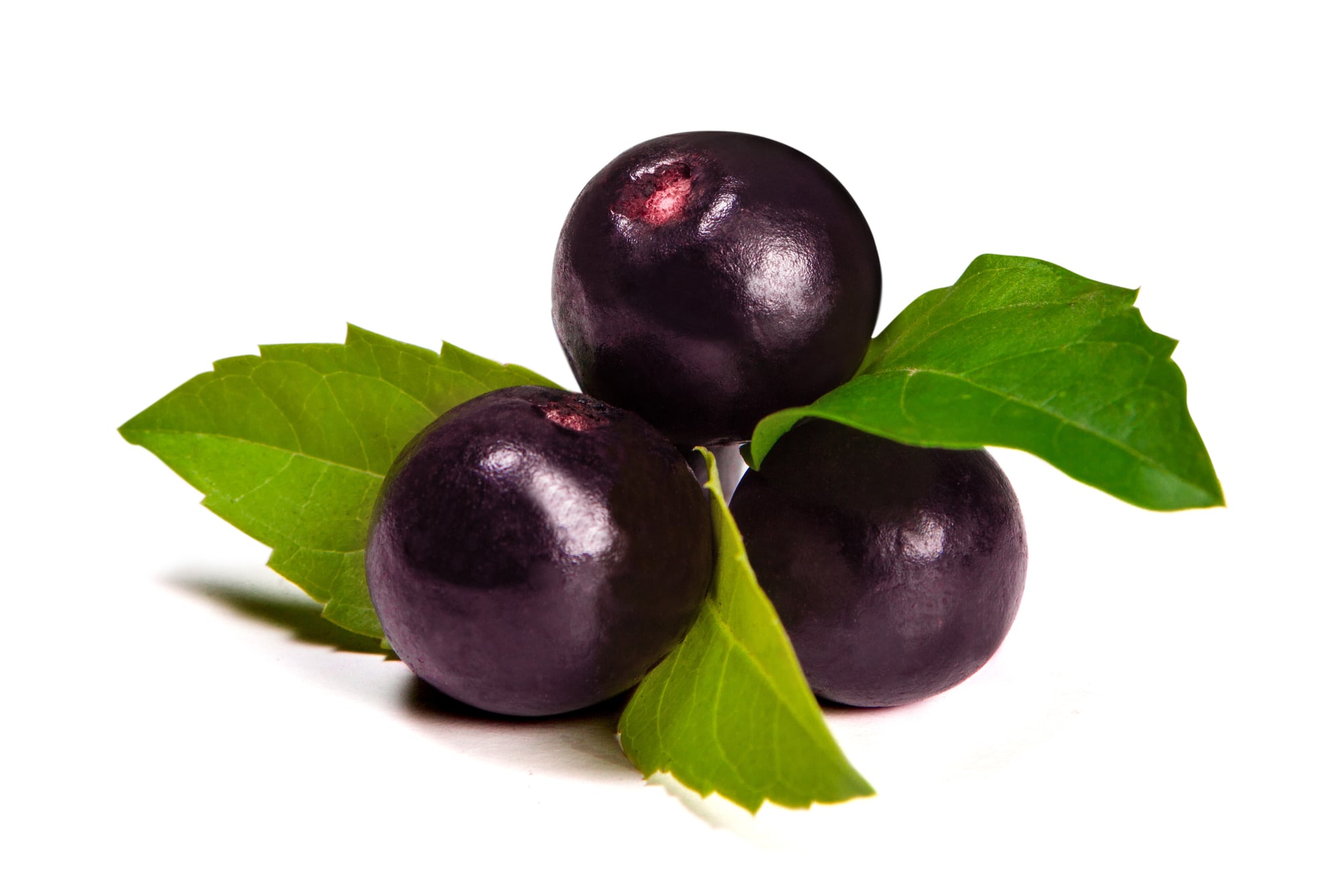
These purple berries from Brazil took over smoothie bowls everywhere about 15 years ago. The marketing claimed they contained more antioxidants than any other fruit on earth.
Companies sold acai as a weight loss miracle, an anti-aging solution, and a cancer fighter.
The truth? Acai berries do contain antioxidants, but so do blueberries, blackberries, and cranberries—all of which grow locally in many places and cost a fraction of the price.
No studies have proven that acai provides any unique health benefits that you can’t get from regular berries. You’re paying for the exotic origin story, not superior nutrition.
Goji Berries
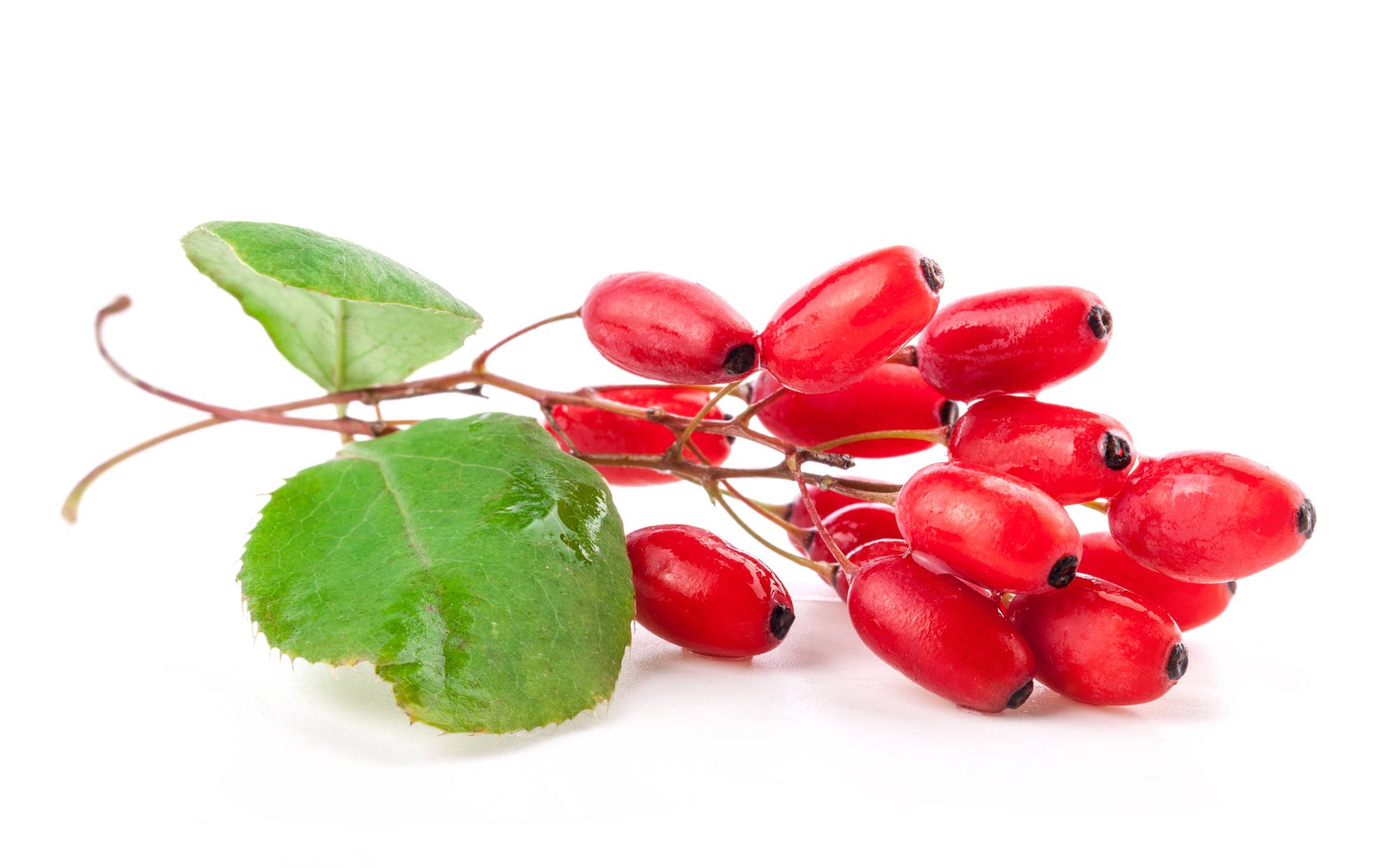
Traditional Chinese medicine has used goji berries for centuries, which gave marketers the perfect angle. They positioned these small red berries as an ancient secret to longevity, selling them for $15-20 per pound.
Research on goji berries shows they contain vitamin C, fiber, and iron—nutrients you can find in countless other foods. The studies that claim special benefits often come from companies selling goji products or use such small sample sizes that the results mean almost nothing.
You get the same nutrients from a handful of raisins and an orange.
Wheatgrass Shots
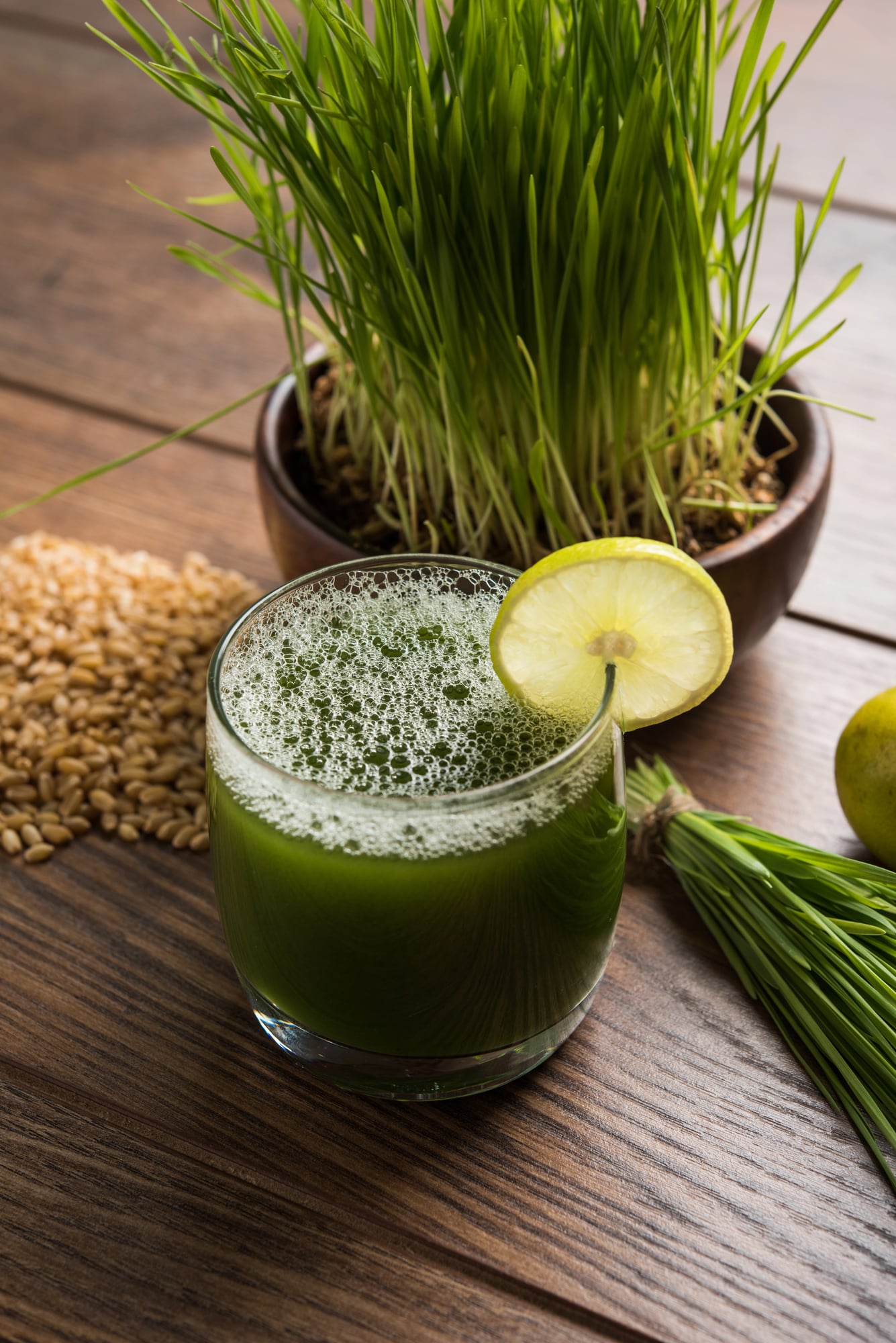
Juice bars charge $3-5 for a one-ounce shot of wheatgrass juice. Proponents claim it detoxifies your liver, boosts your immune system, and alkalizes your blood.
Some even say it can cure serious diseases.
Your liver detoxifies itself—that’s literally its job, and it doesn’t need wheatgrass to do it. The idea of alkalizing your blood makes no scientific sense because your body tightly regulates blood pH on its own.
Wheatgrass is basically just young grass. It contains some vitamins and minerals, but nothing your body can’t get from eating regular vegetables.
The strong taste and dramatic presentation create the illusion of potency.
Activated Charcoal

This black powder appeared in everything from juices to ice cream to face masks. Marketers claimed it would remove toxins from your body, whiten your teeth, and clear your skin.
Products containing activated charcoal sold at premium prices.
Hospitals do use activated charcoal, but only in specific poisoning cases under medical supervision. The charcoal used in food products doesn’t selectively remove “toxins”—it binds to everything, including beneficial nutrients and medications.
Taking activated charcoal regularly can actually leave you malnourished. The black color makes for great Instagram photos, but that’s about all it delivers.
Coconut Oil
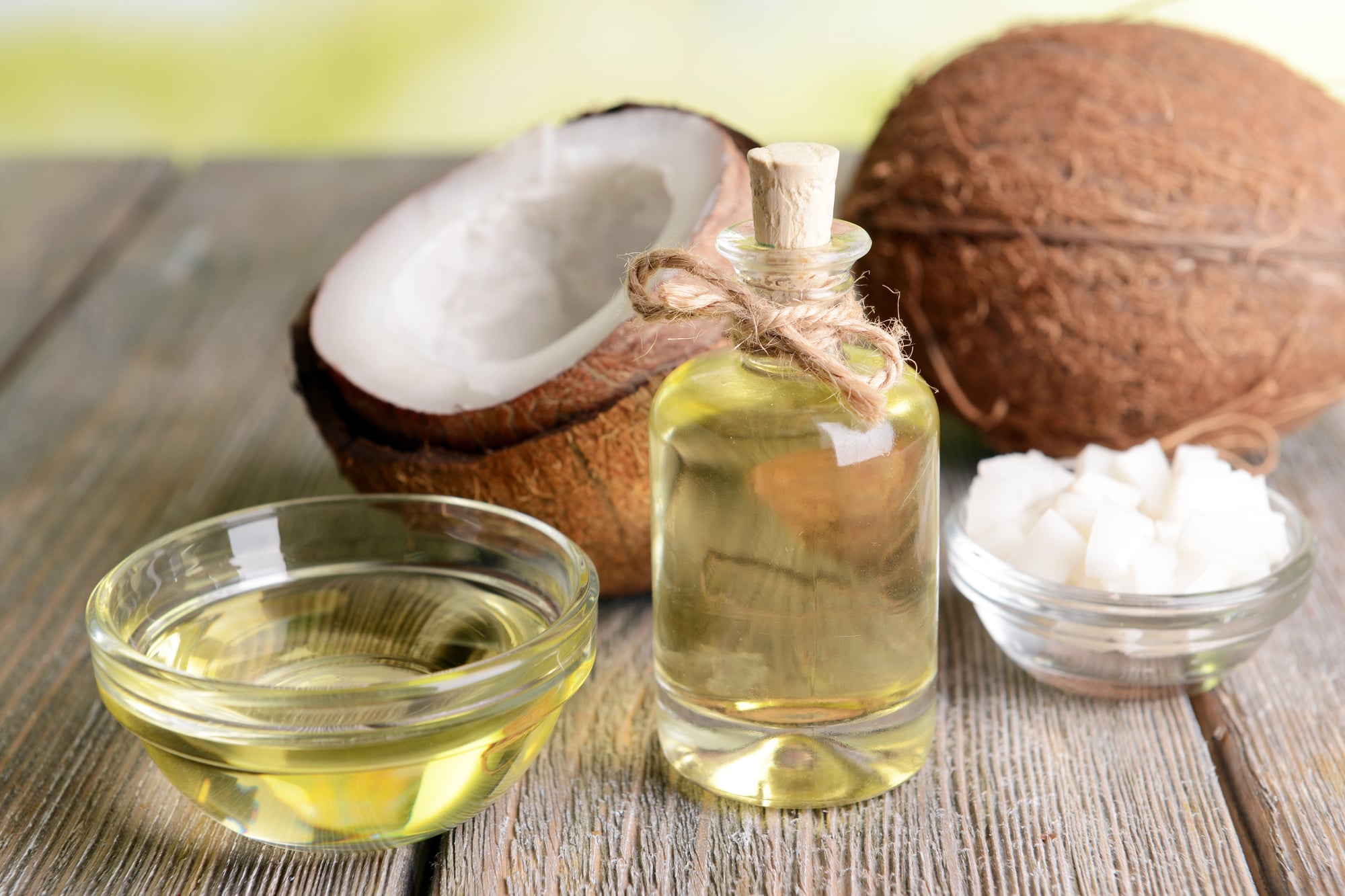
For years, coconut oil sat on shelves as just another cooking fat. Then the marketing machine kicked in.
Suddenly it became a superfood that could help you lose weight, improve brain function, and protect your heart. People started putting it in their coffee, using it as moisturizer, and replacing all other fats with it.
Coconut oil is about 90% saturated fat—higher than butter or lard. The American Heart Association reviewed the evidence and recommended against using coconut oil because it raises LDL cholesterol.
Some of the studies showing benefits were funded by the coconut industry. Coconut oil works fine as one cooking fat among many, but it’s not the health miracle marketers made it out to be.
Quinoa
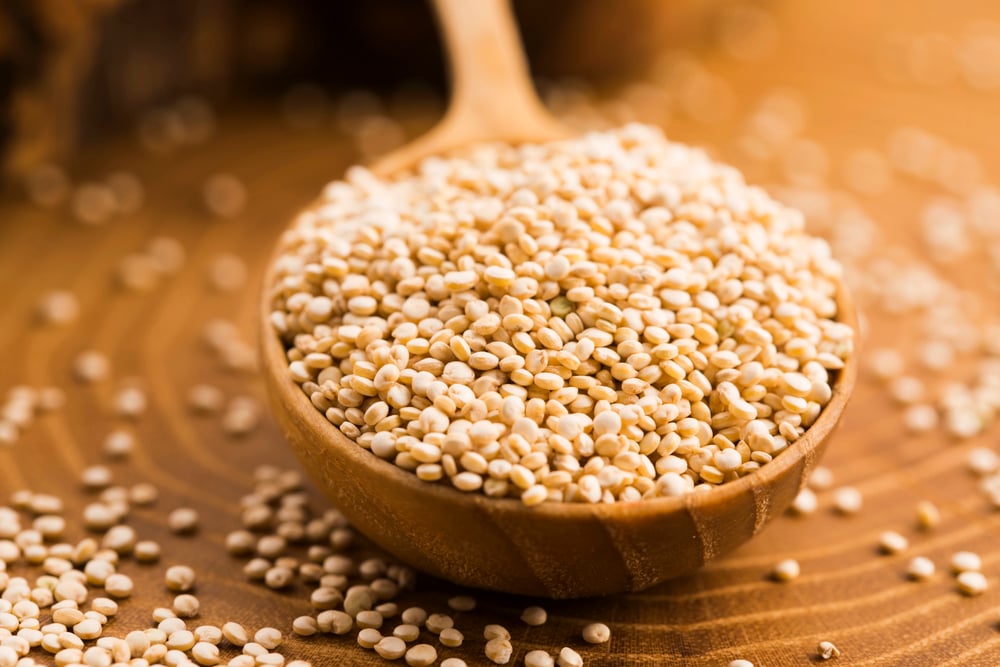
This grain from South America got branded as a complete protein and a healthier alternative to rice. The price shot up, and people started treating it like nutritional gold.
Quinoa does contain all nine essential amino acids, which technically makes it a complete protein. But you don’t need complete proteins in every meal—your body pools amino acids throughout the day.
Rice and beans together provide complete protein too, and cost much less. Quinoa has slightly more protein than rice, but the difference is minimal.
The real impact of the quinoa craze? It priced out many people in Peru and Bolivia who had relied on it as a staple food for generations.
Kale
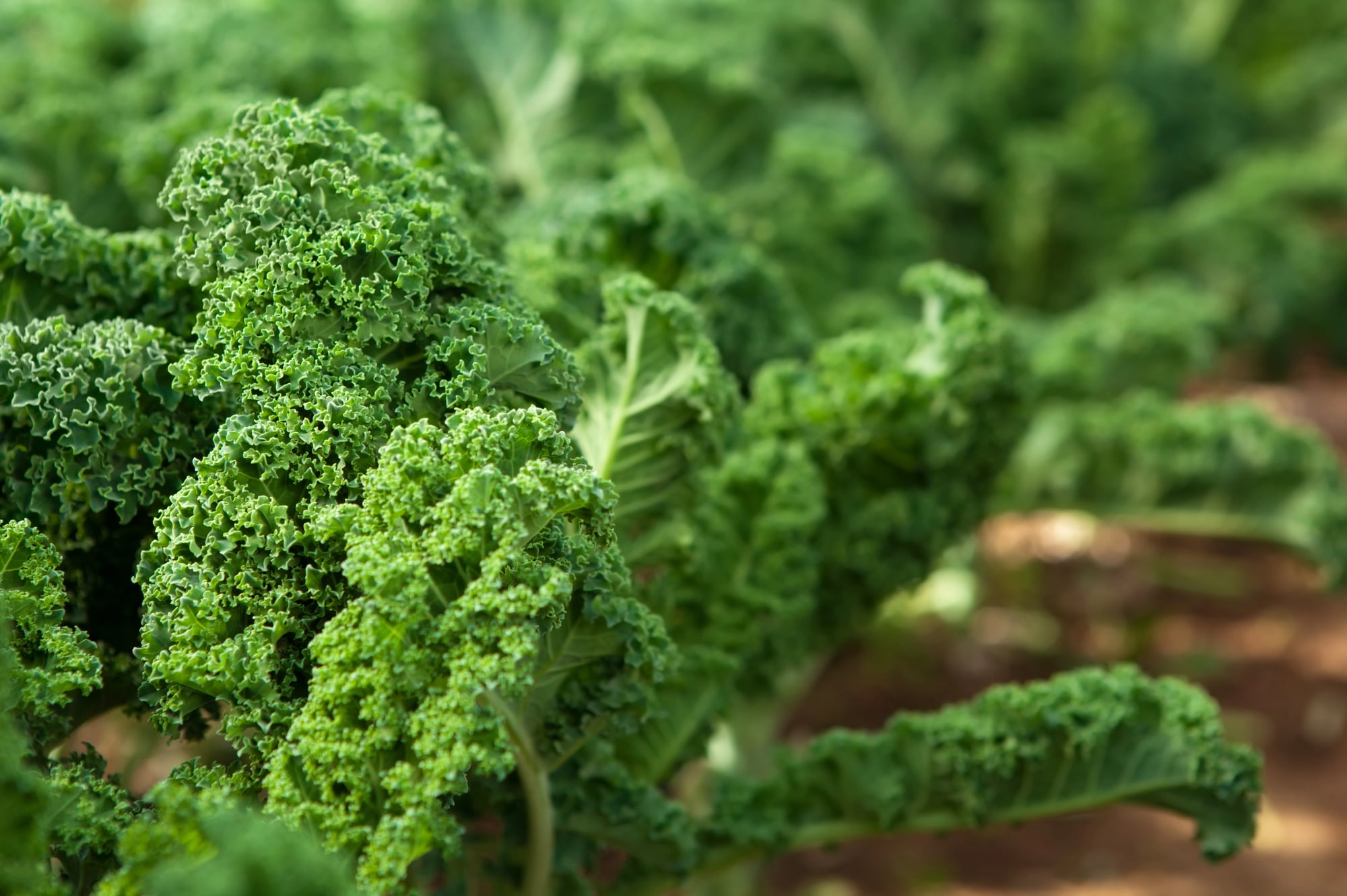
Kale went from an uncommon cooking green to the poster child for healthy eating. It showed up in smoothies, salads, and chips.
People acted like eating kale made them part of an elite health club.
Kale is a perfectly good vegetable. So are spinach, collard greens, Swiss chard, and regular cabbage.
They all contain similar vitamins, minerals, and fiber. The nutrients in kale aren’t unique or superior.
The hype around kale had more to do with food trends and social signaling than with any special nutritional properties.
Spirulina
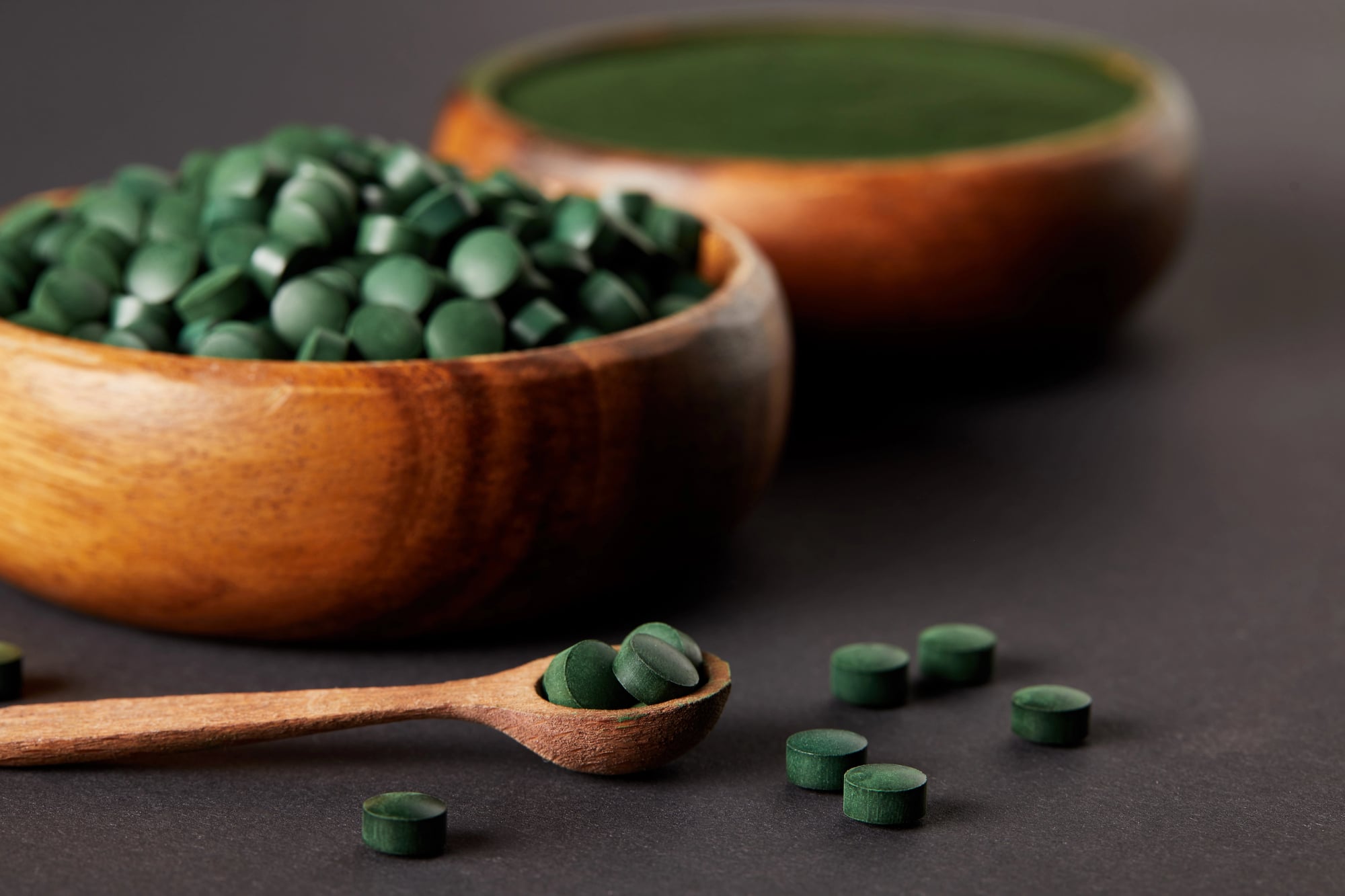
This blue-green algae gets sold as a powder or pressed into tablets. Marketing materials call it one of the most nutrient-dense foods on the planet, claiming it boosts energy, supports immune function, and provides complete nutrition.
Spirulina does contain protein, vitamins, and minerals. But you’d need to eat unrealistic amounts to get meaningful quantities of most nutrients.
The taste is so strong that most people can only manage a teaspoon or two in a smoothie. That tiny amount provides minimal nutrition compared to eating regular food.
The environmental cost of producing and shipping spirulina powder often outweighs any marginal nutritional benefit.
Kombucha
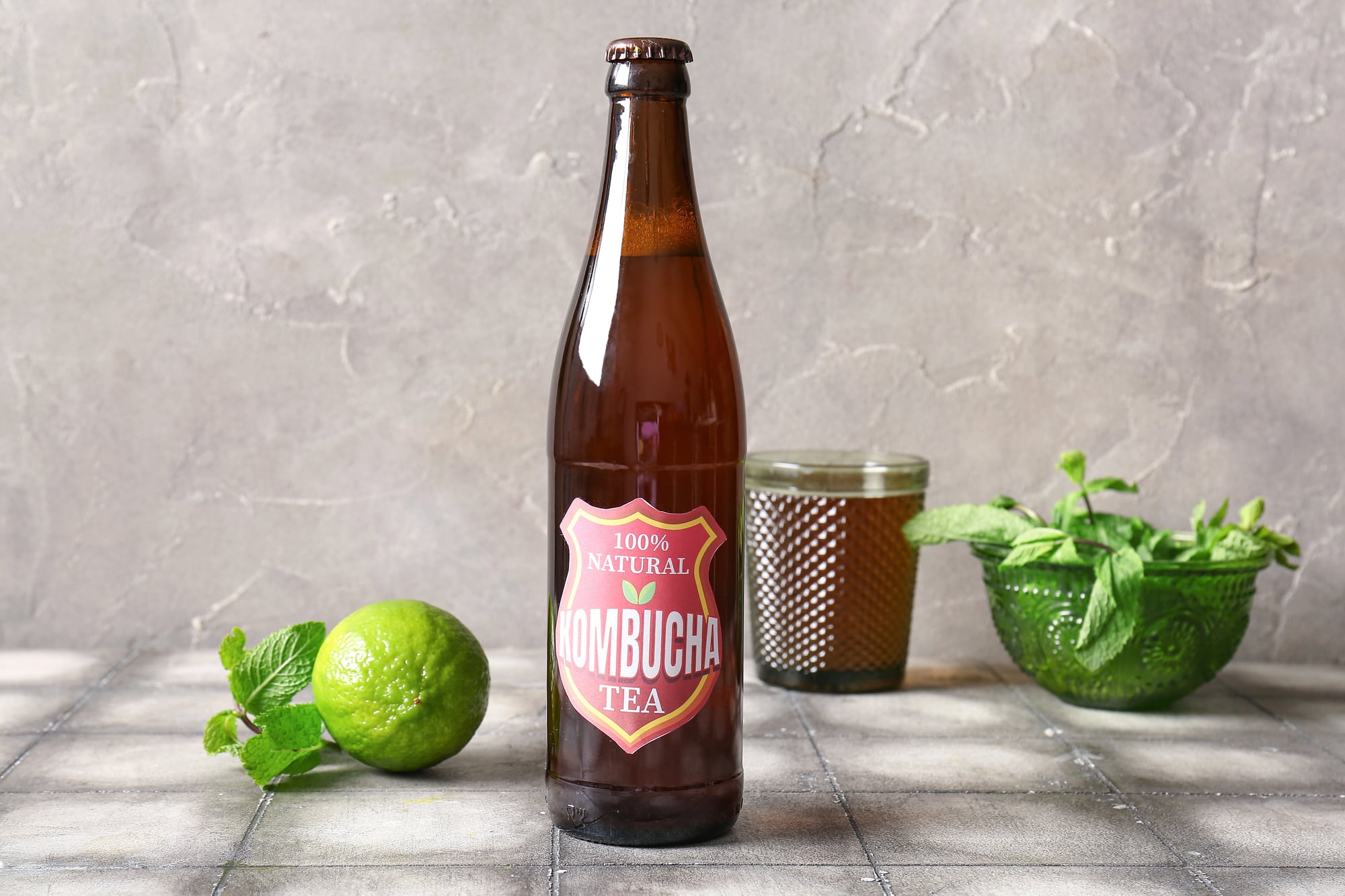
This fermented tea became a multi-billion dollar industry based on claims about gut health and probiotics. Bottles sell for $4-6 each, with labels promising improved digestion, increased energy, and immune support.
Kombucha does contain some probiotics from fermentation, but so does yogurt, sauerkraut, and kimchi—all much cheaper and easier to make at home. The amount and type of probiotics in kombucha varies wildly between brands and even between batches.
Most kombucha also contains significant sugar, even after fermentation. You’re paying premium prices for fizzy tea that might contain some beneficial bacteria, or might not.
Chia Seeds

These tiny seeds got marketed as an ancient Aztec superfood that would give you sustained energy and help you lose weight. Companies sold them for $10-15 per pound, and people started adding them to everything.
Chia seeds contain fiber and omega-3 fatty acids. But the omega-3s in chia are ALA, which your body converts to useful EPA and DHA at very low rates—around 5-10%.
You get far more usable omega-3s from a small serving of fish. The fiber in chia seeds works the same as fiber from oats, flax seeds, or vegetables.
The gel-like texture when soaked in liquid is interesting, but it doesn’t create any special health effects.
Matcha
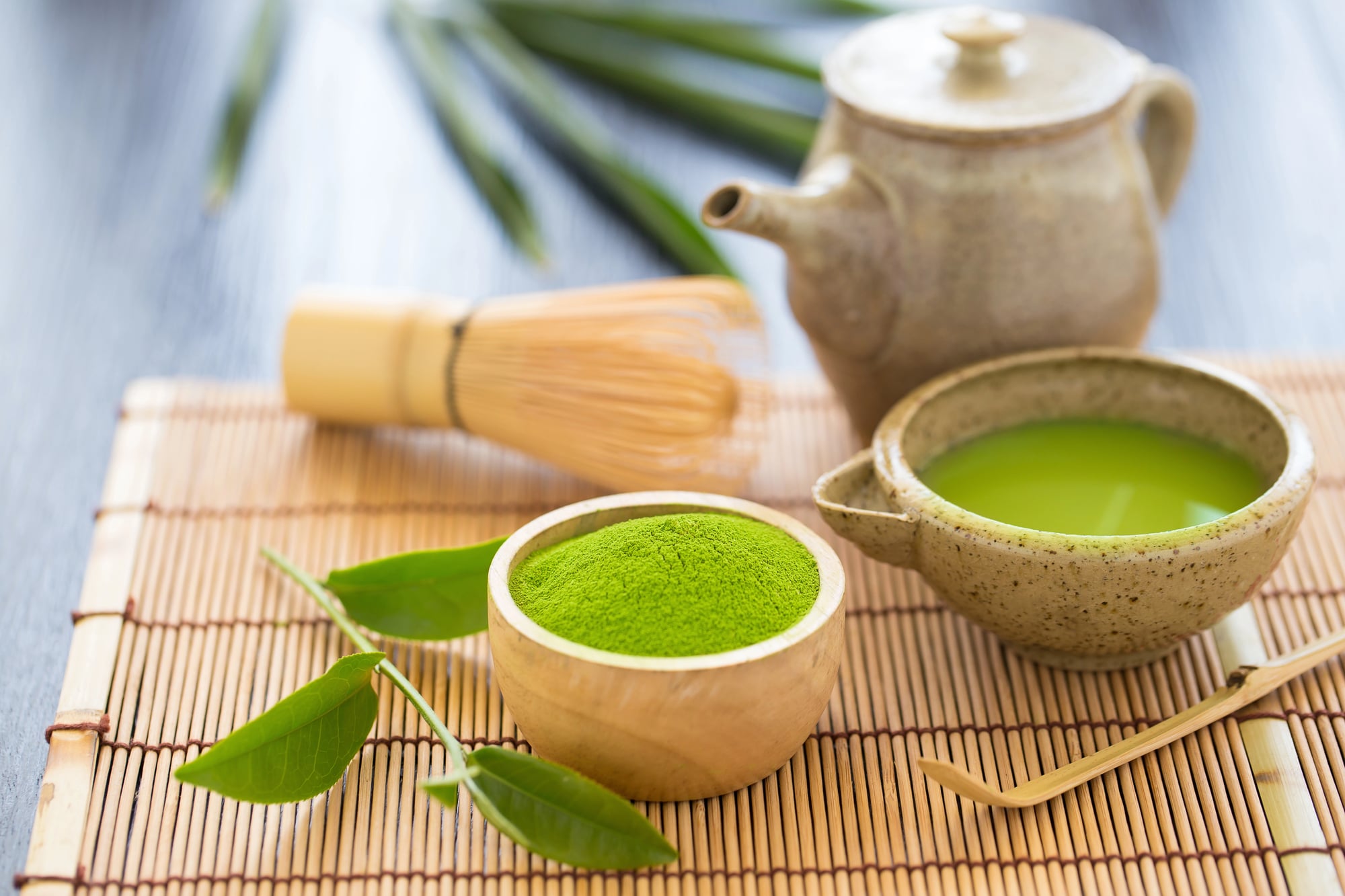
Premium matcha powder costs $30-50 for a small tin. Marketing claims it provides calm energy, boosts metabolism, and delivers more antioxidants than regular green tea.
Matcha is just ground-up green tea leaves, so you consume the whole leaf instead of steeping it. This does mean you get more of everything in the tea, including caffeine and antioxidants.
But it also means you get more potential contaminants if the tea wasn’t grown carefully. The calm energy people report comes from the combination of caffeine and L-theanine—the same combination in regular green tea, just at lower levels.
Regular brewed green tea costs pennies per cup and provides similar benefits.
Bone Broth
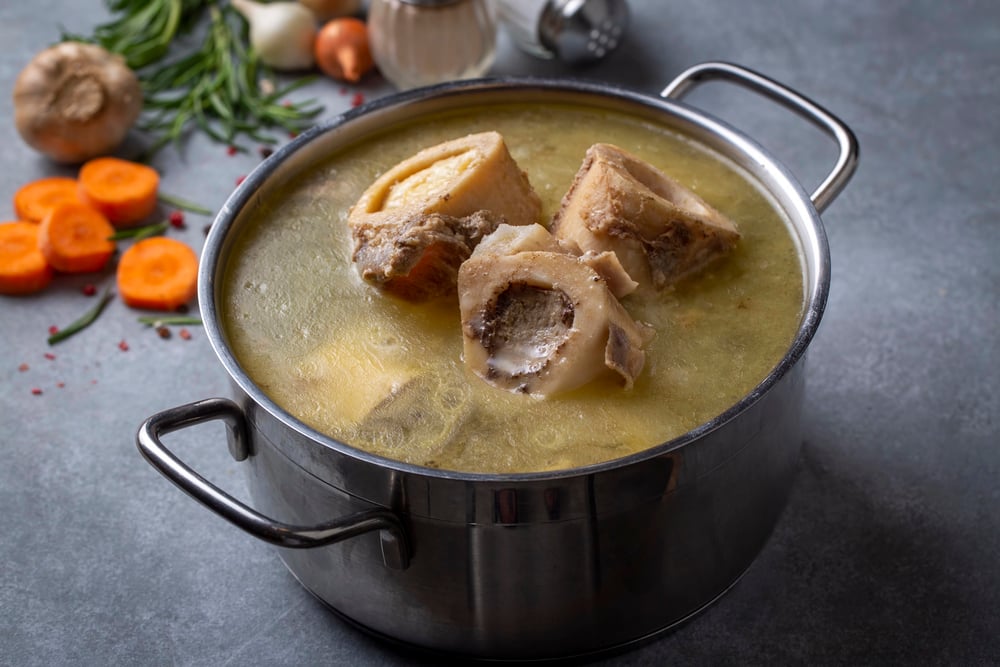
This rebranded stock became a trendy health drink, with companies selling single-serve containers for $5-10. Marketing claimed it healed gut lining, reduced inflammation, and provided unique collagen benefits.
Bone broth is stock. People have been making it for thousands of years by simmering bones with vegetables.
It contains some protein, minerals, and gelatin, but no magic healing properties. The collagen in bone broth gets broken down into amino acids during digestion—your body can’t use it directly to build your own collagen.
You get the same amino acids from eating meat, beans, or any other protein source. Drinking expensive bone broth instead of making stock from your leftover chicken bones is paying for packaging and marketing.
Turmeric Lattes
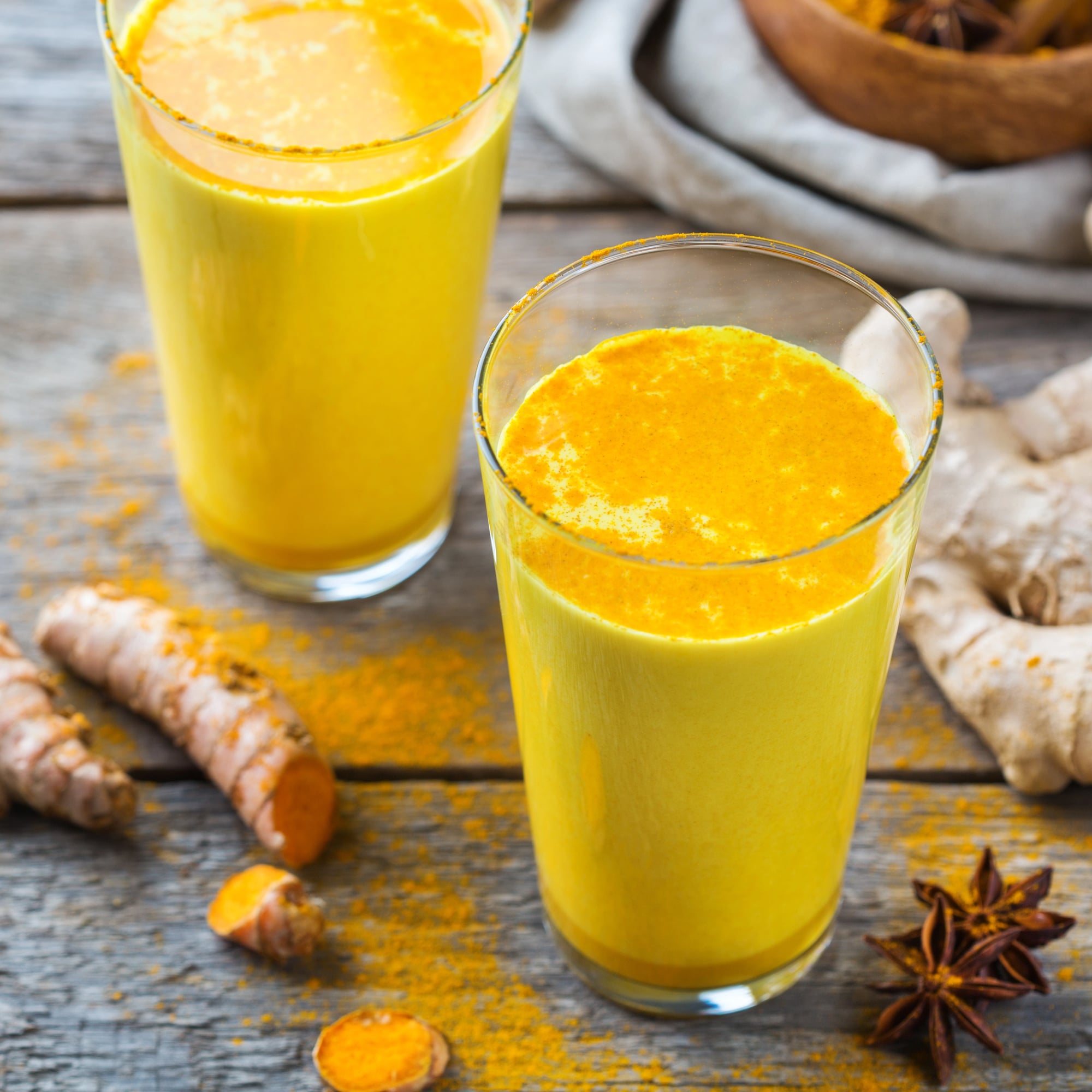
Coffee shops started charging $5-7 for turmeric lattes, marketing them as anti-inflammatory drinks that support joint health and boost immunity. Turmeric supplements flew off shelves, often costing $20-30 per bottle.
Turmeric contains curcumin, which shows anti-inflammatory properties in lab studies. But your body absorbs very little curcumin from turmeric.
The amounts used in studies are much higher than what you’d get from sprinkling turmeric on food or drinking a latte. Most of the curcumin you consume passes through your system unused.
Indian cuisine has used turmeric for centuries as a spice, not a medicine. A turmeric latte is a pleasant drink, but it’s not a health intervention.
Pomegranate Juice
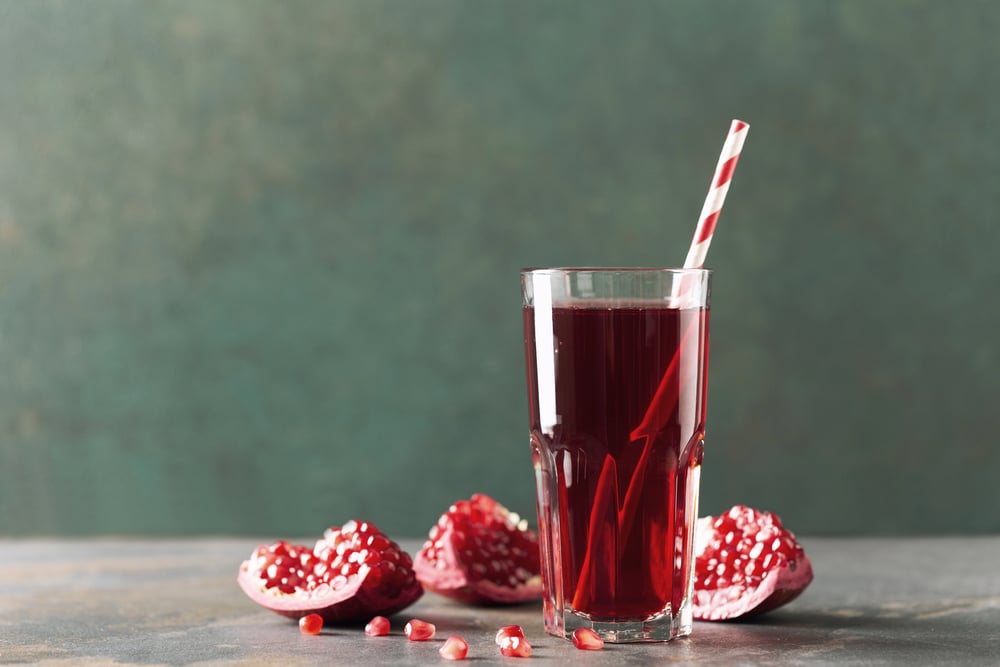
Bottles of pomegranate juice sell for $7-10, with labels highlighting antioxidants and heart health benefits. One company spent millions on marketing campaigns claiming their juice was better for your heart than wine.
Pomegranate juice contains antioxidants and vitamin C. So does orange juice, which costs a third as much.
Some of the most prominent studies on pomegranate juice were funded by pomegranate juice companies and later criticized for methodological problems. The juice contains as much sugar as soda—around 30 grams per cup.
Any potential antioxidant benefits get overshadowed by the blood sugar spike from drinking that much concentrated fruit sugar.
The Pattern Behind The Hype
Every superfood follows the same playbook. Start with a food that has some nutritional value.
Add an exotic origin story or ancient tradition. Fund a few small studies showing potential benefits.
Launch aggressive marketing campaigns. Charge premium prices.
Wait for the next trend to replace it.
Real nutrition doesn’t work this way. Your body needs variety, not individual miracle foods.
The basics—vegetables, fruits, whole grains, proteins, and healthy fats—provide everything you need. The specific sources matter less than eating a range of different foods.
That’s not exciting enough to sell products, so companies create superfood narratives instead.
What Actually Works
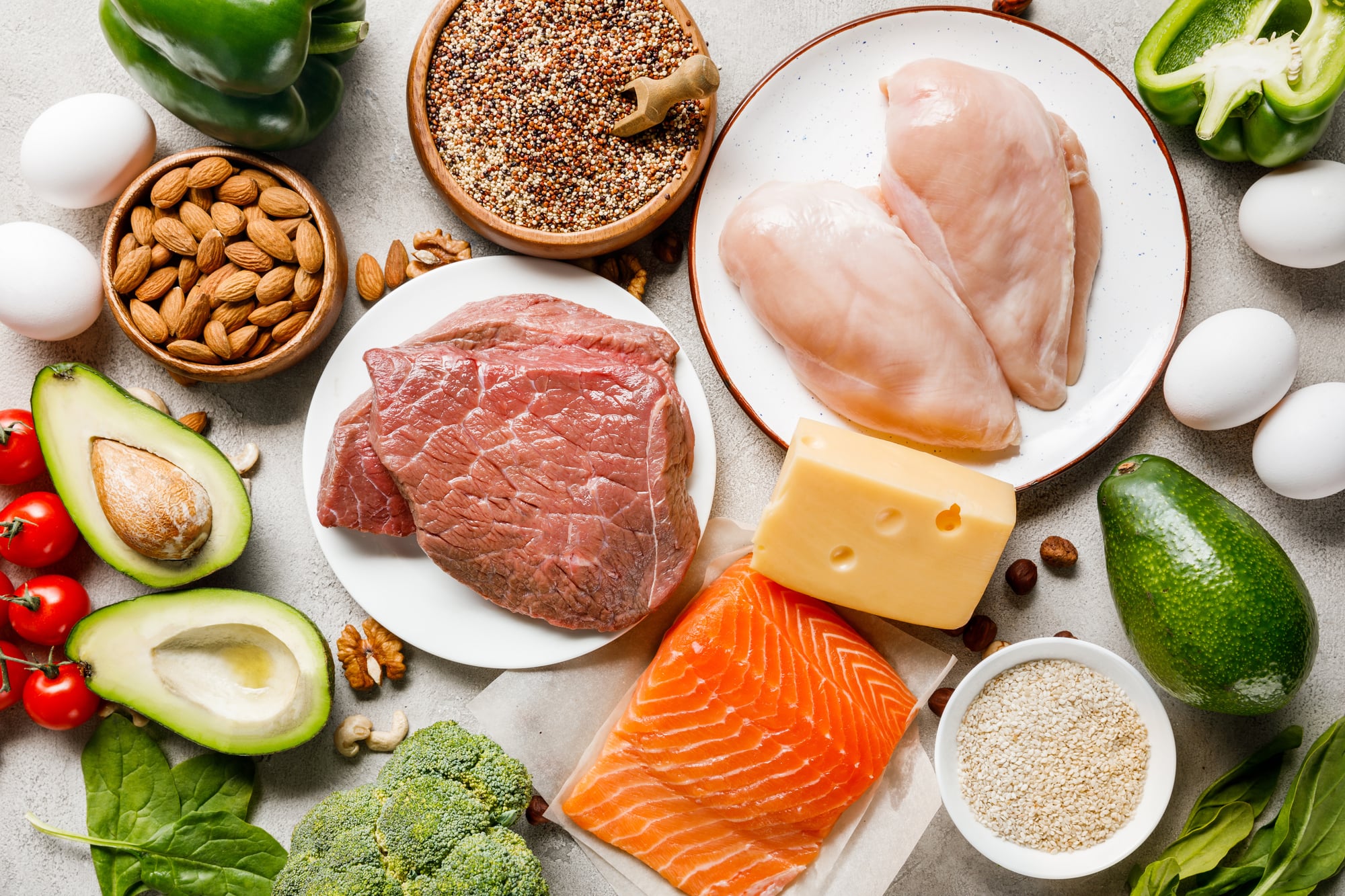
Eating real food matters more than chasing the latest miracle ingredient. Colors on your plate come alive when veggies and fruits mix together.
Protein shows up in many forms, not just one. Cutting out whole categories only makes sense if a doctor says so.
Water keeps things moving behind the scenes. Small habits like these quietly win over flashy fixes every time.
Not every flashy food is bad – some cost too much, though they promise big results. Tasty? Sure, an acai bowl hits the spot now and then.
Leafy greens like kale work well on their own, no fanfare needed. Sipping matcha once in a while brings its moments.
Yet none are required for strong health. Skip these pricey picks, put that cash toward everyday fruits and vegetables instead.
Plain choices often do more good than one buzzy item ever could.
When Marketing Feels Like Truth
Hope moves more units than nutrition these days. A fancy label now carries weight beyond taste or substance.
Status hides inside juice bottles and powder jars. Consumers latch onto small rituals – tossing chia seeds into oatmeal, sipping turmeric lattes – as if each act grants immunity.
Sleep matters less when you’ve got adaptogens on hand. Stress fades behind a bottle of fermented algae.
Movement feels optional once superfoods take center stage. Real habits gather dust while shiny alternatives promise transformation.
That craving for quick fixes? Food companies spot it fast.
They grab everyday items, dress them up with promises, then charge way more. Clever ads make you think you’ve found a smarter crowd – people who get what really works.
Truth is different. What you actually have is a pricier cart full of the same things.
More from Go2Tutors!

- The Romanov Crown Jewels and Their Tragic Fate
- 13 Historical Mysteries That Science Still Can’t Solve
- Famous Hoaxes That Fooled the World for Years
- 15 Child Stars with Tragic Adult Lives
- 16 Famous Jewelry Pieces in History
Like Go2Tutors’s content? Follow us on MSN.