Screen Savers from the 90s We Can’t Forget
Computer monitors in the 1990s faced a real problem called burn-in, where static images would permanently damage the screen if left in one place too long. Screen savers solved this issue by displaying moving images whenever the computer sat idle for a few minutes.
What started as a practical tool quickly became a form of digital art and personal expression that people spent way too much time watching and customizing. Let’s look back at the screen savers that defined an era of computing and somehow became as important as the work people were supposed to be doing.
Flying Toasters
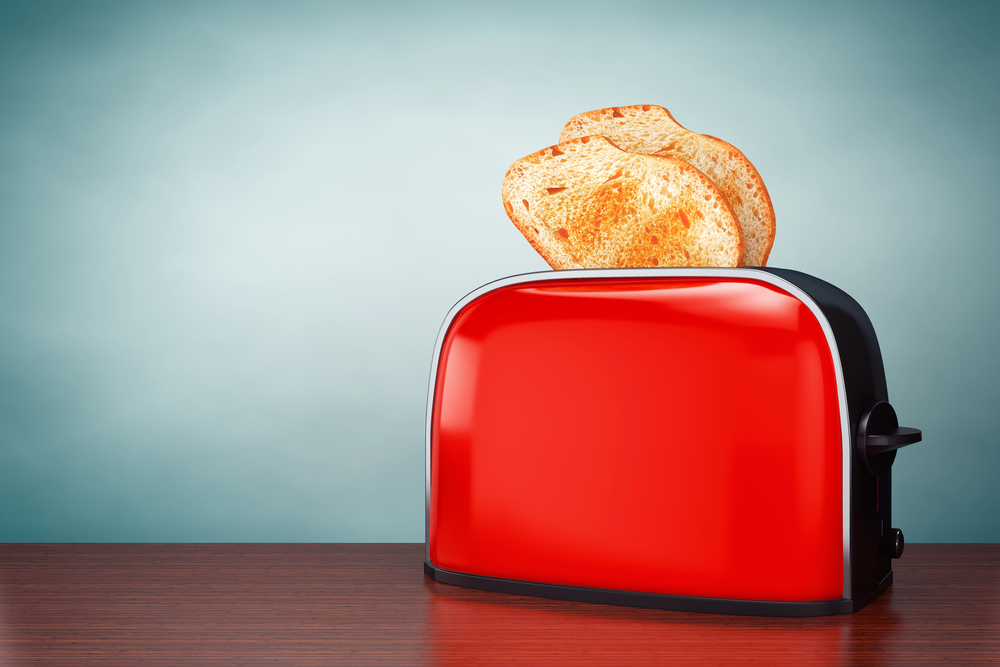
This After Dark screen saver featured chrome toasters with wings flying across a black background, occasionally launching slices of toast. Absolutely nothing about it made logical sense, yet it became the most iconic screen saver of the entire decade.
Berkeley Systems released it in 1989, and by the mid-90s, nearly every office worker had seen those toasters soaring past. The absurdist humor perfectly captured the playful spirit of early computer culture.
People would stop work just to watch the toasters fly by, defeating the whole purpose of taking a break from the screen.
3D Maze
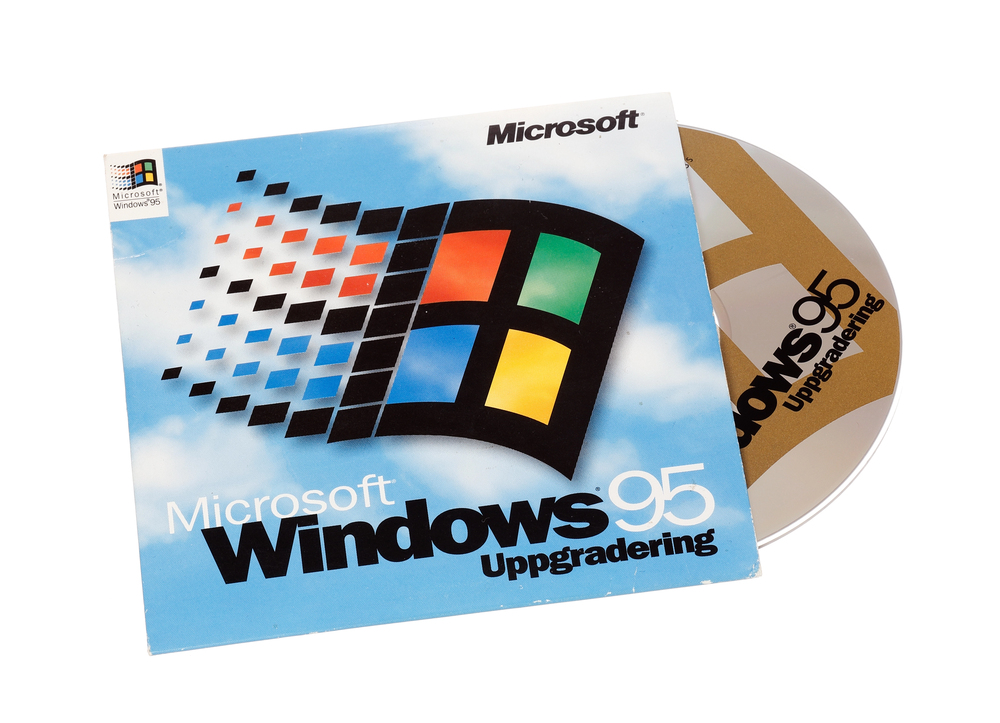
Windows 95 included this first-person perspective screen saver that showed an endless journey through textured brick corridors. The maze had no exit and no purpose beyond mesmerizing anyone who stared at it.
Walls featured different patterns including wood panels and stone textures that gave it an almost dungeon-like atmosphere. Many people reported feeling slightly dizzy after watching it for too long.
The screen saver accidentally trained millions of users for the first-person shooter games that would dominate the late 90s.
Starfield
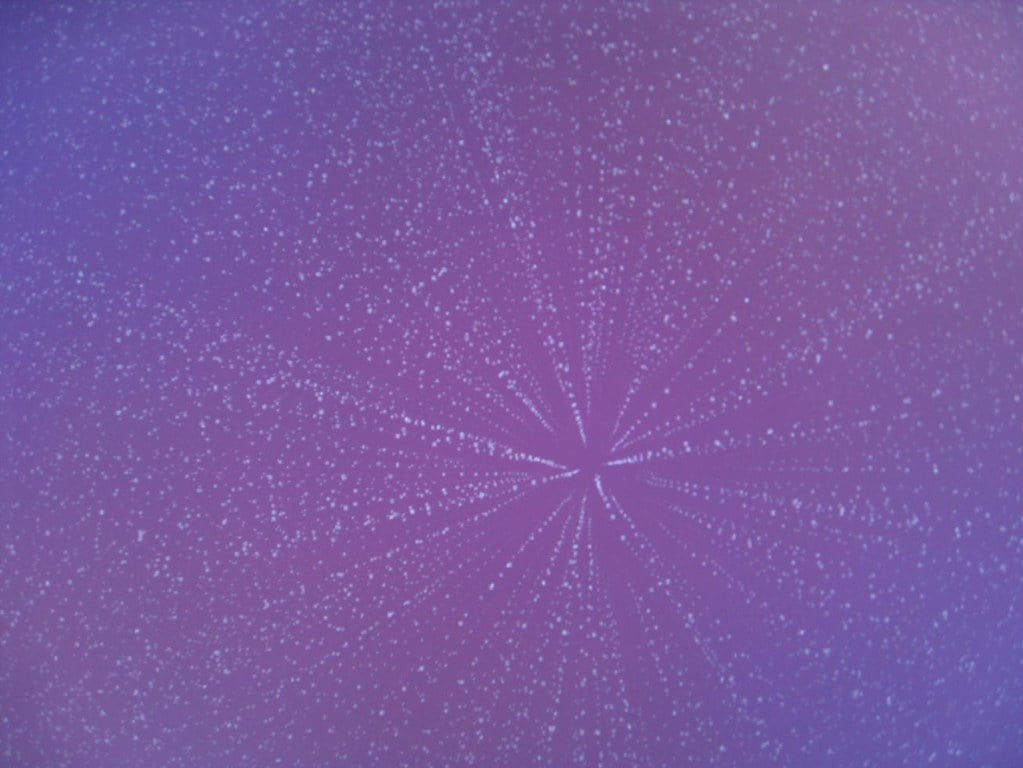
This classic showed stars rushing past the screen like a spaceship traveling at warp speed. The simple white dots on black background created a surprisingly effective illusion of motion.
Windows included several versions over the years, each adding slightly different star densities and speeds. The screen saver gave office workers a brief escape, letting them imagine they were somewhere far away from spreadsheets and memos.
Star Trek fans particularly loved it because it mimicked the show’s iconic warp speed effect.
Mystify Your Mind
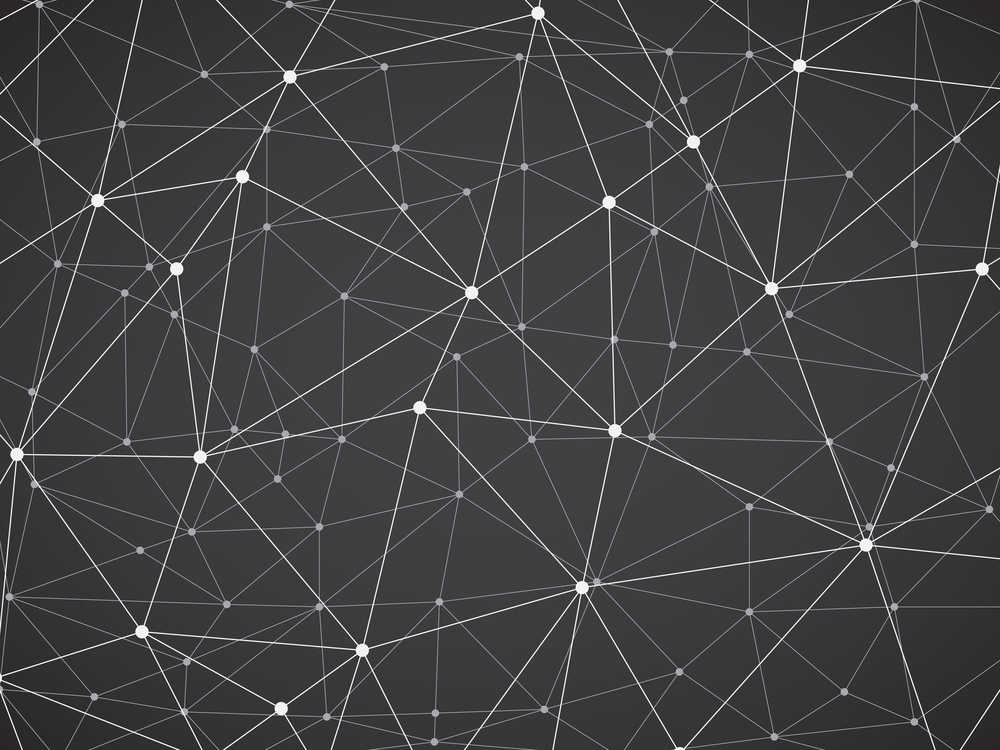
Colorful polygons bounced around the screen, stretching and morphing as they moved. Windows included this screen saver in multiple operating systems throughout the 90s.
The shapes left trailing patterns that created hypnotic geometric designs before fading away. Users could customize the number of shapes and their colors, leading to endless tinkering during work hours.
The smooth animations showed off what computers could do graphically, which seemed impressive at the time.
Aquarium
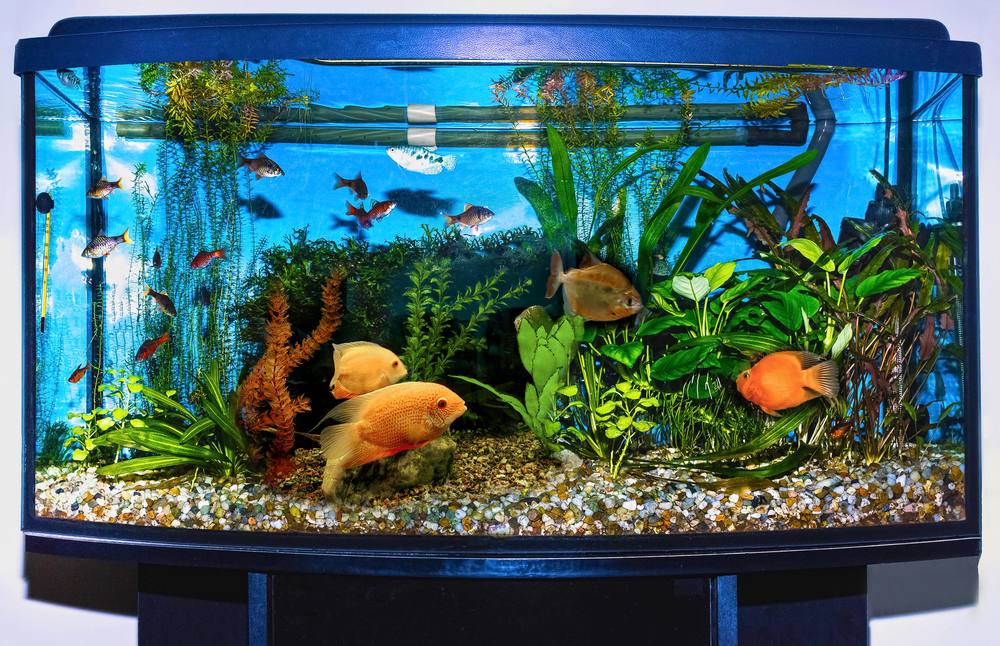
Fish swam across the screen in front of underwater scenery, complete with bubbles and occasionally a scuba diver. Sierra Entertainment’s Marine Aquarium became the gold standard, featuring realistic fish behavior and sound effects.
The screen saver turned monitors into virtual fish tanks that required no feeding or cleaning. Some offices banned it because employees spent too much time watching the fish instead of working.
The calming effect made it popular in waiting rooms and reception areas.
Pipes
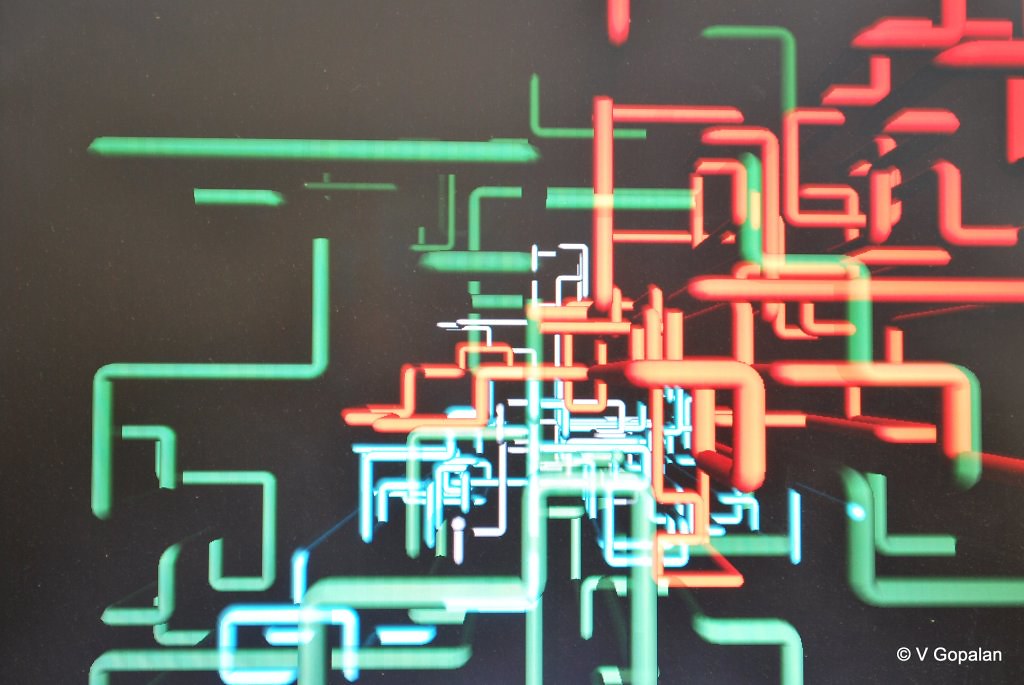
This Windows screen saver built an elaborate network of colorful pipes that grew across the screen in random directions. The pipes connected at joints and elbows, creating industrial-looking structures that eventually filled the entire monitor.
Multiple color schemes let users customize whether they wanted classic lead pipe grey or rainbow colors. The satisfying building process kept people watching far longer than they intended.
Some pipe networks became so complex they resembled abstract art installations.
Johnny Castaway
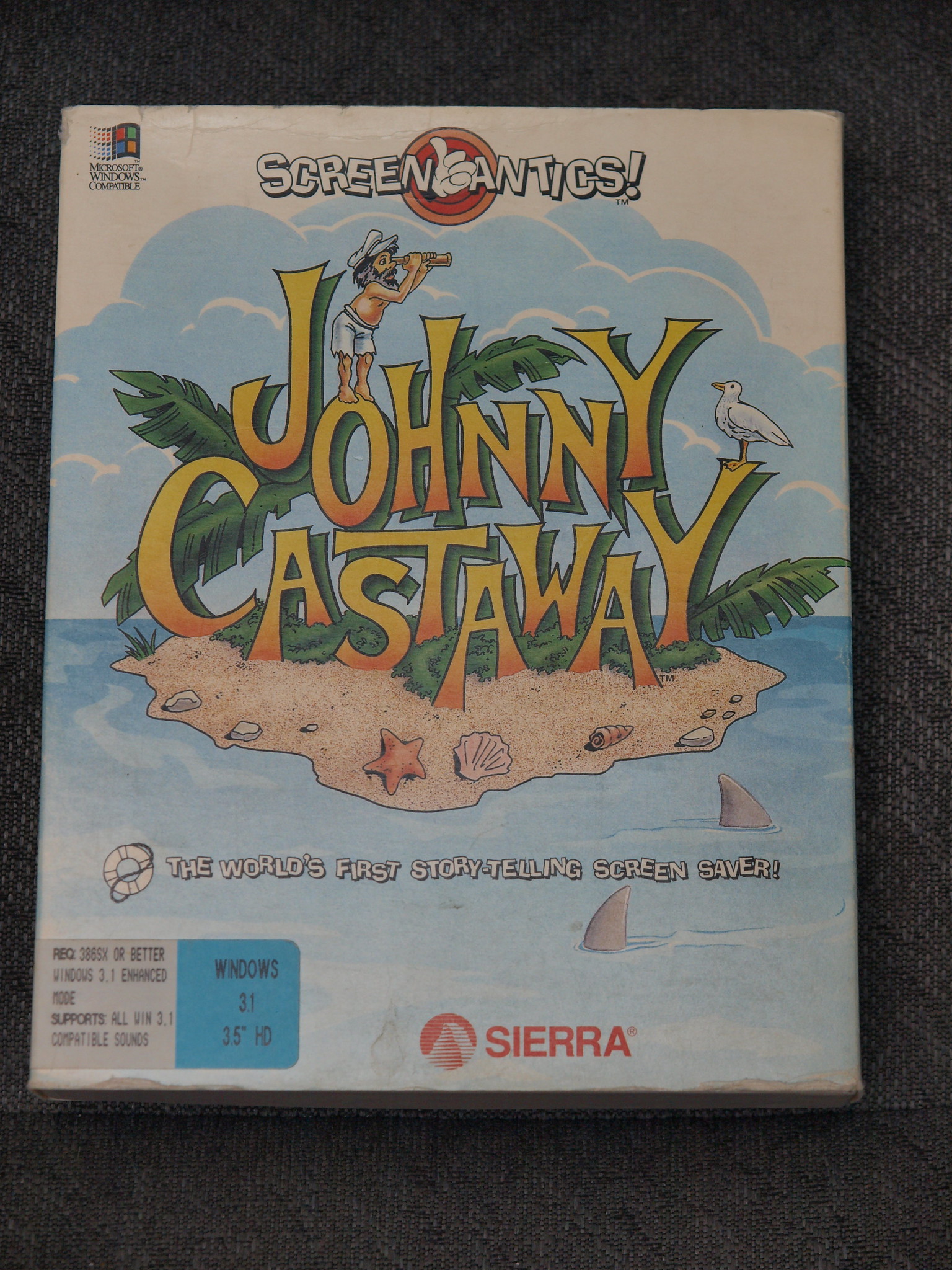
This screen saver told the ongoing story of a man stranded on a tiny desert island. Different scenes played depending on the time of day, day of week, and even specific holidays.
Johnny would build rafts, get visited by pirates, or celebrate Christmas with a small tree. The narrative element made it completely unique among screen savers.
People would leave their computers idle just to see what Johnny was up to, and comparing Johnny stories became common office conversation.
Matrix Code
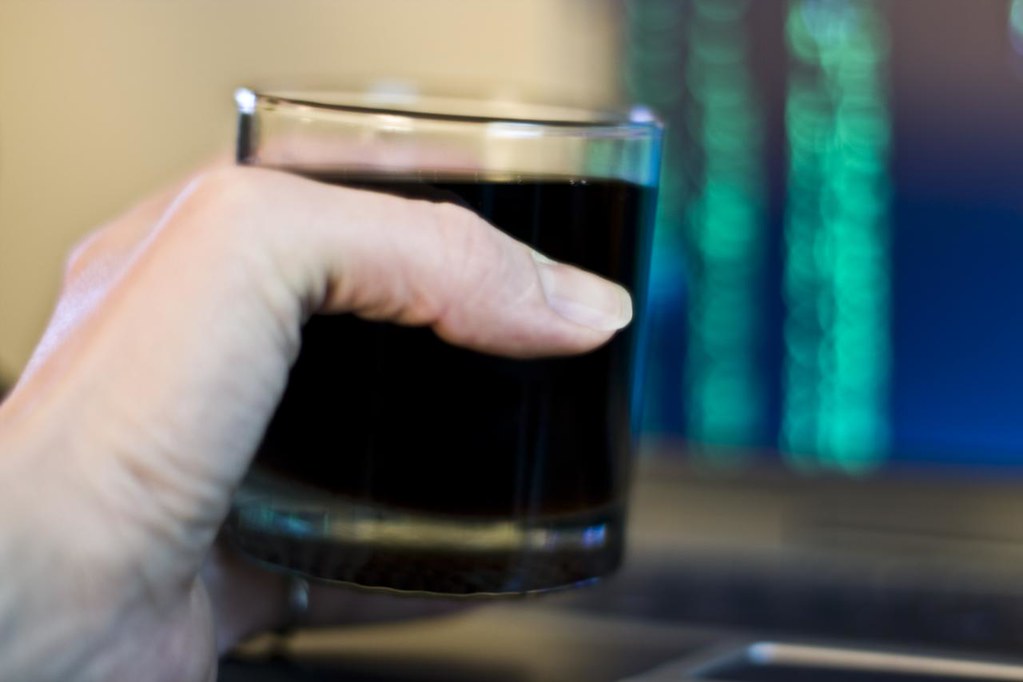
After the movie came out in 1999, screen savers mimicking the falling green code became instantly popular. The characters cascaded down black screens in vertical streams just like the film’s iconic visuals.
Free versions spread across the internet as fans created their own interpretations. Installing the Matrix screen saver became a way to show you were cool and had seen the movie.
The effect worked so well that it actually looked like movie-quality computer effects on home PCs.
Lemmings

These tiny creatures marched across the screen, occasionally falling off edges or getting into trouble. The screen saver adapted the popular video game into a passive viewing experience.
Watching the lemmings interact with each other provided endless entertainment during boring work days. Different versions featured varying numbers of lemmings and obstacle courses for them to navigate.
The cute factor made it appropriate for any workplace setting.
Fireworks
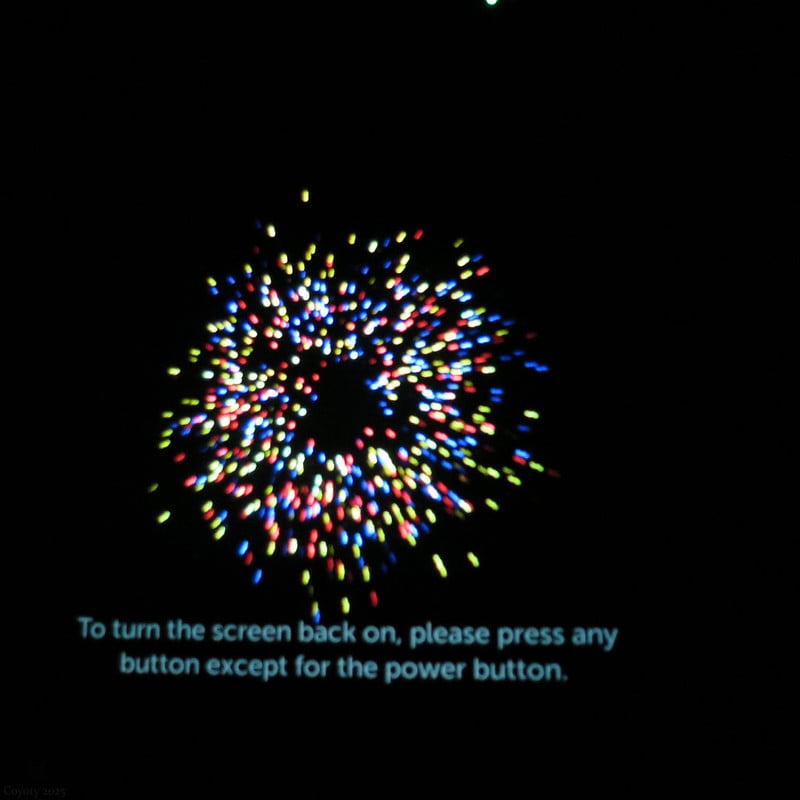
Colorful explosions burst across black screens in patterns that mimicked real Fourth of July displays. Each burst left trailing sparks that faded away before the next explosion appeared.
Sound effects weren’t standard, which was probably good for workplace productivity. The screen saver became especially popular around American Independence Day but stayed installed year-round on many computers.
Different versions offered varying levels of complexity from simple bursts to elaborate multi-stage explosions.
Bad Dog
This screen saver showed a mischievous dog causing chaos around a desktop, knocking over files and chewing on icons. The interactive element made it feel more alive than static animations.
The dog would occasionally look directly at viewers as if acknowledging their presence. It represented a bridge between traditional screen savers and later desktop pets.
Some system administrators hated it because it confused users into thinking their actual files were being destroyed.
Flying Windows
Microsoft created this self-promotional screen saver showing the Windows logo soaring through space. Multiple colored Windows logos flew past in a three-dimensional perspective.
The company included it free with Windows installations as subtle advertising. The smooth rendering showed off the operating system’s graphical capabilities.
It was basically a commercial that people voluntarily displayed on their computers for hours each day.
Labyrinth
Geometric patterns shifted and morphed into elaborate mazes that constantly reconstructed themselves. The hypnotic effect came from watching walls appear and disappear in mesmerizing sequences.
Artists appreciated the screen saver’s abstract visual appeal. The constantly changing patterns meant viewers never saw the same configuration twice.
Some people found it too busy and distracting, while others considered it the most visually interesting option available.
Bubble
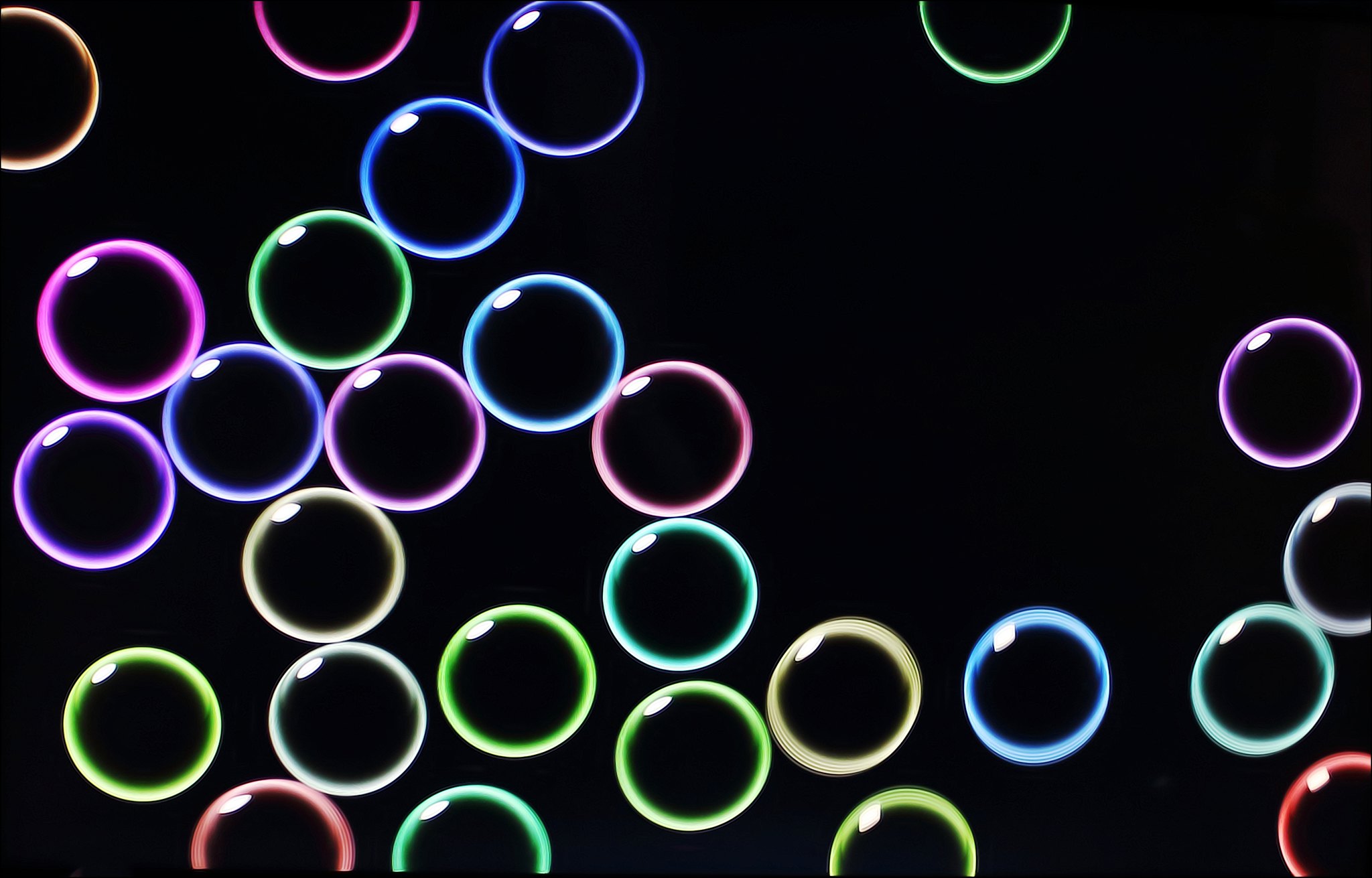
Bubbles of light drifted through the display, shaped by how they touched nearby edges. When they met a border, some would burst with a soft noise – Sierra added those small audio details.
Their movement felt calm, almost slow, which kept kids watching quietly. Colors shifted on each surface, bending light into brief rainbows.
They didn’t just bounce – they sometimes joined, forming larger floating shapes before splitting again.
Seti@Home
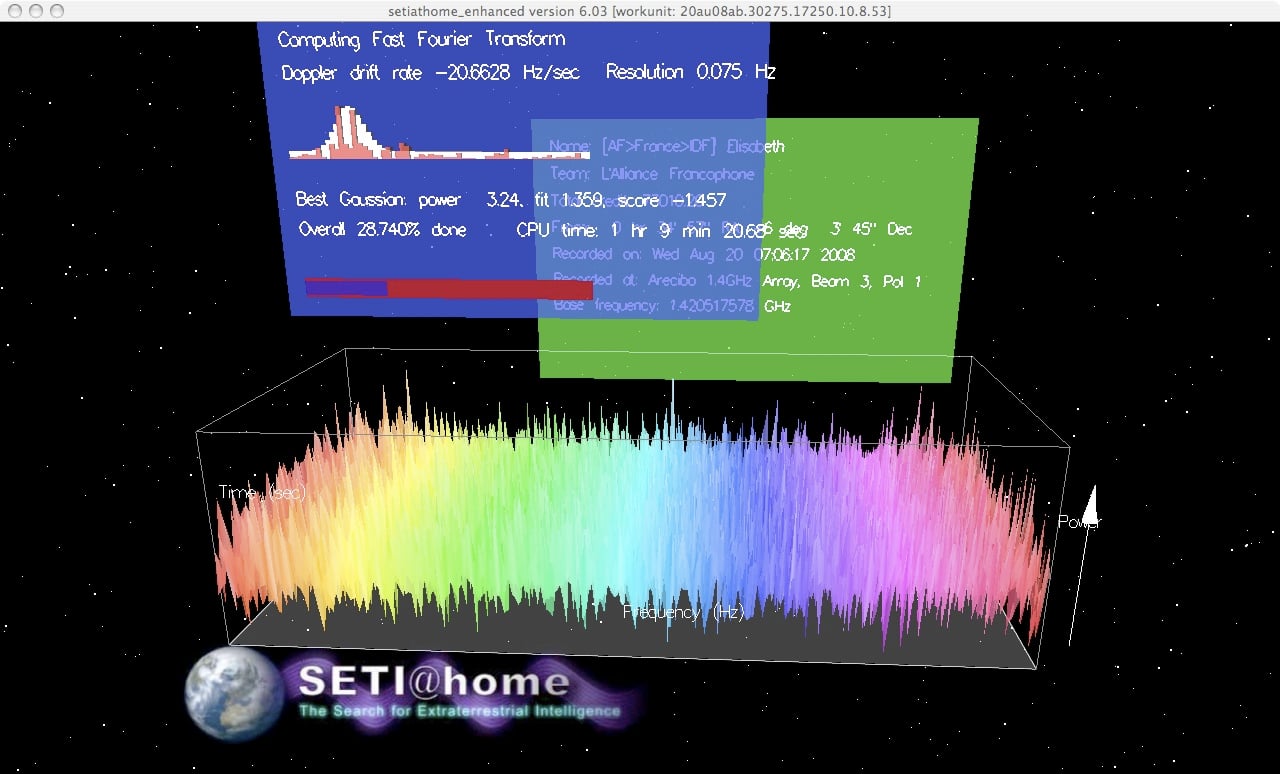
What started as a screensaver turned into something far bigger. Instead of just displaying shapes, it sifted through actual signals captured by radio telescopes.
While computers sat unused at night, they worked on decoding cosmic noise. Onscreen, waves shifted slowly, jumping when odd sequences appeared.
People watched closely, knowing their machines helped scan the universe. Participation gave an unusual sense of involvement – quiet, yet meaningful.
Over time, countless individuals joined in from around the world. Ideas born here later shaped how large-scale computing tasks are shared across networks.
From necessity to nostalgia
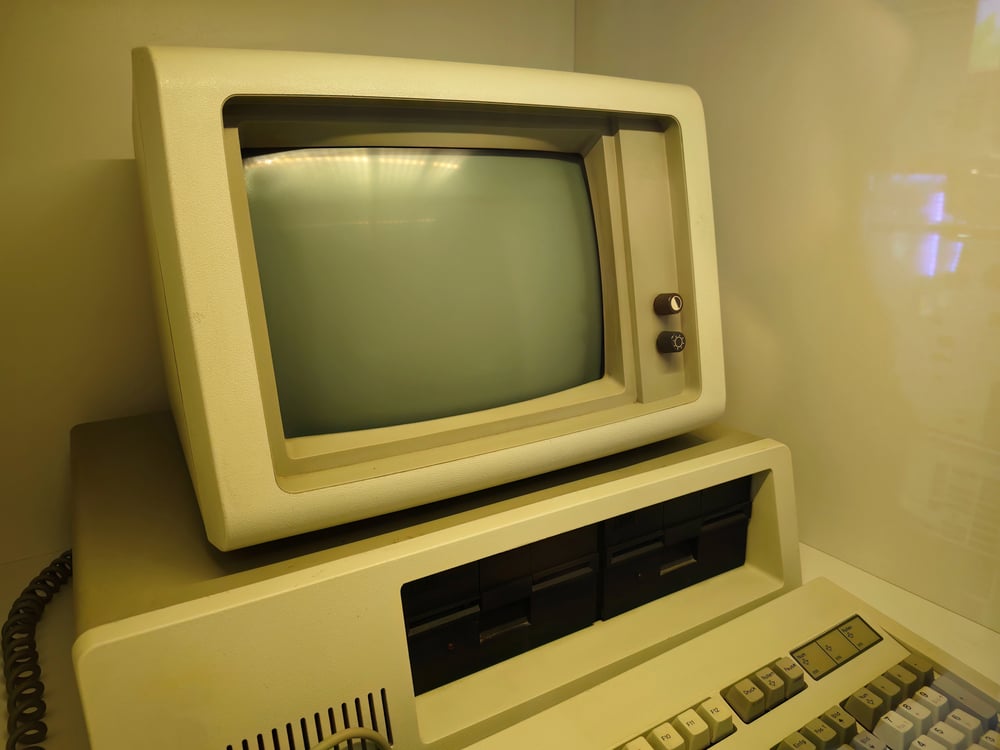
Back then, glowing toasters zipping across the display felt like magic. Even though modern screens avoid damage from static images, nostalgia keeps old-school animations alive in memory.
A different era showed up each time the computer paused – fish drifting through digital oceans, geometric shapes dancing without rules. Coworkers gathered around desks just to watch, sharing quiet amusement during long workdays.
Now silence fills those moments, darkness or family photos rotating quietly instead. Efficiency replaced whimsy, smooth design traded for soulful quirks. Joy once lived in pointless motion, proof machines could play, not only perform.
More from Go2Tutors!

- The Romanov Crown Jewels and Their Tragic Fate
- 13 Historical Mysteries That Science Still Can’t Solve
- Famous Hoaxes That Fooled the World for Years
- 15 Child Stars with Tragic Adult Lives
- 16 Famous Jewelry Pieces in History
Like Go2Tutors’s content? Follow us on MSN.