Famous Stunt Doubles Who Stole the Spotlight
Hollywood loves its leading actors, but behind every death-defying leap and jaw-dropping car chase, there’s often someone else doing the heavy lifting. Stunt doubles spend years perfecting dangerous skills that most people wouldn’t dare attempt, yet they rarely get the recognition they deserve.
Some of these professionals became so good at their craft that audiences started paying attention to them instead of the stars they were hired to protect. Let’s look at the stunt performers who became famous in their own right and sometimes even outshined the actors they doubled for.
Hal Needham
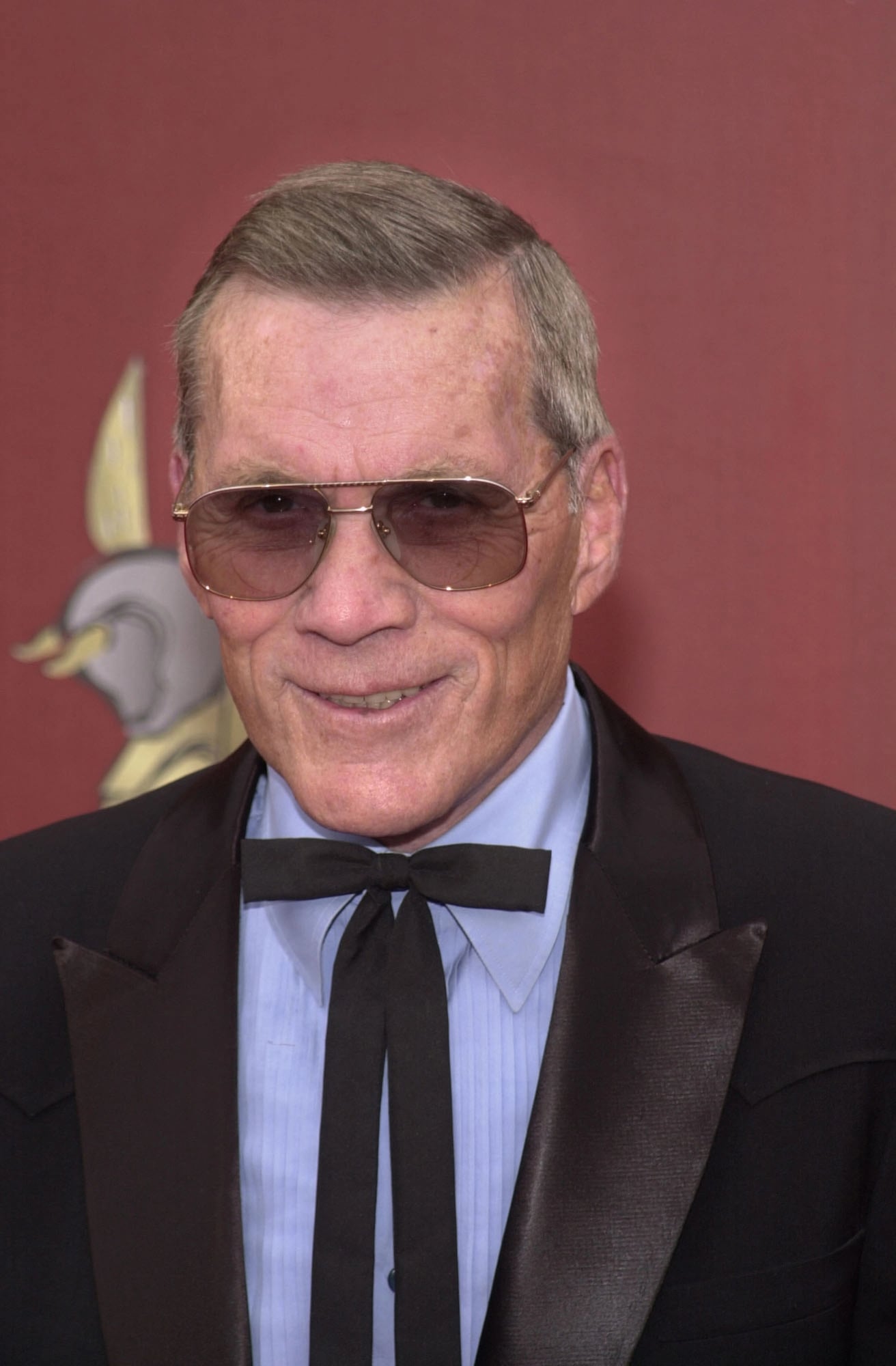
Hal Needham started as a tree trimmer before falling into stunt work, and he turned that career change into Hollywood legend. He doubled for stars like Burt Reynolds and performed some of the most dangerous stunts ever filmed, including a fall from a helicopter that put him in the hospital for weeks.
Needham eventually became a director and created some of the biggest action movies of the 1970s and 80s, proving that stunt performers understand excitement better than most filmmakers. His work changed how action sequences were filmed and made safety standards better for everyone in the industry.
Zoë Bell

Zoë Bell grew up in New Zealand doing gymnastics and martial arts before landing the role of Lucy Lawless’s stunt double on the TV show Xena. She caught Quentin Tarantino’s attention while doubling Uma Thurman in Kill Bill, and he liked her work so much that he wrote a movie specifically for her to star in.
Bell went from being invisible behind the scenes to playing herself in Death Proof, and she’s been acting and doing stunts ever since. Her athletic ability and fearless attitude made her one of the most recognizable faces in action cinema.
Dar Robinson
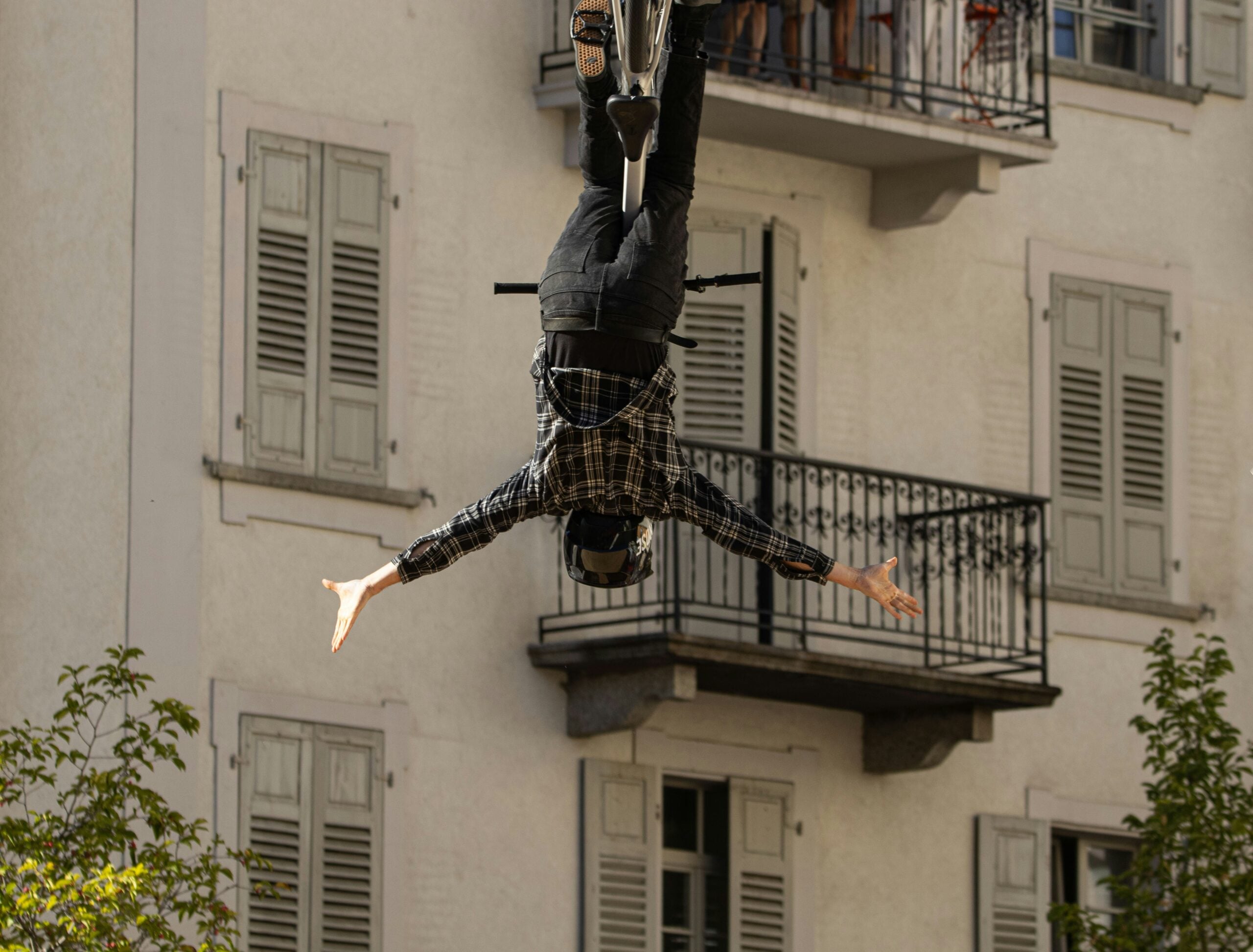
Dar Robinson held over 20 world records for high falls and dangerous stunts, and he invented equipment that made impossible stunts possible. He specialized in falling from enormous heights, including a 220-foot fall from a helicopter for the movie Highpoint that still makes people nervous to watch.
Robinson charged premium rates because he designed his own safety rigs and could pull off stunts that other performers wouldn’t touch. His technical knowledge and engineering skills made him more than just a daredevil, turning him into a respected innovator in the stunt community.
Jeannie Epper
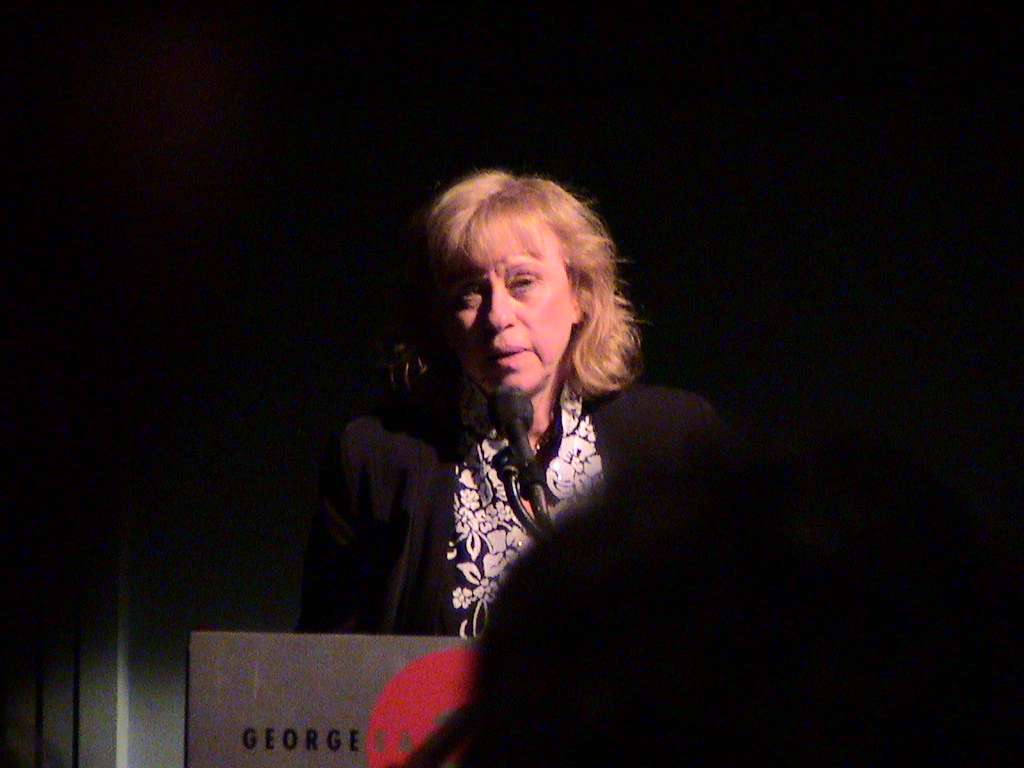
Jeannie Epper came from a family of stunt performers and started working in Hollywood when women in the industry faced massive discrimination. She doubled for Lynda Carter in Wonder Woman and performed stunts in over 100 films and TV shows throughout her career.
Epper broke barriers for female stunt performers and proved that women could handle the same dangerous work as men. Her dedication to the craft and refusal to accept limitations helped create opportunities for the next generation of stuntwomen.
Vic Armstrong
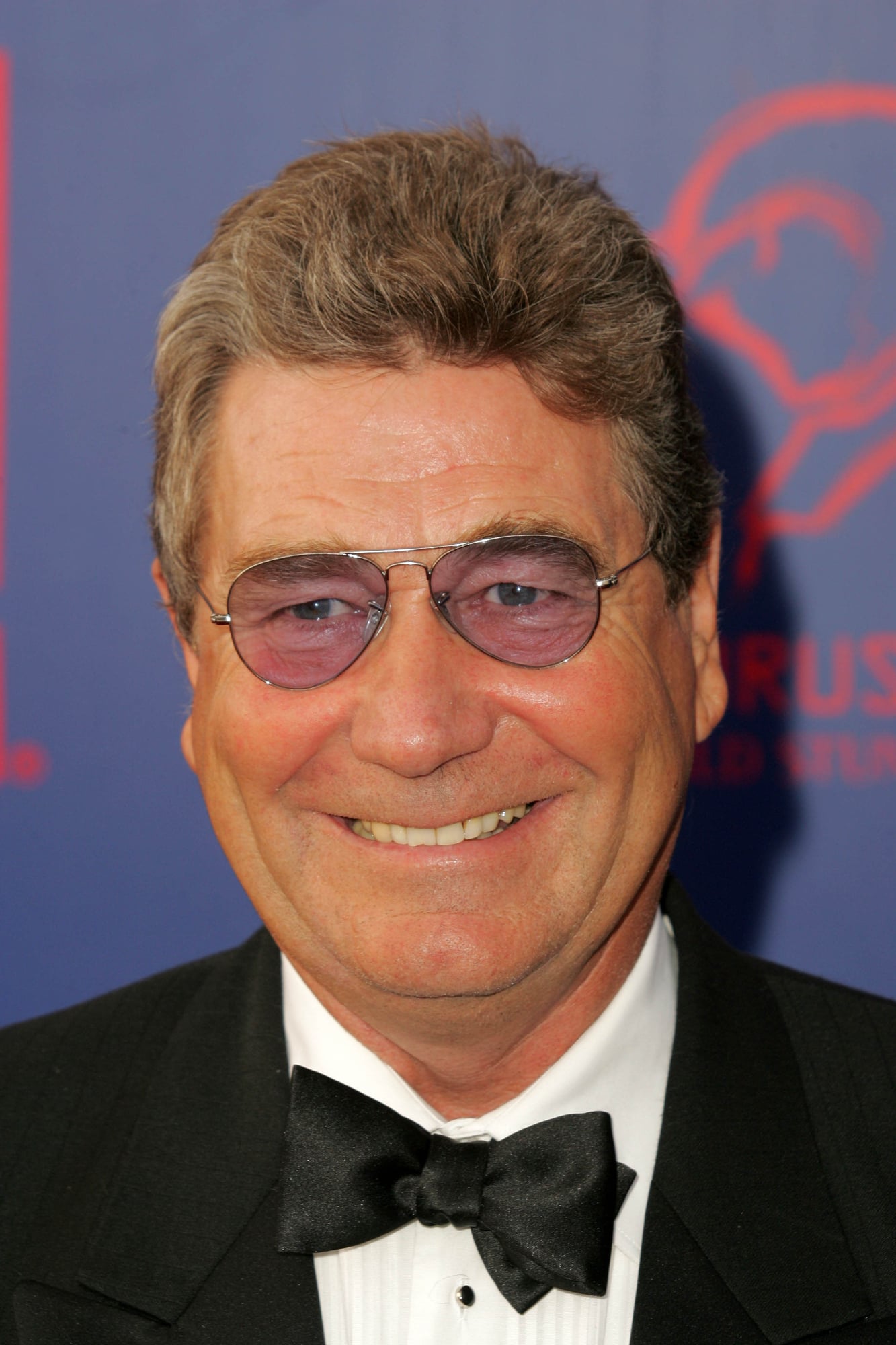
Vic Armstrong has doubled for Harrison Ford, Christopher Reeve, and countless other leading men during a career spanning five decades. He performed the truck chase in Raiders of the Lost Ark and coordinated stunts for some of the biggest action franchises in history.
Armstrong became so respected that he transitioned into directing second units, which means he’s responsible for filming the action sequences in major movies. His work has influenced how modern action films are made, and directors trust him to capture excitement better than almost anyone.
Kitty O’Neil
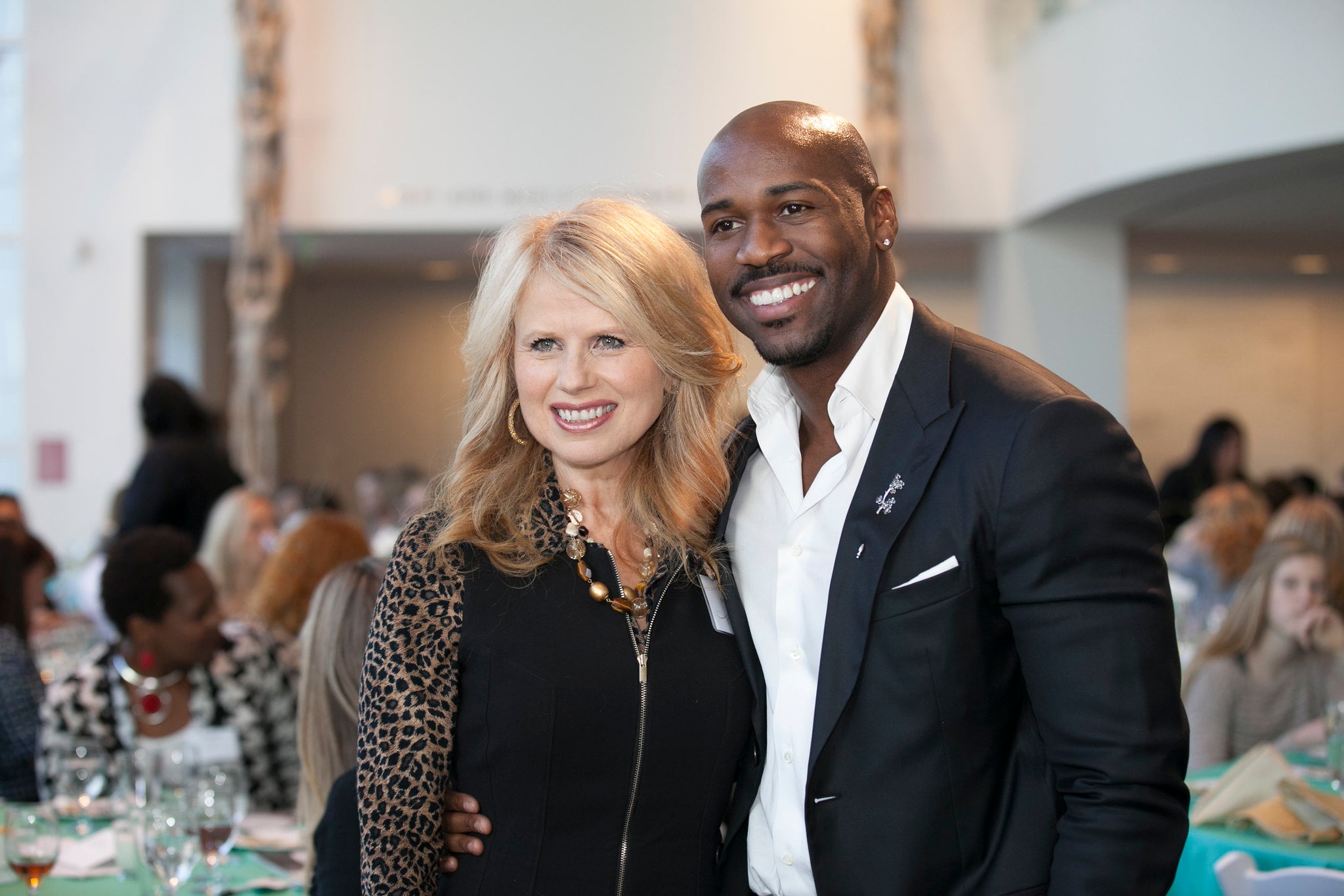
Kitty O’Neil lost her hearing as a baby but never let that slow her down, becoming one of the fastest and most fearless stunt performers in Hollywood history. She set land speed records for women and performed a 127-foot fall from a helicopter that broke existing records.
O’Neil doubled for Lindsay Wagner on The Bionic Woman and worked on major films when female stunt performers were still fighting for respect. Her achievements in racing and stunts proved that physical limitations don’t define what someone can accomplish.
Yakima Canutt
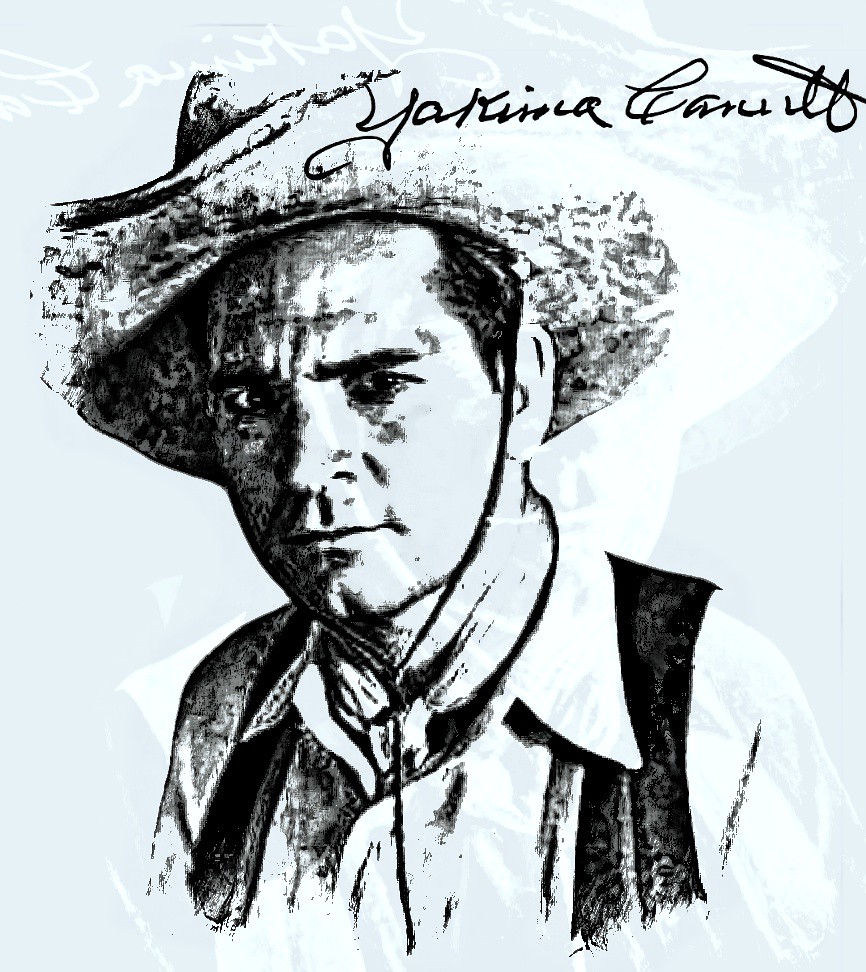
Yakima Canutt invented many of the safety techniques that stunt performers still use today, and his work in early Westerns set the standard for action sequences. He performed the famous stunt in Stagecoach where he falls between horses and gets dragged under a moving wagon.
Canutt transitioned from performing to coordinating stunts and directing action sequences, influencing how fight scenes and chases were filmed for decades. His innovations saved countless lives and made it possible for actors to look heroic without actually risking death.
Heidi Moneymaker
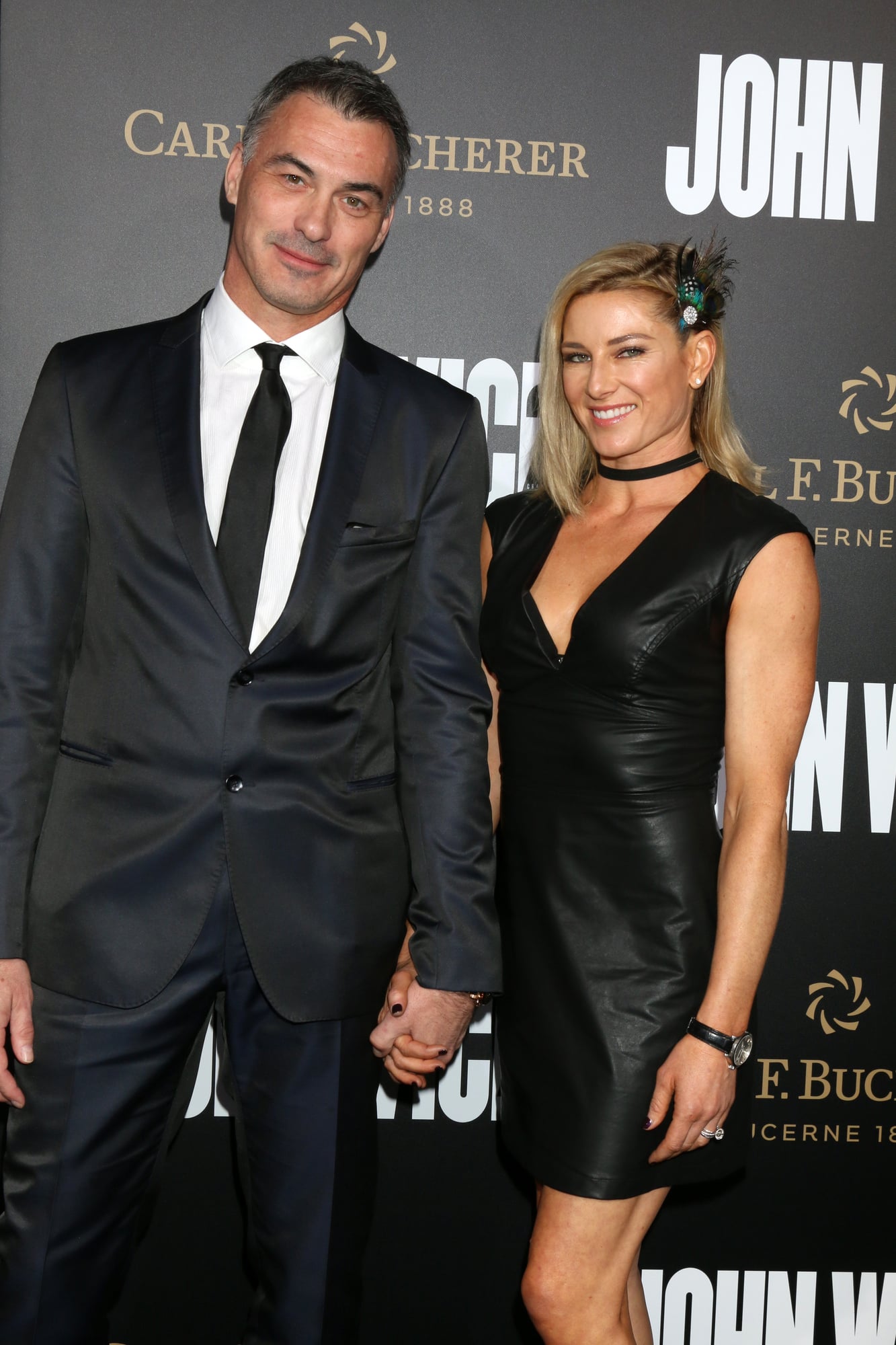
Heidi Moneymaker has been Scarlett Johansson’s stunt double in the Marvel films, and her work as Black Widow has made her recognizable to millions of superhero fans. She comes from a family of stunt performers and trained in martial arts from a young age.
Moneymaker’s fight choreography and athletic skills helped define how female action heroes move on screen. Her last name is real, and it’s become a joke among Marvel fans who think it sounds like a perfect action hero name.
Bob Morgan
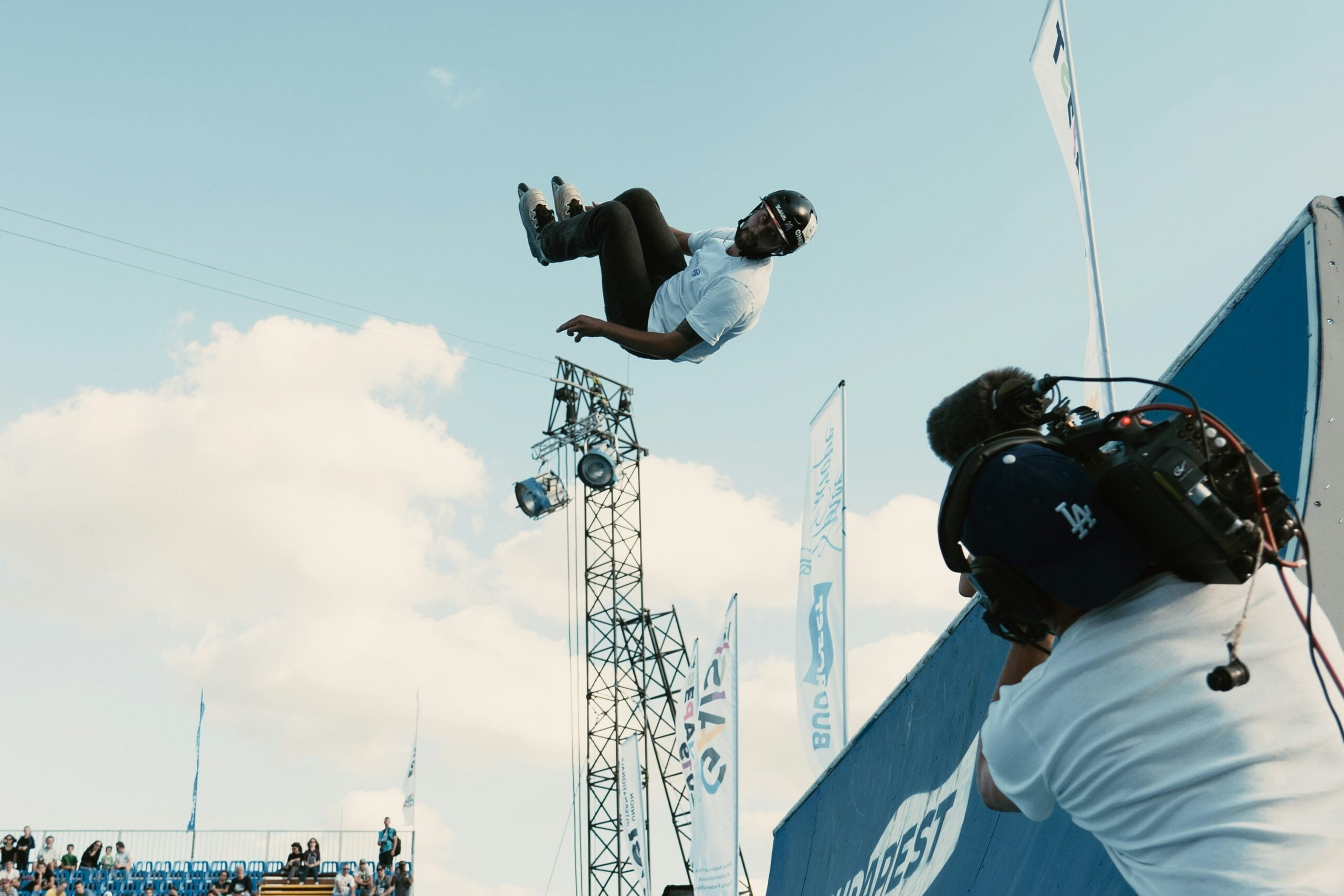
Bob Morgan performed some of the most dangerous stunts in classic Hollywood films before a tragic accident on the set of How the West Was Won left him with permanent injuries. He was married to actress Yvonne De Carlo and worked on hundreds of productions during the golden age of Hollywood.
Morgan’s career showed both the glory and the risks of stunt work, and his accident led to improved safety regulations. Despite losing a leg, he continued working in the industry and helped mentor younger performers.
Donna Evans
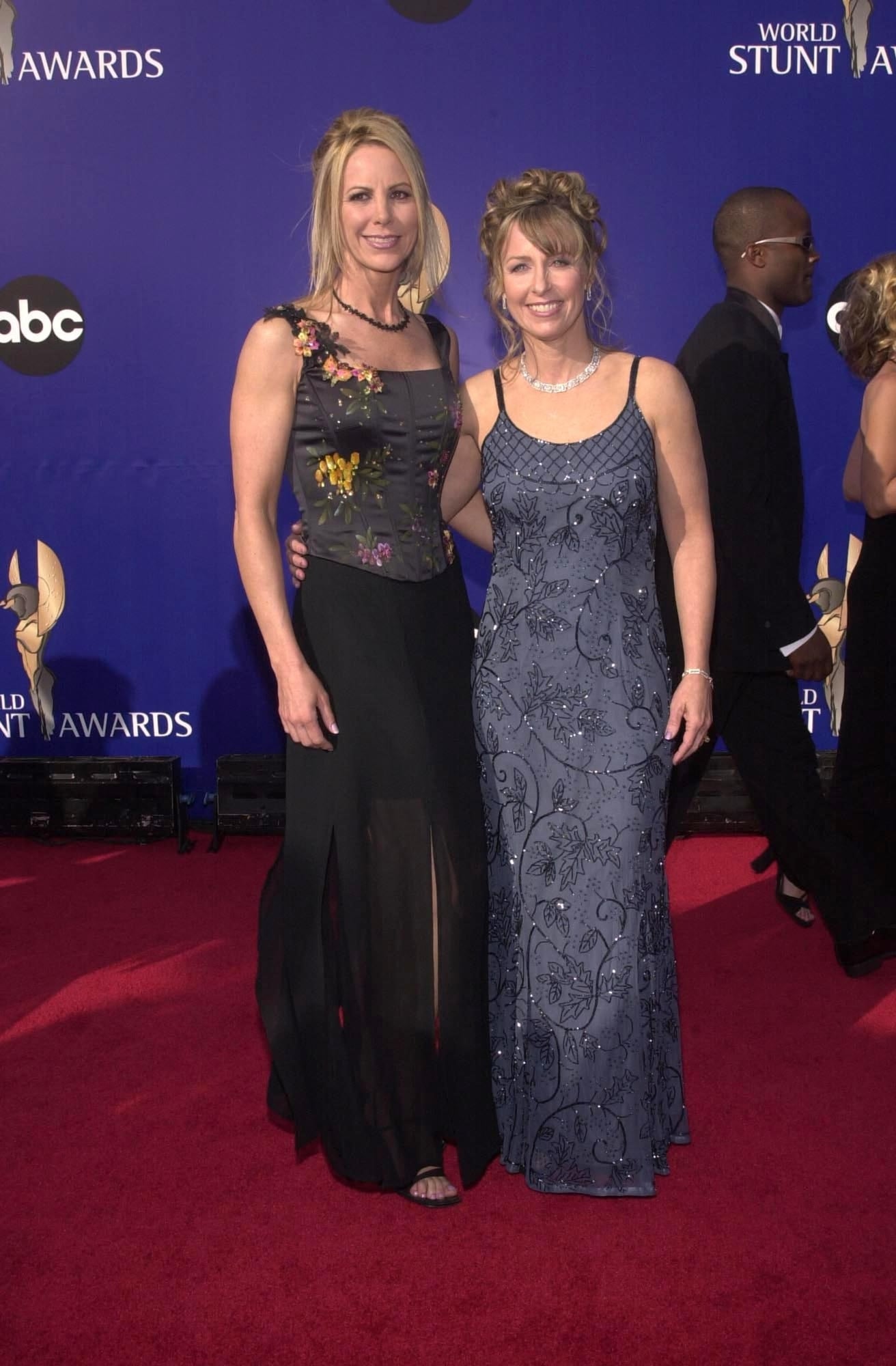
Donna Evans blazed trails for African American stuntwomen in Hollywood when the industry barely acknowledged their existence. She doubled for Pam Grier and other Black actresses in the 1970s action films that defined the blaxploitation era.
Evans faced racism and sexism simultaneously but kept working and proved her skills were equal to anyone’s. Her persistence helped open doors for diverse stunt performers who came after her.
Terry Leonard
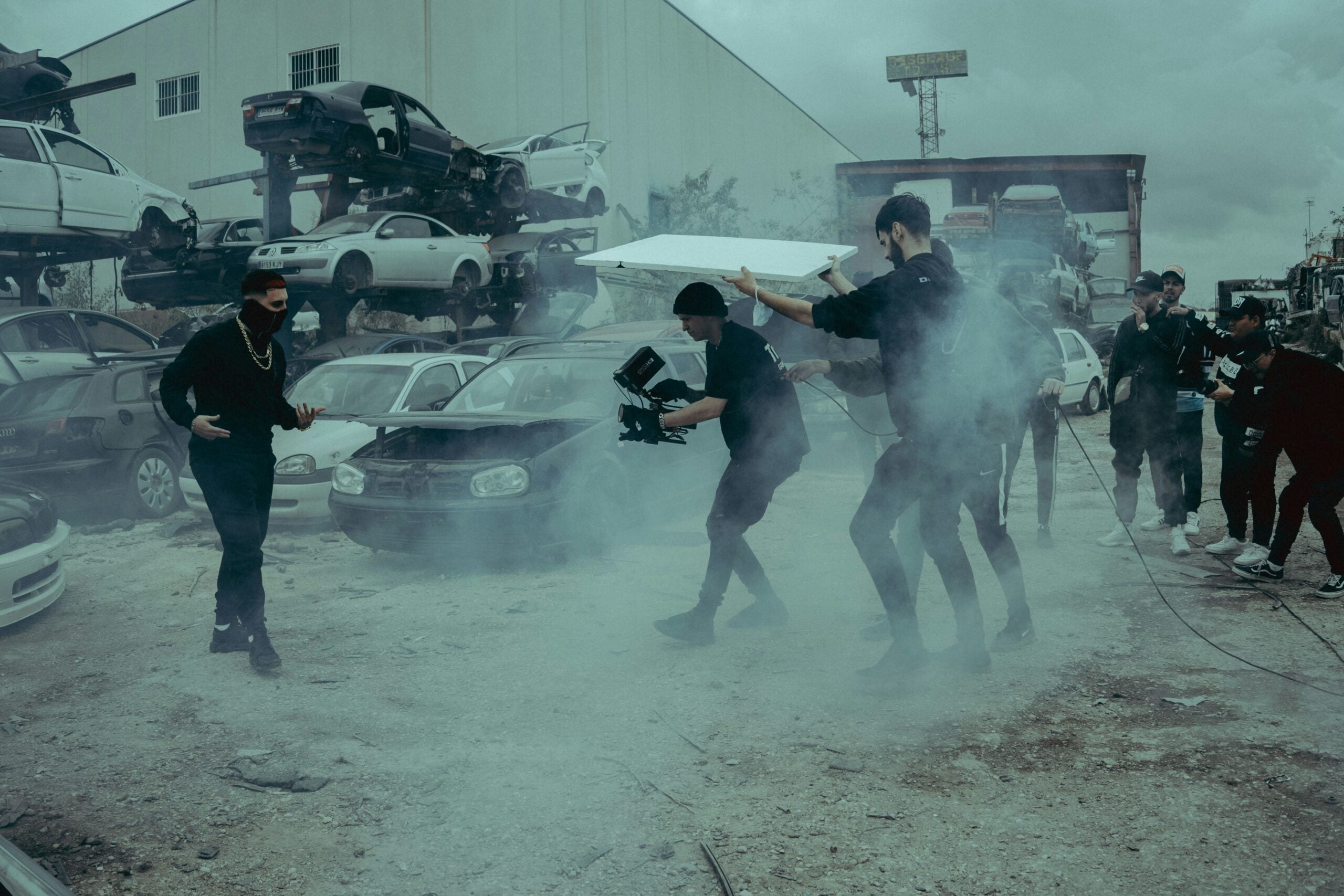
Terry Leonard performed stunts in some of the biggest action films of the 1970s and 80s, including the truck chase in Raiders of the Lost Ark. He doubled for numerous leading men and coordinated stunts for major productions.
Leonard’s work in John Wayne’s final films showed his range, and he later moved into stunt coordinating and second unit directing. His understanding of camera angles and pacing made action sequences more effective and helped define the modern action genre.
Debbie Evans
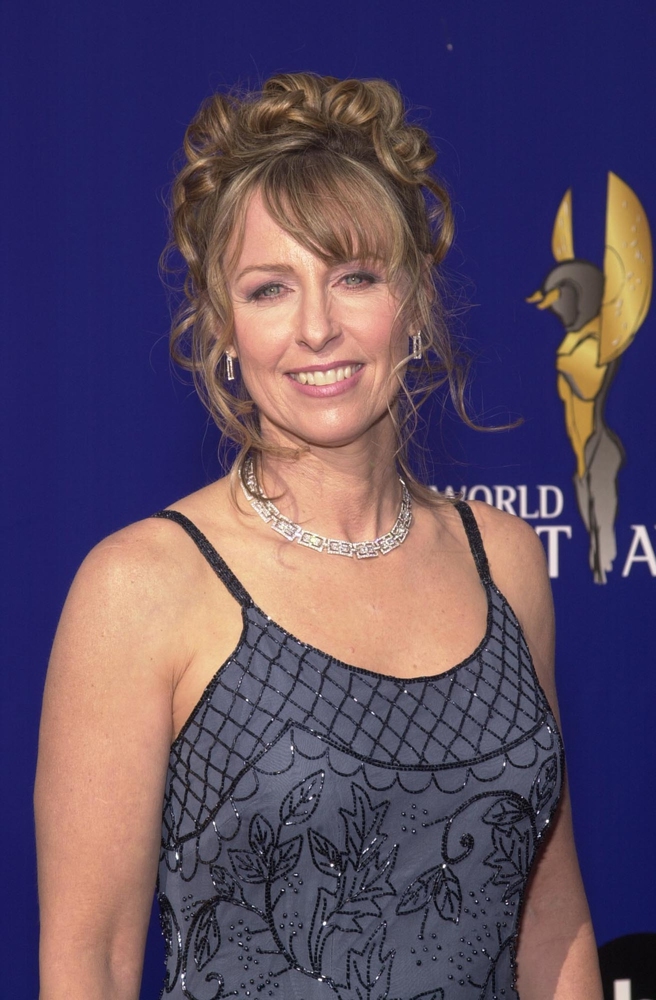
Debbie Evans became a motorcycle racing champion before transitioning to stunt work, and her skills on two wheels made her irreplaceable for vehicle stunts. She performed the motorcycle chase in The Matrix Reloaded and has worked on major franchises throughout her career.
Evans started racing as a teenager and turned her competitive drive into Hollywood success. Her technical riding ability means she can perform stunts that require precision most people can’t match.
Kane Hodder
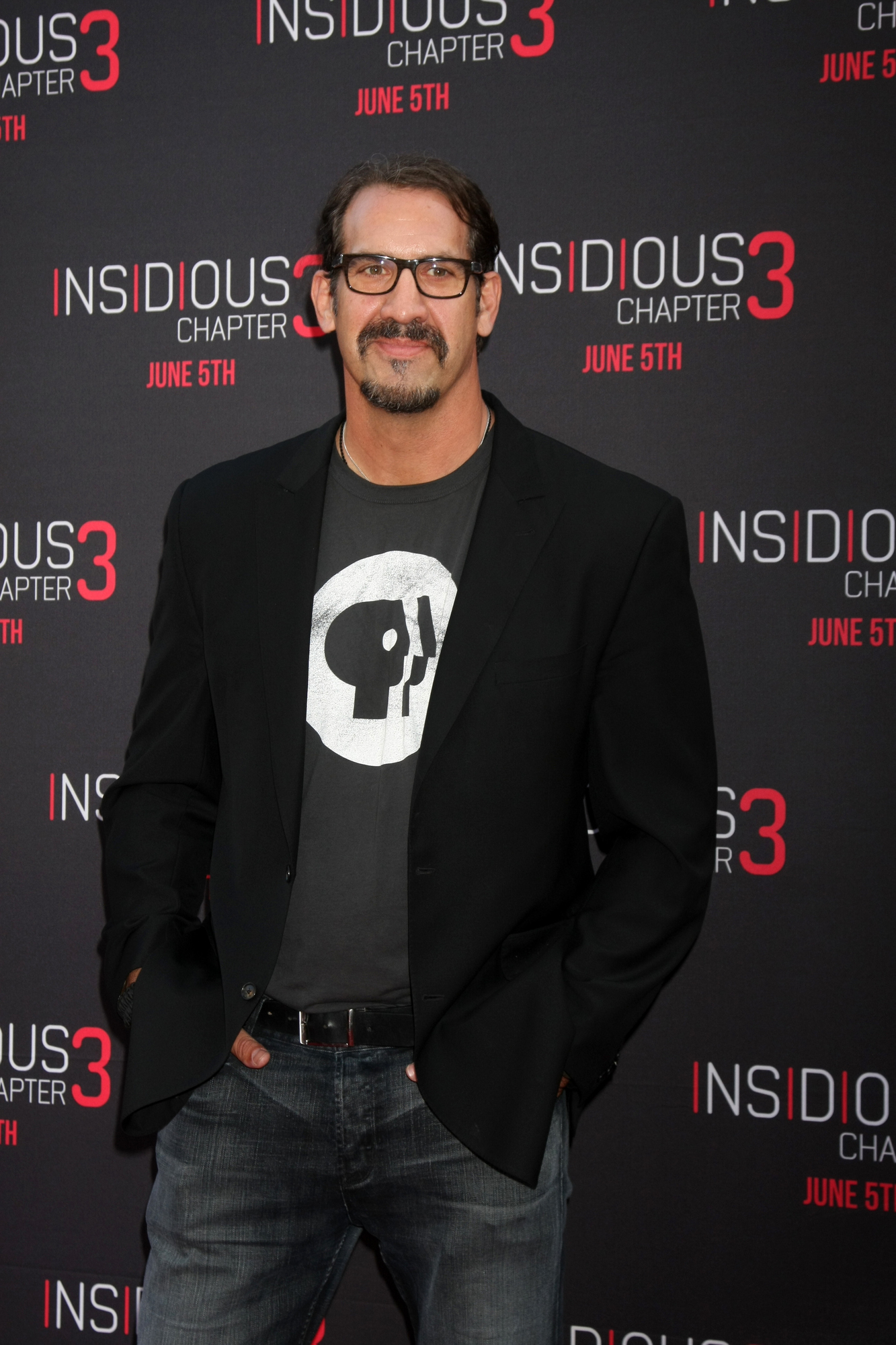
Kane Hodder played Jason Voorhees in multiple Friday the 13th films and became the most famous person to wear the hockey mask. He started as a stunt performer and suffered severe burns during a stunt gone wrong, spending months in recovery.
Hodder turned that experience into motivation and became known for his intense physical performances in horror films. His imposing presence and dedication to character work made him a fan favorite, and horror conventions treat him like royalty.
May Boss
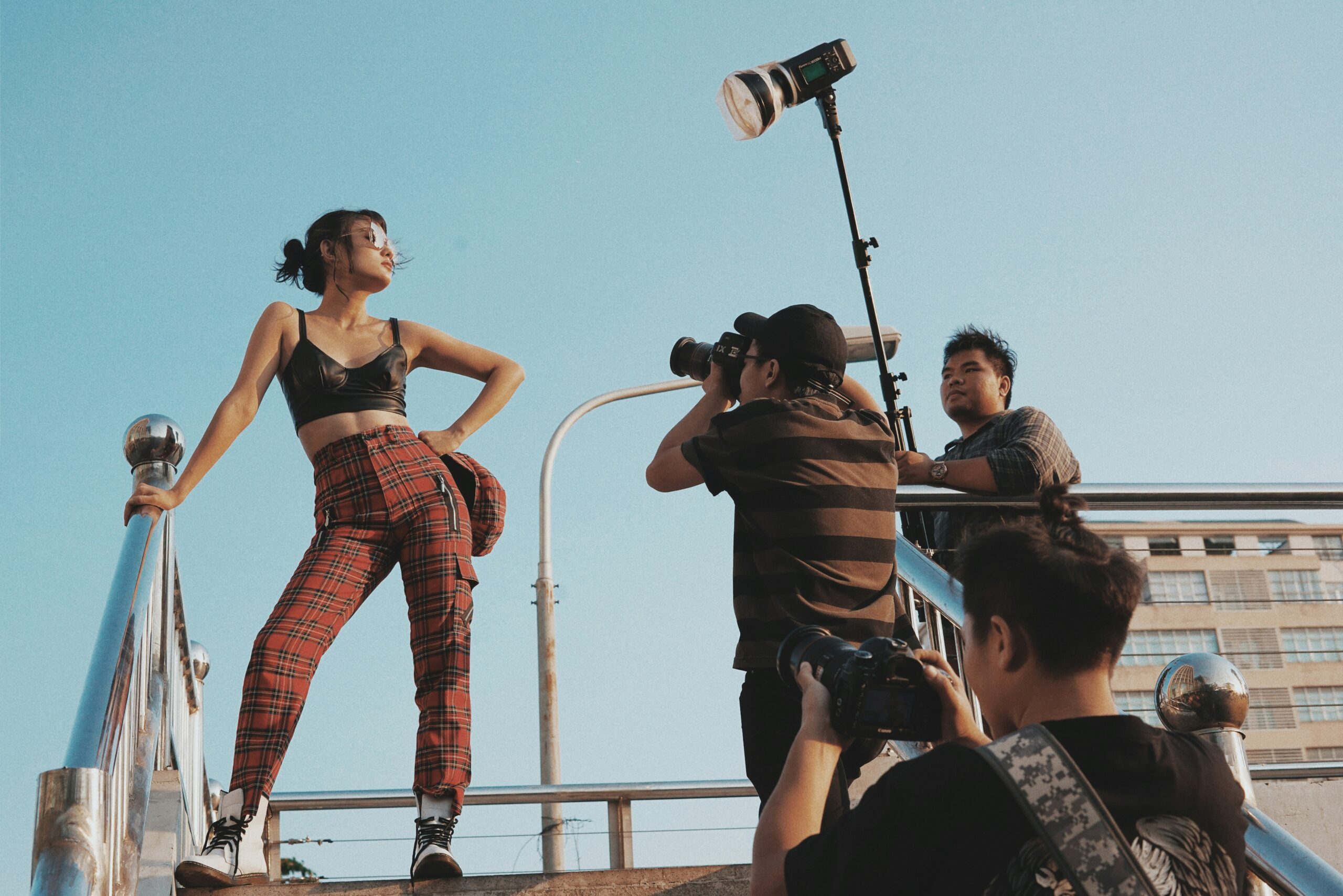
May Boss doubled for some of Hollywood’s biggest female stars in the 1920s and 30s when stunt work was even more dangerous than it is today. She performed stunts without the safety equipment that modern performers rely on, including falls from moving trains and horse stunts.
Boss worked during silent films and early talkies, helping establish what female action heroes could do on screen. Her career showed that women were performing dangerous stunts from the very beginning of cinema.
Chad Stahelski
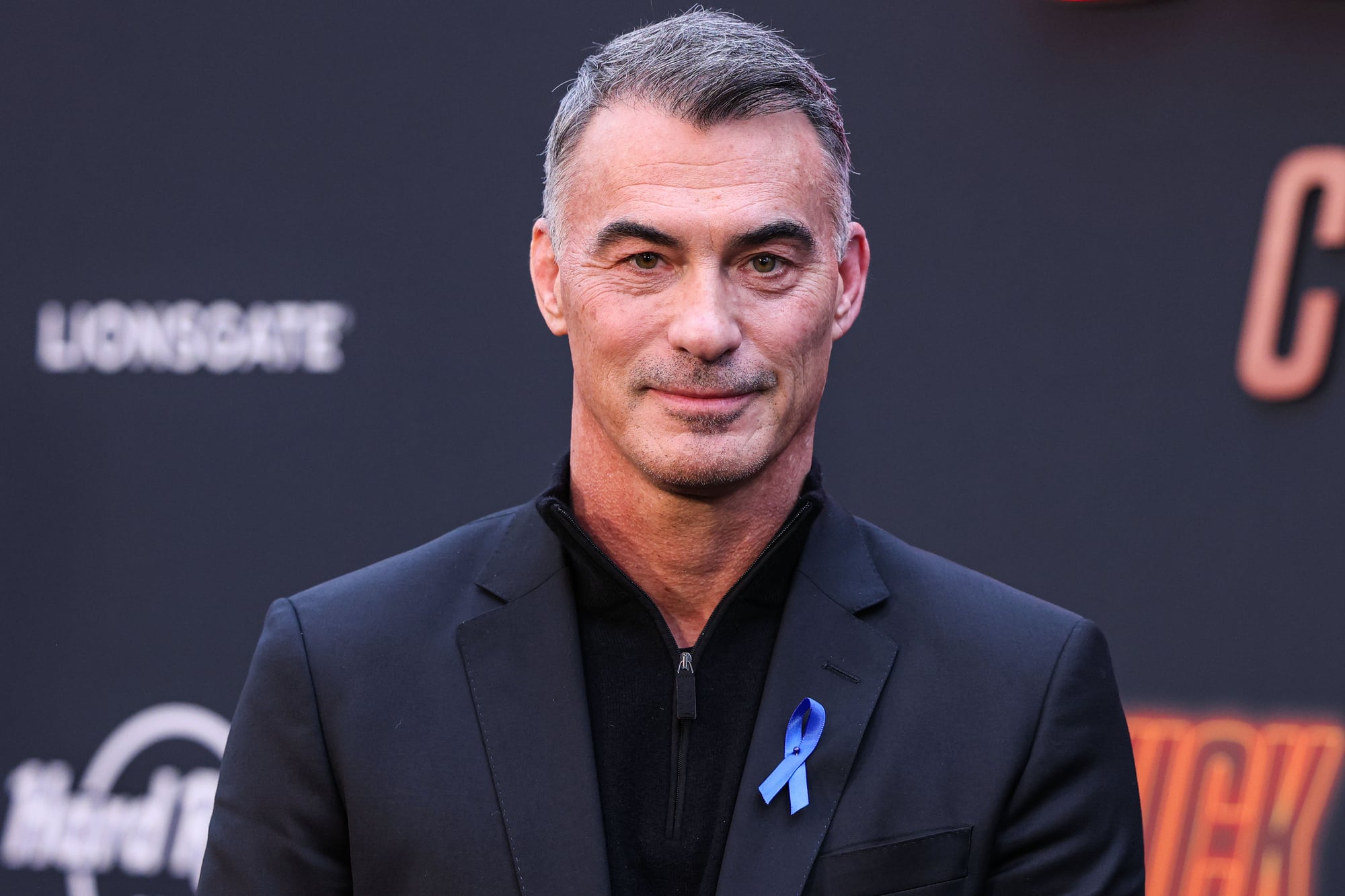
Chad Stahelski doubled for Keanu Reeves in The Matrix films before becoming a director and creating the John Wick franchise. His understanding of fight choreography and action sequences came from years of performing stunts and training in martial arts.
Stahelski’s transition from doubling to directing shows how stunt performers understand action better than most filmmakers. The John Wick films changed how Hollywood shoots fight scenes, and that knowledge came directly from his experience as a performer.
Janet Brady
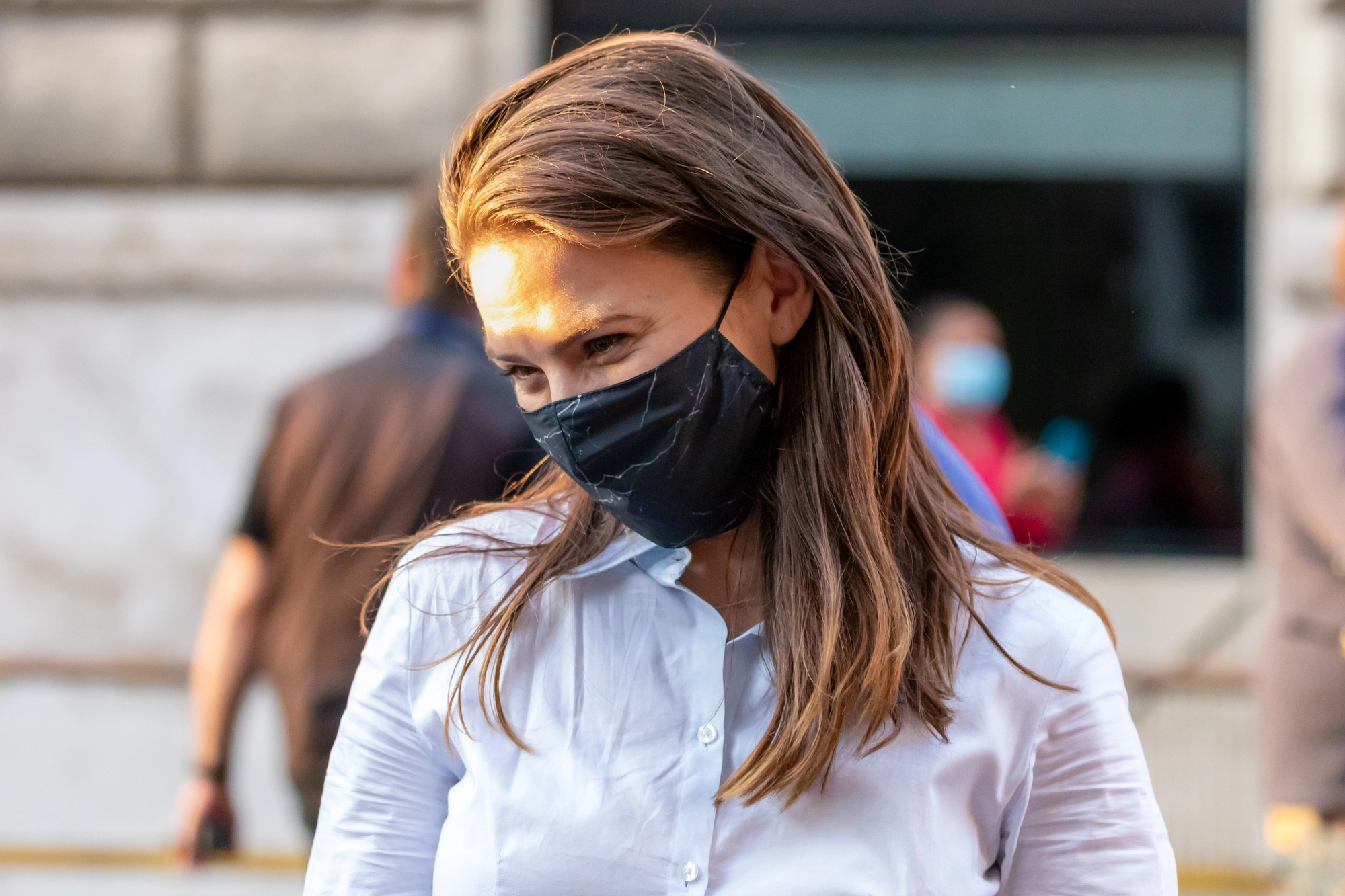
Janet Brady worked as a stuntwoman in the 1960s and 70s when opportunities for women in the field were extremely limited. She doubled for major actresses and performed dangerous stunts that pushed the boundaries of what women were allowed to do on film sets.
Brady faced constant discrimination but kept working and proving her abilities. Her career helped normalize the idea that stuntwomen could handle the same work as their male counterparts.
Buddy Joe Hooker
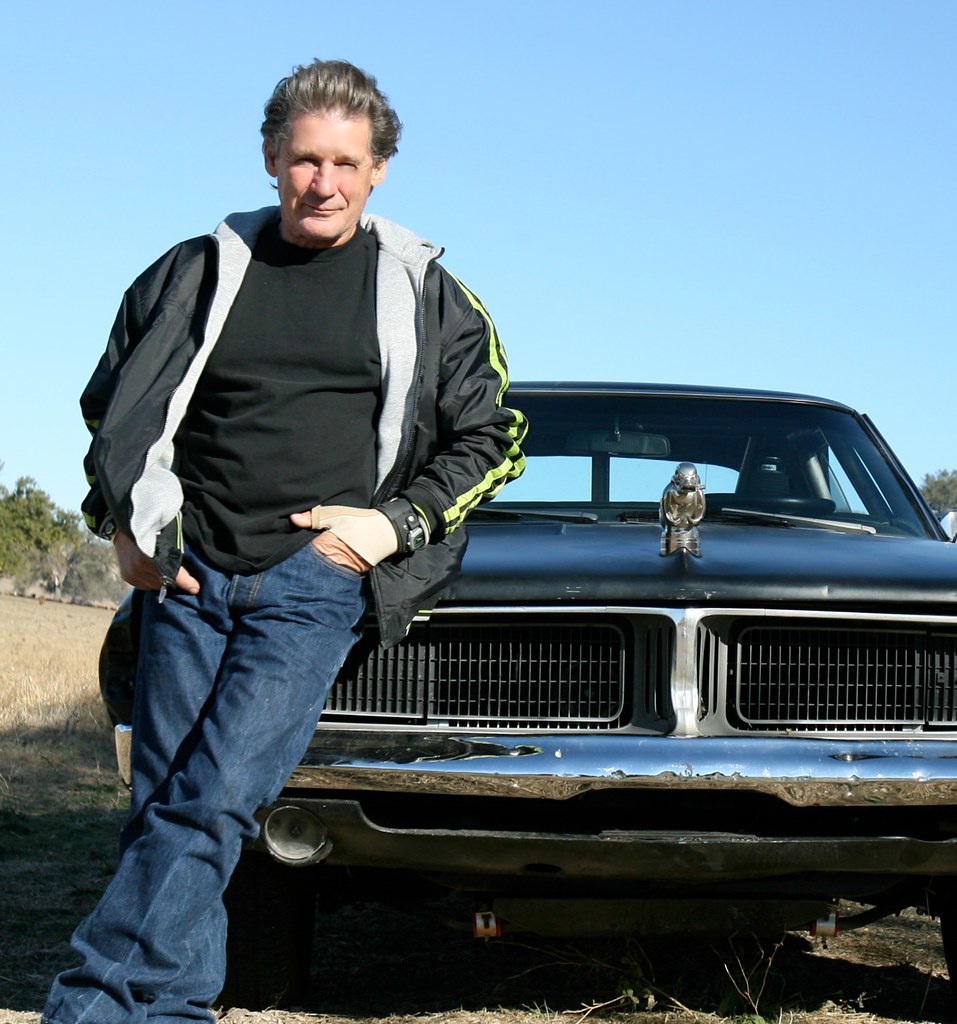
Buddy Joe Hooker spent more than sixty years flipping cars, choreographing fights, shaping scenes meant to thrill. From old Westerns on television to massive Hollywood films today – his fingerprints are there.
Vehicles were his thing; he made them fly, crash, spin like they had minds of their own. Some of cinema’s wildest rides? His doing.
Young stunt people learned at his side, many calling him mentor without saying it out loud. Safety used to be an afterthought – until guys like him pushed harder, smarter.
What kept him going wasn’t luck. It was knowing every bolt, cable, angle – and using that so danger stayed on screen, not real life.
Julie Ann Johnson

That bus leap in Speed? Julie Ann Johnson did it, standing in for Sandra Bullock.
A split second off would have ruined the shot, yet she nailed it perfectly. Big movies kept calling her back because few could match her calm under pressure.
Most viewers never noticed it wasn’t Bulloc flying down the highway at top speed. The scene blasted into pop culture history thanks to her precision.
Without her stepping in, that moment might not have landed nearly as hard.
Those quiet ones behind every move that happens
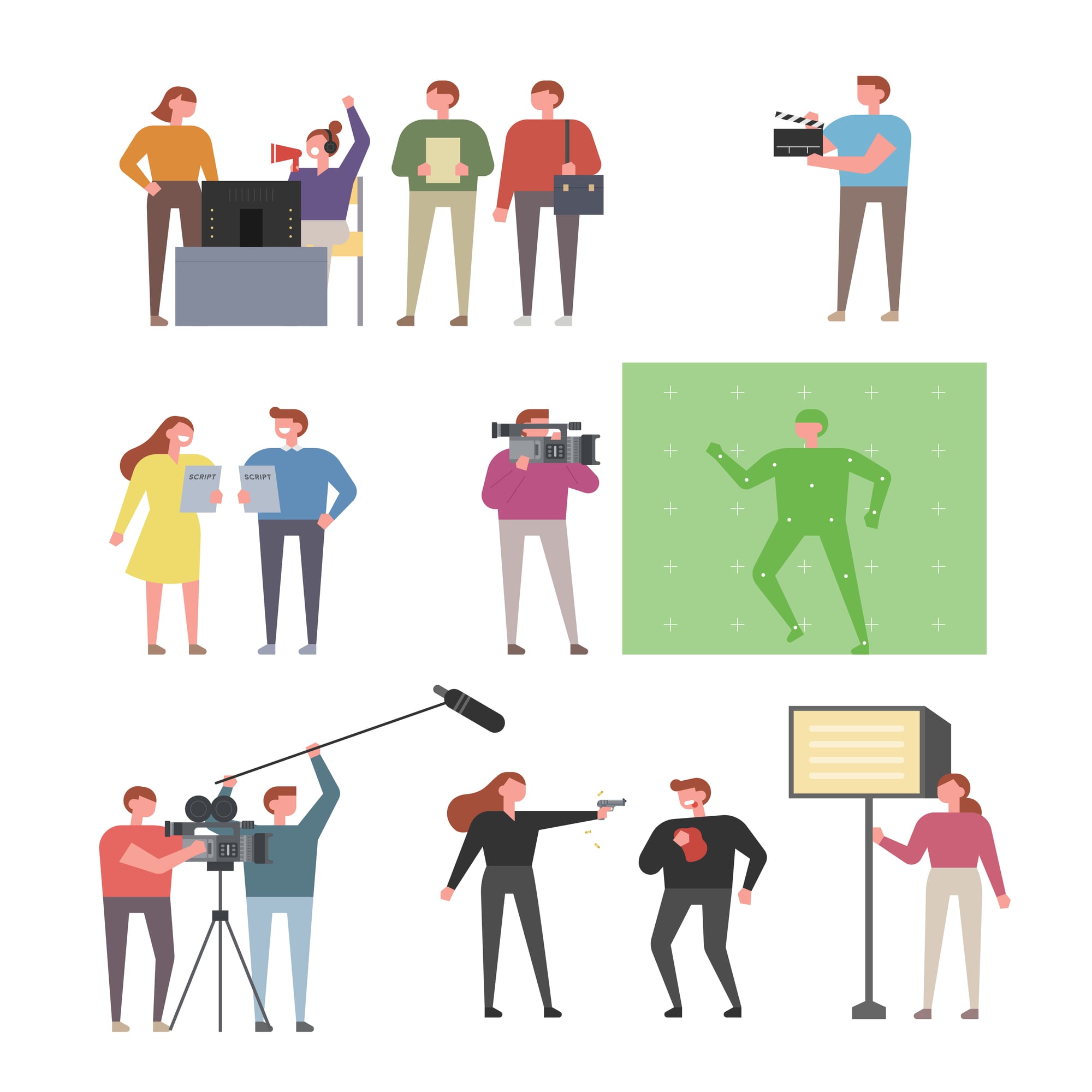
Out there, behind every wild crash or fall, real people took real risks just so viewers could feel thrilled. Names rarely showed up on posters, even when bones broke during filming.
For years, these professionals pushed for a mention – something to show they were part of the story too. Lately, more folks seem to notice what it takes to fly through windows or leap off rooftops without dying.
Some are now being seen not just as extras but as vital parts of movie magic. When a hero walks away unharmed after chaos, th
ink: a human body did that, willingly.
More from Go2Tutors!

- The Romanov Crown Jewels and Their Tragic Fate
- 13 Historical Mysteries That Science Still Can’t Solve
- Famous Hoaxes That Fooled the World for Years
- 15 Child Stars with Tragic Adult Lives
- 16 Famous Jewelry Pieces in History
Like Go2Tutors’s content? Follow us on MSN.