Foods Named After Places
Every time someone orders a hamburger, eats Brussels sprouts, or spreads Philadelphia cream cheese on a bagel, they’re saying the name of a place. Food names often carry geography in them, connecting meals to cities, regions, and countries around the world.
Some of these connections make perfect sense because the food actually came from that location. Others are complete accidents of history, marketing tricks, or just plain misunderstandings that stuck around for so long they became facts.
The stories behind how foods got their place names reveal surprising truths about travel, trade, immigration, and sometimes just people trying to sell more stuff. Geography shapes what ends up on the dinner table.
The names on menus tell these stories.
Brussels sprouts from Belgium
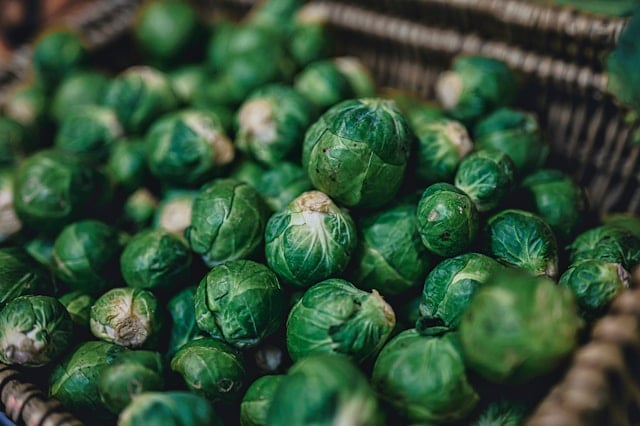
Brussels sprouts actually come from Brussels, Belgium, making this one of the rare cases where the name tells the truth. Farmers near Brussels started growing these miniature cabbage-like vegetables in the 13th century.
The little green veggies became a local specialty that spread across Europe over the centuries. People either love them or absolutely hate them, but at least everyone knows where to point on a map when they complain about them at Thanksgiving dinner.
Tangerines shipped through Tangier
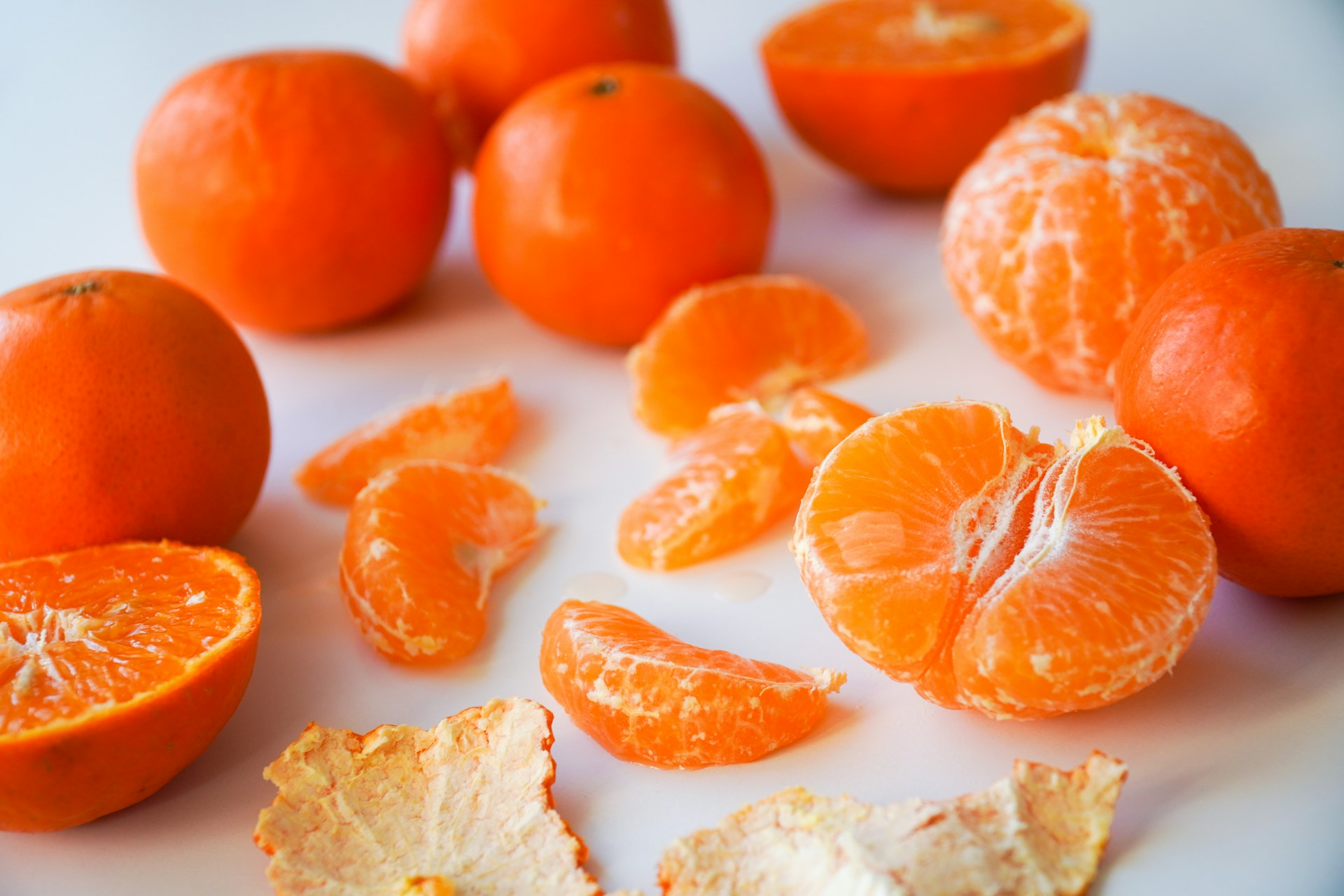
Tangerines got their name from Tangier, Morocco, even though they originally came from Southeast Asia. The fruit was cultivated in China for thousands of years before making its way to Europe.
British traders imported these oranges through the port city of Tangier in the 1800s, and people started calling them tangerine oranges or oranges from Tangier. The name stuck even after people figured out the fruit didn’t actually grow in Morocco at all.
Hamburg gave its name to hamburgers
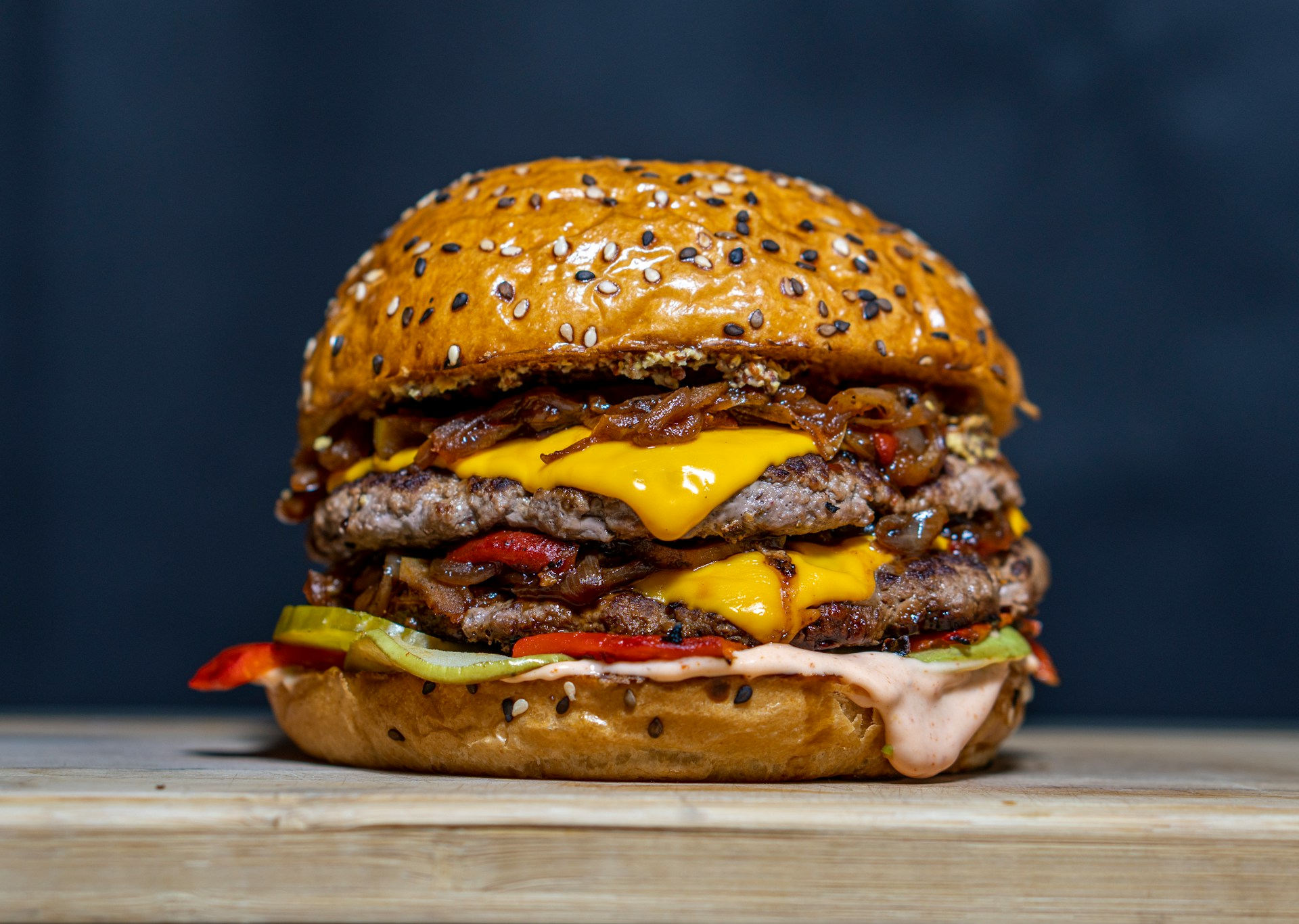
The hamburger comes from Hamburg, Germany, where people ate something similar called Hamburg steak. German immigrants brought this ground meat patty to America in the 1800s, and it eventually ended up between two pieces of bread.
The sandwich became such an American classic that most people forget it started as a German dish. Hamburg steak is still eaten in Germany today, though it looks quite different from what Americans call a hamburger.
Frankfurters from Frankfurt
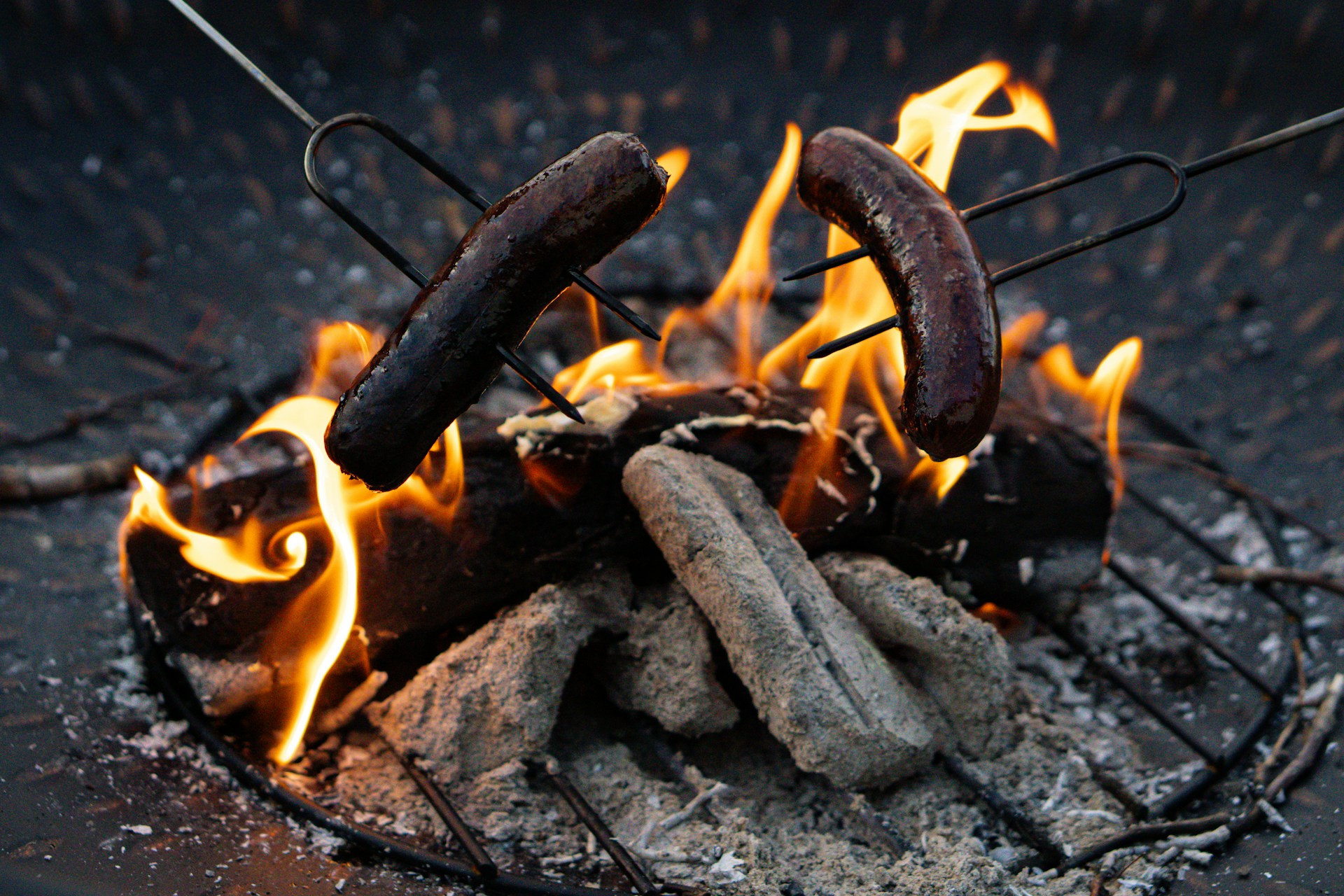
Frankfurters, also known as hot dogs, franks, or wieners, came from Frankfurt, Germany. The city developed these thin pork sausages centuries ago as a local specialty.
German immigrants brought the recipe to America, where the sausages became a staple at baseball games and street corners. The name frankfurter directly honors the German city where the sausage originated, though Americans mostly just call them hot dogs now without thinking about Germany at all.
Bologna twisted into baloney
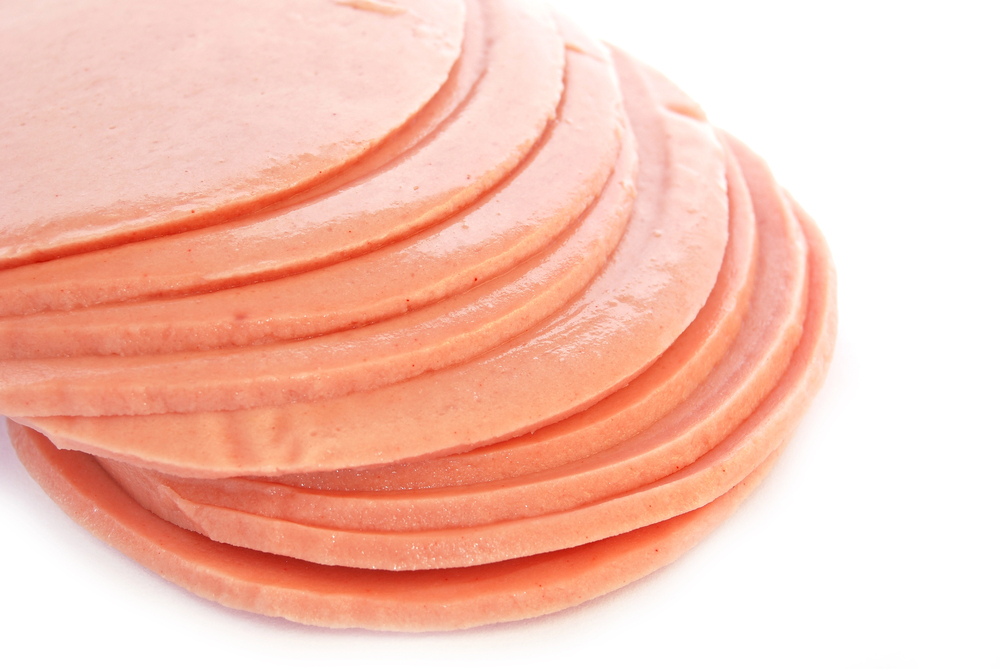
Bologna, the Italian city known for its food culture, gave its name to the processed lunch meat that Americans call baloney or bologna. The original mortadella sausage from Bologna contains finely ground pork and chunks of pork fat.
When Italian immigrants brought similar recipes to America, the meat got named after the city but changed significantly in taste and texture. What Americans slice onto sandwiches today barely resembles the Italian original.
Champagne from the Champagne region

Champagne only comes from the Champagne region of France, at least according to French law and international agreements. The sparkling wine produced there has been associated with luxury and celebration for centuries.
Winemakers in other places make similar sparkling wines, but they legally cannot call it champagne unless the grapes grew in that specific region of France. The French take this protection seriously, with strict rules about what can carry the champagne name.
Peaches from Persia
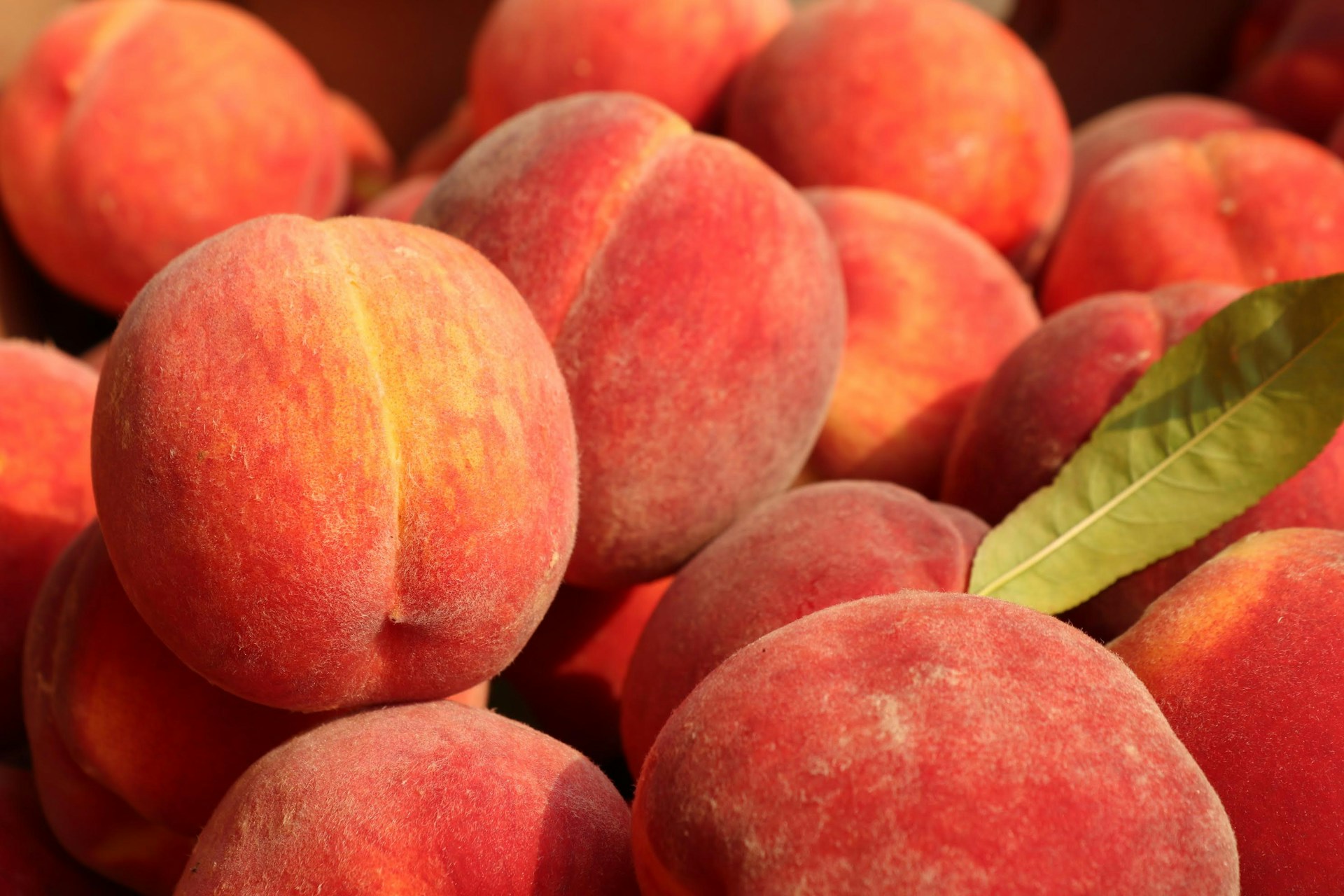
The scientific name for peaches, Prunus persica, literally means Persian plum, but peaches actually originated in China thousands of years ago. Europeans first encountered the fruit in Persia (modern-day Iran) and assumed that’s where it came from.
The mistake became permanent in the scientific name and in languages across Europe. China still grows more peaches than any other country, but the Persian connection remains in the name despite being historically wrong.
Buffalo wings from Buffalo
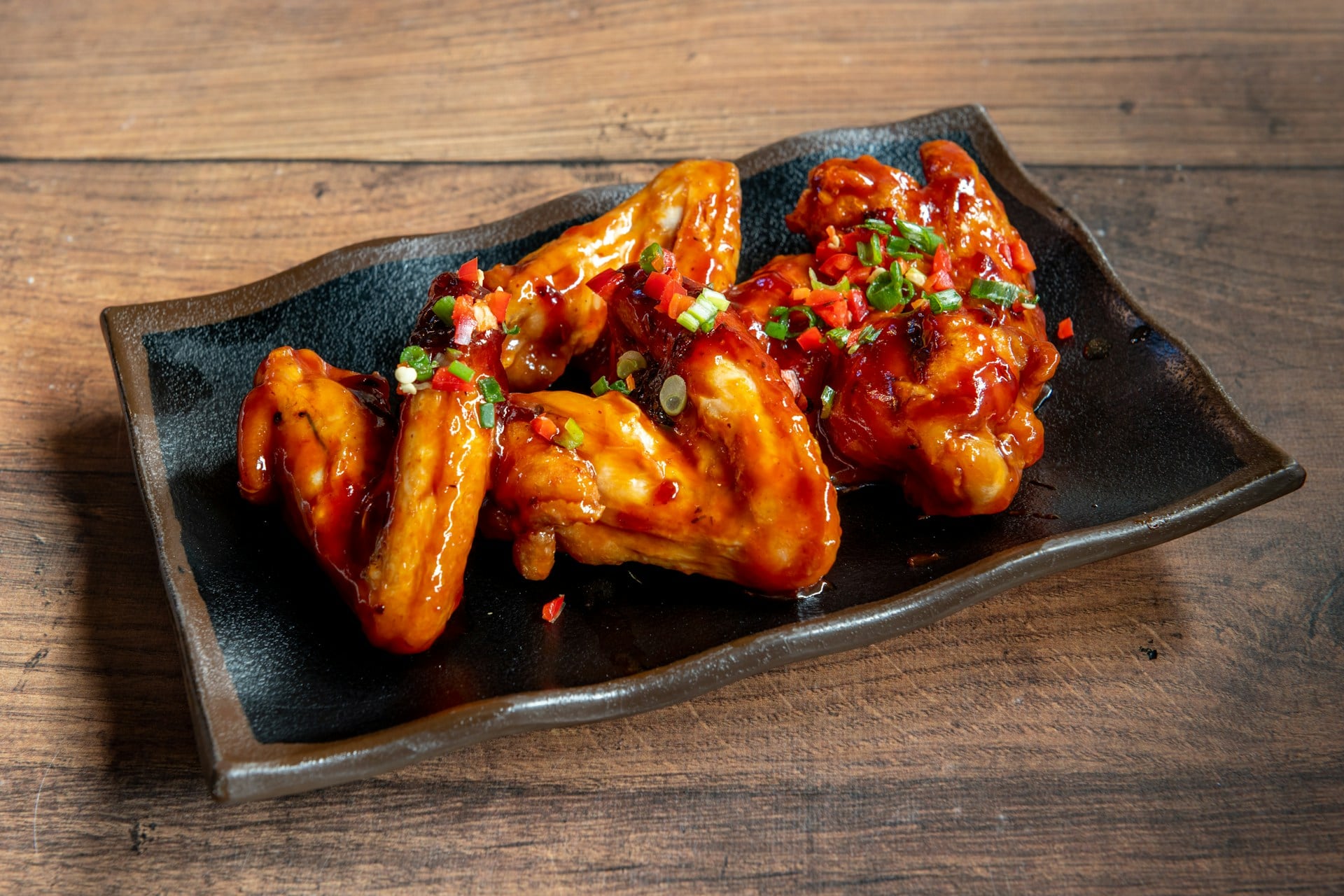
Buffalo wings have nothing to do with the animal called buffalo. They come from Buffalo, New York, where Teressa Bellissimo created them at the Anchor Bar in 1964.
She chopped chicken wings into sections, fried them, covered them in sauce, and served them with celery and blue cheese dressing. The dish became a bar food standard across America, though many people still get confused about whether buffalo meat is somehow involved.
Cheddar cheese from Cheddar
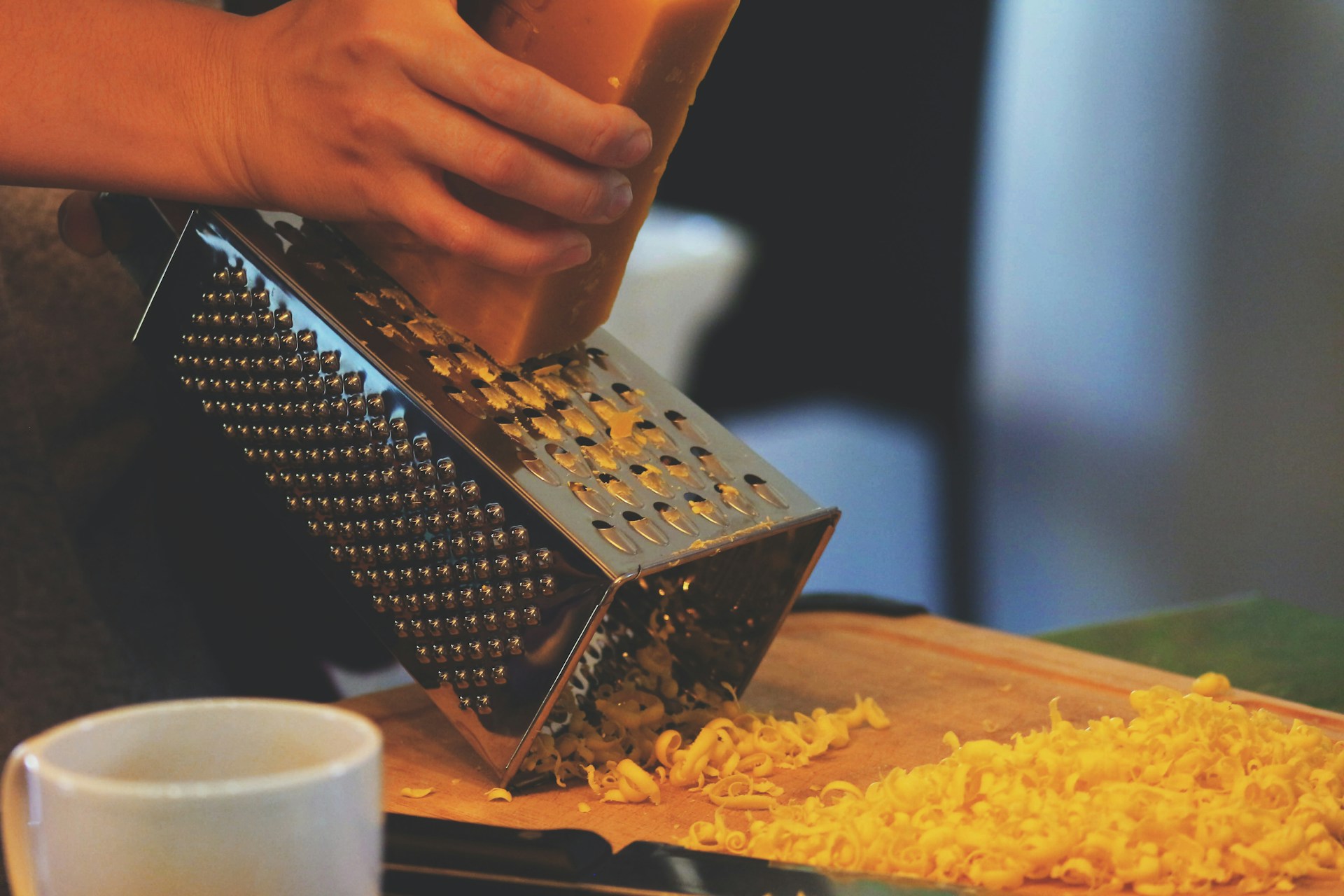
Cheddar cheese originated in the village of Cheddar in Somerset, England, where cheese makers stored their product in the local caves. The village gave its name to this style of cheese, which became one of the most popular varieties in the world.
Today, cheddar gets produced everywhere from Wisconsin to Australia, but the original came from those caves in Somerset. Real Cheddar village still exists and still makes cheese using traditional methods.
Cantaloupe from Italy maybe
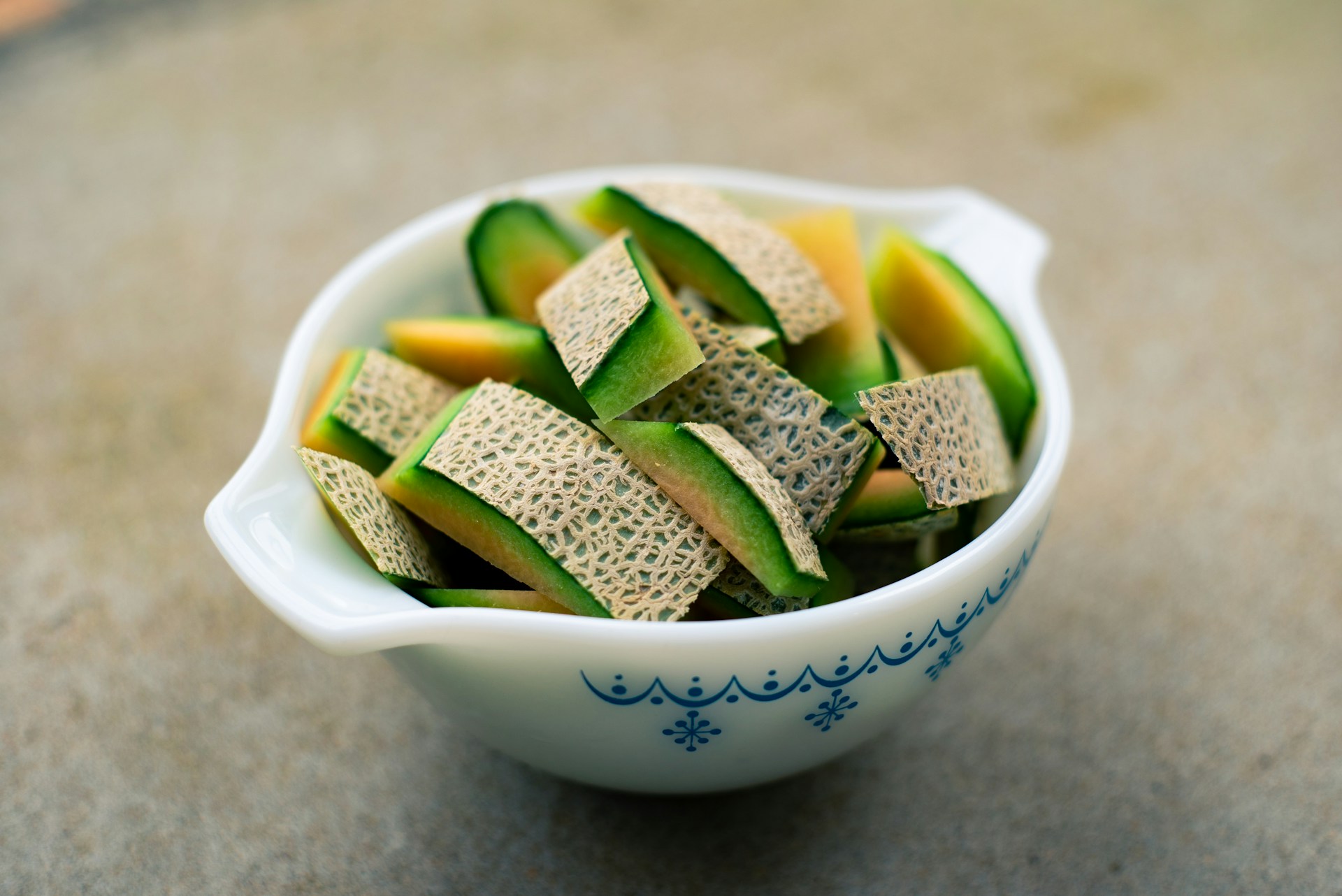
Cantaloupe supposedly came from Cantalupo, Italy, which was the site of a papal summer residence. However, this story has problems because at least ten towns in Italy share the name Cantalupo, and none were ever the pope’s summer home.
The true origin of this sweet melon’s name remains somewhat mysterious despite the repeated Italian connection. The fruit probably came from Persia or Armenia before arriving in Europe, but the Italian name stuck regardless of the confusion.
Worcestershire sauce from Worcester
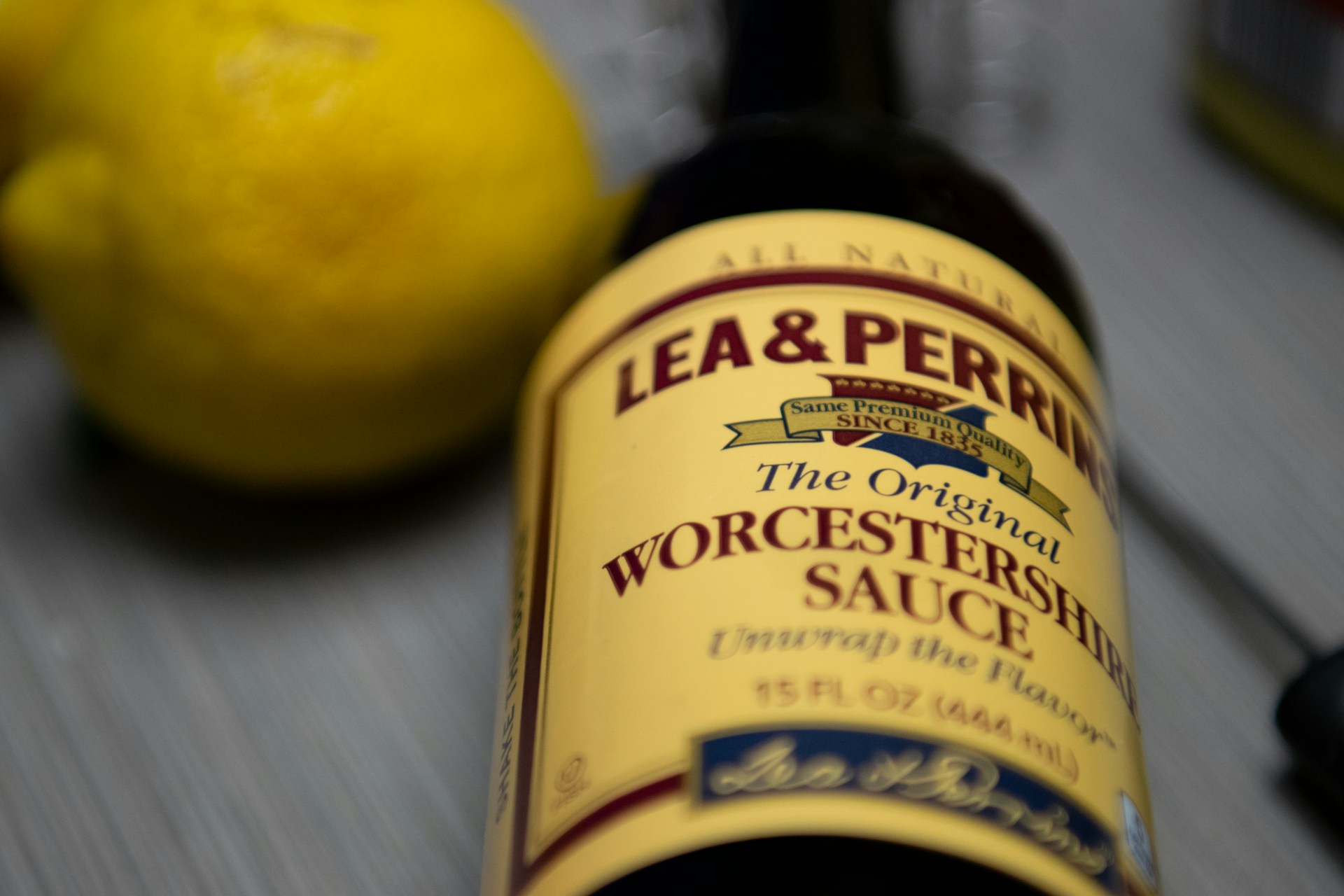
A British military man named Sir Marcus Sandys created Worcestershire sauce after trying to recreate flavors he encountered during his travels abroad. He took his recipe to grocers Lea and Perrins in Worcester, England, in the 1830s.
The shop began manufacturing it commercially as Worcestershire sauce, naming it after their town. The sauce contains vinegar, molasses, garlic, shallots, tamarinds, and various spices, creating a flavor that people either recognize instantly or cannot identify at all.
Baked Alaska from New York
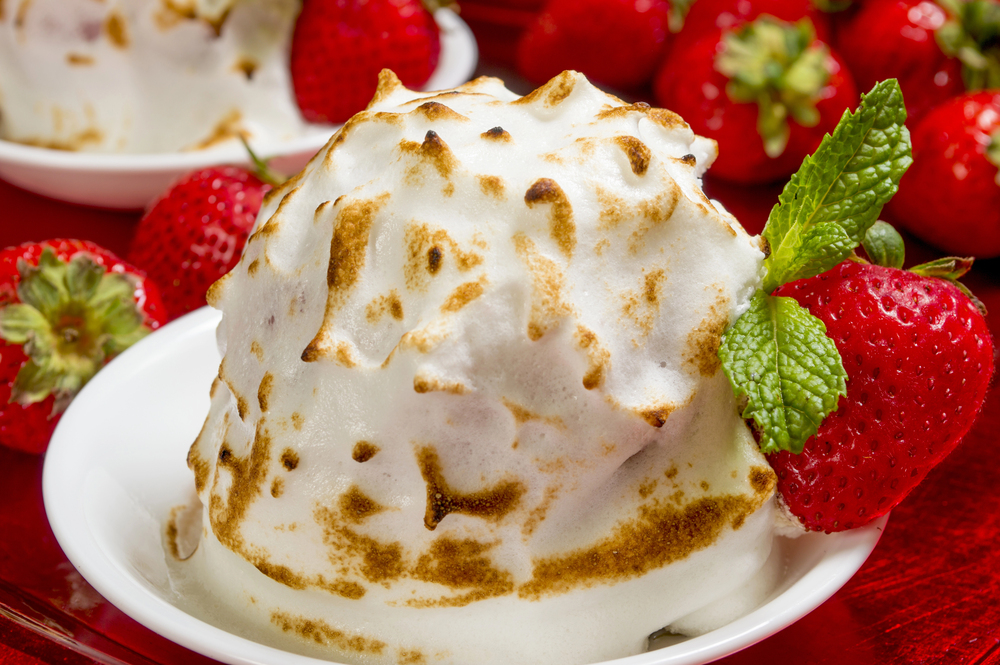
Baked Alaska was invented at Delmonico’s Restaurant in New York City in 1867, nowhere near Alaska. The chef created the dessert to celebrate America’s purchase of Alaska from Russia.
The dish features ice cream covered in meringue and baked quickly so the outside browns while the inside stays frozen. The impressive presentation and patriotic name made it popular at fancy restaurants across the country, proving that marketing matters more than geography sometimes.
Jalapeños from Jalapa
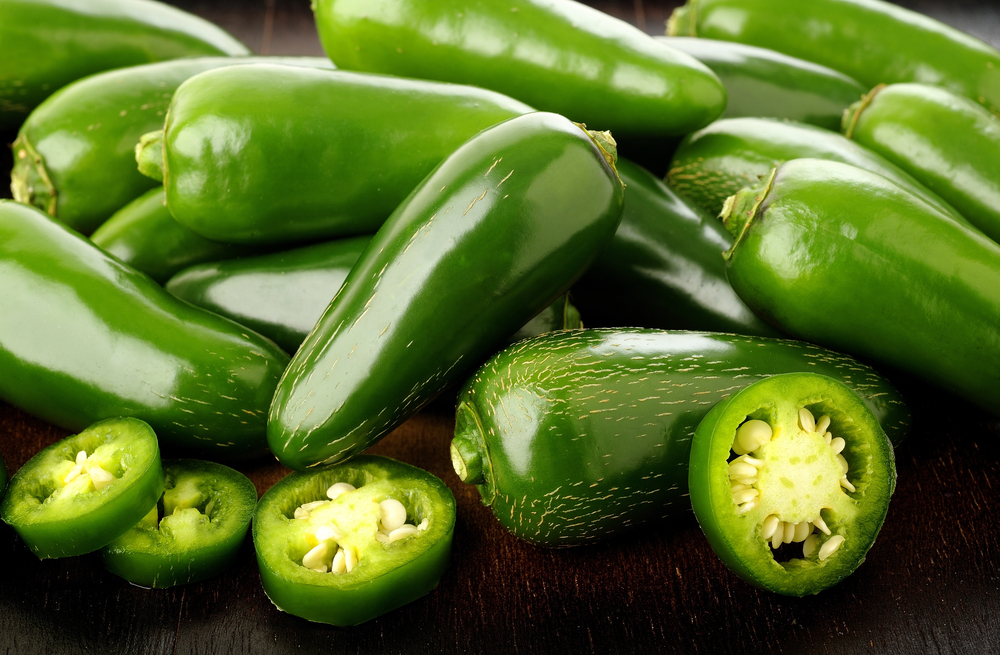
Jalapeños take their name from Jalapa (also spelled Xalapa), a city in Veracruz, Mexico. The peppers were traditionally grown and sold in markets around Jalapa before spreading across Mexico and eventually into the United States.
Americans use jalapeños in everything from nachos to cornbread, often not realizing they’re saying a Mexican city name every time they order them. The peppers remain a major crop in Mexico, though now they grow in many other places too.
German chocolate cake from Samuel German
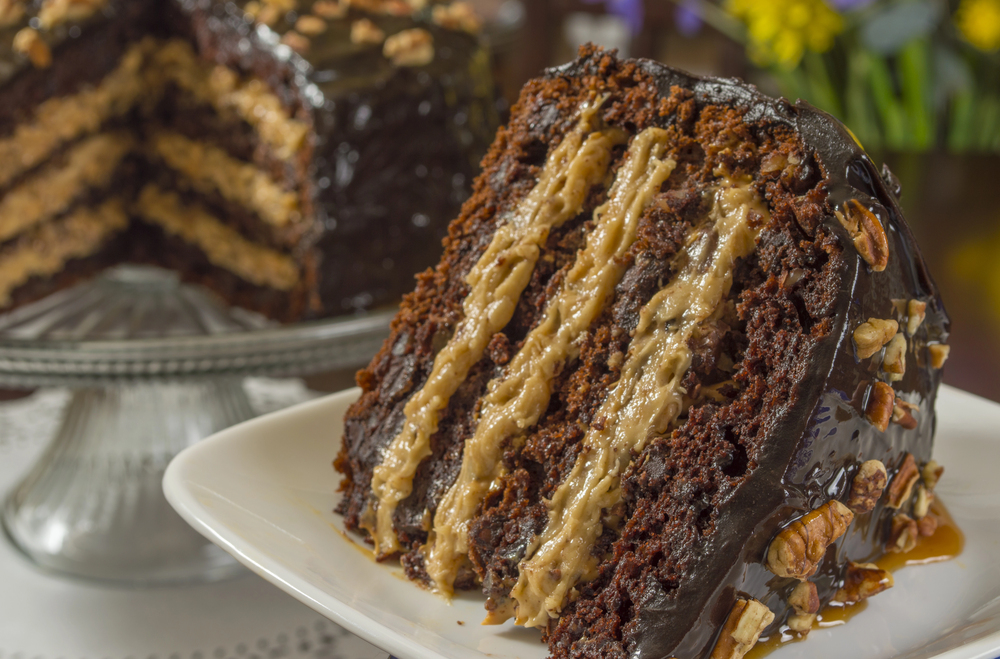
German chocolate cake has nothing to do with Germany at all. Samuel German created a type of dark baking chocolate in America, and the company he worked for named it Baker’s German’s Sweet Chocolate after him.
In 1957, a Texas newspaper published a recipe for a cake using this chocolate, and over time people dropped the possessive ‘s and started calling it German chocolate cake. The confusion made people think it came from Germany, which boosted sales even though Germany had nothing to do with it.
Turkey from confusion
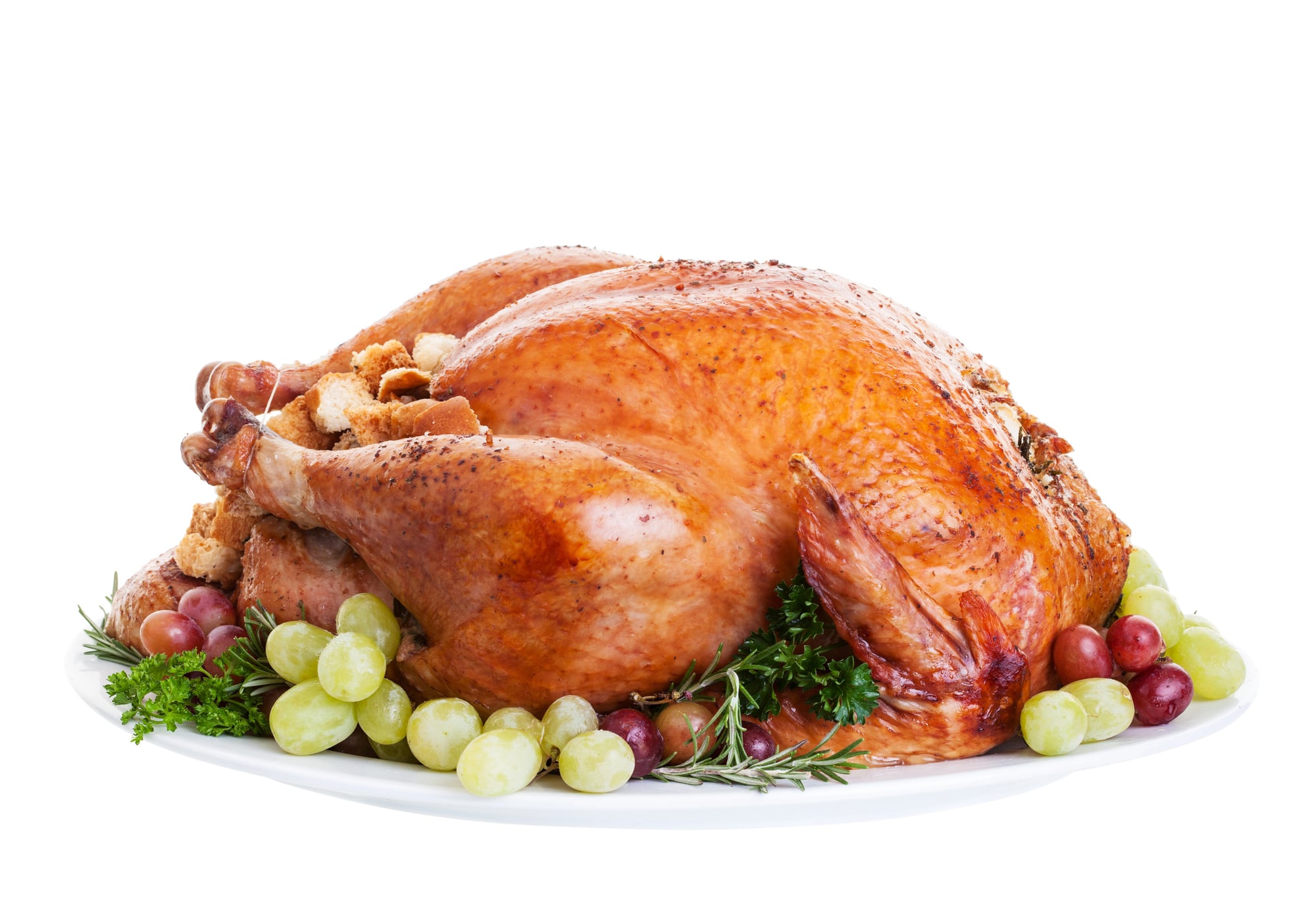
The turkey bird is native to North and Central America, but Europeans called it turkey because they confused it with a different bird that Turkish merchants imported into Europe. The name stuck even after people realized their mistake.
Meanwhile, the French call turkey dinde, which means from India, showing that France made a completely different wrong guess about where the bird came from. Almost everyone named it after the wrong place.
Boston cream pie made in Boston
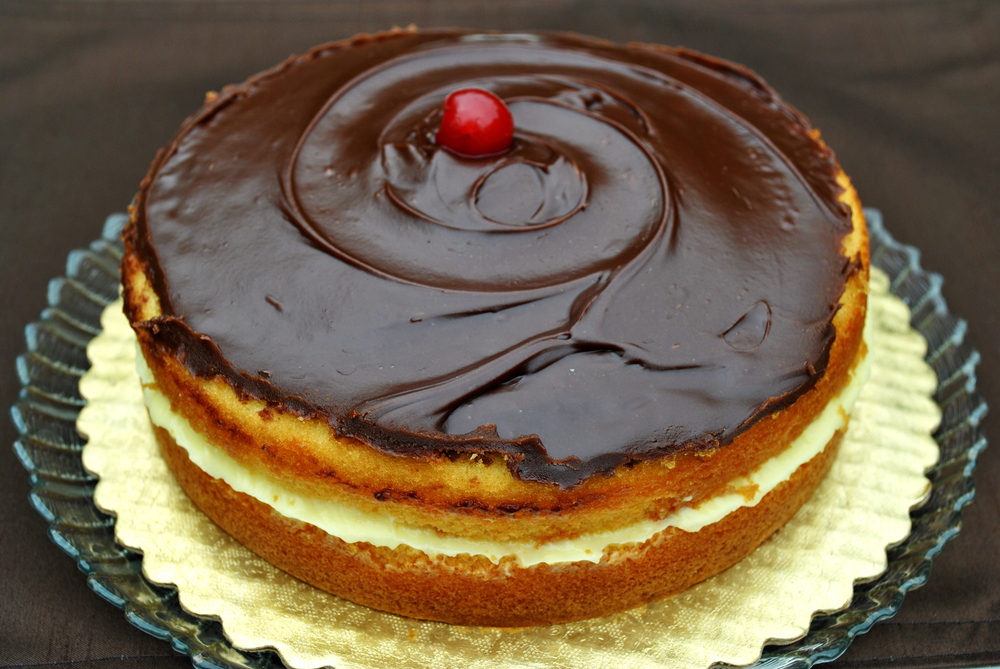
Out of nowhere came a treat that plays tricks with names – Boston cream pie, though really just a fancy cake dressed up like something else. This sweet thing started life at Parker’s Restaurant inside the Omni Parker House Hotel in Boston, where ideas often baked longer than expected.
A kitchen crew led by French chef Sanzian slipped rich vanilla custard into soft sponge cake layers, then let dark chocolate glide slowly over the top. Later on, Massachusetts stepped in and claimed it as their own, naming it the state’s official dessert without hesitation.
Even today, shops from coast to coast shape their own takes on it, one batch after another. It carries the spirit of the city quietly, despite the name causing double-takes every single time.
Sardines from Sardinia maybe
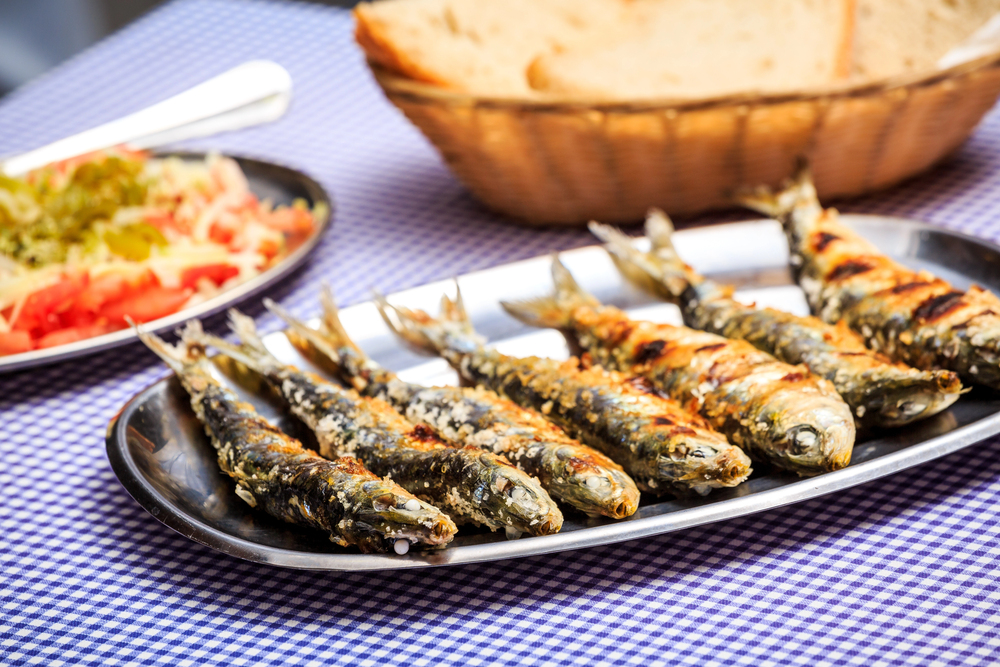
Maybe it started with a place. Sardines could get their name from Sardinia, an island in the Mediterranean swarming with tiny fish long ago.
Not just one kind – over twenty types fall under that label, all part of the herring group. You often find them shut inside cans, soaked in water or oil, which explains why people say “packed like sardines.”
Centuries passed, things shifted. Today, those waters near Sardinia don’t teem with them like before.
Some experts still argue about how the name truly came to be.
When places become plates
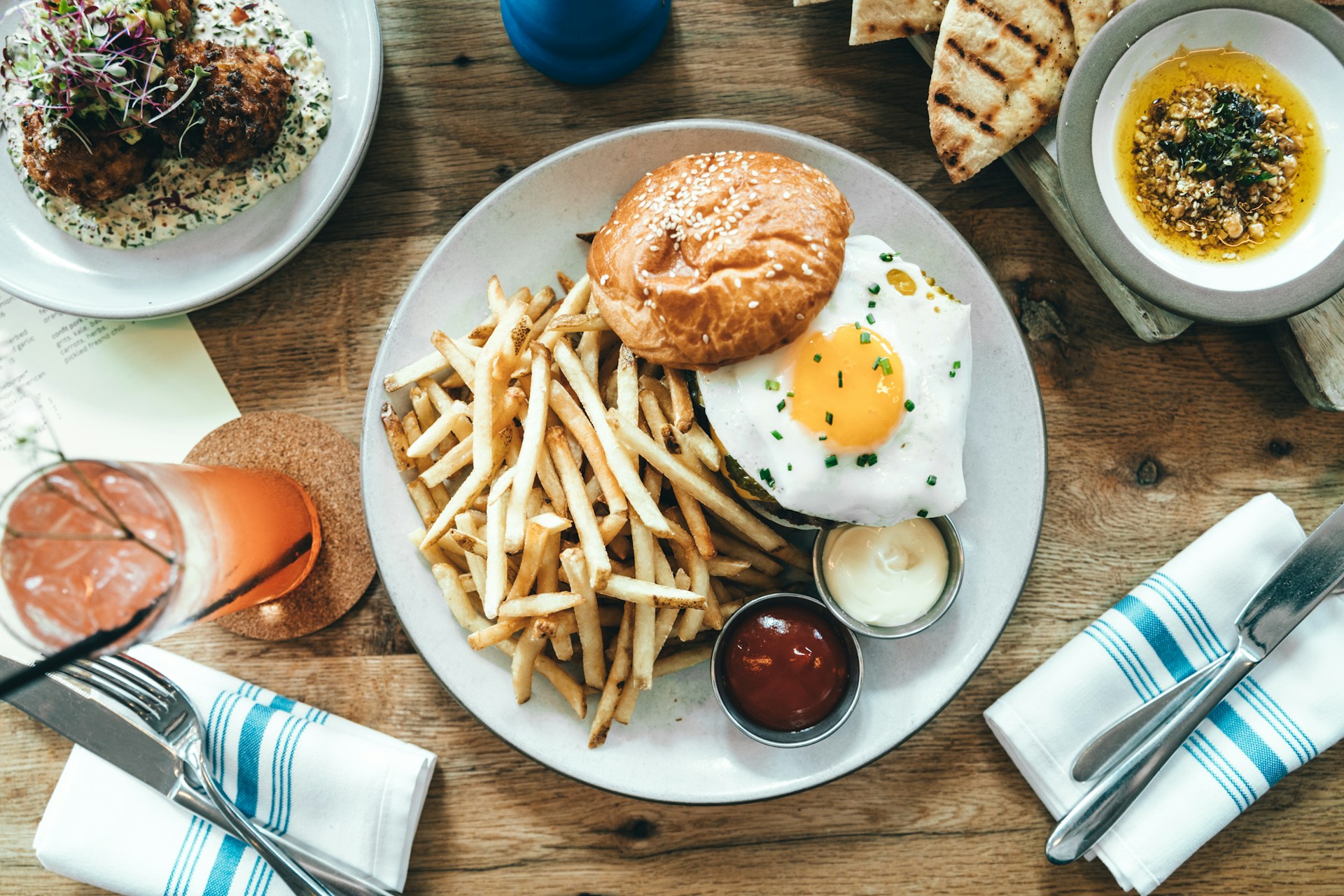
A journey through food titles reveals paths of migration, trade routes, old bargains struck across oceans. Not every label tells the truth – some do, like Brussels sprouts rooted in a Belgian city, or a sandwich tied to its hometown by name alone.
Others? Fabricated charm, clever guesses dressed up as facts. Take German chocolate cake – it skipped Germany entirely.
And turkeys? Named after a place they’ve never been.
Words stick, even when wrong. Still, people keep using these names since they come with tales – often false ones.
Each dish holds a map inside, making every dining table show faraway spots, made-up beginnings, together with tangled trails and meals travel from soil to plate.
More from Go2Tutors!

- The Romanov Crown Jewels and Their Tragic Fate
- 13 Historical Mysteries That Science Still Can’t Solve
- Famous Hoaxes That Fooled the World for Years
- 15 Child Stars with Tragic Adult Lives
- 16 Famous Jewelry Pieces in History
Like Go2Tutors’s content? Follow us on MSN.



