Ringtones That Defined The Flip Phone Era
A bell would slice through the quiet, and heads turned. That sound wasn’t just noise – it carried clues.
Whoever owned that phone suddenly became visible in a new way. A pop song blast meant one thing, silence another.
Each chime acted like a tiny flag raised without asking. Strangers judged before the screen even lit up.
A time long gone, stretching from the late nineties to the middle of the next decade, made ringtones something personal, almost silly today. Yet at the moment, it meant something.
The Nokia Tune
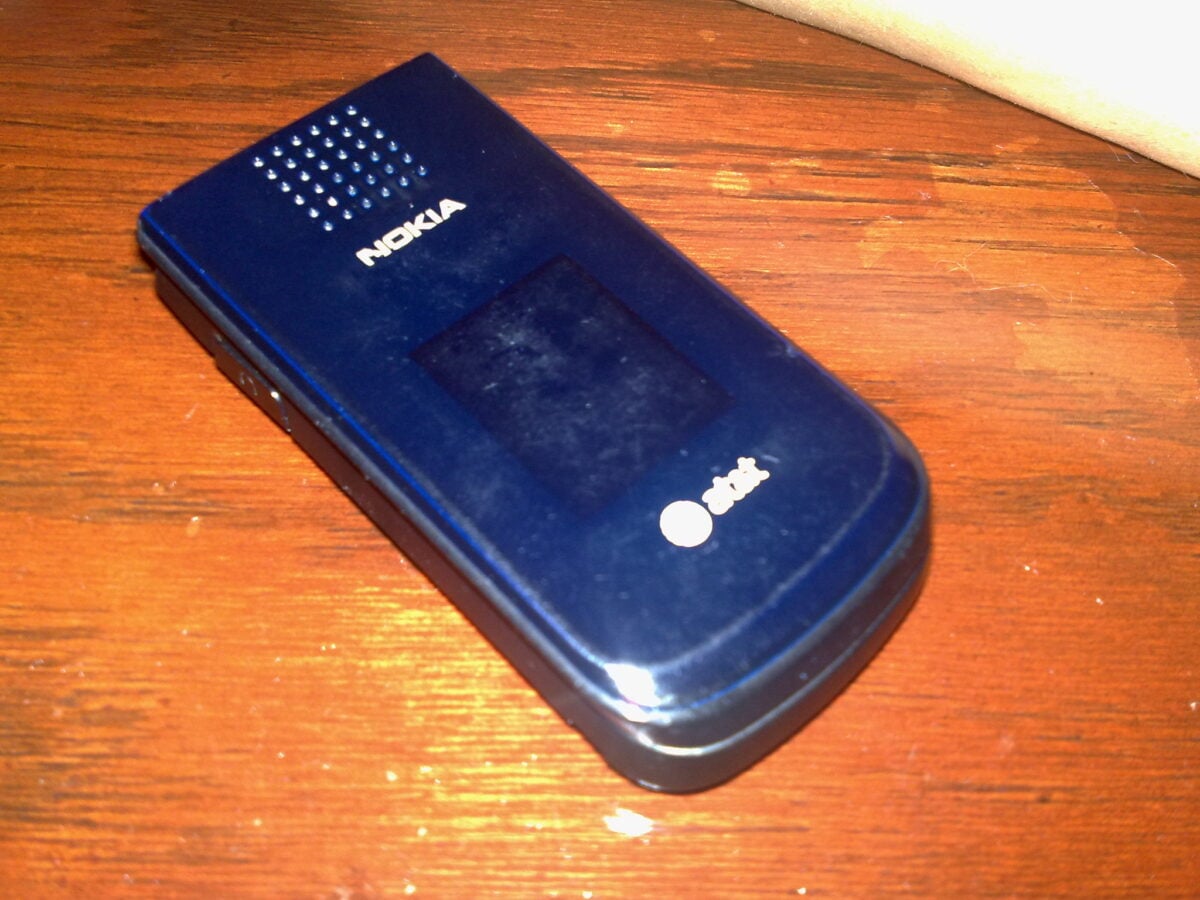
This is the one everyone remembers. The Nokia Tune started as a snippet from a 1902 guitar piece called “Gran Vals” by Francisco Tárrega.
Nokia adapted it in 1994, and by the early 2000s, it had become the most recognized melody on the planet. Studies actually confirmed this.
The tune played in movies, sitcoms, and crowded subway cars. It became so universal that hearing it now triggers an immediate flash of nostalgia.
Simple, cheerful, and impossible to forget.
Crazy Frog

Love it or hate it—and plenty of people hated it—Crazy Frog dominated 2005. The animated frog with its manic “ding ding” sound started as an internet phenomenon before Jamba (known as Jamster in some countries) turned it into a ringtone juggernaut.
It topped music charts in multiple countries, which was absurd when you think about it. A ringtone outselling actual songs. That happened.
The Crazy Frog era marked the peak of ringtone culture and possibly its most annoying moment.
Monophonic Beethoven
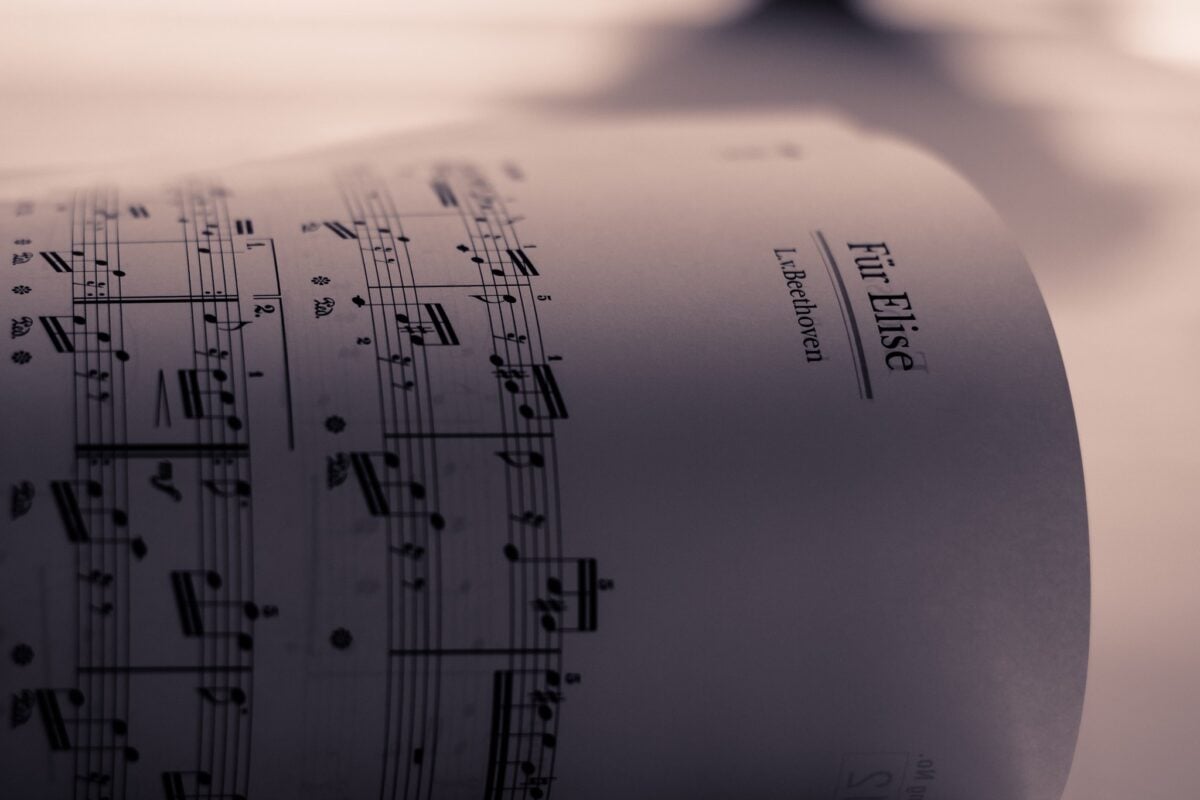
Before phones could play actual audio files, you got monophonic tones. One note at a time.
And the go-to classical choice was Beethoven’s “Für Elise.” Those first few notes became shorthand for “my phone is ringing” in offices and waiting rooms everywhere.
The monophonic version stripped away all the nuance of the original composition and left you with a tinny, beeping approximation. Somehow, it still worked.
The Motorola Hello Moto
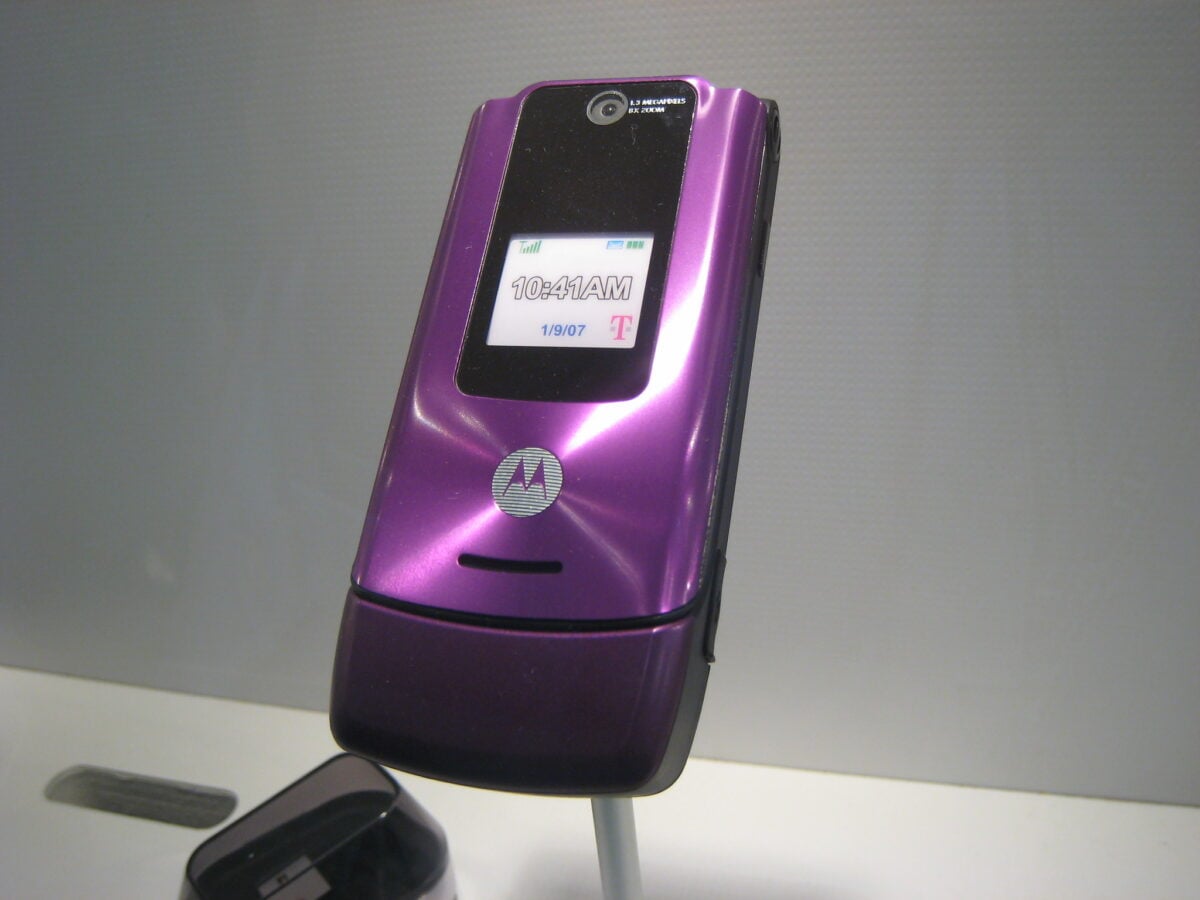
Motorola’s signature startup sound doubled as a ringtone for many users. That breathy “Hello Moto” became synonymous with the Razr, the phone that defined cool for a solid two years.
The ringtone itself was sleek and minimal—just a voice and a quick musical hit. It matched the phone’s aesthetic perfectly.
Owning a Razr meant you probably let that ringtone play, because the whole point was letting people know you had one.
Polyphonic Pop Hits
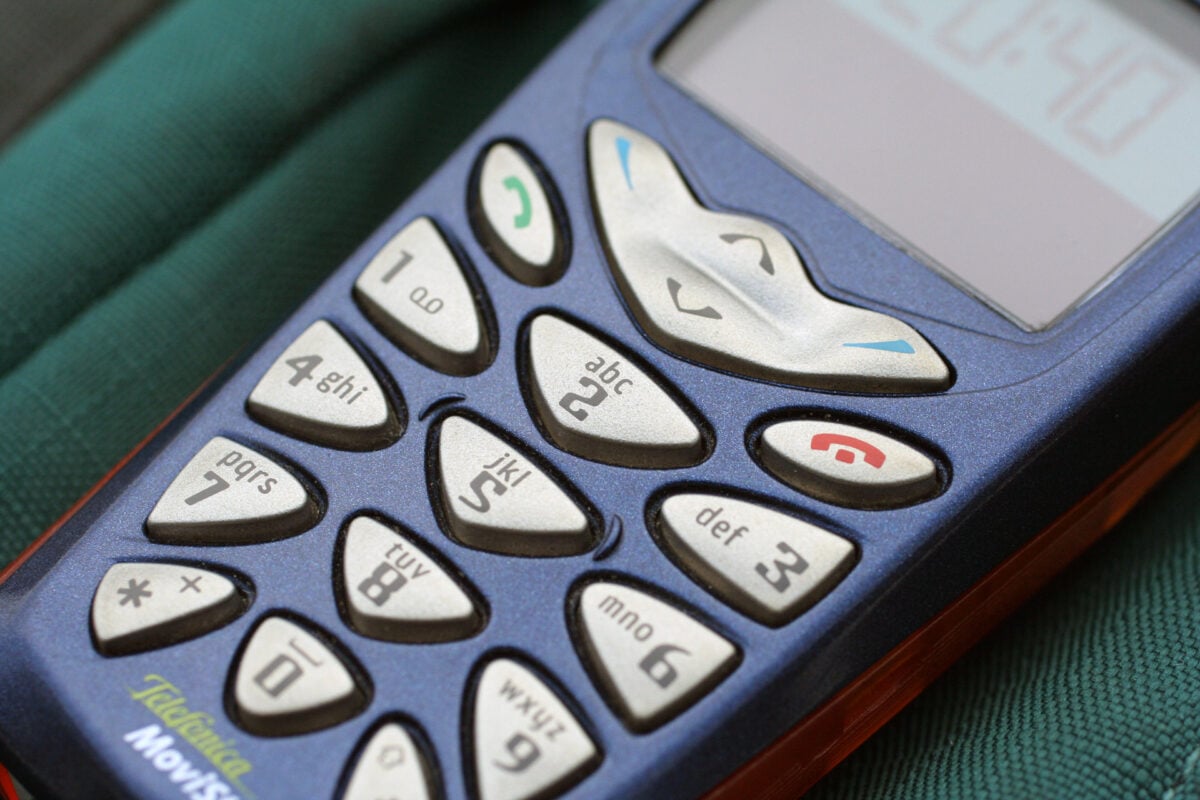
When phones graduated from monophonic to polyphonic tones, everything changed. Suddenly you could have something that actually sounded like music.
Sort of. Polyphonic ringtones used multiple tones at once, which meant your phone could play a recognizable version of “In Da Club” or “Crazy in Love.”
The songs sounded like they were being performed by a toy keyboard, but that was part of the charm. The Nokia 3510 led this charge in 2002.
You downloaded them from websites with names you’d never trust today, entering codes from the backs of magazines.
The Default Samsung Chime
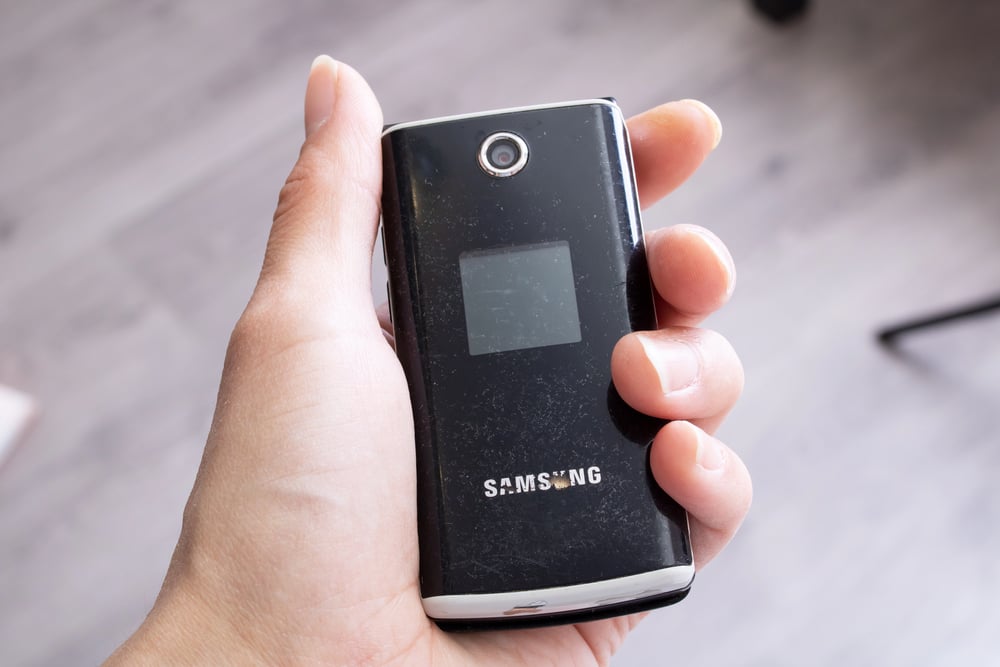
Samsung had its own signature sound—a bright, ascending chime that felt optimistic every time it rang. Unlike Nokia’s tune, which had classical roots, Samsung’s default felt thoroughly modern and electronic.
It didn’t try to be a song. It just announced itself cleanly and got out of the way.
Millions of people never bothered changing it, which made it almost as ubiquitous as the Nokia Tune in certain markets.
“Axel F” by Harold Faltermeyer

The synth theme from Beverly Hills Cop had a second life as a ringtone staple. Harold Faltermeyer’s 1984 instrumental had a bouncy, recognizable melody that translated well to the limited audio capabilities of early phones.
People who’d never seen the movie knew the tune from hearing it on buses and in checkout lines. When Crazy Frog later covered it, the song reached an entirely new generation—though purists stuck with the original.
Custom MIDI Creations

Some people refused to download anything. They made their own.
Phones like the Nokia 3310 let you compose custom ringtones note by note using the keypad. This was tedious work.
You’d sit there pressing buttons, trying to recreate the opening of your favorite song one beep at a time. The results ranged from impressive to unrecognizable.
But there was real pride in having a ringtone nobody else had, even if it took an hour to make.
The Sony Ericsson Startup
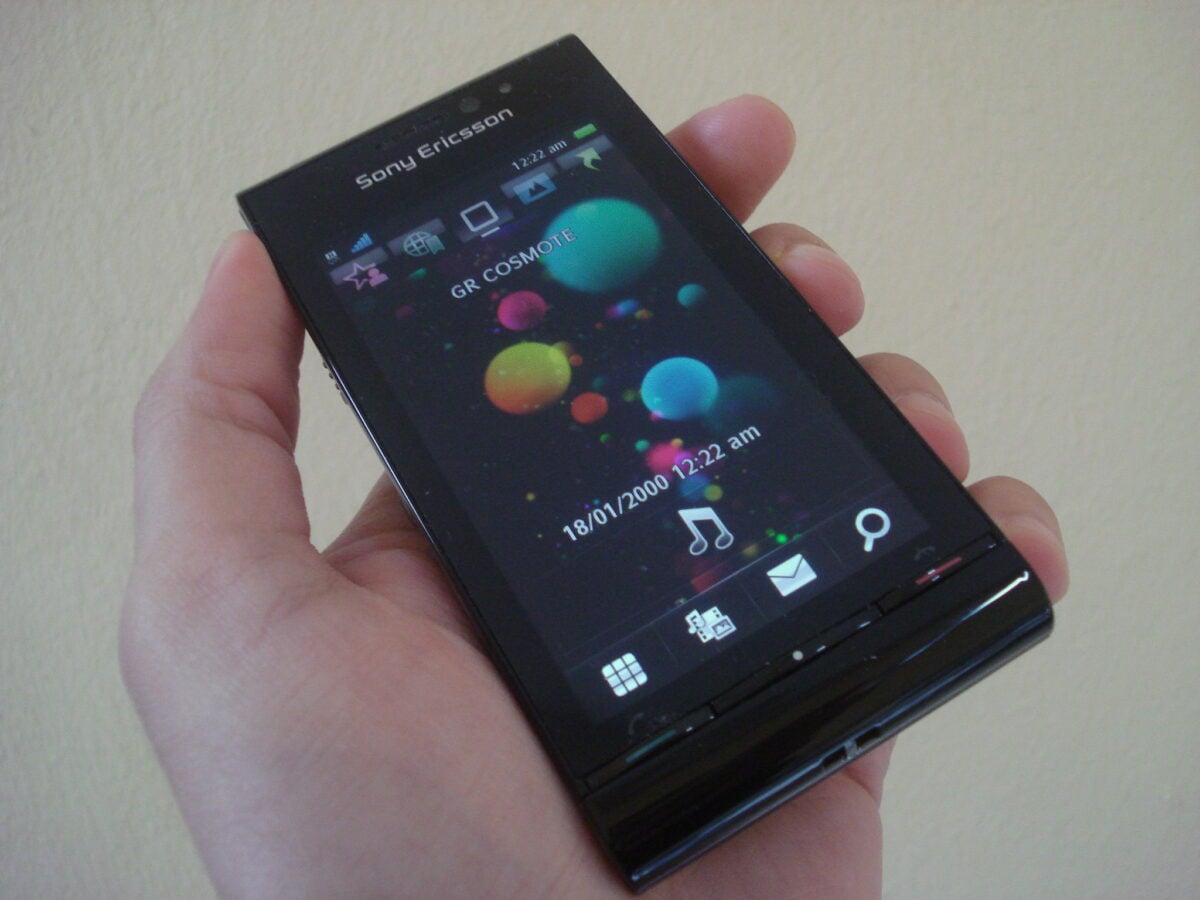
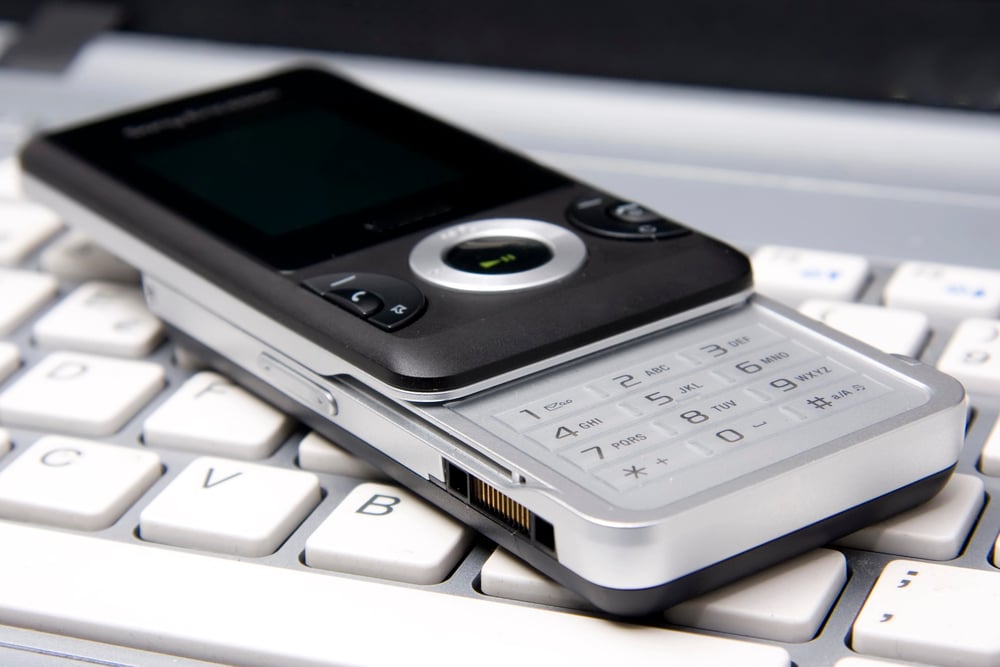
Sony Ericsson phones had a distinctive liquid sound—a sort of watery, ambient tone that felt futuristic at the time. Users often kept it as their ringtone because it stood out from the crowd.
While Nokia and Motorola went for melodies, Sony Ericsson aimed for atmosphere. The sound suggested sophistication, or at least tried to.
“My Humps” and the Truetone Revolution

Truetones changed the game. These were actual audio recordings—real songs with real vocals. And “My Humps” by the Black Eyed Peas became one of the most downloaded.
The song was everywhere in 2005 and 2006, and hearing Fergie’s voice blast from someone’s pocket became a regular occurrence. Truetones meant your phone could finally sound like a radio.
This was exciting until you realized everyone else’s phone also sounded like a radio, often playing the same five songs.
The T-Mobile Jingle

T-Mobile’s four-note jingle—simple and pink-coded in your brain even though sound has no color—became another default that people just kept. It was pleasant enough not to annoy but distinctive enough to recognize instantly.
The jingle worked as both a network identifier and a functional ringtone, which was smart branding. You heard it constantly in the mid-2000s.
Video Game Themes
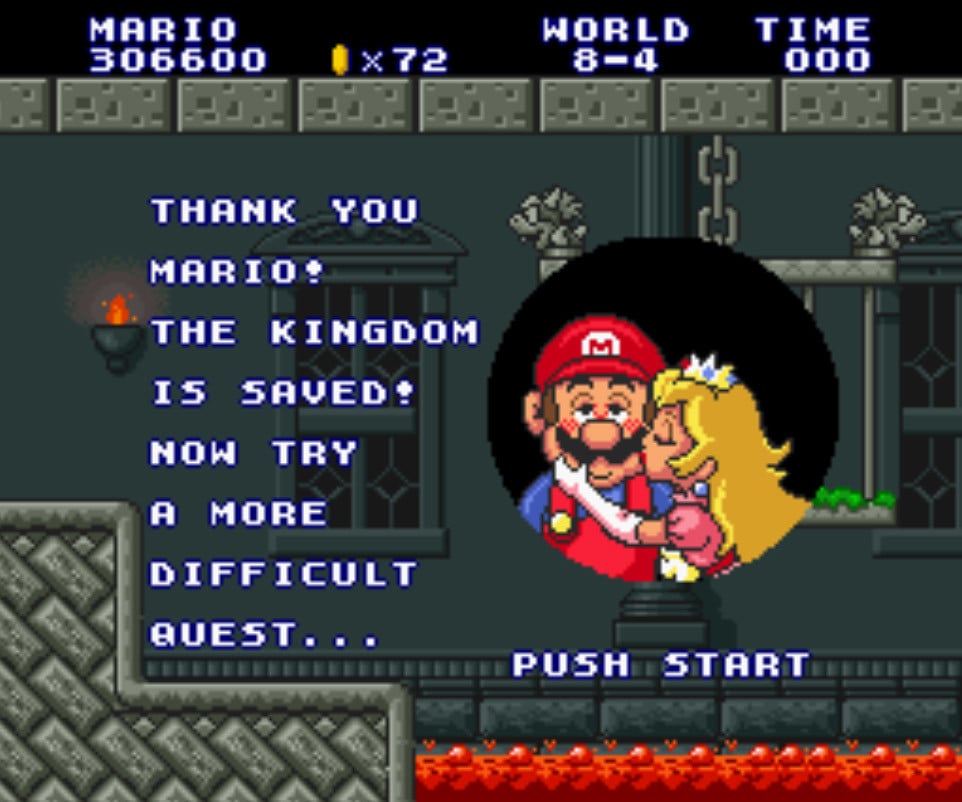
The Super Mario Bros. theme. The Legend of Zelda. Tetris. These 8-bit melodies were perfect for early phone speakers because they were designed for limited hardware in the first place.
A polyphonic Mario theme sounded closer to the original than most pop song attempts. Gaming ringtones signaled something specific about the owner—usually that they’d grown up in the 80s or early 90s and weren’t afraid to show it.
Reggaeton Ringtones
“Gasolina” by Daddy Yankee deserves its own mention. The song exploded globally in 2004 and 2005, and its opening beats became one of the most common ringtones in certain communities.
You could walk through parts of New York, Miami, or Los Angeles and hear it multiple times a day. Reggaeton’s rise coincided perfectly with the truetone era, and the genre’s heavy beats worked well on phone speakers.
The Slow Death of the Ringtone\

Something shifted around 2007 and 2008. The iPhone arrived in January 2007. Vibrate mode became the norm.
Social expectations changed—suddenly, letting your phone ring out loud in public felt rude rather than expressive. The ringtone industry, which had peaked at over $1 billion in US revenues alone, collapsed almost overnight.
People stopped caring what sound their phone made because their phone rarely made sounds anymore.
When Silence Became the Standard
Phones used to shout when they rang. Each alert felt like stepping onto a stage.
Ringing meant sharing your song choice with strangers nearby – answer fast or keep playing it loud. Now? Silence rules. These devices vibrate out of sight, hidden away.
A soft chime drifts across the screen. That sound from your phone used to shout identity, now it whispers.
For just a moment, though, those little tunes meant more than connection. They hinted at presence.
Not only could you be found – but how you showed up mattered.
More from Go2Tutors!

- The Romanov Crown Jewels and Their Tragic Fate
- 13 Historical Mysteries That Science Still Can’t Solve
- Famous Hoaxes That Fooled the World for Years
- 15 Child Stars with Tragic Adult Lives
- 16 Famous Jewelry Pieces in History
Like Go2Tutors’s content? Follow us on MSN.