Actors Who Never Watch Their Own Movies
It sounds strange, but some of the biggest names in Hollywood refuse to watch themselves on screen. These actors pour months of work into films, attend premieres with smiles, and then never actually sit down to see the final product.
They’re not being difficult or pretentious—most of them have genuine reasons rooted in self-criticism, discomfort, or just wanting to stay focused on the next project. So why would someone skip watching their own work after all that effort?
Let’s look at the actors who’ve made this unusual choice.
Javier Bardem
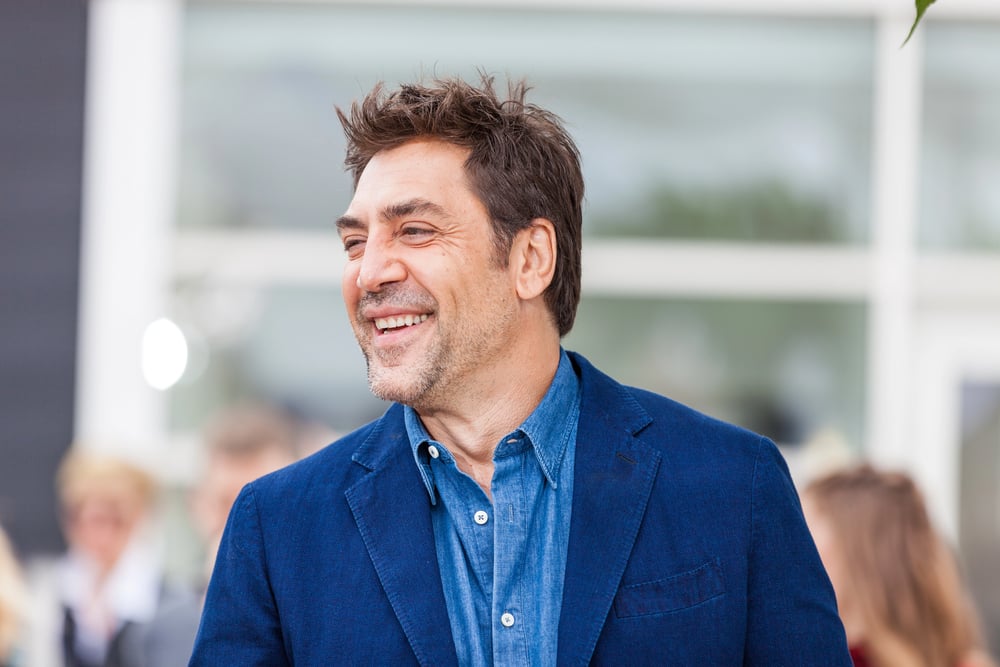
The Spanish actor has won an Oscar and starred in some of the most intense films of the past two decades, but he avoids watching his performances. Bardem finds it too uncomfortable to see himself on screen because he becomes hyper-aware of every choice he made.
He’s said that watching himself pulls him out of the story entirely. Instead of enjoying the film like a regular viewer, he starts critiquing every line delivery and facial expression, which ruins the experience.
For him, the work ends when filming wraps.
Reese Witherspoon
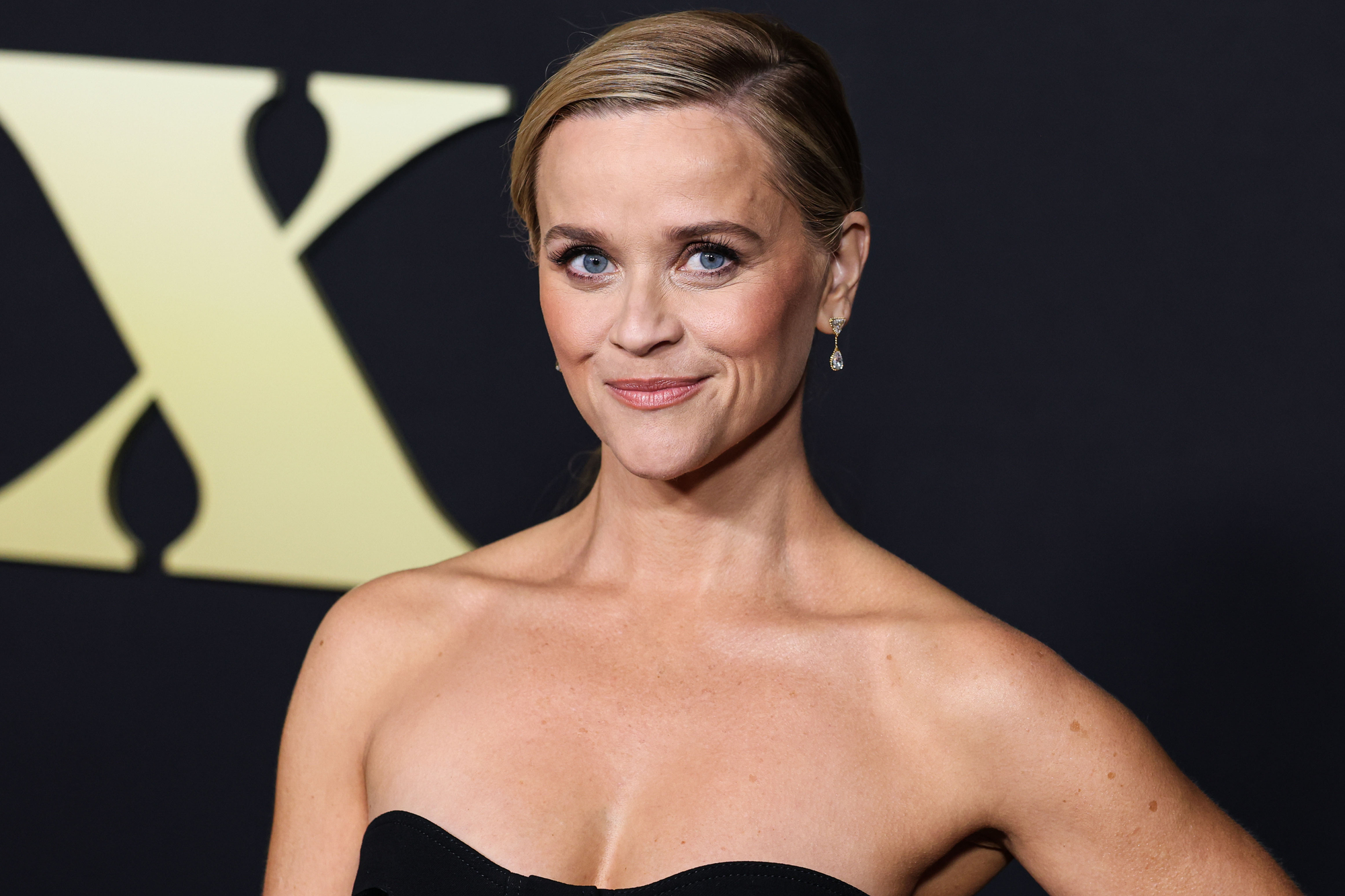
Witherspoon has built a career playing strong, memorable characters, yet she rarely watches her finished films. She’s mentioned that seeing herself on screen makes her cringe because she focuses on things she wishes she’d done differently.
It’s not about lacking confidence—it’s more about being her own toughest critic. She prefers to move forward rather than dwell on past performances.
The only time she’ll watch is if she’s producing the project and needs to review it for professional reasons.
Adam Driver
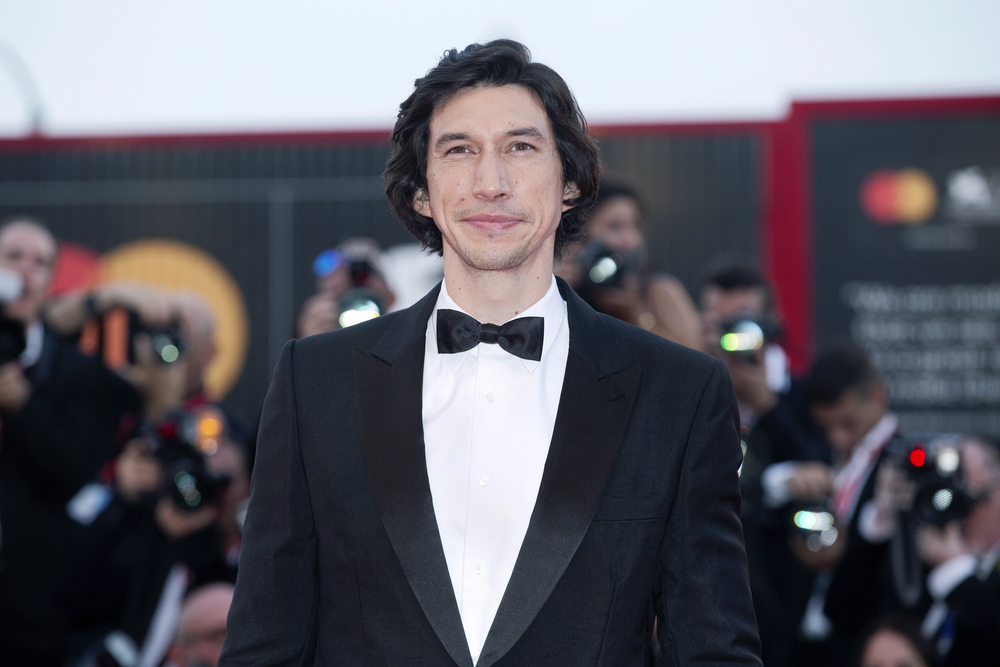
Driver is known for his intense, Method-style approach to acting, and part of that process involves never watching his own work. He believes that seeing himself on screen would interfere with his ability to stay in character during filming.
If he watches a performance, he starts second-guessing his instincts and overthinking future takes. Driver also finds it awkward to watch himself because he can’t separate the actor from the character.
His focus stays on the process, not the finished product.
Julianne Moore
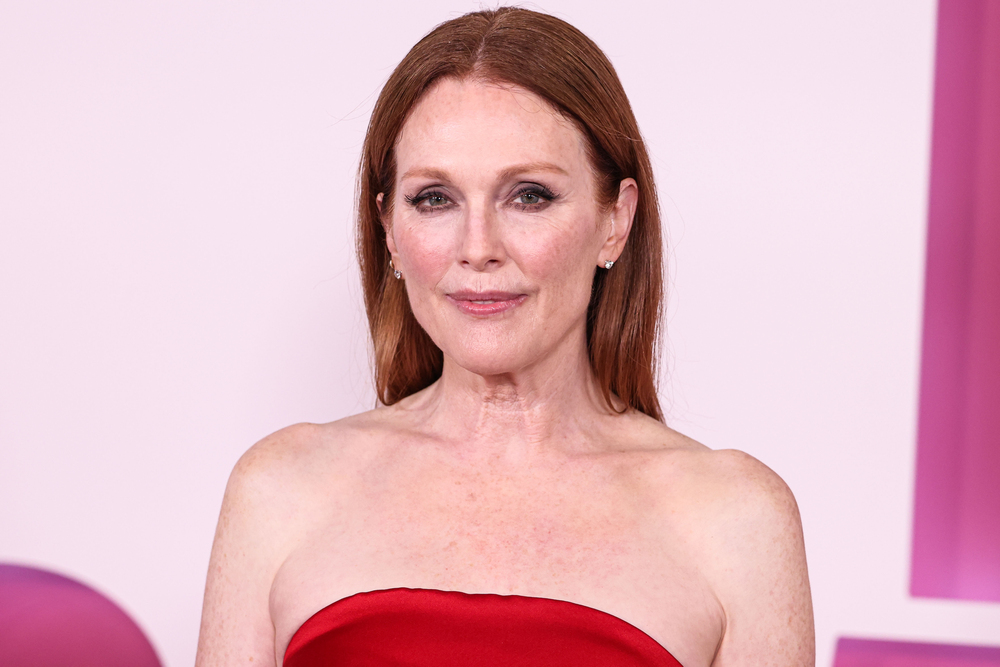
Moore has appeared in over 80 films and earned multiple Academy Award nominations, but she doesn’t make a habit of watching herself. She explained that once a film is done, her job is complete, and there’s no benefit in revisiting it.
Moore also finds it hard to watch without being overly critical of her own work. She prefers to remember the experience of making the film rather than analyzing how it turned out.
The exception is when she needs to attend a premiere for publicity, but even then, she’s not really watching.
Johnny Depp
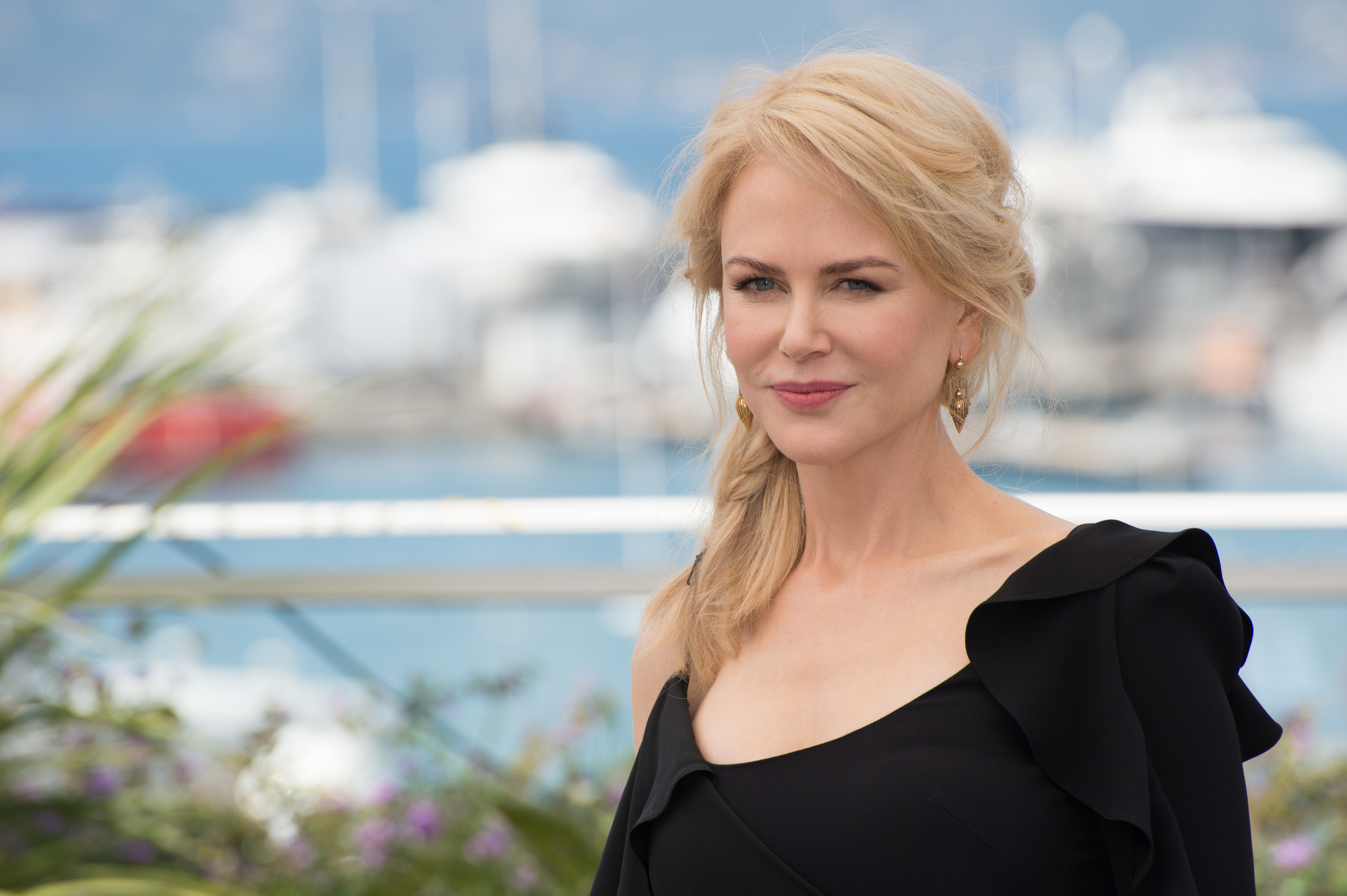
Depp has said in interviews that watching his films feels ‘uncomfortable’ and somewhat pointless to him. He doesn’t see the value in reliving something he’s already experienced from the inside.
Depp has also mentioned that he trusts the director’s vision and doesn’t need to verify the final cut. When he does watch a movie he’s in, it’s usually years later and often by accident.
He’d rather spend his time working on the next character than dwelling on the last one.
Nicole Kidman
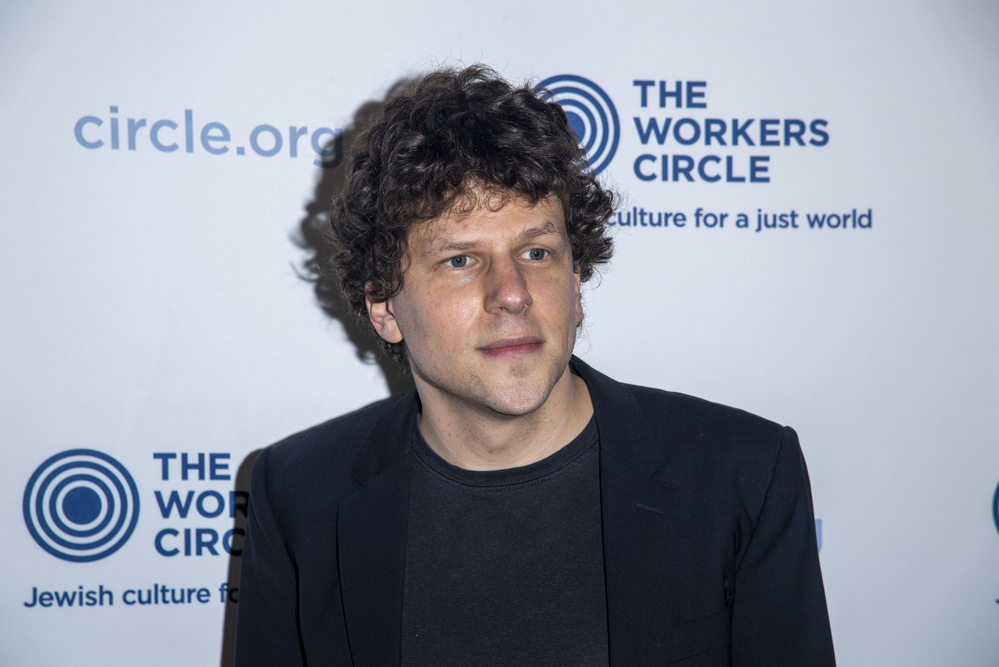
Kidman has admitted that she finds it painful to watch herself because she immediately spots things she’d change. She’s a perfectionist by nature, and seeing her performances makes her wish she could go back and do certain scenes differently.
Kidman has said that watching her films can also bring back difficult emotions from the shoot, especially if the role was particularly challenging. She prefers to keep those memories in the past.
The only time she watches is if her children want to see one of her movies.
Jesse Eisenberg

Eisenberg avoids watching his films because he finds the experience too anxiety-inducing. He’s said that seeing himself on screen makes him focus on his insecurities rather than the story.
Eisenberg also worries that watching his past work might influence how he approaches future roles in a negative way. He’d rather trust his instincts in the moment than second-guess himself after the fact.
For him, acting is about the experience of doing it, not the end result.
Lupita Nyong’o
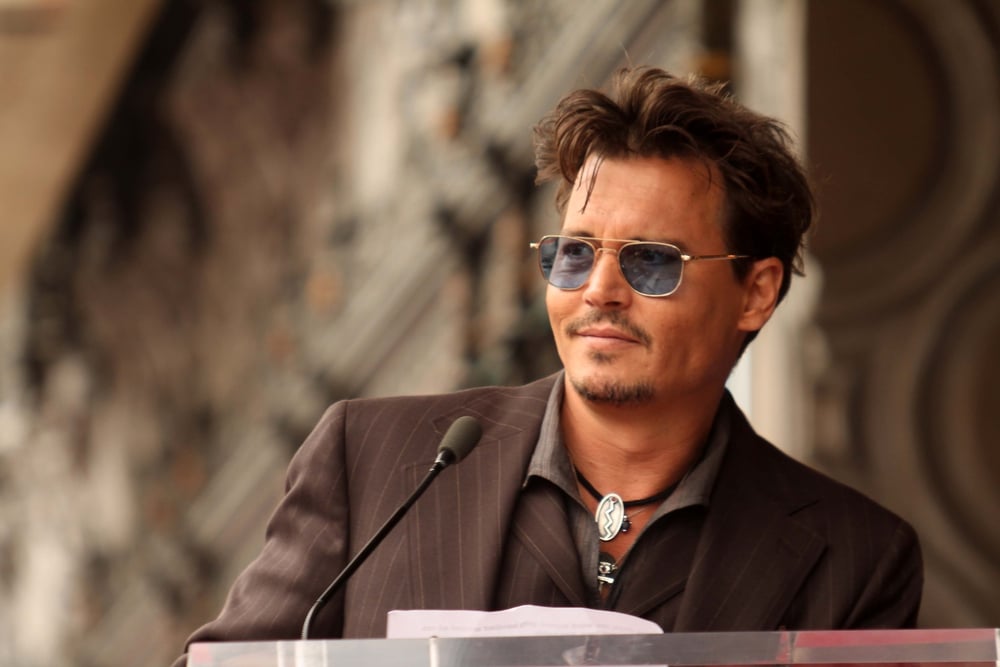
Nyong’o won an Oscar for her very first film role, but she still doesn’t enjoy watching herself. She’s explained that seeing herself on screen feels like looking at a stranger, which creates a weird disconnect.
Nyong’o also finds it hard to stay immersed in the story when she’s analyzing her own performance. She prefers to trust the feedback from directors and fellow actors rather than her own self-assessment.
Watching her films feels more like work than entertainment.
Joaquin Phoenix
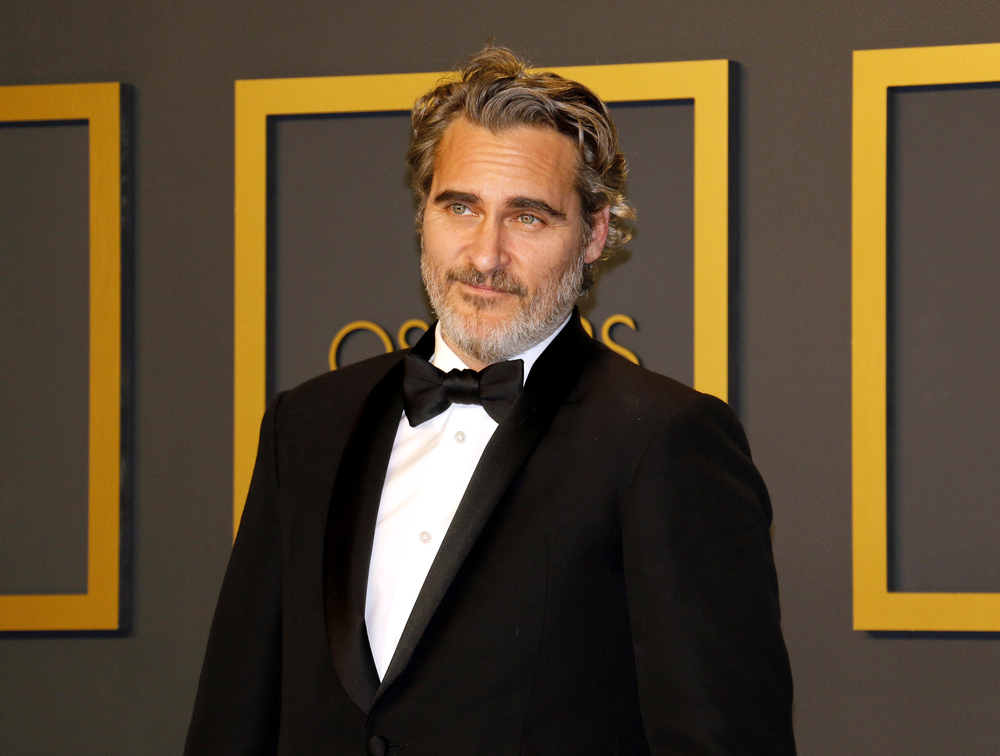
Phoenix is famously uncomfortable with watching his own performances, even the ones that earned him critical acclaim. He’s said that he becomes too focused on what he perceives as mistakes, which makes the viewing experience unbearable.
Phoenix also believes that watching himself could damage his confidence and make him more self-conscious in future roles. He trusts the director to shape the performance in post-production.
For Phoenix, the best way to move forward is to leave the past behind.
Tom Hanks
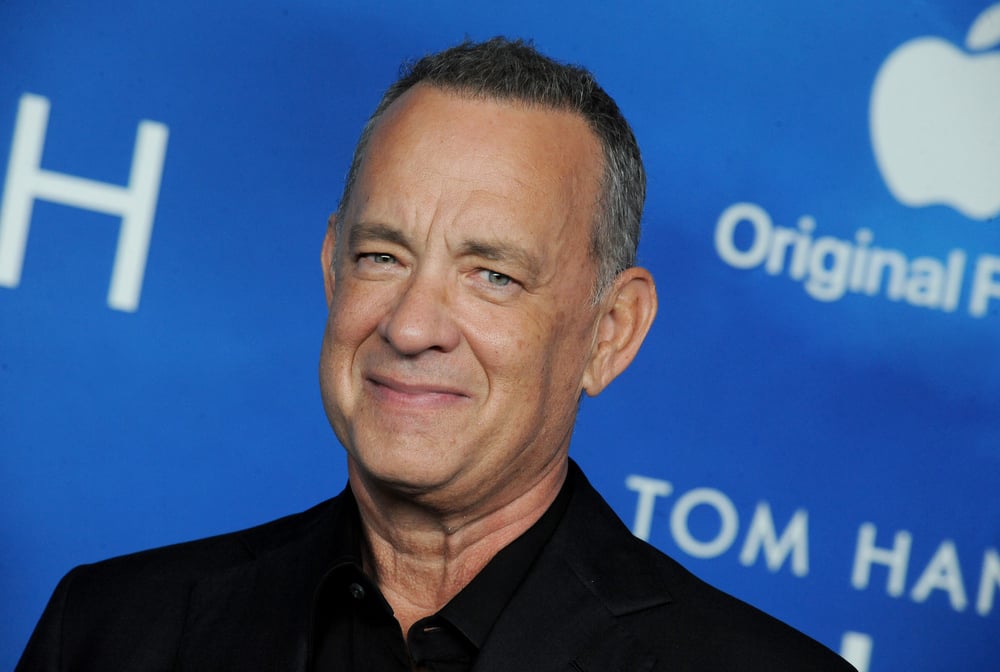
Hanks has mentioned that he only watches his films once—at the premiere—and never again. He finds it hard to enjoy the movie because he’s too busy remembering what was happening behind the scenes during each shot.
Hanks also believes that actors shouldn’t dwell on their past work because it can make them overly self-aware. He’d rather focus on the next script than relive something he’s already done.
His job is to make the movie, not to watch it over and over.
Meryl Streep
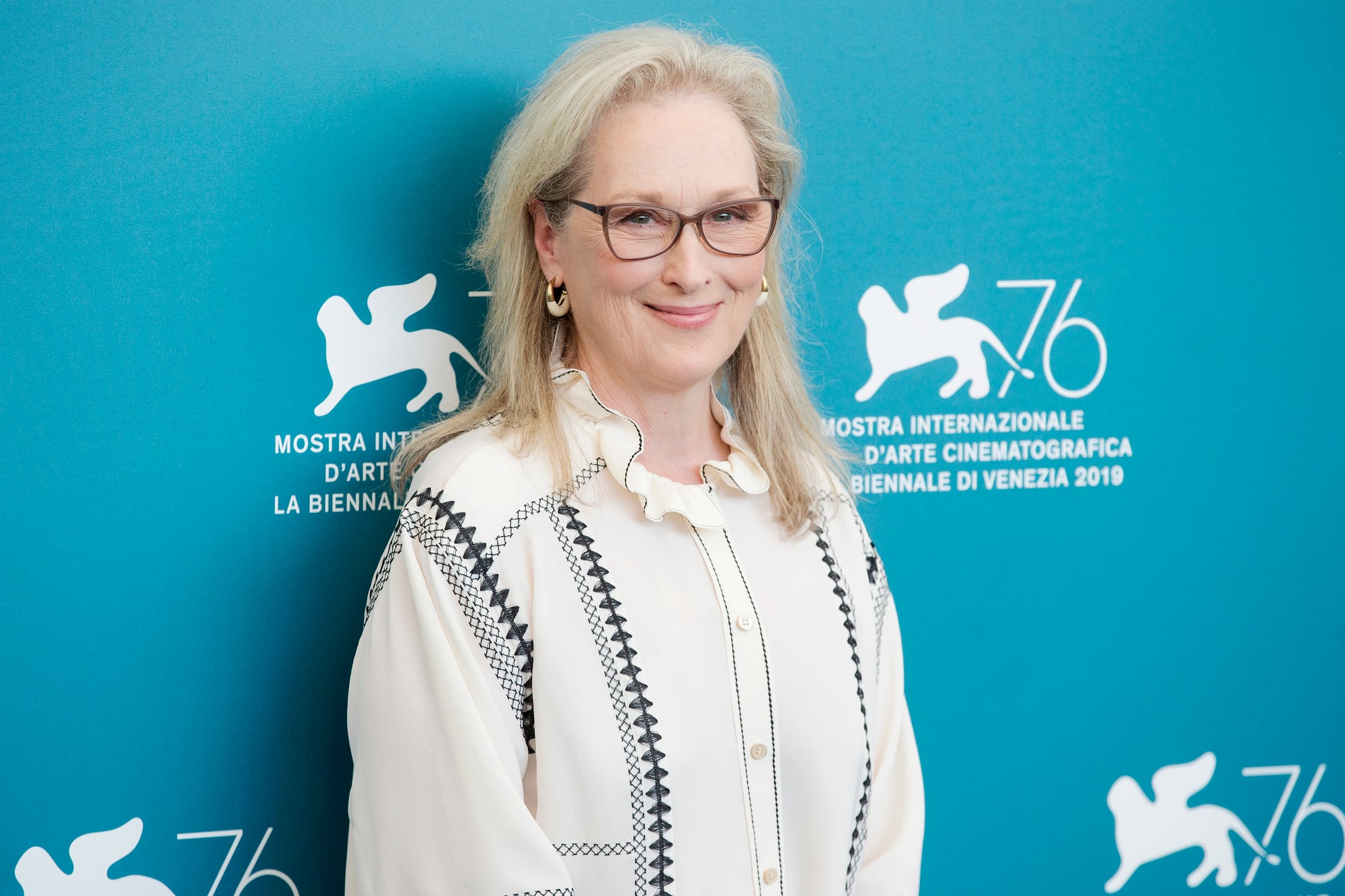
Streep is widely considered one of the greatest actors of all time, yet she avoids watching her finished films. She’s said that seeing herself on screen makes her feel self-conscious and distracted from the story.
Streep also believes that once the film is released, it belongs to the audience, not to her. She’s done her part, and there’s no reason to keep revisiting it.
The only exception is when she needs to study a past performance for a specific reason, like preparing for a similar role.
Ryan Gosling
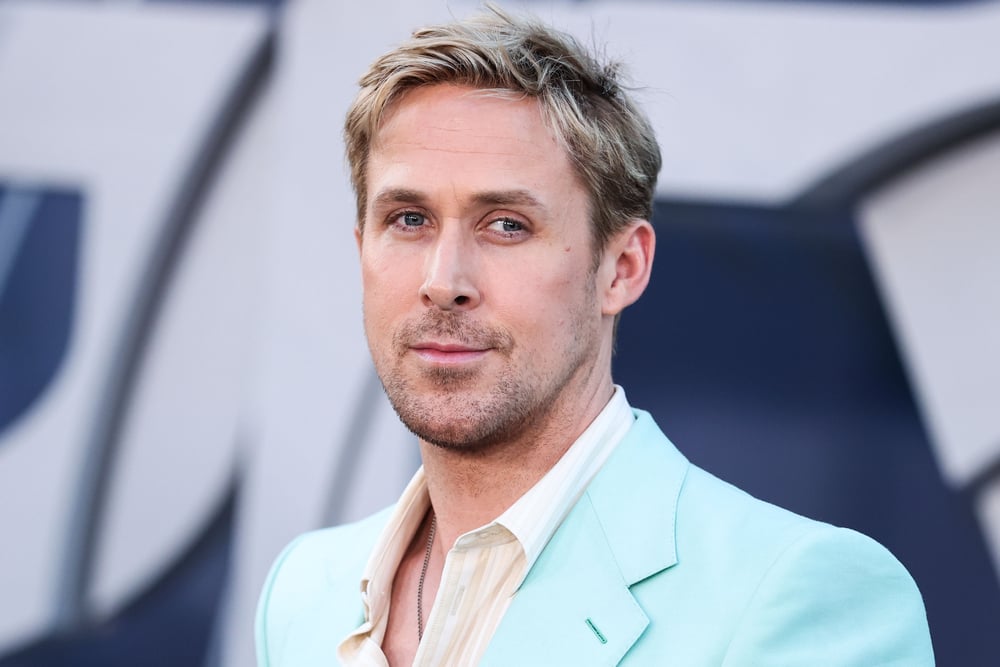
Gosling rarely watches his films because he finds the experience too detached from the work he put in. He’s said that the final product often feels different from what he imagined during filming, which can be disappointing.
Gosling also prefers to focus on the creative process rather than the finished result. He trusts the director’s vision and doesn’t feel the need to verify it himself.
Watching his movies would just make him want to change things that are already set in stone.
Judi Dench
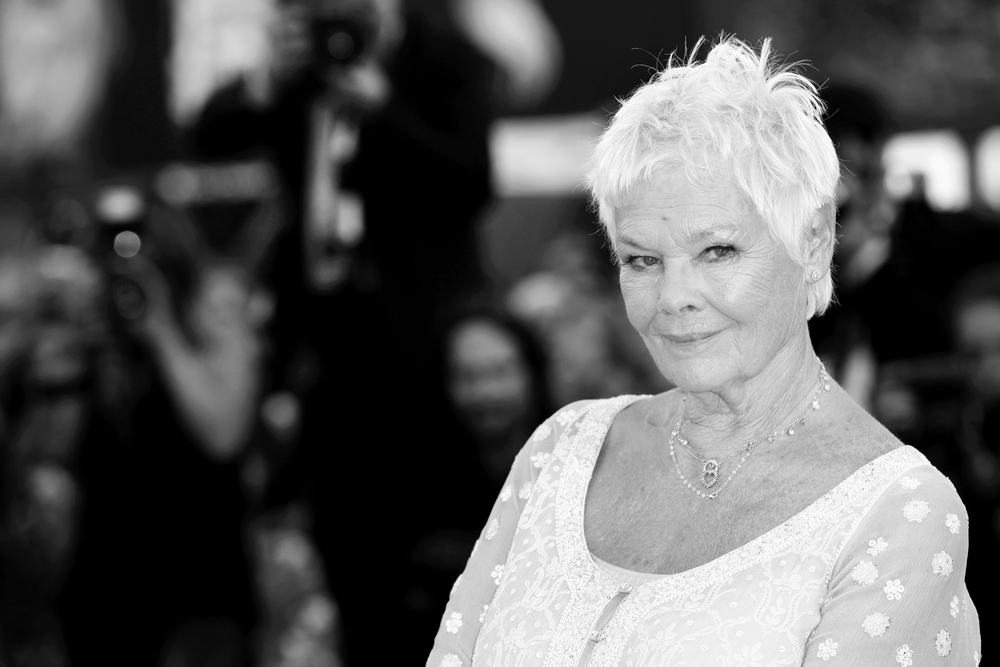
Dench has admitted that she avoids watching herself because it makes her feel embarrassed. She’s said that she’s never been comfortable seeing her own face on screen, even after decades in the industry.
Dench also finds it hard to separate herself from the character, which makes watching her films feel strange. She prefers to remember the experience of making the movie rather than analyzing the final product.
Her focus has always been on the work itself, not the recognition that comes from it.
Matthew McConaughey
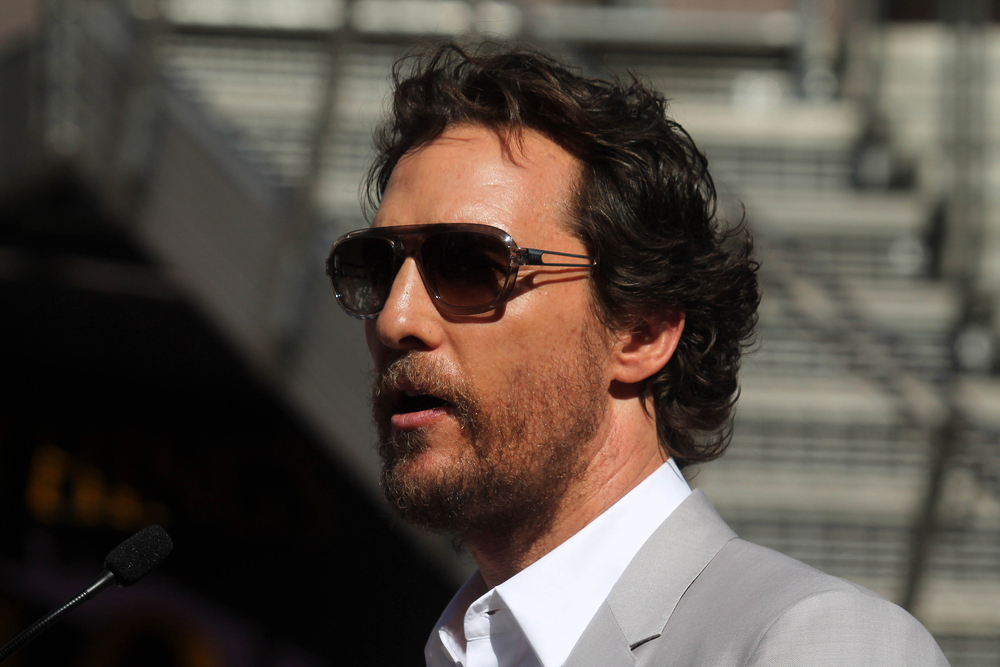
McConaughey has said that he watches his films once and then never revisits them. He believes that dwelling on past performances can hinder growth as an actor.
McConaughey also finds it hard to watch without being overly critical of his choices. He’d rather spend his energy on new projects than second-guessing old ones.
For him, acting is about moving forward, not looking back.
Oscar Isaac
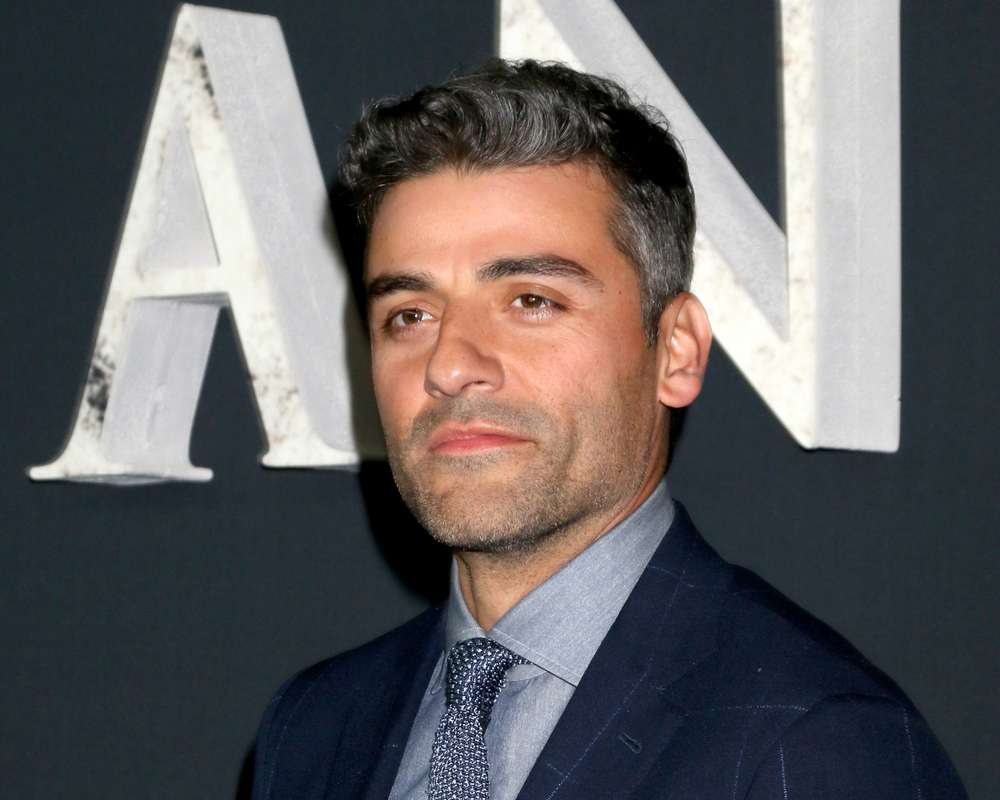
Isaac avoids watching his films because he finds the experience too uncomfortable. He’s said that seeing himself on screen makes him overly aware of every little choice he made, which distracts from the story.
Isaac also believes that watching his work can make him more self-conscious in future roles. He prefers to trust his instincts in the moment rather than analyzing them afterward.
For him, the magic of acting happens during filming, not in the editing room.
Juliette Binoche
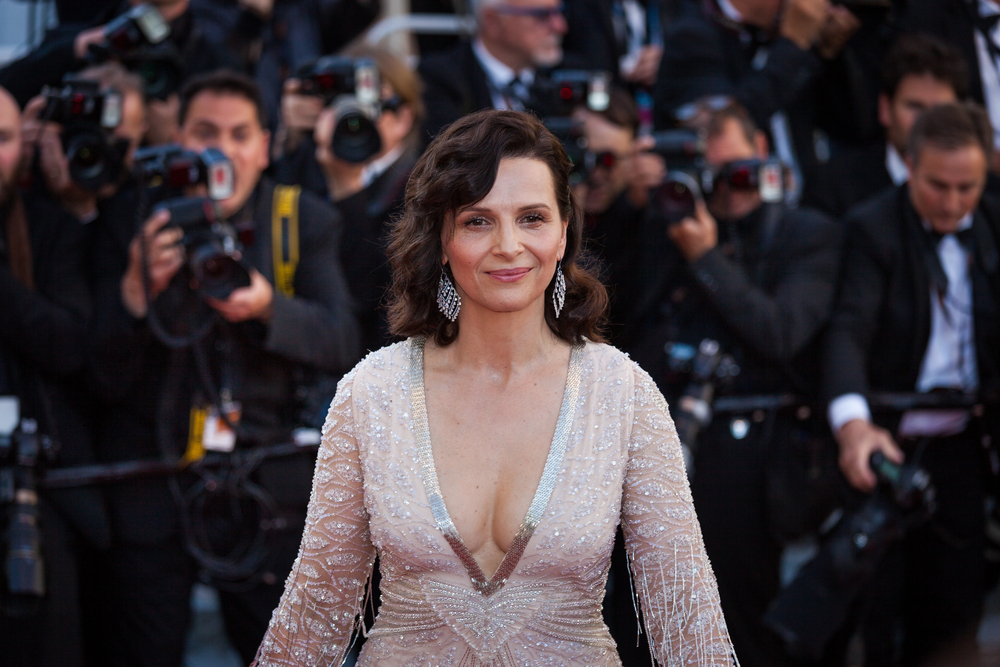
Looking at her own movies feels uncomfortable for Binoche. Reliving those moments pulls up old struggles, so she prefers not to go back.
Staying focused on what’s happening now matters more to her than revisiting roles already done. Her faith in the director means she sees no reason to check how things turned out.
If a premiere forces her to sit through one, her mind tends to drift elsewhere anyway.
Andrew Garfield
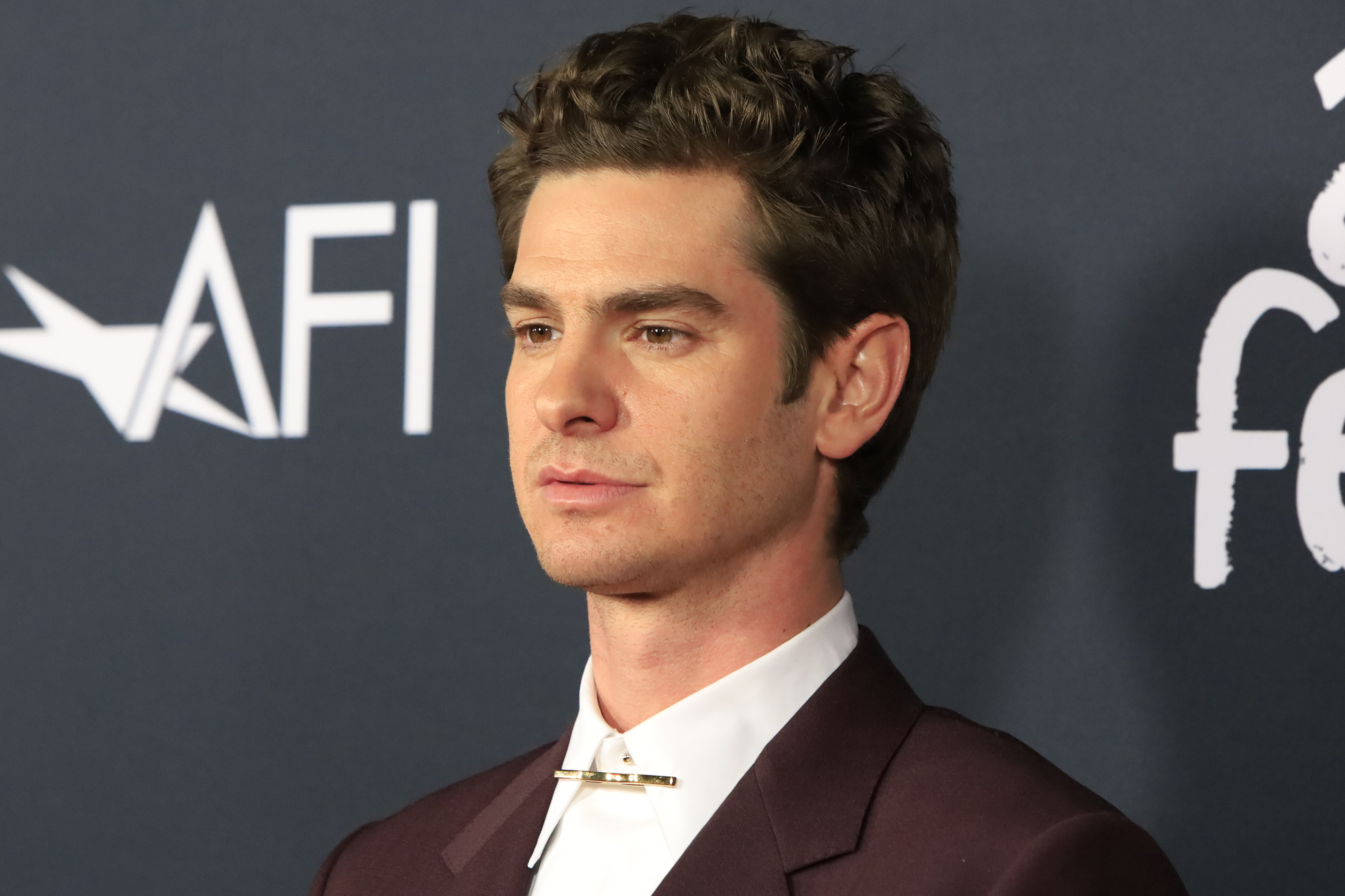
Watching his own movies isn’t something Andrew Garfield tends to do. Instead of enjoying the scenes, he catches every little mistake he thinks he made.
The moment he sees himself on screen, distance fades – he’s back inside the choices he wished had gone differently. It pulls him out of the plot, constantly weighing how he moved or spoke.
What keeps him grounded are the words from those who stood beside him during filming. Once the set goes quiet, he lets go – what happened stays there.
Here is why this works out just fine
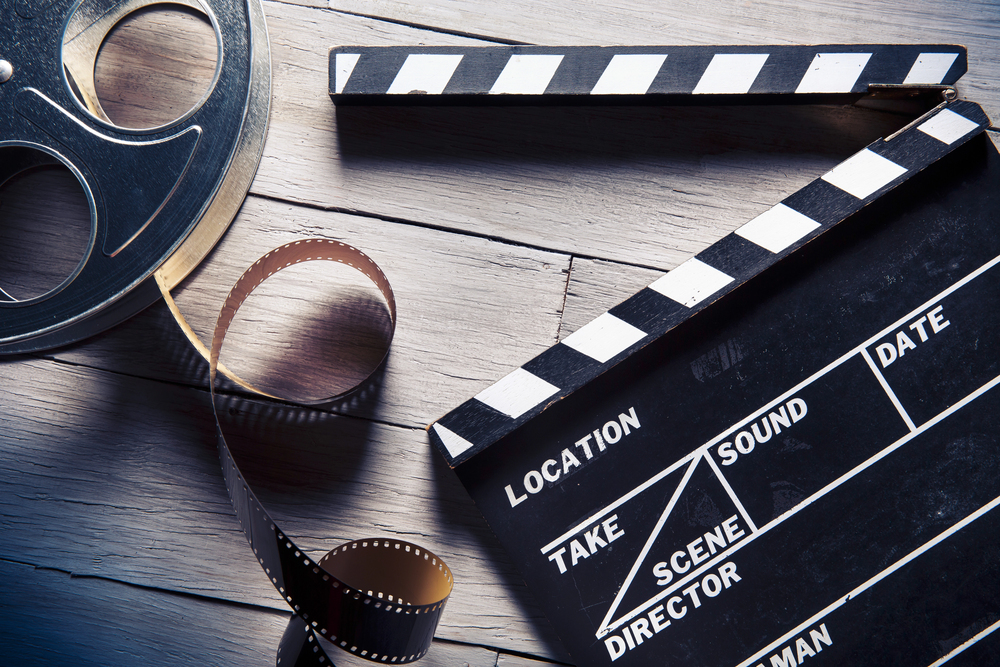
Some performers act this way not because they’re odd or fussy – it’s how they guard their craft. Seeing themselves play a role hits the same as hearing a tape of their voice – off, strange.
Actors often claim watching old scenes messes with their heads, turning natural choices into second guesses. Instead of dwelling, many choose to rely on their director, shift energy toward what comes next, and leave opinions to viewers.
Proof that even stars wrestle with uncertainty, choosing progress over reflection.
More from Go2Tutors!

- The Romanov Crown Jewels and Their Tragic Fate
- 13 Historical Mysteries That Science Still Can’t Solve
- Famous Hoaxes That Fooled the World for Years
- 15 Child Stars with Tragic Adult Lives
- 16 Famous Jewelry Pieces in History
Like Go2Tutors’s content? Follow us on MSN.