Biggest Athletes Who Became Huge Movie Stars
The jump from sports arena to movie screen seems impossible. You train your whole life to master one thing, then suddenly you’re standing in front of cameras pretending to be someone else.
But some athletes made that transition look easy. They brought the same discipline, charisma, and work ethic that made them champions into Hollywood, and audiences couldn’t get enough.
Dwayne “The Rock” Johnson: From WWE Ring to Box Office King
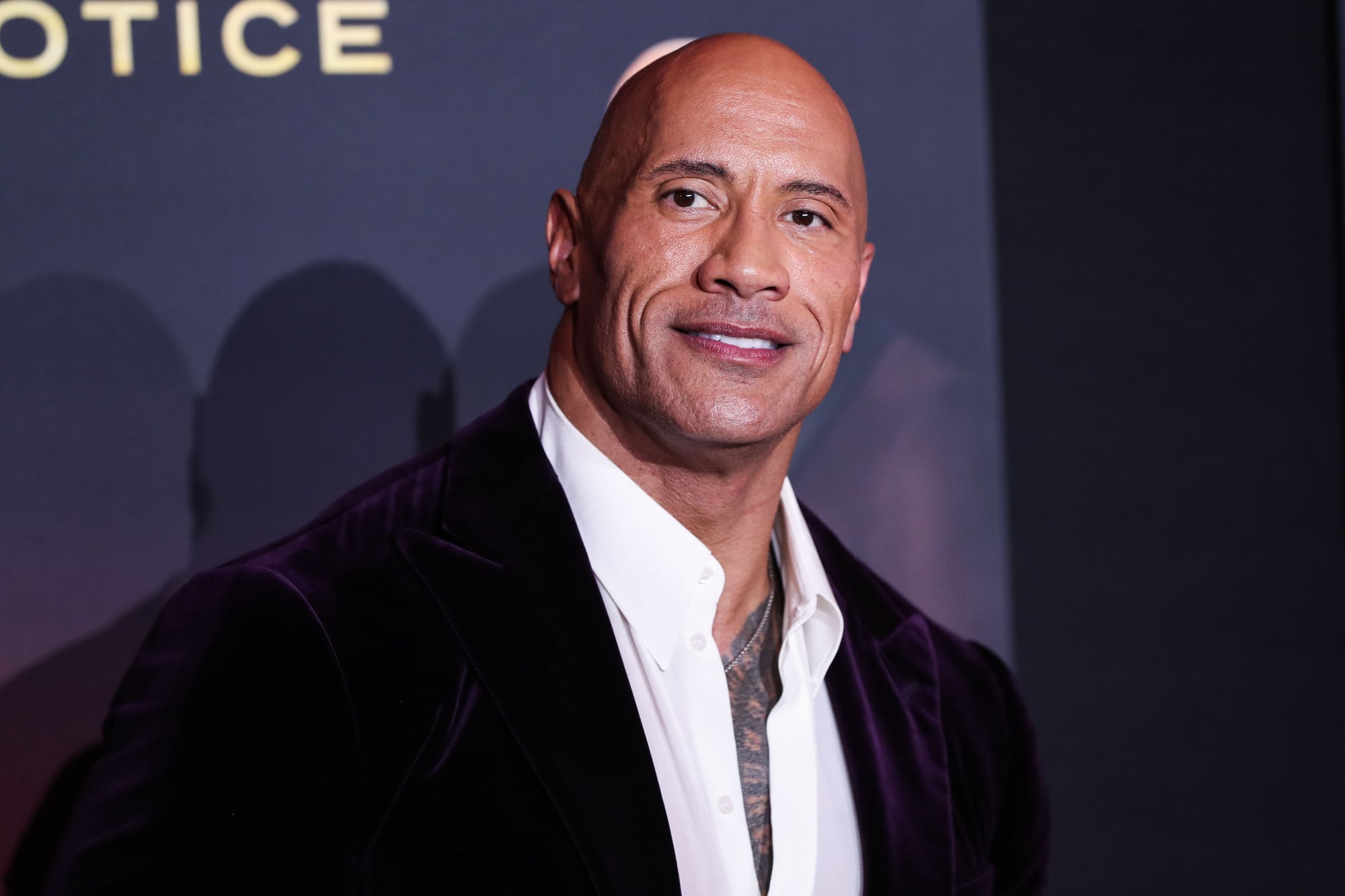
Johnson started as a college football player before becoming one of wrestling’s most electric performers. His eyebrow raise and catchphrases made him famous, but his film career made him a phenomenon.
He appears in everything from family comedies to action blockbusters, and his movies consistently make hundreds of millions globally. The guy shows up on set at 4 AM, posts workout videos that go viral, and somehow finds time to produce multiple projects at once.
His transition from sports entertainment to legitimate movie star changed what people thought athletes could achieve in Hollywood.
Arnold Schwarzenegger: The Blueprint for Athlete Actors
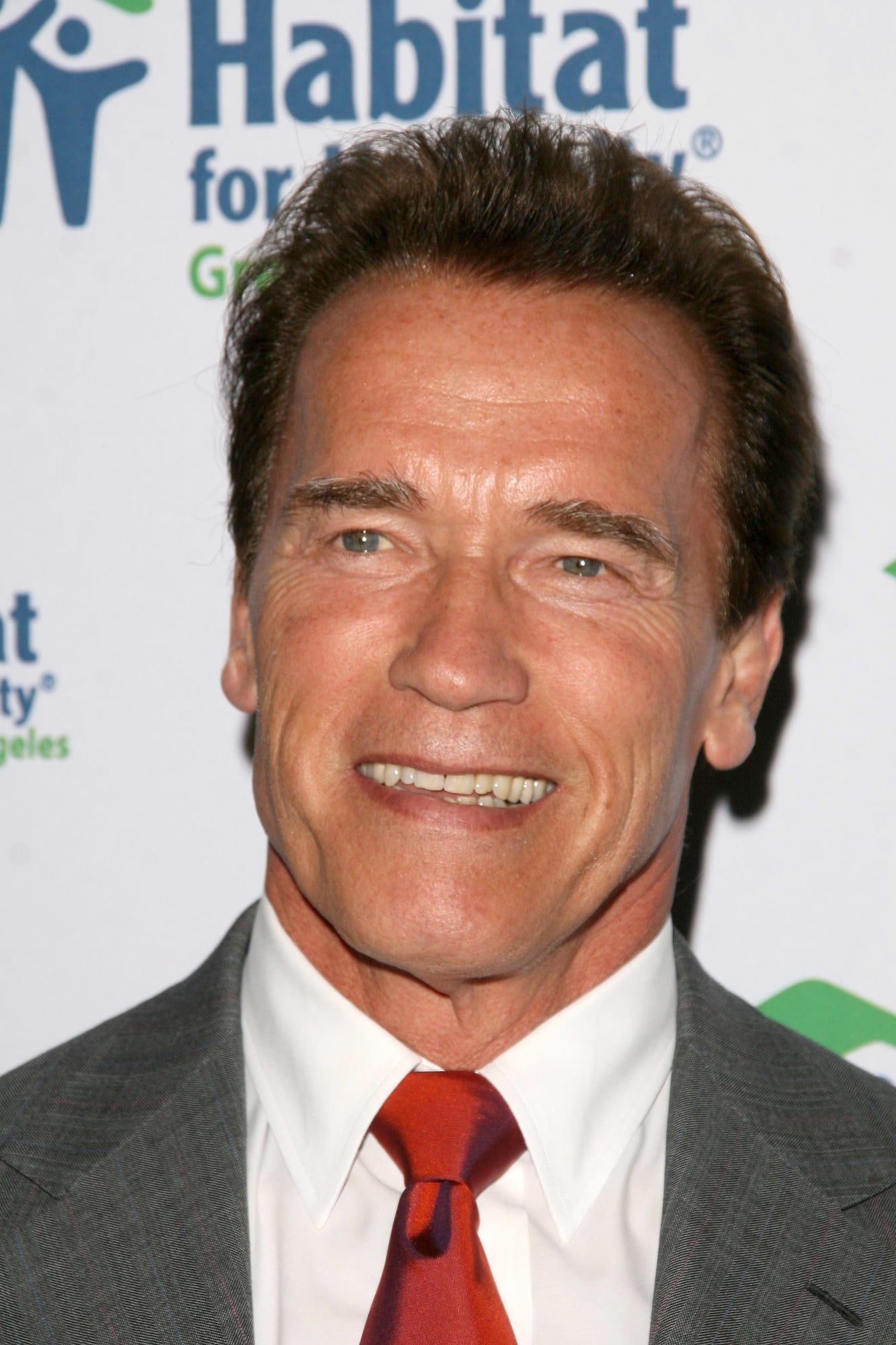
Before Schwarzenegger, bodybuilders weren’t movie stars. They were niche athletes competing in small venues.
He changed that completely. His thick Austrian accent seemed like it would limit his roles, but he turned it into an asset.
“I’ll be back” became one of cinema’s most quoted lines, and Terminator made him an icon. He went from Mr. Olympia to action hero to Governor of California, proving athletes could build entirely new careers outside their sport.
Every athlete who succeeded in Hollywood afterward followed a path he carved out decades earlier.
John Cena: The Unexpected Comedy Star

Cena looked like a typical action hero when he left wrestling—big muscles, square jaw, traditional tough guy image. Then he showed up in comedies and revealed something surprising: impeccable timing.
His willingness to make fun of himself in movies like Trainwreck and Blockers showed range that most athletes never display. He plays piano, speaks Mandarin, and grants more Make-A-Wish requests than anyone in history.
That combination of self-awareness and genuine likability translates perfectly to film. You believe him when he plays serious roles, but you also believe him when he’s dancing in speedos or getting roasted by teenage girls.
Jason Statham: The Diver Who Became an Action Icon

Most people don’t know Statham spent over a decade on Britain’s national diving team. He competed internationally, mastered complex acrobatics, and developed the body control that would later make his fight scenes look so convincing.
Guy Ritchie discovered him and cast him but it was The Transporter that turned him into an action star. He does his own stunts, drives his own cars in chase scenes, and brings an authenticity to action films that trained actors can’t match.
His diving background gave him spatial awareness and fearlessness that translate directly to movie choreography.
Dave Bautista: Breaking the Muscle-Bound Stereotype
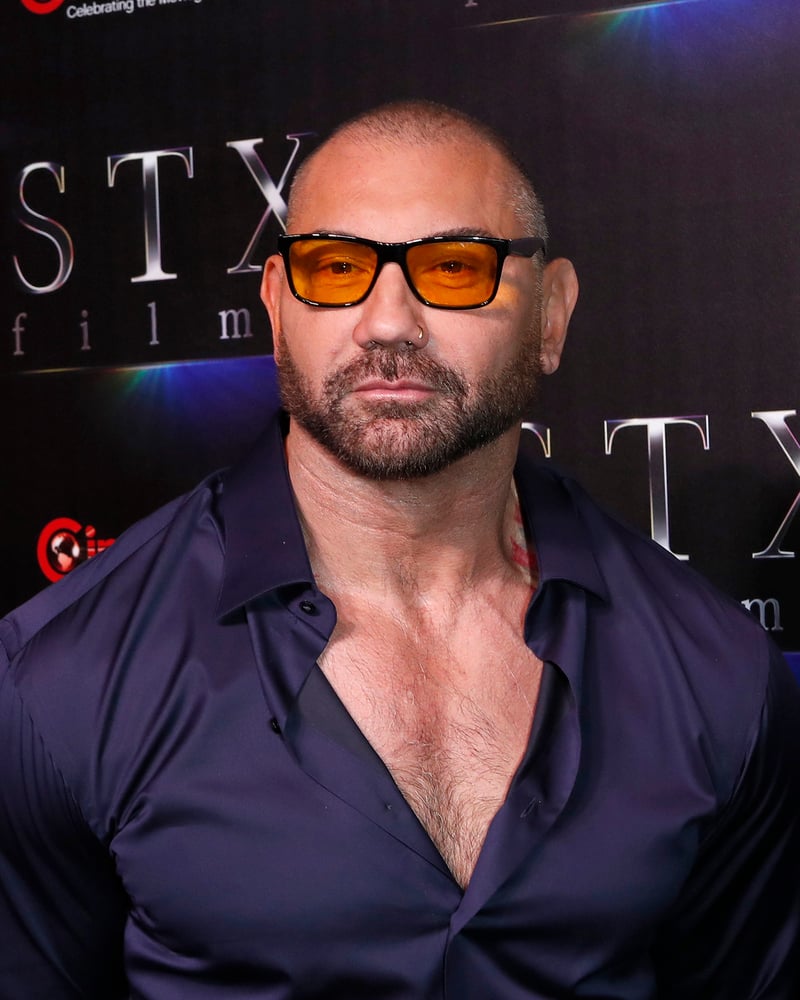
Bautista could have played generic tough guys forever and made good money. Instead, he chose risky roles that challenged audience expectations.
Blade Runner 2049 gave him five minutes of screen time, but his performance as Sapper Morton showed depth and vulnerability that shocked critics. Guardians of the Galaxy let him do comedy while also exploring themes of grief and trauma through Drax.
He studied acting seriously, worked with dialect coaches, and pushed directors to give him material with substance. That dedication separated him from athletes who just show up and flex.
Carl Weathers: The Football Star Who Found His Voice
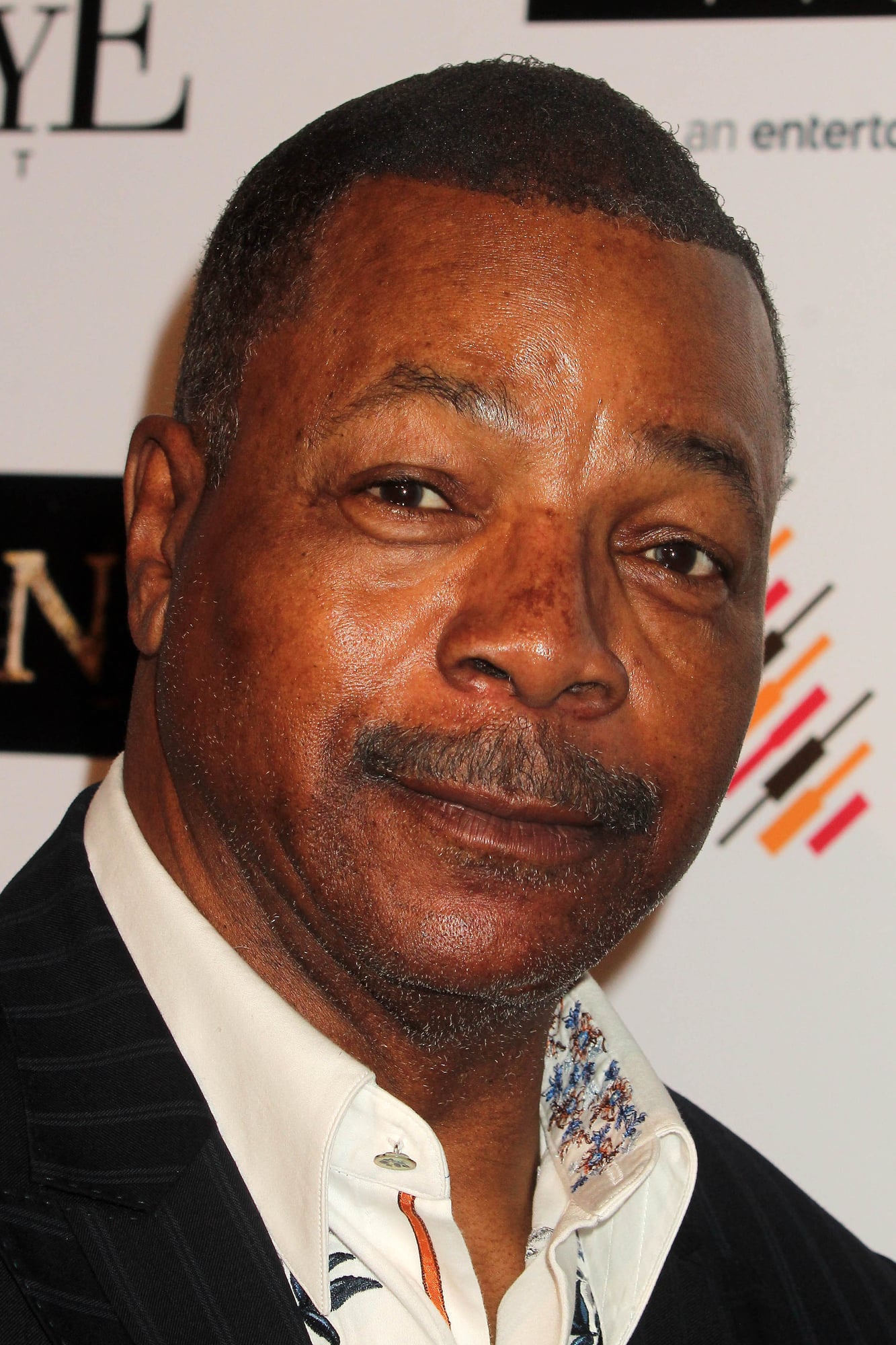
Weathers played linebacker for the Oakland Raiders before an injury ended his career. He turned to acting out of necessity, not passion, but found something that suited him even better than sports.
His role as Apollo Creed in Rocky made him a household name, but his career went deeper than one iconic character. He directed episodes of television, produced films, and recently reminded everyone of his range with The Mandalorian.
His football background gave him the physicality Hollywood wanted, but his intelligence and professionalism kept him working for decades after other athletes faded away.
Terry Crews: From NFL Lineman to Comedy Gold
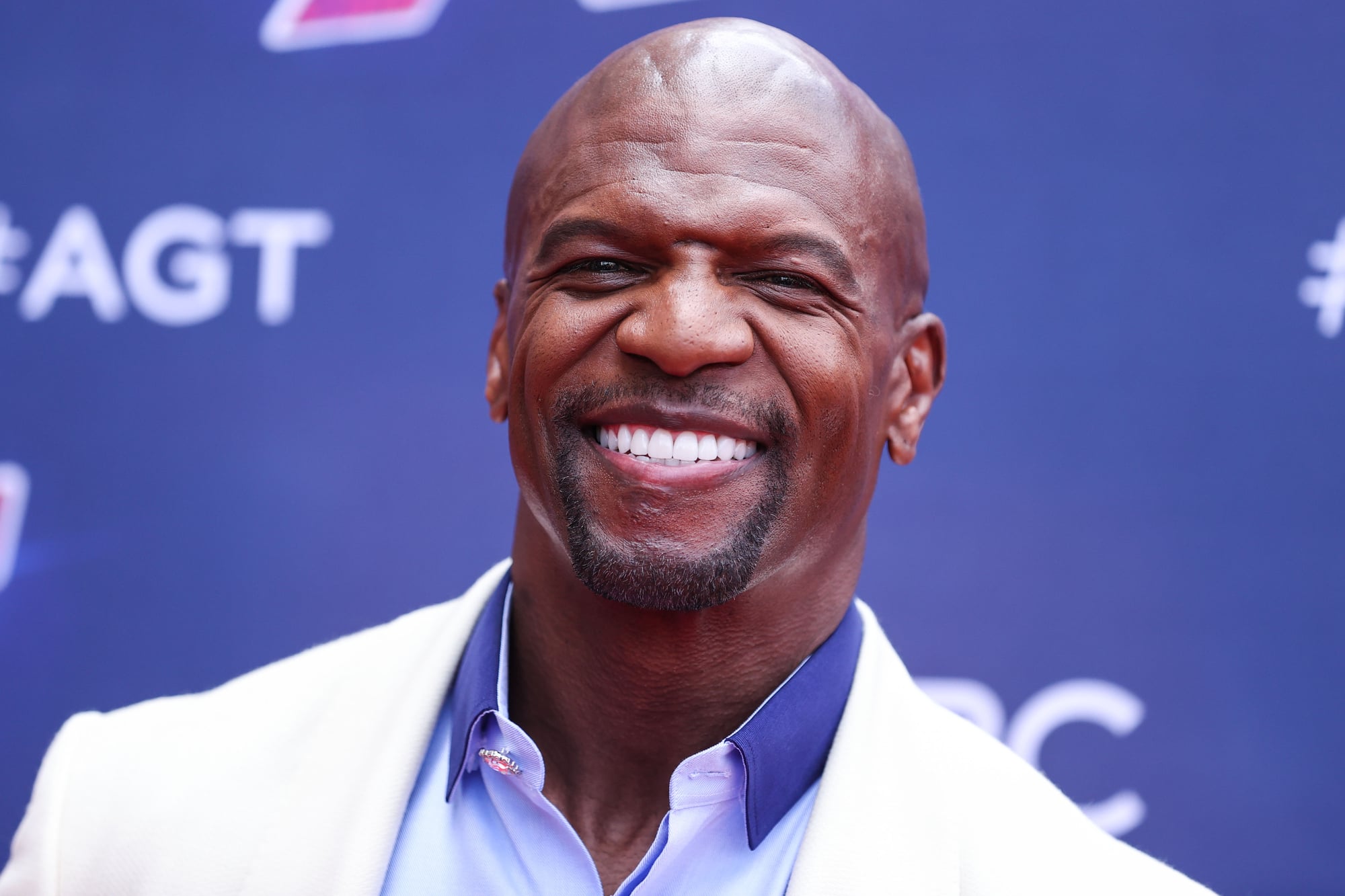
Crews played in the NFL but never became a star. He made decent money, saved everything he could, and knew his football career wouldn’t last forever.
He taught himself to draw, worked as an illustrator, and slowly broke into acting. His size made casting directors think “action hero,” but his personality screamed comedy.
Brooklyn Nine-Nine let him be funny, vulnerable, and weird all at once. He also became an advocate for survivors of assault after sharing his own experience, using his platform for something bigger than entertainment.
That journey from struggling player to respected actor to activist shows what happens when athletes refuse to be defined by one thing.
Vinnie Jones: Soccer Hardman Turned Movie Tough Guy

Jones built a reputation as one of English football’s most aggressive players. Referees gave him more yellow cards than almost anyone in league history.
That mean streak made him perfect for Guy Ritchie’s film, where he played a debt collector who didn’t need to say much to be terrifying. X-Men cast him as Juggernaut, and suddenly he was part of a major franchise.
His authenticity comes from actually being the tough guy he plays. You can’t fake that edge he brings to roles, because he lived it for years on the pitch.
Ronda Rousey: MMA Champion to Action Star

Rousey dominated women’s MMA before most people knew women’s MMA existed. She finished opponents in seconds, became a champion, and opened doors for female fighters everywhere.
Hollywood saw her potential and cast her in Furious 7, then The Expendables 3. Her acting needed work, but her fight scenes didn’t.
She brings real violence to screen fights, the kind that comes from actually knowing how to hurt people. Mile 22 let her carry more dramatic weight, and WWE gave her a platform to develop character work.
She’s still evolving as a performer, but her athletic credibility gives her opportunities that trained actors can’t access.
Jim Brown: The Running Back Who Demanded Respect
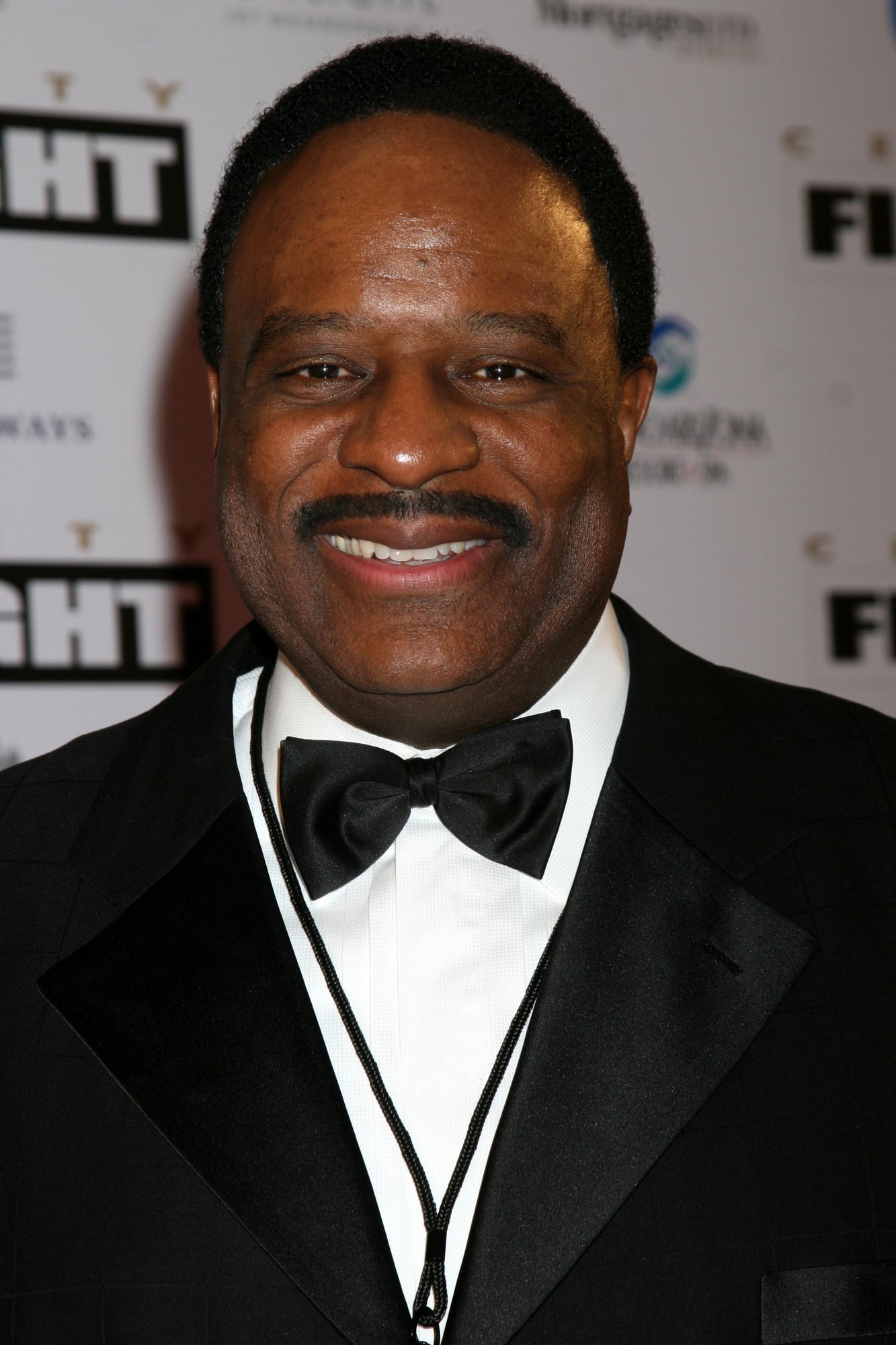
Brown dominated football in the 1960s, then retired at the top of his game to pursue acting. The Dirty Dozen cast him alongside established stars, and he held his own.
He made over 40 films, often playing characters who refused to play subservient roles that Hollywood typically offered to Black actors. He walked away from projects that disrespected him, turned down huge paydays when scripts portrayed his characters as stereotypes, and used his athletic fame to force better treatment.
His film career matters less for the movies themselves and more for how he changed what athletes—especially Black athletes—could demand from Hollywood.
Gina Carano: Pioneering Female Fighter

Carano competed in Muay Thai and MMA when few women could make careers from fighting. Haywire built an entire action movie around her athletic abilities, letting her do fight choreography that looked brutal and real.
The Mandalorian cast her as Cara Dune, a former soldier with trauma and complexity. Her background as an elite fighter gave her credibility in action roles that actresses who just train for a few months can’t match.
She faced controversy that complicated her career, but her impact on female-led action films remains significant.
Shaquille O’Neal: The Center Who Never Took Himself Too Seriously

Shaq made terrible movies. Kazaam is genuinely bad. Steel makes Kazaam look good.
But he didn’t care. He rapped, acted, did commercials, and tried everything that seemed fun.
His Hall of Fame basketball career gave him freedom to fail in other areas without it mattering. Blue Chips showed he could handle dramatic scenes when he wanted to.
Mostly, though, he just seemed happy to be there. That joy and willingness to look foolish actually made him more likable.
He proved athletes don’t have to become great actors to have successful entertainment careers—sometimes being authentically yourself works just fine.
Michael B. Jordan: Actually, Steve Harvey’s Mistake
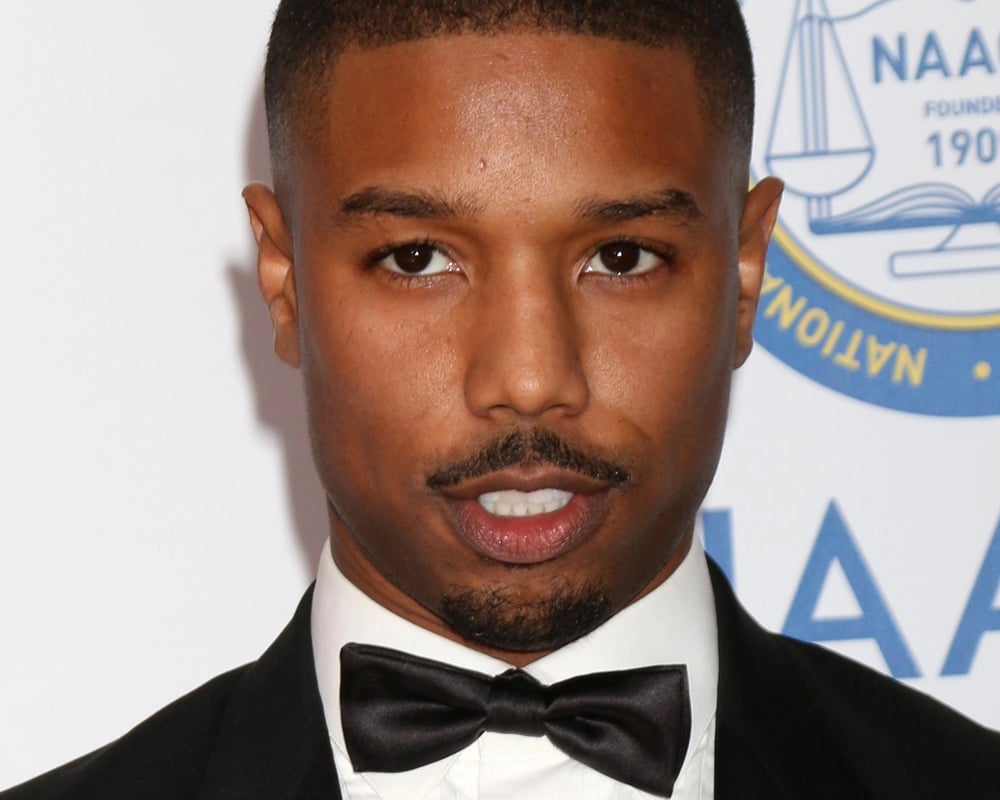
Quick clarification: Michael B. Jordan isn’t an athlete. Steve Harvey famously confused him with Michael A. Jordan during Miss Universe.
The actual Michael Jordan did Space Jam, but his acting career stopped there. He’s the greatest basketball player ever, but he had zero interest in becoming an actor beyond one movie for his kids.
The Formula That Works

Something shows up again and again in these wins. Being there in person counts – fans need to witness the thing that set each athlete apart.
Then there is timing. Action cinema was king just as Schwarzenegger arrived. Later, blockbuster series hungered for steady leads right when The Rock stepped in.
Laughing at yourself matters most, though it defies measurement. Holding rigidly to a hardened persona tends to block athletic stars from film success.
Those who make it click know performance demands exposure – moments where falling short, appearing awkward, or revealing doubt become necessary. Facing that kind of openness proves tougher than any match, race, or championship they once endured.
Where Sports Meet Storytelling

Stars from sports arenas keep landing on screen, no pause in sight. With endless demand for new shows, streaming platforms open doors wide, while big action movies search for unfamiliar eyes that shine.
Fans enjoy seeing someone leap higher or run faster than anyone else does. Still, standards climb further now.
Just walking in with strength built through sweat fails to impress like before. A sense of rhythm matters during scenes, along with standing tall under lights, shifting between emotions smoothly.
Knowing yourself helps too – spotting moments meant for serious parts compared to times better spent making crowds laugh suddenly appears near the end. Some players see acting as something real to learn, almost like training for another game.
Not just a quick paycheck while fame lasts. These few stick around. Others? They fade fast – remembered only by people asking what happened to that guy from those awful films made right after he left sports.
More from Go2Tutors!

- The Romanov Crown Jewels and Their Tragic Fate
- 13 Historical Mysteries That Science Still Can’t Solve
- Famous Hoaxes That Fooled the World for Years
- 15 Child Stars with Tragic Adult Lives
- 16 Famous Jewelry Pieces in History
Like Go2Tutors’s content? Follow us on MSN.



