Amusement Parks Built in Weird Locations
Some fun parks go where you’d expect. Open fields close to roads.
Towns on the edge with space for cars. Big cities full of visitors anyway.
Yet a few ended up somewhere odd – places that make you scratch your head. Think dry deserts, rocky slopes, deep caves, even building tops had roller coasters before.
It’s down to open plots, low cost, or someone daring greatly… but it never fails to catch attention. These parks show fun can happen even without ideal setups.
Yet the spot might actually boost their charm. Though at times it brings issues no one saw coming.
Still, they’re built where you’d never guess a roller coaster could stand. Ferrari World Beneath a Roof in the Desert.
Ferrari World Beneath a Roof in the Desert
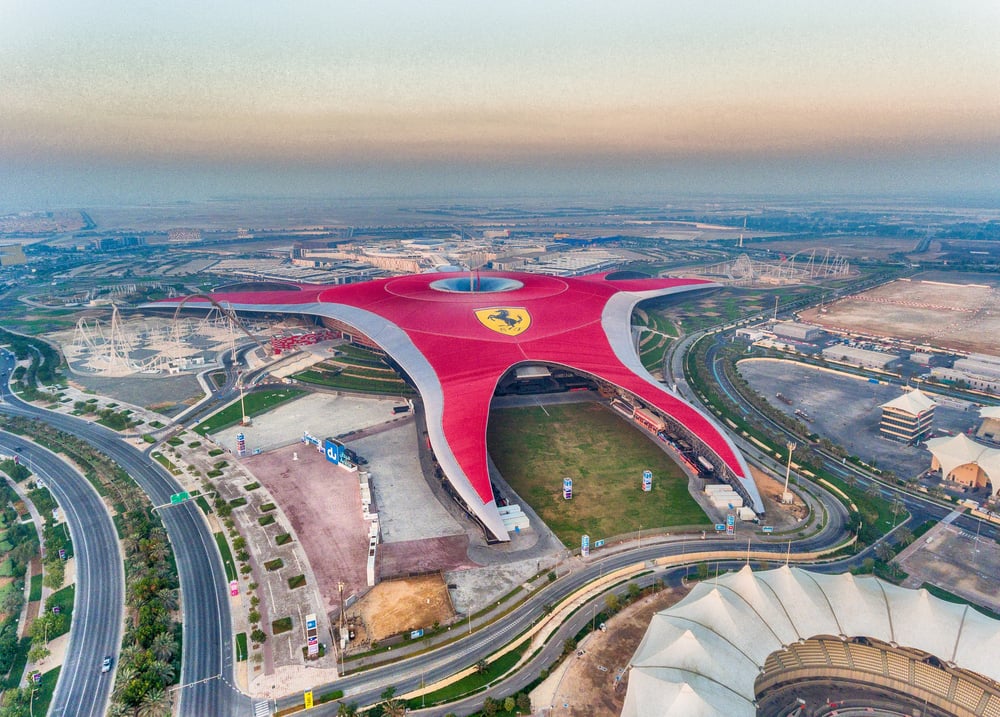
Abu Dhabi built Ferrari World mostly indoors. The desert heat made outdoor rides impossible for most of the year.
So they constructed one of the world’s largest indoor theme parks and put a massive red roof over it shaped like a Ferrari logo. The park sits on Yas Island, surrounded by sand.
Inside, the temperature stays controlled while Formula Rossa—the world’s fastest roller coaster—launches riders to 150 miles per hour. The whole concept sounds ridiculous until you remember that outdoor attractions in 120-degree heat don’t work.
The solution was expensive but necessary. Glenwood Caverns Adventure Park on a Mountain.
Glenwood Caverns Adventure Park on a Mountain
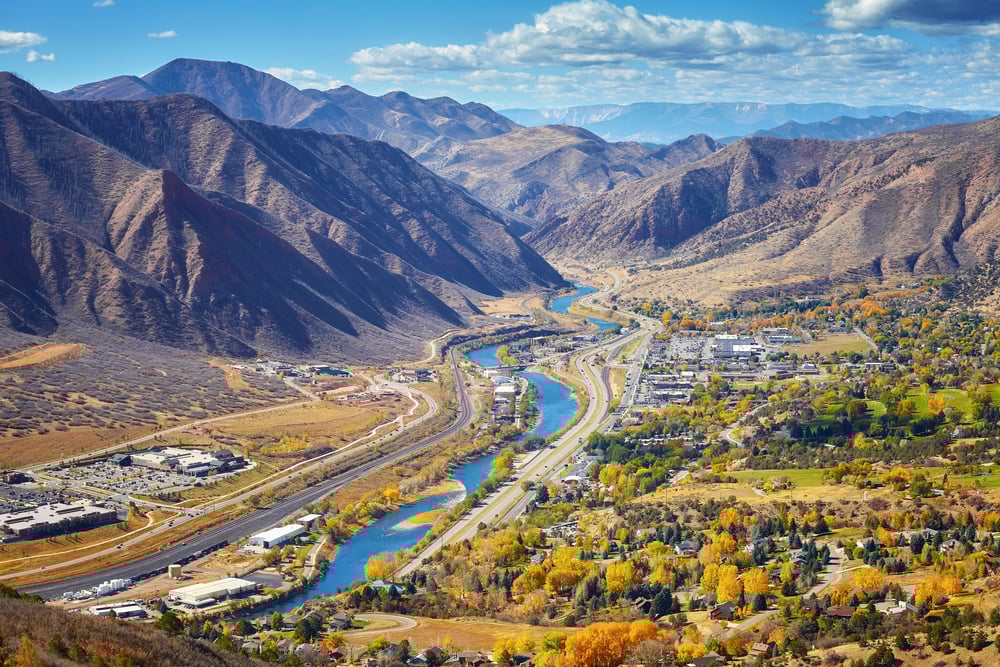
Glenwood Springs, Colorado, has an amusement park on top of Iron Mountain. You take a gondola up to reach it at 7,132 feet above sea level.
The park sits on terrain that requires blasting rock and building platforms just to make flat surfaces for rides. Installing a roller coaster on a mountain involves engineering challenges most parks never face.
Equipment had to be helicoptered in. Foundations had to be anchored into solid rock.
The Haunted Mine Drop takes riders 110 feet down inside an actual mine shaft. The location makes everything harder, but it also makes the park unique.
You can ride attractions while looking down at the valley below. Cosmo World in Urban Yokohama.
Cosmo World in Urban Yokohama
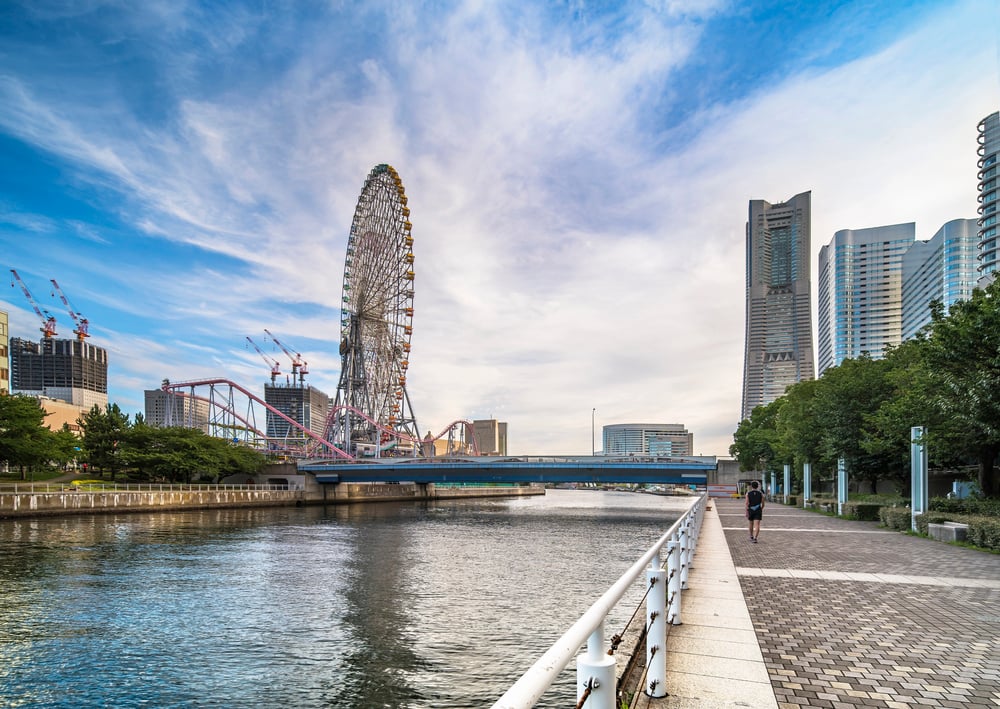
Yokohama’s Cosmo World features a giant Ferris wheel that has become an icon of the city’s skyline. The park sprawls across the urban Minato Mirai waterfront district, wedged between buildings and near shopping centers.
The Vanish roller coaster dips below ground level and reappears in different spots. Space was so limited that designers had to get creative with every square foot.
The park feels more like pieces scattered across a neighborhood than a single destination. But in a dense city like Yokohama, you build where you can.
Happy Valley Beijing in Smoggy Industrial Areas

Beijing’s Happy Valley theme park opened in an area known for industrial pollution and poor air quality. The park wanted access to the city’s massive population, but premium real estate was too expensive.
So they built in a less desirable zone. Visitors sometimes arrive to find the rides barely visible through haze.
The park operates regardless of air quality index readings that would shut down outdoor activities in other countries. It’s functional, but the atmosphere isn’t what most people picture when they think “amusement park.”
Oasis of the Seas Built on Water

This cruise ship essentially functions as a floating amusement park. Royal Caribbean built full-sized attractions on a vessel that moves.
The ship has zip lines, a carousel, rock climbing walls, and water slides—all while sailing across oceans. The engineering required to stabilize rides on a moving platform is complex.
Everything has to account for waves, wind, and the ship’s motion. But the concept works.
Passengers get theme park experiences without ever seeing land. The location isn’t weird so much as completely unprecedented.
Grona Crammed Onto an Island

Stockholm’s Grona sits on a tiny island with zero room to expand. The park has existed since 1883, and every addition since then has required creative problem-solving.
Rides stack on top of each other. Coasters weave between buildings.
Pathways are narrow because there’s nowhere else to put them. The park owns roughly 15 acres total—tiny compared to major theme parks.
But they’ve managed to fit seven roller coasters into that space by building vertically and utilizing every available corner. It’s cramped, chaotic, and somehow charming.
The location forced innovation that wouldn’t have happened with more space. Beto Carrero World in the Middle of Nowhere.
Beto Carrero World in the Middle of Nowhere

Brazil’s largest theme park sits in Santa Catarina, far from major cities. The founder chose this location specifically because land was cheap.
The problem was getting people to show up. The park succeeded anyway, eventually drawing millions of visitors annually.
But reaching it requires driving through rural areas where you start questioning whether you took a wrong turn. The park essentially created its own destination where none existed before.
The strategy worked, but it required building hotels and infrastructure around the park just to make it accessible. Tibidabo Perched Above Barcelona.
Tibidabo Perched Above Barcelona

Barcelona’s Tibidabo amusement park sits on a mountain overlooking the city. The park opened in 1899, making it one of the oldest in the world.
Getting there involves a funicular railway because the roads up the mountain are steep and winding. The views are spectacular.
The logistics are challenging. Maintaining rides at that altitude, dealing with weather, and transporting supplies up the mountain all cost more than they would at sea level.
But the location gave Tibidabo something money can’t buy—a setting that’s genuinely special. Ocean Park Hong Kong Built on Cliffs.
Ocean Park Hong Kong Built on Cliffs

Hong Kong’s Ocean Park sprawls across steep terrain overlooking the South China Sea. The park is split into two areas connected by cable car because the hillside was too severe for easy walking paths.
Rides and attractions had to be built into the landscape rather than on flat ground. The Headland section sits on one peak.
Lowland occupies another area down by the water. Getting between them requires either the cable car or the Ocean Express funicular train through the mountain.
The topography made construction difficult but created an experience unlike typical flat-land parks. Enchanted Kingdom in Volcanic Region.
Enchanted Kingdom in Volcanic Region

The Philippines’ Enchanted Kingdom sits in an area with active volcanic activity. Mount Makiling looms nearby.
The park chose this location for available space near Manila, but the geological situation adds complications. Earthquakes happen regularly.
The park has to maintain structures that can handle seismic activity. Volcanic ash occasionally falls on the rides.
The risks are real, but so far the park has operated safely. The location was practical from a land-use perspective, just not from a “what could go wrong” perspective.
Action Park in the Woods of New Jersey

Action Park became infamous for injuries, but the location deserves mention too. The park sprawled across a ski resort property in Vernon, New Jersey—a mountain area with natural terrain that the park incorporated into its design.
Rides used the hillside’s natural slope. The Alpine Slide ran down actual ski slopes.
The park worked with the landscape instead of flattening everything, which created unique attractions but also contributed to safety problems. The terrain made rides faster and more unpredictable than carefully engineered flat-ground alternatives.
Busan Tower Park Observations

South Korea built a small amusement area at the base of Busan Tower, on Yongdusan Mountain in the middle of a dense urban area. The park is tiny, with just a few rides squeezed into whatever space existed around the tower’s base.
The location is more about convenience than ideal conditions. Tourists visiting the tower can take a quick ride.
But calling it an “amusement park” is generous. It’s more like someone saw empty space in a popular area and decided to install whatever rides would fit.
The approach works for small-scale entertainment but shows what happens when location matters more than design. Dubai’s Ski Resort Desert Contradiction.
Dubai’s Ski Resort Desert Contradiction

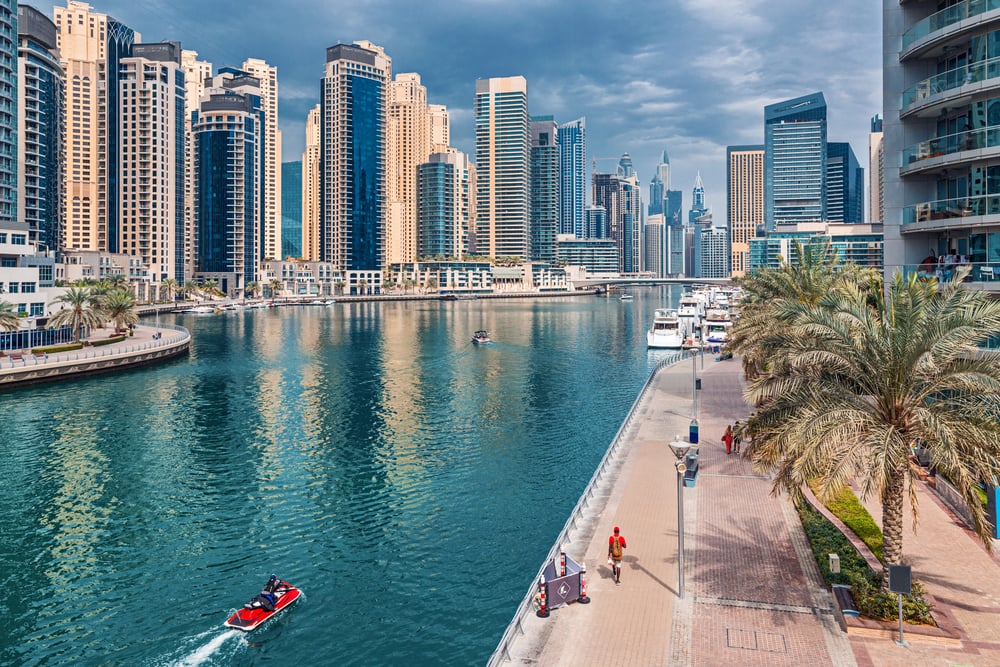
Dubai created Ski Dubai—an indoor ski slope and snow park inside a shopping mall in one of the hottest places on Earth. The facility has rides and attractions in a location that makes absolutely no sense climatically.
The amount of energy required to maintain snow in the desert is enormous. But Dubai has never let practicality interfere with ambition.
The park exists because it could exist, not because it should. The location is deliberately absurd, which somehow became the point.
When Geography Becomes the Story
These parks prove that tight, unusual spaces can spark real creativity. Sure, a flat suburban plot is easier to build on—but it’s also way more forgettable.
Rugged terrain like cliffs, dunes, or caverns forces designers to get inventive. Sometimes the results are incredible.
Other times… not so much. But the trend is obvious: the odd locations are the ones you remember.
A standard theme park? The rides blur together within a few days.
But the one perched on a cliff sticks with you. The one hidden inside an old cavern.
Even the one floating on a ship in the middle of the ocean. In these cases, the setting becomes part of the experience instead of being separate from it.
And honestly, that’s exactly what the creators were aiming for.
More from Go2Tutors!

- The Romanov Crown Jewels and Their Tragic Fate
- 13 Historical Mysteries That Science Still Can’t Solve
- Famous Hoaxes That Fooled the World for Years
- 15 Child Stars with Tragic Adult Lives
- 16 Famous Jewelry Pieces in History
Like Go2Tutors’s content? Follow us on MSN.