Ancient Inventions That Still Work Today
People often picture old inventions as museum pieces, but many early ideas still hold strong in daily life. Some of them sit quietly in the background, doing their job without needing fancy upgrades.
Others remain almost unchanged because they were already simple and smart from the start. Before diving into the list, it helps to notice how familiar many of these tools feel.
They slip into modern routines with ease, almost like old friends that never left.
The wheel
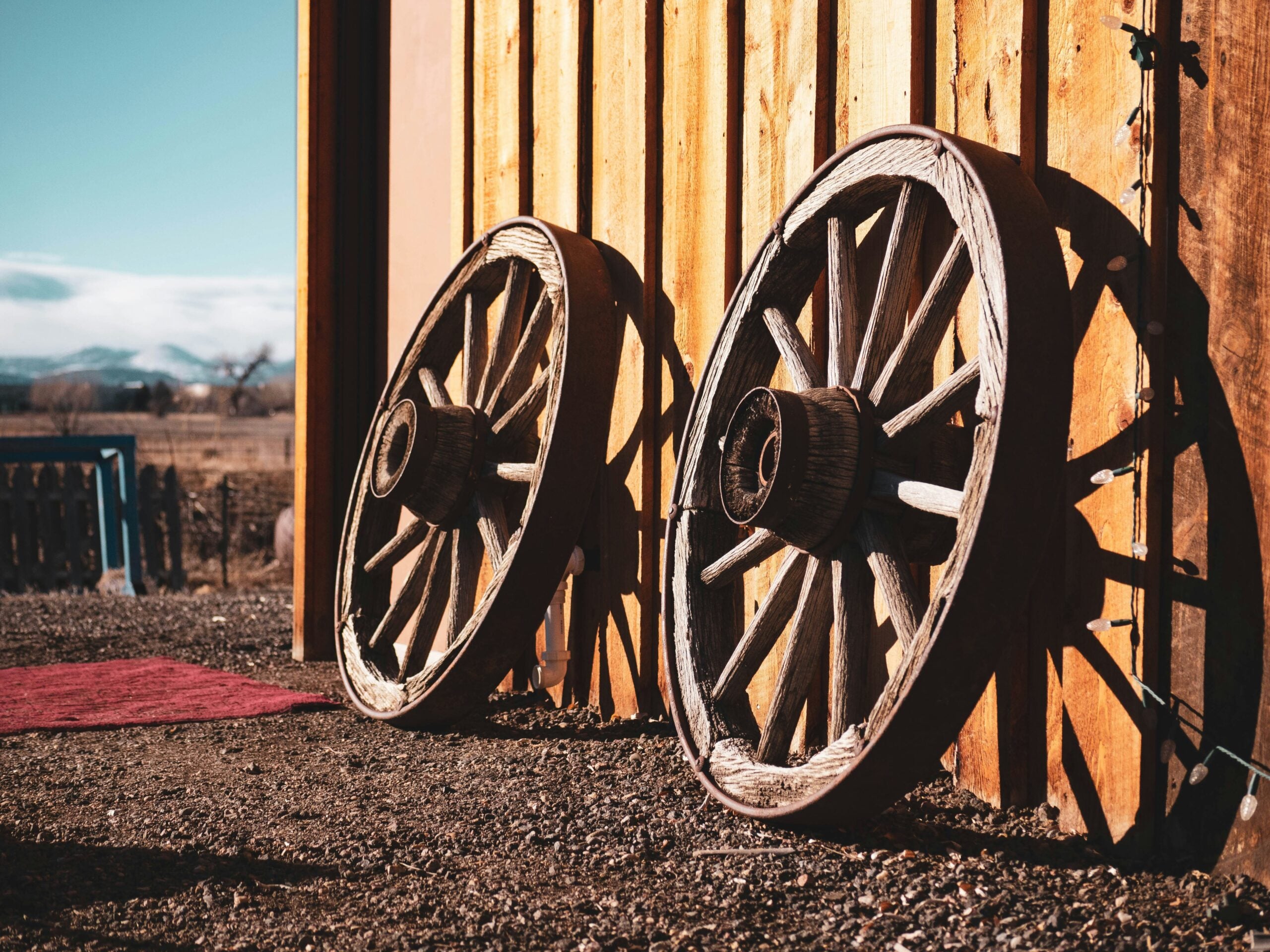
The wheel changed how people moved heavy things long before engines or paved roads existed. A simple round frame still carries loads, rolls carts, and supports machines in factories.
It works so well that engineers rarely toy with its shape. The same circle that once sat on wooden carts now spins on trucks that cross thousands of miles.
Earliest locks
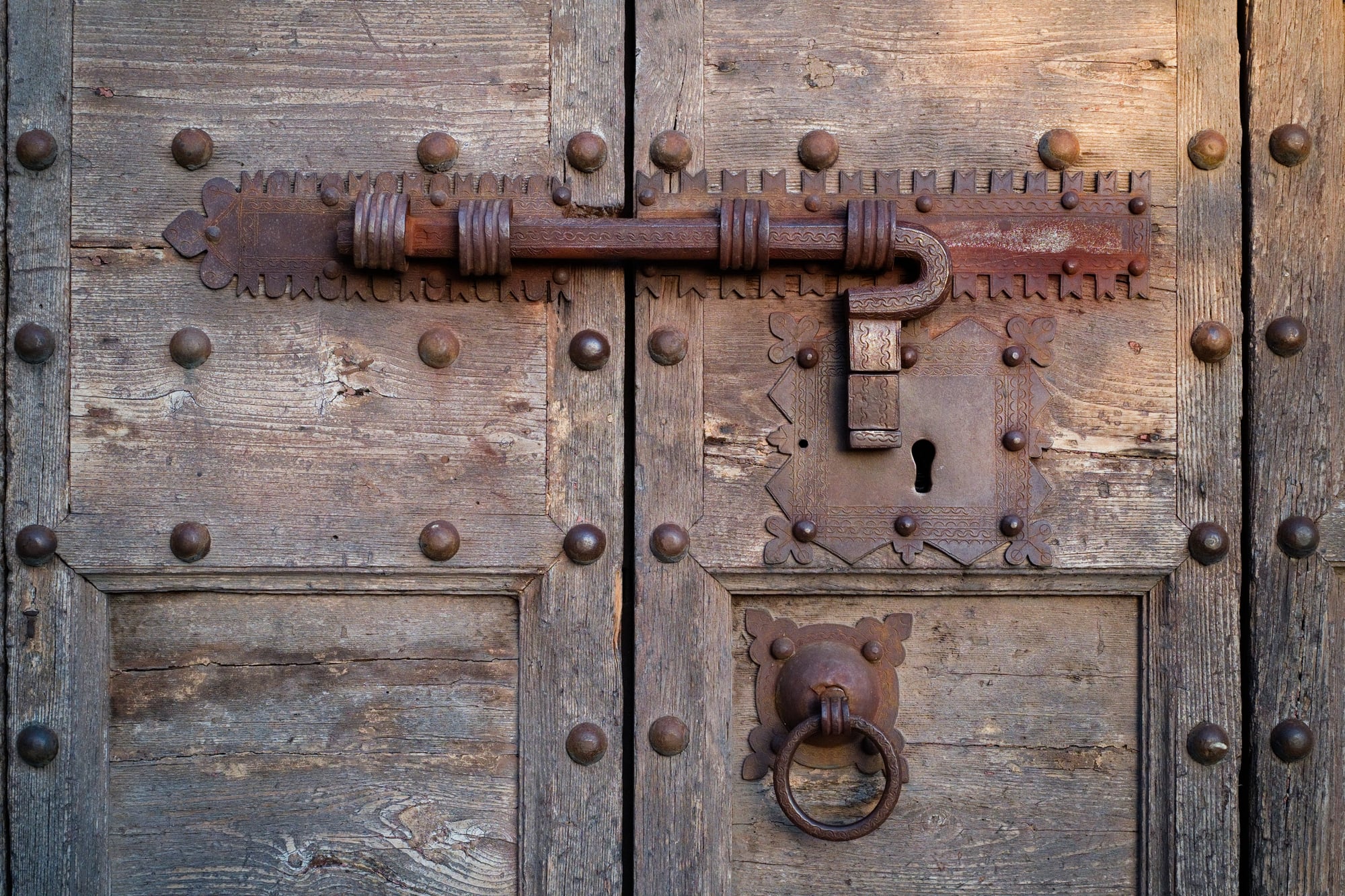
Early locks used pins and wooden keys to keep doors secure, and the basic idea still shows up in today’s metal versions. Turning a key to shift pins feels almost the same as it did centuries ago.
While newer locks use stronger parts, the heart of the mechanism stays steady. People trust it because the motion is quick, clear, and hard to mess up.
Soap-making

Ancient soap came from mixing fat and ash, and the core method still guides modern recipes. Even with fancy scents and bright colors, the idea stays rooted in that simple chemical reaction.
It keeps proving itself because nothing cleans quite like a mix that lifts dirt without fuss. Every bar in a bathroom today owes its life to that early blend.
Concrete from Rome

Roman builders made strong concrete using volcanic ash, and parts of it still stand after two thousand years. The idea of blending rock pieces with a binding mix still shapes modern buildings.
Engineers study those old structures because they hold up better than some newer ones. The mix remains a star tool for building roads, bridges, and massive towers.
Papyrus-style paper

Early paper came from pressing plant fibers together, and that step-by-step process still lies behind every sheet in an office printer. Machines may run faster than ancient hands, yet the method barely drifted.
Pressed fibers still make a smooth surface that takes ink without streaks. Every sticky note, receipt, or letter carries echoes of those first sheets.
Sail power

Ancient sailors caught wind with cloth stretched on simple frames, and the same principle still moves boats around the world. Even with sleek materials and clever rigging, the core task remains the same: grab wind and pull forward.
Sailboats still glide across lakes and oceans because wind never charges a fee. It gives steady power to anyone willing to use it.
The abacus

The abacus uses beads on rods to track numbers, and it still helps learners understand counting in a hands-on way. Some shopkeepers even use it today because it gives instant results without screens or cables.
The movement of sliding beads feels almost soothing, like a rhythm that guides the mind. It remains a simple tool that teaches math gently and clearly.
Clay ovens
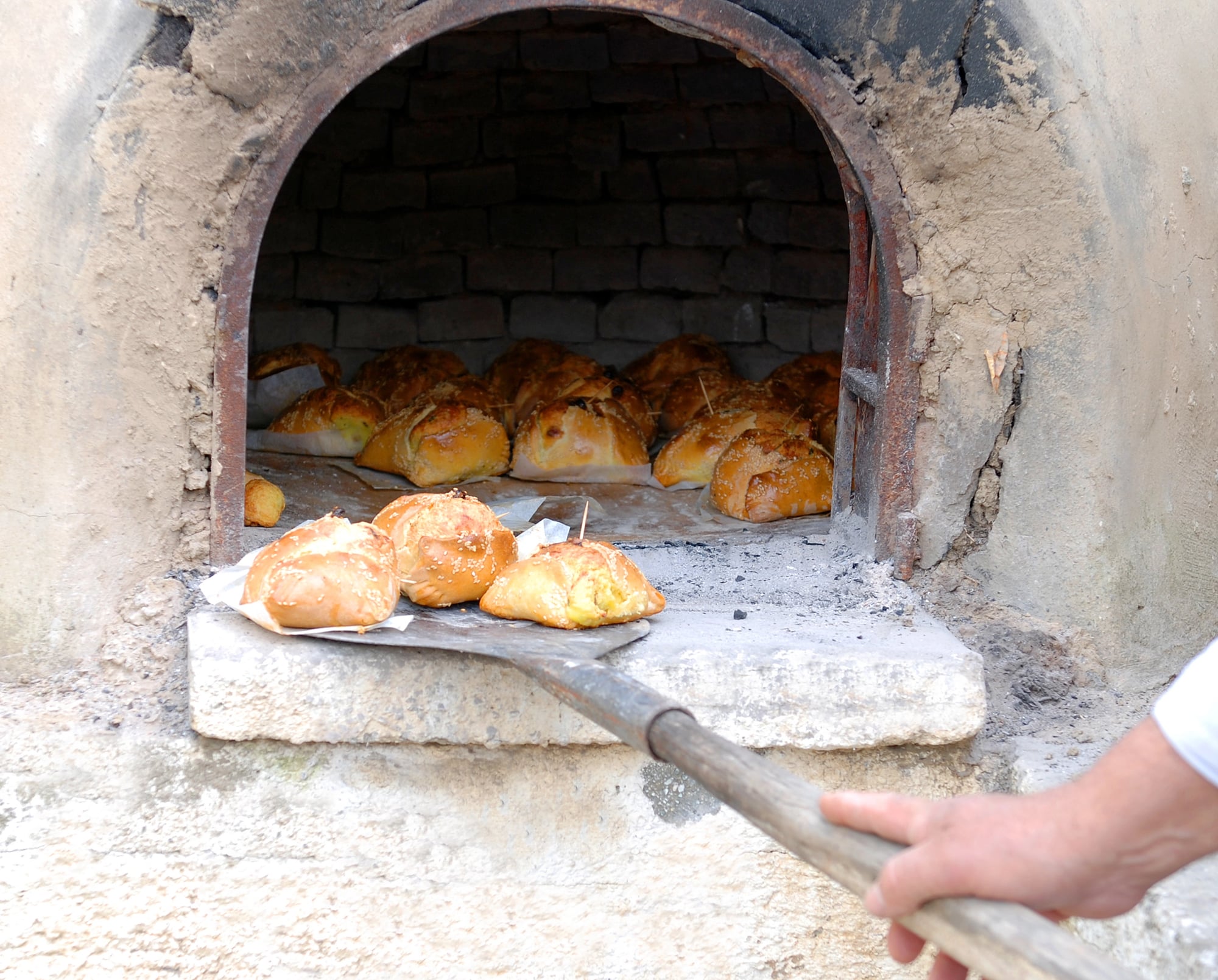
Early clay ovens held heat for long periods, making them perfect for bread or stew. Modern versions still draw cooks because they warm evenly and give food a deep, steady flavor.
Clay walls store heat like a slow-burning engine. People appreciate how these ovens do a big job with such a quiet design.
Bow drills
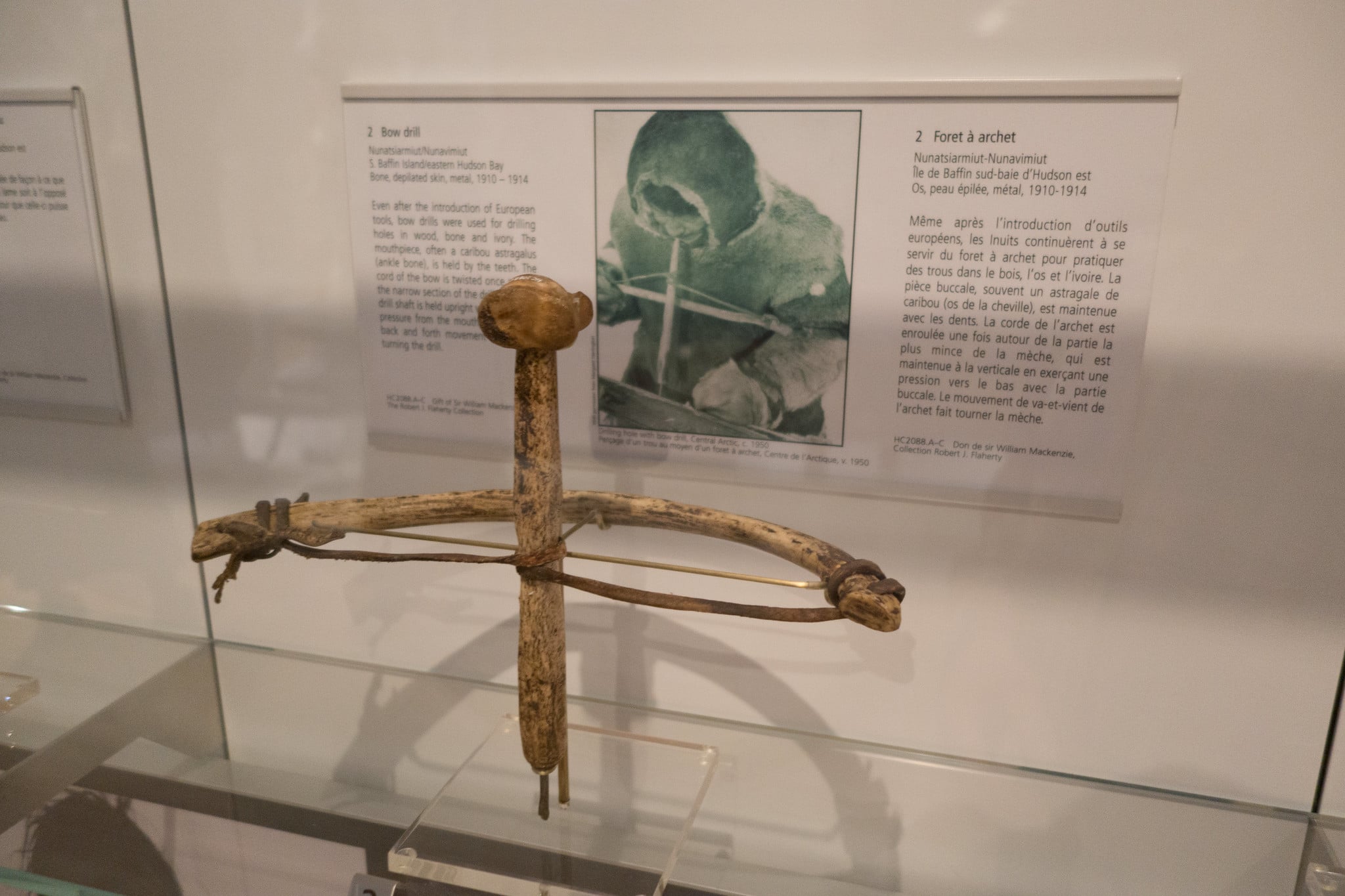
A bow drill uses a loop of cord to spin a tool for starting fires or shaping wood. The motion is smooth and controlled, making it handy even in rough outdoor settings.
Campers and craft lovers still reach for this tool because it teaches patience and technique. It works without worry about power outlets or batteries running low.
Water wheels
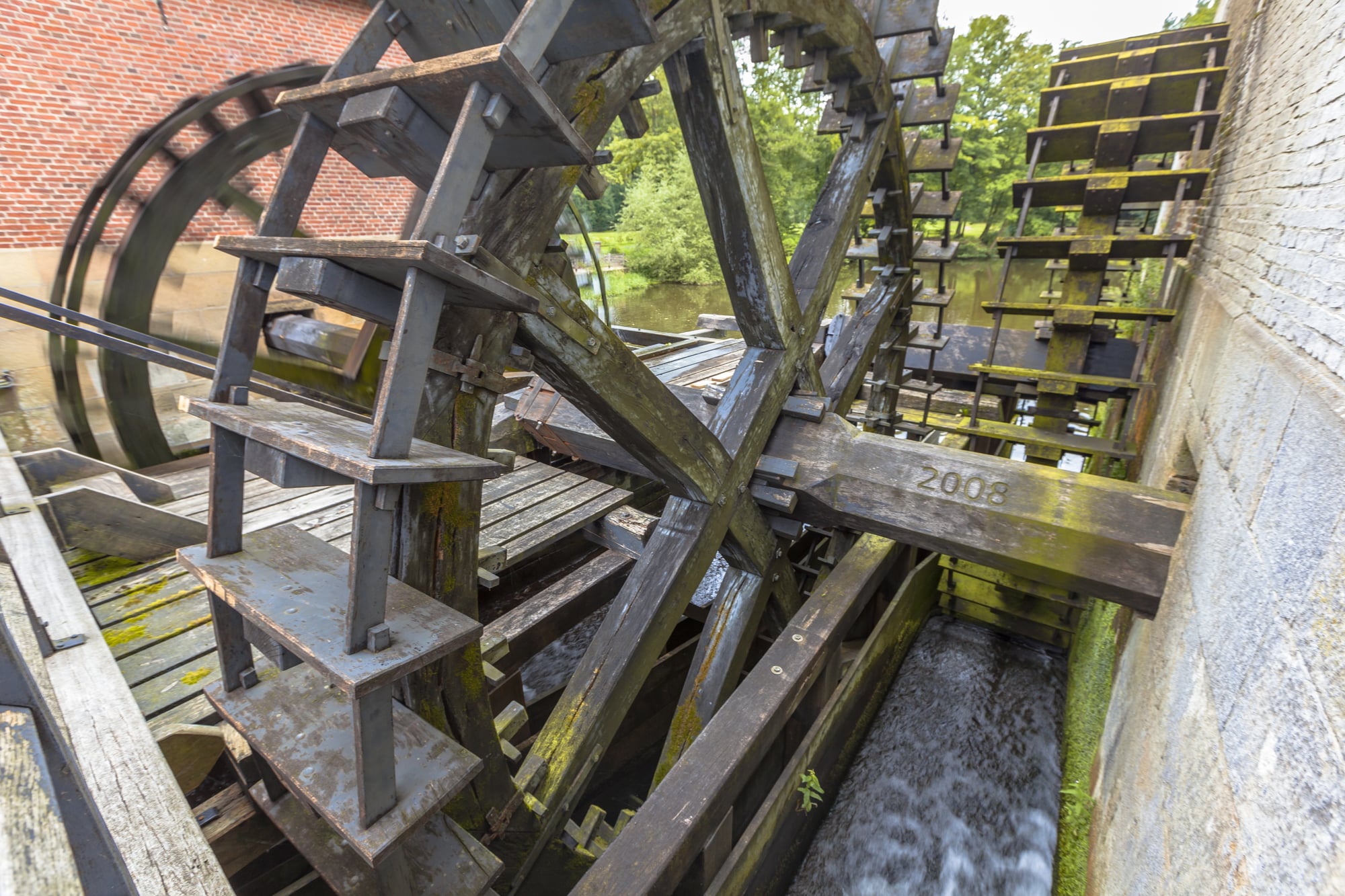
Ancient water wheels turned flowing streams into power for mills, and the same motion still drives small hydro systems today. The constant push of water spins the wheel and makes energy feel almost effortless.
Villages still use them in places where rivers do the heavy lifting. The setup keeps winning because nature handles most of the work.
The sundial
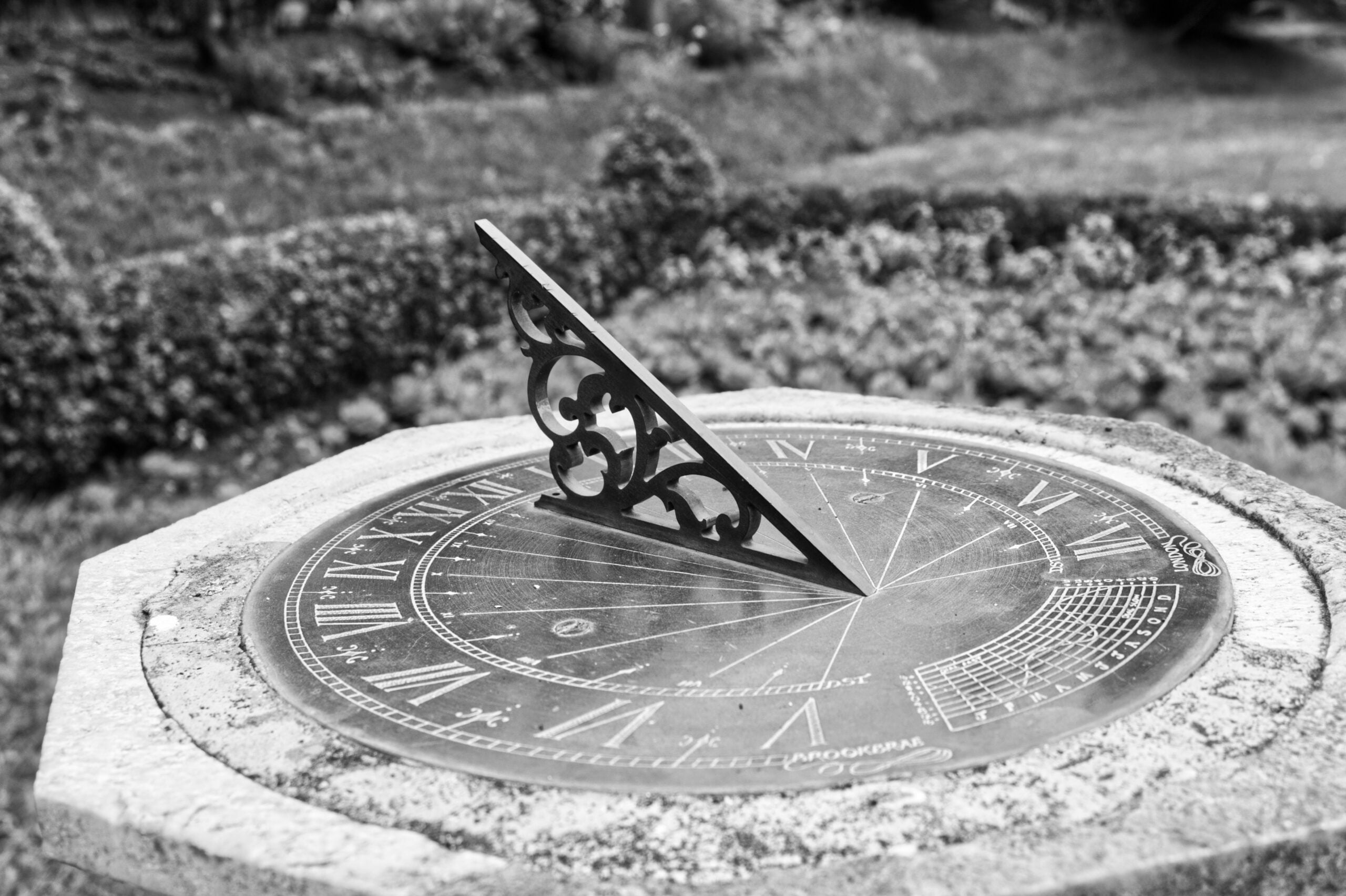
People used shadows on marked stones to track time long before clocks arrived. The slow sweep of sunlight across a dial still gives a clear readout when the sky is bright.
Many gardens keep sundials as working features because they blend charm with real function. Time moves calmly across the stone, just as it did for ancient watchers.
Plows

Simple plows shaped fields for early farming, and tractors still pull updated versions of the same idea. Cutting through soil to open space for seeds remains a basic part of growing food.
Farmers depend on the steady slice of a plow blade the way people once relied on oxen. No gadget replaces the clean turn of fresh earth.
Glass blowing
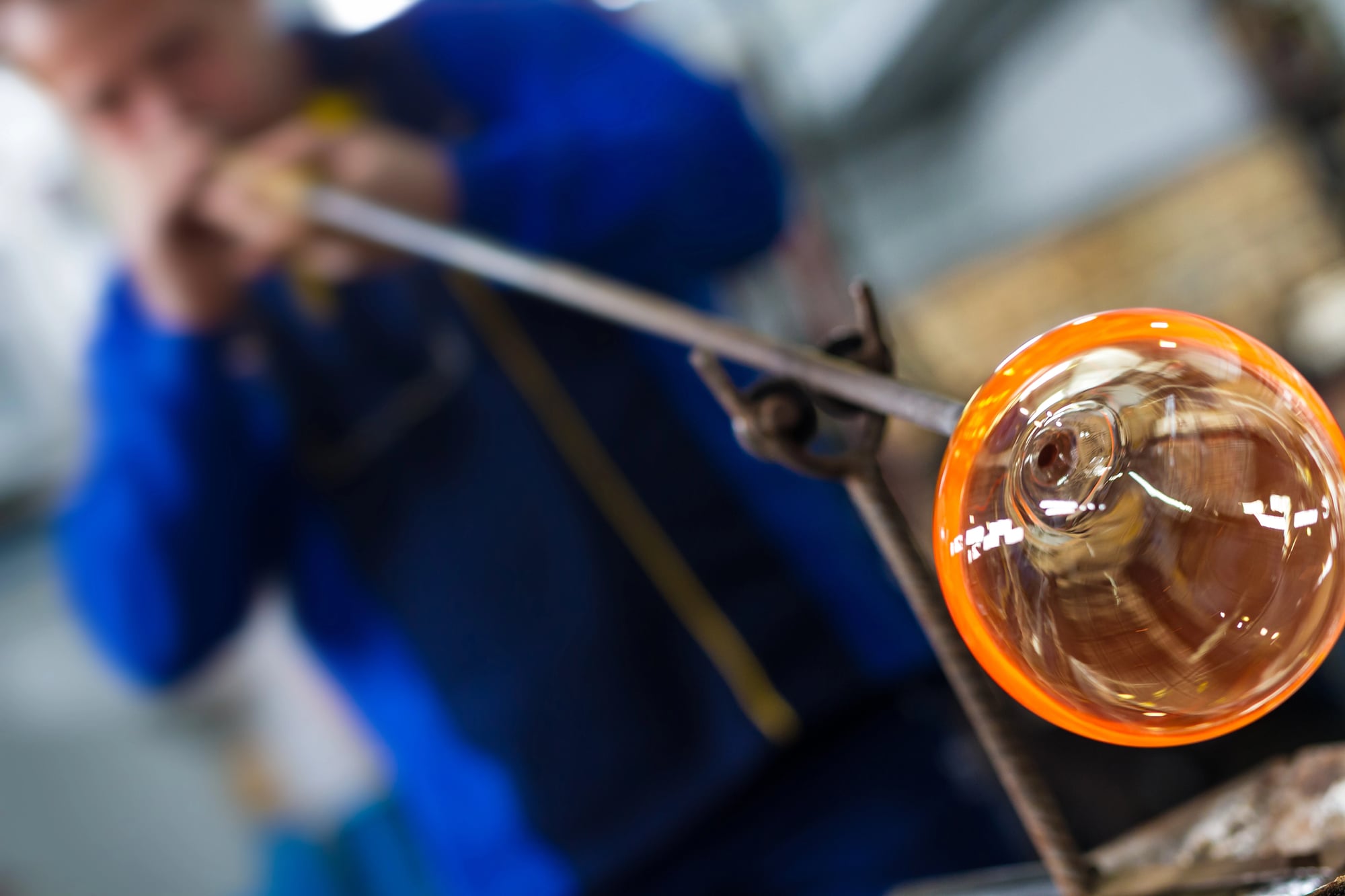
Early glassworkers shaped molten sand by blowing air through a tube, and modern artisans still follow the same rhythm. The glow of hot glass moves and sways under steady hands the same way it did long ago.
This method works because it gives the maker direct control over shape and thickness. Handmade glass still draws people who enjoy the slight quirks in every piece.
Pulleys

A pulley spreads weight along a rope so heavy loads feel lighter, and workers still use them in garages, shipyards, and theaters. The wheel at the top reduces drag and lets one person lift more than normal.
This small trick of physics saves backs and time all day long. It continues to shine because anyone can learn to use it in minutes.
Loom weaving
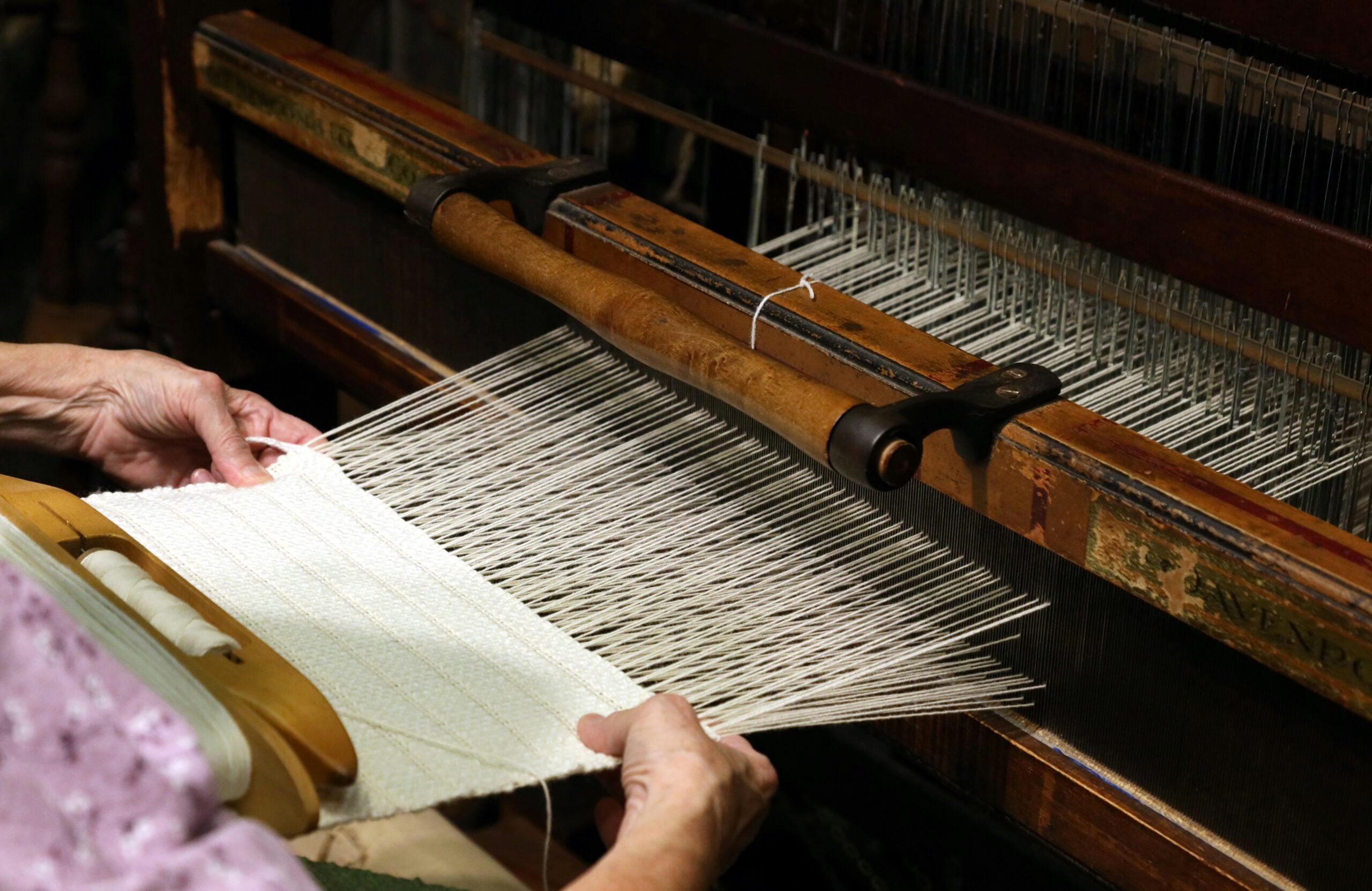
Ancient looms held thread under tension so cloth could form row by row. Today’s machines move faster but still follow that same up-down, back-and-forth pattern.
People rely on it because woven fabric keeps shape, breathes well, and lasts. Every shirt, towel, and blanket owes something to that early frame.
Metal forging

Heating metal until it softens and then shaping it with steady force still anchors modern toolmaking. Factories may use presses, but the idea of shaping hot metal remains unchanged.
This method gives strength and precision to parts that must hold up under pressure. The craft stays alive because heat and force make a dependable team.
Aqueduct channels

Ancient builders carved gentle slopes so water could flow from distant hills into busy towns. Modern water systems still use gravity to guide water across many miles.
This quiet pull handle works without pumps or wires. Engineers still rely on it because gravity never calls in sick.
Oil lamps

Early oil lamps used a simple wick and a small reservoir to give steady light, and they still work the same way during storms or outdoor trips. The flame stays calm and predictable when nothing else powers on.
People keep these lamps around because the design asks for little and gives a warm glow in return. It remains a handy backup when the world goes dark.
Old ideas carrying modern weight
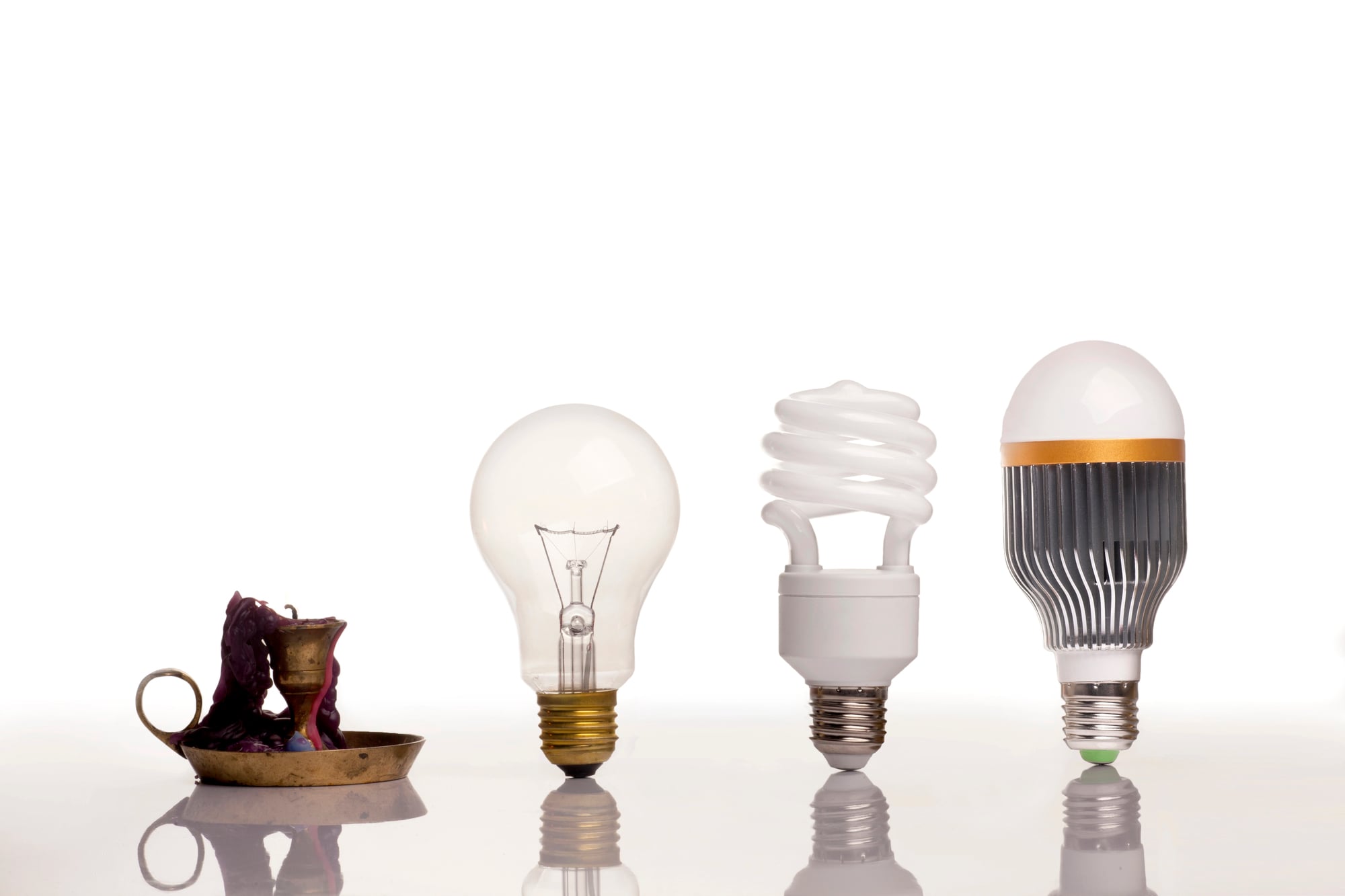
Many of these inventions hold up because they came from sharp observation of how the world works. Their makers focused on simple shapes, natural forces, and solid materials that still make sense today.
These tools link early hands to modern ones in a way that feels easy and honest. By leaning on clear logic rather than trends, they continue to slip into daily life without trouble. They remind people that good ideas stay steady, even as centuries roll by.
More from Go2Tutors!

- The Romanov Crown Jewels and Their Tragic Fate
- 13 Historical Mysteries That Science Still Can’t Solve
- Famous Hoaxes That Fooled the World for Years
- 15 Child Stars with Tragic Adult Lives
- 16 Famous Jewelry Pieces in History
Like Go2Tutors’s content? Follow us on MSN.