Ancient texts and manuscripts that remain mysteries
Some ancient writings sit in museums and libraries completely unreadable. Scholars have spent decades or even centuries trying to decode these texts, running every test and analysis imaginable.
The writing systems look organized and deliberate, suggesting real languages with actual messages, yet nobody can figure out what they say. These mysterious documents remind us that knowledge can be lost forever and that some secrets from the past might never get solved.
Here’s a look at 15 ancient texts that continue to puzzle experts worldwide.
Voynich Manuscript
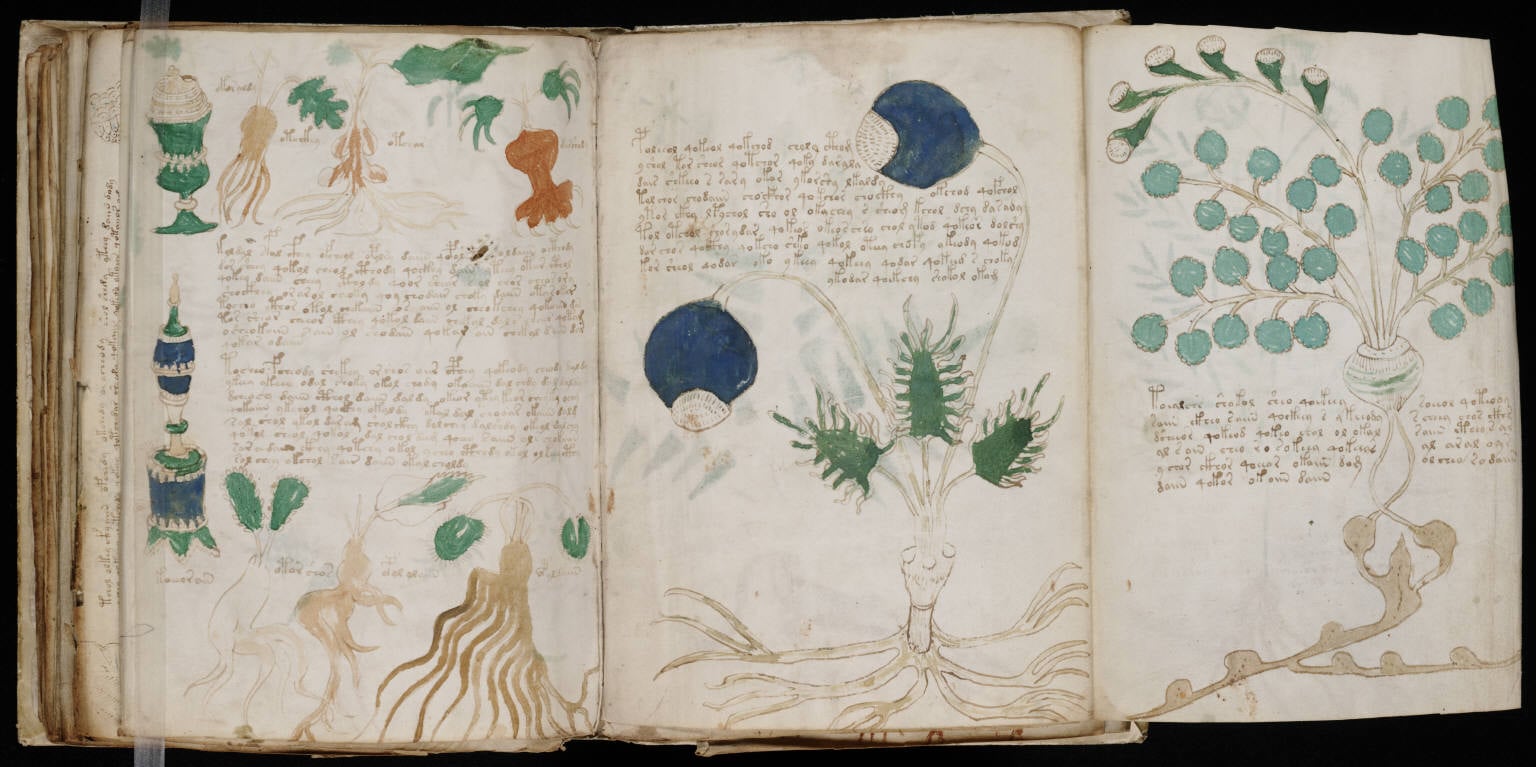
Carbon dating places this strange book between 1404 and 1438, making it over 600 years old. The manuscript contains around 240 pages filled with an unknown writing system that doesn’t match any language on Earth.
The pages show weird plant drawings that don’t match any known species, astronomical charts, and illustrations of women in pools connected by tubes. Some people think it’s an elaborate hoax, while others believe it contains genuine knowledge encoded in a lost language.
Computer analysis shows the text follows patterns similar to real languages, which makes the mystery deeper. The manuscript currently lives at Yale University, where anyone can view digital copies online, though nobody can read a single word of it.
Rongorongo script

Easter Island produced one of the world’s rarest writing systems, carved onto wooden tablets in the 1400s or earlier. Only around 27 tablets survive today, scattered across museums worldwide, with none remaining on the island itself.
The glyphs show humans, animals, plants, and geometric shapes arranged in neat rows. Readers had to rotate the tablet 180 degrees after each line, reading from bottom to top in a pattern called reverse boustrophedon.
Recent carbon dating of one tablet shows the wood came from a tree cut down between 1493 and 1509, centuries before Europeans arrived. The Peruvian slave raids of the 1860s killed most people who could read the script, and the knowledge died with them.
Researchers have identified around 400 different symbols among the 15,000 characters found on surviving tablets.
Linear A
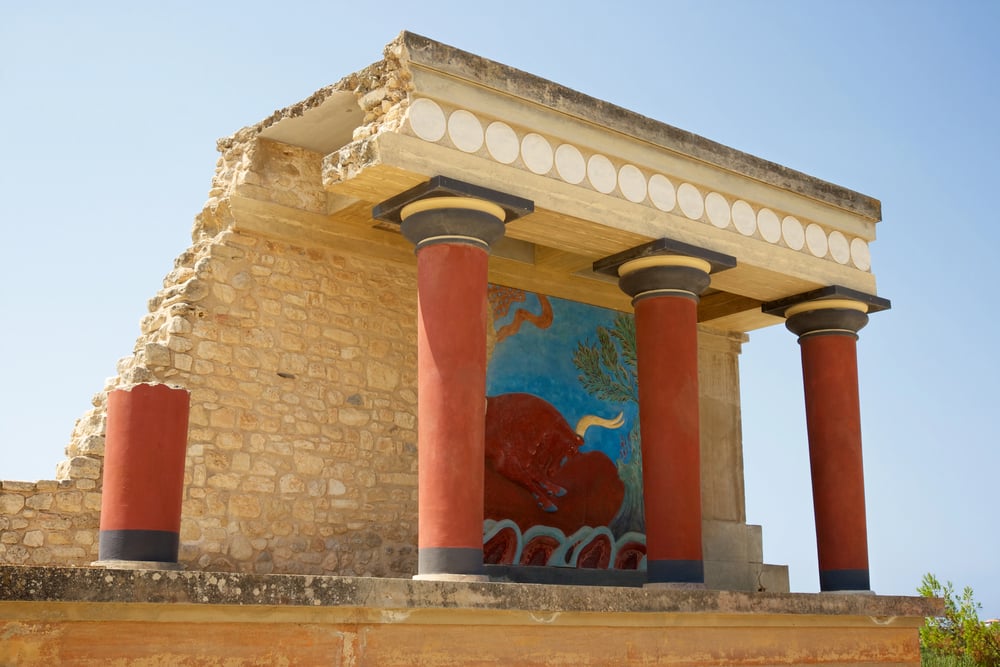
The Minoan civilization on Crete used Linear A to write their language from around 1800 to 1450 BC. Archaeologists have found this script on clay tablets, stone objects, and pottery throughout Crete and nearby Greek islands.
Linear A looks similar to Linear B, which scholars successfully deciphered in the 1950s as an early form of Greek. The problem is that Linear A appears to represent a completely different language that isn’t Greek or any other known language family.
Researchers can sound out the symbols but can’t understand what the words mean because the underlying language remains unknown. The script contains around 90 different signs, and about 1,400 inscriptions survive, most of them short administrative records about goods and offerings.
Without a bilingual text or a much larger sample, Linear A will likely remain unreadable.
Phaistos Disc

This round clay disc from Crete dates to somewhere between 1850 and 1300 BC, though experts argue about the exact period. Someone pressed 241 symbols into wet clay using stamps, creating a spiral of text on both sides.
The symbols show human figures, tools, plants, and animals unlike anything in other ancient scripts. No other examples of this writing system exist anywhere, making the disc completely unique.
Some scholars think it’s genuine ancient writing, while others suspect it might be a modern forgery created before the disc’s discovery in 1908. The symbols don’t match any known writing system from the ancient Mediterranean world.
Without more examples or some kind of translation key, the disc’s message remains locked away. The object sits in the Heraklion Archaeological Museum in Crete, still puzzling everyone who studies it.
Proto-Elamite

Ancient Iran developed Proto-Elamite writing around 3200 BC, making it one of the world’s oldest scripts. The system used over 1,000 different signs and appears on clay tablets found mainly in southwestern Iran.
Scholars can identify which signs represent numbers and which seem to be words, but they can’t read what those words say. The script evolved into Elamite cuneiform later, but that doesn’t help decode the earlier version because the languages might be different.
Most tablets deal with administrative records, tracking goods and transactions in ancient cities. The signs look nothing like Mesopotamian cuneiform even though both writing systems existed at roughly the same time.
Researchers estimate that around 1,600 tablets survive, though many are damaged or fragmentary. The script stopped being used after only about 200 years, replaced by systems that could be read until modern times.
Indus Valley script

The Harappan civilization created this writing system around 2600 BC in what’s now Pakistan and northwestern India. Archaeologists have discovered the script on thousands of objects including seals, pottery, and small tablets.
Most inscriptions are extremely short, with an average of just five signs per text. The script contains between 400 and 600 different symbols, which suggests it might represent a language with both syllables and whole words.
No bilingual texts exist to provide translation help, and researchers don’t even know for certain what language these ancient people spoke. The Indus Valley civilization disappeared around 1900 BC, taking all knowledge of their writing with them.
Some scholars think the symbols aren’t writing at all but rather religious or family emblems without linguistic content. The debate continues because the texts are too short to reveal clear grammatical patterns.
Rohonc Codex
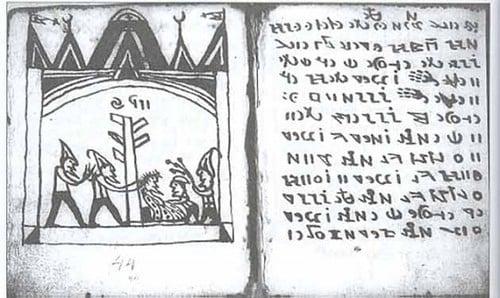
This 448-page book showed up in Hungary during the 19th century with no clear origin story. The manuscript contains around 87 unique symbols written right to left, with illustrations of religious and military scenes throughout.
Some people believe it’s an authentic medieval text in an unknown language, while others insist it’s a hoax created to fool collectors. The paper and ink seem consistent with medieval materials when tested, but that doesn’t prove the writing is genuine.
Several proposed decipherments have been announced over the years, but none have convinced other scholars. The symbols don’t clearly match any known alphabet, though they show some resemblance to various ancient scripts.
The codex sits in the Hungarian Academy of Sciences, available for anyone to study, yet it remains unreadable. If it’s real, it represents an unknown language or cipher, and if it’s fake, somebody put incredible effort into the deception.
Etruscan texts beyond basic vocabulary

Scholars can read Etruscan writing because Latin letters descended from it, but understanding what most texts mean remains difficult. The Etruscans lived in ancient Italy before Rome became powerful, creating a sophisticated civilization between 900 and 27 BC.
Researchers know about 200 Etruscan words from bilingual inscriptions and can translate simple tomb epitaphs. Longer texts remain mysterious because Etruscan doesn’t relate to Latin or any other known language.
The longest Etruscan text is the Liber Linteus, a 1,200-word religious manuscript written on linen strips that were later used to wrap an Egyptian mummy. Most of what survives consists of short funerary inscriptions that follow predictable patterns.
Without more bilingual texts or a breakthrough in understanding Etruscan grammar, the language’s deeper meanings stay hidden. Thousands of Etruscan inscriptions exist, yet scholars can only translate a small fraction.
Cretan hieroglyphics

Before Linear A appeared on Crete, an even older script called Cretan hieroglyphics was used from around 2100 to 1700 BC. The writing appears on clay tablets, seals, and stone inscriptions found throughout Crete.
The symbols show recognizable pictures of people, body parts, tools, and animals, but what they represent linguistically remains unknown. Some signs might be ideograms representing whole words, while others could indicate sounds.
Researchers believe Cretan hieroglyphics might encode the same language as Linear A, but without being able to read Linear A, that theory doesn’t help much. The script contains around 90 unique signs similar in number to Linear A’s symbols.
Most surviving texts are short administrative records or religious inscriptions. The hieroglyphic system fell out of use when Linear A took over, and knowledge of how to read it vanished with the shift.
Cypro-Minoan
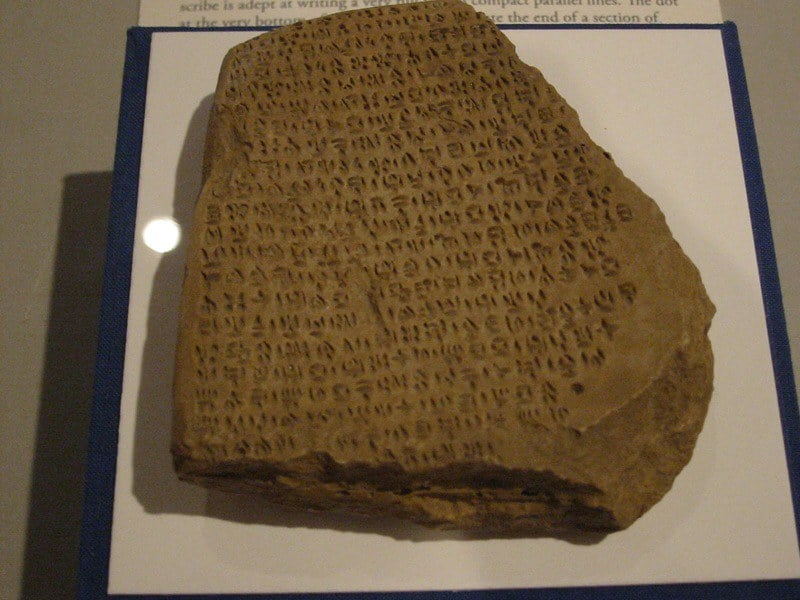
Cyprus developed its own writing system called Cypro-Minoan, used from around 1550 to 1050 BC. The script appears on clay tablets, metal objects, and stone inscriptions found throughout the island.
Scholars recognize three different variants of the script, suggesting either regional differences or evolution over time. The symbols look somewhat similar to Linear A from Crete, but the relationship between them isn’t clear.
Nobody knows what language Cypro-Minoan represents, though it might be an early form of the language later written in Cypriot syllabary. Only about 250 inscriptions survive, most of them very short.
The longest text contains just 218 signs, not enough to reveal clear patterns or grammar. The script disappeared when the Bronze Age ended around 1050 BC, replaced eventually by the Greek alphabet.
Without more texts or bilingual inscriptions, Cypro-Minoan will probably stay mysterious.
Olmec and Epi-Olmec scripts
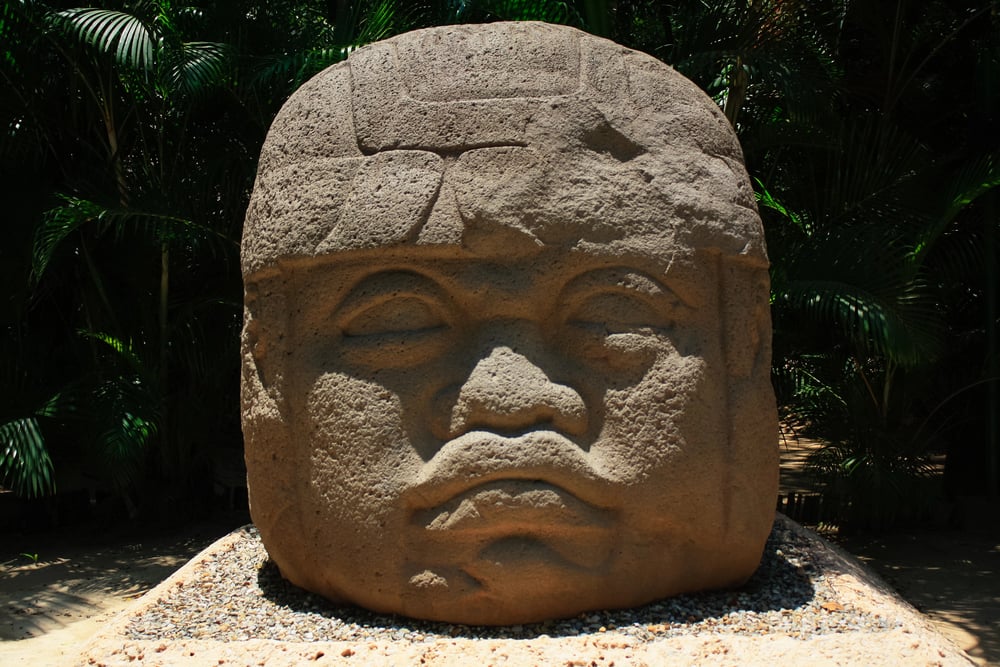
The Olmec civilization in ancient Mexico created writing systems that mostly remain undeciphered. The Cascajal Block from around 900 BC shows 62 signs in a pattern that might be text, representing possibly the oldest writing in the Americas.
The later Epi-Olmec script, used from around 300 BC to 450 AD, appears on stone monuments and appears to be syllabic. Only a handful of Epi-Olmec inscriptions survive, with the longest being the La Mojarra Stela containing around 500 glyphs.
Some claimed decipherments have been published, but they remain controversial and unaccepted by most scholars. The script might encode an early form of the Mixe-Zoque language family.
Without more texts or bilingual inscriptions, confident translation remains impossible. These scripts represent independent inventions of writing in the Americas, separate from Mayan hieroglyphics, making them scientifically important even though they can’t be read.
Issyk inscription

A strange find turns up in a grave older than two thousand years – silver holds twenty-six marks unlike anything seen before. Found in Kazakhstan, the cup carries signs that could whisper of old Turkic speech, maybe Persian roots, perhaps neither.
Not one matches scripts already recorded across ancient lands. Alone it stands, this lone artifact, its message locked tight by time’s grip.
Over years, experts offered many ideas, yet not one stands proven or gained trust. Shortness of the carved words, their odd shape, makes solving feel out of reach.
Language unknown, no parallels found – so meaning might float free or vanish entirely. Housed now in a Kazakh museum, the vessel holds letters silent since long ago.
Some messages drift through time without ever being understood.
Singapore Stone
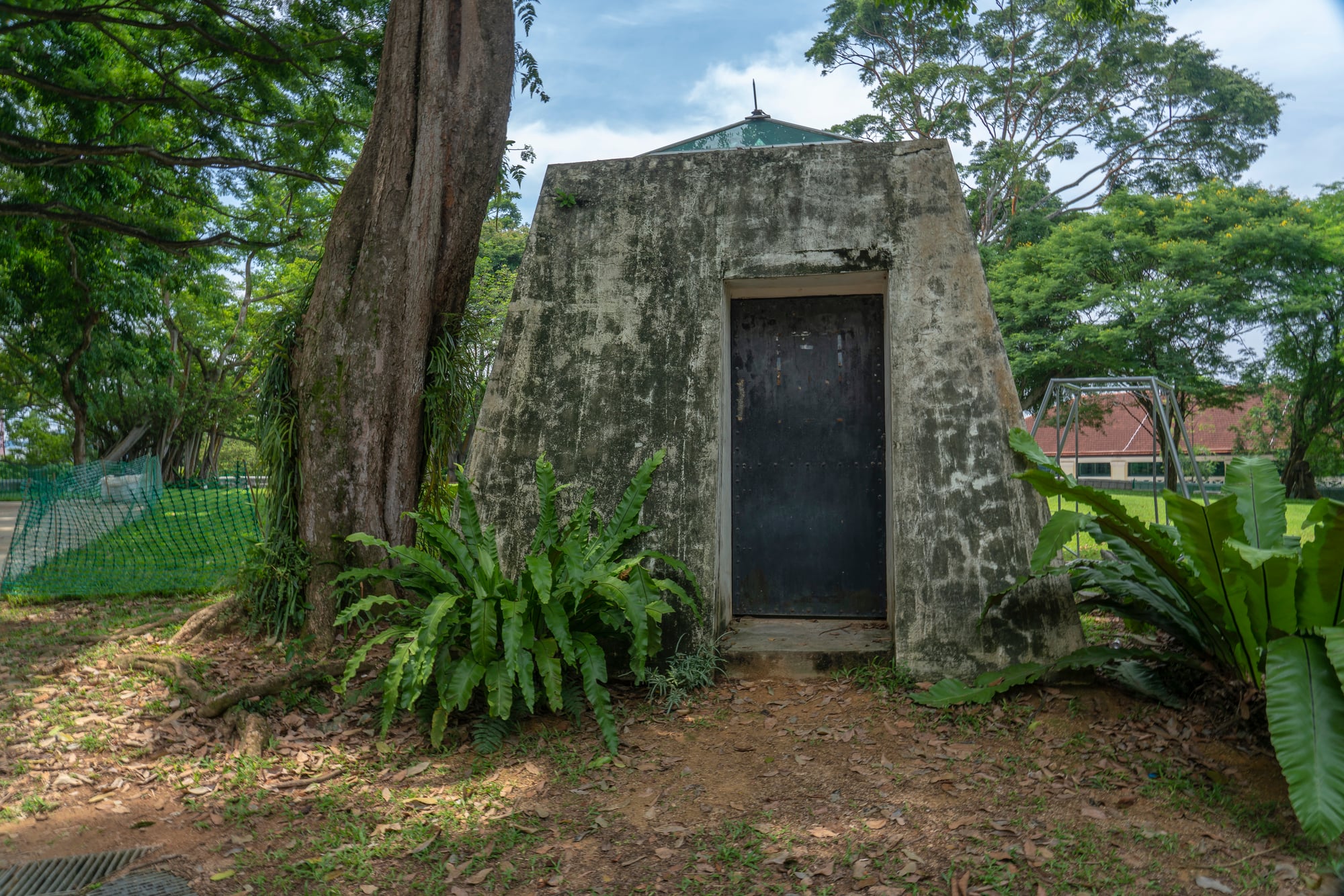
A chunk of stone once sat by the water, marked with lines no one could read. This piece, heavy like two grown men, now rests inside a building meant for keeping things from long ago.
What’s carved there fits no alphabet ever seen around these parts. Some think it came from faraway islands, others point to southern India or holy languages of priests.
Guesses fly, yet answers stay hidden. Maybe around the 10th to 14th century is when the stone first appeared, guessed from old records.
After wrecking began, most of the carved words vanished – along with their meaning. Only a broken piece remains, not enough to make sense of what once stood clear.
This kind of writing? A puzzle left behind long ago. Chances are, nobody will ever crack it since the clues went up in smoke before anyone paid attention.
Why mysteries endure

Some old writings stay hidden because we lack clues about where they came from. Breaking unknown scripts usually depends on having plenty of examples, translations in another tongue, or links to familiar languages nearby.
If a society falls fast, or only a few people understood the script, that skill can disappear quickly – sometimes in just one lifetime. Today’s researchers have powerful aids like digital scanning, pattern detection by machine, and global archives full of data.
Still, even the best tech cannot fill gaps when core pieces are simply gone. One day, a stray discovery could unlock what centuries have hidden.
Scripts unlike any living tongue twist into shapes we cannot grasp, their rules lost to time. Take the Voynich Manuscript – its pages whisper in an alphabet without clues.
Or Rongorongo, carved on wood, speaking in rhythms no one hears anymore. Then there is Linear A, still untouched by translation.
Each stands like a note left behind after everyone vanished. They are not just odd writings; they hold thoughts once vital, now out of reach.
What if they carried songs? Laws? Instructions for healing? The silence stretches, filled only with guesses.
Progress may come through luck more than logic. For now, those words wait, suspended between meaning and memory.
More from Go2Tutors!

- The Romanov Crown Jewels and Their Tragic Fate
- 13 Historical Mysteries That Science Still Can’t Solve
- Famous Hoaxes That Fooled the World for Years
- 15 Child Stars with Tragic Adult Lives
- 16 Famous Jewelry Pieces in History
Like Go2Tutors’s content? Follow us on MSN.