Animals Put on Trial in Medieval Times
Medieval justice didn’t just apply to humans. Courts across Europe regularly hauled animals into the courtroom, complete with lawyers, witnesses, and formal verdicts.
These weren’t simple cases of dealing with dangerous beasts either. The legal system treated animals as moral agents who could be guilty of crimes, deserving the same legal process as any person.
Pigs got prosecuted for attacking children, roosters faced charges for laying eggs, and entire insect populations received summons to appear before judges. Let’s look at some of the strangest animal trials that actually happened during this unusual period of legal history.
Pigs on trial for murder
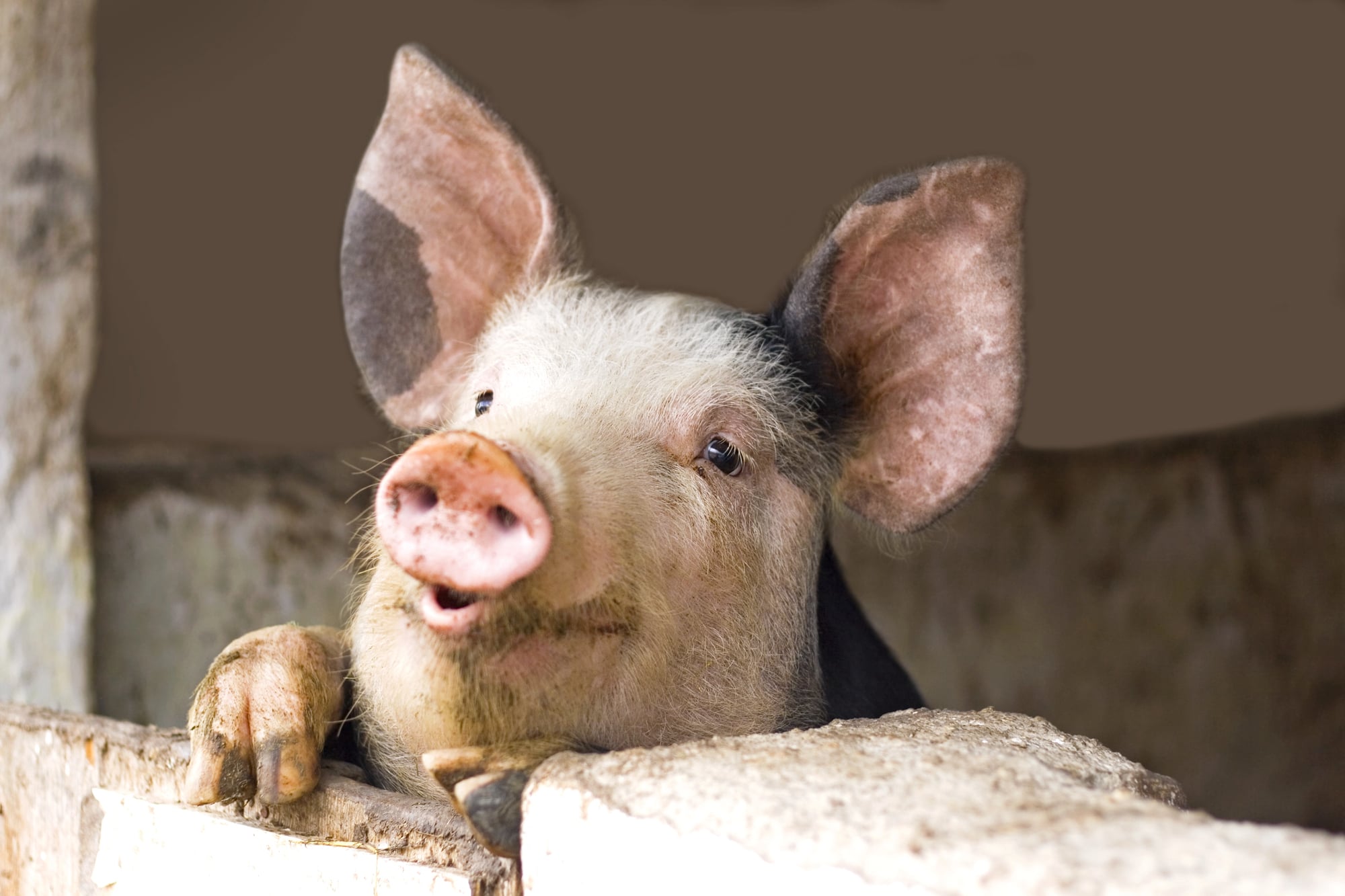
Pigs frequently ended up in medieval courtrooms, often facing murder charges. These weren’t rare occurrences either, with dozens of documented cases across France alone.
In 1386, a pig in Falaise attacked and killed a child, leading to a full criminal trial complete with witnesses and testimony. The court found the pig guilty and sentenced it to be hanged in the public square while wearing human clothing.
The execution drew massive crowds who watched as the pig met the same fate as any human murderer would have received.
Rats summoned to court

The town of Autun in France took legal action against rats in 1522 after they destroyed local barley crops. Officials posted formal summons throughout the area, ordering all rats to appear in court on a specific date.
The rats’ defense attorney, Bartholomew Chassenée, argued brilliantly that his clients needed more time because the journey was dangerous and cats along the route posed a threat. The judge actually accepted this reasoning and postponed the trial, though the final verdict remains lost to history.
Weevils given their own land

An entire community of weevils faced trial in 1587 for damaging vineyards in Saint-Jean-de-Maurienne. The insects received legal representation, and their lawyer negotiated an interesting settlement.
The court granted the weevils their own plot of land outside town where they could live without persecution. Church officials blessed this designated area, and the weevils were formally ordered to relocate there.
Whether the insects complied with the court order remains unknown.
A rooster accused of laying an egg

Roosters that supposedly laid eggs faced serious charges in medieval courts because people believed these eggs could hatch basilisks, the mythical serpent creatures. Basel, Switzerland tried a rooster in 1474 for this unnatural act.
The prosecution argued that the egg posed a danger to the entire community. Despite the defense attorney’s efforts to prove the rooster’s innocence, the court found the bird guilty of being in league with dark forces and burned it at the stake along with the suspicious egg.
Locusts excommunicated from the church

The Catholic Church held special ecclesiastical trials for pests that destroyed crops, treating them as spiritual matters rather than criminal cases. In 1338, locusts devastating the Lombardy region received formal excommunication after a proper church trial.
The bishop issued official documents declaring the insects cut off from God’s grace. Church officials believed this spiritual punishment would drive the locusts away or cause them to die, though records don’t confirm whether the excommunication actually worked.
A pig dressed as a person for execution

Medieval executioners didn’t just kill guilty animals in simple ways. In Savigny, France, authorities dressed a condemned pig in a jacket, breeches, and gloves before hanging it in 1457.
The pig had attacked a young child, and the court wanted the execution to mirror human justice completely. Spectators gathered to watch the bizarre scene, which officials viewed as reinforcing moral order.
The cost of the pig’s clothing and the executioner’s fee appeared in official town records that still exist today.
Dolphins prosecuted for eating fish

Marseille took legal action against dolphins in the 13th century after fishermen complained the animals were stealing too many fish from their nets. The court held a proper trial with arguments from both sides.
Interestingly, the dolphins’ lawyer successfully defended them by arguing they had natural rights to fish in the sea. The court agreed and dismissed the charges, making this one of the few documented cases where animals won their trials outright.
Bulls sentenced for goring people

Bulls that injured or killed humans faced criminal trials just like any murderer would. In 1499, a bull in Beaune, France gored a man to death and stood trial for the crime.
The court appointed a defense lawyer who argued the bull acted on instinct without criminal intent. The prosecution countered that all creatures must follow God’s law and maintain peaceful behavior.
The guilty verdict led to the bull’s execution, with its meat forbidden from being eaten as punishment for the crime.
Horses tried for killing their masters

Horses occasionally faced trials when they caused their rider’s death, whether through throwing them or trampling them. Courts treated these incidents as potential murder cases requiring investigation.
In some documented instances, witnesses testified about the horse’s behavior and temperament. If the court determined the horse acted with malicious intent rather than mere accident, it could face execution.
Otherwise, it might be sold off with the proceeds going to the victim’s family as compensation.
Worms ordered to leave gardens

Garden worms and caterpillars received summons to court when they damaged crops in multiple French towns. The trials followed ecclesiastical procedures since church authorities handled agricultural pests differently than criminal animals.
Lawyers for the worms sometimes successfully argued that God created these creatures and gave them the right to eat plants. Other cases resulted in formal curses and orders for the worms to vacate the area within a set time period, with excommunication threatened for non-compliance.
A dog hanged for theft

Dogs faced criminal prosecution for various offenses beyond just biting people. In Chichester, England, a dog stood trial for stealing and eating a piece of meat from a butcher’s shop.
The court took the case seriously, appointing legal representation for the accused dog. After hearing evidence, the judge found the dog guilty of theft.
The sentence required the dog to be hanged on the public gallows, sending a message that theft wouldn’t be tolerated from any creature.
Moles sued for damaging fields

Farmers in Stelvio, Italy brought a civil suit against moles in 1519 for destroying their fields with tunnels and mounds. The case went through proper legal channels with lawyers arguing both sides.
The moles’ attorney pointed out that his clients lived underground long before the farmers planted their crops. The court eventually reached a compromise, designating certain fields where moles could live undisturbed while banning them from others.
Officials posted the verdict publicly, as if the moles could read it.
A sow and her piglets all tried together

In 1457, a sow and her six piglets faced murder charges together in Savigny for killing a child. The trial examined each animal separately to determine individual guilt.
Witnesses testified about which pig caused the fatal injuries and which ones merely participated. The court found the mother sow guilty and sentenced her to death, but acquitted the piglets due to their youth and the bad example set by their mother.
This verdict showed that medieval courts considered age and influence even for animals.
Snails ordered to stop eating crops

Vineyard owners in Mâcon took legal action against snails destroying their grape vines in the 16th century. The ecclesiastical court heard arguments about the snails’ right to eat versus the farmers’ right to protect their livelihood.
Church officials attempted to negotiate a settlement between the parties. The case dragged on for years with multiple court appearances.
Eventually, the church issued a formal curse against the snails, ordering them to leave or face divine punishment, though enforcement proved difficult.
Cows tried for breaking property

Cows that broke through fences and damaged property could end up in court facing charges. These cases typically involved questions of responsibility and compensation rather than moral guilt.
Courts had to determine if the cow acted on its own or if the owner bore responsibility for poor containment. In some cases, the cow itself faced punishment while in others the owner had to pay damages.
The trials helped establish early precedents for property damage and animal control laws.
Mice given safe passage out of town

The town of Berne dealt with a mouse infestation through legal channels in the 1400s. Rather than simply killing the mice, officials summoned them to court and appointed legal representation.
The lawyer for the mice successfully negotiated an agreement where the rodents would be given safe passage to leave town without harassment from cats or humans. The court formally documented this arrangement and posted notices giving the mice a deadline to evacuate.
Town records show officials took the agreement seriously, though the mice apparently couldn’t read.
Beetles tried for destroying vineyards
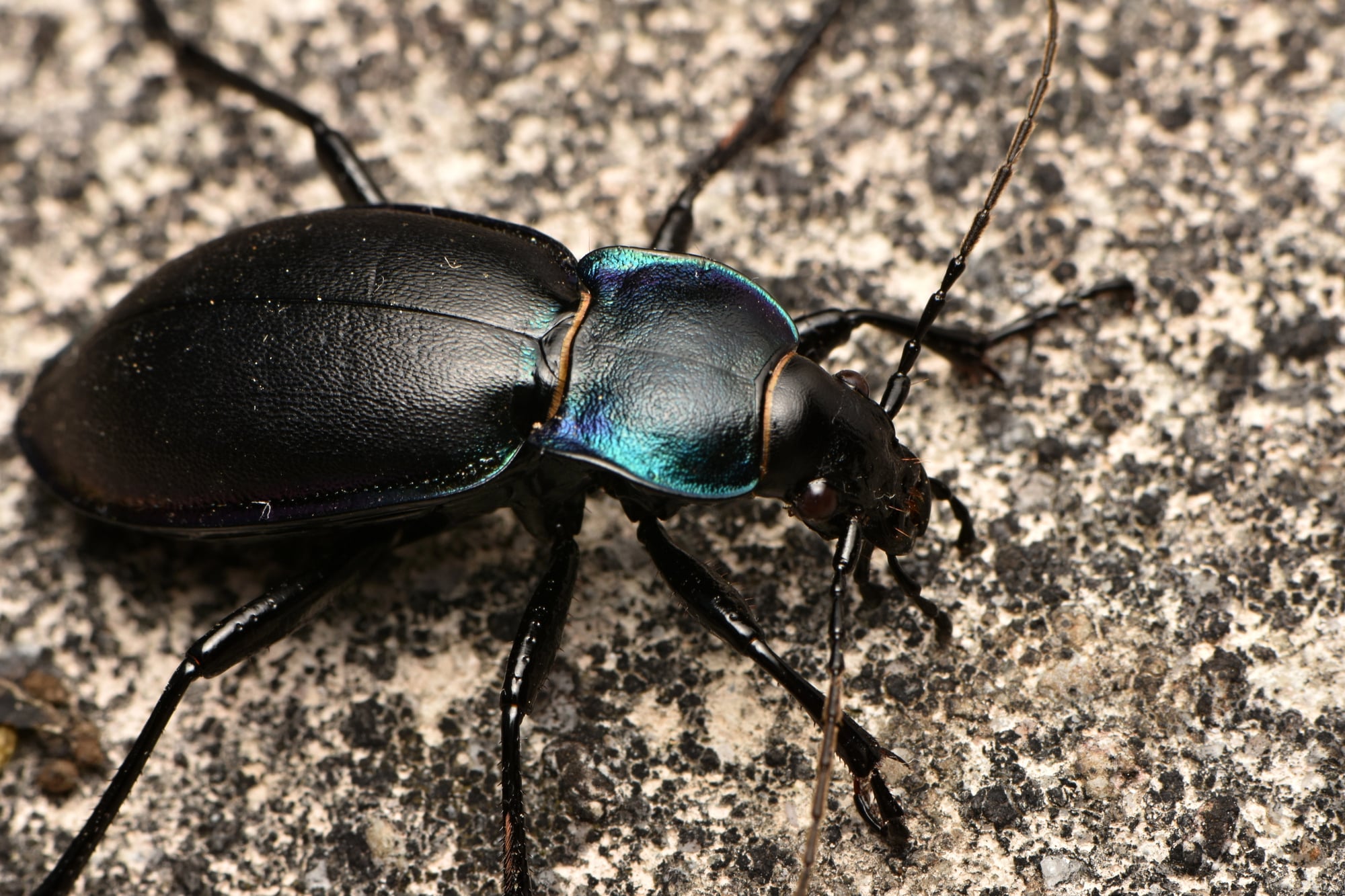
Beetles attacking French vineyards faced ecclesiastical trials on multiple occasions during the 15th and 16th centuries. These cases involved formal church procedures including prayers, ceremonies, and legal arguments.
Lawyers for the beetles sometimes argued their clients were instruments of God sent to punish sinful communities. Prosecutors countered that the beetles exceeded their divine mandate and caused excessive damage.
Courts issued various sentences including excommunication, formal curses, and orders to relocate to designated wasteland areas.
Termites sued for damaging buildings

Brazilian colonists brought Portuguese legal traditions with them, including animal trials. In one documented case, termites faced prosecution for destroying wooden structures in a monastery.
The insects received legal representation who argued they were simply following their God-given nature. The court, influenced by Catholic legal traditions from Europe, held formal proceedings complete with witness testimony about the extent of the damage.
The verdict required the termites to leave within three days or face ecclesiastical punishment, showing these practices extended beyond Europe.
When courts finally stopped trying animals
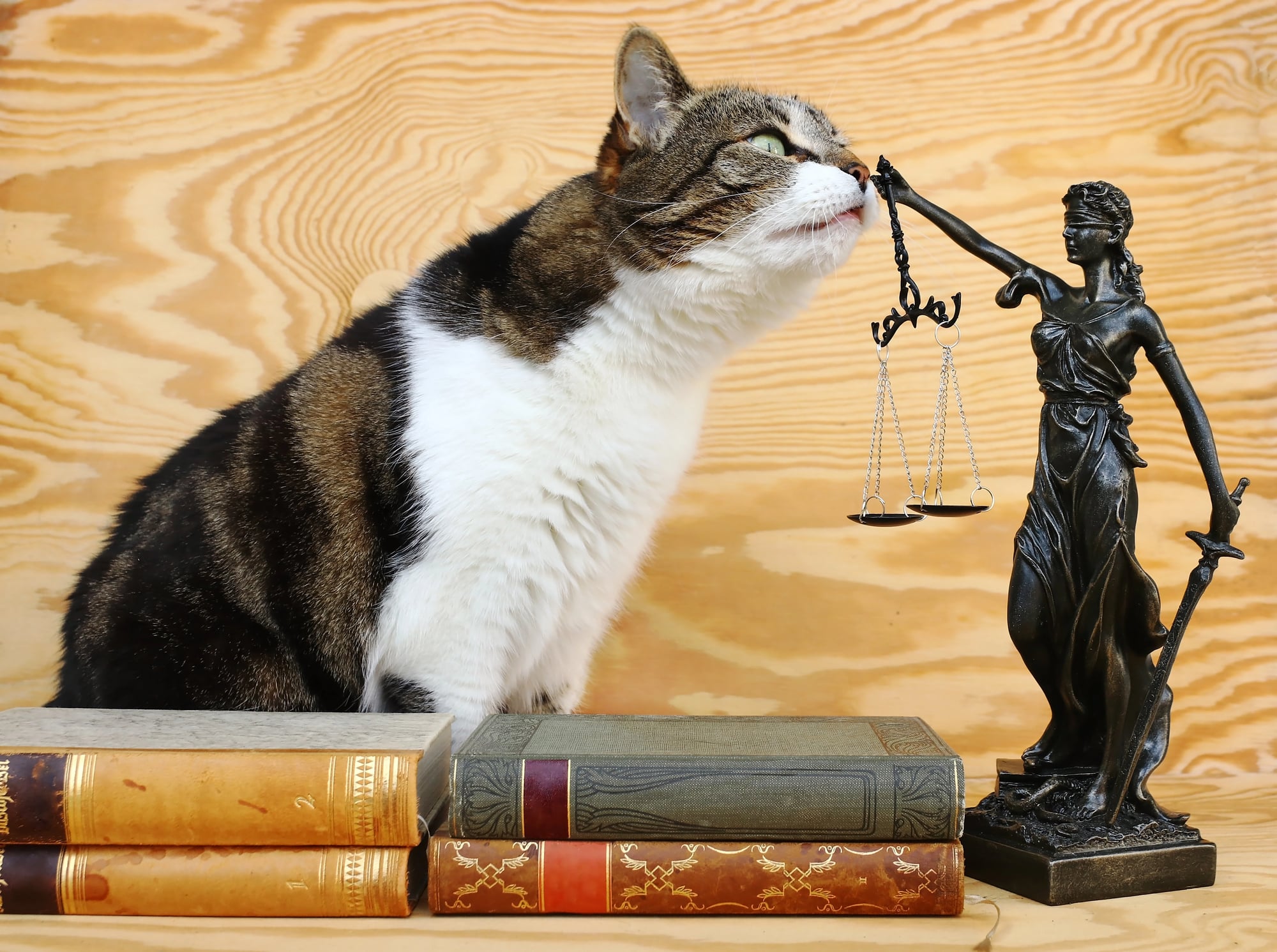
Animal trials gradually disappeared as the Enlightenment brought new ways of thinking about justice and nature. The last well-documented case occurred in France in 1750 when a man and a female donkey were both charged with improper behavior.
Interestingly, the court acquitted the donkey after local priests testified to the animal’s good character and virtuous behavior.
More from Go2Tutors!

- The Romanov Crown Jewels and Their Tragic Fate
- 13 Historical Mysteries That Science Still Can’t Solve
- Famous Hoaxes That Fooled the World for Years
- 15 Child Stars with Tragic Adult Lives
- 16 Famous Jewelry Pieces in History
Like Go2Tutors’s content? Follow us on MSN.