Animals Used in Ancient Warfare
Armies throughout history didn’t just rely on human soldiers to win their battles. They brought along creatures of all sizes to help them fight, carry supplies, and intimidate their enemies.
Some of these animals became legendary for their role in famous victories and crushing defeats. Here’s a look at the creatures that ancient warriors took into combat.
War Elephants
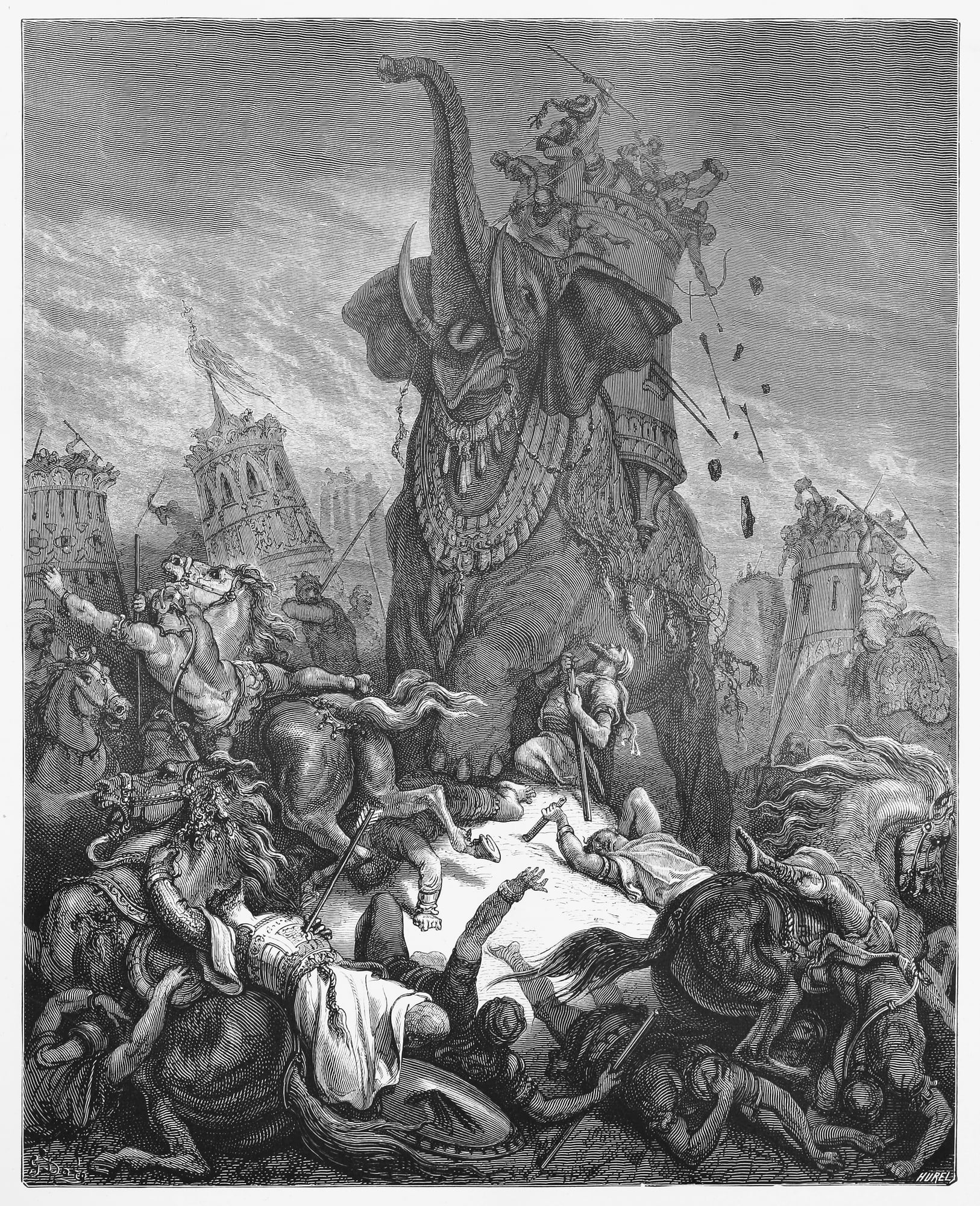
Elephants became the tanks of the ancient world, crashing through enemy lines and causing complete chaos on the battlefield. Armies in India started using them around 1100 BC, and the practice spread to Persia, Carthage, and beyond.
These massive animals could carry several soldiers on their backs while trampling infantry and breaking through formations that no human force could penetrate. The famous general Hannibal brought 37 elephants across the Alps to attack Rome, though most of them died from the cold during the journey.
Enemy soldiers often panicked at the sight of these giants, but the elephants themselves sometimes got spooked and turned around, crushing their own troops instead.
Horses in Cavalry Charges
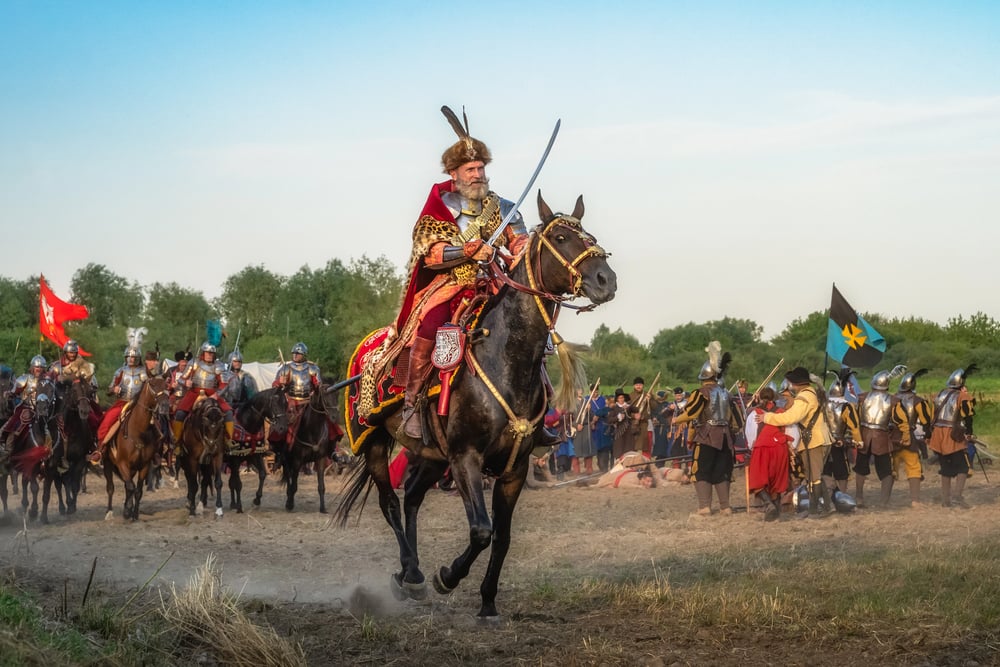
Horses changed warfare completely when people figured out how to ride them into battle around 4000 BC. The speed and power of a mounted warrior gave armies a huge advantage over foot soldiers who couldn’t escape or match their mobility.
Ancient Assyrians, Persians, and Macedonians built entire military strategies around cavalry units that could strike fast and disappear before the enemy responded. A single horse and rider working together became worth several infantry soldiers in many situations.
The stirrup hadn’t been invented yet in most ancient civilizations, so riders needed incredible skill to fight while staying mounted.
Dogs as Attack Animals
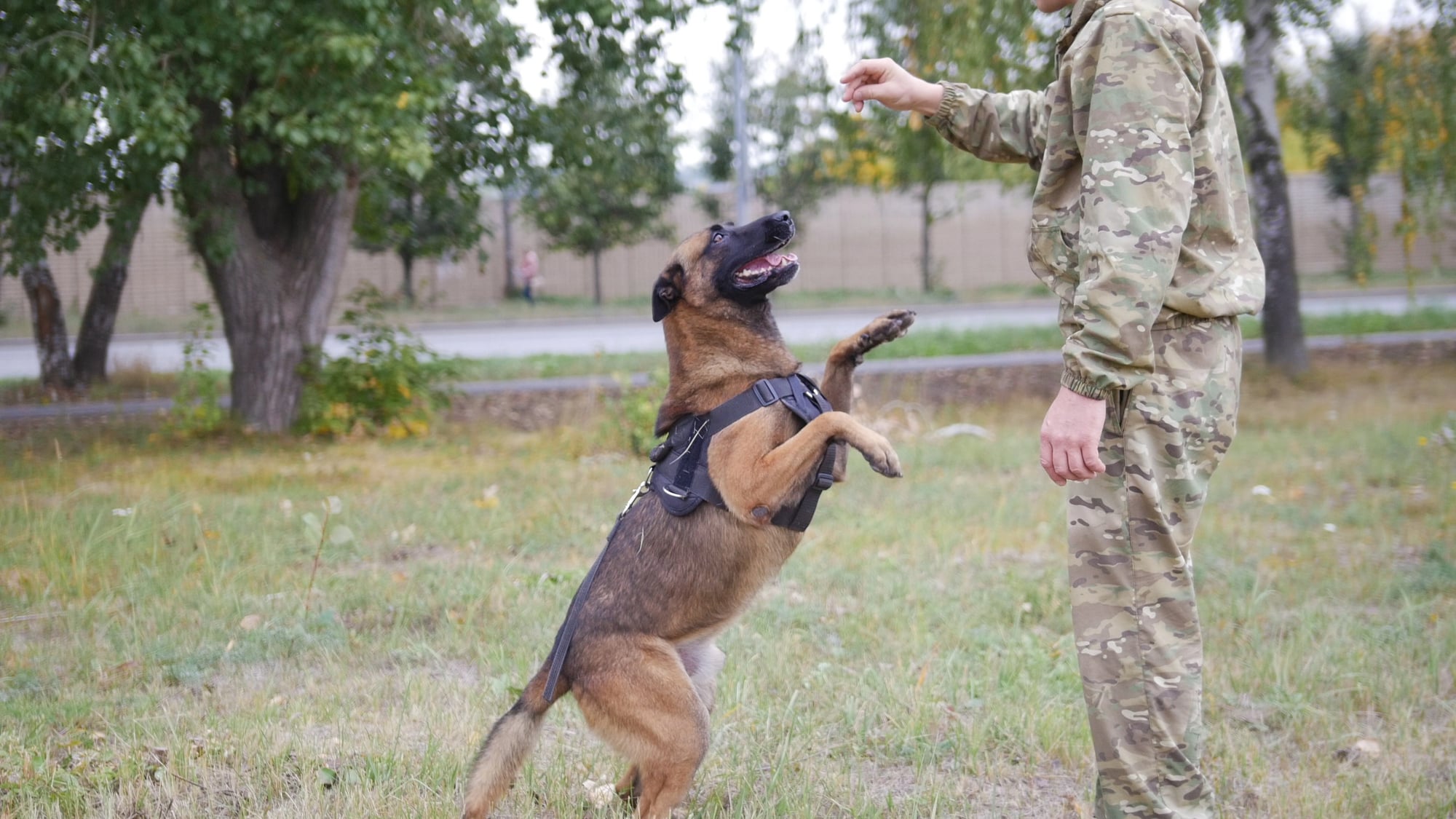
Ancient armies trained dogs to run directly at enemy soldiers and attack them during battles. The Romans used massive Molossus dogs, ancestors of modern mastiffs, wearing spiked collars and sometimes armor.
These war dogs would charge ahead of the troops to break up enemy formations and create fear. The Greeks also sent dogs into combat, particularly during nighttime raids when the animals’ superior senses gave them an advantage.
Some cultures even starved their war dogs before battles to make them more aggressive and desperate.
Camels for Desert Combat
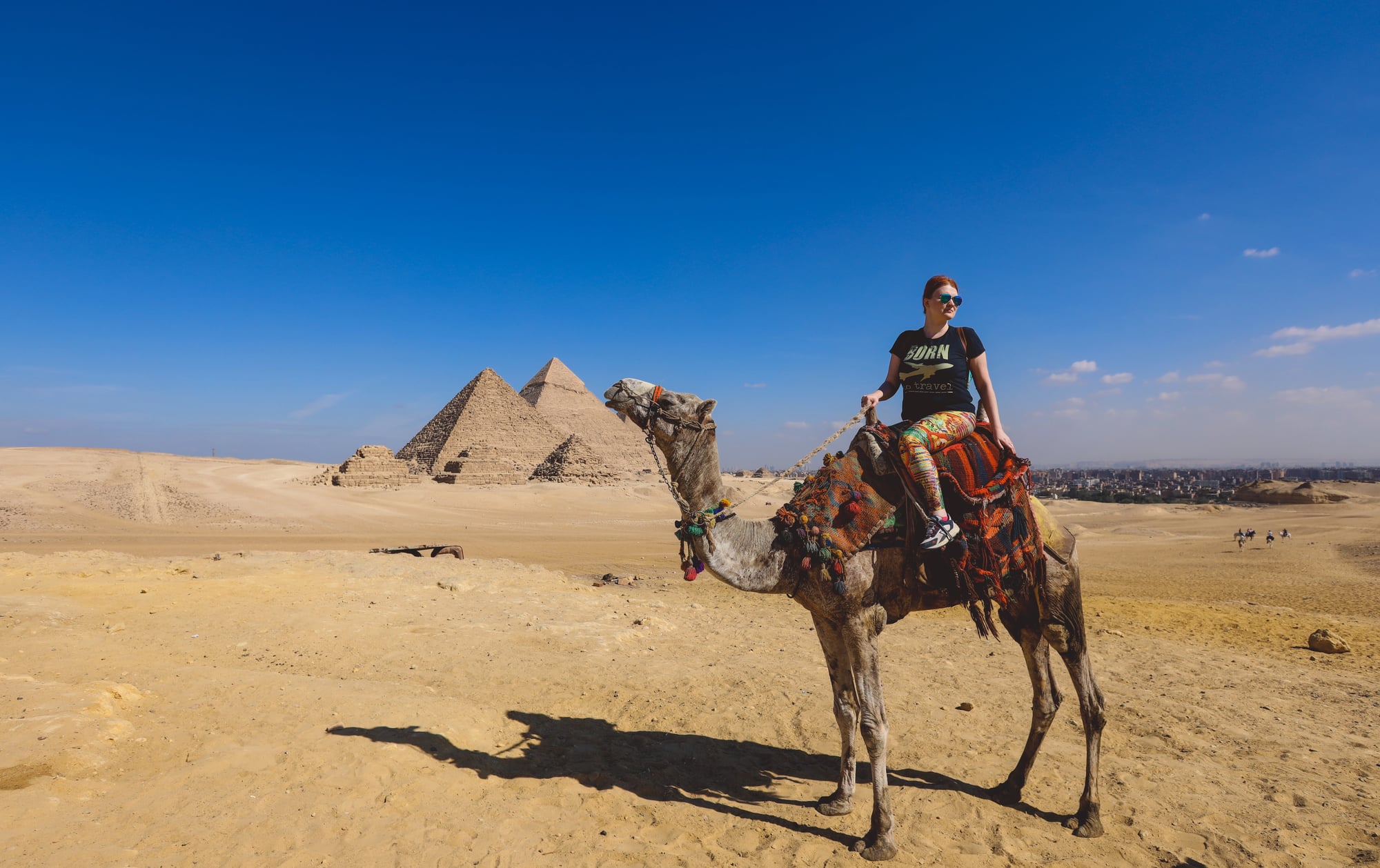
Camels gave armies the ability to cross deserts that would kill horses and soldiers within days. The Achaemenid Persian Empire used camels extensively for both transport and direct combat in their desert campaigns.
These animals could go much longer without water than horses and carried heavier loads across terrain where wheeled vehicles became useless. Arabian and North African forces put archers on camelback, creating mobile firing platforms that confused enemies unfamiliar with the animals.
The smell and appearance of camels often spooked enemy horses, giving camel riders an unexpected tactical advantage.
Bees as Weapons
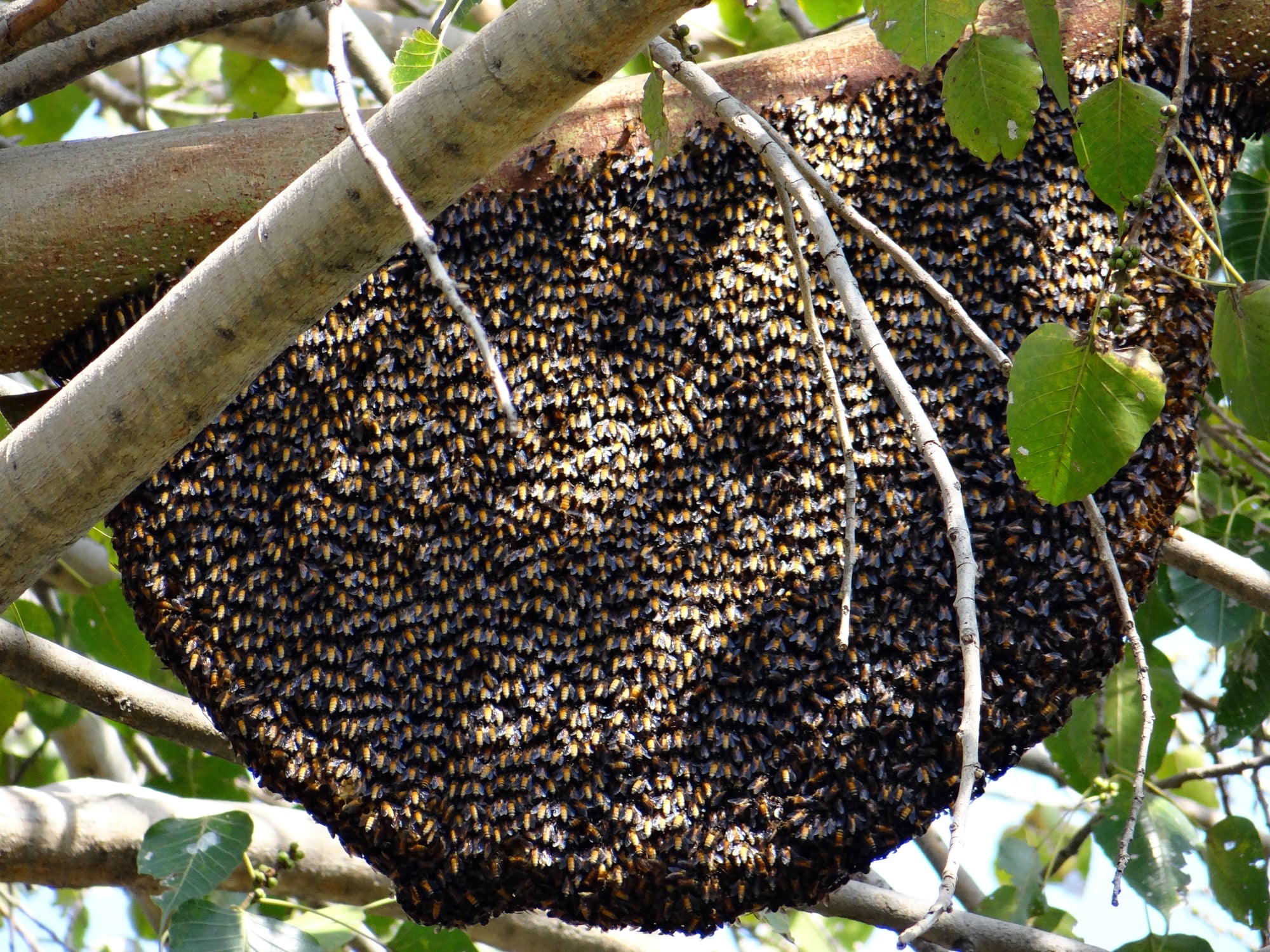
Ancient armies actually weaponized beehives by catapulting them into enemy fortifications or onto ships. The Romans recorded instances of defenders dropping hives on attackers trying to scale their walls.
This crude but effective tactic caused enemy soldiers to break formation and flee from the swarms. Some cultures in the Middle East kept special attack bees and knew exactly when and how to deploy them for maximum effect.
The psychological impact of thousands of stinging insects often did more damage than the actual stings themselves.
Pigs Against Elephants
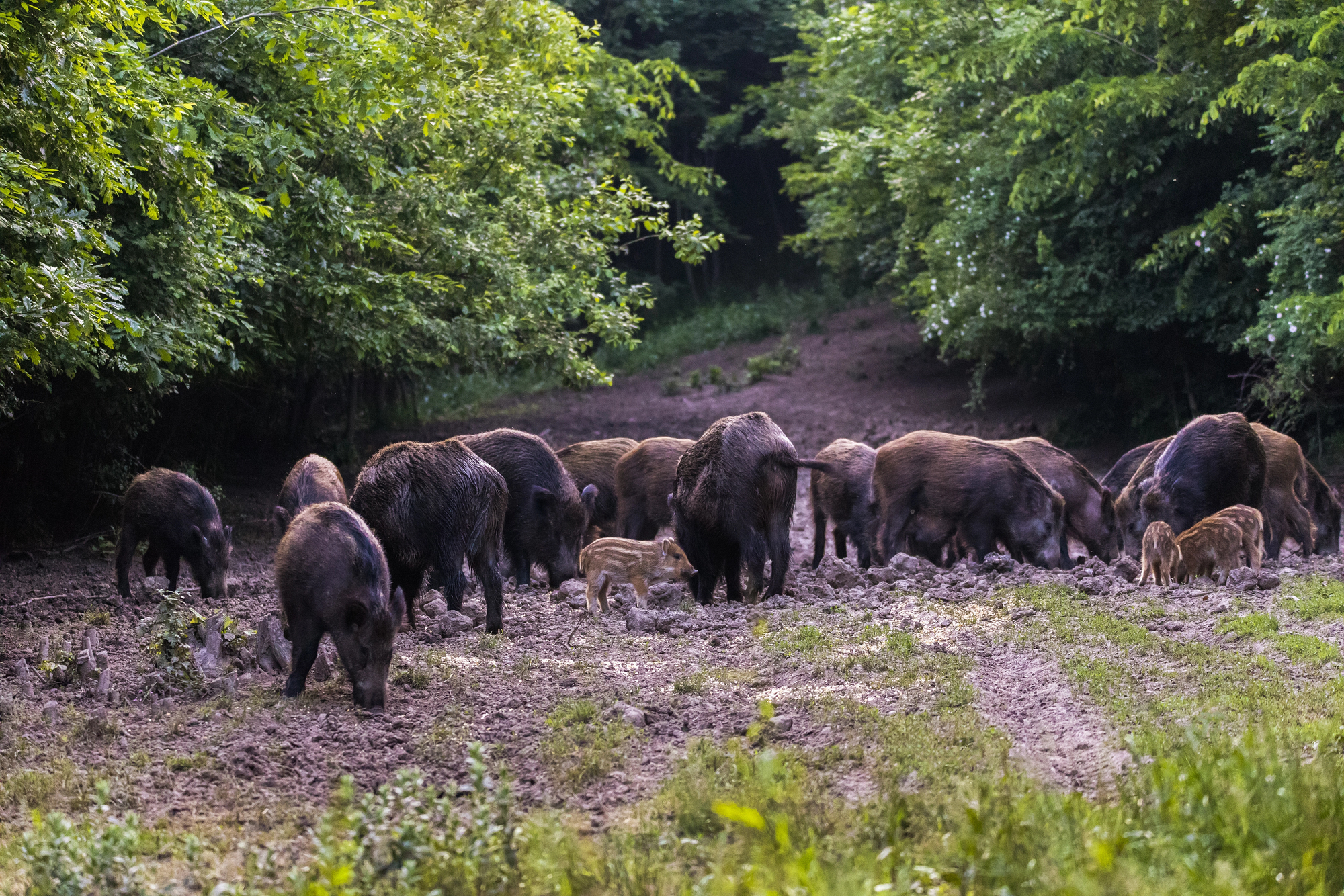
The Romans discovered that elephants absolutely hated the sound of squealing pigs and would often flee in panic. During sieges and battles, Roman forces would cover pigs in oil, set them on fire, and drive them toward enemy war elephants.
The burning, screaming animals caused elephant units to stampede backward through their own formations. This desperate tactic worked surprisingly well despite sounding completely ridiculous.
The practice shows how ancient commanders would try anything to counter the fearsome war elephants they faced.
Oxen for Siege Warfare
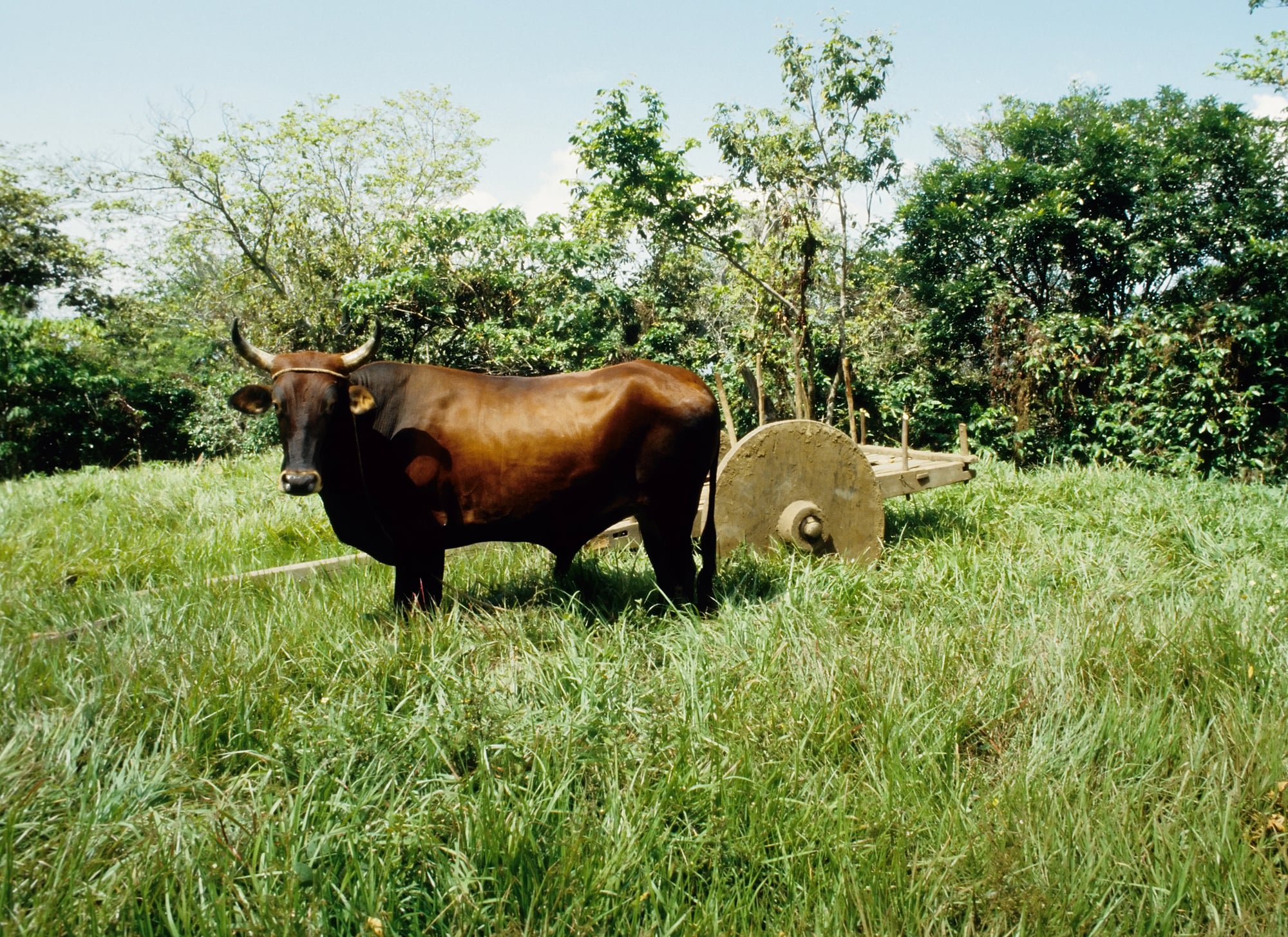
Oxen pulled the heavy siege equipment that ancient armies needed to break down city walls and fortifications. These powerful animals could haul battering rams, siege towers, and catapults that dozens of men couldn’t move on their own.
The Assyrians used teams of oxen to transport their advanced siege machinery across their empire during military campaigns. Unlike horses, oxen didn’t panic easily under the stress of battle and kept working even when arrows flew overhead.
Their strength made it possible to bring devastating weapons right up to enemy gates.
Dolphins for Naval Defense
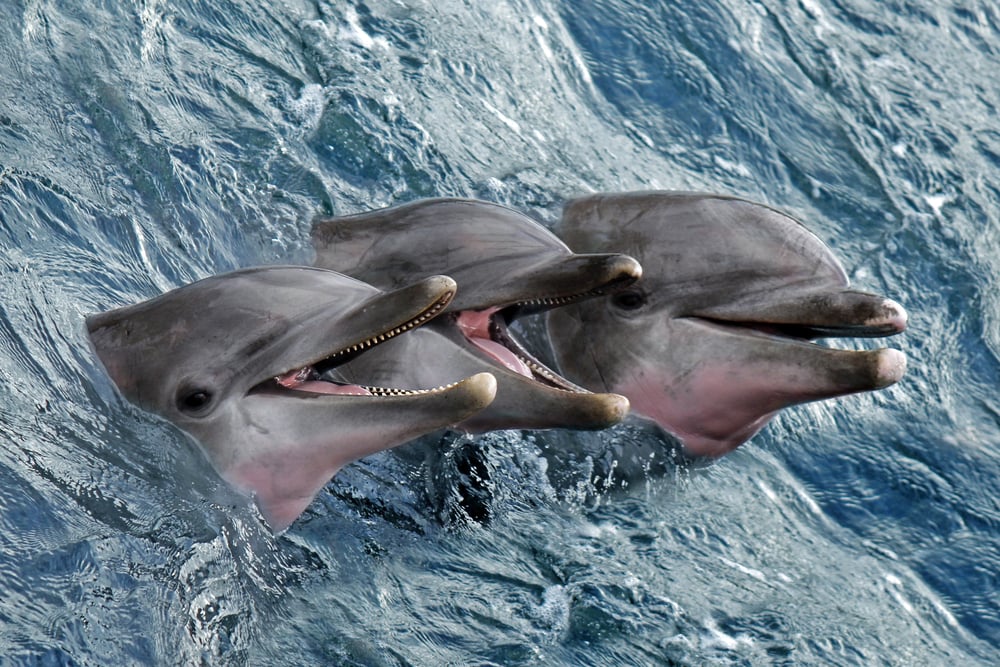
The ancient Greeks trained dolphins to protect their harbors from enemy divers and submarines (early diving bells). These intelligent animals would patrol the waters and alert handlers to underwater intruders trying to sabotage ships or harbor defenses.
Historical accounts suggest dolphins could even attack enemy divers on command. The practice seems strange today, but dolphins have excellent sonar and can detect threats that humans would miss.
Modern militaries have actually revived this ancient practice for similar defensive purposes.
Cats on Ships
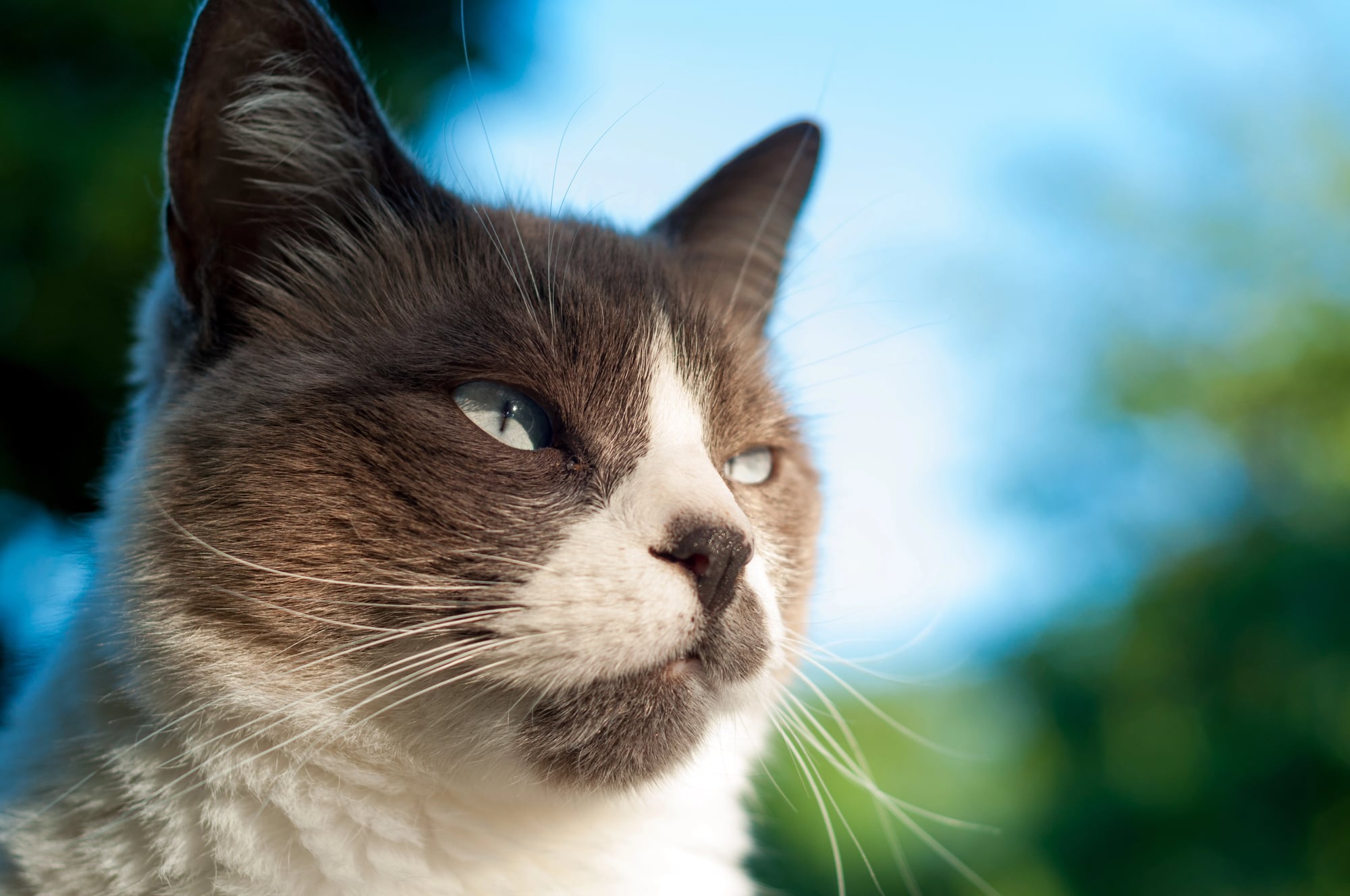
Cats sailed with ancient crews, especially among Egyptian forces, where they hunted rats threatening stored rations. Months on water meant these animals earned quiet trust, moving freely across decks and below hatches.
Chewed lines or damaged hull parts – rodents caused real harm when left unchecked. As Phoenician ships pushed farther west, so did the custom of bringing feline companions along.
Superstition grew around them; a missing cat unsettled men right before combat began.
Snakes in Clay Pots

Out of nowhere, Hannibal’s fleet hurled jars packed with furious snakes at rival vessels. When the containers broke apart, reptiles spilled into tight spaces where Roman crewmen froze in fear.
Some fled their stations entirely. Word spread fast – other leaders gave similar tricks a shot.
Results? Mixed. Gathering dangerous snakes wasn’t easy.
Staying alive during transport was another hurdle. Yet even without bites, dread crawled through ranks as scales glided over wood planks.
Fear did half the work.
Mules for Mountain Warfare
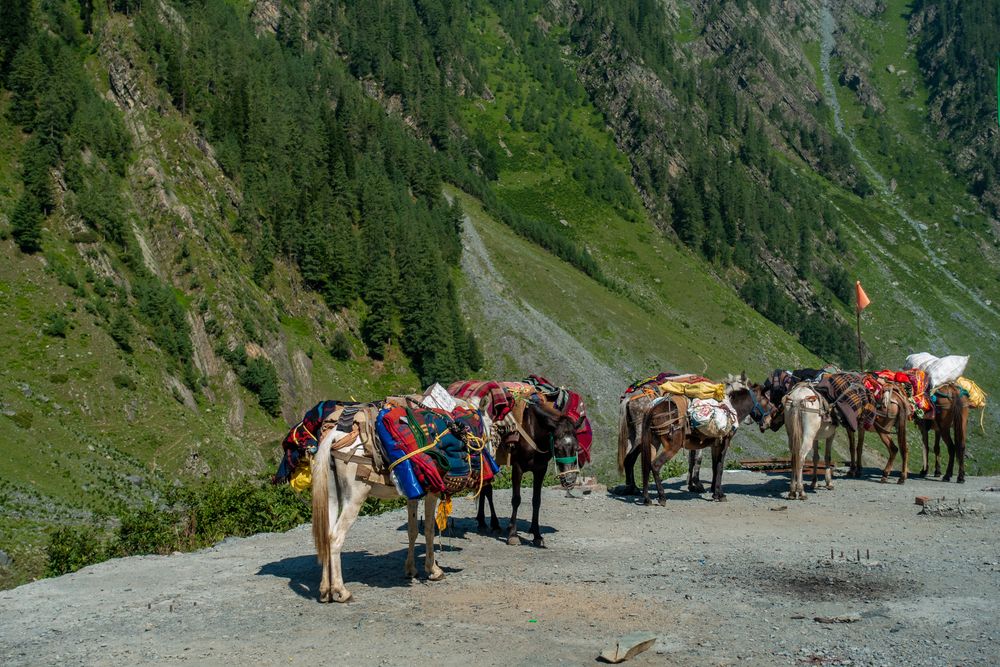
Up high in rocky trails, mules moved what wagons and horses left behind. Even when the ground turned harsh, those tough beasts stayed steady.
Through cold peaks of old war zones, soldiers depended on them without pause. One animal alone hauled two hundred pounds where men would tire fast.
On cliffs too sharp for safe steps, they held balance like nothing else did. Across slopes meant to block supply lines, they passed without dropping a load.
Scorpions as Psychological Weapons
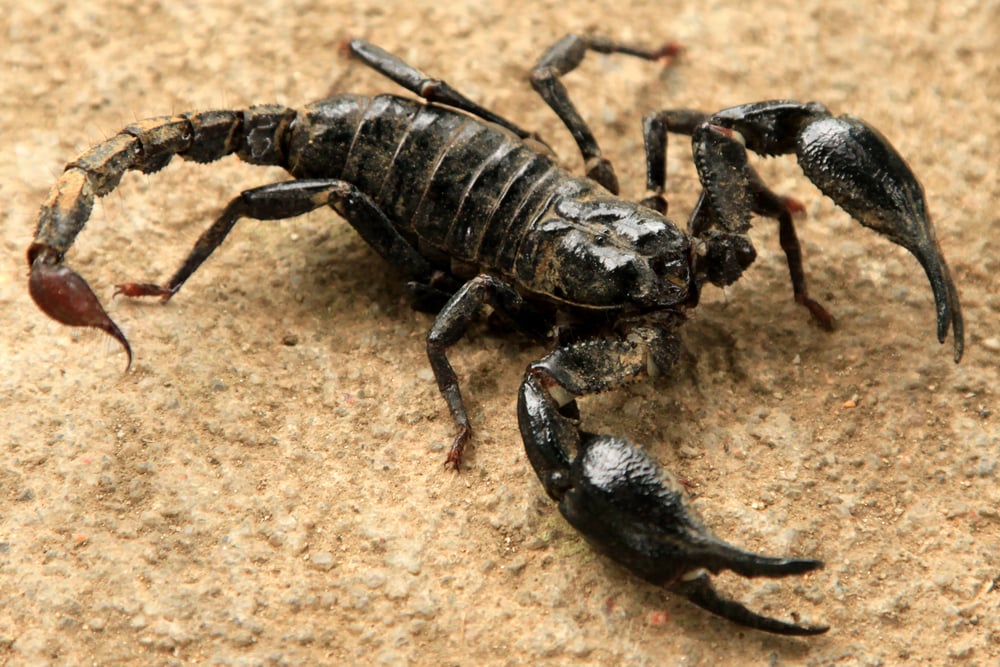
Ancient armies in North Africa and the Middle East sometimes collected scorpions and released them in enemy camps at night. The dangerous arachnids would hide in bedding, boots, and equipment, creating paranoia and disrupting sleep among enemy soldiers.
This tactic rarely killed many people but made everyone constantly anxious and unable to rest properly. Some accounts claim attackers would catapult clay containers filled with scorpions over fortress walls.
The mere threat of scorpions could be enough to demoralize troops unfamiliar with dealing with them.
Geese as Alarm Systems
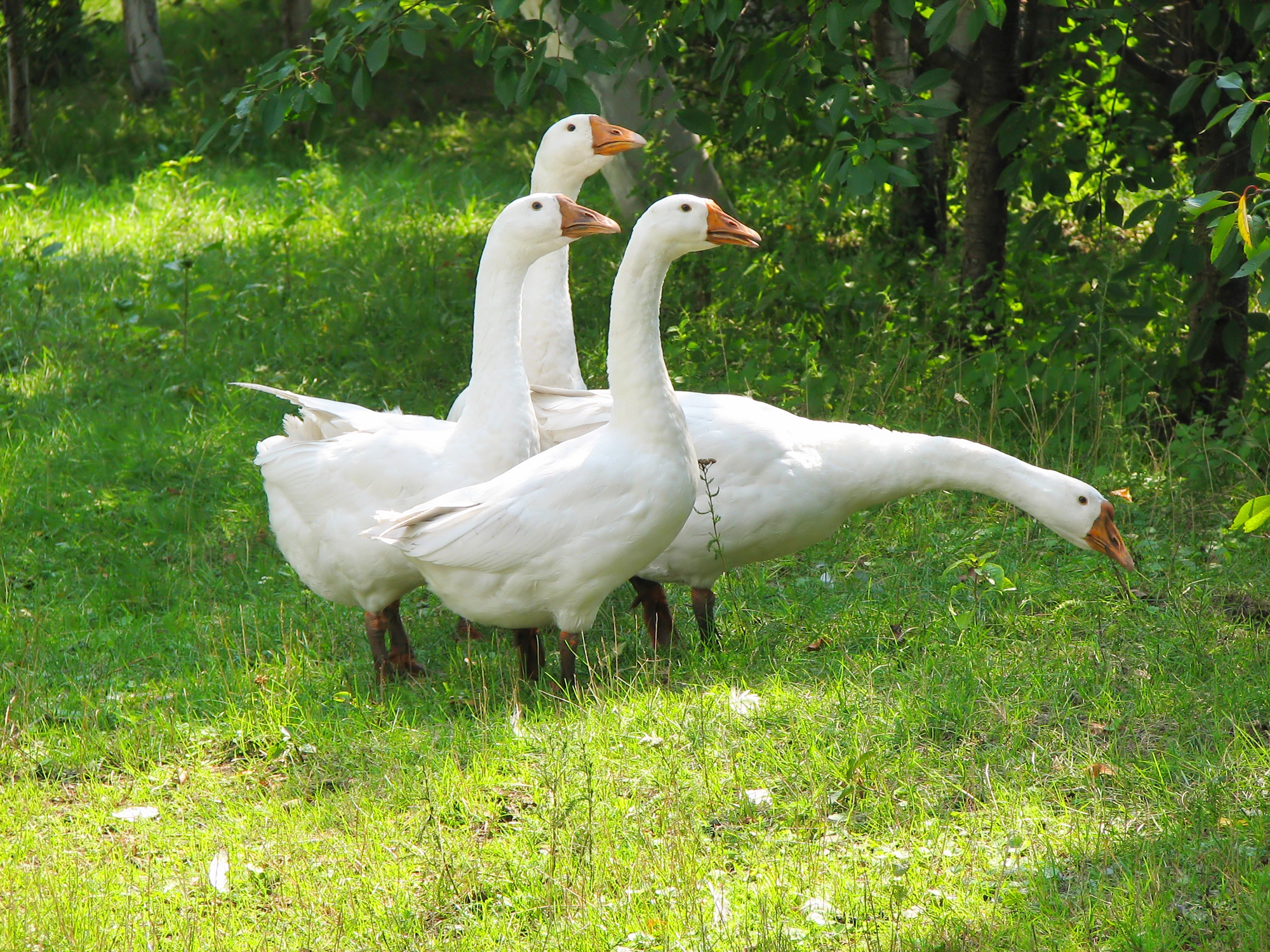
Romans used geese as early warning systems because of their aggressive territorial behavior and loud honking. The sacred geese of Rome famously saved the city in 390 BC by alerting defenders to a nighttime sneak attack by Gauls.
These birds make excellent guards because they react to any unfamiliar presence and create a racket that’s impossible to ignore. Unlike dogs, geese couldn’t be silenced with food or distracted by strangers.
Many ancient military camps kept flocks of geese specifically to prevent surprise attacks during the night.
Carrier Pigeons for Messages
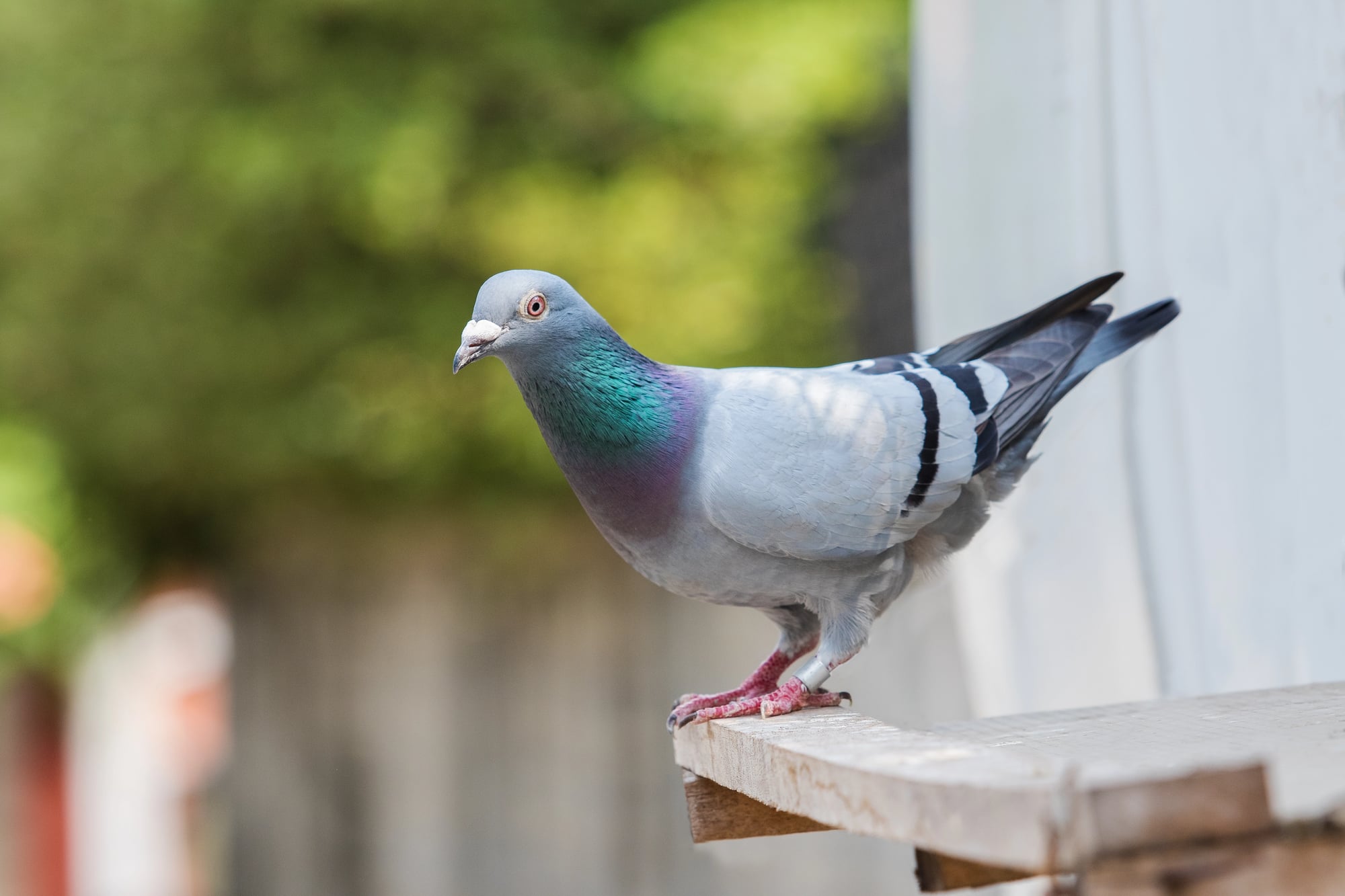
Armies used pigeons to send messages across long distances faster than any human messenger could travel. These birds could fly directly back to their home base, ignoring terrain that would slow down horses or foot soldiers.
The Persians, Egyptians, and Romans all maintained large pigeon posts for military communications. A message that would take days by horse could arrive in hours by pigeon.
The system worked so well that some generals would release false information via captured pigeons to trick their enemies.
Water Buffalo Used by Armies in Asia
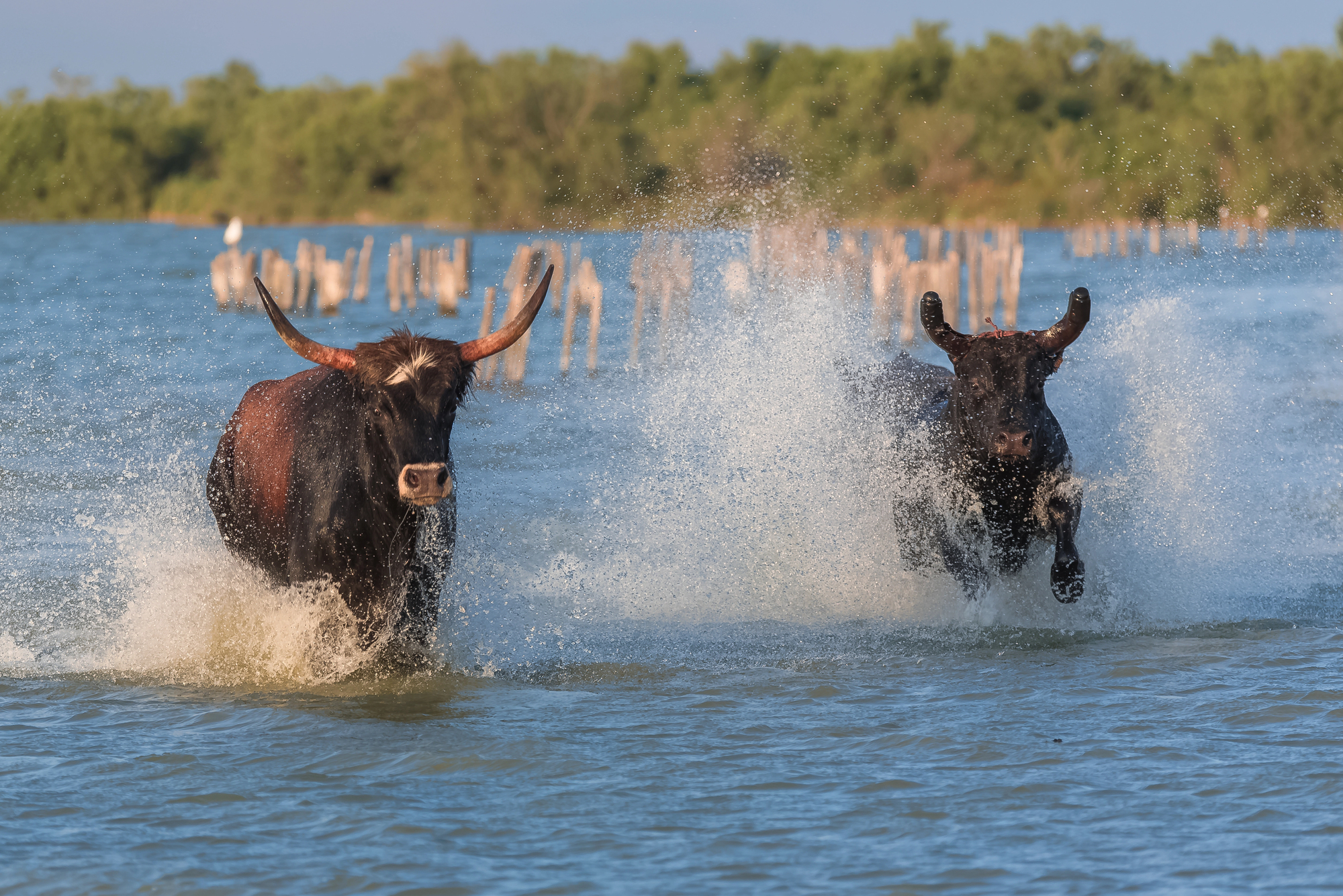
Back then in China and parts of Southeast Asia, armies leaned on water buffalo because they were strong and didn’t mind deep mud. Horses often got stuck there, but these animals moved gear across flooded fields without trouble.
When supplies ran low, soldiers sometimes ate them – so they weren’t just workers but meals too. Even under pressure, their steady nature helped keep order when things turned loud and wild.
In soggy places where horse riders failed, some fighters sat atop buffalo and pushed forward anyway.
Monkeys for Reconnaissance
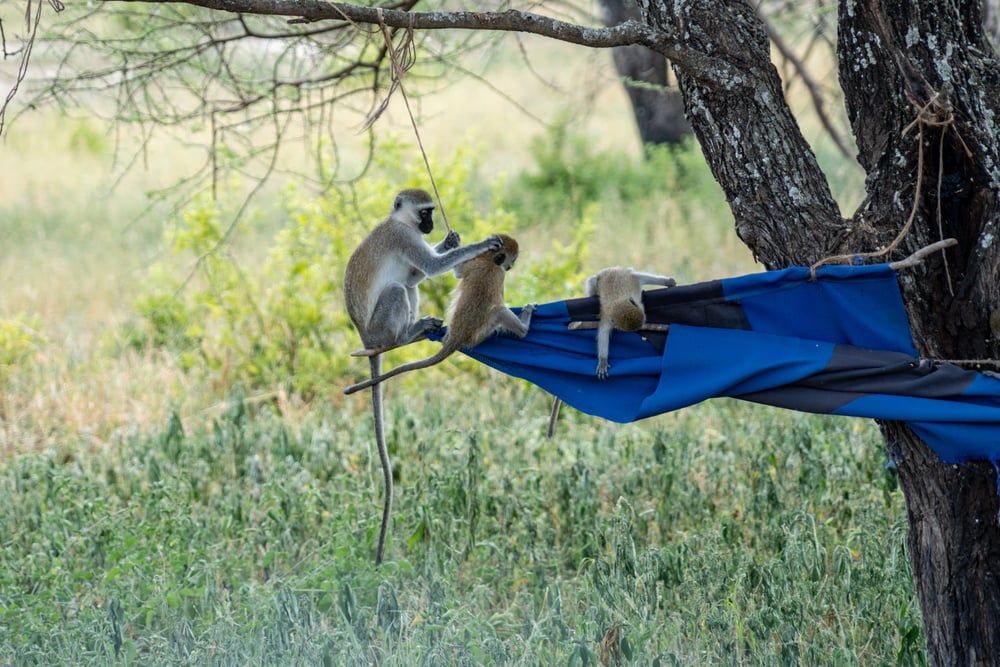
Climbing high where soldiers feared to go, monkeys served as unseen eyes for ancient Indian forces. Not just agile but clever, they slipped past guards undetected, scaling stone ramparts with ease.
From above, they watched troop movements, then returned with details of weak spots below. Without warning, some snatched spears or food stores ahead of battle – disrupting plans quietly.
Training took months, sometimes years, yet results often justified the wait. Even now, scholars question how much is fact, how much tale passed through time.
From Beasts to Machines
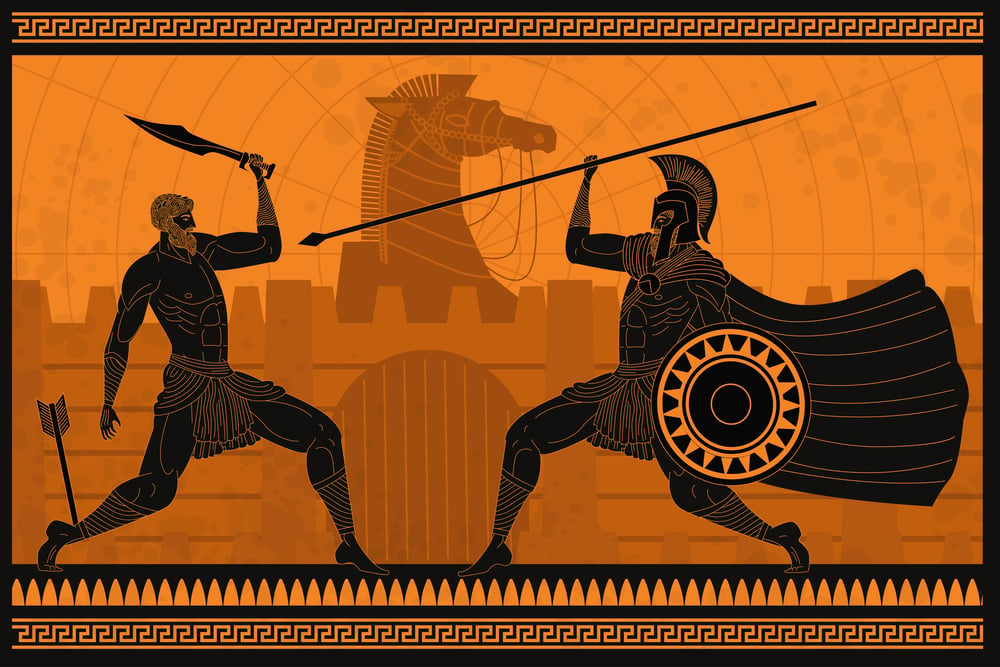
War elephants thundered across battlefields, turning tides where foot soldiers faltered. Horses carried riders through dust and blood, deciding clashes before bullets existed.
Camels marched deep into deserts, opening paths no wheel could follow. Pigeons flew messages through smoke, linking generals to distant fronts.
Dogs sniffed traps, guarded camps, sometimes charged alongside men. Elephants scared horses not because they fought well, but because fear spreads faster than fire.
Machines now do what hooves once did – yet gears lack instinct, steel cannot bond like a rider and his mount. Even drones trace patterns first drawn by wings above ancient fortresses.
Long before engines roared, strategy walked on paws, padded feet, or iron-shod toes. History remembers kings and weapons more than mules who hauled cannons uphill.
Still, empires rose not just by swords, but by which beasts obeyed whom. Ingenuity never needed wires; sometimes it wore fur, feathers, or scales instead.
More from Go2Tutors!

- The Romanov Crown Jewels and Their Tragic Fate
- 13 Historical Mysteries That Science Still Can’t Solve
- Famous Hoaxes That Fooled the World for Years
- 15 Child Stars with Tragic Adult Lives
- 16 Famous Jewelry Pieces in History
Like Go2Tutors’s content? Follow us on MSN.