Architecture MasterPrize Winners Redefining Global Design
Shiny new towers often grab attention when prizes get handed out. Since starting in 2016, the Architecture MasterPrize leans another way.
Looks beyond glass giants rising above cities. Instead, it lifts up work showing shifts in how spaces take shape – shaped by place, weather, people.
Meaning grows quietly inside these choices. Awarded through Architecture MasterPrize, recognition flows to standout work in buildings, interiors, outdoor spaces, along with building materials.
Shifts beneath the surface – climate needs, tighter cities, new tools, how people feel inside places – often show up first in those who win. A fresh peek into Architecture MasterPrize champions shows designs shaping the world – not just bold ideas, but solutions rooted in everyday reality.
Designing With Climate In Mind

A clear theme across recent winners is climate-conscious design that goes beyond surface-level sustainability. Many awarded projects integrate passive cooling systems, natural ventilation strategies, and locally sourced materials as core elements rather than add-ons.
Instead of hiding environmental systems behind sleek facades, they make them visible and integral. This shift reflects a broader architectural reckoning.
Buildings account for a significant portion of global carbon emissions, and designers are under increasing pressure to reduce environmental impact. Architecture MasterPrize winners often treat climate response as a creative constraint.
The result is architecture that feels rooted in place, shaped by sunlight, wind direction, and seasonal rhythms rather than purely aesthetic ambition.
Adaptive Reuse Over Demolition

Another recurring pattern among recognized projects is adaptive reuse. Instead of tearing down aging industrial sites or outdated commercial buildings, architects are reimagining them.
Former warehouses become cultural centers. Abandoned factories transform into mixed-use community hubs.
This approach does more than preserve history. It reduces construction waste and conserves embodied energy already locked into existing structures.
In cities where space is scarce and land prices soar, adaptive reuse also offers practical economic advantages. Architecture MasterPrize winners in this category demonstrate that reinvention often carries more depth than starting from scratch.
Human-Centered Urban Spaces

Urban density is one of the defining realities of the 21st century. As more people move into cities, the challenge becomes designing spaces that feel livable rather than overwhelming.
Several awarded projects prioritize walkability, communal gathering areas, and accessible green space within dense environments. These designs often blur the line between public and private.
Residential developments incorporate shared courtyards. Office complexes feature open plazas that invite community interaction.
The emphasis is not simply on maximizing square footage, but on shaping experiences. Architecture MasterPrize winners frequently show that thoughtful spatial planning can soften the intensity of urban life.
Blending Technology With Craft
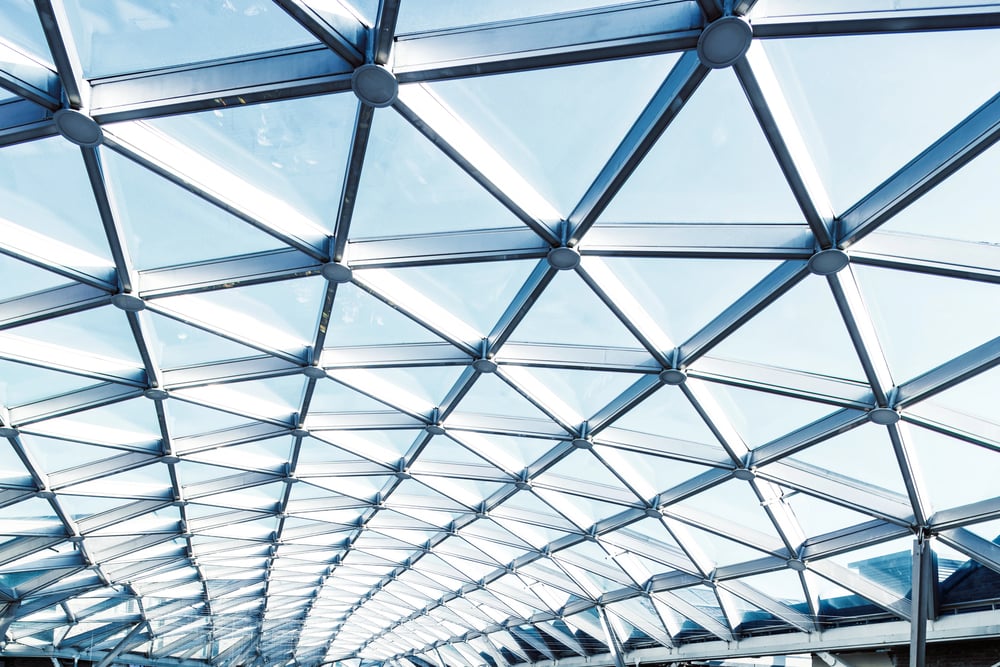
Contemporary architecture is increasingly shaped by digital tools, from parametric modeling to advanced fabrication techniques. Yet many recognized projects balance technological precision with traditional craftsmanship.
Instead of replacing artisanal methods, technology enhances them. For example, complex facades might be digitally designed but assembled using locally sourced materials and skilled labor.
This blend prevents buildings from feeling sterile or disconnected from cultural context. Architecture MasterPrize winners often demonstrate that innovation does not require abandoning heritage.
It can refine it.
Cultural Identity In A Globalized World
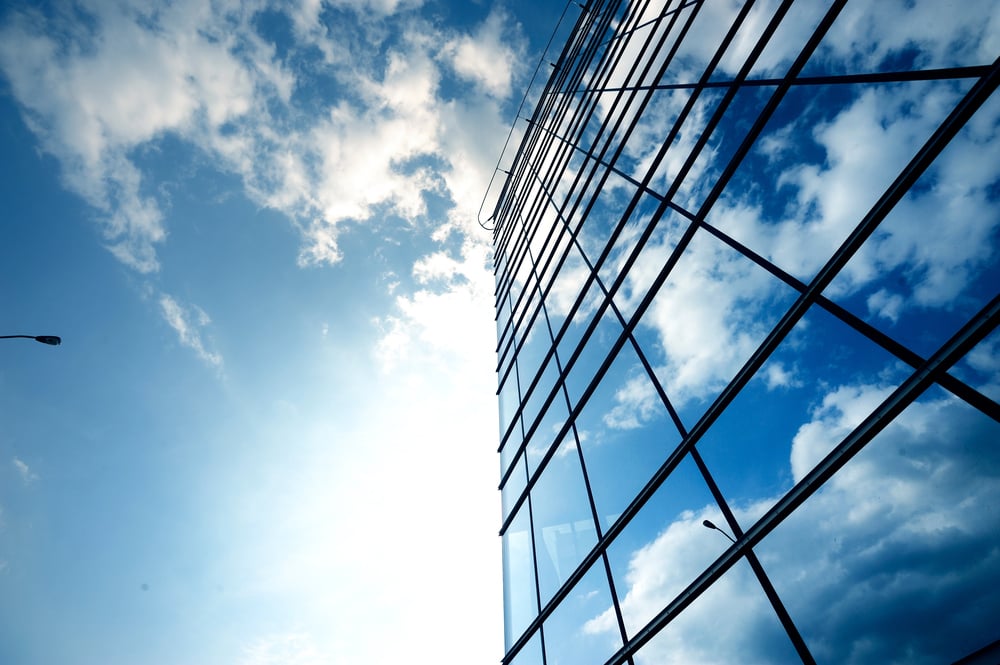
Globalization has made architectural styles travel faster than ever. Glass towers rise in cities that once featured entirely different skylines.
Even so, many awarded projects resist the pull toward uniformity. They draw inspiration from local traditions, climate, and social patterns.
In some cases, this means reinterpreting vernacular architecture using modern materials. In others, it involves preserving cultural landmarks while updating their function.
The Architecture MasterPrize platform highlights projects from across continents, making visible a shared effort to balance global connectivity with local identity. That tension defines much of contemporary design thinking.
Landscape Architecture As Infrastructure
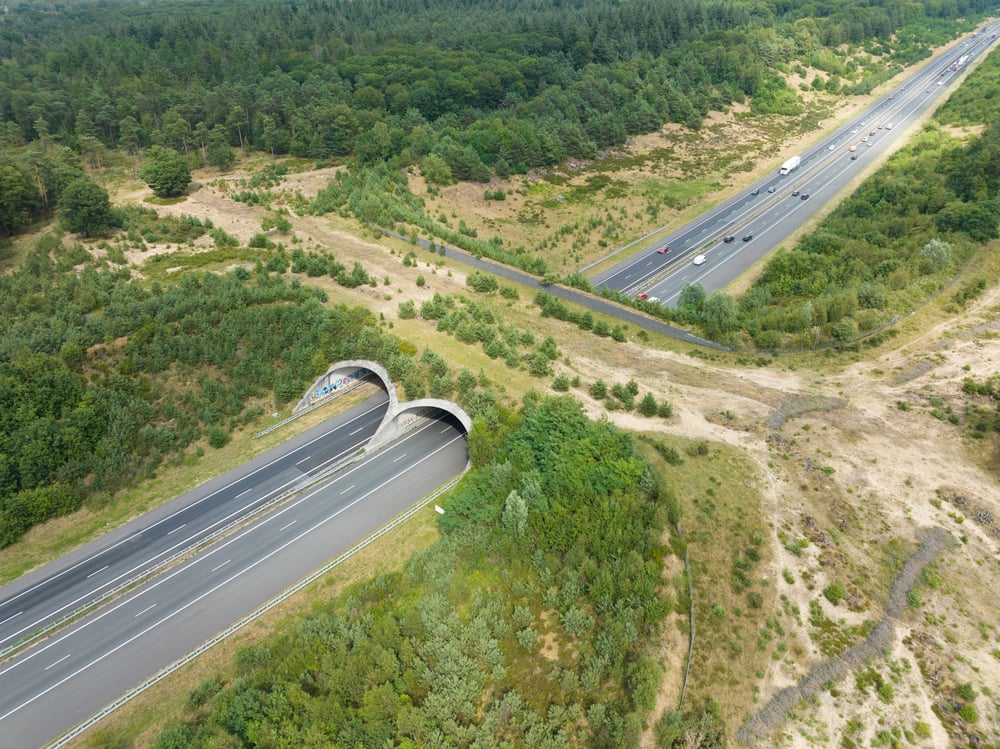
Landscape architecture has taken on a more central role in award-winning projects. Rather than serving as decorative framing, landscapes are treated as infrastructure.
Green corridors manage stormwater runoff. Urban parks mitigate heat islands. Rooftop gardens support biodiversity.
This perspective reflects growing awareness of environmental fragility. As extreme weather events become more frequent, cities must integrate natural systems into their built fabric.
Architecture MasterPrize winners in landscape categories often show how ecological thinking can shape entire neighborhoods, not just individual plots of land.
Affordable Housing With Design Integrity

High design has long been associated with high budgets. Yet many recent award recipients demonstrate that thoughtful architecture is not limited to luxury developments.
Affordable housing projects have gained recognition for innovative layouts, efficient material use, and community-focused amenities. These projects challenge the assumption that cost constraints inevitably lead to uninspired design.
By prioritizing natural light, shared spaces, and durable materials, architects create dignified living environments even within tight financial frameworks. Architecture MasterPrize winners in this realm signal a shift toward social responsibility as an essential design criterion.
Interiors That Shape Experience
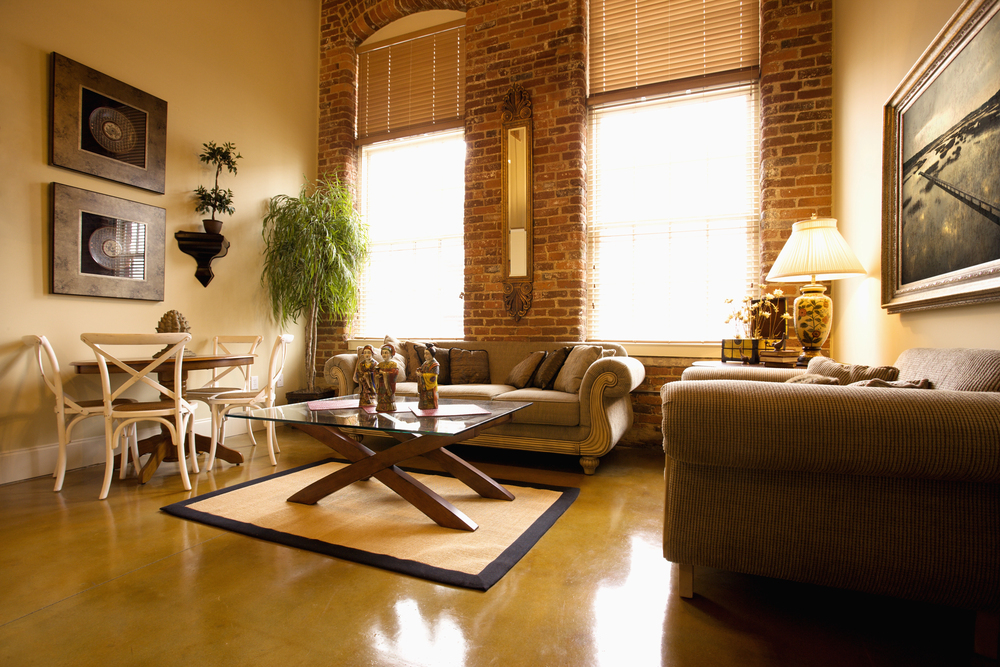
Interior design categories within the Architecture MasterPrize reveal how spatial storytelling extends beyond structural form. Awarded interiors often emphasize sensory experience, circulation flow, and emotional tone.
Lighting, acoustics, and material texture are treated as architectural tools rather than afterthoughts. In commercial settings, interiors shape brand identity and user engagement.
In healthcare and educational environments, design can influence comfort and focus. The recognition of interior design alongside architecture underscores the idea that global design is holistic.
A building’s impact does not stop at its facade.
Small-Scale Projects With Outsized Impact

Not every winner is a monumental structure. Some of the most compelling projects are modest in scale but rich in intention.
Community libraries, rural clinics, and small cultural pavilions frequently appear among the honorees. These smaller works often demonstrate agility and responsiveness.
Without the weight of massive budgets or corporate branding, architects can experiment with form and material in more direct ways. Architecture MasterPrize winners in this category remind the industry that influence is not measured solely in height or square footage.
Geographic Diversity And Emerging Voices

One of the strengths of the Architecture MasterPrize is its global reach. Winning projects come from North America, Europe, Asia, Latin America, Africa, and Oceania.
This diversity exposes regional solutions to universal challenges. Emerging firms often appear alongside established studios.
That balance introduces fresh perspectives while maintaining high technical standards. The award platform becomes less about celebrity architects and more about ideas that resonate across borders.
In doing so, it broadens the conversation about what excellence looks like.
Materials That Tell A Story

Material choice carries cultural and environmental meaning. Many awarded projects showcase innovative uses of timber, recycled concrete, rammed earth, and other materials that reduce environmental impact.
Others revive traditional construction techniques with contemporary detailing. The focus on material honesty signals a departure from purely image-driven architecture.
Buildings are increasingly evaluated by how they age, how they interact with climate, and how responsibly they are sourced. Architecture MasterPrize winners often treat materials as narrative elements, telling stories about place and sustainability.
Rethinking The Role Of Awards
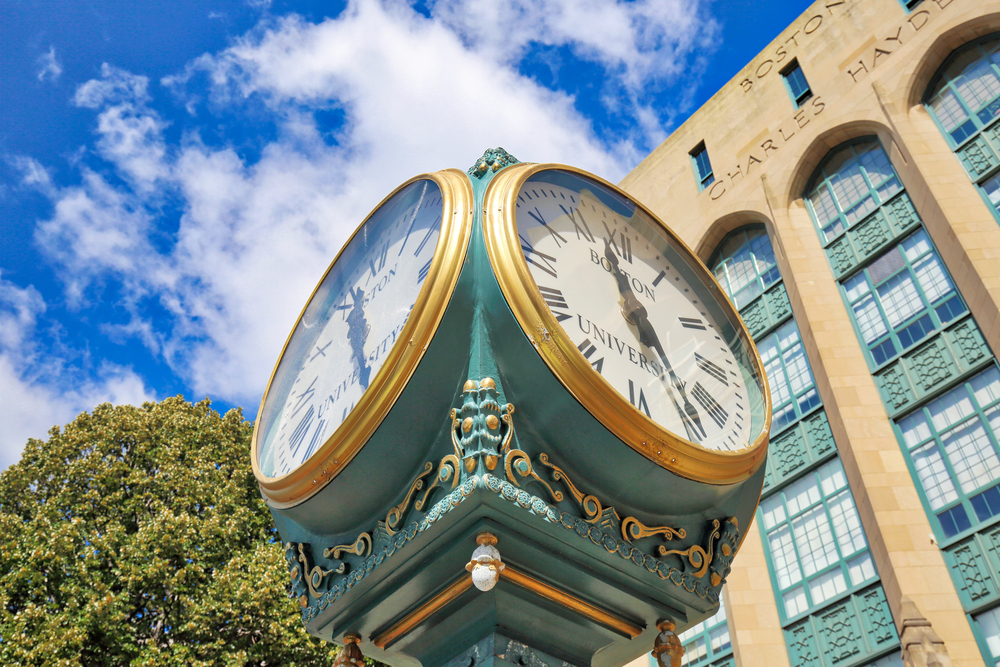
Architecture awards historically leaned toward spectacle. Skyscrapers, museums, and dramatic cultural institutions often dominated the spotlight.
While landmark projects still receive recognition, the Architecture MasterPrize appears to reward adaptability and context-sensitive design just as strongly. This shift reflects changing priorities within the profession.
Climate resilience, social equity, and cultural continuity now carry weight equal to visual impact. In that sense, the winners are not just redefining design aesthetics.
They are redefining architectural values.
The Future Is Contextual

The projects recognized by Architecture MasterPrize collectively suggest that global design is becoming more contextual. Rather than imposing uniform solutions, architects are responding to specific environmental, social, and cultural conditions.
This evolution mirrors broader global conversations about sustainability and community. Architecture is no longer judged solely by how striking it looks in photographs.
It is assessed by how it performs, whom it serves, and how it adapts over time.
Where Global Design Is Headed
A shift shows in the latest Architecture MasterPrize results. Not just buildings – ideas about how we build are changing too.
Because of rising climate pressures, designs now respond rather than resist. Old structures gain new roles through thoughtful updates instead of demolition.
People matter more in the layout process, their needs guiding space. Materials get chosen with care, tracing impact beyond appearance.
What once seemed optional is now standard thinking. These values form the core of today’s work.
When urban areas expand, pressure on nature increases too. Great designs now need vision along with care.
Winning entries show new ideas working alongside duty to people and the planet. Buildings that fit well into their settings get noticed here.
This prize points to change across architecture worldwide. Appearance matters less than how a building behaves in real life.
More from Go2Tutors!

- The Romanov Crown Jewels and Their Tragic Fate
- 13 Historical Mysteries That Science Still Can’t Solve
- Famous Hoaxes That Fooled the World for Years
- 15 Child Stars with Tragic Adult Lives
- 16 Famous Jewelry Pieces in History
Like Go2Tutors’s content? Follow us on MSN.