Rare Craftsmanship Techniques Preserved Today
The world once relied on human hands for everything. Before machines took over production lines, skilled workers spent years learning how to shape metal, blow glass, and create beauty from raw materials.
These techniques represented more than just ways to make things. They carried knowledge passed down through families and communities for hundreds of years.
Today, some of these methods face disappearing completely. But around the world, dedicated groups of people refuse to let these skills fade away.
Let’s look at the different techniques that are still being practiced today, even though the odds are stacked against them.
Block printing with vegetable dyes
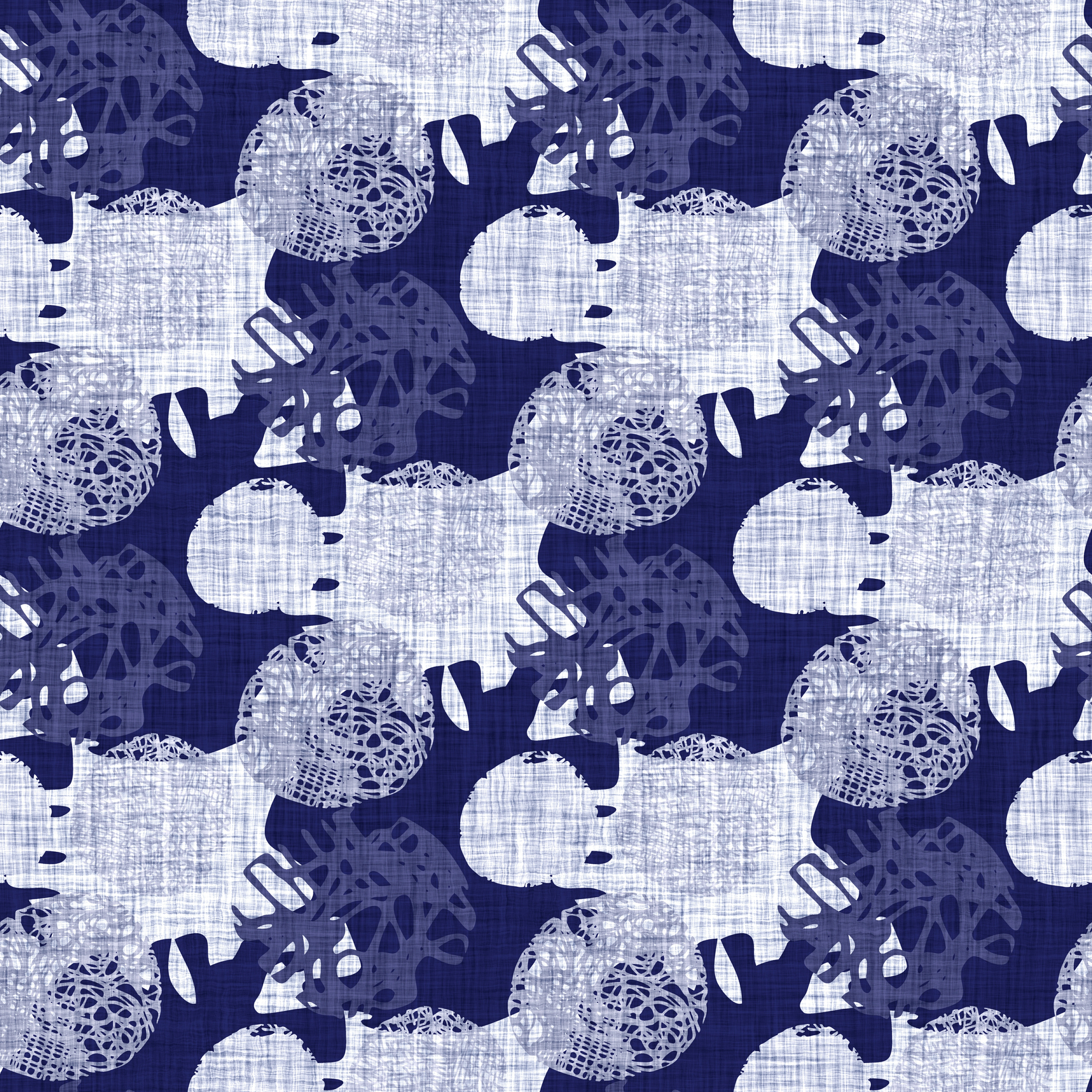
Craftspeople in places like India keep the practice of block printing alive through dedicated teaching and practice. The process uses carved wooden blocks that can be hundreds of years old.
Each design gets stamped onto fabric by hand. Some modern practitioners are bringing back vegetable dyes instead of synthetic ones, creating a more sustainable approach that works better with the environment.
The blocks themselves become family treasures. Workers select patterns from collections that their grandfathers created decades ago.
Standing bells from ancient metal techniques

Japan still has people making Buddhist meditation bells using methods from 400 years ago. These instruments, called rin bells or standing bells, have been part of meditation practices for thousands of years.
The metalwork requires understanding how different alloys behave under heat. Only about ten craftsmen in all of Japan still possess the knowledge to make these bells properly.
Each bell produces a specific tone that resonates for minutes after being struck. Getting that sound right takes years of practice.
Handmade paper from plant fibers
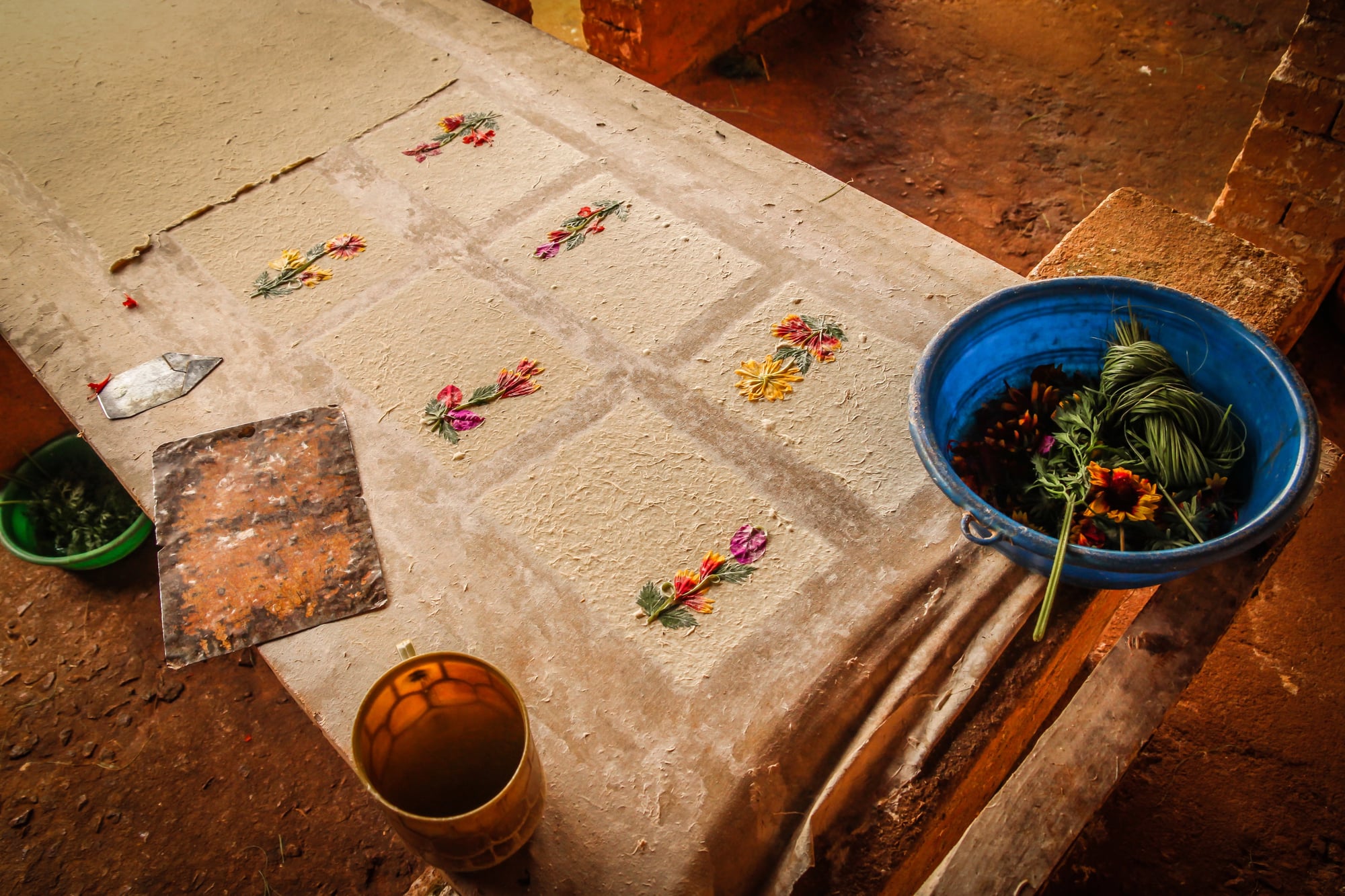
Organizations have recently added handmade papermaking to lists of crafts facing possible extinction. Traditional paper production uses materials that most people throw away.
Artists gather vegetable fibers, flower petals, leaves, grass, and seeds. These natural elements get pressed into sheets that become stronger than many modern papers.
Rather than cutting down trees for pulp, papermakers treat nature as a partner in creation, working with whatever the environment provides. The results look different every time because no two batches of materials are exactly alike.
Primitive ceramic firing with natural elements
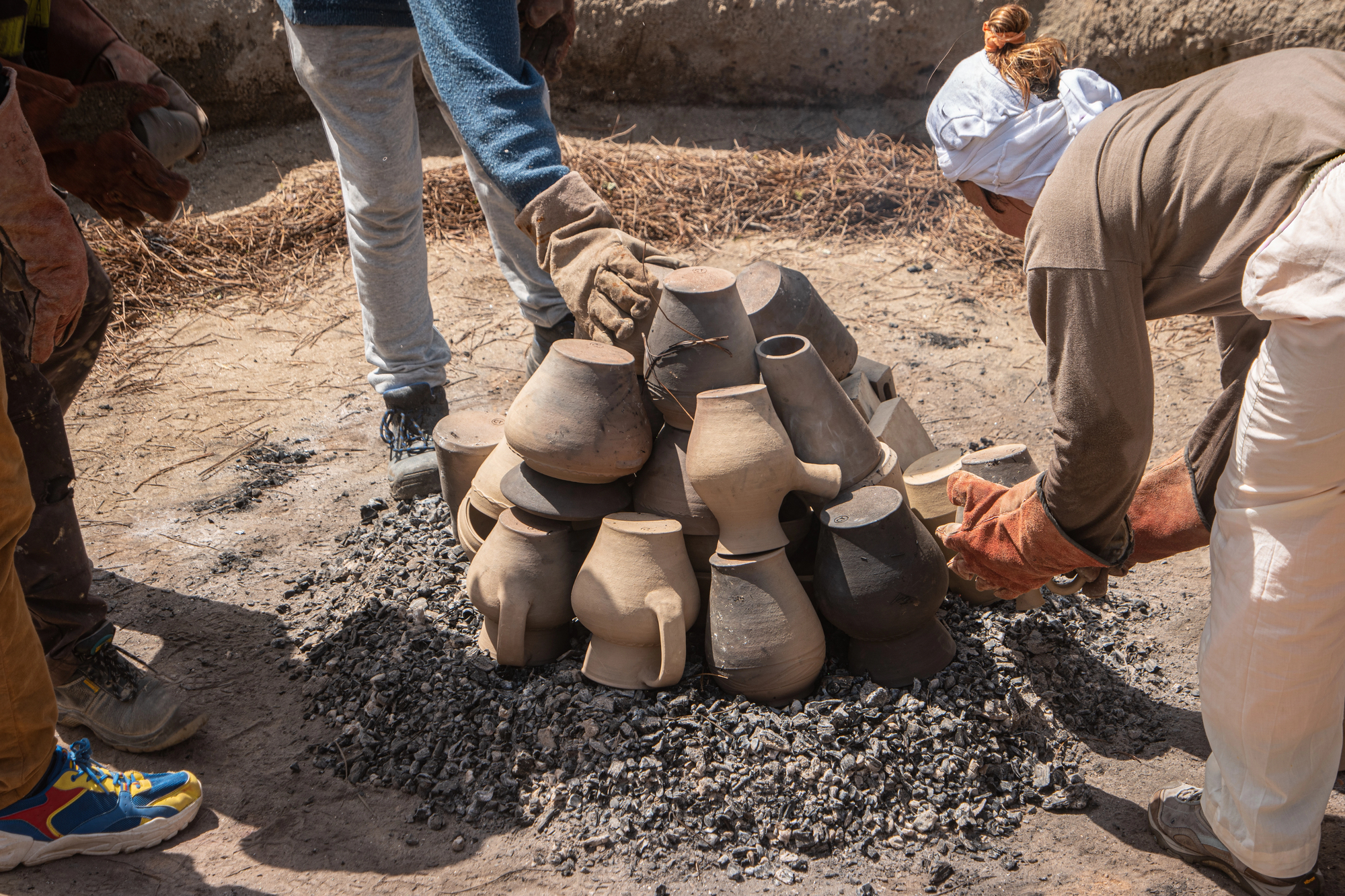
Some potters refuse to use electric kilns. They build fires with charcoal and wood, heating clay the same way people did thousands of years ago.
Artists walk through their villages collecting unusual materials like plants, feathers, and pieces of glass to add during the firing process. These additions create unexpected patterns and colors in the finished pieces.
The technique comes from indigenous Mexican traditions. It produces ceramics that look like they emerged from the earth itself rather than from a workshop.
Damascus steel forging methods
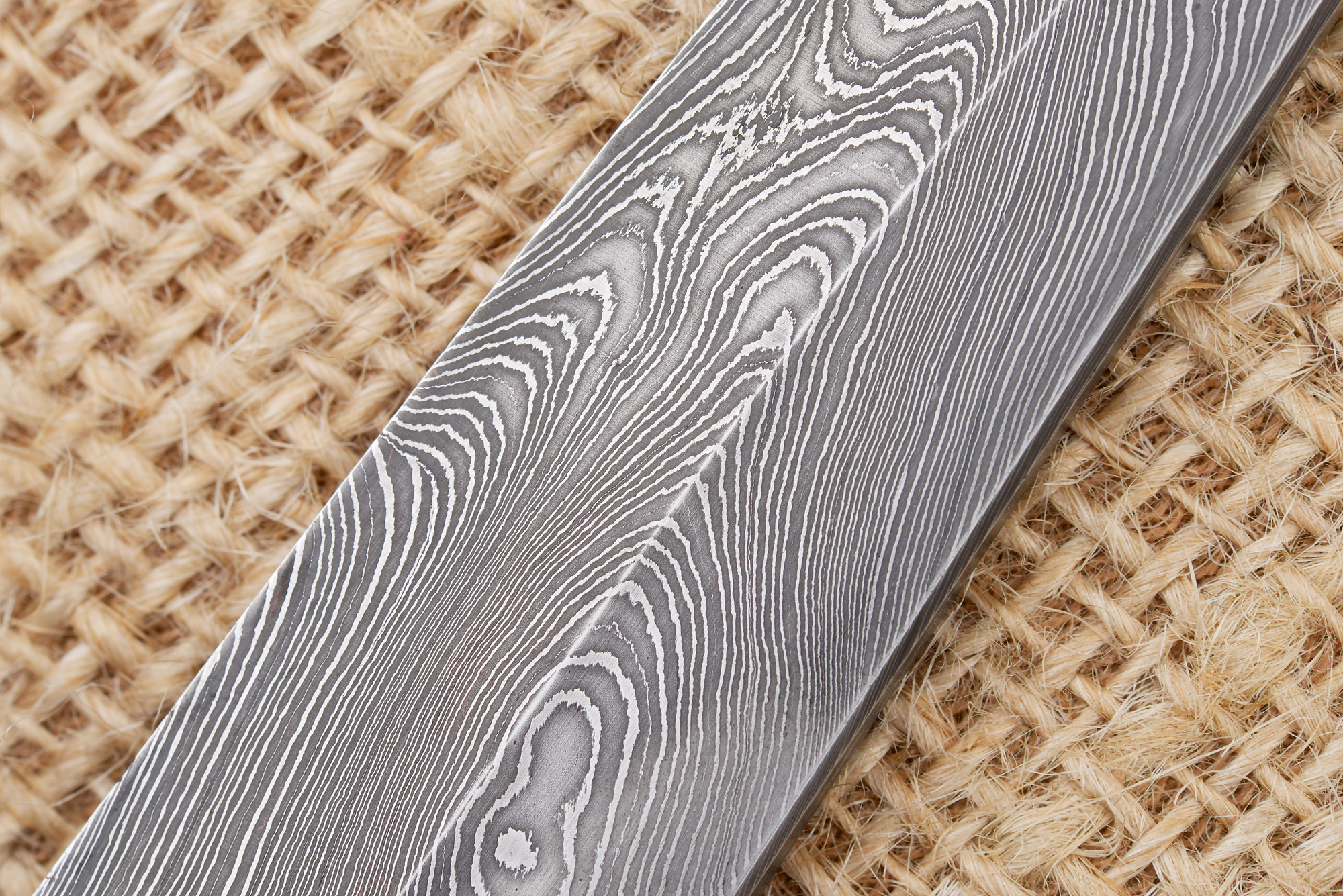
The original technique for making Damascus steel disappeared by the 1700s. Production stopped when trade routes got disrupted and key source materials from specific mining regions became unavailable.
Modern blacksmiths have recreated similar patterns through different methods. Today’s Damascus steel comes from pattern welding, where craftspeople stack different types of steel and forge them together repeatedly until they achieve hundreds of layers.
The process involves heating metal to exact temperatures, hammering it flat, cutting it, stacking it again, and repeating the cycle. What once served primarily as superior material for weapons now exists mainly for its striking appearance.
Murano glass blowing traditions
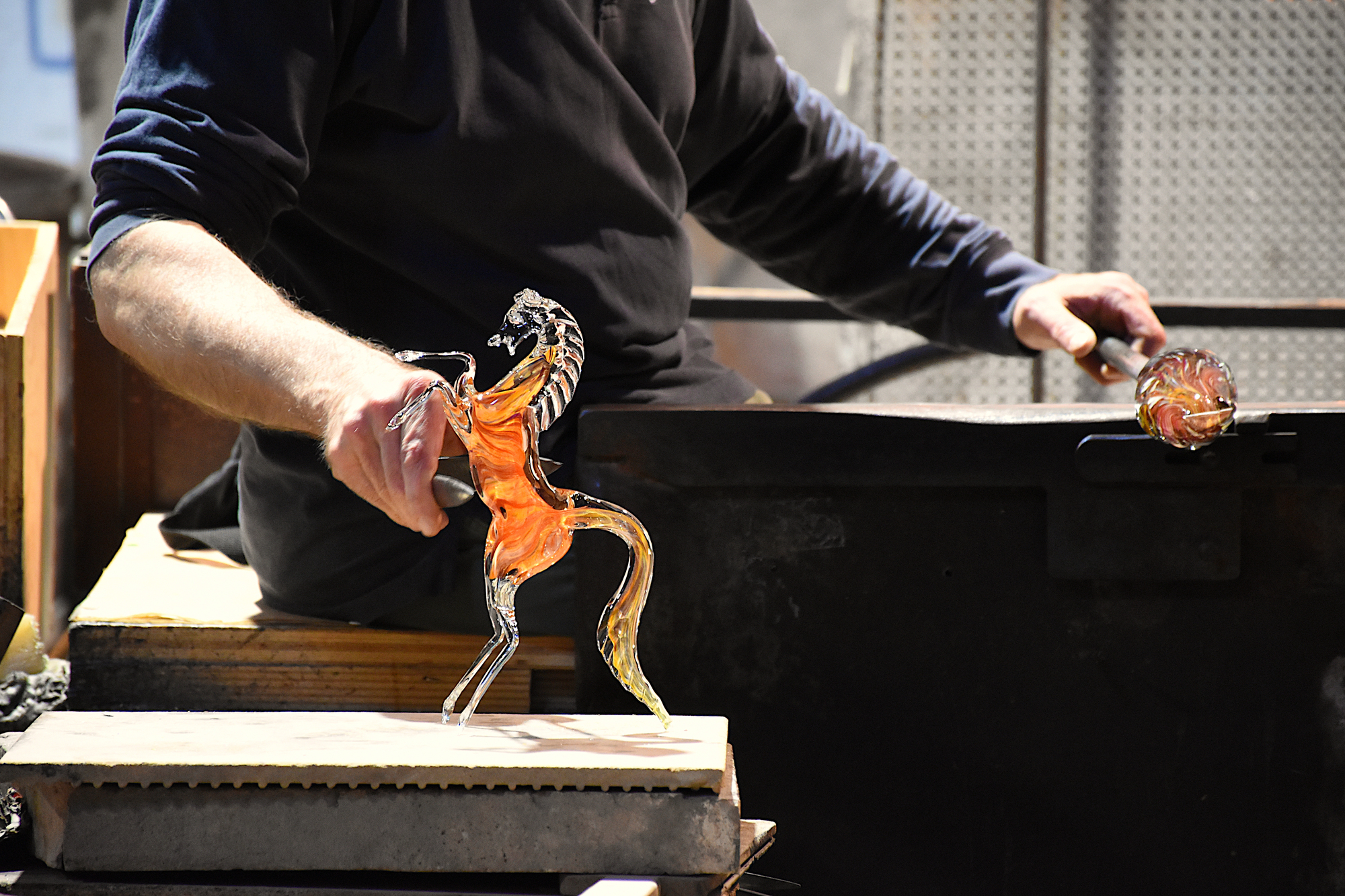
Venice moved its entire glassmaking industry to the island of Murano in 1291 because the furnaces kept starting fires in the wooden city. The relocation had another purpose.
Keeping glassblowers on an isolated island made their secrets harder to escape, and families faced imprisonment or worse if workers tried to leave. Techniques like calcedonia, which creates striations resembling precious stones, were lost and rediscovered at least three times throughout history.
Today the island faces new challenges. Rising energy costs forced many furnaces to shut down in recent years, though some are now reopening with government support.
Master glassblowers still work alongside contemporary artists to keep the tradition relevant.
Japanese lacquerware coating processes
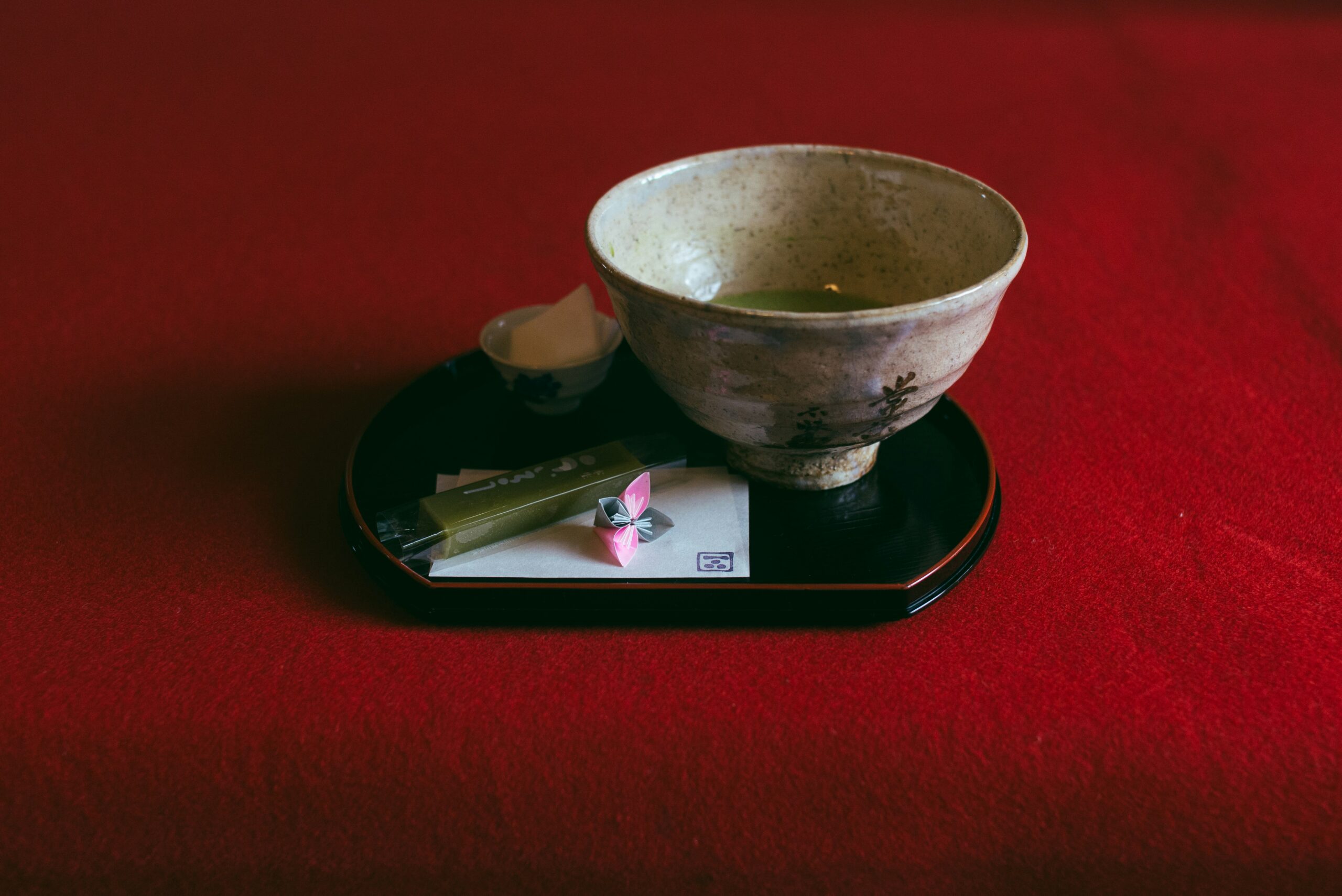
Lacquer coating techniques in Japan go back thousands of years, with the government now designating master craftspeople as Living National Treasures to help preserve the knowledge. The material comes from tree sap that’s highly toxic when fresh.
Workers collect raw lacquer by hand from special trees, with most of Japan’s supply coming from forests in the Joboji region. Creating a finished piece requires applying dozens of layers, waiting days for each layer to dry, then sanding it down to just 0.03 millimeters thick.
A single tree that’s 10 to 15 years old yields only about one cup of usable resin before being cut down. The finished lacquerware can last over a century when properly cared for.
Maki-e gold powder decoration

The maki-e technique, which involves sprinkling fine gold and silver particles onto wet lacquer, is 1,500 years old and requires extreme skill that only a few masters still possess today. Artists use bamboo tubes and tiny brushes made from rat hair to apply the metal powder in precise patterns.
While other countries developed methods of mixing gold powder directly into lacquer, Japan created the distinct technique of applying lacquer first and then adding the metal powder on top. The designs get sealed under additional transparent lacquer layers that protect the gold while letting it shine through.
Each piece takes months to complete because of the multiple drying and polishing stages.
Navajo rug weaving patterns

Traditional Navajo weaving produces highly sought rugs among collectors, but fewer young people are learning the craft. The patterns carry meanings passed down through generations.
Weavers create their own wool by hand, starting with raw fleece from sheep. They clean it, spin it into yarn, and dye it using plants and minerals.
The actual weaving happens on ground looms, with each rug taking weeks or months depending on size and complexity. The survival of this tradition depends entirely on successfully passing knowledge to new generations.
Coppersmithing and metal shaping
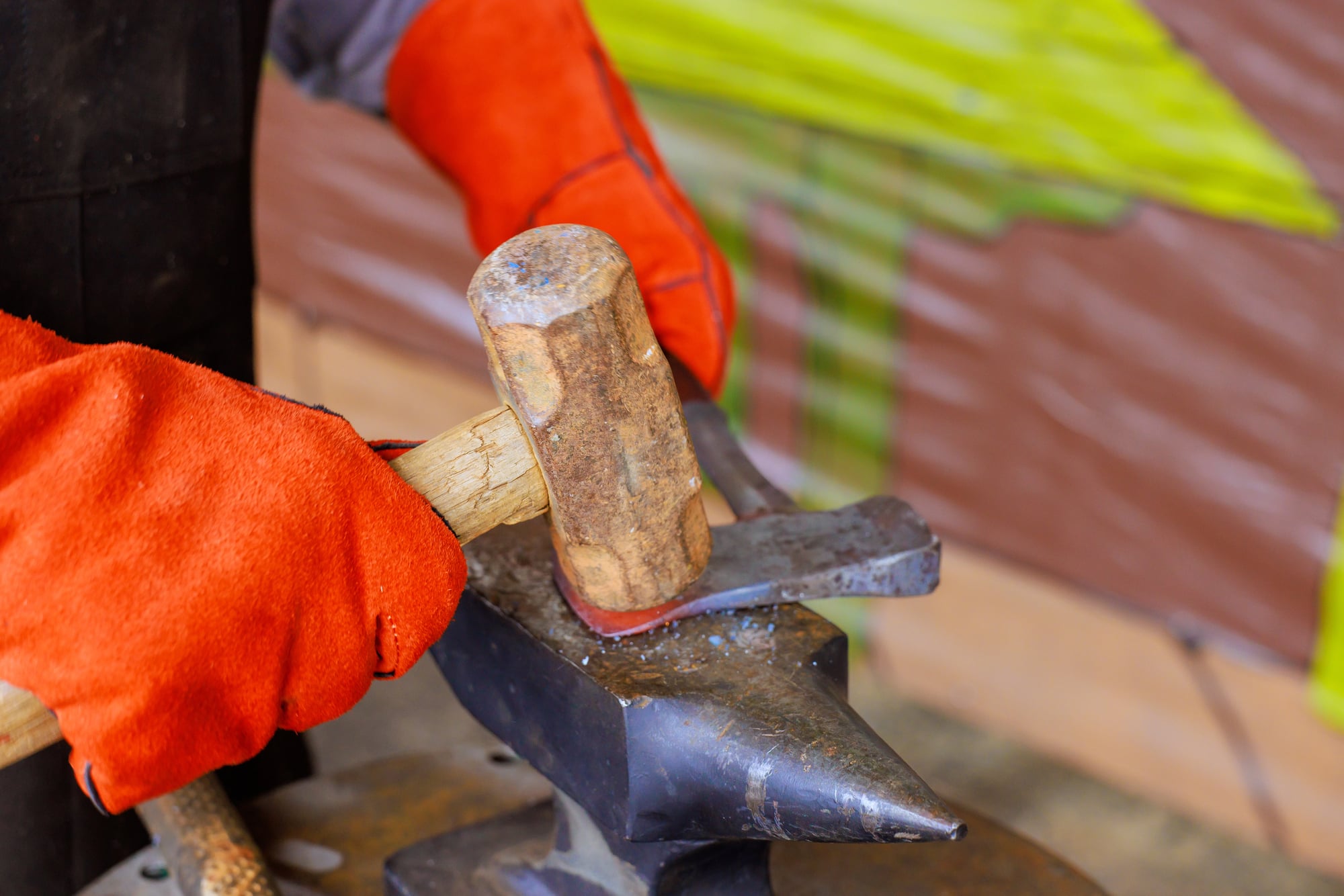
Coppersmithing ranks among the oldest metalworking skills humans developed, involving techniques like hammering, annealing, and engraving to create both functional items and decorative sculptures. The work demands physical strength combined with artistic vision.
Craftspeople need to understand how copper behaves under different temperatures and stresses. Industrial production methods have replaced most traditional coppersmithing, leaving only a few artisans who continue practicing in small workshops where they produce custom pieces.
Each item they create celebrates the unique qualities of hand-shaped copper.
Inuit soapstone carving

The Inuit people of the Canadian Arctic practice soapstone carving as a traditional art form, creating intricate sculptures that often show animals, spirits, and scenes from daily life. Carvers source their material locally from the surrounding landscape.
The sculptures express a deep connection between the artist and the natural world. Families typically pass down carving skills through generations, with each generation learning both techniques and the stories that give the carvings their cultural meaning.
The isolation of Inuit communities and pressure from modern influences have made this craft increasingly rare.
Hand-tapped tattooing traditions
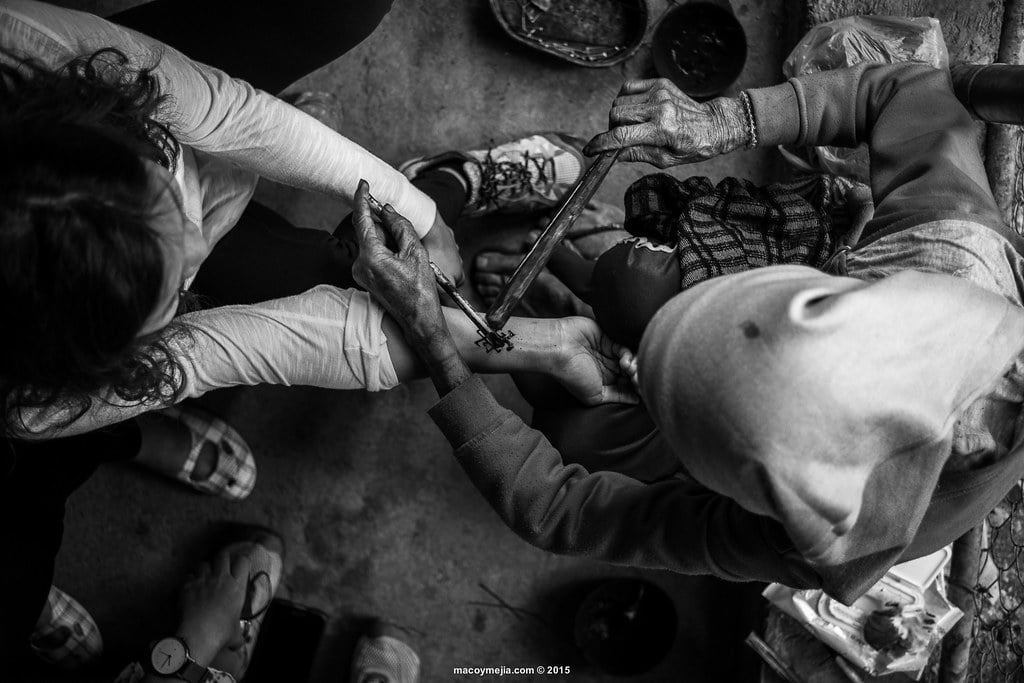
Batok, the traditional hand-tapped tattooing art from the Philippines, is an ancient practice particularly important among the Kalinga people, with Apo Whang Od becoming one of the last remaining practitioners. The technique uses natural materials to create designs that carry cultural significance.
Unlike modern tattoo machines, this method taps ink into skin using hand tools. Each mark gets placed individually through repeated tapping motions.
The patterns represent identity, achievements, and connections to ancestors. Without people learning from the few remaining masters, this knowledge risks disappearing completely.
Crystalline glasswork from ancient Rome
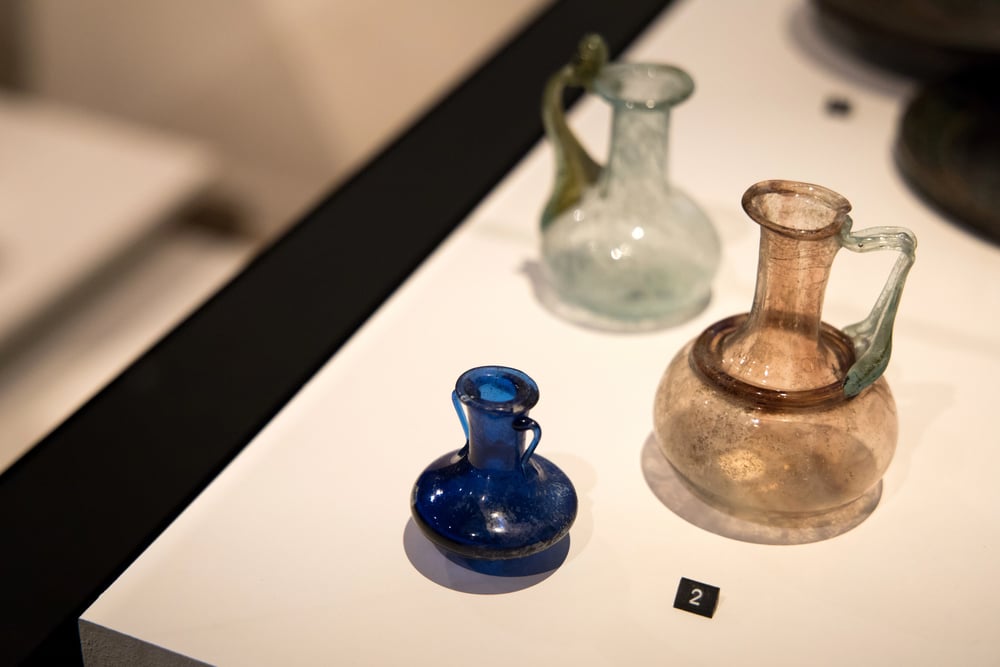
Some Murano glassmakers in the 1600s began trying to recreate wonderful Roman glassware that had been made in their region centuries earlier. The secret they discovered got lost again until the late 1800s when a Murano master glassmaker named Lorenzo Radi succeeded in bringing it back.
The technique involves fusing colored and white opaline glass with clear crystal glass at high temperatures. Workers add different mineral oxides that create unique color effects as the glass bends and stretches into shape.
The resemblance to expensive semi-precious stones made this glass extremely popular during the 1500s and 1600s.
Encaustic tile making with colored clay
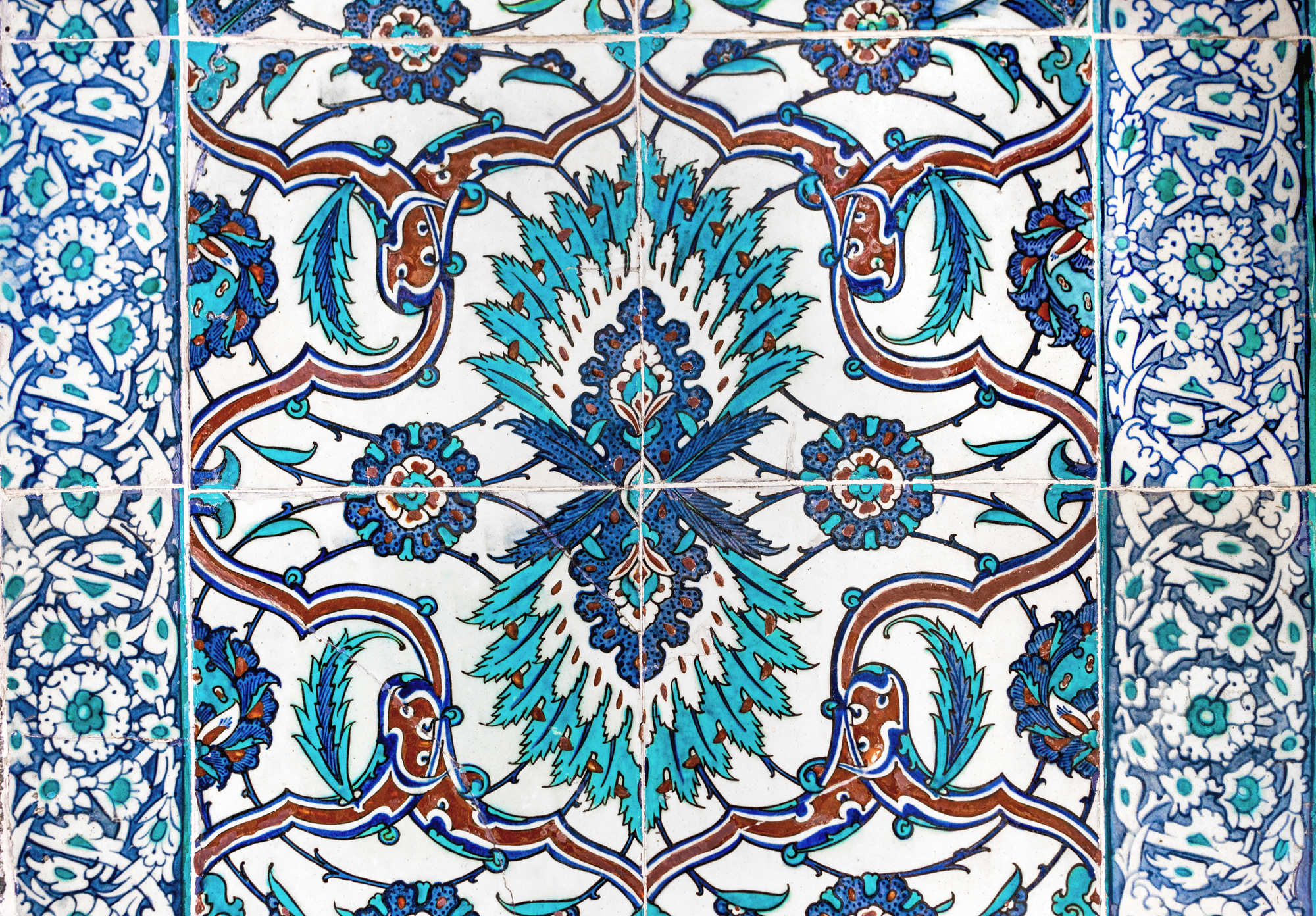
Encaustic tile making is a traditional Spanish craft that creates tiles with inlaid patterns using different colors of clay, dating back to medieval times before being revived in the 1800s. The tiles earn recognition for their durability and bright patterns.
Historic buildings throughout Spain feature these tiles decorating floors and walls, reflecting the country’s artistic and cultural influences. Creating the patterns requires careful planning because the different colored clays need to be positioned precisely before firing.
Once fired, the colors become permanent parts of the tile rather than just surface decorations.
Traditional woodblock printing
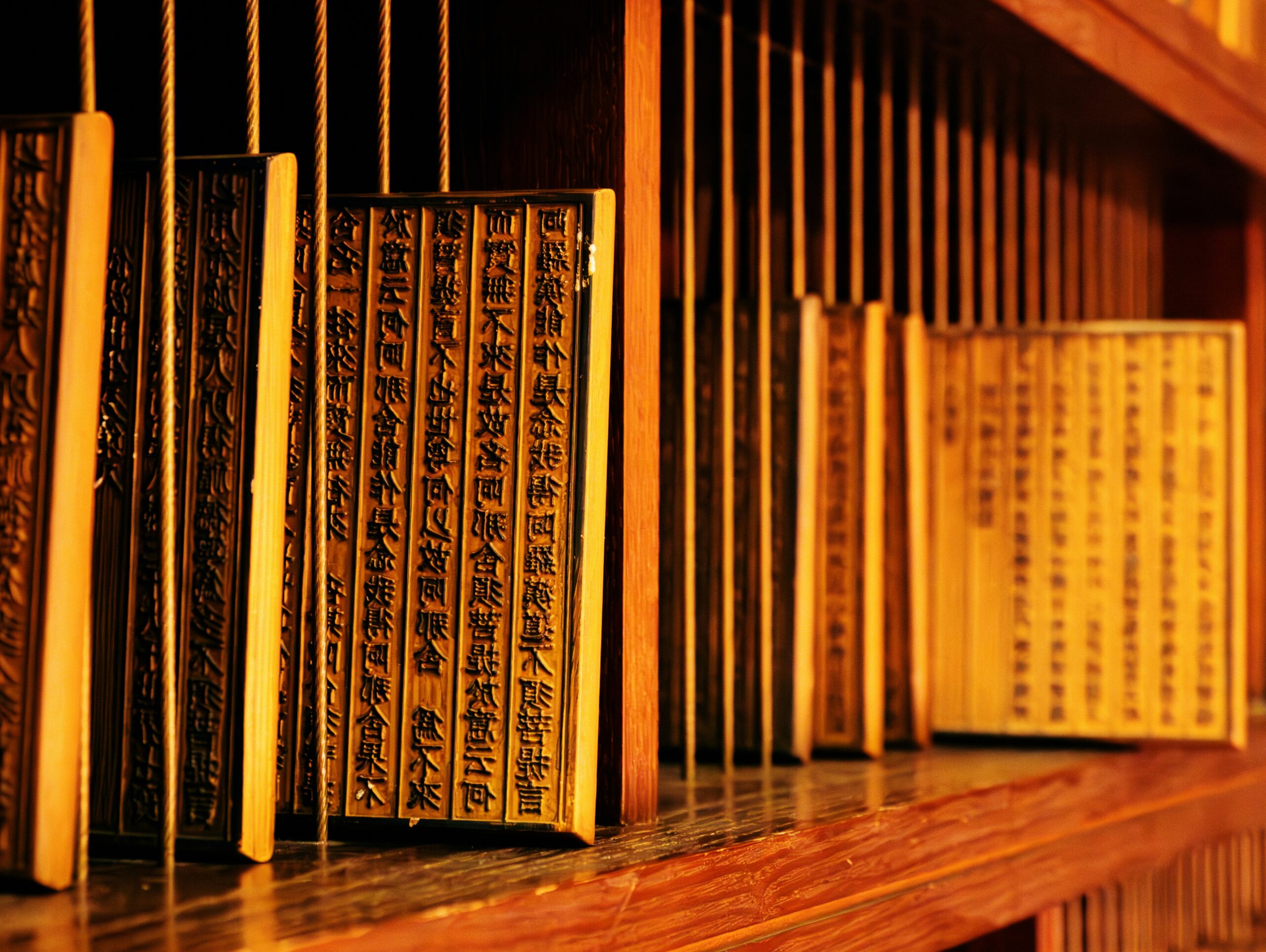
Woodblock printing became popular in Japan during the Edo period from 1603 to 1868, with famous artists like Hokusai and Hiroshige creating iconic works using this technique. The process starts with carving an image into a wooden block.
Artists apply ink to the carved surface and press it onto paper or fabric. Each color in a finished print requires a separate block.
Achieving proper registration so all the colors line up perfectly demands incredible precision. The carved blocks themselves become valuable tools that workshops preserve and reuse for years.
Folk stitching from Ukraine, filled with local designs
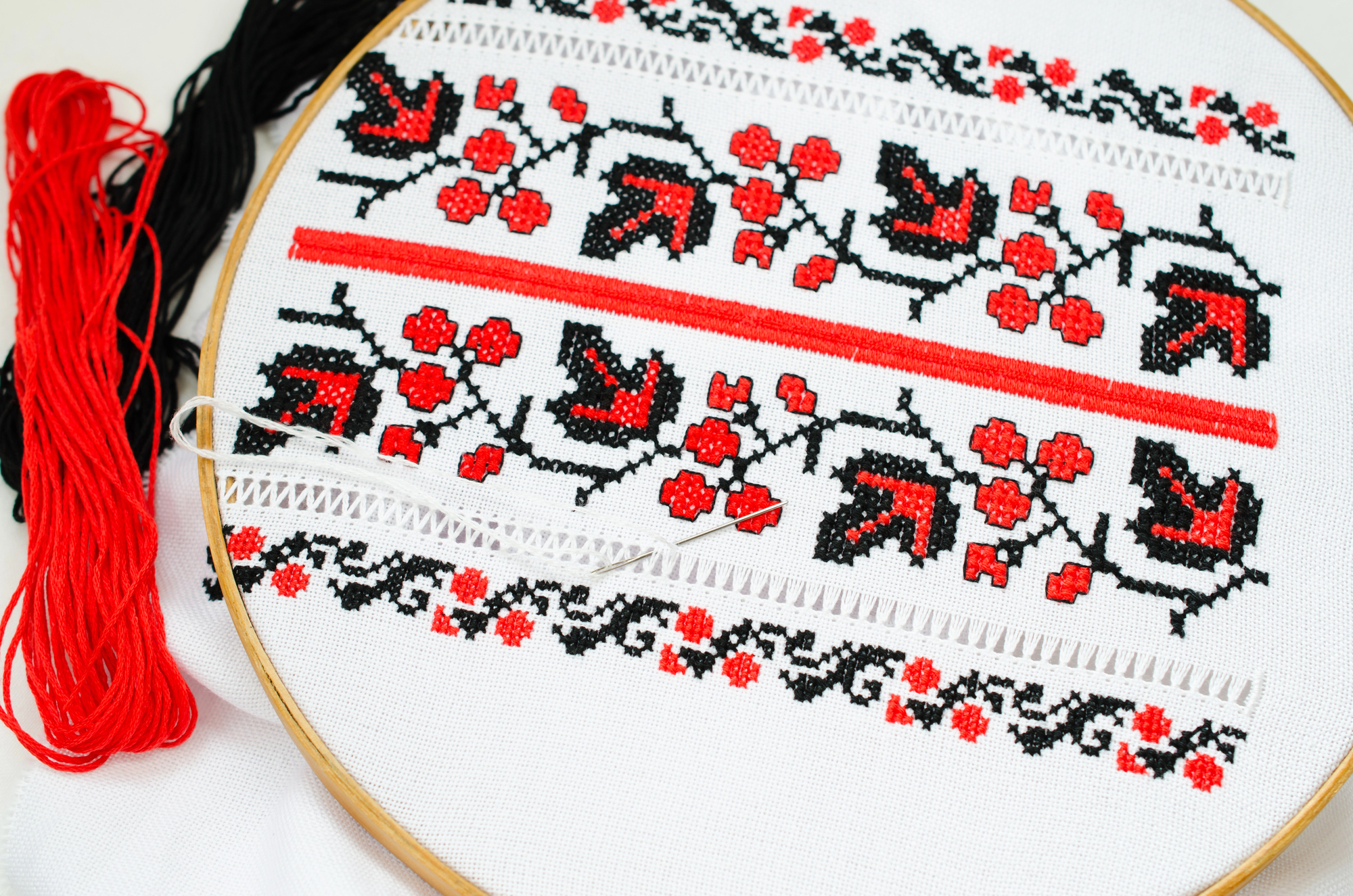
Folks in Ukraine have stitched colorful designs onto clothes and home goods for hundreds of years – these threads show up on sacred cloths too. Depending on where you are in the country, the shapes and shades shift, each one whispering stories about earth, faith, or everyday moments.
Skills move from one generation to the next, handed quietly between kin. Moms and grandmas usually taught girls how it’s done.
Every area came up with its own mix of colors and patterns. Not just for looks – stitching also keeps traditions alive by showing who you are.
Ikebana flower arrangement principles
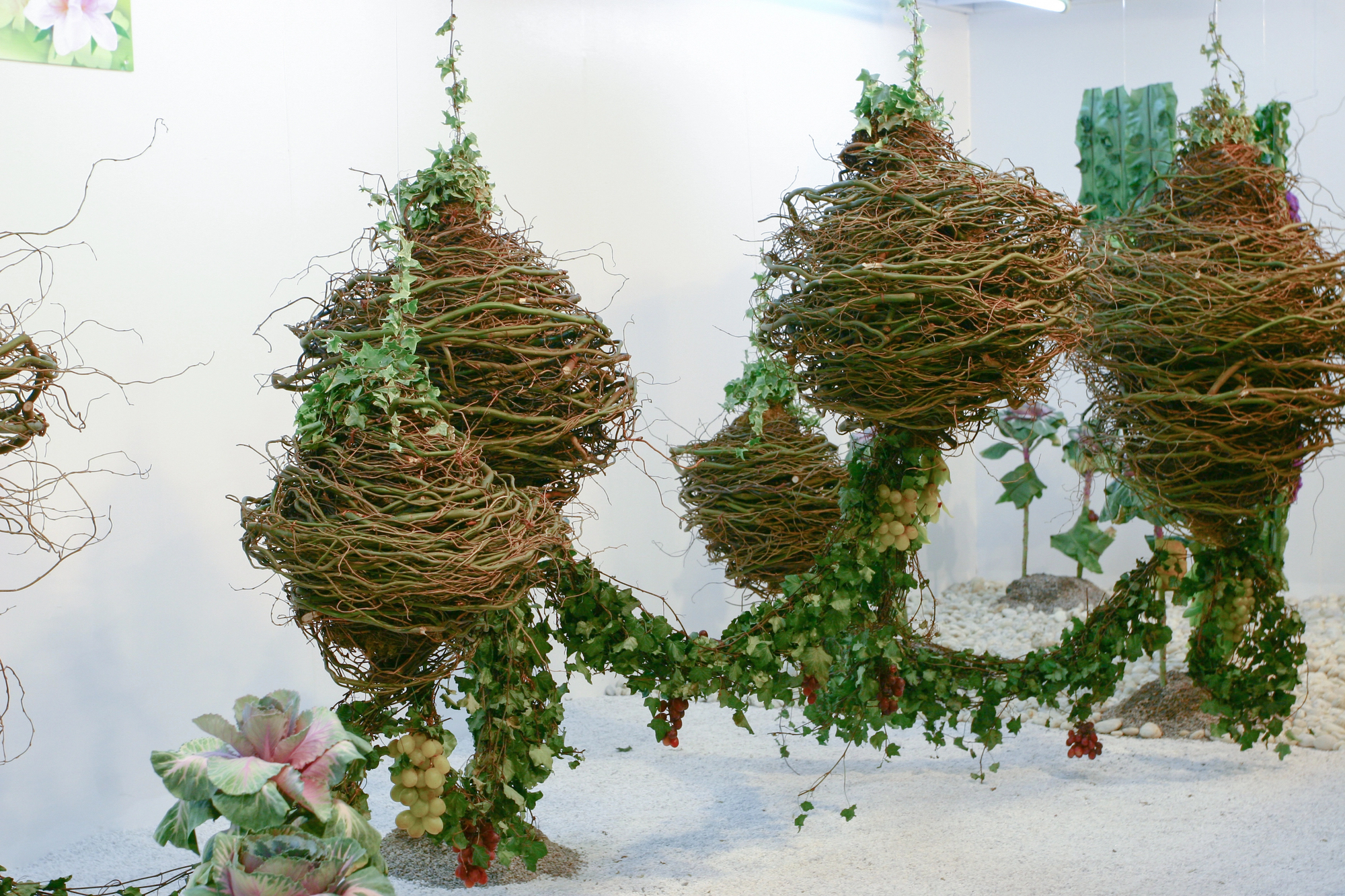
Ikebana isn’t just about pretty flowers – it’s a strict way to connect people with nature through careful design. It started around the 600s, when folks placed blooms on religious stands; over time it turned into something quiet and thoughtful, built on shape and gaps between stems.
While European styles go for big bunches and bright shades, this method uses open areas and uneven forms instead. People train for ages to understand its core ideas.
The setups bring a quiet mood by keeping things stripped back. One twig, one leaf, or a bloom goes exactly where it should – no accidents.
Here’s what it could bring by next day
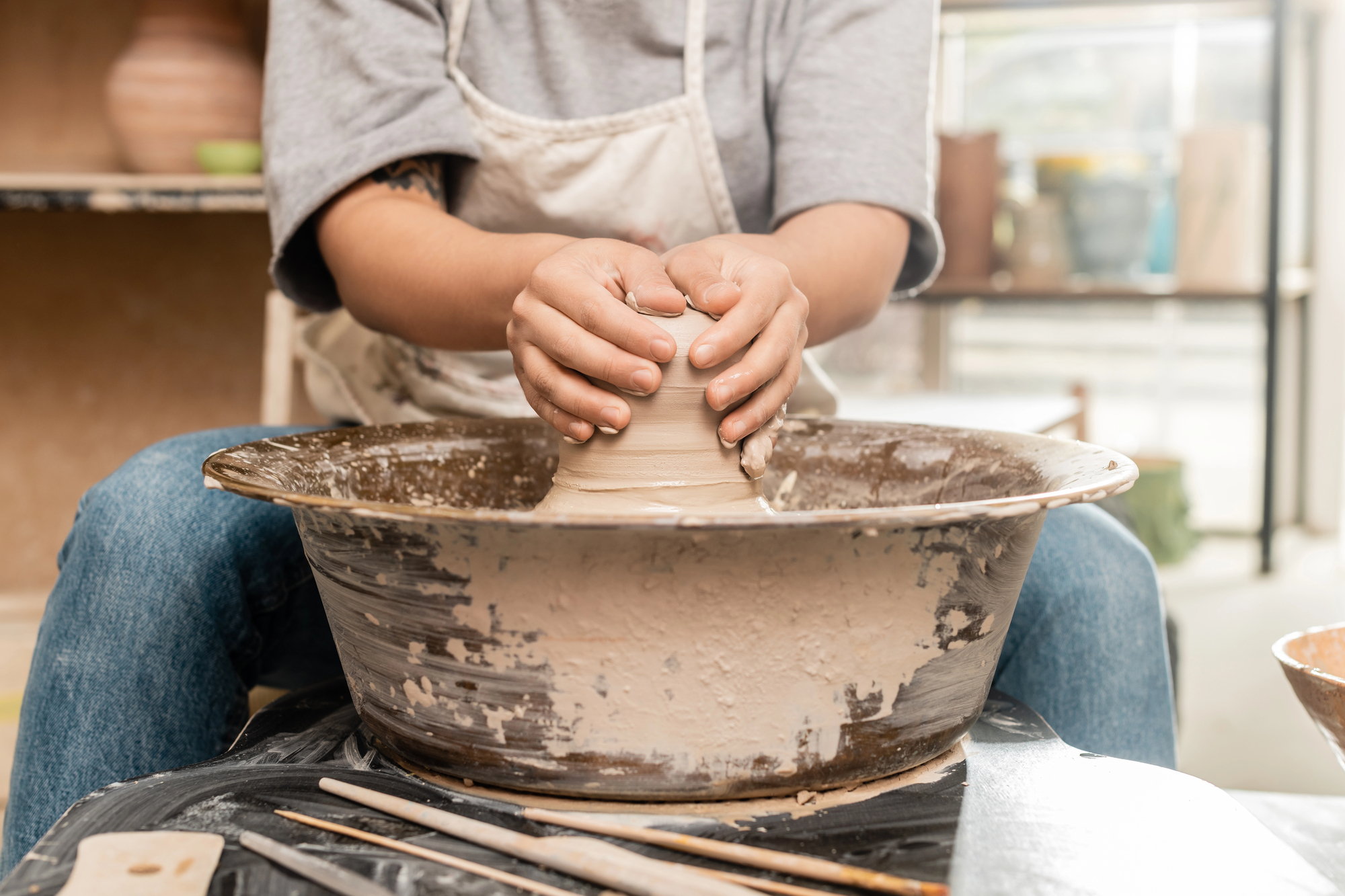
The worldwide trade in handmade stuff hit $526 billion by 2024, growing faster than factory-made options in many areas. Folks now prefer things built by people instead of robots.
Art colleges started bringing old-school making skills back into current courses; at the same time, local workshops saw a spike in sign-ups for lessons like metal forging or stitching books. Picking goods crafted the classic way helps skilled makers thrive – also encourages habits kinder to nature and tradition.
Old ways show us worth isn’t just about how fast something’s done. Taking your time, paying attention – this builds a bond between who makes it and who uses it, something machines can’t copy.
More from Go2Tutors!

- The Romanov Crown Jewels and Their Tragic Fate
- 13 Historical Mysteries That Science Still Can’t Solve
- Famous Hoaxes That Fooled the World for Years
- 15 Child Stars with Tragic Adult Lives
- 16 Famous Jewelry Pieces in History
Like Go2Tutors’s content? Follow us on MSN.



