Artists With Unconventional Creative Processes
Most artists follow some version of the same routine. They sketch, plan, execute.
They work in studios with proper lighting and organized materials. They follow techniques passed down through generations.
But some artists reject all of that. They paint with their bodies, create art while sleeping, or destroy their work as part of the process itself.
These unconventional approaches aren’t gimmicks. They’re genuine explorations of what art can be when you abandon the rulebook.
Some methods produce masterpieces. Others create controversy.
All of them challenge assumptions about how creativity works and where inspiration comes from.
Jackson Pollock’s Dance with Canvas
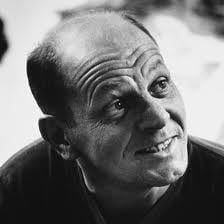
Jackson Pollock laid his canvases on the floor and walked around them, dripping and flinging paint from above. He used sticks, trowels, and knives instead of brushes.
The paint came straight from the can, often mixed with sand or broken glass for texture. Critics called it chaos.
Pollock called it control. He moved around the canvas in a kind of dance, responding to what he saw emerging.
The drips and splatters weren’t random—they followed rhythms and patterns he felt rather than planned. He could stop mid-drip, redirect, layer colors in ways that created depth despite the apparent disorder.
The physical act mattered as much as the final image. Pollock worked in bursts of intense activity, sometimes finishing a large canvas in a single session.
Other times he’d revisit a piece repeatedly, adding layers until he felt satisfied. The process required athletic stamina and split-second timing.
One wrong move, one hesitation, and the rhythm broke.
Yves Klein’s Living Brushes

French artist Yves Klein directed models covered in his signature blue paint to press themselves against canvases while an orchestra played. He called these “Anthropometry” sessions.
The models became living brushes, their bodies leaving imprints that Klein considered more authentic than anything he could paint by hand. Klein wore a tuxedo and acted as conductor rather than painter.
He never touched the paint or canvas himself during these performances. An audience watched, turning the art-making into a spectacle.
The models rolled, pressed, and dragged themselves across the canvas following Klein’s directions. The method sparked controversy.
Critics accused Klein of objectifying the models. Defenders argued he was exploring new territories in performance art and body-based creation.
Klein himself saw it as a way to capture human energy and presence directly, without the filter of traditional tools.
David Hockney’s Photo Collages

David Hockney rejected the single-point perspective of traditional photography. Instead, he took hundreds of Polaroid shots of the same scene from slightly different angles and times.
Then he assembled them into grid-like collages that showed multiple perspectives simultaneously. The resulting images captured something closer to how humans actually see.
Your eyes move constantly, refocusing, taking in details from different angles. Hockney’s photo collages mimicked that experience.
A single face might appear from five different angles. A swimming pool stretched and fragmented across dozens of individual photos.
He called the technique “joiners.” The process required patience and planning.
Hockney would spend hours photographing, then days or weeks assembling. Gaps between photos, slight overlaps, and perspective shifts created a fractured reality that felt more truthful than any single photograph could capture.
Chuck Close’s Grid System
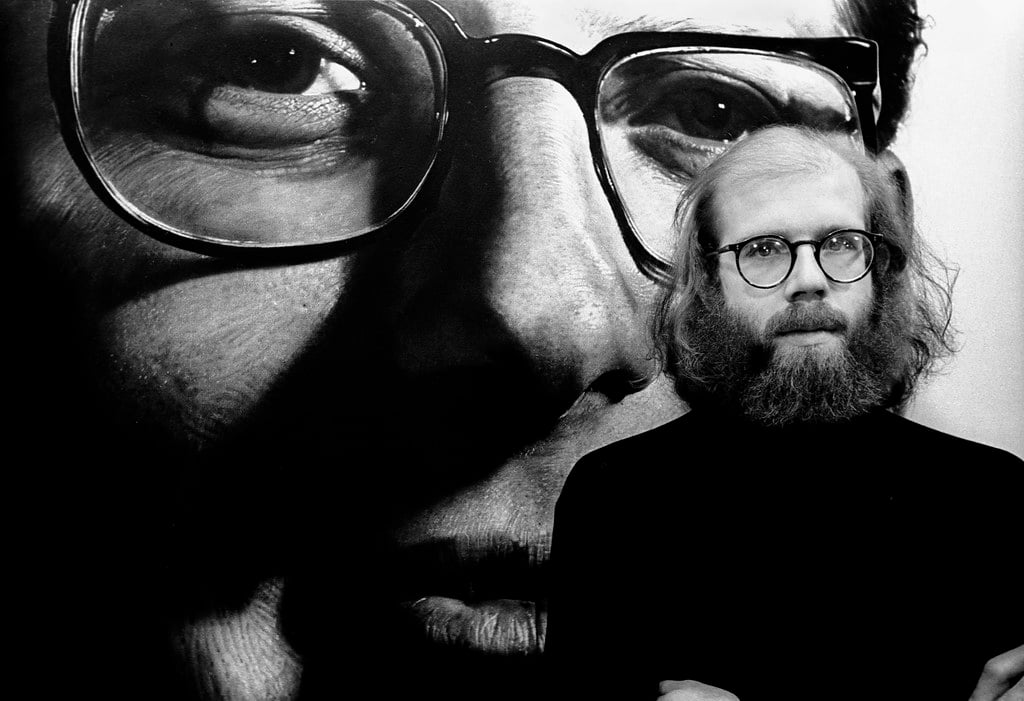
Chuck Close, despite severe face blindness, became famous for massive photo-realistic portraits. His method involved converting photographs into grids—sometimes thousands of individual squares.
He painted each square separately, never seeing the whole image until completion. The grid system let Close work on a scale impossible with traditional painting methods.
His portraits stretched 10 feet tall or more, yet maintained precise detail. Each grid square became a miniature abstract painting.
Up close, you saw colorful shapes with no recognizable features. Step back, and a face emerged with startling clarity.
Close adapted the method after a spinal artery collapse left him paralyzed. He strapped a brush to his hand and continued painting, using the same grid system.
The later works became looser, more obviously composed of individual marks, but no less powerful. His process proved that limitation could drive innovation rather than prevent it.
Francis Bacon’s Controlled Accidents

Francis Bacon threw paint at canvases, used rags instead of brushes, and deliberately created “accidents” that he then worked into his compositions. He painted straight onto raw canvas without preliminary drawings, letting chance play a major role in each piece.
His studio was famously chaotic. Paint tubes, torn photographs, brushes, and debris covered every surface.
Bacon claimed the mess was essential. He needed visual chaos around him to create the kind of distorted, emotionally raw figures he’s known for.
Friends who visited described the space as barely navigable. Bacon would start with a vague idea and let the painting evolve through these controlled accidents.
A random smear might suggest a form. A drip might become part of a face.
He embraced unpredictability while maintaining enough control to guide each piece toward completion. The tension between accident and intention gave his work its distinctive unsettling energy.
Kara Walker’s Shadow Silhouettes
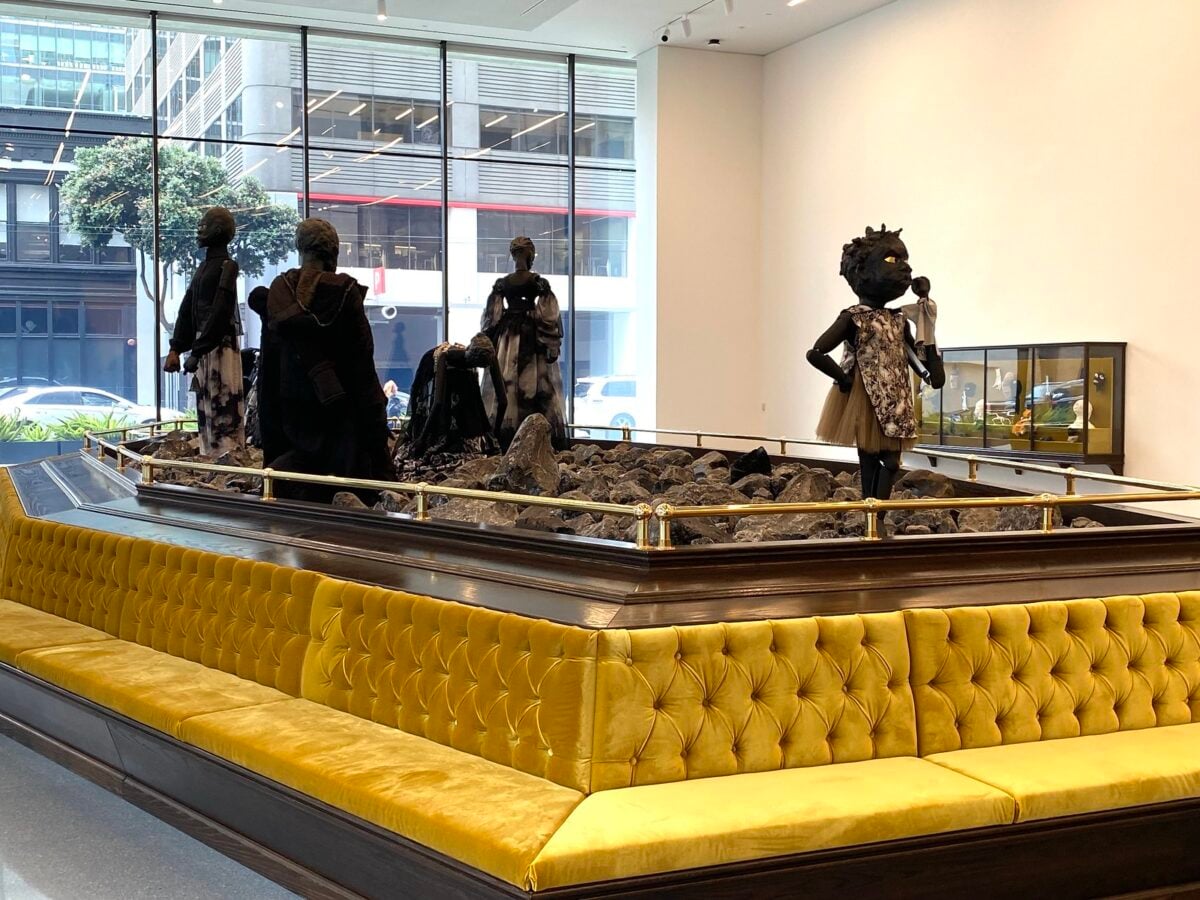
Kara Walker cuts life-sized figures from black paper and arranges them on white gallery walls. The silhouettes depict disturbing scenes from American slavery and its legacy.
The technique references 18th-century parlor crafts while tackling brutal subject matter. Walker works directly with scissors, cutting freehand without preliminary sketches.
The figures emerge from the paper through her cutting. Each installation requires careful planning for the overall composition, but individual figures get created spontaneously.
The cutting process takes weeks or months for large installations. The stark black and white eliminates gray areas visually while addressing moral complexity.
Viewers often walk past before the content fully registers, then stop and return, disturbed by what the elegant silhouettes actually depict. Walker uses the decorative quality of silhouettes to draw people in, then confronts them with uncomfortable historical truths.
Andy Goldsworthy’s Ephemeral Sculptures

Andy Goldsworthy creates art designed to disappear. He arranges leaves, ice, stones, and branches into sculptures that last hours or days before nature reclaims them.
He works outdoors in remote locations, using only natural materials found on site. Many pieces exist only in photographs.
Goldsworthy documents them before wind, rain, tide, or time destroys them. A spiral of icicles melts. Leaves arranged in gradients of color blow away.
Stone cairns topple. The impermanence isn’t a flaw—it’s the point.
Goldsworthy works with his hands, no tools. The cold numbs his fingers while working with ice.
Thorns scratch him when arranging branches. The physical discomfort and direct connection to materials matter to him.
He often rises before dawn to catch specific light or temperature conditions. Some pieces take minutes to create.
Others require days of patient construction knowing a single storm will erase everything.
Gerhard Richter’s Squeegee Paintings

Gerhard Richter drags massive squeegees across wet paint, smearing layers of color into abstract compositions. The squeegees are sometimes six feet wide.
The process requires strength and timing. Too soon, and the paint just moves around. Too late, and it’s dried enough to resist.
Richter built custom tools for the job. The squeegees needed perfect edges and just the right flexibility.
He experiments with pressure, speed, and angle. Each pass reveals and conceals earlier layers.
The final image shows a record of every move, every decision about when to stop. The randomness appeals to Richter, but he maintains control through color choice and composition.
He decides which colors to use and where to start, but the squeegee determines much of what happens after. The tension between intention and accident runs through all his work, but nowhere more literally than in these pieces where the tool shapes the outcome as much as the artist does.
Marina Abramović’s Endurance Performances

Marina Abramović uses her body as the medium. She sits motionless for hours, lets audiences cut her clothes off, and walks the Great Wall of China.
Her art exists in the moment of performance, not in objects that persist afterward. One performance had her sit silently across from museum visitors, one at a time, making eye contact.
She sat for 736 hours over three months. People waited hours for their turn. Some sat for minutes, others for hours.
The “art” was the exchange, the connection, the endurance required from both parties. Abramović pushes physical and mental limits.
She held poses until her body shook with exhaustion. She’s fasted for days.
She’s put herself in situations of real danger. The performances test what the body and mind can endure.
Viewers watch someone push boundaries they’d never approach themselves. The discomfort and fascination mix together, creating experiences that photographs can’t fully capture.
Banksy’s Covert Operations

Banksy creates art illegally, often overnight, in public spaces. The stencil technique allows quick execution.
He scouts locations, prepares stencils, then works fast—sometimes completing a piece in minutes. By morning, a new Banksy has appeared and thousands walk past before authorities notice.
The secrecy is part of the art. Banksy’s identity remains unknown despite decades of work and worldwide fame.
Collaborators keep quiet. Authentication happens through Banksy’s website or representatives, but no one confirms who actually creates the work.
This anonymity gives the art more power—it belongs to everyone and no one. The vandalism charges are real.
Banksy has been arrested, though never conclusively identified. Some pieces get painted over by property owners.
Others get preserved behind Plexiglas. The tension between vandalism and art, public space and private property, makes the work inseparable from its controversial creation method.
Ai Weiwei’s Mass Production Art
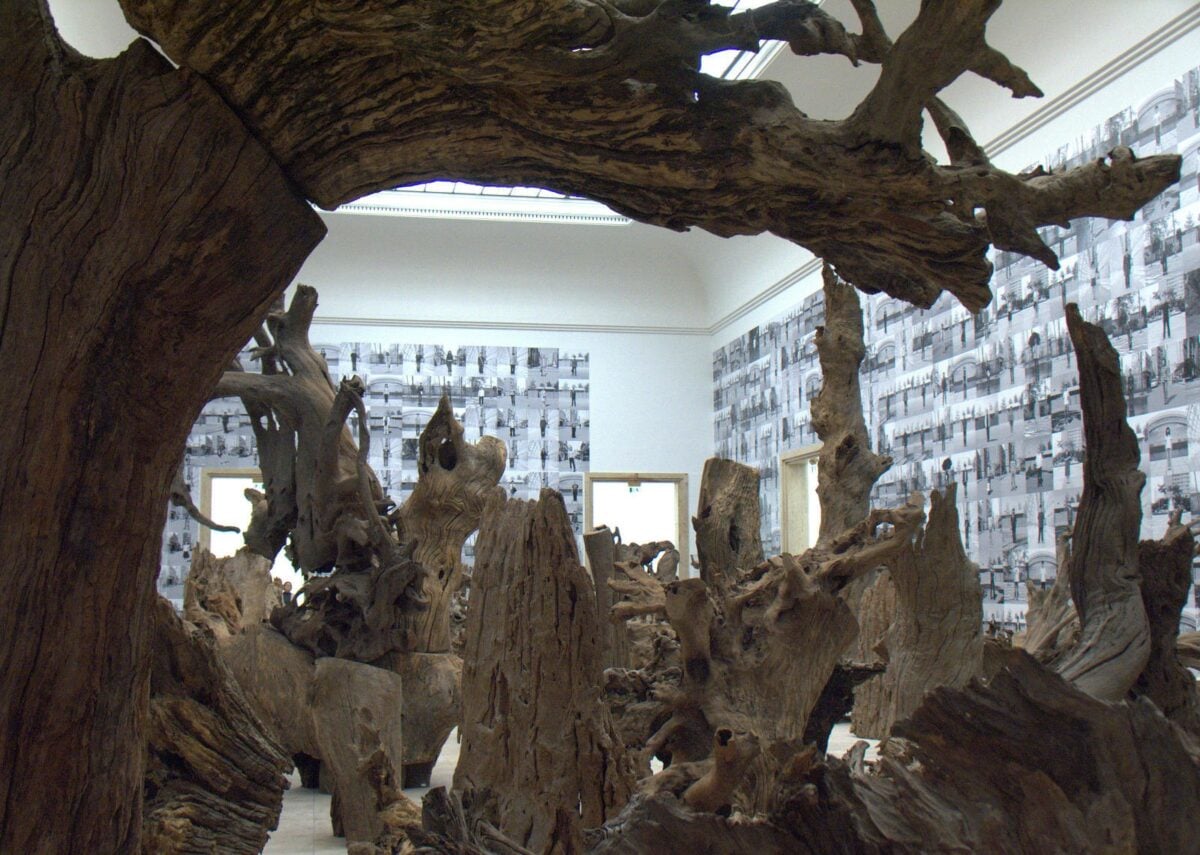
Ai Weiwei sometimes employs hundreds of assistants to create single artworks. For “Sunflower Seeds,” over 1,600 Chinese artisans hand-painted 100 million porcelain seeds.
For his bicycle pieces, he welded thousands of bikes into massive sculptures. The scale makes individual authorship meaningless.
AI conceives and directs, but countless hands execute. This challenges Western ideas about artistic genius and the lone creator.
AI intentionally references Chinese craft traditions and collective labor while creating contemporary art. Some critics argue this isn’t really AI’’s art—he’s just directing others.
AI counters that conception and organization are the art. The thousands of hours of labor by unnamed artisans become visible when you realize each tiny seed was individually painted.
The method itself makes a statement about labor, value, and whose creativity counts.
Vik Muniz’s Material Transformations

Starting with a photo or artwork, Vik Muniz builds it again with strange stuff. Chocolate syrup becomes paint on canvas, turning sweet into serious imagery.
From trash piles come faces, shaped slowly by hand. Sugar forms lines that glint under light, adding texture to familiar scenes.
What he uses ties directly to what he shows – no accident there. Starting with scraps found in heaps, Muniz teamed up with waste collectors across Brazil.
Out of discarded items, they built scenes that echoed old masterpieces. Snapping images of these setups came next, capturing them before anything changed.
Money from print sales went straight back to the people who helped make them. Those messy mosaics? Cleared out once the camera did its job.
Out of what people throw away, he builds faces you can’t forget. Not every picture speaks so loudly when it’s drawn from trash instead of film.
Meaning sticks right into the frame because the stuff itself tells part of the story. It matters where things begin before they become something seen on walls – mud, scraps, sweets turned into scenes once thought impossible.
Olafur Eliasson’s Environmental Installations

A bright glow, like daylight, filled one gallery – built by Olafur Eliasson. Hidden fog crept into spaces until only blurred forms stayed visible.
Water flowed indoors, sometimes falling from above, sometimes moving across floors. Though machines and math shaped each piece, what mattered was how people felt when walking through.
The sensation came first; blueprints second. A giant fake sun glowed inside the Tate Modern’s vast hall.
Hazy mist floated through the space. Overhead, mirrors made ceilings seem twice as high.
Visitors stretched out below, gazing upward at their own mirrored shapes. Groups formed where none had been before – parents spread cloths, friends stayed long past leaving time.
What began as light turned into shared stillness. A group of architects, engineers, and scientists surrounds Eliasson.
Getting things right means measuring light, warmth, air moisture, and stuff with care. Magic sparks once every part clicks into place – physics turning into something deeply moving.
The making is just as much the artwork since nothing exists without how it was built.
When Method Becomes Message

Funny how a splash says more than precision ever could. Movement lives in those wild splatters, not tidy lines.
Someone once let paint fall where it wanted, found rhythm in chaos instead of control. The canvas got messy, sure, but also honest.
A body dragging color across fabric – now that makes you wonder who really made the art. Who holds the credit when the hand isn’t holding a brush? Normal ways stay quiet on things like that.
How a thing is made colors its meaning. To see the artwork clearly, look at how it took shape. What emerges depends on the way it was built.
Shift the making, shift the message. Materials talk when handled differently.
The brush, the paint, the motion – they combine into something words miss. Meaning grows where method meets material.
More from Go2Tutors!