Athletes Influencing Culture Beyond Their Sport
Athletes have always been more than just competitors. They train hard, break records, and win championships, but their impact doesn’t stop when the final whistle blows.
Over the years, sports stars have shaped fashion trends, spoken out on important issues, and changed the way people think about everything from sneakers to social justice. Their voices carry weight far beyond the playing field, and their actions often spark conversations that reach millions of people who might never watch a single game.
Let’s look at how these competitors have become cultural icons who influence daily life in ways most people never expected.
Muhammad Ali
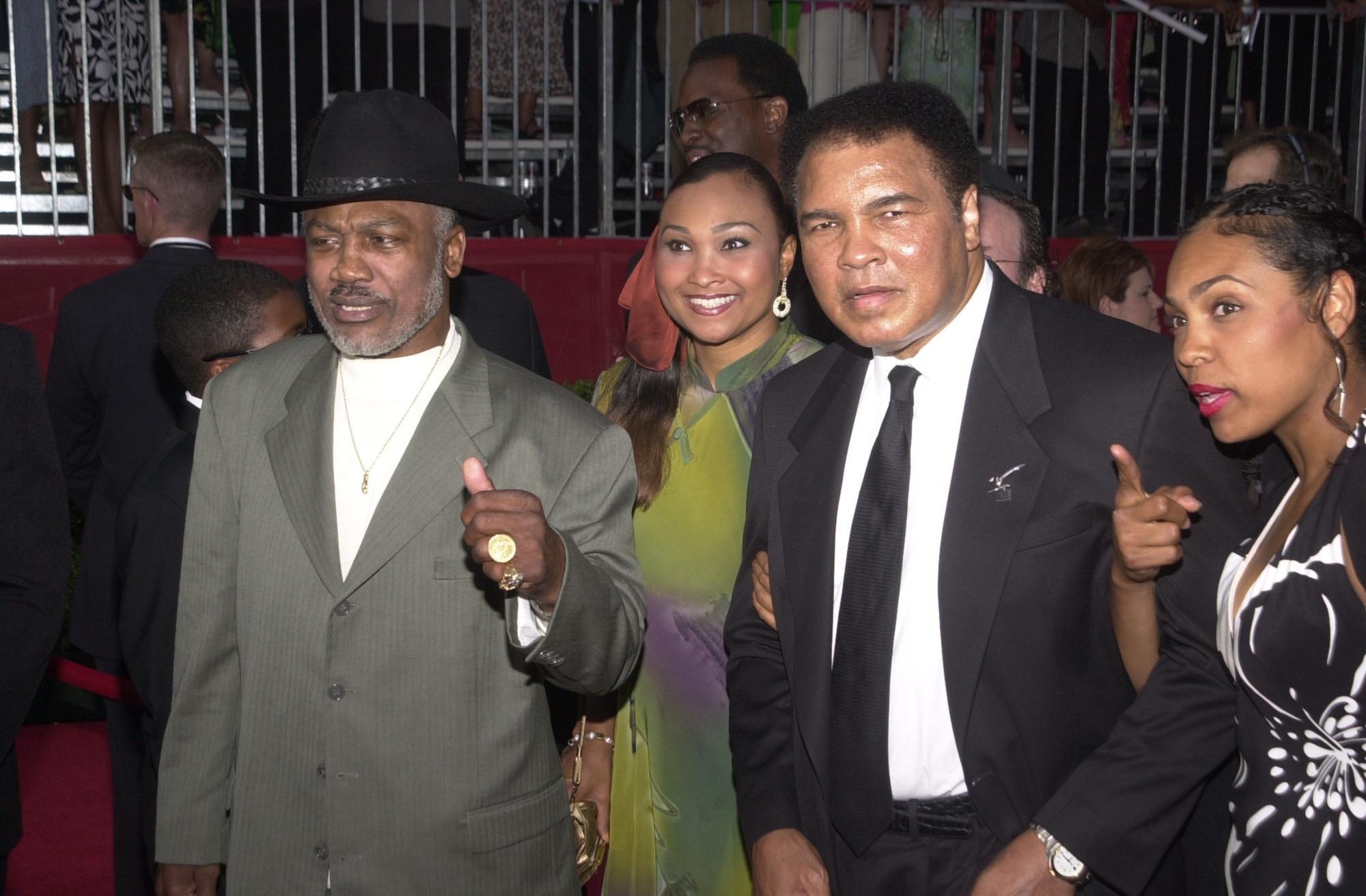
Muhammad Ali didn’t just float like a butterfly and sting like a bee in the boxing ring. He stood up against the Vietnam War when it could have destroyed his career, refusing to be drafted on religious and moral grounds.
The government stripped him of his heavyweight title and banned him from boxing for three years during his prime. His bold stance on civil rights and his refusal to stay quiet about injustice made him a symbol of resistance during one of America’s most turbulent decades.
Ali proved that athletes could use their platform to challenge the status quo, even when it came at a tremendous personal cost.
Michael Jordan
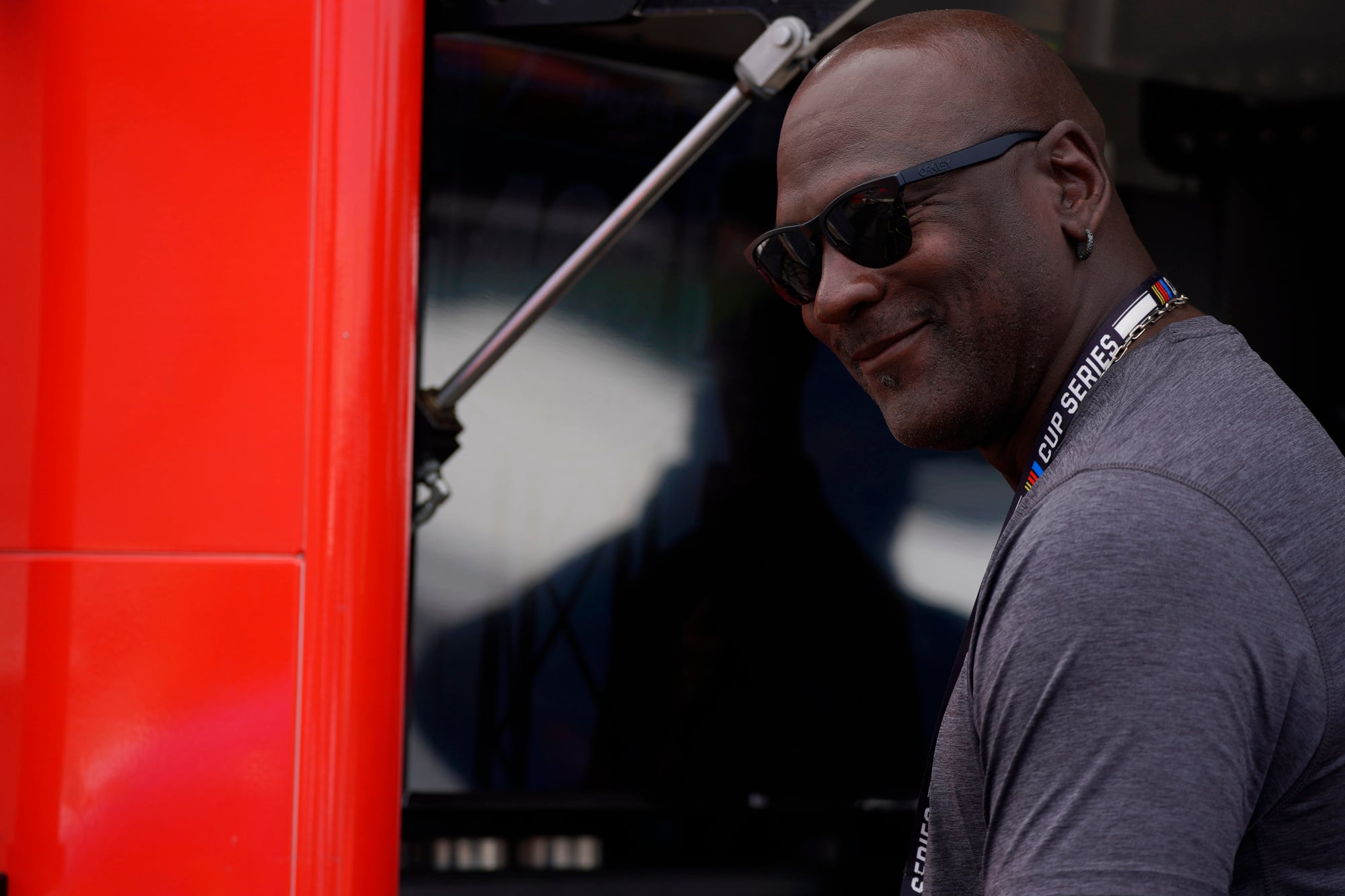
Michael Jordan turned basketball shoes into a cultural phenomenon that went way beyond the court. His partnership with Nike created the Air Jordan brand in 1984, and suddenly everyone wanted to wear what MJ wore.
Kids saved up their allowances, and adults stood in long lines just to get a pair of those iconic sneakers. Jordan’s influence on fashion and consumer culture changed how companies thought about athlete endorsements.
He became a global brand himself, showing that a player’s marketability could rival their athletic achievements.
Serena Williams
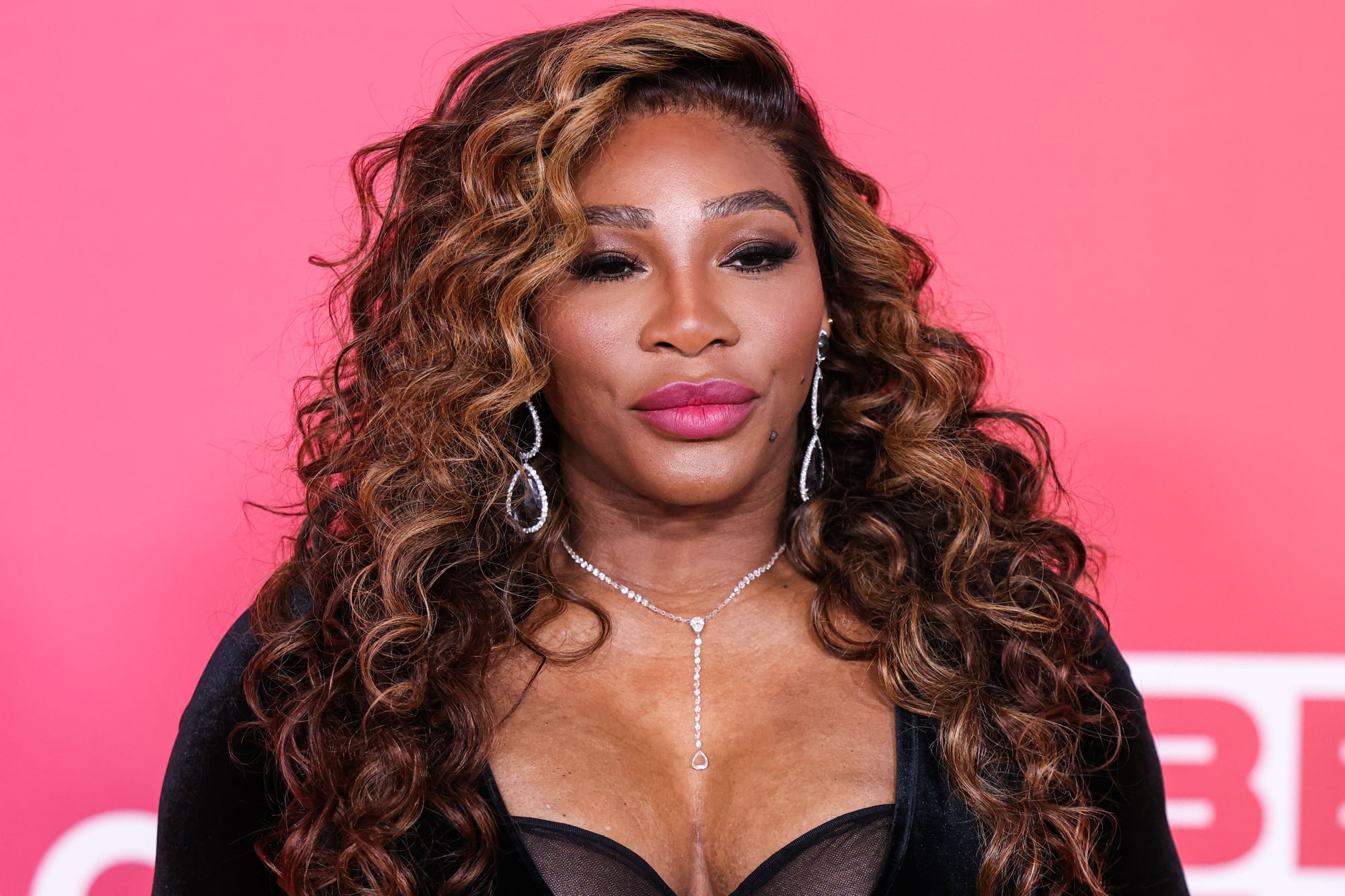
Serena Williams broke barriers in tennis while also breaking fashion rules. She wore bold outfits on the court that challenged traditional tennis attire, from catsuits to tutus, and never apologized for standing out.
Her confidence inspired countless women to embrace their strength and individuality. Williams also spoke openly about pay equality, motherhood in professional sports, and the challenges Black women face in predominantly white spaces.
Her impact reaches far beyond her 23 Grand Slam titles.
Colin Kaepernick
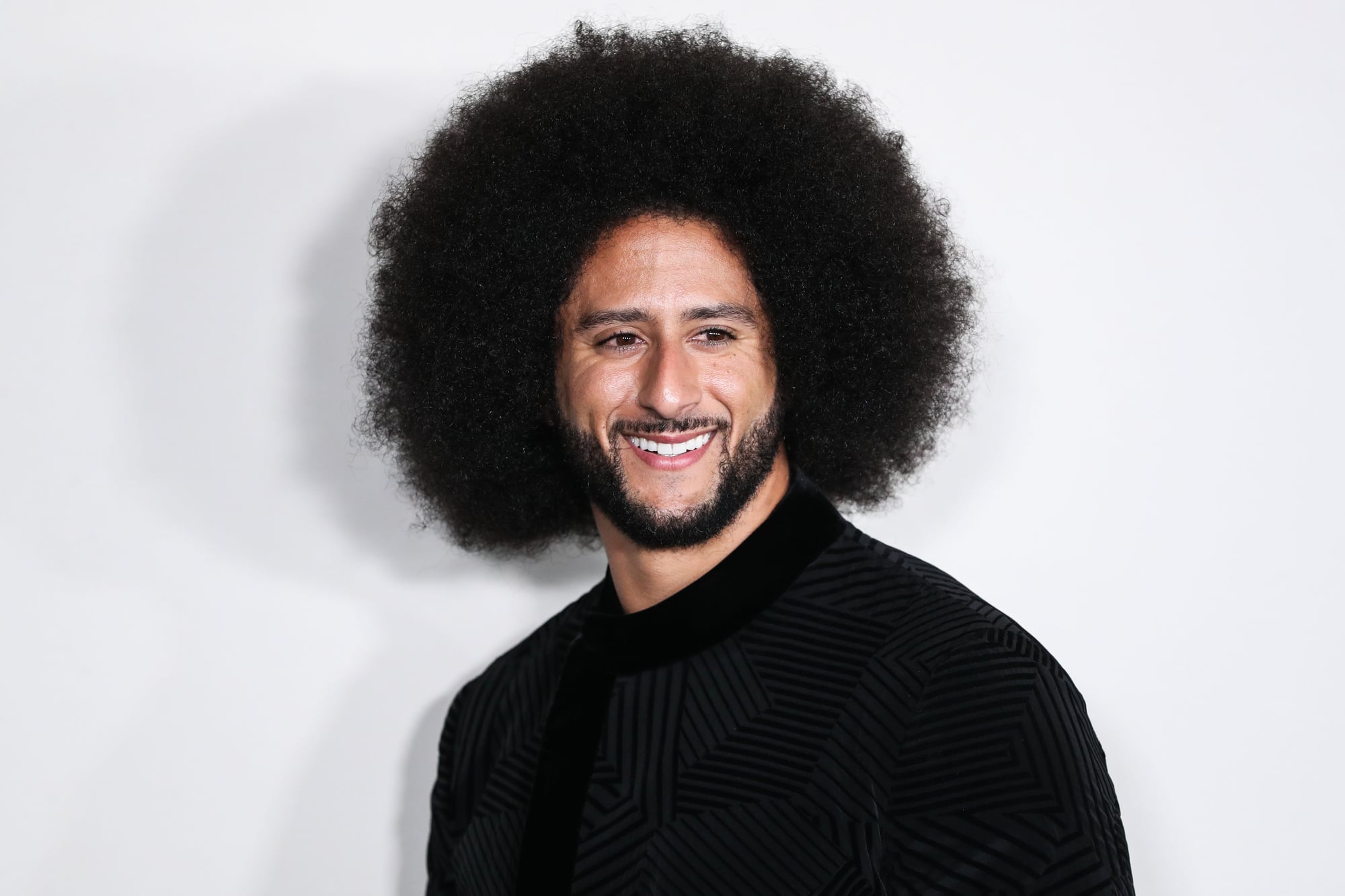
Colin Kaepernick kneeling during the national anthem in 2016 sparked one of the biggest cultural debates in modern sports history. He was protesting police brutality and racial inequality, and his quiet gesture created a firestorm that divided the nation.
Some people called him unpatriotic, while others saw him as a hero standing up for human rights. Kaepernick lost his NFL career but gained something bigger: a movement.
His actions forced America to confront uncomfortable truths about justice and equality.
LeBron James
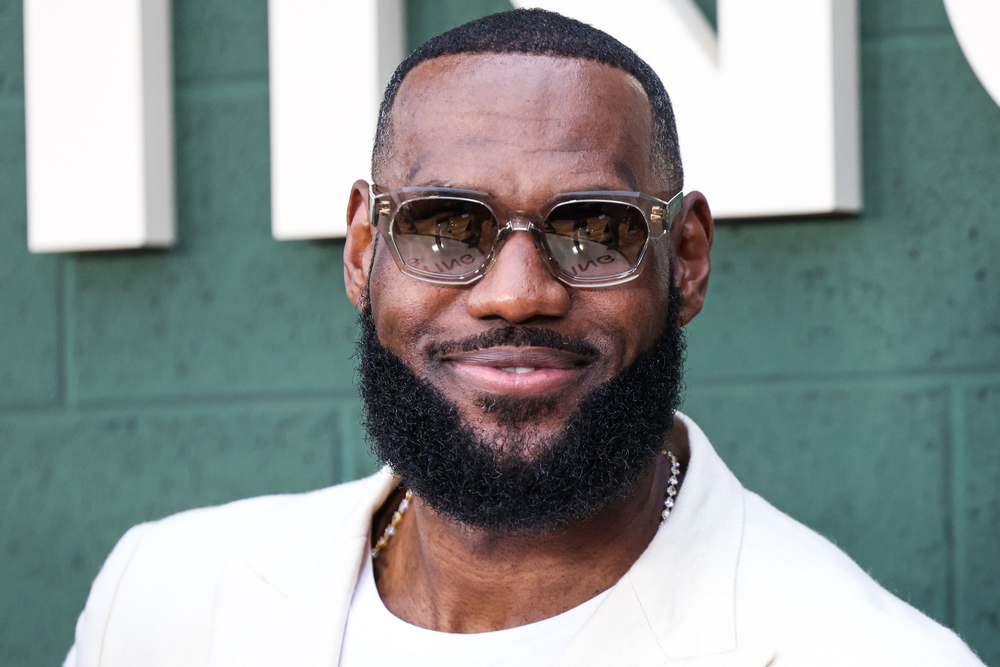
LeBron James opened a public school in his hometown of Akron, Ohio, giving at-risk kids a chance at a better education and future. The I Promise School provides free tuition, uniforms, meals, and support services for families who need them most.
James has also been vocal about social justice issues, using his massive platform to speak out against police violence and voter suppression. He produced documentaries, launched media companies, and proved that athletes can be successful businesspeople and activists while still dominating their sport.
His influence extends into entertainment, education, and politics.
Billie Jean King
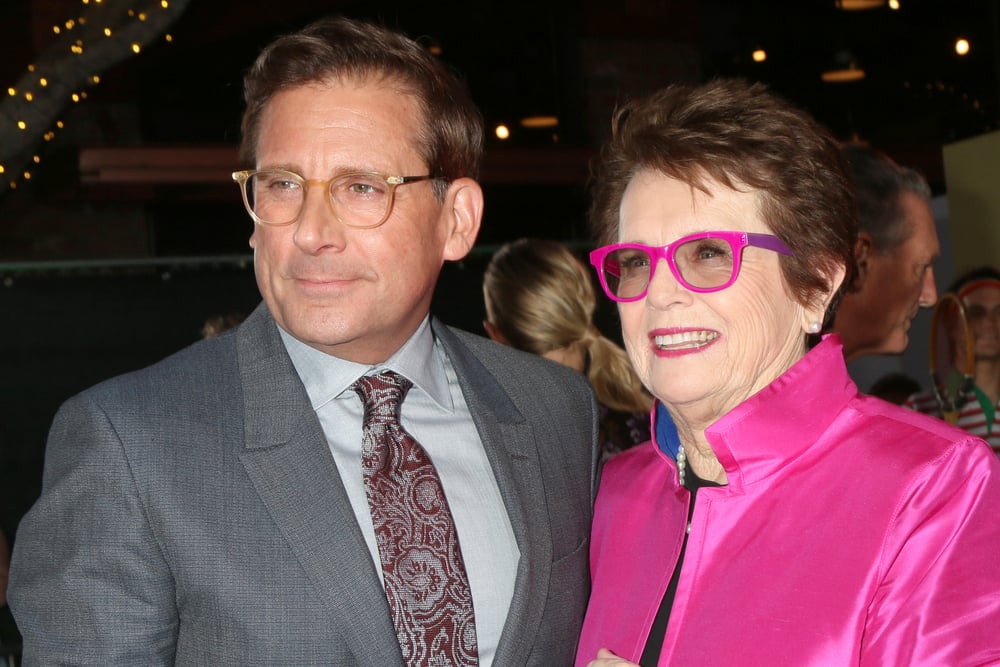
Billie Jean King fought for equal prize money in tennis decades before it became the norm. She beat Bobby Riggs in the famous ‘Battle of the Sexes’ match in 1973, watched by 90 million people worldwide.
That victory wasn’t just about tennis; it was about proving women deserved respect and equal treatment in all areas of life. King co-founded the Women’s Tennis Association and pushed for Title IX enforcement, which gave millions of girls access to school sports programs.
Her legacy lives on every time a female athlete gets paid fairly.
Megan Rapinoe
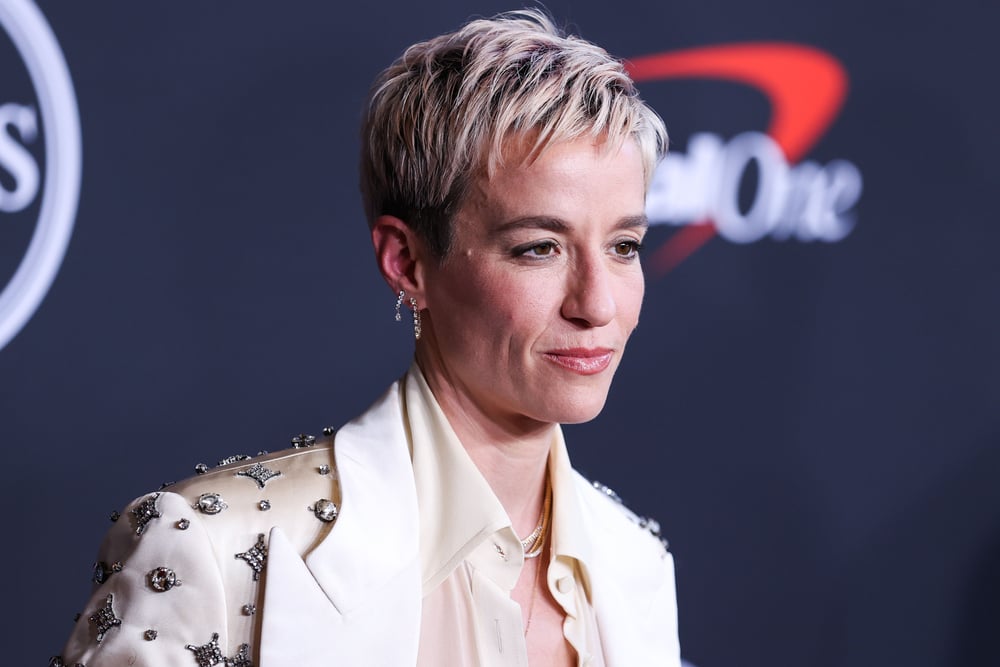
Megan Rapinoe became a lightning rod for debate when she took a knee during the national anthem and openly criticized political leaders. The soccer star fought loudly for LGBTQ+ rights and equal pay for women’s teams, never backing down from controversy.
Her purple hair and confident attitude made her instantly recognizable, and her willingness to speak her mind made her a hero to many and a villain to others. Rapinoe showed that women in sports could be just as outspoken and influential as their male counterparts.
She turned the U.S. Women’s National Team into a symbol of progressive activism.
Tiger Woods

Tiger Woods changed golf from a country club sport into something millions of diverse fans wanted to watch. Before Woods, golf audiences were mostly older white men.
He brought youth, athleticism, and a multicultural background to a sport that desperately needed all three. Woods made golf cool, and suddenly kids from all backgrounds picked up clubs and dreamed of winning the Masters.
His dominance and charisma brought billions in new revenue to the sport and opened doors for players who never would have been welcomed before.
Despite personal struggles, his impact on golf’s demographics remains undeniable.
Simone Biles
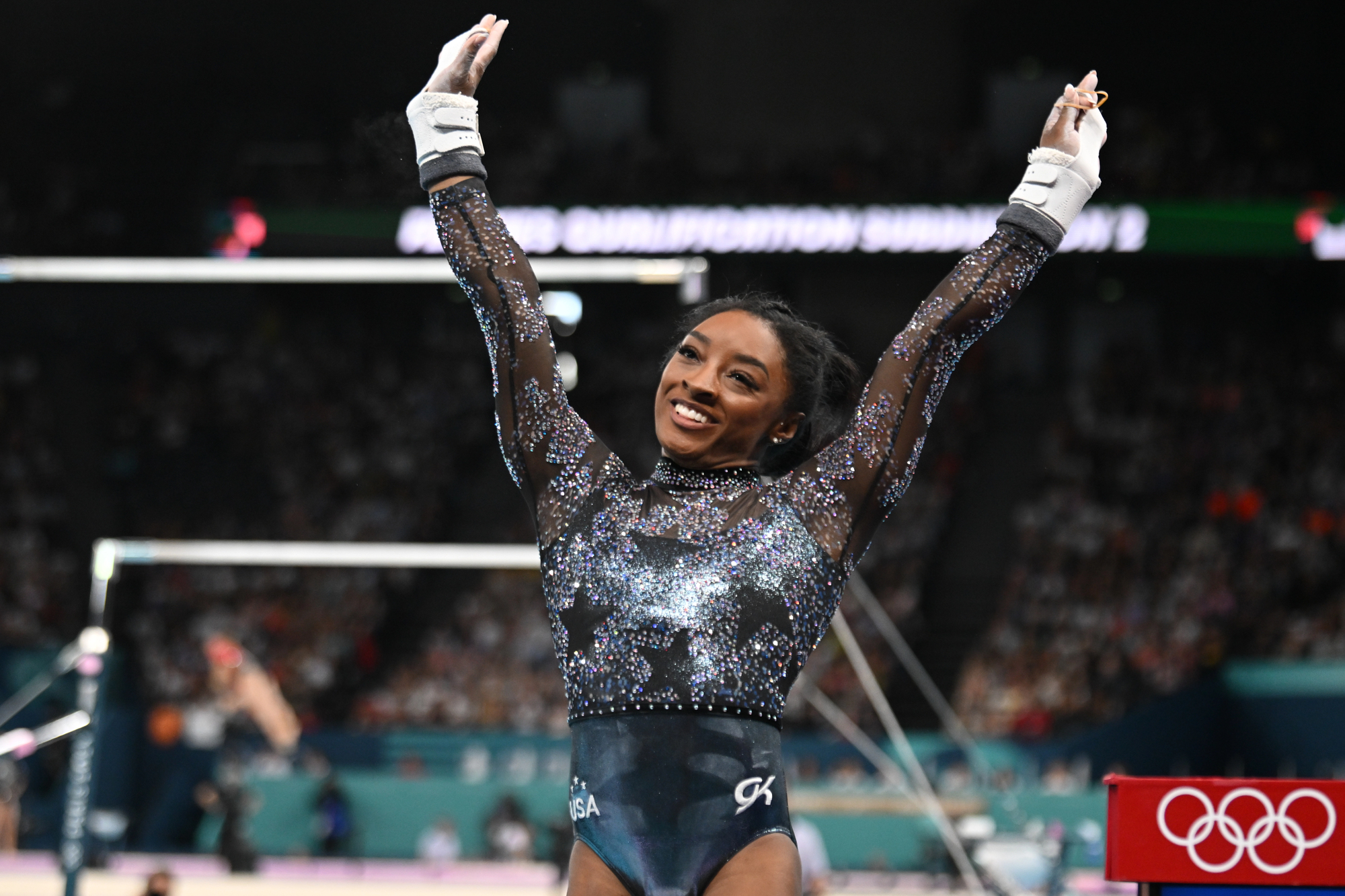
Simone Biles walked away from the Olympic competition in Tokyo to protect her mental health, and that decision echoed around the world. Athletes had always been told to push through pain and ignore their mental struggles, but Biles said no.
Her choice sparked global conversations about mental health, pressure, and the unrealistic expectations placed on elite performers. She showed that even the best in the world can struggle, and there’s no shame in prioritizing wellbeing over medals.
Biles changed how people talk about mental health in sports and beyond.
Jackie Robinson
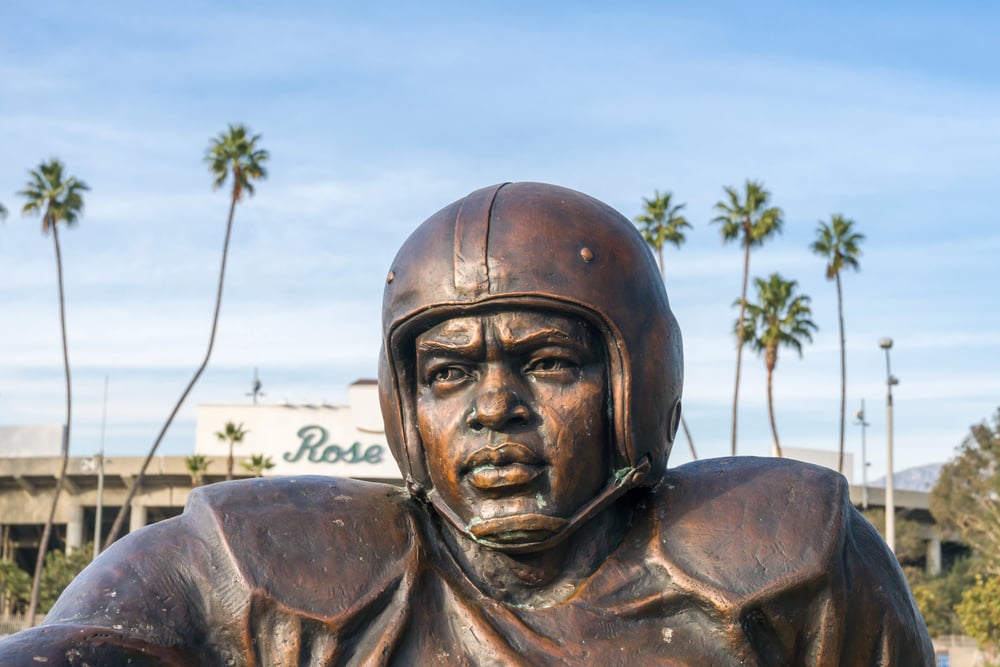
Jackie Robinson broke baseball’s color barrier in 1947, facing horrible racism and threats while doing it. He couldn’t stay in the same hotels as his white teammates or eat at the same restaurants.
Robinson endured slurs, beanballs, and hatred, yet he played with dignity and excellence. His courage paved the way for integration in all professional sports and became a symbol of the broader civil rights movement.
Robinson proved that talent and character matter more than skin color, though he shouldn’t have had to prove it at all.
Naomi Osaka
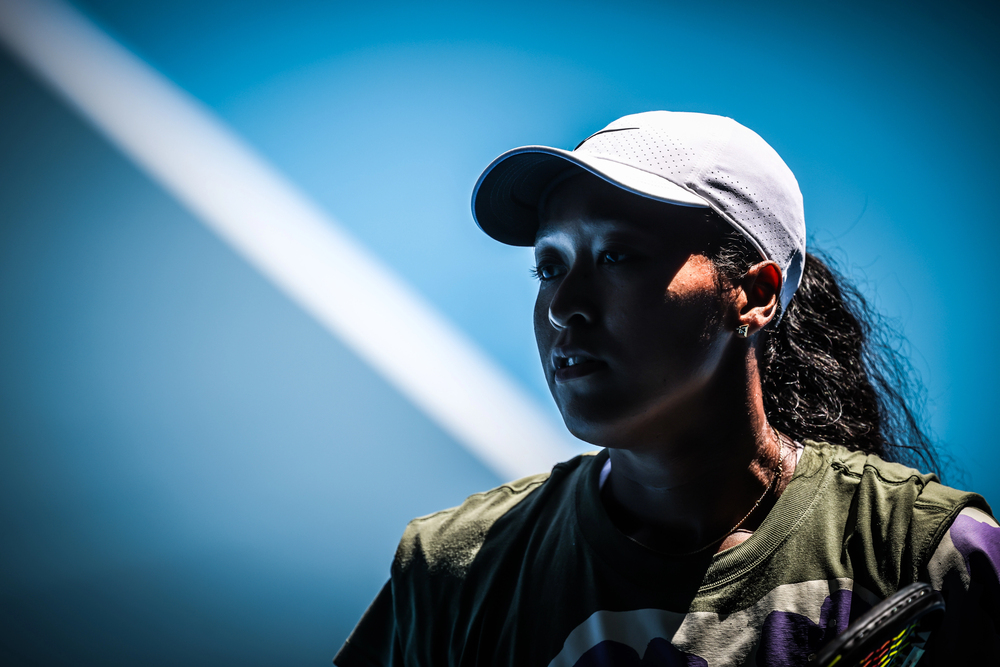
Naomi Osaka withdrew from the French Open to protect her mental health, refusing to participate in mandatory press conferences that she said harmed her wellbeing. The tennis star openly discussed her struggles with depression and anxiety, bringing attention to issues that athletes often hide.
Her willingness to prioritize mental health over competition and prize money sparked debate but also encouraged others to speak up. Osaka also used her platform to support the Black Lives Matter movement and other social causes.
She represents a new generation of athletes who refuse to just shut up and play.
Kareem Abdul-Jabbar
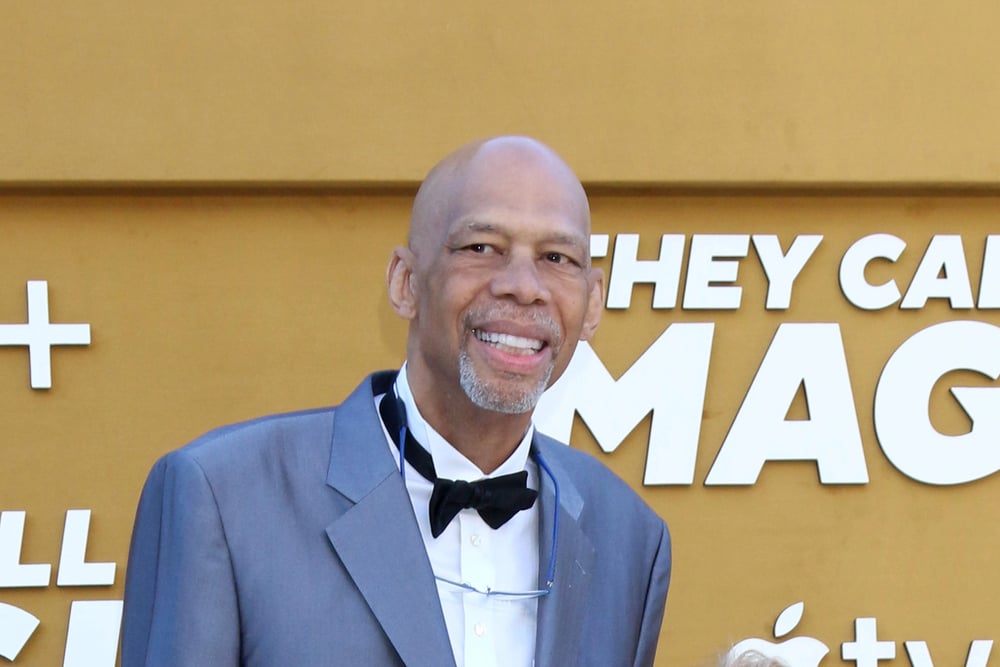
Kareem Abdul-Jabbar wrote books, gave lectures, and became one of the most intellectual voices in sports. The basketball legend spoke out against racism and injustice throughout his career, often at a time when athletes were expected to stay silent.
He converted to Islam and changed his name, refusing to hide his beliefs to make others comfortable. Abdul-Jabbar’s thoughtful writing and activism showed that athletes could be scholars and cultural critics too.
His influence extends into education, where he’s worked to teach young people about history and social justice.
Ronda Rousey
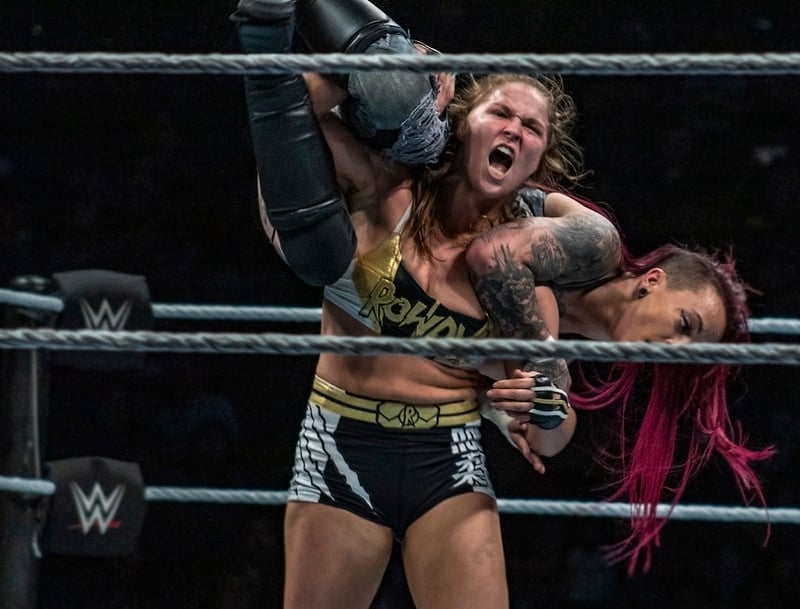
Ronda Rousey brought women’s MMA into the mainstream when many thought it would never happen. She headlined pay-per-view events, appeared in movies, and became one of the highest-paid athletes in the world.
Rousey’s dominance and personality made her a crossover star who transcended her sport. She opened doors for countless female fighters and proved that women in combat sports could draw massive audiences.
Her impact on gender equality in fighting changed the landscape of mixed martial arts forever.
Magic Johnson
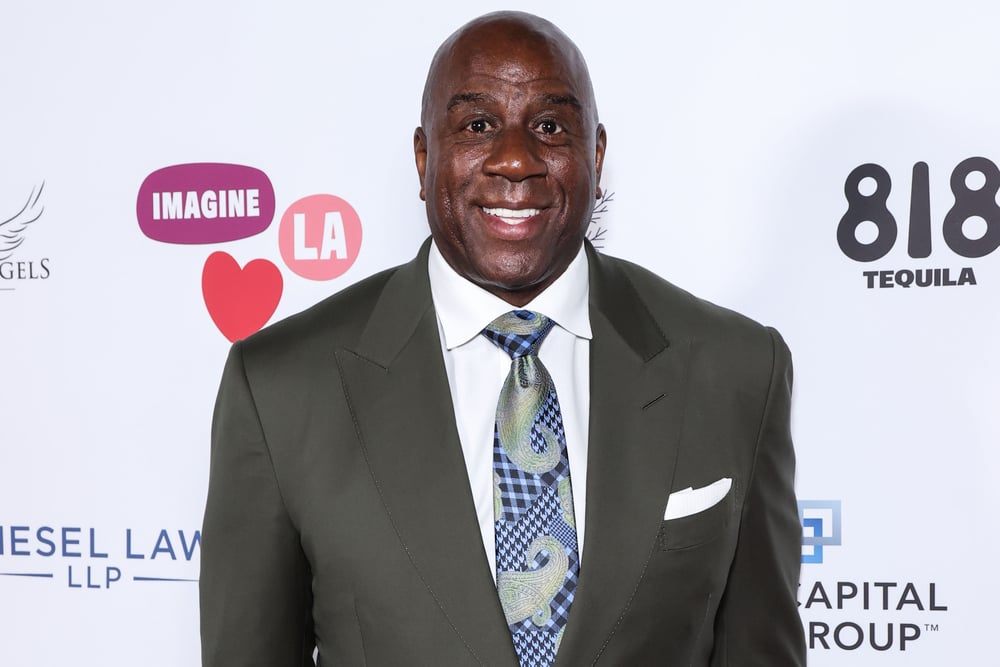
Magic Johnson’s HIV announcement in 1991 changed how the world viewed the virus. At the time, many people thought only certain groups could get HIV, and a diagnosis was seen as a death sentence.
Johnson’s openness about his condition helped reduce stigma and educated millions about the disease. He became an advocate for HIV awareness and prevention, using his fame to save lives.
Johnson also found success in business, building an empire that brought economic opportunities to underserved communities.
Venus Williams
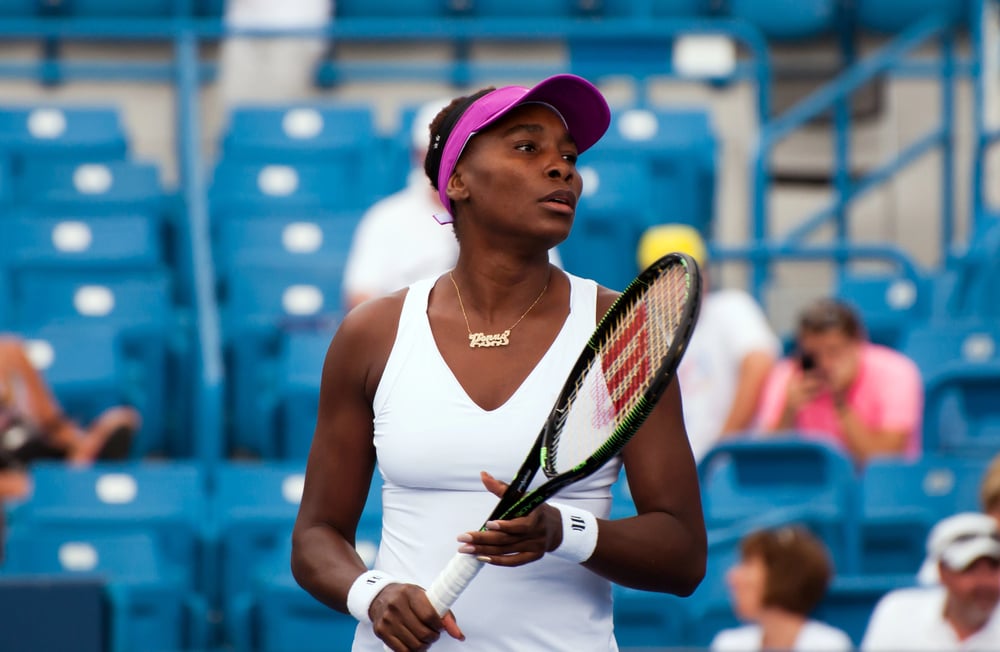
Venus Williams pushed for fair pay at Wimbledon – she sent messages, spoke up, kept going till they said yes in 2007. It wasn’t just about cash; it was proof that women’s tennis mattered just as much.
Off the court, she started a clothing brand that actually sold, no hype needed. She used her platform to call out wage gaps everywhere, not only in sports.
Alongside Serena, their efforts shifted how tennis treats its players. Not just competitors, but changemakers – proving you can play hard, speak up, build businesses, without choosing one over another.
Jesse Owens
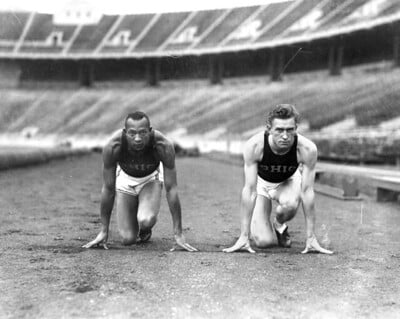
Jesse Owens took home four golds at the 1936 Berlin Games, shaking up Hitler’s beliefs on race. His wins in Germany hit hard as a protest – not planned, but loud all the same – while he just aimed to run.
Back then, arriving in the U.S., he faced a country split by color lines, cash-strapped even after fame struck. The gap between national pride and local injustice showed clearly through his story, turning him into a quiet icon.
Time passes, yet his impact stays real: playing fields always carry weight beyond the game.
Pat Tillman
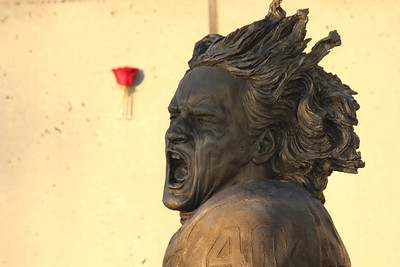
Pat Tillman quit the NFL, turning down big paychecks, then enlisted when the towers fell. People in sports couldn’t believe he’d walk away – suddenly everyone talked about what it means to serve.
He died in Afghanistan years later under unclear circumstances that stirred doubt and debate. Swapping his jersey for a uniform changed how folks saw athletes and duty.
What happened still haunts people today – it doesn’t fit any neat box or tidy slogan.
Caitlyn Jenner
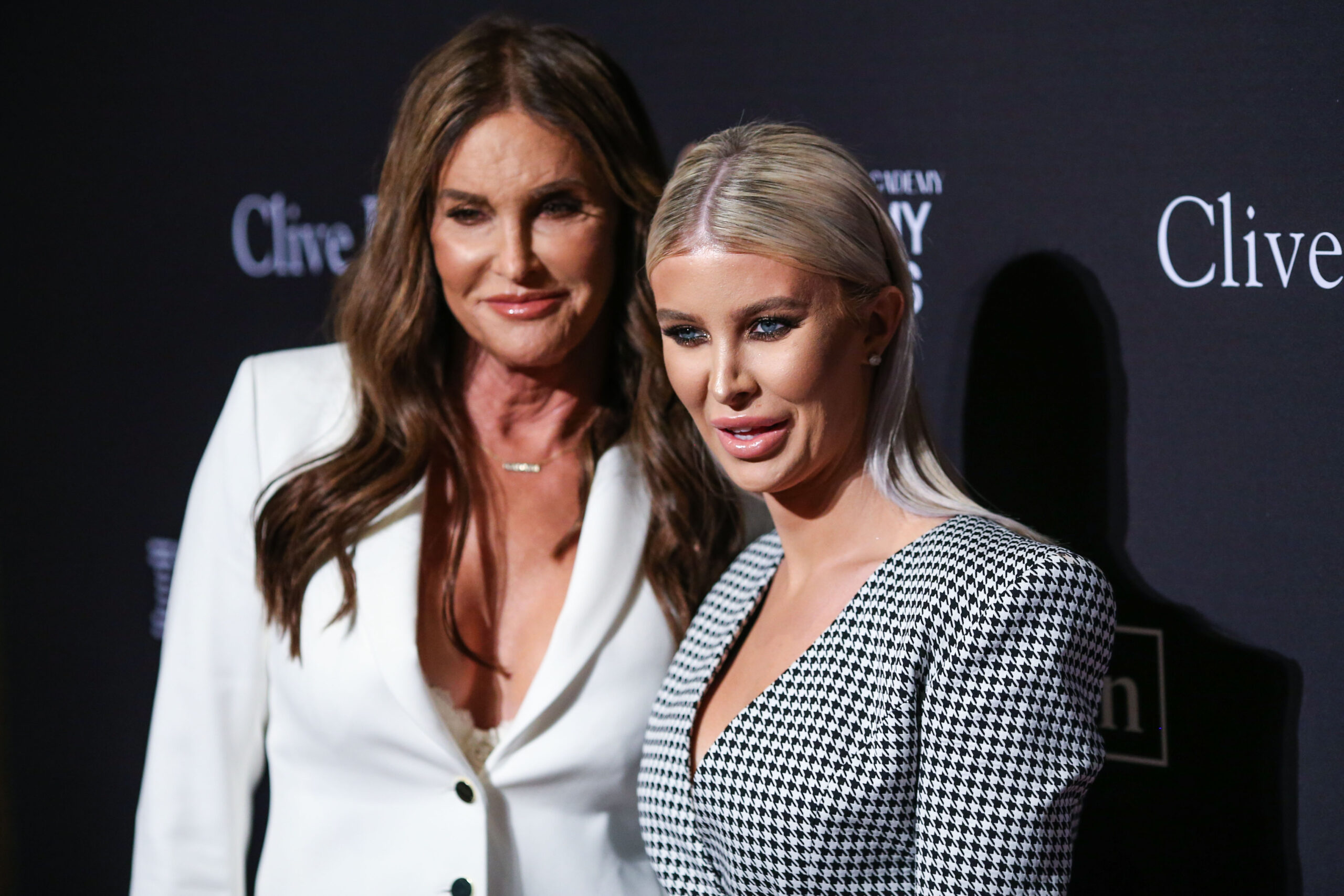
Caitlyn Jenner’s shift put trans lives in the spotlight like no moment prior. Once an Olympic decathlete, her reveal on Vanity Fair’s front page hit audiences clueless about gender identity.
That move stirred talk, opened eyes, yet lifted up countless trans folks in silence. Fame turned whispers into loud discussions across homes and media alike.
Awareness grew fast – acceptance followed slow – even though opinions on her stayed split.
Where games connect with everyday life
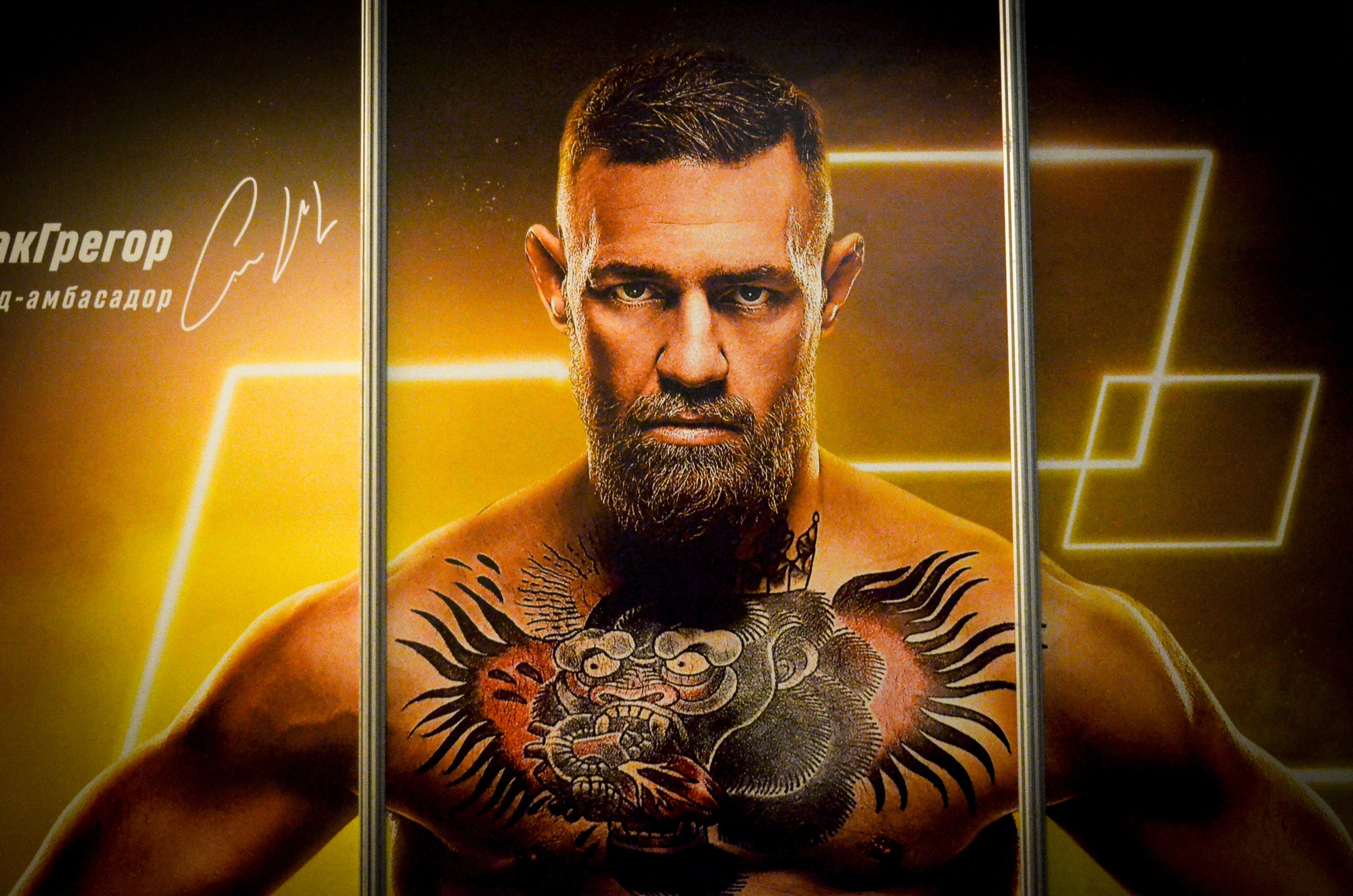
Athletes now know their impact goes way past wins and awards. Following those who broke ground earlier, they see silence sometimes speaks louder than words.
Platforms online let players talk straight to fans – no approvals needed from clubs or orgs. Sports mix with culture differently over time, each wave of competitors shifting norms in fresh forms.
From style choices to big decisions off the court, action on game day fuels shifts felt across daily life.
More from Go2Tutors!

- The Romanov Crown Jewels and Their Tragic Fate
- 13 Historical Mysteries That Science Still Can’t Solve
- Famous Hoaxes That Fooled the World for Years
- 15 Child Stars with Tragic Adult Lives
- 16 Famous Jewelry Pieces in History
Like Go2Tutors’s content? Follow us on MSN.



