Banknotes With Secret Hidden Designs
You probably handle cash every day without giving it much thought. Bills pass through your hands at coffee shops, gas stations, and grocery stores.
But every banknote you touch carries a hidden world of secret features that most people never notice. These designs exist for a reason—they protect your money from counterfeiters and reveal themselves only under specific conditions.
The Invisible Ink That Glows
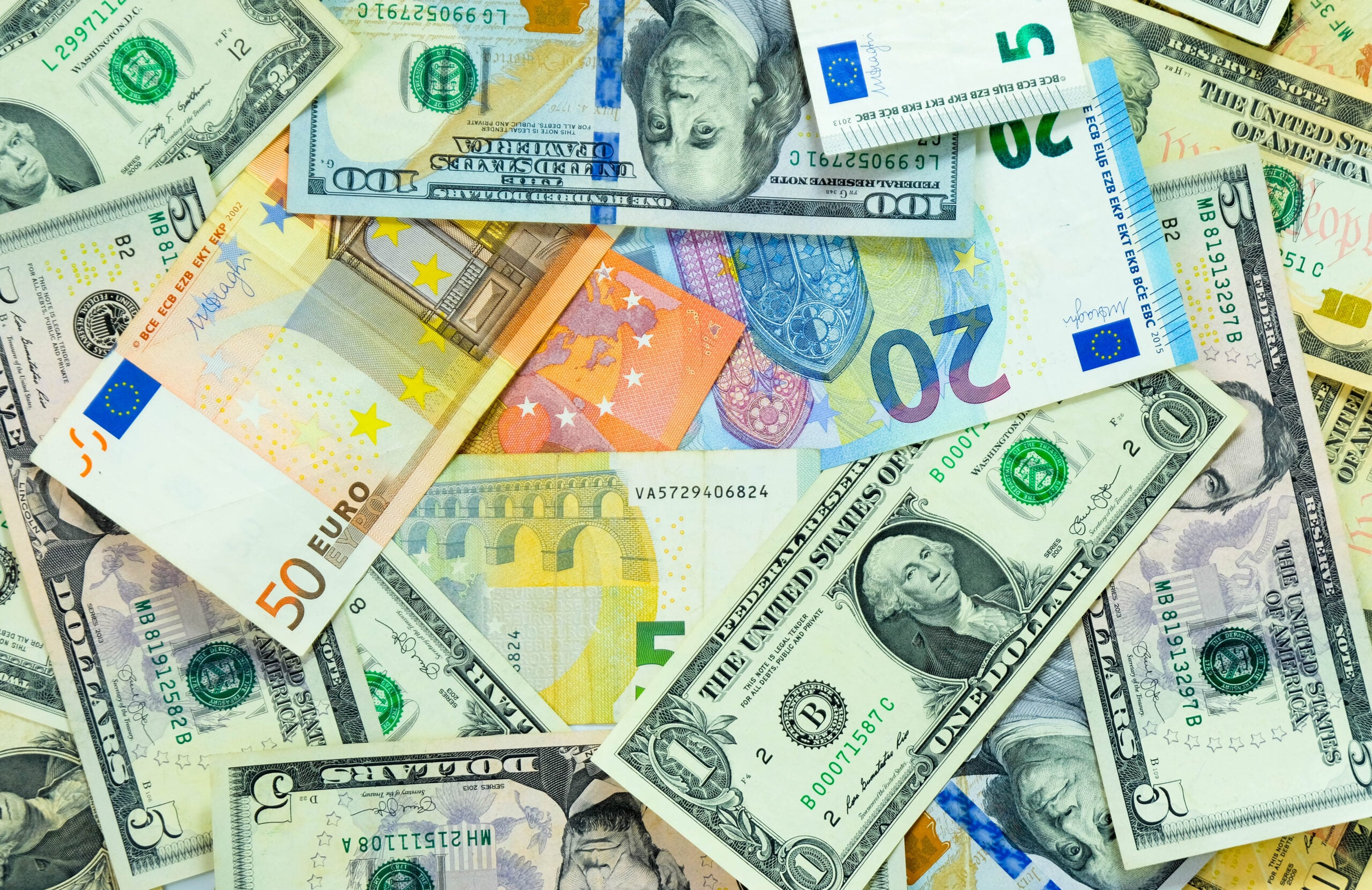
Hold a US dollar bill under ultraviolet light and watch it transform. The security thread embedded in the paper lights up in specific colors depending on the denomination.
A five-dollar bill glows blue. A twenty glows green.
This simple test separates real currency from fake copies that look perfect under normal light.
European euros take this further. The entire note comes alive under UV light, revealing hidden patterns and symbols that blend completely into the background during regular use.
The European Central Bank embedded fluorescent fibers throughout the paper that scatter across the surface like tiny glowing threads.
Images You Can See Through

Watermarks have protected paper currency for centuries, but modern versions go far beyond simple portraits. Hold a genuine bill up to the light and you’ll spot faint images that appear within the paper itself—not printed on the surface.
These marks get pressed into the paper during manufacturing, creating areas of different thickness that become visible when backlit.
The Swiss franc shows multiple watermark elements that overlap and interact. Some bills feature cross-hatched patterns that line up perfectly when you fold the note.
Others hide denomination numbers that only appear when you angle the paper toward a light source.
Threads That Tell Stories

Modern banknotes contain security threads woven directly into the paper. These aren’t just simple strips of plastic.
They carry microprinted text, holographic images, and denomination markers that change appearance when you tilt the bill.
Canadian polymer notes feature transparent windows cut right through the currency. These windows contain holographic elements that shift colors and reveal hidden images as you move the bill.
The metallic portrait visible in the window shows different rainbow effects depending on your viewing angle.
Text Too Small to Fake

Microprinting appears on almost every modern banknote, but you need a magnifying glass to read it. The tiny text looks like a solid line to the unaided eye.
Printers can’t reproduce text this small accurately—it comes out as a blur or a series of dots instead of crisp letters.
Check the collar of Benjamin Franklin’s jacket on a US hundred-dollar bill. What looks like a simple line actually reads “THE UNITED STATES OF AMERICA” in letters smaller than a grain of sand.
The Federal Reserve uses microprinting in multiple locations on each bill, hiding text in borders, portraits, and decorative elements.
Ink That Changes Color
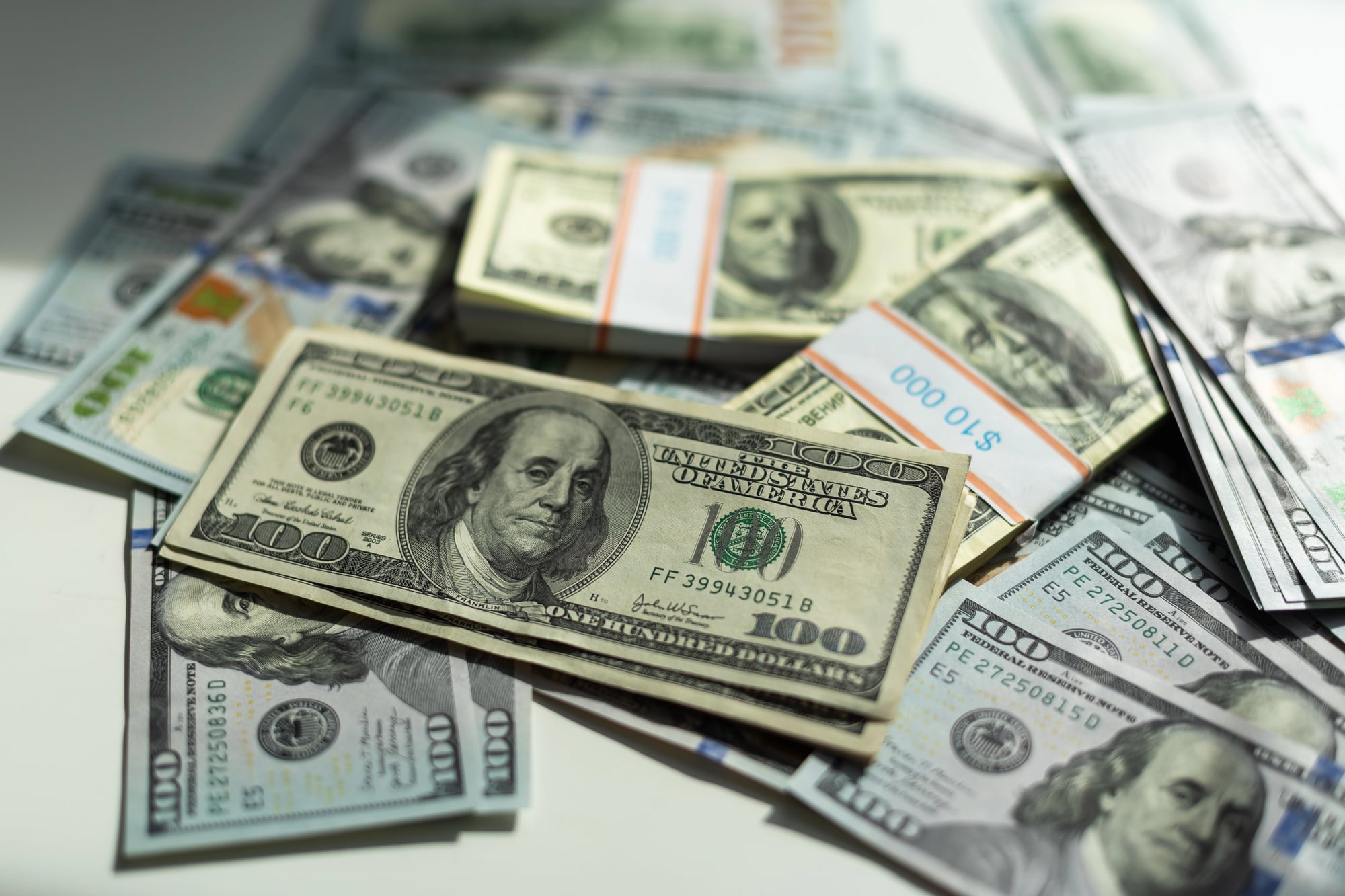
Tilt a modern bill and watch certain elements shift from one color to another. This color-shifting ink costs too much for counterfeiters to obtain and requires specialized equipment to apply.
The technology uses microscopic flakes that reflect light differently depending on the viewing angle.
The numeral on the lower right corner of US bills printed after 1996 demonstrates this effect. On a hundred-dollar bill, the number shifts from copper to green as you rock the note back and forth.
The transition happens smoothly and instantly—something inkjet or laser printers can’t replicate.
Holograms in Your Wallet

Holographic elements create three-dimensional images that appear to move and change as you tilt the currency. The British pound sterling features a hologram of the Britannia figure that shifts between the image and the denomination number.
Euro banknotes include holographic strips that run vertically down one side. These strips contain the denomination, a euro symbol, and architectural images that animate when you move the bill.
The effect requires viewing from specific angles—straight-on, the hologram appears as a silver strip.
The Feel of Real Money

Genuine currency has texture. Run your finger across a US dollar bill and you’ll feel raised ridges on the printing.
This intaglio printing technique presses ink deep into special grooves cut into printing plates, creating a tactile surface that’s impossible to reproduce with standard printing methods.
The portrait on each bill shows the most prominent raised printing. The ink sits higher than the surrounding paper, giving it a distinct feel.
This helps visually impaired people identify different denominations by touch alone. Many countries now add additional tactile marks specifically designed for this purpose.
Windows to Authenticity

Polymer banknotes revolutionized currency design by allowing transparent sections cut directly through the note. Australia pioneered this technology, and dozens of countries have adopted it.
These clear windows can’t be reproduced by photocopying or scanning—they require the specialized polymer substrate used in manufacturing.
The transparent sections often contain holographic images, microprinting, or shadow effects that become visible only when held up to light. Some currencies feature multiple windows in different shapes and sizes, each with unique security elements embedded within the clear polymer.
Patterns in the Numbers

Serial numbers on banknotes aren’t random. They follow specific patterns and formats that help authorities track currency and identify counterfeit bills.
Each bill receives a unique identifier during printing, and these numbers follow rules about letter placement, number ranges, and check digits.
US currency uses a combination of letters and numbers in its serial codes. The first letter indicates which Federal Reserve Bank issued the bill.
The numbers follow sequences that restart at specific intervals. Counterfeiters often reuse the same serial numbers or create impossible combinations that reveal their fakes.
Hidden Images in Plain Sight
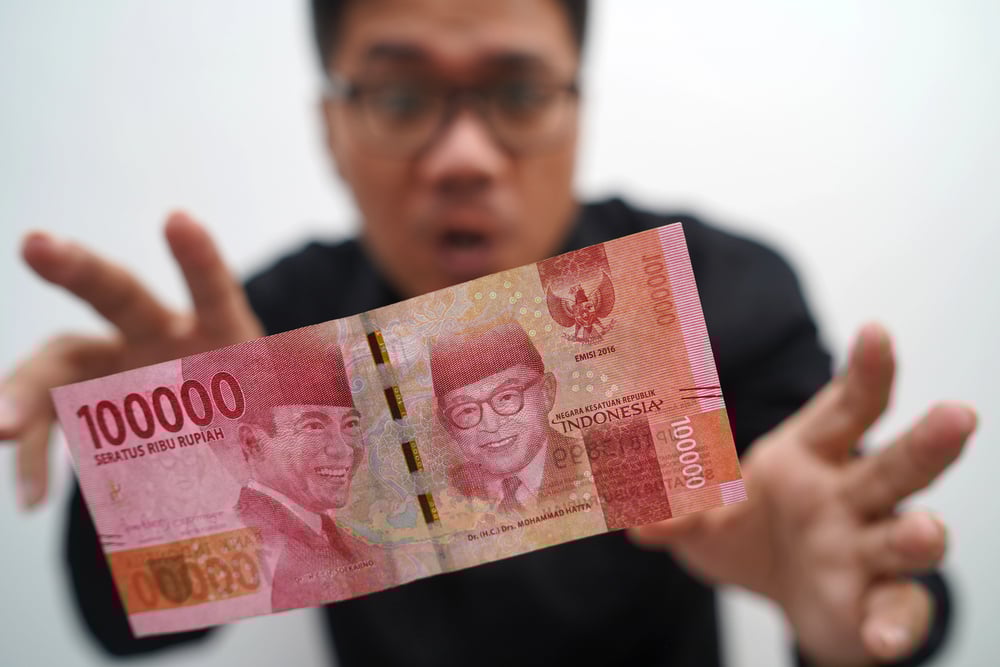
Look closely at the background patterns on any banknote and you’ll find hidden images woven into the design. These aren’t obvious at first glance.
The denomination number might appear dozens of times in tiny form throughout the decorative borders. Portraits appear as negative images within patterns that look like simple geometric shapes.
The US hundred-dollar bill contains a hidden “100” in the background of the left side. The numbers blend into the yellow-gold color scheme so well that most people never notice them.
Other bills hide denomination numbers in similar ways, requiring careful inspection to spot.
The Constellation Nobody Talks About

Most major currencies contain a specific pattern of symbols called the EURion constellation. This arrangement of circles appears on euros, dollars, pounds, and many other banknotes.
You’ve probably never noticed it, but your photocopier and scanner have.
These patterns tell image recognition software that you’re trying to copy currency. The machine recognizes the constellation and either refuses to scan the bill or produces a degraded copy with visible warnings.
The pattern appears in different colors and sizes depending on the currency, but it’s always there, watching.
Fibers That Glow in the Dark

Paper money isn’t pure paper. Manufacturers blend colored fibers into the pulp during production, creating tiny threads scattered throughout each bill.
These fibers come in different colors—red, blue, and green threads appear randomly across the surface of US currency.
Some of these fibers fluoresce under ultraviolet light while others remain visible in normal lighting. Counterfeiters try to add these fibers by printing colored lines, but the result looks different.
Real security fibers sit embedded in the paper’s structure, not printed on top of it. They’re visible from both sides and you can sometimes pull them free with tweezers.
When Security Becomes Art

The most sophisticated currency designs blur the line between security features and artistic expression. Modern bills showcase intricate patterns that serve both aesthetic and protective purposes.
Each decorative element contains multiple layers of security—microprinting within portraits, color-shifting ink in borders, watermarks that reveal hidden images.
The Swiss franc demonstrates this approach with designs that feature abstract patterns and precise geometric shapes. These elements look beautiful but also create complex visual signatures that resist replication.
The Norwegian krone redesign emphasized clean, minimalist aesthetics while incorporating pixelated patterns that contain hidden security features.
Money in Your Hands
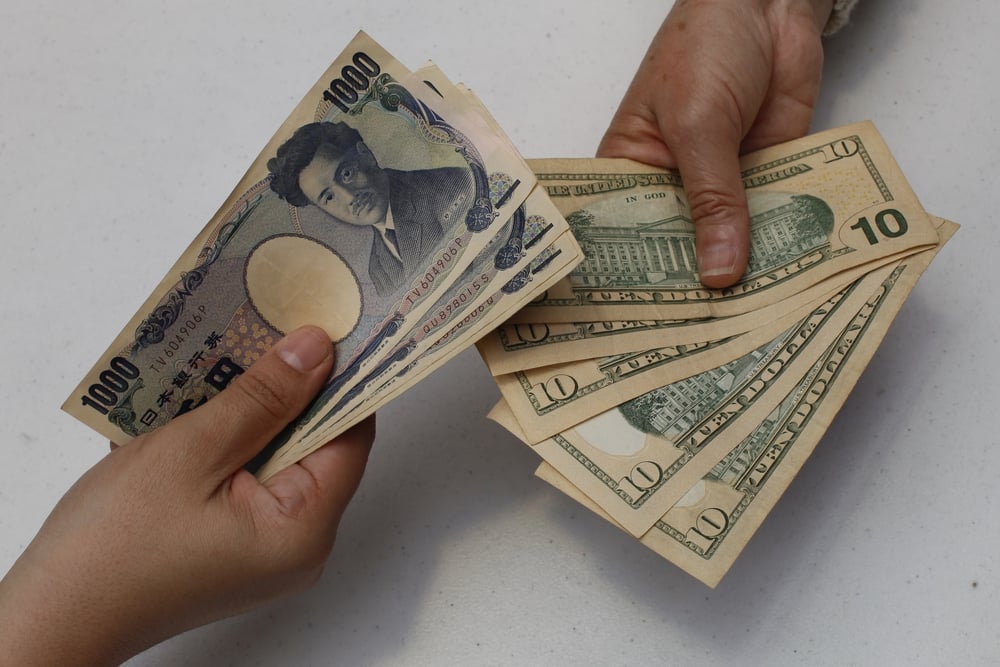
Every time you handle cash, you’re touching a small piece of printing technology that represents decades of innovation. The bills in your wallet contain features designed by security experts, implemented by engineers, and refined through years of combating counterfeiters.
Most of these secrets remain invisible during everyday transactions, revealing themselves only when examined closely or under specific lighting conditions.
Next time you receive change, take a moment to look closer. Hold the bill up to light, tilt it back and forth, feel the texture.
You’re not just handling money—you’re holding a document that combines art, science, and security in ways most people never appreciate.
More from Go2Tutors!

- The Romanov Crown Jewels and Their Tragic Fate
- 13 Historical Mysteries That Science Still Can’t Solve
- Famous Hoaxes That Fooled the World for Years
- 15 Child Stars with Tragic Adult Lives
- 16 Famous Jewelry Pieces in History
Like Go2Tutors’s content? Follow us on MSN.