15 Spider Species That Shouldn’t Be Real
Spiders have evolved some of the most extraordinary adaptations in the animal kingdom, developing bizarre appearances and behaviors that seem almost otherworldly. While these eight-legged creatures often trigger fear or fascination, certain species push the boundaries of what seems biologically possible.
From hunting techniques that defy physics to camouflage so perfect it borders on the supernatural, these arachnids demonstrate evolution’s remarkable creativity in developing survival strategies. Here is a list of 15 spider species with characteristics so unusual they seem like creatures of science fiction rather than actual inhabitants of our planet.
Mirror Spider
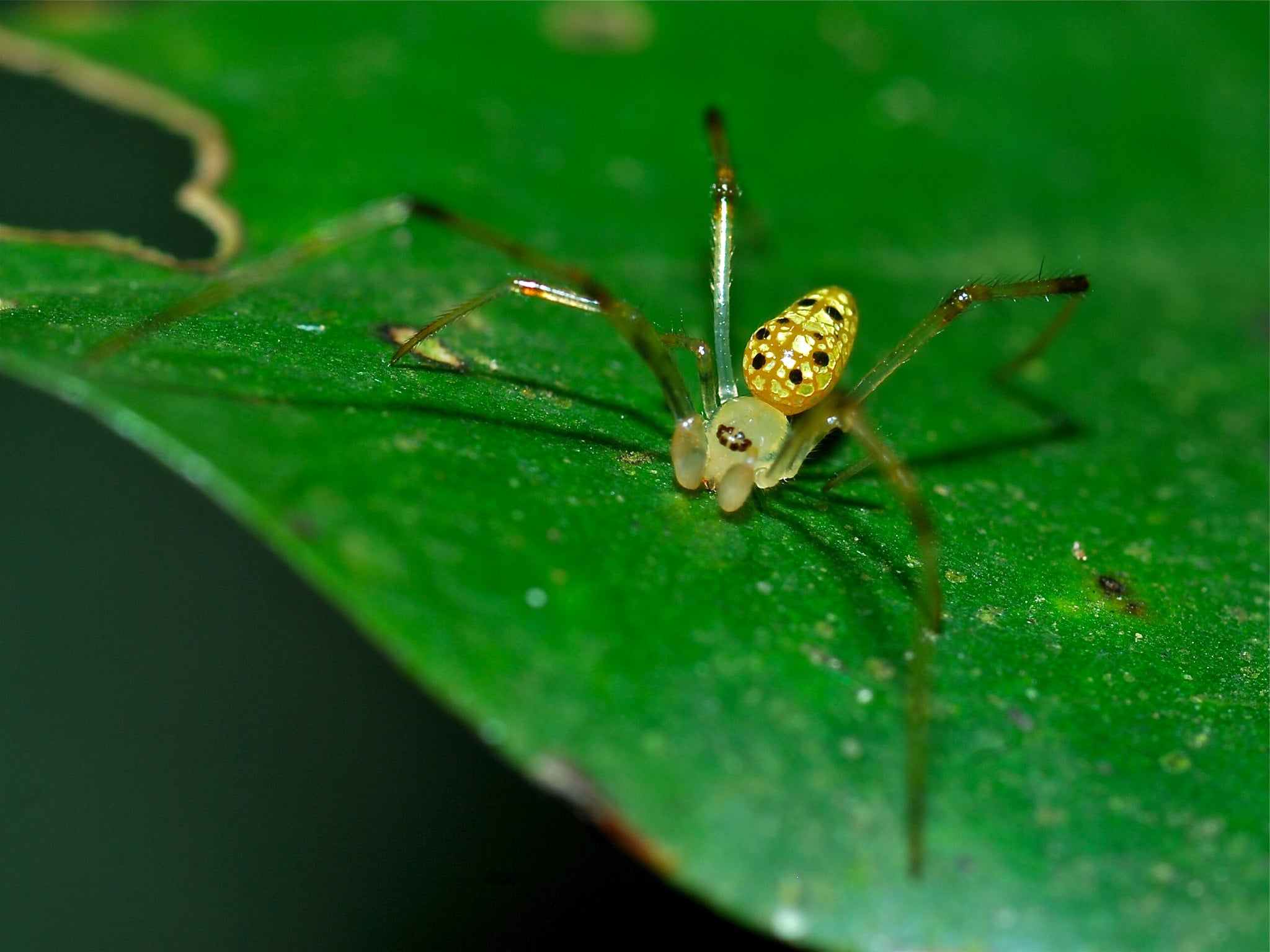
The Thwaitesia argentiopunctata, commonly known as the mirror spider, possesses an abdomen covered in reflective guanine crystals that create a stunning mirror-like appearance. These silvery patches actually change size depending on the spider’s surroundings, expanding in open areas and contracting when threats approach.
This living disco ball effect creates a dazzling camouflage mechanism that breaks up the spider’s outline and confuses potential predators in the rainforests of Australia and Asia.
Darwin’s Bark Spider
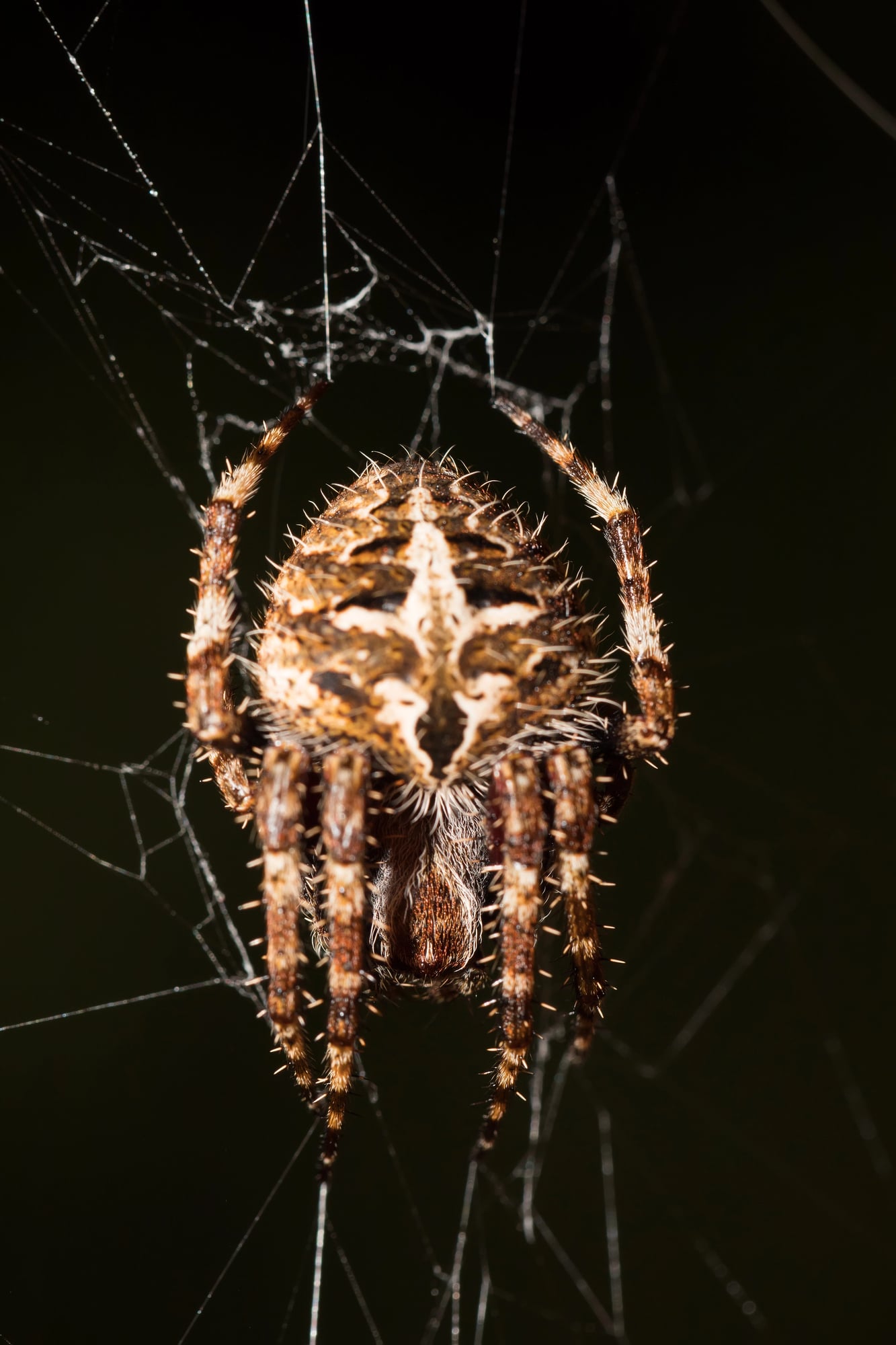
This Madagascar-native produces the strongest biological material ever discovered, with silk ten times stronger than Kevlar and twice as strong as any other spider silk. Even more impressive, Darwin’s bark spiders construct the largest orb webs ever recorded, spanning up to 82 feet across rivers and lakes with bridge lines stretching 75 feet.
These massive engineering feats allow them to catch prey that most spiders cannot access, including dragonflies and mayflies that hover above water bodies.
Like Go2Tutors’s content? Follow us on MSN.
Peacock Spider
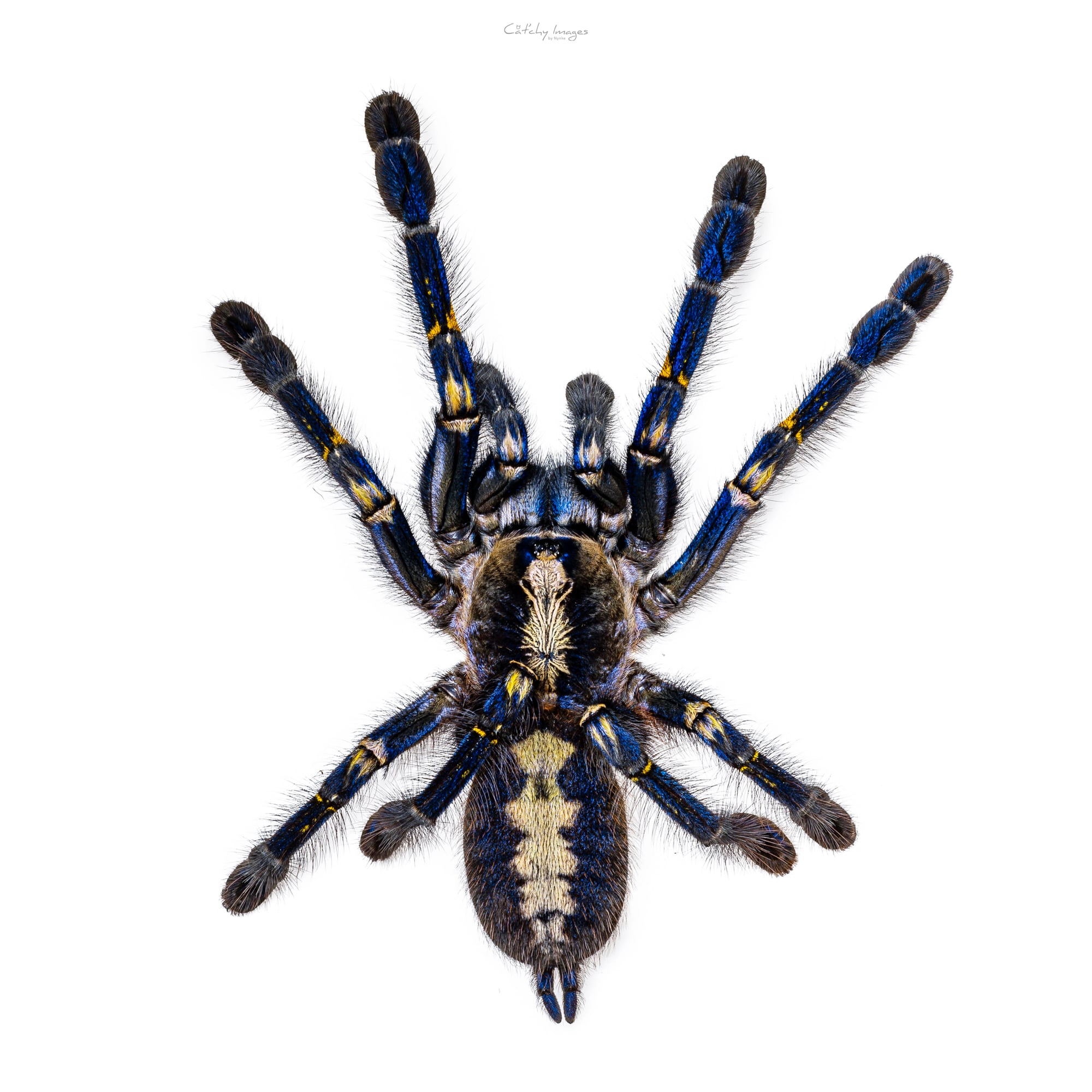
Male peacock spiders perform elaborate courtship dances featuring vibrant, iridescent abdominal flaps they raise and wave like peacock feathers. These tiny performers, measuring just 5mm, coordinate complex leg movements with their colorful display while vibrating to create synchronized visual and seismic signals.
The females watch these performances with spectacular attention to detail, making life-or-death judgments based on the slightest imperfection in the male’s dance routine, creating one of nature’s most demanding talent competitions.
Diving Bell Spider
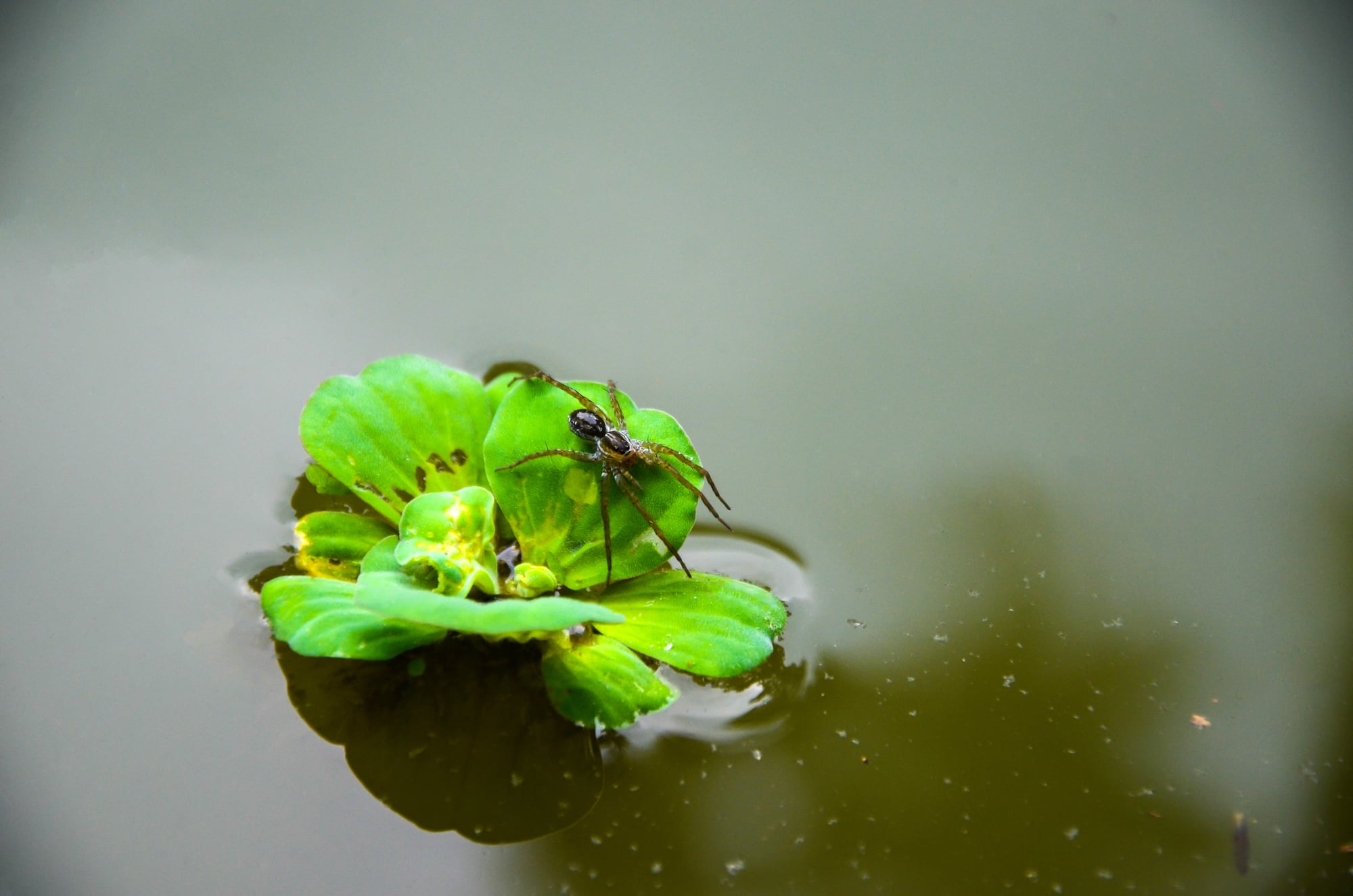
The only spider that spends its entire life underwater, this remarkable arachnid creates a silk air bubble that functions as a primitive lung. The diving bell spider fills its underwater silk chamber with air carried from the surface on specialized hairs, then refreshes the oxygen through gas exchange with the surrounding water.
These underwater homes can be maintained for over 24 hours before requiring a surface trip, allowing the spider to hunt aquatic prey and even reproduce entirely beneath the water’s surface.
Bird-Dropping Spider
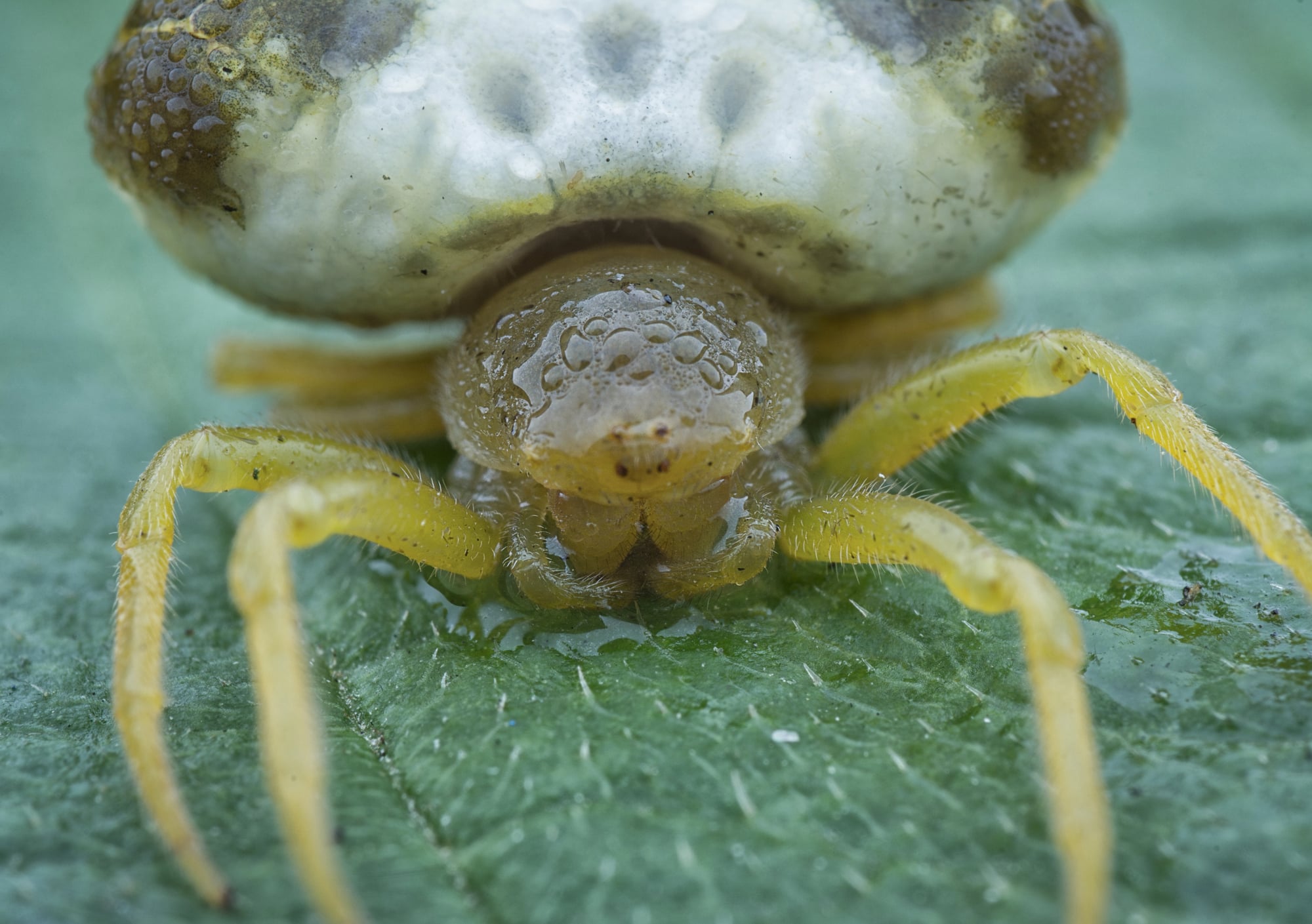
Mastering the art of disgusting yet effective camouflage, this spider has evolved to look precisely like fresh bird droppings on leaves. The white and dark brown coloration, combined with their habit of sitting motionless with legs tucked in, creates a perfect illusion that predators actively avoid.
This deception works in two ways: birds don’t recognize them as spiders, and predators have no interest in what appears to be waste material, showcasing how sometimes looking repulsive provides the best protection.
Like Go2Tutors’s content? Follow us on MSN.
Ladybird Spider
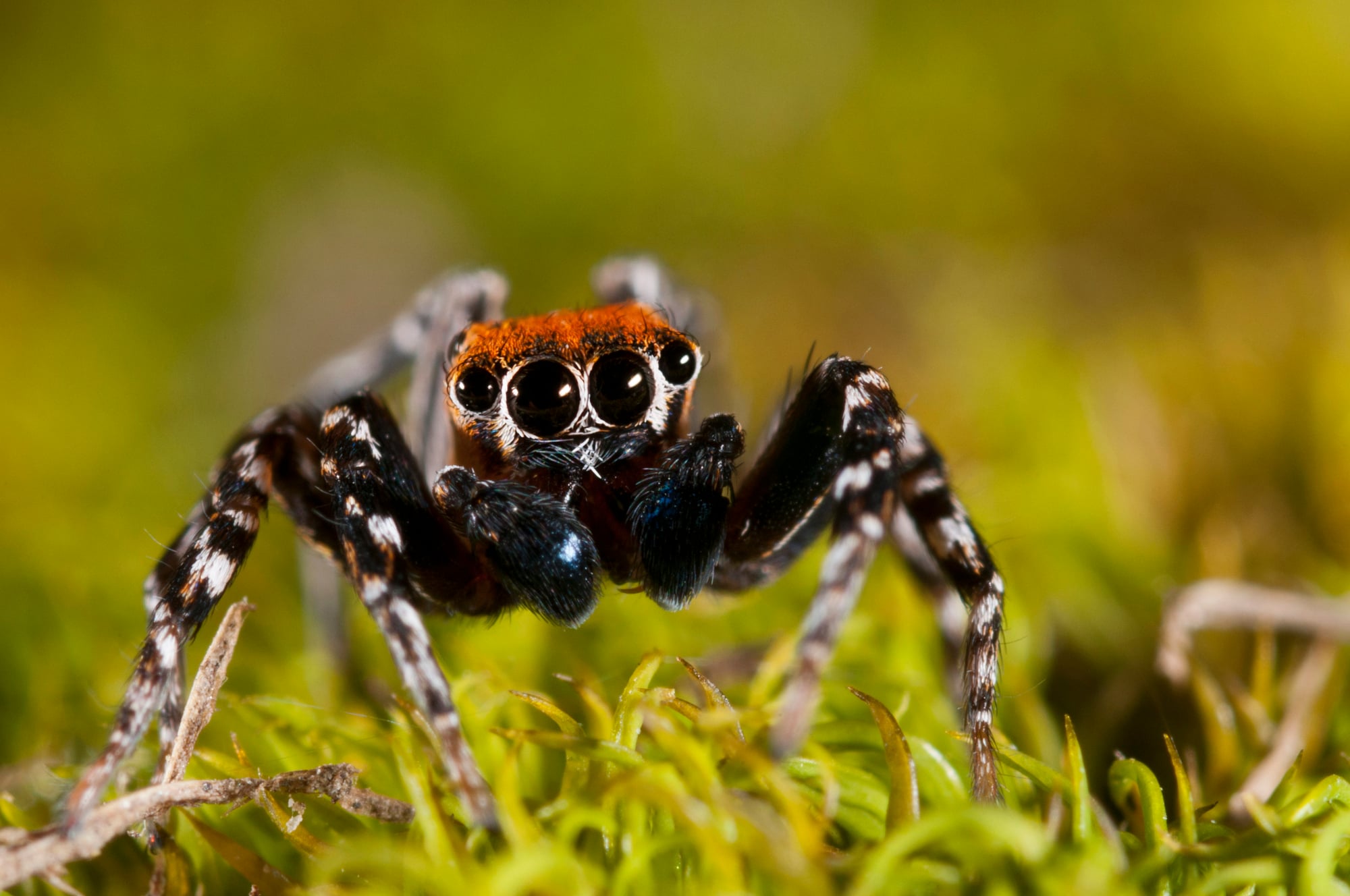
Male ladybird spiders undergo one of the most dramatic color transformations in the arachnid world, changing from brown to a vibrant red with black spots as they mature. This remarkable resemblance to toxic ladybird beetles (ladybugs) provides protection through mimicry, as predators associate the bright coloration with an unpleasant meal.
Critically endangered in some regions, these distinctive spiders spend most of their lives in underground burrows, emerging primarily during mating season when males show off their warning colors.
Spiny Orb-Weaver
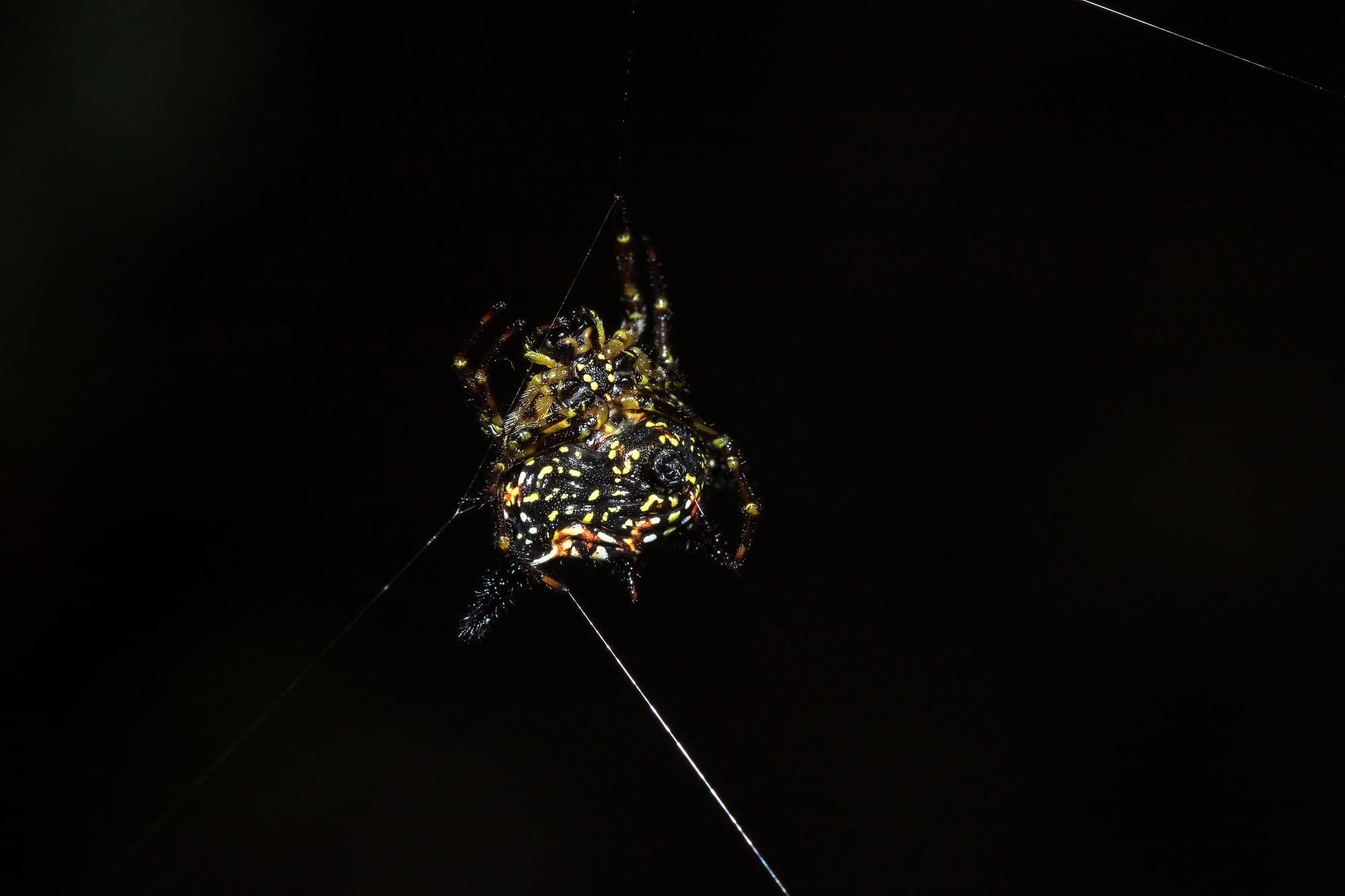
Looking more like a living cartoon character than an actual spider, these distinctive arachnids feature hard, spiky shells in vibrant colors ranging from white to yellow, red, and black. Their abdomens often develop into bizarre shapes resembling horns, stars, or even miniature crabs, creating an appearance so unusual that predators don’t recognize them as potential food.
Despite their intimidating appearance, spiny orb-weavers are harmless to humans while serving as important pest controllers in gardens throughout the Americas.
Trapdoor Spider
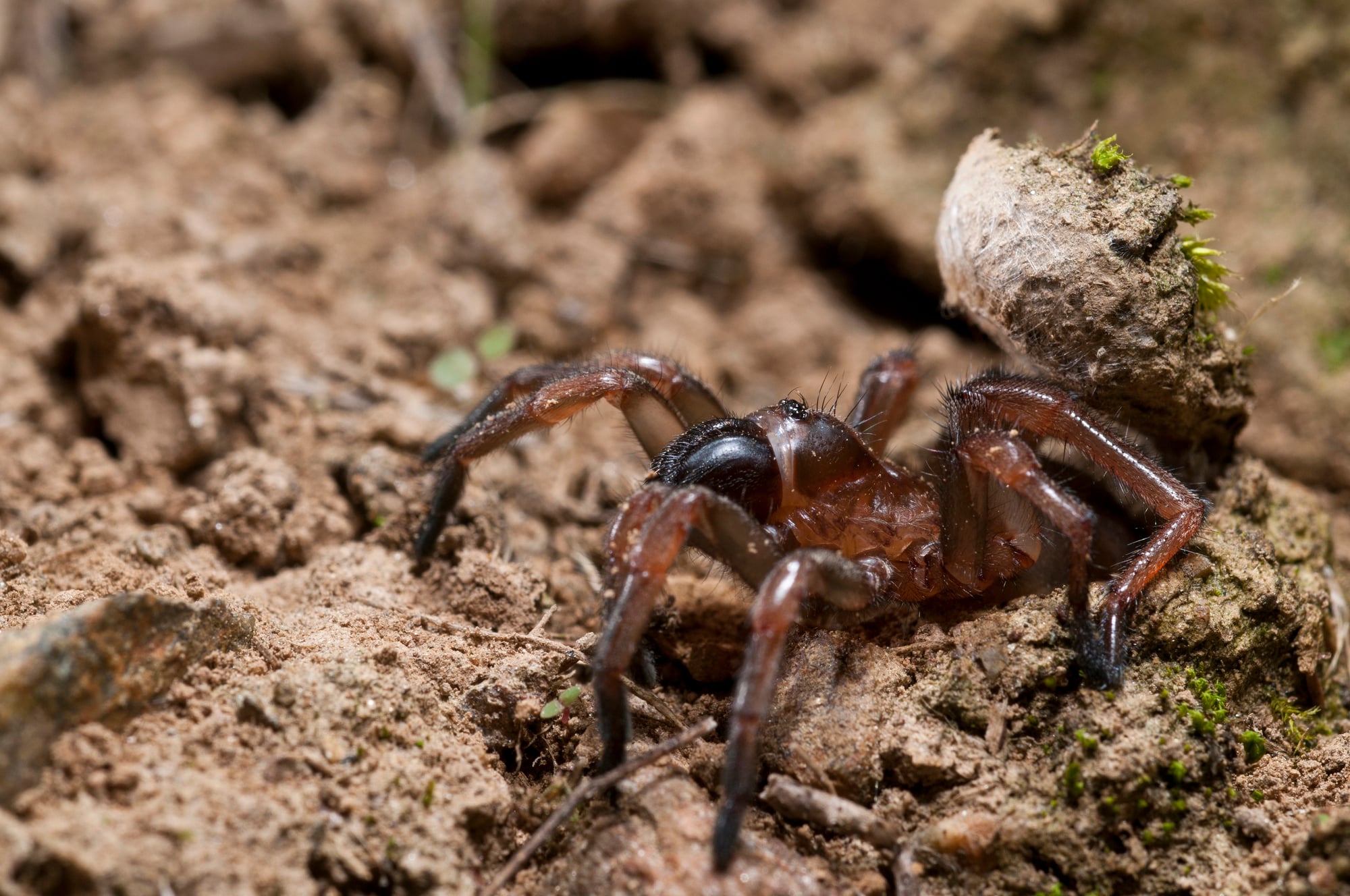
Masters of ambush hunting, trapdoor spiders construct underground burrows with hinged doors made from soil, vegetation, and silk that blend perfectly with the surrounding terrain. These spiders line the entrance with trip lines that alert them to passing prey, then burst from their hidden doors with astonishing speed, grabbing victims and dragging them underground in fractions of a second.
Some species can live for over 20 years, using the same carefully maintained burrow throughout their unusually long lifespan.
Like Go2Tutors’s content? Follow us on MSN.
Scorpion-Tailed Spider
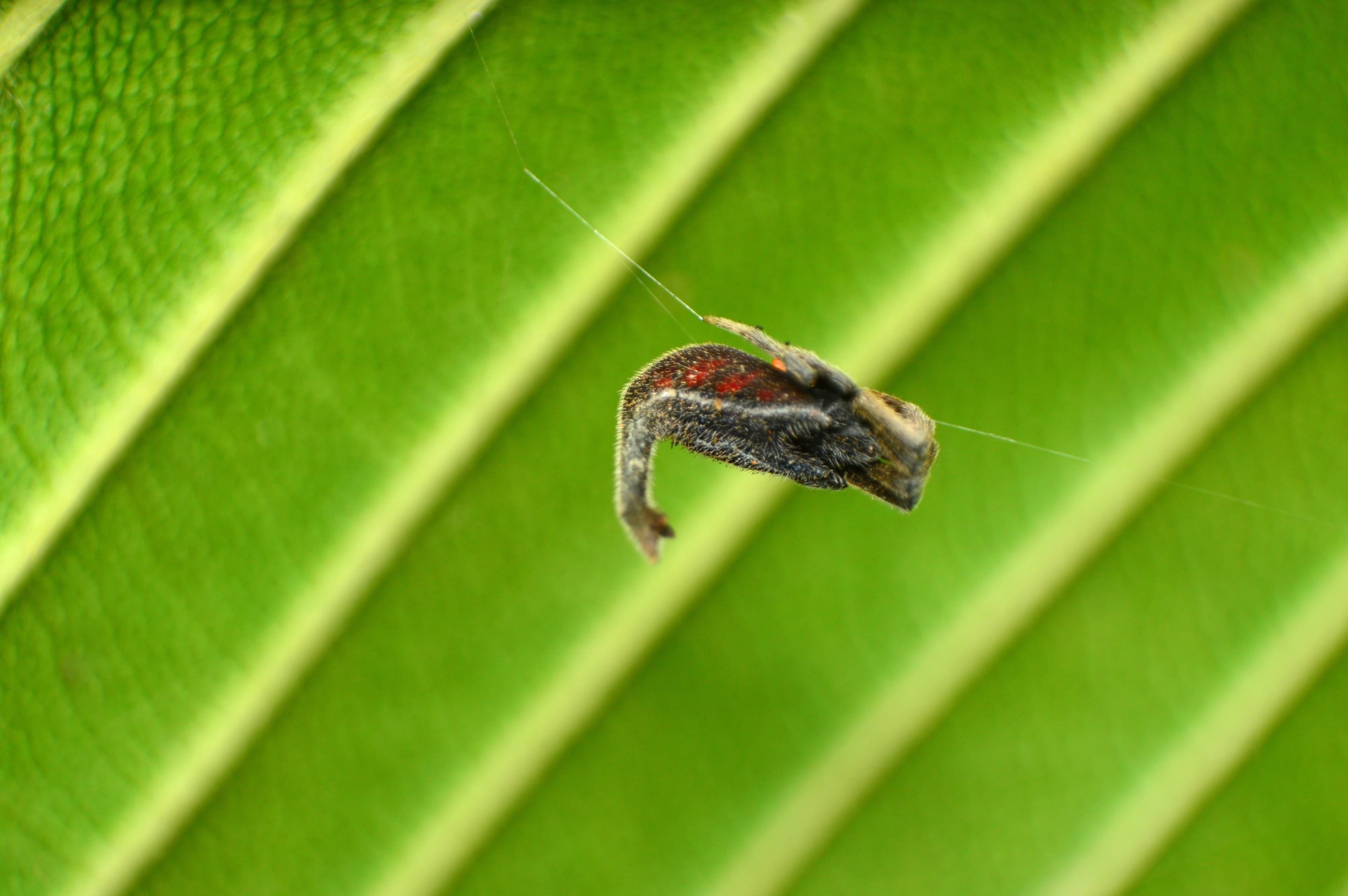
Featuring an elongated abdomen that curves upward like a scorpion’s tail, this spider employs one of the most unusual defensive postures in the arachnid world. When threatened, it raises its abdomen to mimic a scorpion’s striking position, complete with a silk-producing spinneret at the tip that resembles a scorpion’s stinger.
This remarkable case of mimicry fools potential predators into believing they’ve encountered a venomous scorpion rather than a harmless spider, demonstrating evolution’s ability to develop fake weapons as effective as real ones.
Ogre-Faced Spider
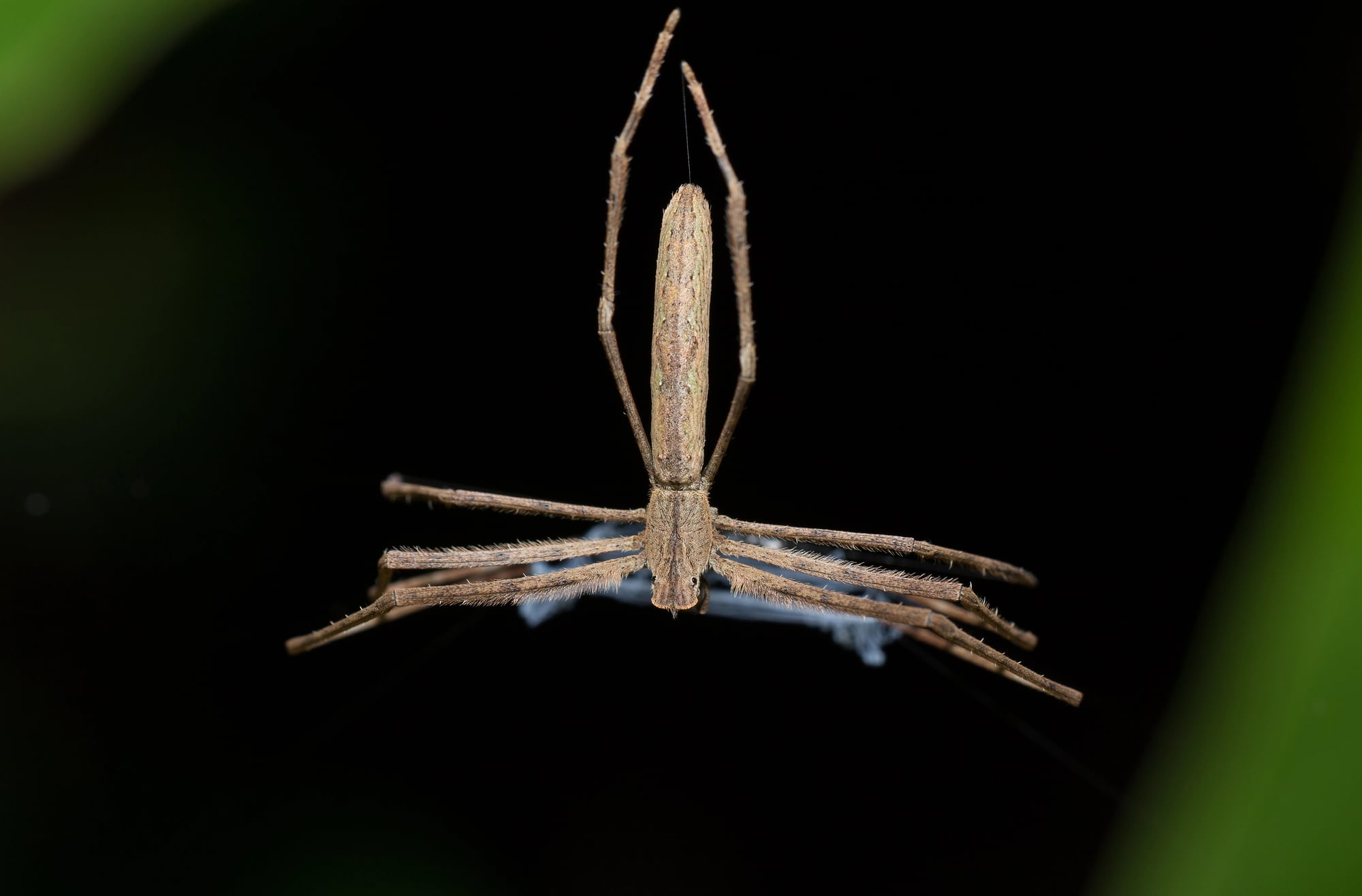
Possessing the largest eyes of any spider relative to body size, these nocturnal hunters have evolved extraordinary vision that allows them to see in near darkness. Their hunting technique seems impossible: they spin a small web between their front legs, then hang upside down and physically throw this net onto passing prey with lightning-fast reflexes.
This active hunting strategy differs dramatically from typical passive web techniques, with high-speed cameras revealing the spider can launch its attack in less than one millisecond.
Assassin Spider
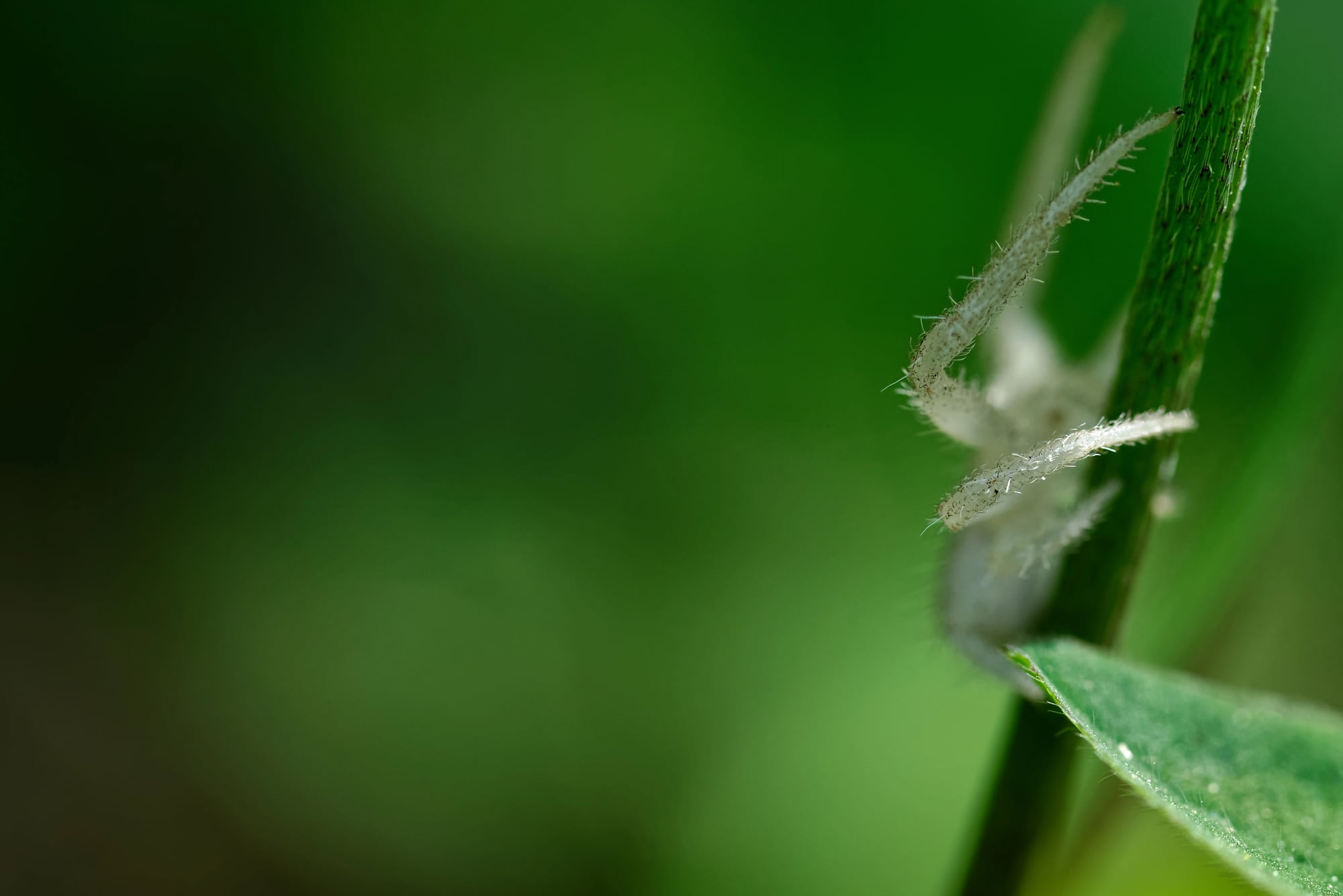
With necks and jaws that make up two-thirds of their body length, assassin spiders look like creatures from another planet rather than Earth natives. These specialized hunters have evolved their extreme anatomy specifically to prey on other spiders, using their elongated necks to keep their bodies safely away from counterattacks.
Their bizarre head shape contains a brain that has actually moved into their legs to accommodate their extreme proportions, demonstrating how evolutionary specialization can reshape fundamental anatomy.
Like Go2Tutors’s content? Follow us on MSN.
Sea Spider
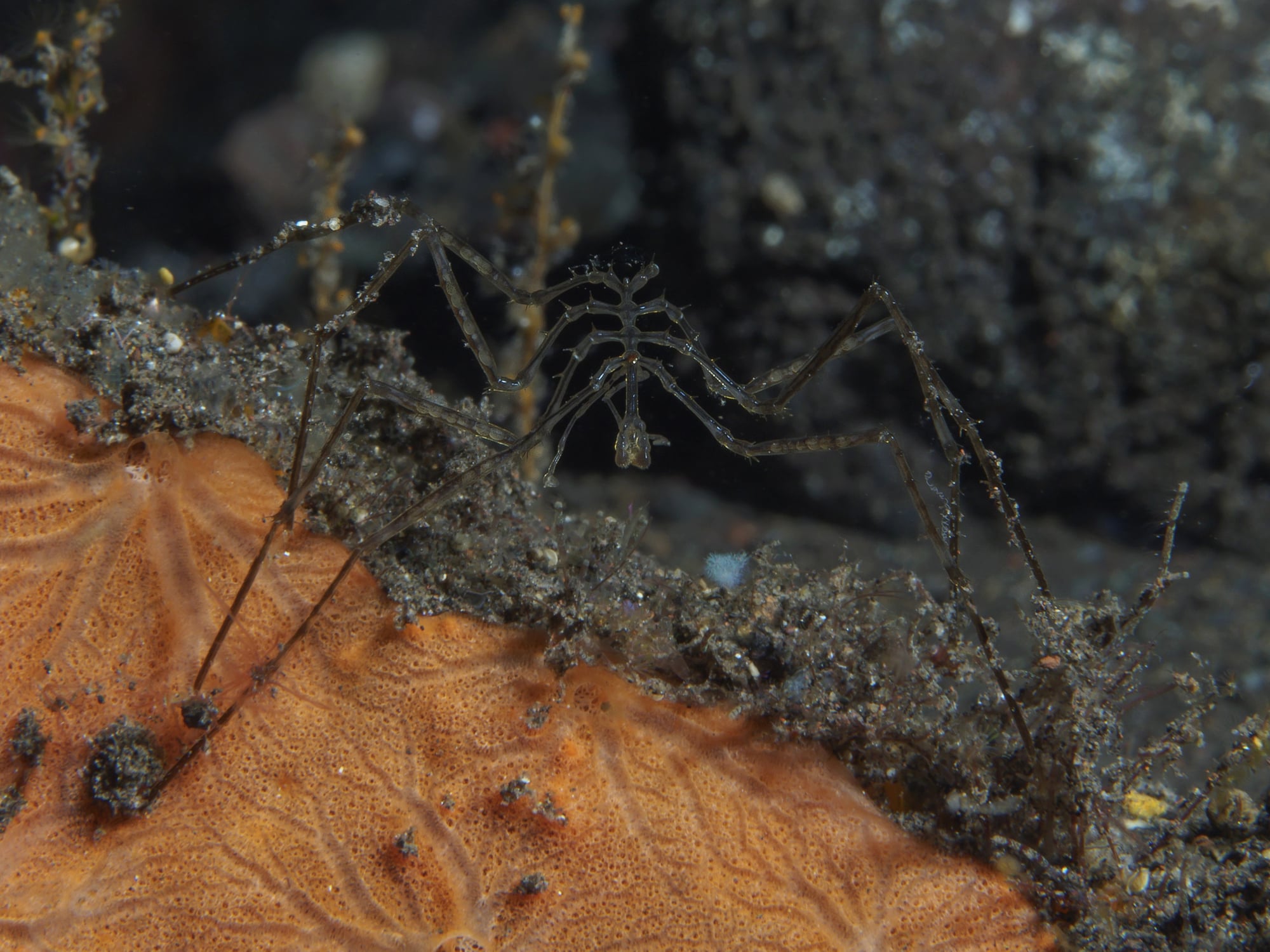
Despite their name, sea spiders aren’t true spiders but distant relatives that have evolved into something truly alien. With bodies so thin that their digestive systems and reproductive organs extend into their legs, these marine creatures lack respiratory systems entirely, instead absorbing oxygen directly through their exoskeleton.
Some deep-sea species grow to over 2 feet across, with leg spans large enough to cover dinner plates, creating nightmare fuel for arachnophobes despite being harmless to humans.
Bolas Spider
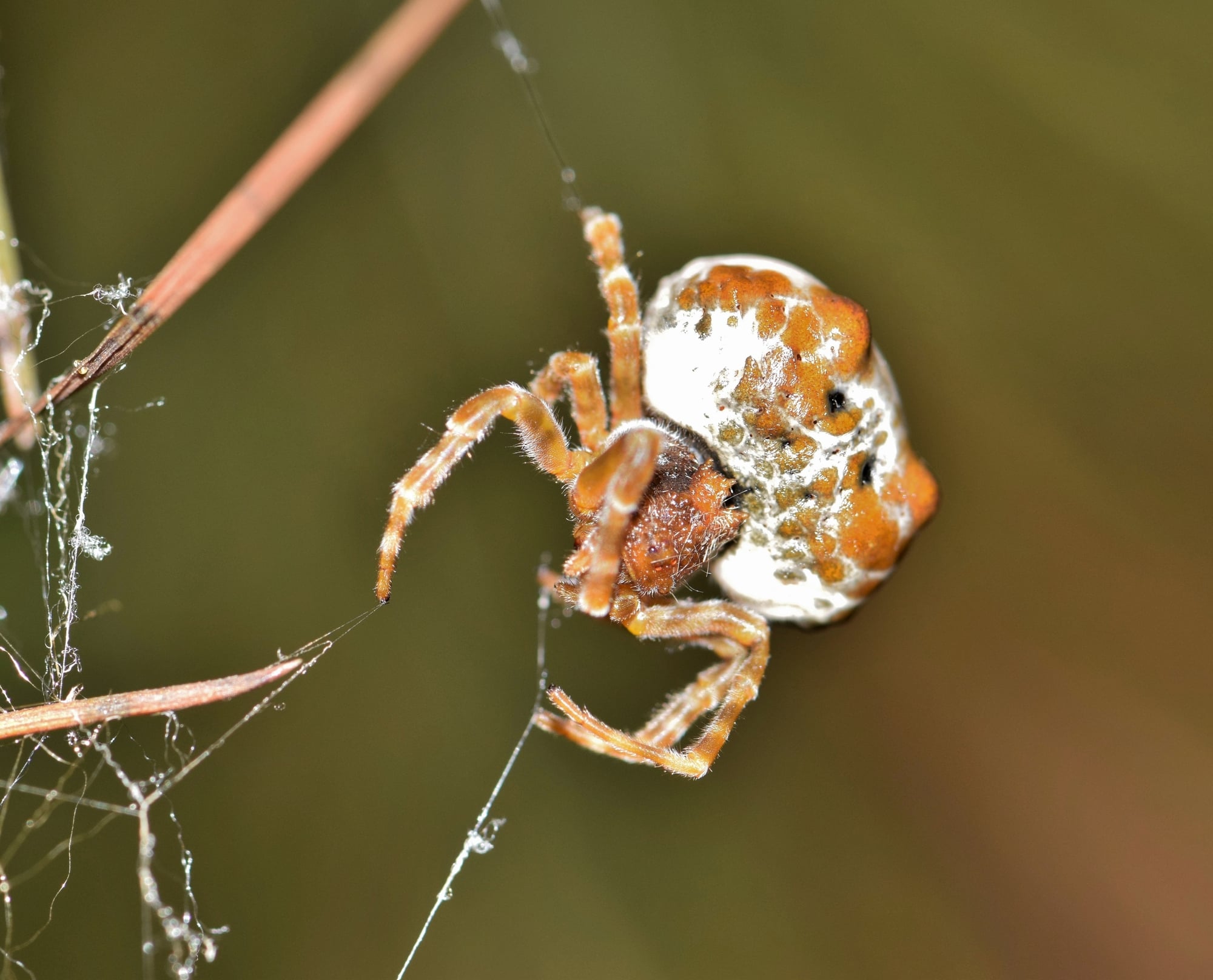
These spiders, who get their name from an Argentine weapon, have given up making traditional webs in favor of an apparently unattainable hunting method. They make a single silk strand with a sticky glob at the end, and they use this “bolas” to skillfully snare moths in mid-flight.
Even more amazing is the fact that they create chemicals in the air that are exactly like the pheromones of female moths, drawing male moths to them before attacking from the air. This effectively combines chemical warfare with the ability to hunt.
Wrap-Around Spider
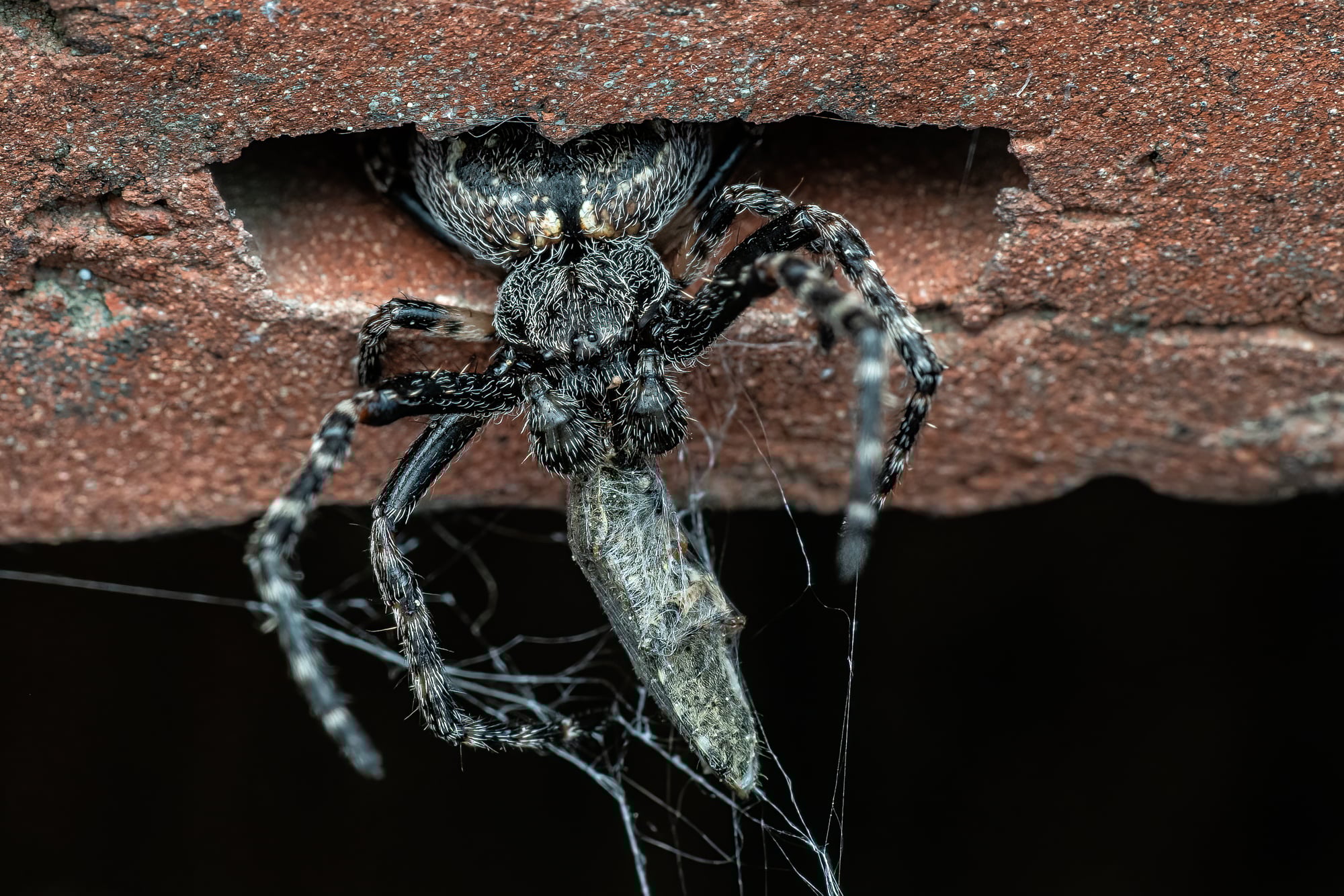
These arachnids are the ultimate masters of camouflage; they can completely encircle tree branches with their flattened bodies, making them almost undetectable against the bark. Their lengthy legs provide a smooth appearance that blends in with their perch because they stretch forward and backward instead of sideways.
When survival depends on staying invisible, evolutionary pressure can change even basic body structures, as this severe body alteration shows.
Like Go2Tutors’s content? Follow us on MSN.
Portia Jumping Spider
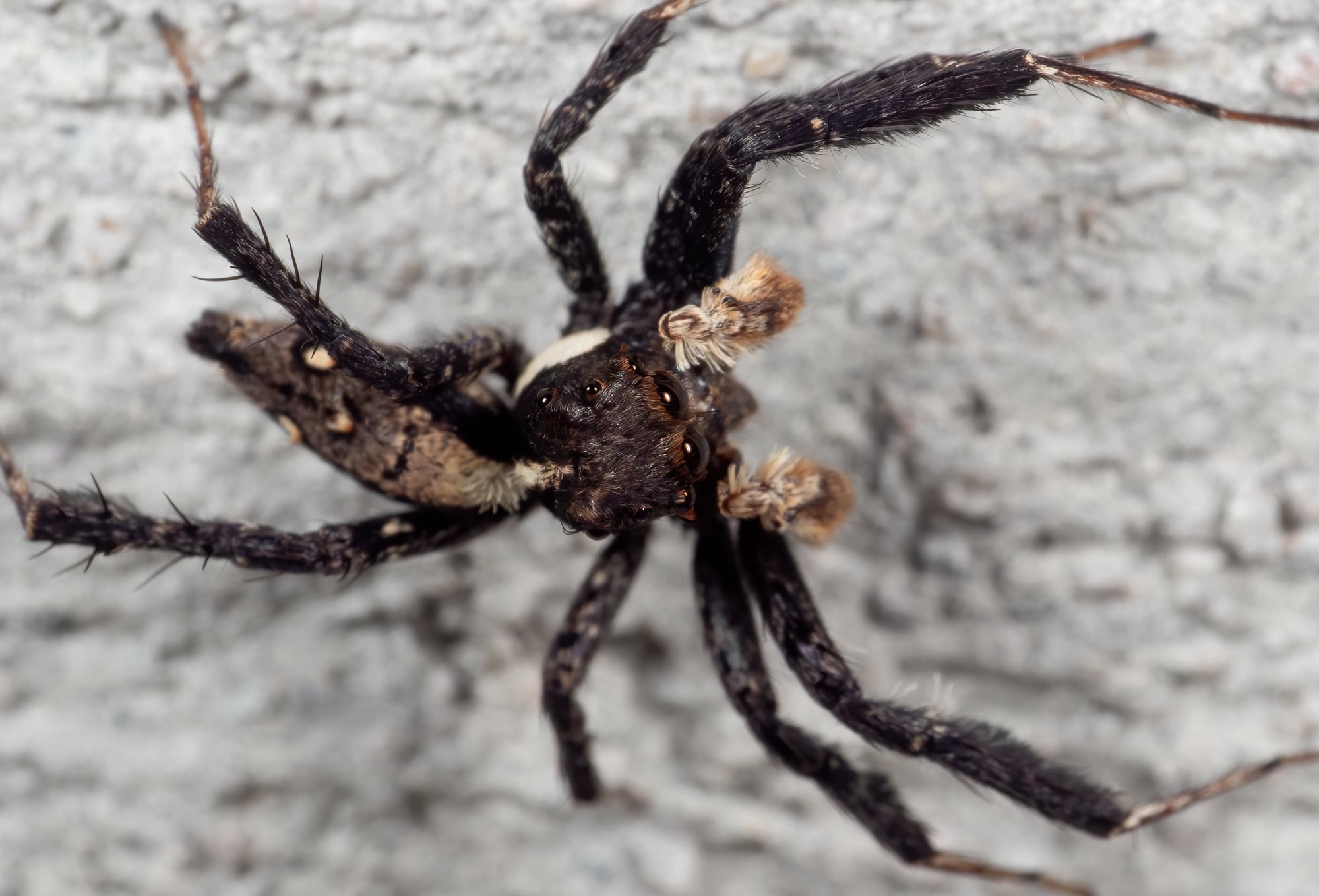
Behind their unassuming appearance, Portia spiders possess what may be the most sophisticated brain of any invertebrate. They are capable of learning, planning, and problem-solving at a level once thought impossible for creatures this size.
These remarkable hunters can devise and execute multi-step plans to approach prey, including other spiders, by creating distractions, taking detours, or mimicking trapped insects in webs. Their cognitive abilities allow them to improvise solutions to novel hunting challenges, displaying an intelligence that seems impossible from a brain the size of a poppy seed.
Evolution’s Wild Imagination
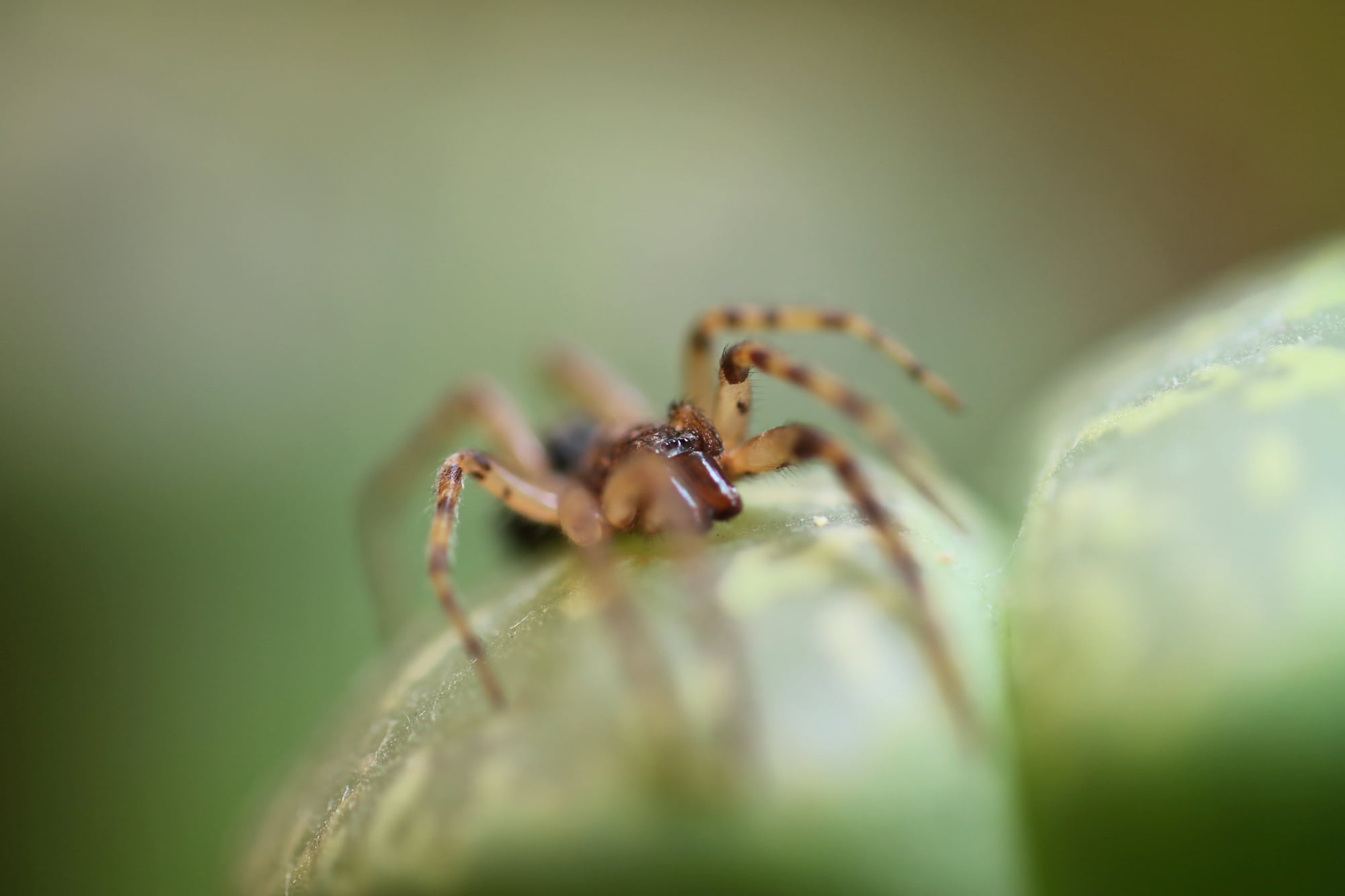
These extraordinary spiders demonstrate nature’s unparalleled ability to develop solutions for survival that often surpass what human imagination might conceive. From engineering marvels like underwater air chambers to sophisticated hunting techniques involving chemical mimicry and calculated ambushes, these arachnids showcase biological innovation at its most creative.
While often overlooked or feared, these remarkable creatures represent some of evolution’s most fascinating experiments, developing adaptations so specialized and unusual that they truly seem like they shouldn’t be real. Their continued presence in ecosystems worldwide serves as a reminder that reality often exceeds fiction when it comes to the diversity and ingenuity of life on our planet.
More from Go2Tutors!

- 16 Restaurant Chains That Went Too Fast
- 12 Things Sold in the 80s That Are Now Illegal
- 15 Strange Things People Have Tried to Ban (And Failed)
- 16 Collectibles People Tossed Out Too Soon
- 17 Myths from Your Childhood That Were Actually Based on Real Things
Like Go2Tutors’s content? Follow us on MSN.