Origins of Popular Holiday Traditions
You hang up stockings near the fire, never pausing to wonder why. Yet you still peck someone under that leafy plant just ’cause it’s what folks do.
On December 24th, your eyes scan the sky for flying deer, despite ditching fairy tales ages back. These yearly habits seem ancient, as if they’ve lived forever just like this.
Yet a lot of these traditions began in particular places, driven by motives totally unrelated to today’s celebrations. They slipped in through old ceremonies later tied to church festivals.
Some were dreamed up by sharp advertisers or picked up from newcomers settling here. A handful popped up randomly just stayed because folks enjoyed them.
The tales tied to these customs? Way weirder but also way more fun than most folks think.
Decorating Christmas Trees
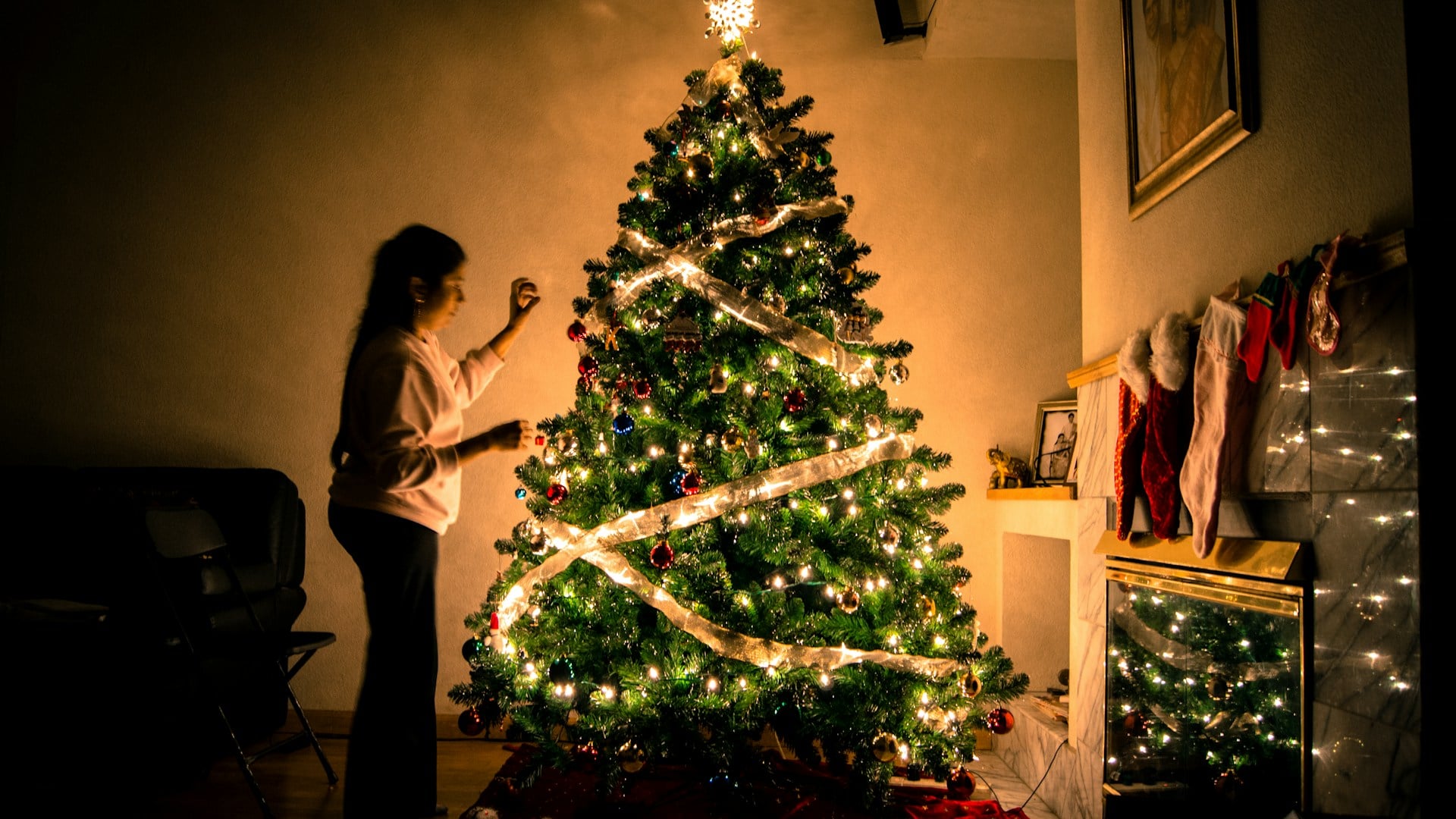
The Christmas tree custom started in 16th-century Germany devout Christians there began placing decorated trees inside their houses. When timber ran low, some crafted wooden pyramids instead, adorning them with evergreens along with candles.
Martin Luther, known for sparking the Protestant Reformation, once stuck lit candles on a pine tree moved by how stars shimmered above dark boughs one frosty evening stroll. That idea trickled across German towns before hopping borders into wider European homes.
Queen Victoria plus Prince Albert brought Christmas trees into fashion across England and America. After the Illustrated London News showed a drawing of the royals by a decorated tree in 1848, things really took off.
Pretty soon, anyone who could afford it had a tree standing in their living room. Early American settlers saw Christmas trees as strange.
The Puritans shut down holiday festivities completely thought they were tied to old rituals. Still, folks from Germany held on to the custom.
By the late 1800s, evergreens started showing up in households everywhere. The first trees held candles so fires could easily start.
When electric holiday lights came around in 1882, Edward Johnson, who worked with Thomas Edison, was behind them. Yet these new bulbs cost a lot, and remained pricey for years.
Candles? Most homes kept using them straight through much of the 1900s.
Hanging Stockings

The stocking tradition traces back to a legend about Saint Nicholas, a 4th-century bishop known for his generosity. According to the story, a poor man had three daughters but no money for their dowries.
Without dowries, they couldn’t marry and faced a bleak future. Saint Nicholas heard about their situation and decided to help anonymously.
He tossed gold coins down the chimney on three separate occasions. The coins landed in stockings or shoes left by the fire to dry.
The story evolved over centuries, and the practice of hanging stockings by the fireplace became associated with Christmas. Children would leave their stockings out, hoping for gifts just like the daughters in the legend received.
Dutch settlers brought the tradition to America, where it merged with other Christmas customs. By the 19th century, hanging stockings had become standard practice in American homes.
The poem “A Visit from St. Nicholas” commonly known as “The Night Before Christmas”, published in 1823, cemented the tradition by describing stockings “hung by the chimney with care.”
Kissing Under the Mistletoe

Mistletoe held special significance in ancient cultures long before Christmas existed. Druids believed the plant had healing powers and used it in winter solstice rituals.
The Norse associated it with Frigga, goddess of love, which may explain its romantic connection. The Christmas association came later, possibly from medieval Europe.
Some sources suggest kissing under mistletoe started in England during the 18th century as a Christmas party game. A young man could kiss any woman standing beneath the mistletoe, and refusing was considered bad luck.
Each kiss required removing one berry from the mistletoe sprig. When the berries ran out, the kissing privilege ended.
This meant popular mistletoe spots saw plenty of action early in the evening. The tradition caught on in Victorian England and spread to America.
But the custom has faded somewhat in recent decades, probably because workplace harassment policies and changing social norms make surprise kisses less acceptable.
Singing Christmas Carols

Carols started as pagan songs sung during winter solstice celebrations. The word “carol” comes from a Greek circular dance called “choraulein.”
Early Christians adapted the tradition, writing Latin hymns for religious services. Francis of Assisi introduced carols in native languages rather than Latin in the 13th century.
He wanted common people to understand and participate in Christmas worship. The practice spread, and different regions developed their own carol traditions.
Oliver Cromwell banned Christmas carols in England during the 1600s as part of his campaign against Catholic practices. The songs nearly disappeared but survived in rural areas where enforcement was lax.
The Victorian era revived caroling as a popular Christmas activity. Charles Dickens helped by featuring carolers prominently in “A Christmas Carol.”
Going door-to-door singing became a way to spread holiday cheer and sometimes raise money for charity. “Silent Night” became one of the most famous carols after being written in Austria in 1818.
The church organ had broken, so the priest asked for a simple carol that could be sung to guitar accompaniment. The song spread across Europe and eventually worldwide, translated into hundreds of languages.
Sending Christmas Cards

Christmas cards started in England in 1843, created by Sir Henry Cole. He commissioned an artist to design a card showing a family gathering and toasting the season.
Cole printed 1,000 copies and sold them for a shilling each quite expensive at the time. The idea didn’t catch on immediately.
Printing costs were high, and postage was expensive. But when postal rates dropped and printing technology improved, Christmas cards became accessible to middle-class families.
Louis Prang, a German immigrant to America, started mass-producing Christmas cards in the 1870s. His cards featured beautiful chromolithography and made sending holiday greetings affordable.
By the 1880s, Americans were mailing millions of Christmas cards annually. The tradition peaked before phones became common.
Cards were the main way to keep in touch with distant friends and relatives. Even now, in the age of instant messaging, many families still send physical Christmas cards, though the numbers have declined significantly.
Leaving Cookies for Santa

The practice of leaving food for Santa has murky origins, but it probably relates to ancient traditions of leaving offerings for gods or spirits during winter celebrations. During the Great Depression, parents encouraged children to leave cookies and milk for Santa as a way to teach gratitude during hard times.
The gesture was meant to show appreciation for the gifts they received, even when families had very little. The tradition stuck and became standard in American households.
Kids leave out cookies chocolate chip seems most popular and milk, along with carrots for the reindeer. The appeal is obvious children get excited about feeding Santa, and parents get to eat cookies late at night after finishing gift assembly.
Different countries have their own variations. British children leave mince pies and sherry.
Swedish kids put out coffee. Australian children sometimes leave carrots for Santa himself, given the summer heat during their Christmas season.
Advent Calendars
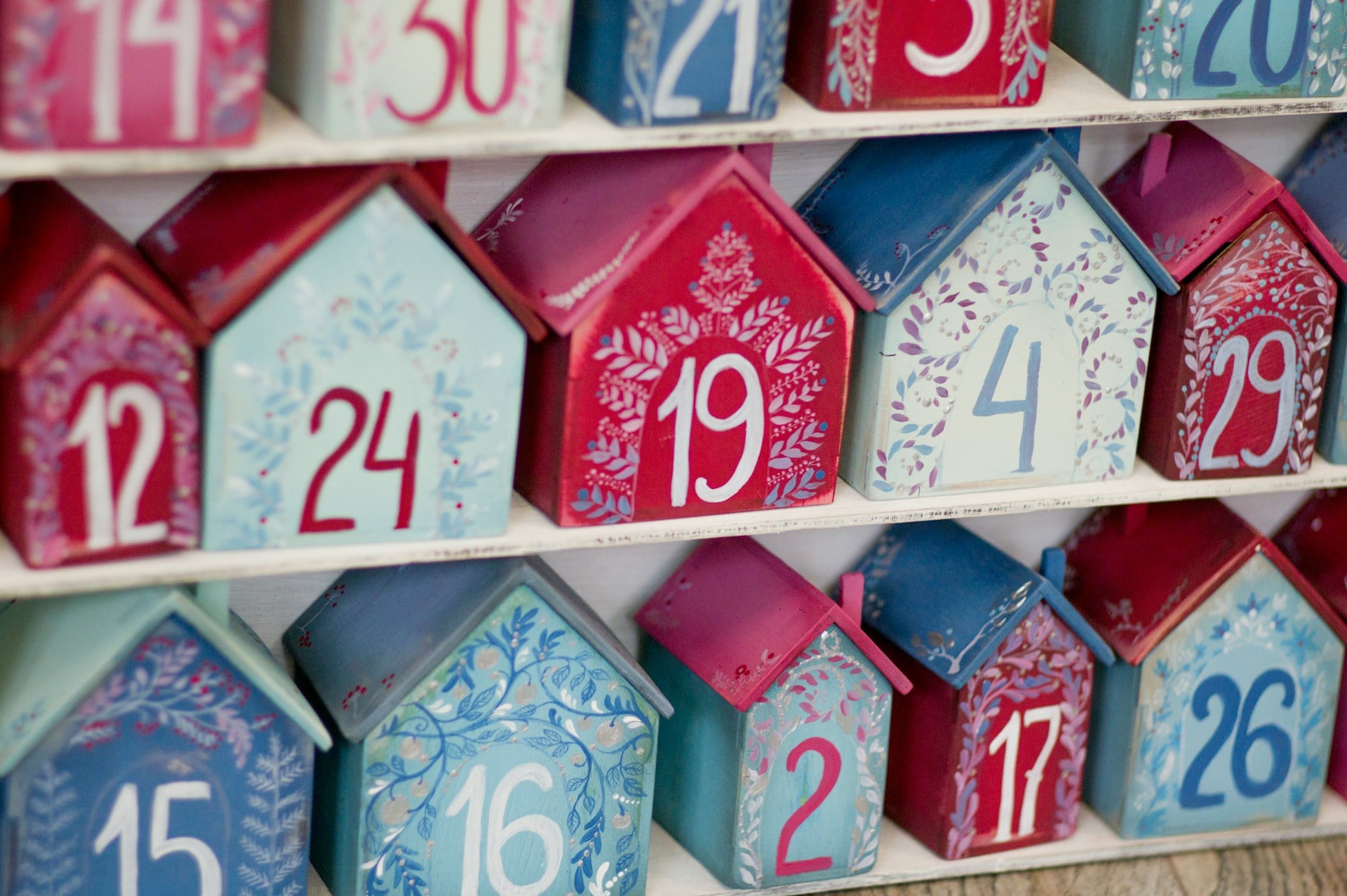
Advent calendars started in 19th-century Germany as a way to count down the days until Christmas. The first versions weren’t calendars at all families would light a new candle each day or mark chalk lines on doors.
Gerhard Lang created the first printed Advent calendar in the early 1900s. His mother had made him a calendar with 24 small candies attached to cardboard when he was a child, and he turned the concept into a commercial product.
Early versions featured Bible verses or pictures behind each door. The tradition came to America after World War II when a soldier’s wife saw Advent calendars in Germany and decided to import the idea.
Chocolate calendars became popular in the 1950s, though they were initially expensive. Now Advent calendars have expanded beyond chocolate.
You can buy calendars filled with beauty products, toys, craft supplies, wine, cheese, or just about anything else. The countdown element remains the same opening one small door each day builds anticipation for Christmas.
New Year’s Eve Countdowns and Kisses

The Times Square New Year’s Eve celebration started on December 31, 1904, when the New York Times moved to a new building at what became Times Square. The newspaper’s owner, Adolph Ochs, threw a spectacular party with fireworks to mark the building’s opening and welcome 1905.
Close to 200,000 people attended. Ochs held fireworks celebrations for several years, but in 1907 the city banned the fireworks displays because of safety concerns.
Ochs needed a new way to mark midnight, so he hired a metalworker to create an illuminated sphere that would descend from the building’s flagpole. The first descent happened on December 31, 1907, welcoming 1908.
The tradition has continued every year since, except during 1942 and 1943 when wartime blackouts suspended the celebration. The midnight kiss tradition has less clear origins.
Some trace it to ancient Roman celebrations honoring Janus, god of beginnings and endings. Others point to medieval European masquerade parties where kissing at midnight was common.
Whatever the origin, kissing at midnight became standard practice at New Year’s Eve parties across America by the early 20th century. The superstition developed that the first person you kiss in the new year sets the tone for the year ahead.
Giving Chocolate Easter Eggs
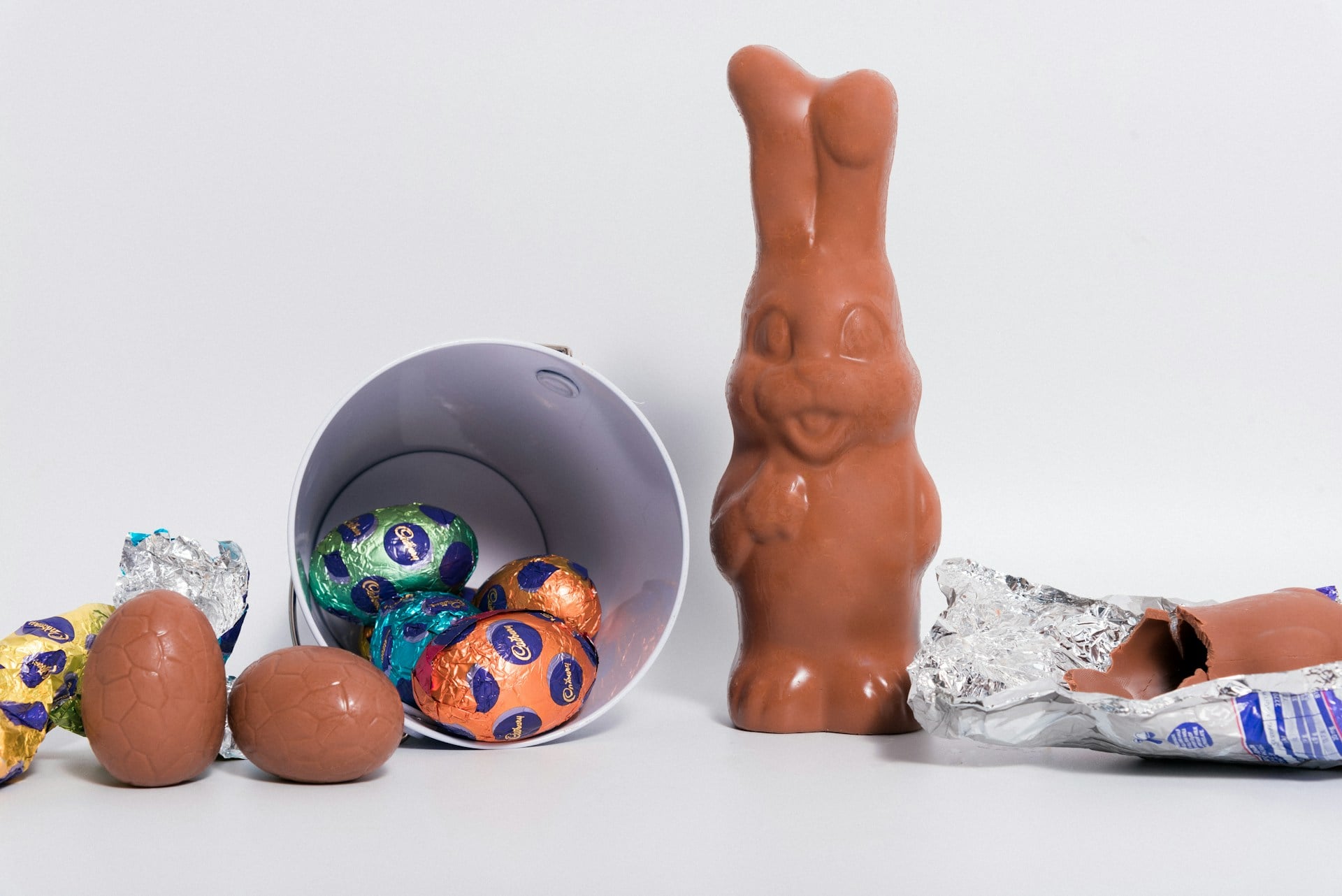
Easter eggs have pre-Christian origins tied to spring fertility festivals. Eggs symbolized new life and rebirth, making them natural symbols for celebrating spring’s arrival.
Christians adopted egg giving as part of Easter celebrations, with eggs representing Jesus emerging from the tomb. During Lent, Christians abstained from eating eggs, so they decorated and gave them as gifts on Easter Sunday.
Chocolate eggs appeared in 19th-century Europe when chocolate-making techniques advanced. French and German chocolatiers started creating elaborate chocolate eggs as Easter treats.
The hollow chocolate egg was perfected by companies like Cadbury in England. The tradition spread worldwide, with different countries developing their own styles.
Americans favor solid chocolate eggs and egg-shaped candies. European chocolate eggs tend to be hollow and sometimes contain toys or additional candy inside.
The Easter Bunny delivering eggs is a separate tradition that merged with chocolate eggs in America. German immigrants brought the Easter Bunny concept, and commercial candy companies combined it with chocolate eggs to create a profitable holiday marketing opportunity.
Halloween Trick-or-Treating

Halloween itself comes from the ancient Celtic festival of Samhain, when people believed the boundary between the living and dead grew thin. Celts wore costumes to ward off ghosts and left food offerings to appease spirits.
The Catholic Church later established All Saints’ Day on November 1, and the evening before became known as All Hallows’ Eve. The traditions gradually merged Christian and pagan elements.
Trick-or-treating as Americans know it developed in the early 20th century. The practice has roots in medieval “souling,” where poor people would go door-to-door asking for food in exchange for prayers for the dead.
Irish and Scottish immigrants brought similar traditions to America. The phrase “trick or treat” appeared in North America in the 1920s and 1930s.
The practice spread rapidly after World War II, partly because candy companies promoted it heavily. By the 1950s, trick-or-treating had become a standard American tradition.
Communities embraced it as a safe, supervised way for children to celebrate. The custom of giving store-bought candy became standard in the 1970s after safety concerns about homemade treats emerged.
Thanksgiving Turkey Dinners

Turkey became associated with Thanksgiving partly because wild turkeys were abundant in North America when colonists arrived. The birds were large enough to feed many people and didn’t serve other purposes like chickens eggs or cows milk.
The Pilgrims and Wampanoag people probably ate turkey at the 1621 harvest feast that inspired Thanksgiving, though the menu also included venison, seafood, and various vegetables. Turkey wasn’t necessarily the centerpiece.
Abraham Lincoln declared Thanksgiving a national holiday in 1863, and turkey gradually became the expected main dish. By the late 1800s, turkey dinner was standard Thanksgiving fare across America.
Commercial turkey farming made the birds more affordable and available year-round by the mid-20th century. The pardoning of a White House turkey, which started informally in the 1940s and became official under George H.W. Bush, further cemented turkey’s place as the Thanksgiving symbol.
Holiday Lights on Houses

Outdoor Christmas lights started with Thomas Edison’s partner Edward Johnson, who displayed the first electric Christmas lights outside his New York home in 1882. But the lights were handmade, expensive, and few people had electricity.
General Electric started selling Christmas light strings in 1903, but they remained a luxury item. Only the wealthy could afford extensive outdoor displays.
The lights gradually became more affordable, but outdoor decorating didn’t become widespread until after World War II. Suburban expansion in the 1950s and 1960s coincided with cheaper lighting options and competitive neighborhood decorating.
Communities started having decorating contests, and the tradition of elaborate outdoor displays took off. The shift from incandescent to LED lights in recent decades has made massive displays more practical and energy-efficient.
Some neighborhoods now attract tourists with their synchronized light shows and elaborate setups, though the basic appeal remains the same colorful lights brightening dark winter nights.
The Evolution of Celebration

Those habits seem fixed, yet shift all the time. Holidays for your grandparents weren’t like yours yours won’t match your grandkids’ either.
A few practices will slowly disappear. Others will pop up, maybe shaped by online trends, climate awareness, or how society changes.
The main idea sticks around no matter the era humans still act differently when moments feel unique. They crave closeness, purpose, or just doing things together.
Even if customs shift over time, needing routines and habits stays put. So yeah, you still hang socks by the fire despite knowing where it started.
Learning about its past helps, yet actually doing it counts more.
More from Go2Tutors!

- The Romanov Crown Jewels and Their Tragic Fate
- 13 Historical Mysteries That Science Still Can’t Solve
- Famous Hoaxes That Fooled the World for Years
- 15 Child Stars with Tragic Adult Lives
- 16 Famous Jewelry Pieces in History
Like Go2Tutors’s content? Follow us on MSN.



