Biggest Comebacks in Pro Wrestling History
Professional wrestling thrives on drama, and nothing captures that quite like a proper comeback story. Wrestlers have returned from career-ending injuries, personal demons, and exits that seemed permanent.
These aren’t scripted returns written into storylines – these are real people who clawed their way back to the ring against serious odds. Here’s a look at some of the most memorable comebacks that reminded fans why they fell in love with wrestling in the first place.
Edge Returns After Nine Years
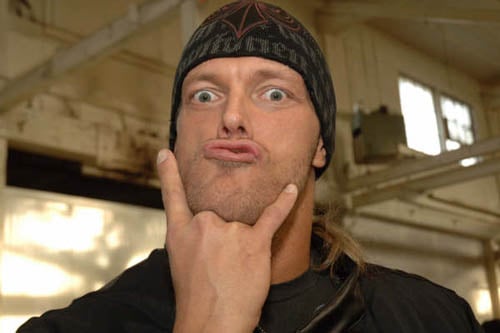
When Edge tearfully retired in 2011 due to cervical spinal stenosis, doctors told him his neck wouldn’t survive another bump. One wrong move could leave him paralyzed or worse.
He’d built a second career as an actor and seemed genuinely at peace with hanging up his boots. Then at the 2020 Royal Rumble – his music hit and the place erupted.
Nine years. That’s how long it took before Edge stepped back into a WWE ring, and nobody thought they’d ever see it happen.
He didn’t just return for a nostalgia pop either. He went on to have legitimately great matches and even won championships.
The medical advancements and rigorous training that made his return possible were remarkable, yet what stood out was how he returned at a level that justified the risk.
Daniel Bryan’s Forced Retirement and Triumphant Return
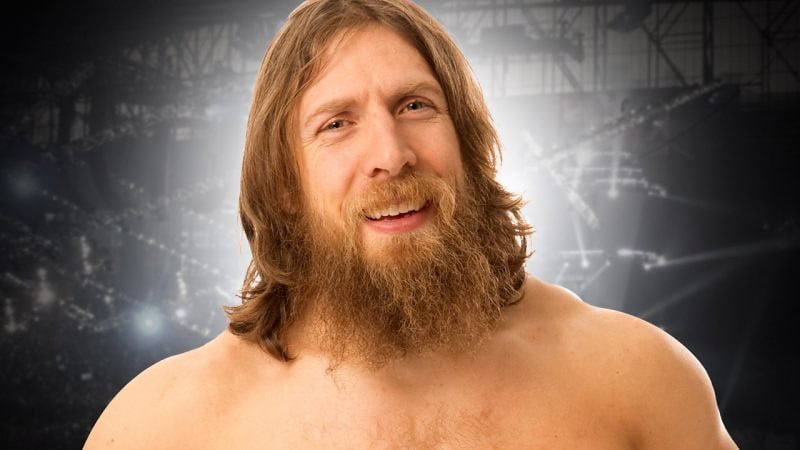
Bryan’s 2016 retirement hit differently because he wasn’t ready to leave. Repeated concussions and seizures forced WWE to sideline him – and watching him struggle with that decision was genuinely painful for fans.
At the peak of his popularity. Fresh off his WrestleMania moment.
Suddenly done. For two years, he worked as a general manager while clearly itching to compete, doing commentary and backstage segments when what he really wanted was to wrestle.
When WWE finally cleared him in 2018, the emotion was palpable. His return match felt cathartic, not just for him but for everyone who’d watched his career get cut short.
He proved he belonged back in the ring immediately – working a demanding schedule and putting on clinics with younger talent.
Stone Cold Steve Austin and the Broken Neck
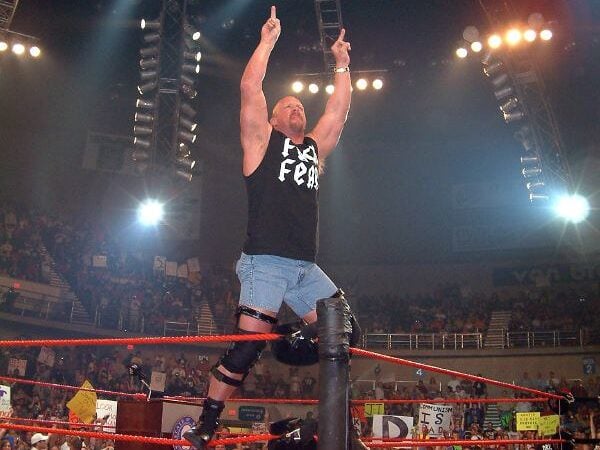
Austin’s 1997 injury against Owen Hart should’ve ended everything. A piledriver gone wrong left him temporarily paralyzed in the ring, and the subsequent neck surgery came with no guarantees.
The fact that he returned at all was miraculous. That he returned to become the biggest star in wrestling history makes the story almost absurd.
Austin worked through chronic neck issues for years – adapting his style and becoming more of a brawler than a technical wrestler. His refusal to let that injury define him helped launch wrestling into mainstream consciousness during the Attitude Era.
He eventually needed more surgery and retired earlier than he would’ve otherwise, though those years he fought through the pain produced some of wrestling’s most iconic moments. The stunners.
The beer baths. All of it done on a neck held together by surgical fusion.
Triple H Tears His Quad and Returns Bigger
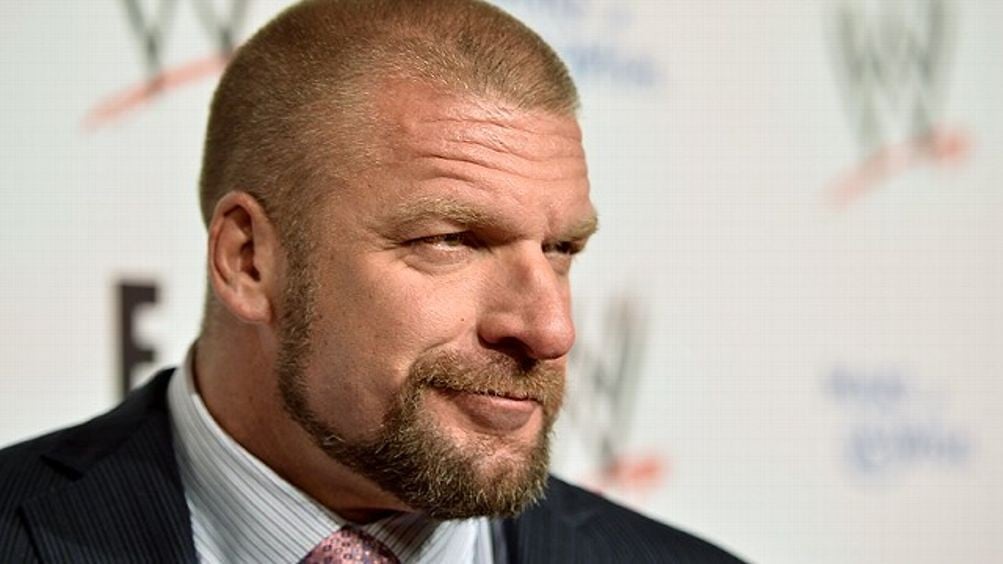
The quad tear Triple H suffered in 2001 typically takes athletes a year to recover from – and many never reach their previous level. He returned in eight months. Came back noticeably more muscular and intense.
That first match back against Chris Jericho showed he hadn’t lost a step. What made this comeback significant was how he used the time away to reinvent himself physically and mentally, returning as an even more dominant force.
He’d tear the same quad again a few years later and once again come back stronger – proving the first recovery wasn’t a fluke. Some guys use injury time to rest.
Triple H apparently used it to become a different animal entirely.
CM Punk’s Seven-Year Walkout
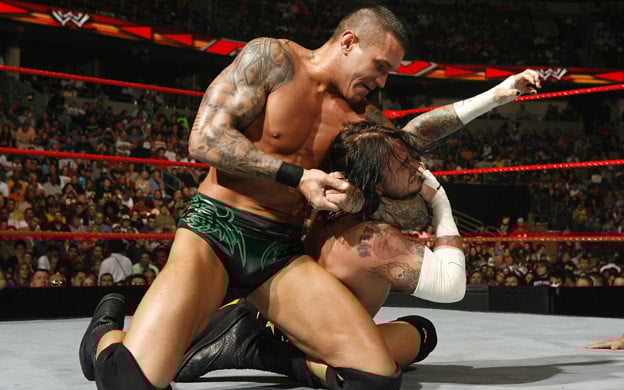
Punk left WWE in 2014 bitter, burned out, and seemingly done with professional wrestling entirely. He tried MMA, did commentary work, wrote comics – and repeatedly insisted he’d never return to wrestling.
The bridge wasn’t just burned. It was napalmed.
His 2021 appearance in AEW felt like witnessing something impossible, seven years of built-up demand exploding the moment his music hit in Chicago, and the emotion on his face told the whole story better than any promo could’ve. He looked like someone who’d rediscovered something he thought he’d lost forever.
His subsequent run had its complications, though that initial return moment ranks among the most electric in wrestling history.
Mick Foley’s Repeated Final Matches
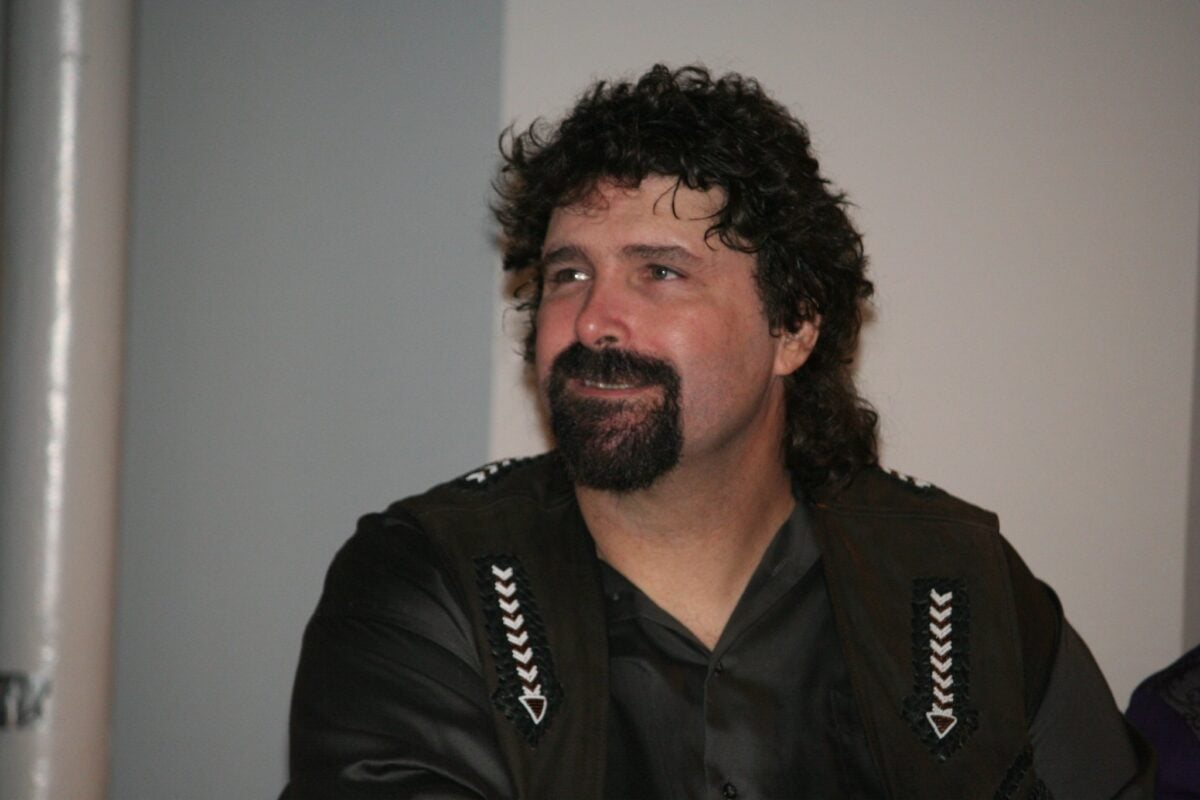
Foley turned retirement into performance art – coming back from “permanent” exits multiple times. Each retirement felt genuine at the time. The toll wrestling took on his body was visible and documented.
Still, he kept finding reasons to return, whether for one more big match or a short run that sparked interest. His body bore the scars of every comeback.
Watching him work through obvious physical limitations added weight to his performances, and the fact that he continued delivering memorable moments despite being clearly broken down said something about his commitment to the craft. Or his inability to stay away.
Probably both.
Bret Hart After the Stroke
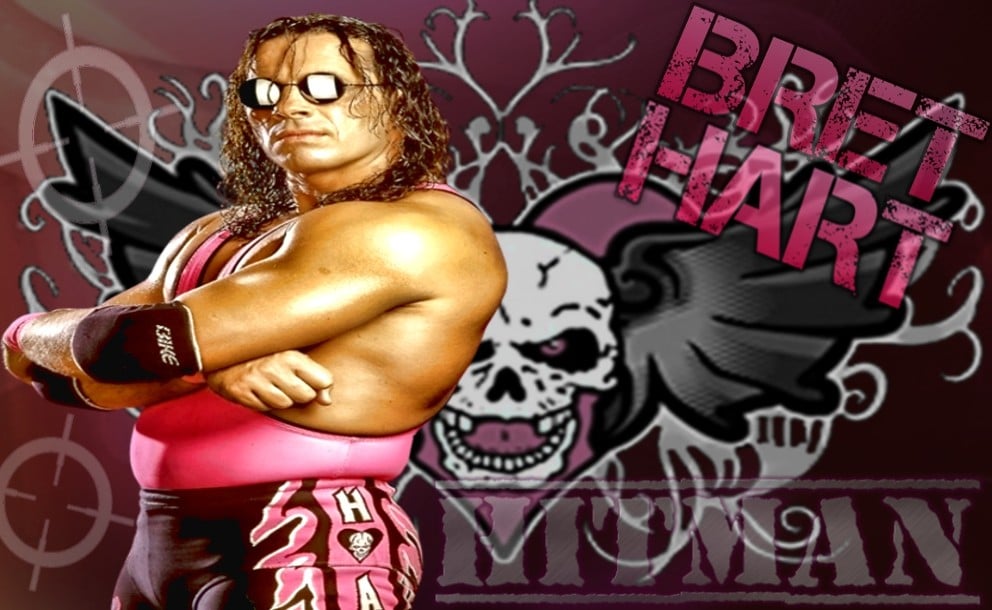
Hart’s 2002 stroke nearly killed him – leaving him partially paralyzed and ending any realistic hope of wrestling again. His bitter departure from WWE in 1997 and subsequent WCW career ending in injury already made his story tragic.
When he returned to WWE in 2010 to make peace with Shawn Michaels and his own past, it wasn’t about wrestling anymore. Even so, appearing in that ring after everything he’d been through (the stroke, the death of his brother Owen, the Montreal Screwjob) carried enormous emotional weight.
His limited physical confrontations with Vince McMahon at WrestleMania XXVI might not have been wrestling classics – yet they represented closure that seemed impossible years earlier.
John Cena’s Rapid Recovery Timeline
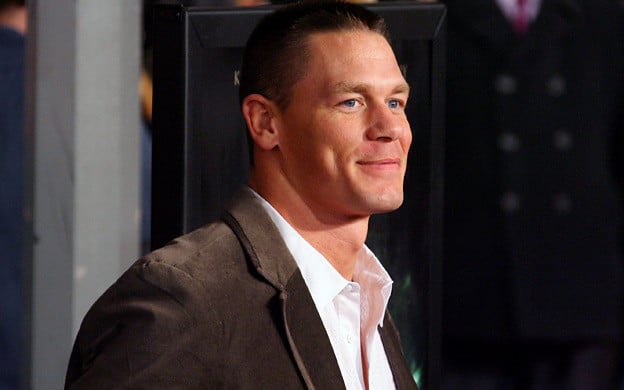
Cena built a reputation for coming back from injuries faster than medical science said was possible. Torn pectoral muscles that should sideline someone for a year? Back in three months.
The conspiracy theories about his recovery methods became part of his character, but regardless of how he did what he did – the man kept returning ahead of schedule and performing at a high level. His 2008 return at the Royal Rumble, months before expected, set the template for his superhuman recovery reputation.
Whether you loved him or couldn’t stand his character, you had to respect the work ethic behind those comebacks. The man healed like Wolverine.
Shawn Michaels’ Four-Year Retirement
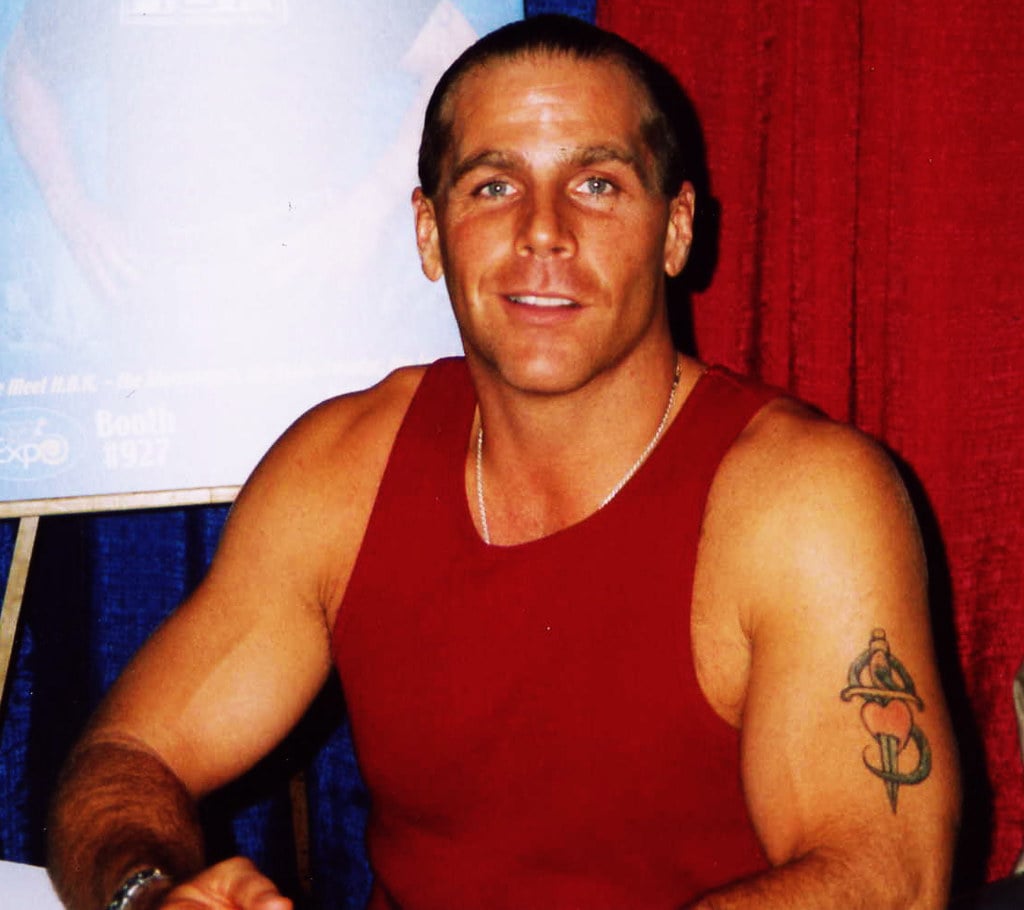
Michaels retired in 1998 with a back injury so severe that he needed multiple surgeries and walked with a visible limp. His addiction issues and personal problems made a return seem both physically impossible and personally unlikely.
When he came back in 2002 for what was supposed to be one match with Triple H – nobody expected what happened next. He worked for eight more years, somehow producing some of the best matches of his entire career despite being older and physically compromised.
His second run proved more consistent and critically acclaimed than his first, which shouldn’t have been possible given the circumstances. The matches with Kurt Angle, with Undertaker at consecutive WrestleManias.
All products of a comeback that defied every reasonable expectation.
Hulk Hogan’s 2002 WWE Return
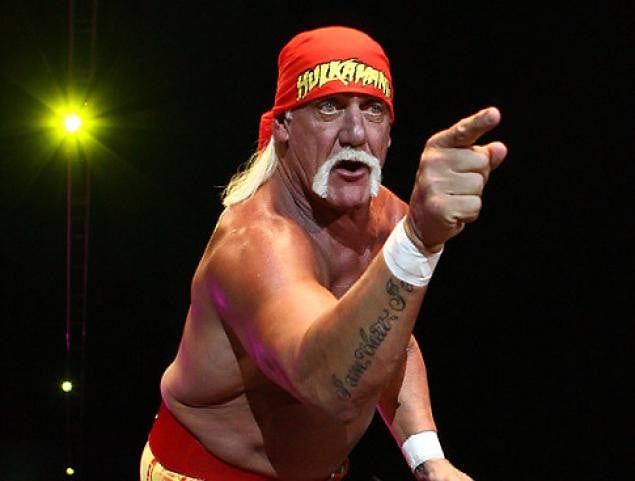
Hogan’s 2002 return to WWE after years in WCW came at a time when his character felt dated and his in-ring work had declined noticeably. WCW had closed, and there was a real question about whether Hogan still had a place in wrestling.
That first match back against The Rock at WrestleMania X8 answered everything. The crowd reaction, organically cheering Hogan despite him being positioned as the villain, created one of wrestling’s most surreal moments.
He won the WWE Championship again at 48 years old, proving his drawing power hadn’t diminished even if his moveset had.
Chris Jericho Reinvents Himself Across Promotions
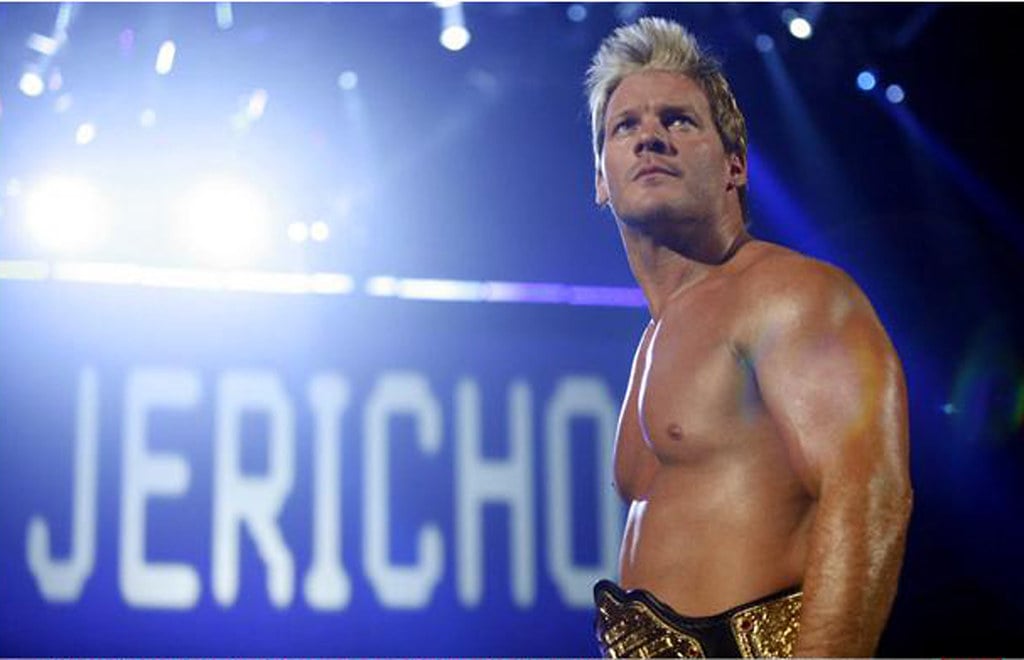
Jericho’s comeback story is less about returning from injury and more about repeatedly walking away and coming back better. He’d take years off, work in other entertainment fields, then return to wrestling completely reinvented.
His 2017 return to New Japan Pro Wrestling showed he wasn’t coasting on past glory. He was willing to work in a stiff Japanese style in his late 40s.
Then his move to AEW helped establish the promotion’s credibility. Each reinvention felt like a comeback because he’d disappear long enough that his return created genuine buzz.
Randy Savage’s 1992 Comeback
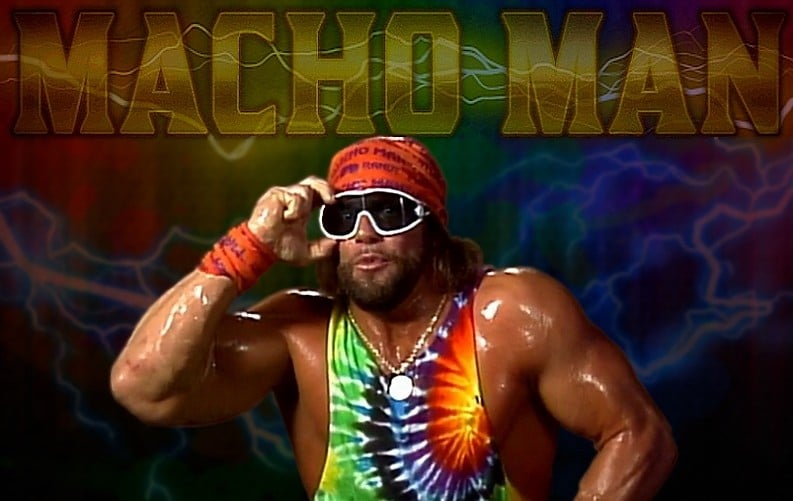
Savage retired from active competition in late 1991 to become a full-time commentator, seemingly done with wrestling at 39. Fans accepted this as the natural end of his in-ring career.
His surprise return to action in 1992, winning the WWE Championship from Ric Flair at WrestleMania VIII, breathed new life into his character. He proved he still had plenty left in the tank, working another seven years across WWE and WCW.
That return set a precedent for older wrestlers coming back from retirement when they still had something to offer.
Batista’s 2014 Return and Redemption Arc
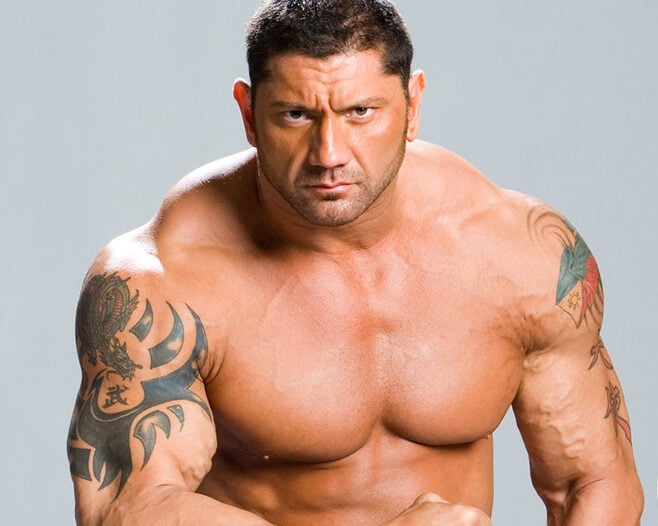
Batista’s 2014 return after four years away started disastrously. He came back out of shape, immediately thrust into the main event picture, and fans rejected him brutally. The negative reaction to his Royal Rumble win became infamous. Instead of packing up and leaving, he stuck around, turned heel, and salvaged the run.
His willingness to adapt when things went sideways, then coming back again in 2019 for a proper sendoff with Triple H, showed growth. Not every comeback lands perfectly.
His story proves that recovering from a botched return takes its own kind of resilience.
Kurt Angle’s Return From Personal Demons
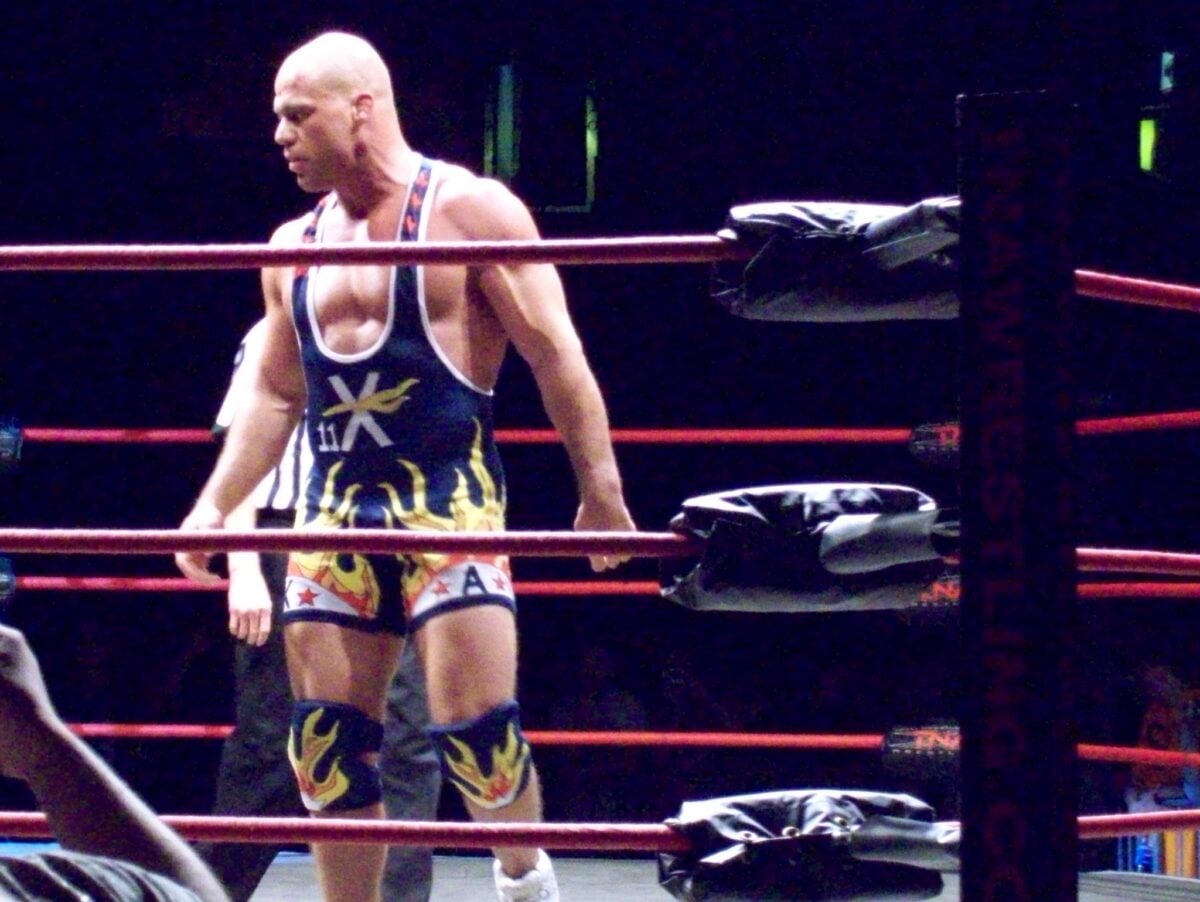
Angle’s departure from WWE in 2006 wasn’t just about contract negotiations. He was dealing with serious painkiller addiction and physical breakdown from years of working hurt.
His TNA run kept him wrestling but didn’t address the underlying issues. When he returned to WWE in 2017, clean and sober, the achievement went beyond wrestling. He worked a limited schedule that protected his battered body and got the Hall of Fame recognition he deserved.
Watching him in that final match at WrestleMania 35, you saw someone who’d made peace with his limitations and was grateful just to be there.
More Than Just Storylines
These comebacks matter because they’re rooted in something real. Wrestling blurs fiction and reality constantly, yet watching someone genuinely overcome adversity to step back in that ring hits differently.
The scripted drama builds on top of actual struggle, making the emotions land harder. When Edge’s music hit after nine years, everyone knew what he’d risked to get back there.
When Bryan returned from forced retirement, the tears were legitimate. The predetermined outcomes don’t diminish the very real journeys these performers took to earn those moments.
Wrestling works best when the line between person and character disappears, and nothing erases that line faster than witnessing someone achieve something they genuinely fought for.
More from Go2Tutors!

- The Romanov Crown Jewels and Their Tragic Fate
- 13 Historical Mysteries That Science Still Can’t Solve
- Famous Hoaxes That Fooled the World for Years
- 15 Child Stars with Tragic Adult Lives
- 16 Famous Jewelry Pieces in History
Like Go2Tutors’s content? Follow us on MSN.



