The Deepest Excavations Humanity Has Ever Dug
Humans have always been driven to go deeper. Whether chasing precious metals, diamonds, or just trying to understand what’s beneath our feet, we’ve carved some truly massive scars into the planet.
These excavations stretch so far down that the numbers barely make sense until you realize some of them go deeper than Mount Everest is tall. The engineering required for these projects pushes the limits of what’s possible.
Working conditions at these depths become extreme—rock temperatures that could cook an egg, pressure that crushes equipment, and air so thin it needs constant management. Yet people still show up every day to extract what lies below.
Here is a list of the deepest excavations humanity has created.
Kola Superdeep Borehole

The Russians hold the record here, and it’s not even close. The Kola Superdeep Borehole reaches down 7.6 miles into the Earth’s crust, making it the deepest artificial point on the planet.
Drilling started in 1970 on the Kola Peninsula, not far from the Norwegian border, and continued for two decades. The original goal was to drill to 9 miles, but extreme temperatures stopped progress.
At the bottom, rocks reached 356 degrees Fahrenheit—nearly twice what scientists predicted. The drill bits couldn’t handle it.
The rock itself started behaving more like plastic than stone. What they found down there surprised everyone.
Scientists expected to hit basalt layers at around 4 miles. They never did.
Instead, they discovered water at depths where it shouldn’t exist, along with microscopic fossils over 2 billion years old. The project shut down in 1992 when funding dried up after the Soviet Union collapsed.
Today, the site sits abandoned with just a small metal cap covering the deepest point humans have ever reached into the Earth.
Mponeng Gold Mine
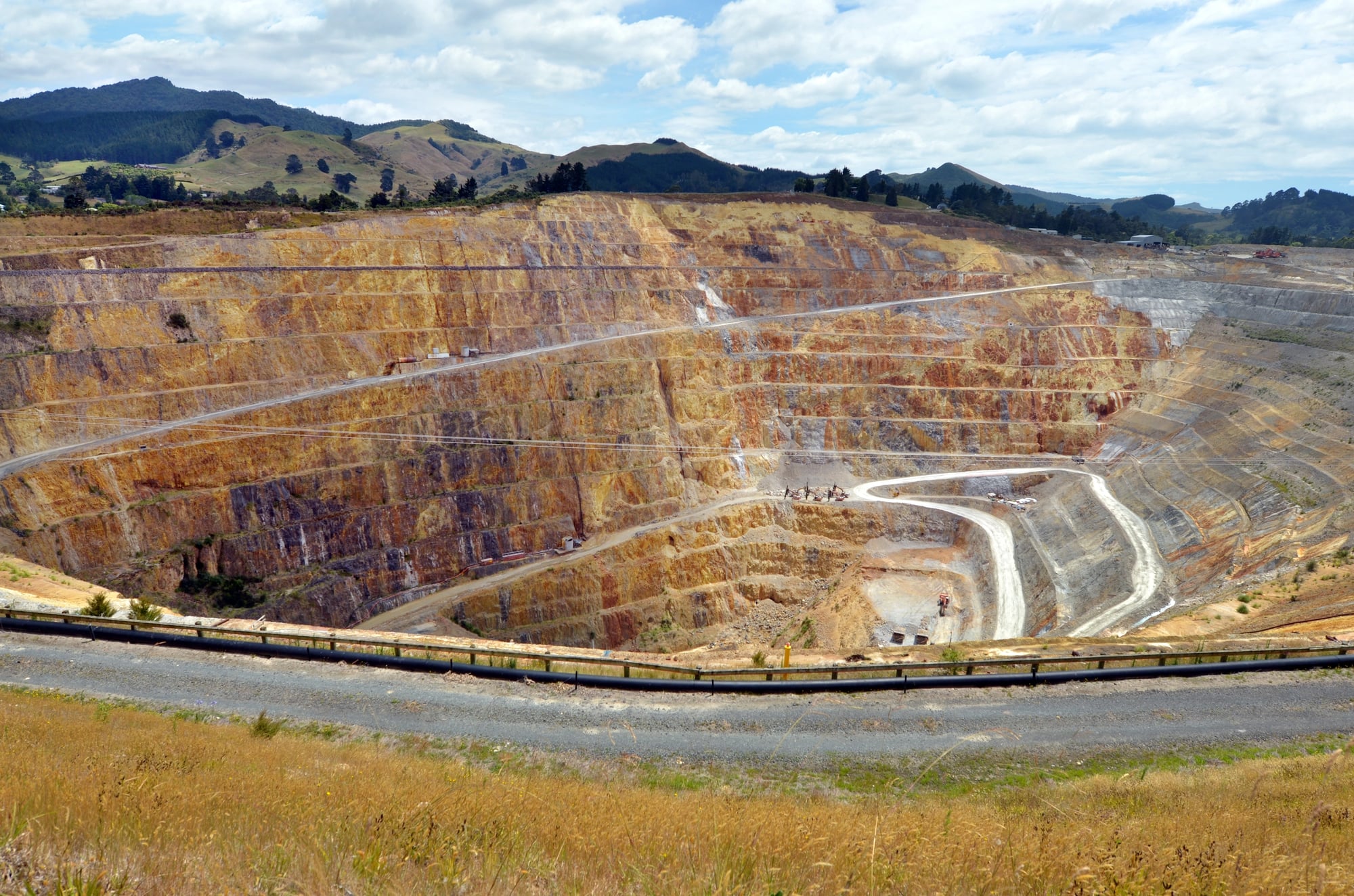
South Africa’s Mponeng mine goes down 2.4 miles underground, making it the deepest operating mine in the world. Located southwest of Johannesburg, it’s been pulling gold out of the Witwatersrand Basin since 1986.
The journey to the bottom takes over an hour even in the high-speed elevators that travel at 36 miles per hour. The heat down there is brutal.
Virgin rock temperatures hit 140 degrees Fahrenheit. Without massive refrigeration systems cooling things to around 82 degrees, workers couldn’t survive.
The mine employs thousands of people who descend into these depths daily, extracting ore from rock that’s 2.7 billion years old. Harmony Gold bought the operation from AngloGold Ashanti in 2020 for around $200 million.
The mine still holds proven reserves of roughly 46 million ounces of gold—more than eight times what the second deepest gold mine has. Current plans suggest it’ll keep operating until at least 2029, possibly longer if deeper sections prove viable.
TauTona Mine
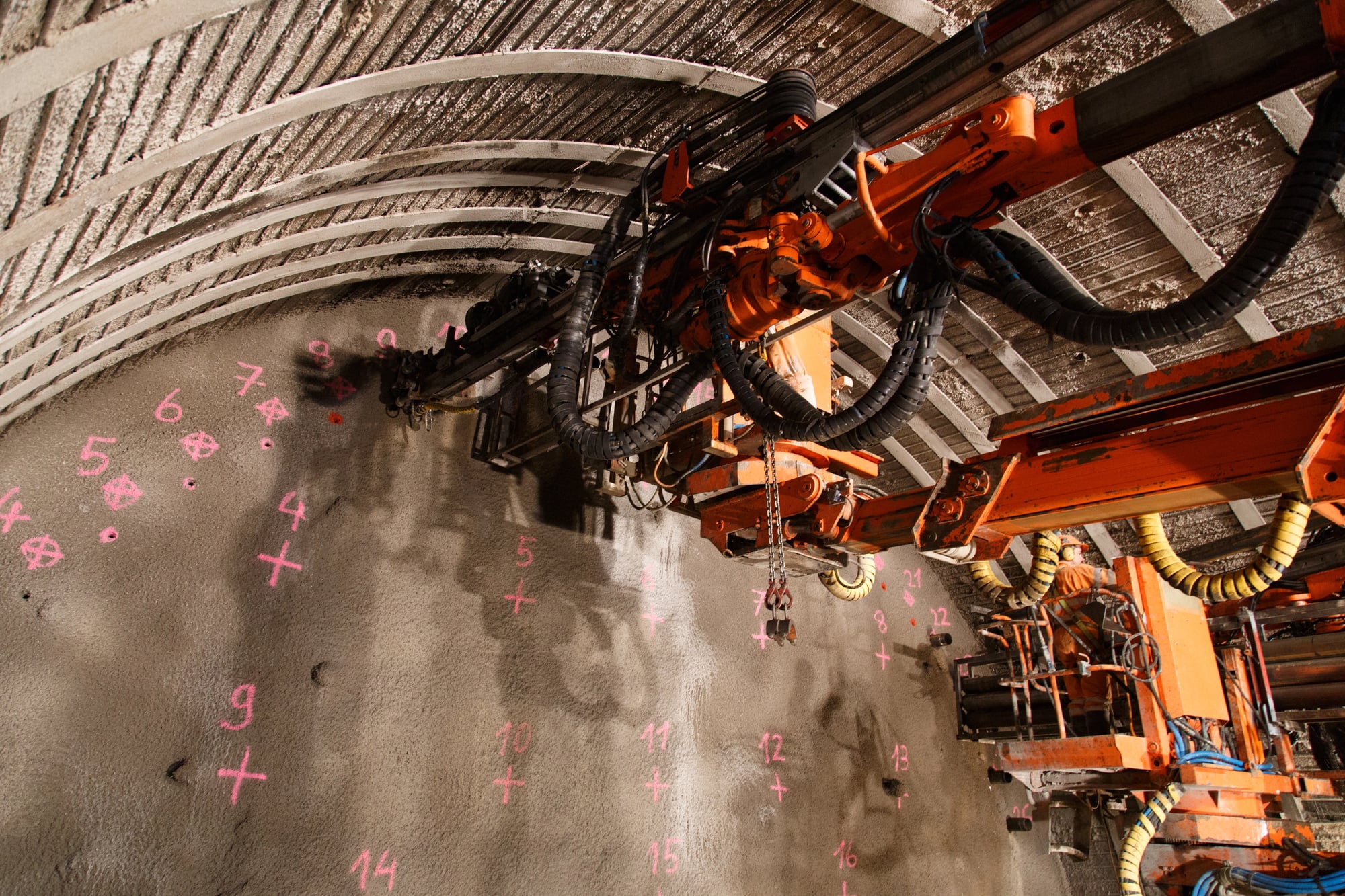
TauTona sits right next to Mponeng and reaches similar depths of 2.4 miles. The name means “great lion” in Setswana.
This mine operated continuously from 1962 until it temporarily closed in 2018, though it reopened in 2020 as part of Mponeng’s expanded operations. At its peak, TauTona employed around 5,600 miners working through 500 miles of tunnels.
The conditions matched Mponeng—extreme heat, massive pressure, and constant danger. Between 2008 and the time of closure, the mine saw multiple fatal accidents.
Working at these depths means every day carries serious risk. The mine’s efficiency made it legendary in the industry.
Even during periods when gold prices dropped, TauTona kept producing. The ore grades were exceptionally high, which meant the operation could weather economic downturns that shuttered other mines.
Savuka Gold Mine

Savuka reaches 2.3 miles underground in South Africa’s West Wits region. The name means “wake up” in Zulu—fitting for a mine that pushed the boundaries of how deep humans could work.
It operated from the early days of South African gold mining until production started winding down in the 2010s. At its peak in 2011, Savuka produced 49,000 ounces of gold annually.
The mine used sophisticated sequential grid mining techniques and employed some of the most advanced equipment available. Workers faced temperatures that required constant cooling.
The rock pressure at those depths made every blast unpredictable. By 2012, production had become minimal.
The easily accessible ore was gone, and the costs of mining at such extreme depths made continued operation difficult. The mine shared processing facilities with TauTona, which kept things running longer than might otherwise have been possible.
Driefontein Mine

Driefontein extends 2.1 miles down near Carletonville in South Africa’s Gauteng Province. Operating since 1952, it’s one of the longest-running deep mines in the region.
The mine consists of six producing shaft systems pulling ore from three different reef types. The operation employs over 10,000 people and produces 250,000 ounces of gold in 2020.
As of late 2020, proven reserves stood at 2.5 million ounces. Mining at Driefontein combines longwall and scattered techniques, adapting methods to the particular conditions of each reef layer.
Sibanye-Stillwater owns the mine now, and plans call for operations to continue until 2030. Extension projects under review could push that timeline to 2035 if they prove economically viable.
The mine also holds significant uranium deposits, adding another dimension to the extraction operations.
Kusasalethu Mine

Located 47 miles west of Johannesburg, Kusasalethu reaches 2.1 miles underground. The mine began as Elandskraal in 1978 and went through several ownership changes before becoming Kusasalethu.
It exploits the Ventersdorp Contact Reef using conventional mining methods in a sequential grid layout. The mine produced 142,395 ounces of gold in 2018.
Proven reserves as of that year totaled 857,000 ounces at 7.26 grams per ton, with additional probable reserves of 101,000 ounces. The operation processes ore at a nearby plant specifically built for the site.
Working conditions mirror other deep South African mines—extreme heat, immense pressure, and the constant threat of seismic events. The mine employs conventional techniques rather than more automated methods.
This means labor-intensive work at depths that test human endurance.
Kidd Creek Mine

Canada’s deepest mine sits 17 miles north of Timmins, Ontario, reaching down 1.9 miles. Unlike most entries on this list, Kidd Creek extracts copper and zinc rather than gold or diamonds.
Glencore operates the mine through its Kid Operations subsidiary. The mine started as an open pit in 1966 after being discovered three years earlier.
Underground operations began in 1972 and have continued ever since. Three shafts serve the operation, using blast pit stopping with cemented backfill to manage the extracted space.
A $111 million extension project completed in 2011 added years to the mine’s operational life. The ore travels 17 miles southeast to the Kidd Creek Metallurgical Division at Hoyle for processing.
As the deepest base metal mine in the world, Kidd Creek proves that these extreme depths aren’t just for precious metals.
Bingham Canyon Mine

Utah’s Bingham Canyon Mine takes a different approach—instead of going straight down, it spirals. The result is the largest artificial excavation on Earth, measuring 2.5 miles wide and 0.75 miles deep.
From space, it looks like someone pressed a massive thumbprint into the landscape. Mining started here in the 1860s with small underground operations targeting high-grade ore.
Everything changed in 1906 when open-pit mining began, turning what was once a hill into an enormous inverted pyramid. The mine has produced more copper than any other site in history—over 19 million tons, along with huge quantities of gold, silver, and molybdenum.
Rio Tinto owns the operation through Kennecott Utah Copper. About 500,000 tons of material come out of the pit every day.
The terraced benches that give it that distinctive stepped appearance range from 50 to 80 feet high, providing access for equipment and helping stabilize the pit walls. In April 2013, a massive landslide took out the visitor center, dumping 145 million tons of rock down the northeast slope.
The event registered as a series of measurable earthquakes. Mining continues despite the challenges, with plans to deepen the pit another 300 feet and push the south wall out 1,000 feet.
Chuquicamata Mine

Chile’s Chuquicamata copper mine goes down 0.56 miles and spans 2.7 miles long by 1.9 miles wide. It’s the second deepest open pit in the world and has been producing copper since 1915.
The mine sits in the Atacama Desert, one of the driest places on Earth. Codelco, Chile’s state-owned mining company, runs the operation.
Evidence suggests people were extracting copper here as far back as the sixth century, but modern industrial mining transformed the landscape. The mine produced 443,000 tons of copper in 2011, representing about 5% of global copper production.
The operation has been transitioning to underground mining over the past decade. The surface pit reached its practical limits, but massive ore reserves lie beneath.
Engineers began planning the underground operation in 2007, and mining below the pit started in 2019. The project cost over $4 billion.
The town of Chuquicamata once sat right next to the mine, home to thousands of workers. Environmental concerns forced a complete relocation.
Starting in 2004, residents moved to Calama, about 9 miles south. By 2007, the town was completely abandoned—swallowed up by the expanding mining operation.
Udachnaya Pipe

Siberia’s Udachnaya diamond mine reaches 0.4 miles deep, making it the third deepest open pit in the world. The name means “lucky” in Russian, and it lived up to that designation.
Soviet geologist Vladimir Shchukin discovered it in June 1955, just two days after finding the Mir pipe. The mine consists of two intersecting kimberlite pipes—vertical volcanic structures that brought diamonds up from deep within the Earth.
This unusual double-pipe structure made Udachnaya exceptionally productive. At its peak in the early 1990s, it produced more than half of Russia’s rough diamonds, with annual output exceeding 12 million tons of ore.
Alrosa, Russia’s state-owned diamond company, operates the site. Open-pit mining ceased in 2014 after more than four decades of operation.
The pit measures 1,600 meters by 2,000 meters at the surface. Trucks need over 30 minutes just to drive from the top to the bottom.
Underground operations continue below the pit, expected to keep producing for another 50 years. The extreme cold of Siberia created unique challenges during surface mining—seven months of winter where temperatures could shatter steel and freeze equipment solid.
Escondida Mine

The Escondida copper mine in Chile’s Atacama Desert consists of two open pits—Escondida and Escondida Norte—reaching depths of around 0.33 miles. Construction began in 1990, and the mine now produces over 1 million tons of copper annually.
In 2007, it hit a record of 1.48 million tons. A consortium owns the operation: BHP holds 57.5%, Rio Tinto has 30%, and JECO controls the remaining 12.5%.
The mine sits at 10,000 feet elevation in one of the world’s most desolate regions. Water scarcity and extreme conditions make every aspect of the operation challenging.
Proven reserves exceed 32.6 million tons of copper. At current production rates, Escondida supplies roughly 5% of global copper demand.
The mine represents what modern industrial-scale extraction looks like—massive equipment, advanced processing, and operations that never stop. In 2023, Escondida produced 882,100 metric tons of copper, maintaining its position as the world’s largest copper mine by production volume.
The workforce numbers in the thousands, operating in rotating shifts to keep the mine running around the clock.
Mir Mine

Russia’s Mir diamond mine reaches 0.33 miles deep with a diameter of 0.75 miles. When it was still an active open pit, helicopters had to avoid flying over it—the downdraft created by the enormous excavation could pull aircraft into the pit.
Discovered in 1955, the same year as Udachnaya, the mine became the Soviet Union’s first major diamond operation. Surface mining began in 1957 under conditions that tested every aspect of engineering.
Seven months of winter froze the ground solid, making excavation nearly impossible. The brief summer turned the permafrost into slush.
The mine produced the largest diamond ever found in Russia—a 342.57-carat stone discovered in 1980. In 2025, workers found an even larger specimen weighing 468 carats.
Open-pit operations ceased in 2001, and the mine transitioned to underground extraction. The underground operation flooded in 2017, trapping 148 miners.
Rescue teams managed to save all but eight. The incident highlighted the ongoing dangers of mining at extreme depths, even with modern technology and safety protocols.
Kimberley Big Dig
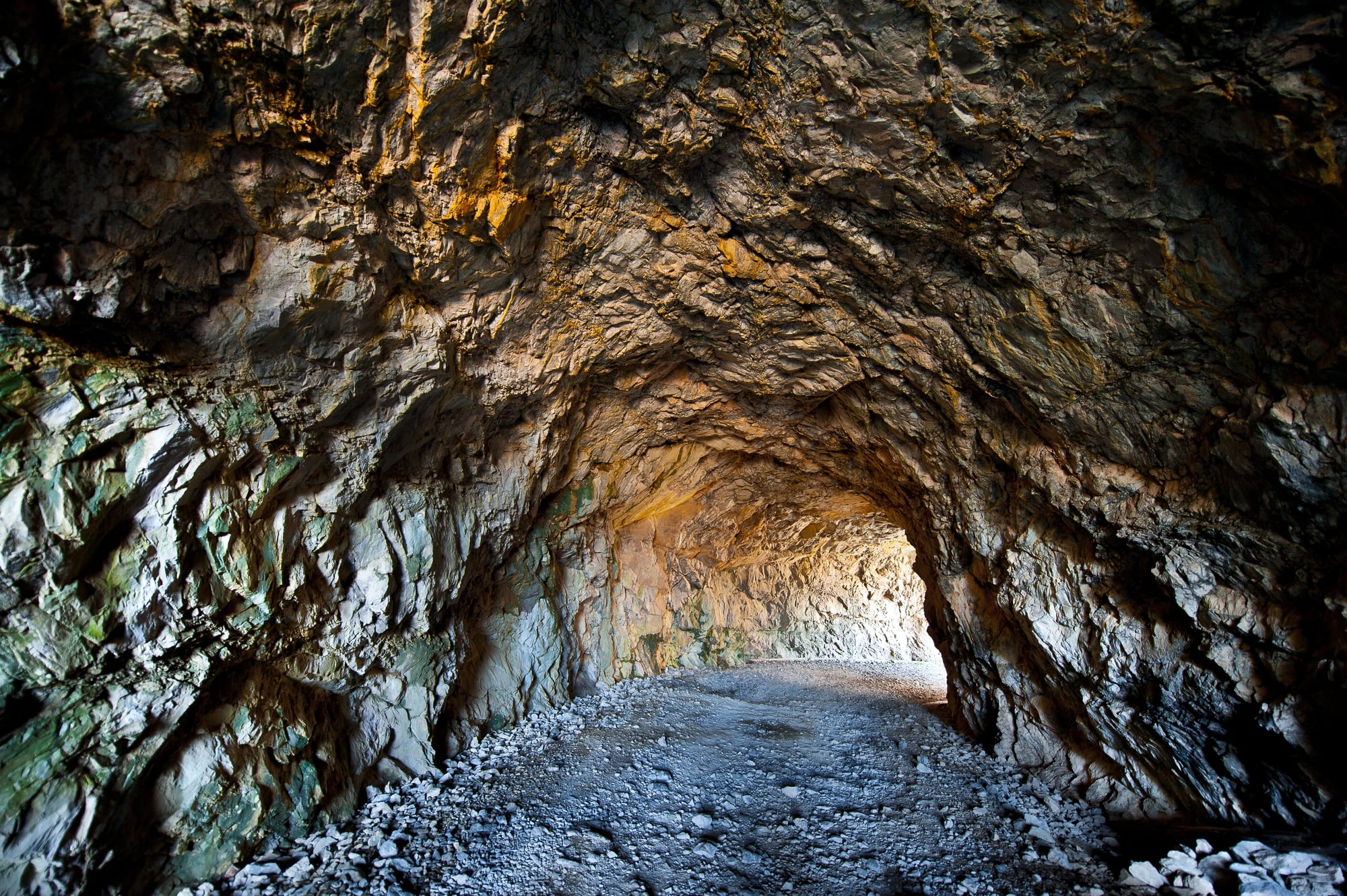
South Africa’s Kimberley excavation holds a unique distinction—it’s the deepest pit ever dug entirely by hand. From 1871 to 1914, 50,000 miners armed with picks and shovels removed 22 million tons of earth, creating a pit 790 feet deep at its lowest point.
The surface excavation spans 42 acres and measures 1,519 feet wide. After mining ceased, debris partially filled the pit, reducing visible depth to about 705 feet.
Water accumulated over the decades, leaving only 574 feet visible today. Underground extensions beneath the surface pit reached 3,599 feet.
These tunnels operated until 1914, when a combination of rising costs and labor problems forced closure. Over its lifetime, the site produced 3,000 kilograms of diamonds.
The discovery of diamonds here in 1867 triggered one of history’s great rushes. The town of Kimberley sprang up to serve the miners, swelling to 50,000 people by 1872.
Cecil Rhodes built his diamond empire here, eventually forming De Beers—the company that still dominates global diamond trading.
Moab Khotsong Mine

Harmony Gold operates Moab Khotsong near the Vaal River in South Africa, about 112 miles southwest of Johannesburg. The mine reaches between 1.6 and 1.9 miles underground, making it the fourth deepest operating mine in the world.
Active since 2003, Moab Khotsong exploits the Vaal Reef through three mining layers—Top, Middle, and Lower Mines. The operation uses scattered mining methods with an integrated backfill support system.
This helps manage the enormous pressures at depth that could otherwise cause catastrophic collapses. The mine produced 162,000 ounces of gold in 2018.
Ore reserves as of December that year totaled 1.61 million ounces grading 9.9 grams per ton. The grades are exceptionally high compared to many other deep mines.
This helps offset the extreme costs of working at these depths. Like other deep South African operations, Moab Khotsong faces the familiar challenges—heat, pressure, and seismic activity.
The temperature down there would be lethal without cooling systems. Rock bursts remain a constant threat.
Fimiston Open Pit

Australia’s Fimiston Open Pit, commonly called the Super Pit, sits on the southeast edge of Kalgoorlie in Western Australia. The excavation measures 2.2 miles long, almost a mile wide, and reaches depths exceeding 1,900 feet.
It’s large enough to see from space. Gold production has taken place in the Kalgoorlie region since the 1890s, but the modern open pit began taking shape in the late 1980s.
Multiple smaller operations consolidated into one massive excavation. Today it ranks as Australia’s largest open-cut gold mine.
The pit operates 24 hours a day, every day of the year. Massive haul trucks move constantly up and down the terraced walls, each one carrying hundreds of tons of ore.
The operation employs sophisticated planning to ensure the pit walls remain stable as it deepens. Production continues with no clear end date.
As long as gold prices remain high enough and ore grades sufficient, the pit will keep expanding. The surrounding town has adapted to living next to an excavation that grows larger every year.
German Continental Deep Drilling Program
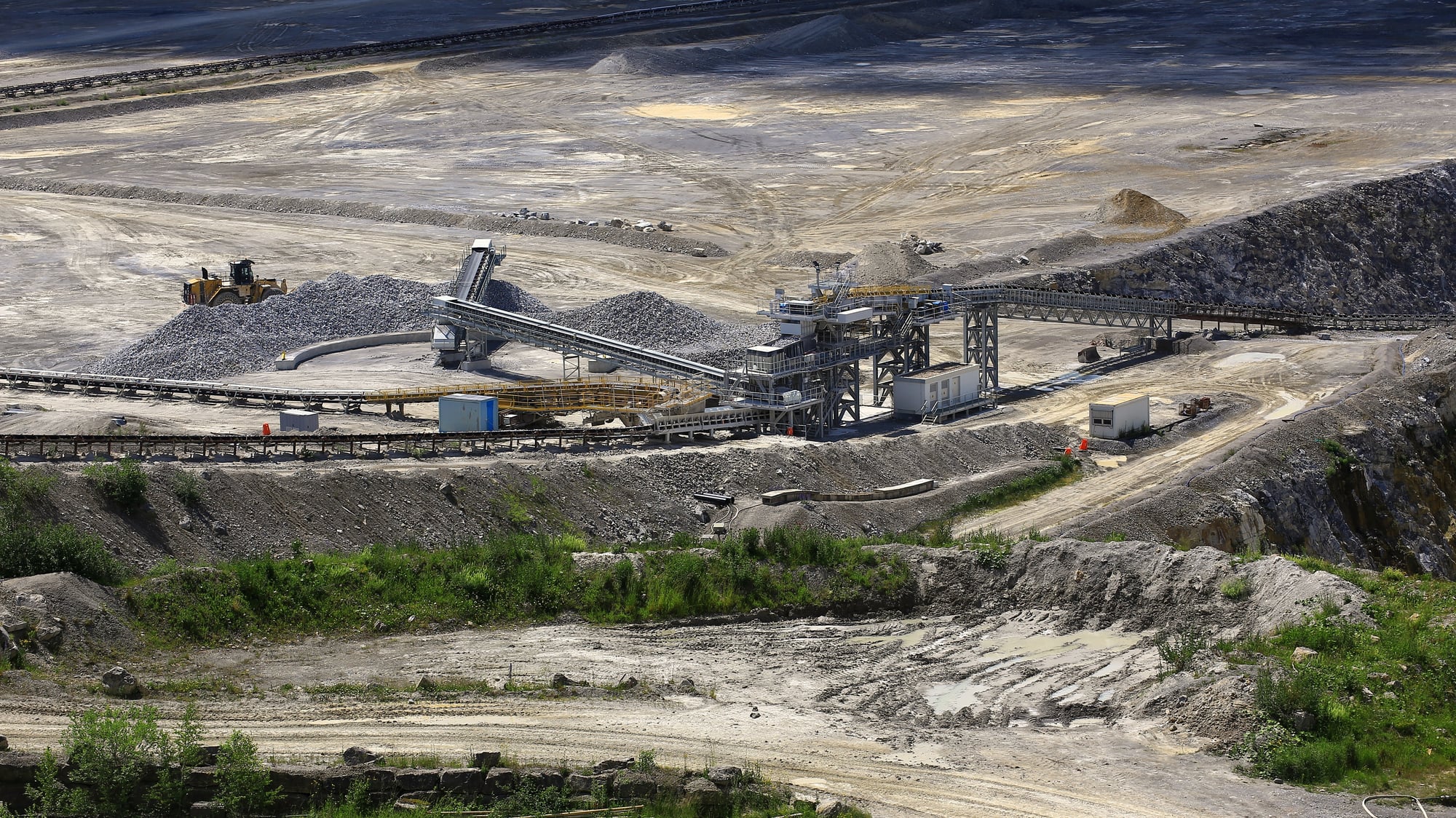
Germany’s scientific drilling project reached 29,859 feet—just over 5.6 miles—into the Bavarian crust before temperatures forced abandonment. Started in 1990, this wasn’t a mining operation but pure scientific exploration aimed at understanding Earth’s deeper layers.
The extreme heat proved too much. At the bottom, temperatures exceeded 500 degrees Fahrenheit.
Equipment designed for those conditions didn’t exist. The drill bits melted, and the rock became too soft to maintain the stability of the shaft.
Despite not reaching its target depth, the project yielded valuable data. Scientists recorded sounds from deep within the Earth, later incorporated into artistic projects.
The recordings capture the groans and shifts of rock under enormous pressure—sounds that give an eerie sense of the planet’s hidden activity. The project demonstrated that even with advanced technology, there are practical limits to how deep we can go.
Temperature remains the ultimate barrier. Until materials science catches up with our ambitions, the deepest points accessible to humans will remain relatively shallow compared to the full depth of Earth’s crust.
Where Ambition Meets Bedrock

These excavations represent more than just engineering achievements. They’re monuments to human determination—the refusal to accept that anything beneath us should remain out of reach.
Every one required solving problems that seemed impossible at the time. The costs go beyond money.
Workers have died in all of these operations. Environmental damage from these massive excavations lasts for generations.
Communities get displaced, landscapes transformed beyond recognition. Yet the demand for what lies beneath ensures these projects continue.
Technology keeps improving, letting us go deeper and extract more efficiently. But we’re also learning the limits.
The Kola Superdeep Borehole showed us there’s a depth beyond which current technology simply can’t function. The extreme environments down there defeat our best tools.
These excavations won’t be the deepest forever. Someone will find a way to go deeper, to extract resources from even more extreme environments.
But for now, they mark the boundary of how far into our planet humans can reach.
More from Go2Tutors!

- The Romanov Crown Jewels and Their Tragic Fate
- 13 Historical Mysteries That Science Still Can’t Solve
- Famous Hoaxes That Fooled the World for Years
- 15 Child Stars with Tragic Adult Lives
- 16 Famous Jewelry Pieces in History
Like Go2Tutors’s content? Follow us on MSN.