12 Animals That Are Better Weather Forecasters Than Meteorologists
For centuries, people have watched animals to help predict the weather. Long before radar and satellite maps, farmers, sailors, and hikers paid attention to unusual behavior in birds, bugs, and even cows. Turns out, some of these animals still outshine modern tech—at least when it comes to short-term, local forecasts.
Here is a list of 12 animals whose instincts often beat out our most expensive weather gadgets.
Frogs

Frogs tend to get noisier right before it rains. Their croaks become louder and more frequent as they react to drops in air pressure and rising humidity.
If you hear a sudden chorus of frogs at dusk, there’s a good chance rain is on the way. Some species even leave their hiding spots earlier than usual when a storm is coming.
Cows
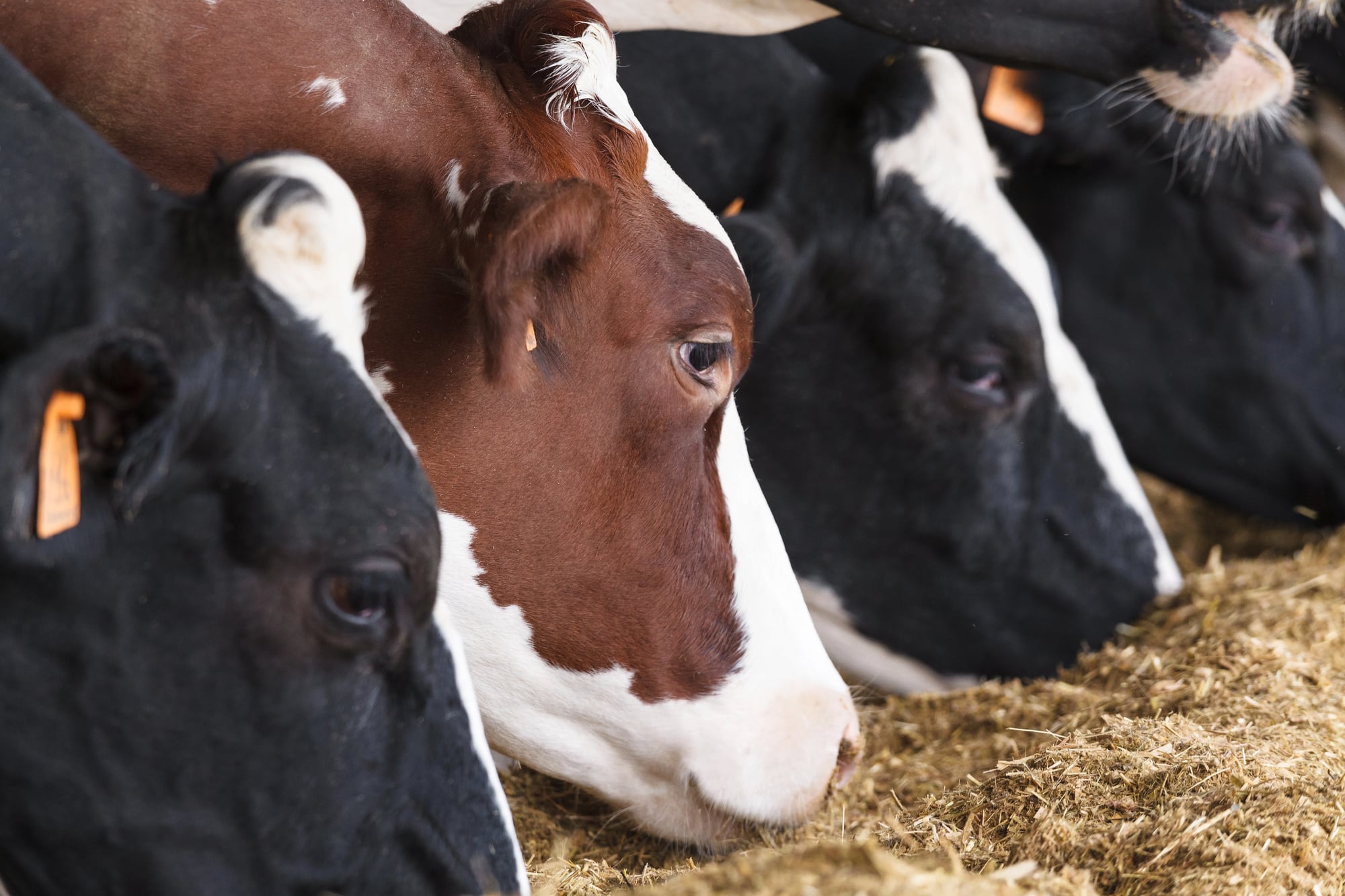
When cows lie down all at once, it’s usually a sign of incoming rain. Some believe they do this to keep a patch of grass dry for later snacking.
Others think it’s their way of settling down before the temperature dips or the skies open up. Either way, their sudden decision to sit should make you look up at the clouds.
Like Go2Tutors’s content? Follow us on MSN.
Ants
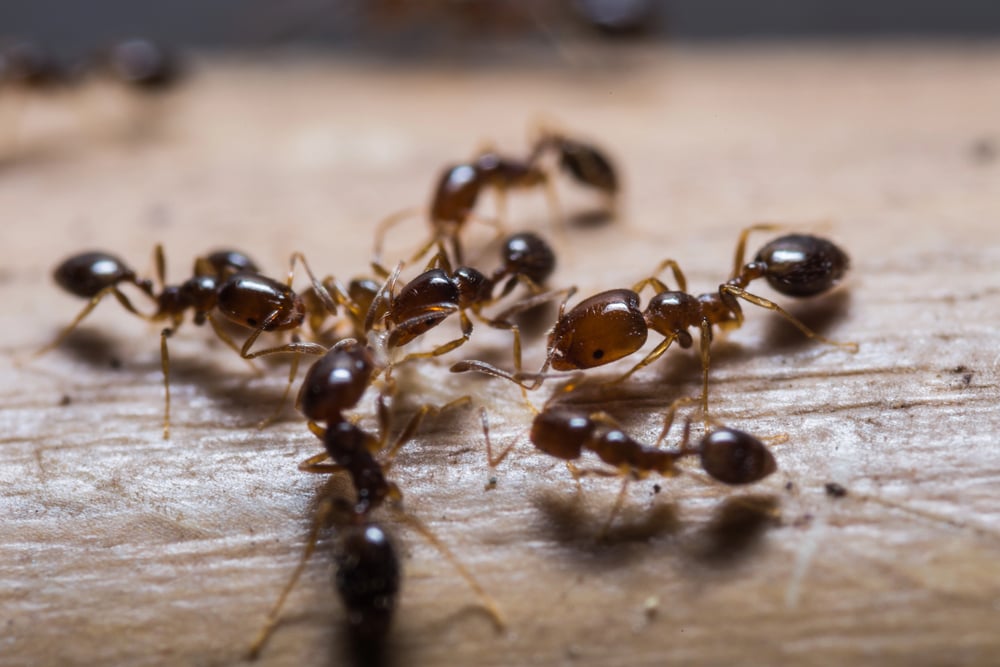
Ants don’t just march—sometimes they build. Before a heavy rain, they’ll often reinforce their mounds and seal entrances to keep the colony dry.
If you notice unusually tall or busy ant hills in your yard, it’s not a landscaping trend. It’s their version of storm prep.
Crickets
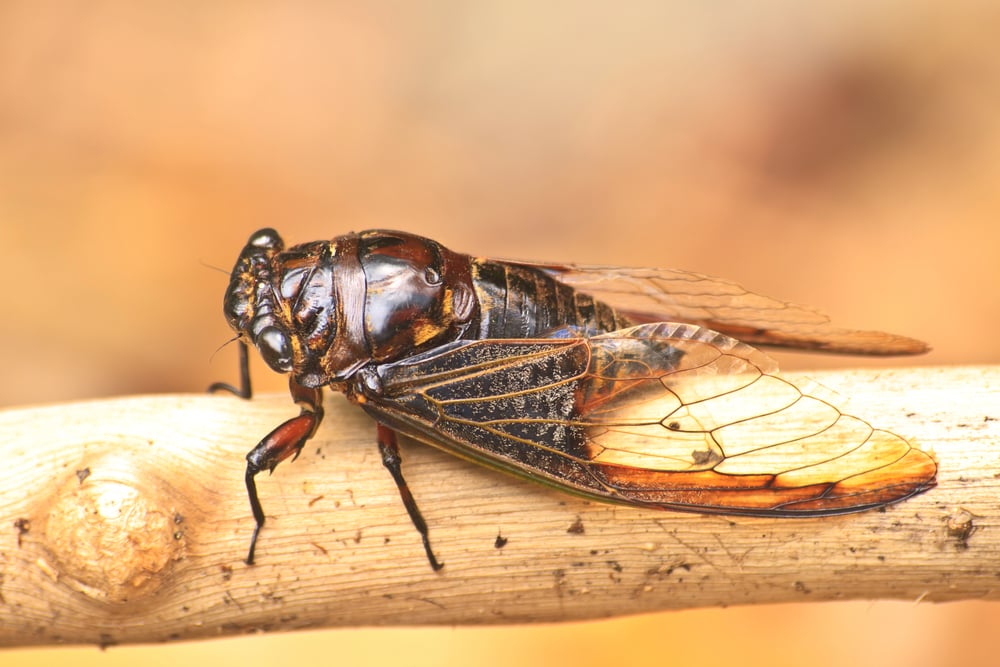
Crickets aren’t just background noise—they’re walking thermometers. You can actually count their chirps to estimate the temperature.
Warmer nights bring out faster chirps, while cooler ones slow things down. If they suddenly go quiet or their rhythm shifts, something is changing in the air.
Birds

Birds have sharp instincts when it comes to air pressure. Before storms, many will fly lower to stay out of turbulent skies or suddenly vanish from sight altogether.
Some seabirds will even fly inland, far ahead of coastal storms. If your morning birdwatch feels oddly quiet, bad weather might be close.
Like Go2Tutors’s content? Follow us on MSN.
Bees
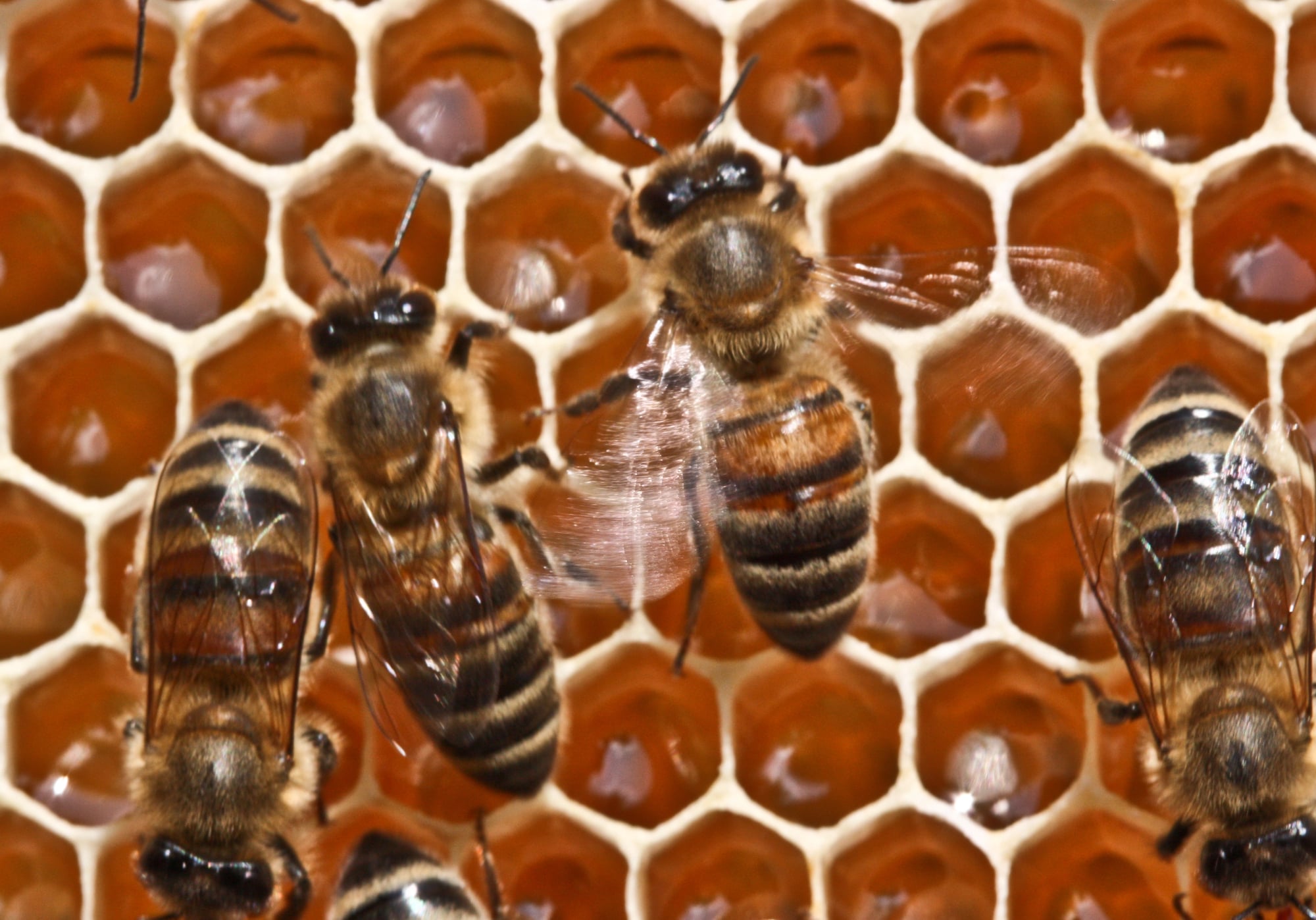
Bees are all about routine—until the weather throws them off. When rain or strong winds are on the way, they’ll stop foraging and return to the hive early.
You’ll notice fewer buzzing workers around flowers, even on what looks like a sunny afternoon. Their weather sense is finely tuned to shifts in humidity and pressure.
Cats

Cats are surprisingly sensitive to environmental changes. Many will act more restless or hide in safe spots before a thunderstorm.
Their inner ears detect pressure drops, and they don’t always love what they sense. If your normally chill cat starts darting around or crouching low, don’t ignore it.
Dogs

Dogs tend to react to approaching storms before you even hear thunder. Some will bark, pace, or whine as the atmosphere changes.
It’s not just about the noise—they can pick up on shifts in static electricity, barometric pressure, and even distant rumbles. A dog acting nervous on a calm day might know something you don’t.
Like Go2Tutors’s content? Follow us on MSN.
Sheep
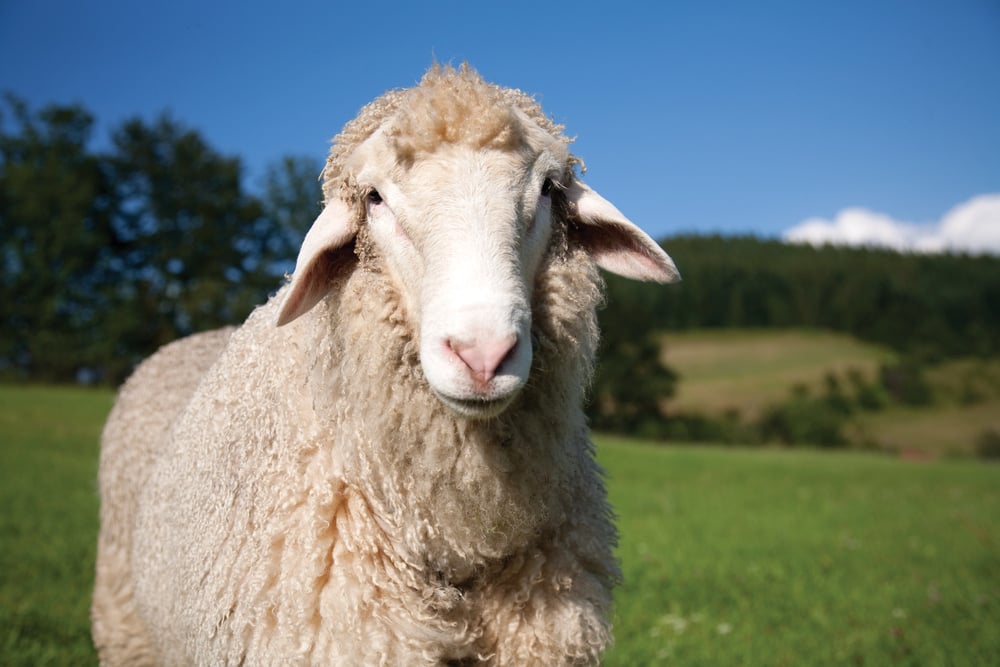
Sheep tend to huddle together tightly before rough weather arrives. This isn’t just for comfort—it helps them share warmth and protection against wind and rain.
If you see a flock suddenly clustering in a tight group under a tree or near a fence, it’s probably not just for fun.
Spiders

Spiders are natural engineers, and they don’t like wasted effort. Before storms or sudden cold snaps, many species will take down their webs to protect them from being ruined.
If the corners of your porch are strangely clear one morning, it could be nature’s version of a weather alert.
Fish
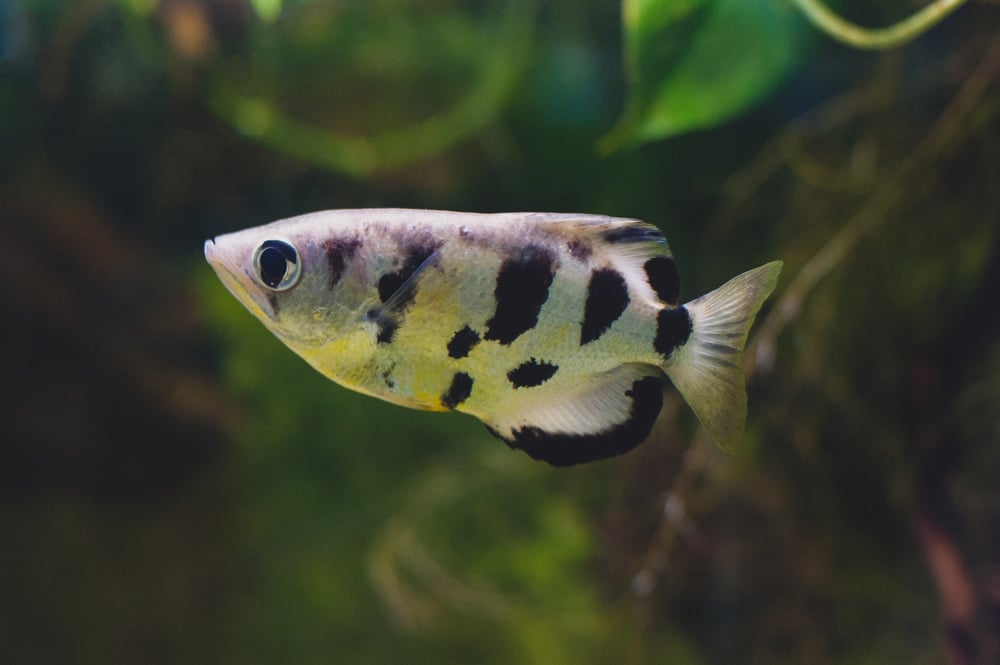
Fish activity changes when the weather shifts. Right before a storm, they often swim deeper, avoiding the top layers of water where pressure and oxygen levels can swing wildly.
That’s why fishing is usually better right before rain—the fish are still active, just not where you expect them.
Like Go2Tutors’s content? Follow us on MSN.
Ladybugs
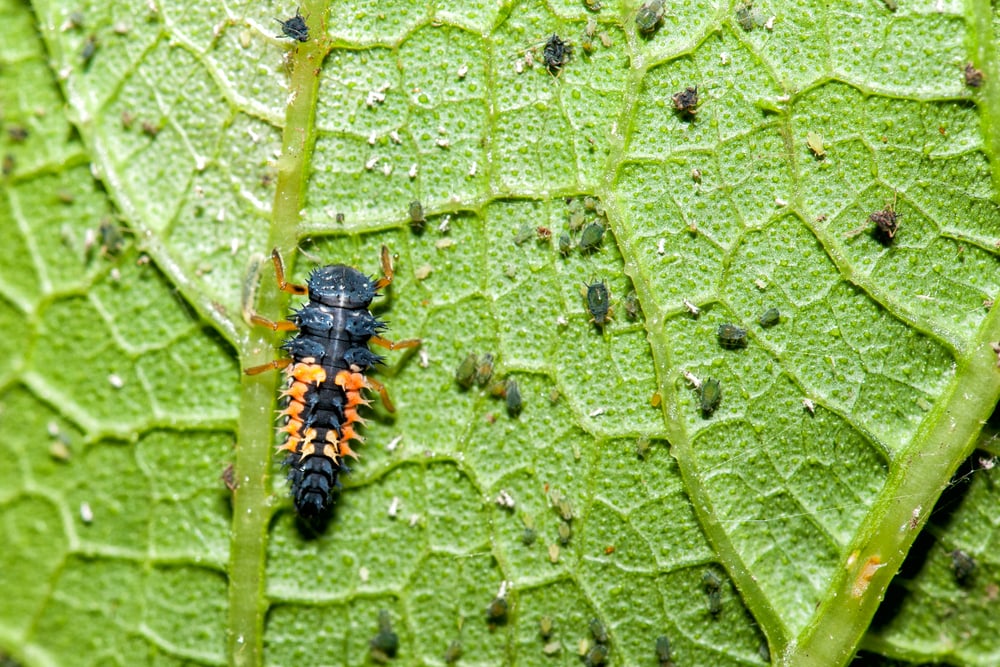
Ladybugs are more than just cute—they’re mini barometers. When the air gets humid or pressure drops, they seek shelter in cracks, corners, or under leaves.
If they suddenly vanish from your garden, it’s likely because they’re bracing for a change in the weather.
Nature’s Early Warning System
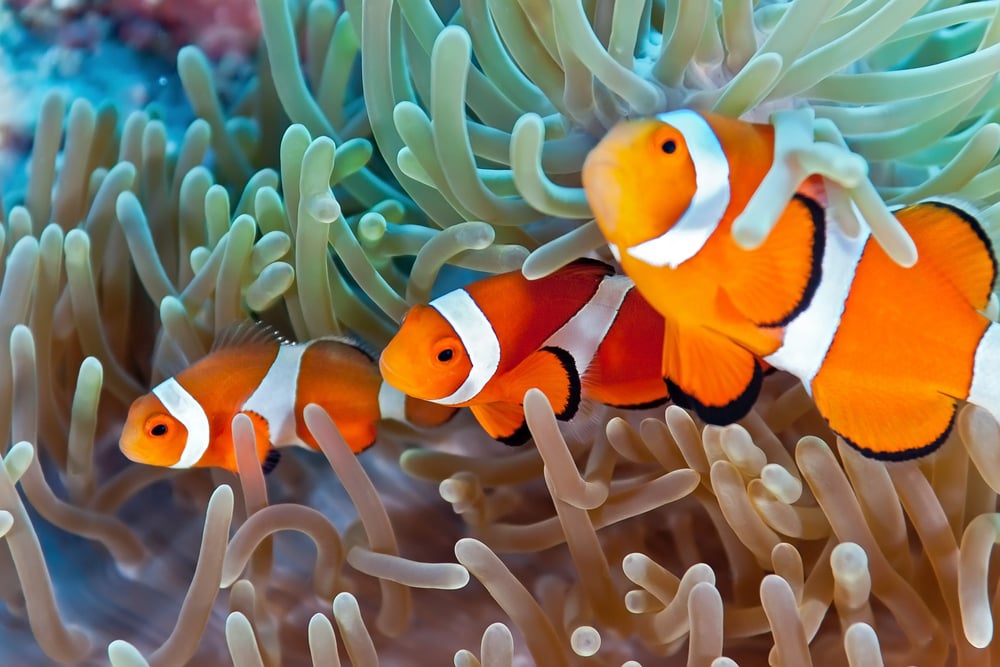
While we rely on apps and hourly forecasts, animals are tuned into changes we can’t feel. Their behavior reflects a survival instinct sharpened over generations—responding to weather not with prediction models, but with instinct.
Watching them isn’t just charming, it can be surprisingly informative. Sometimes, all it takes is listening to the frogs or spotting a line of ants to know that something’s brewing in the skies.
More from Go2Tutors!

- 16 Historical Figures Who Were Nothing Like You Think
- 12 Things Sold in the 80s That Are Now Illegal
- 15 VHS Tapes That Could Be Worth Thousands
- 17 Historical “What Ifs” That Would Have Changed Everything
- 18 TV Shows That Vanished Without a Finale
Like Go2Tutors’s content? Follow us on MSN.