Weirdest Taxes Ever Created
What a culture cares about, worries over, or tries to manage often shows up in its tax records. Income, property, or commerce usually grab attention first.
Yet every now and then, officials dream up charges so odd they make little sense years later. Behind each strange levy lies an aim that once felt sensible – only to fade into amusement.
What sticks is not the money raised, but how people acted when pushed by rules few expected to last. Take a step back, suddenly you see taxes that made sense only on paper.
These weren’t pranks pulled by bored lawmakers. Each one carried weight – meant to nudge behavior, fill empty coffers, or bring control where chaos loomed.
Some targeted odd habits; others chased rare luxuries. Yet behind each stood real intent, not laughter. Moments like these reveal how money demands can twist logic into strange shapes.
The Beard Tax in Russia

In the late seventeenth century, facial hair became a matter of state policy. Under the rule of Peter the Great, Russia imposed a tax on men who chose to keep their beards.
The goal was not revenue alone, but modernization. Beards were seen as symbols of tradition and resistance to Western European influence.
Men who paid the tax received a small token proving compliance, while those who refused risked fines or forced shaving. The tax turned personal appearance into a political statement.
Over time, it became clear that cultural habits were harder to legislate than anticipated, and the policy faded. Still, it remains one of the clearest examples of how taxation has been used to reshape identity itself.
The Window Tax in England

Introduced in the late seventeenth century, the window tax was based on the idea that wealth could be measured by how much light entered a home. The more windows a building had, the higher the tax.
On paper, it was an elegant way to assess prosperity without intrusive inspections. In practice, it led to bricked-up windows across cities and towns.
Buildings were altered to reduce tax liability, often at the expense of ventilation and health. The tax remained in place for over a century, leaving a lasting mark on architecture.
Even today, sealed windows on older buildings serve as quiet reminders of how taxation can shape the physical environment.
The Urine Tax in Roman Empire

In ancient Rome, waste turned out to be a valuable commodity. Urine was used in tanning and textile processing due to its chemical properties.
Recognizing its economic value, Emperor Vespasian introduced a tax on urine collection from public facilities. Collectors paid for the right to gather and sell it, effectively turning a byproduct of daily life into a taxable resource.
When criticized for the policy, Vespasian reportedly argued that money has no smell. The tax illustrates how resourcefulness and necessity often drive fiscal innovation, even when the source feels unconventional.
The Hat Tax in Great Britain
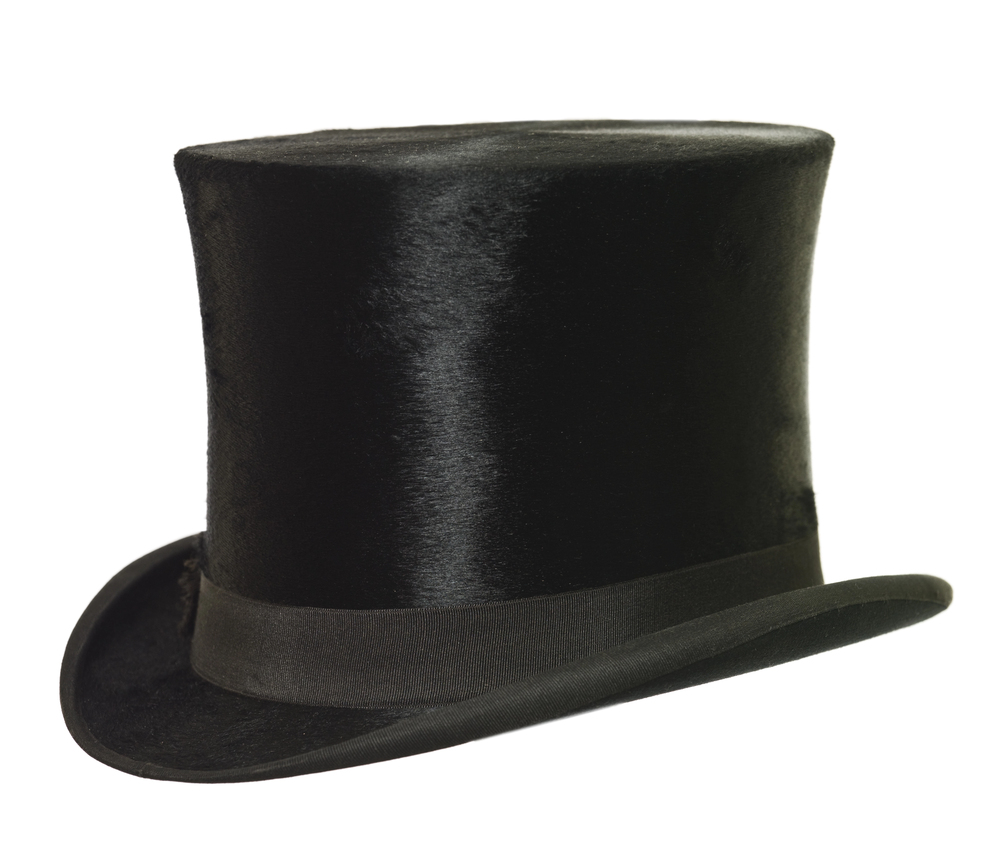
At the end of the eighteenth century, hats became a target for taxation. The government imposed a tax based on the type and value of headwear, requiring official stamps to prove payment.
The intention was to raise funds during a period of financial strain. This tax created a thriving underground market for counterfeit stamps and unstamped hats.
Enforcement proved difficult, and the policy highlighted how easily consumer goods can become symbols of resistance. Eventually, the administrative burden outweighed the benefits, and the tax was repealed.
The Cow Flatulence Tax Proposal in New Zealand

In the early 2000s, New Zealand explored a tax aimed at agricultural emissions, including gases produced by livestock. The proposal was rooted in environmental policy rather than novelty, reflecting concerns about climate impact from farming.
The public reaction was swift and intense. Farmers viewed the idea as disconnected from rural realities, and the proposal quickly earned an unflattering nickname in popular discourse.
While the tax itself was never implemented in its original form, the debate showed how taxation can collide with cultural identity and economic livelihoods.
The Chess Tax in Medieval England

During the Middle Ages, games were not always considered harmless pastimes. In certain periods, chess sets were taxed as luxury items, particularly when made from imported or expensive materials.
The tax was intended to regulate excess and raise funds from the upper classes. This policy blurred the line between leisure and privilege.
By targeting an intellectual game, authorities revealed their assumptions about who played and why. While short-lived, the tax underscores how even hobbies have been drawn into fiscal systems.
The Shadow Tax in Italy
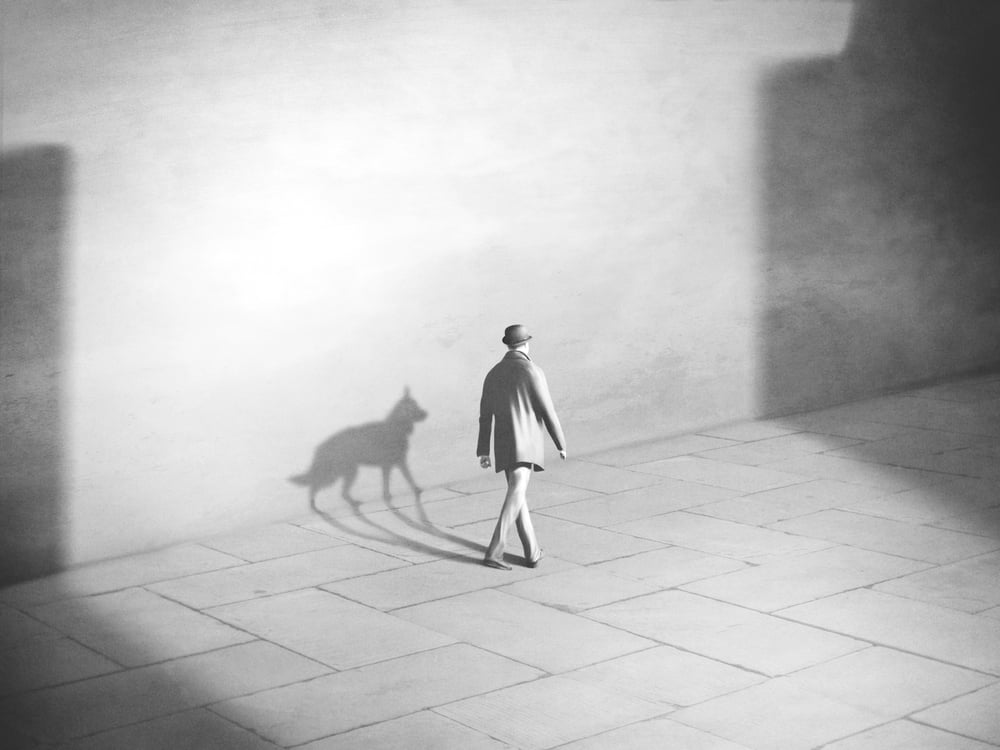
In parts of Italy, particularly during the eighteenth century, taxes were imposed based on the shade cast by awnings and balconies onto public streets. The logic was that anything occupying public space, even indirectly, could be taxed.
This approach required careful measurement and frequent disputes. Residents argued over angles and timing, while officials attempted to quantify something inherently variable.
The tax demonstrated how far governments were willing to go to monetize shared space, even when enforcement bordered on the absurd.
The Soap Tax in United Kingdom

For much of the nineteenth century, soap was taxed in the United Kingdom, making a basic household item more expensive for ordinary families. The tax was designed to generate steady revenue, but it had unintended social consequences.
Higher prices discouraged cleanliness among those who could least afford it, contributing to public health concerns. Over time, criticism mounted as understanding of hygiene improved.
The eventual repeal of the tax marked a shift in thinking about the role of government in everyday wellbeing.
The Bachelor Tax in Ancient Rome
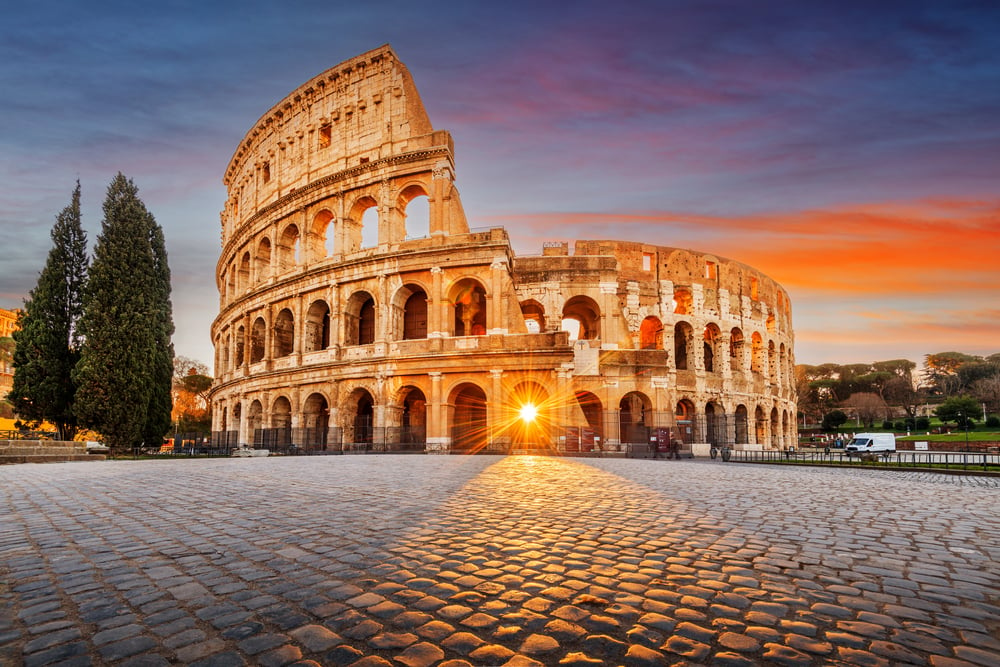
In an effort to encourage marriage and population growth, ancient Rome experimented with taxing unmarried men. The policy aimed to promote family formation by making bachelorhood financially inconvenient.
While the effectiveness of the tax is debated, it reveals how deeply personal life choices have been influenced by fiscal pressure. Marriage became not just a social expectation, but an economic one.
Similar ideas would resurface centuries later in different forms across various societies.
The Playing Card Tax in France
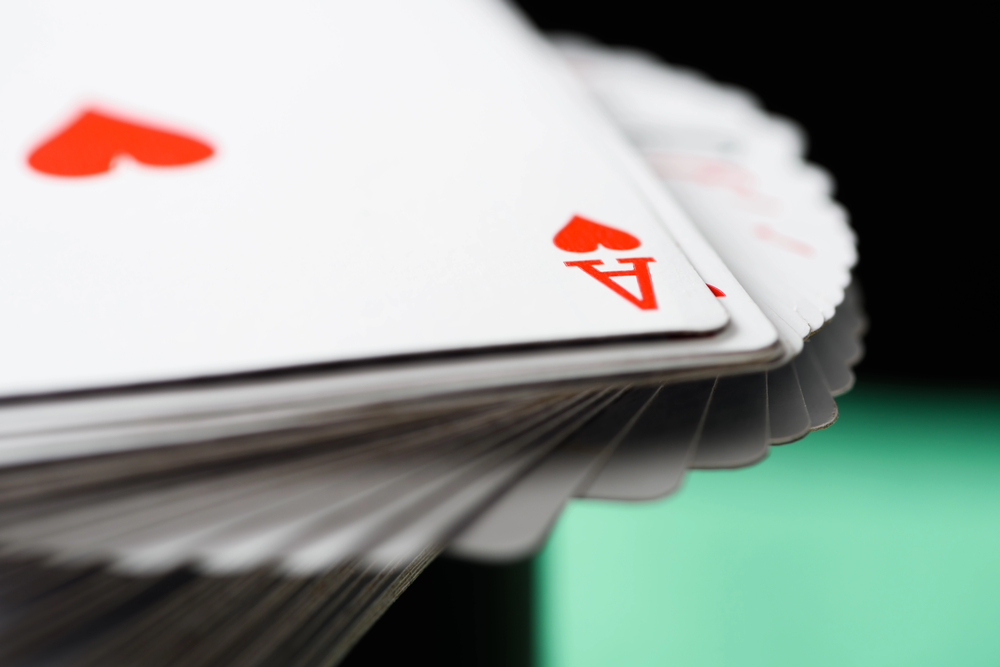
Playing cards were once subject to taxation in France, with official stamps required on decks to show compliance. The tax targeted leisure spending and was relatively easy to enforce due to centralized production.
Like the hat tax, it encouraged counterfeiting and smuggling. Players sought cheaper alternatives, while authorities struggled to keep pace.
The tax’s lifespan highlighted the limits of regulating entertainment through fiscal means.
Why These Taxes Keep Appearing

Unusual taxes tend to emerge during periods of pressure. Wars, economic downturns, and social change push governments to look beyond conventional revenue sources.
What seems strange today often made sense within its original context. These policies also reveal a pattern.
When taxation moves too far into personal habits or daily routines, resistance grows quickly. Enforcement becomes costly, compliance drops, and public trust erodes.
Over time, practicality usually wins out over creativity.
What These Oddities Say About Us

A funny tax often tells us what people cared about back then instead of just strange rules. These charges highlight what a culture wanted to push away or support during tough times.
Looks, cleanliness, how folks spent free hours – governments nudged behavior through money grabs that weren’t subtle. Taxes, clumsy as they were, ended up exposing values hiding beneath daily life.
Odd now, those old taxes seem almost silly. Yet they show just how shaky money rules really are.
Right now, arguments over fresh levies still wrestle with balance – new ideas versus what feels right to folks. It isn’t human nature that shifted. The world around it did.
More from Go2Tutors!

- The Romanov Crown Jewels and Their Tragic Fate
- 13 Historical Mysteries That Science Still Can’t Solve
- Famous Hoaxes That Fooled the World for Years
- 15 Child Stars with Tragic Adult Lives
- 16 Famous Jewelry Pieces in History
Like Go2Tutors’s content? Follow us on MSN.



