Singers Who Only Go With 1 Name
Some artists drop their last names like unnecessary baggage. One word becomes their entire brand, their identity, their legacy.
You see “Madonna” on a poster and you don’t need anything else. No explanation, no context, just the certainty that you know exactly who that is.
The move takes confidence. It says “I’m distinctive enough that you’ll remember me without the extra syllables.”
And when it works, when that single name becomes instantly recognizable across the world, it creates a different kind of fame. Mononyms aren’t just shorter—they’re bolder.
Madonna
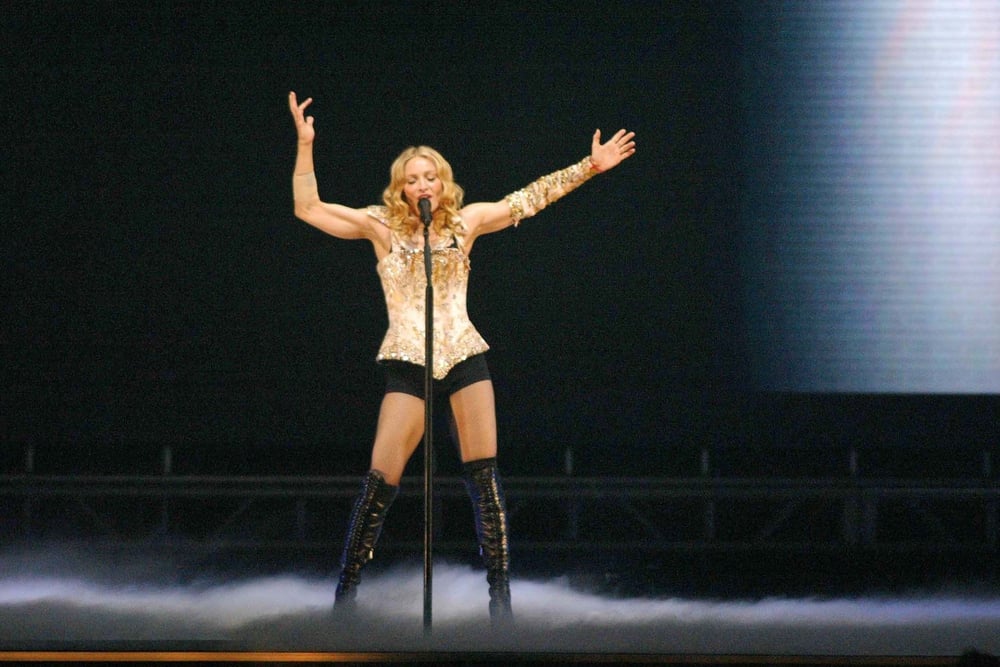
She turned her first name into a trademark before anyone really understood how that worked. Louise Ciccone from Michigan became Madonna, and that single word came to represent constant reinvention, provocation, and pop music dominance spanning decades.
The name choice was brilliant in its simplicity. Religious imagery, feminine power, and memorability all packed into three syllables. She didn’t need to be Madonna Something.
Just Madonna. The name stood alone because everything she did demanded that kind of singular attention.
From “Like a Virgin” through “Vogue” to “Music” and beyond, the name stayed constant while everything else about her changed. Different looks, different sounds, different controversies, but always the same name cutting through the noise.
That consistency created a brand that outlasted trends.
Prince
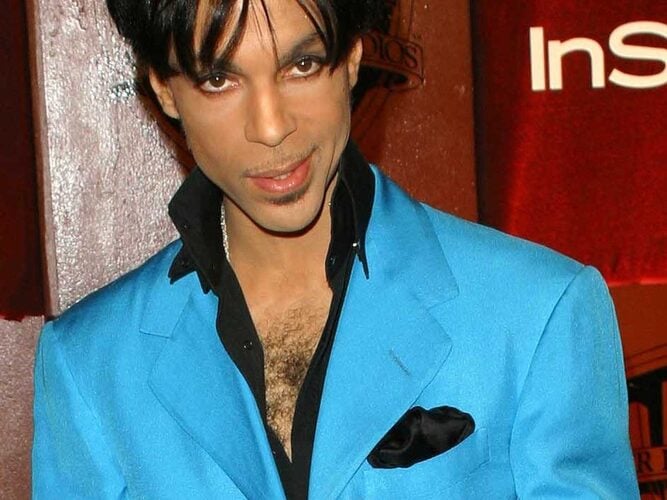
He took it even further—changed his name to an unpronounceable symbol, forced people to call him “The Artist Formerly Known as Prince,” then eventually went back to Prince. The whole saga proved he had the power to mess with his own identity and make the world follow along.
The original stage name worked because it suggested royalty without declaring it outright. Prince Rogers Nelson became Prince, and the single word carried weight.
Add the purple aesthetic, the gender-blurring fashion, the undeniable talent, and you had someone who made mononym status feel inevitable. His music crossed genres so fluidly that the single name made sense.
Rock, funk, R&B, pop—he wasn’t confined to one box, so why should his name fit conventional patterns? Prince was Prince, and that told you everything you needed to know.
Cher
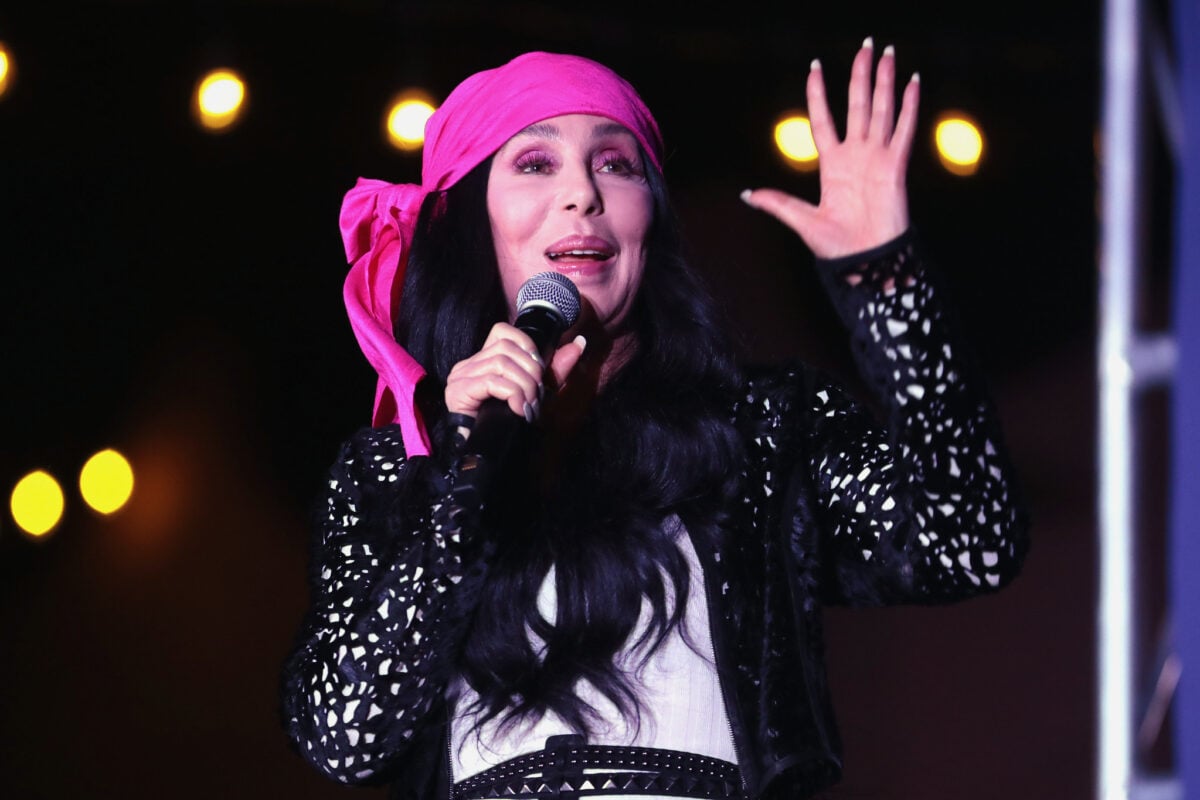
She’s been Cher since the 1960s, back when going by one name seemed exotic rather than strategic. Cherilyn Sarkisian became just Cher, and the name carried her through multiple decades, multiple careers, multiple comebacks that weren’t really comebacks because she never fully left.
The name has staying power that defies explanation. Fashion changed, music changed, culture changed, but Cher remained Cher.
She sang folk rock with Sonny, she did variety shows, she made disco hits, she won an Oscar, she became an autotune pioneer with “Believe.” The same four letters adapted to each era.
That ability to remain relevant without changing your name—that’s rare. Most artists who last that long have evolution built into their branding.
Cher just kept the name and changed everything else around it. The simplicity became a strength.
Beyoncé
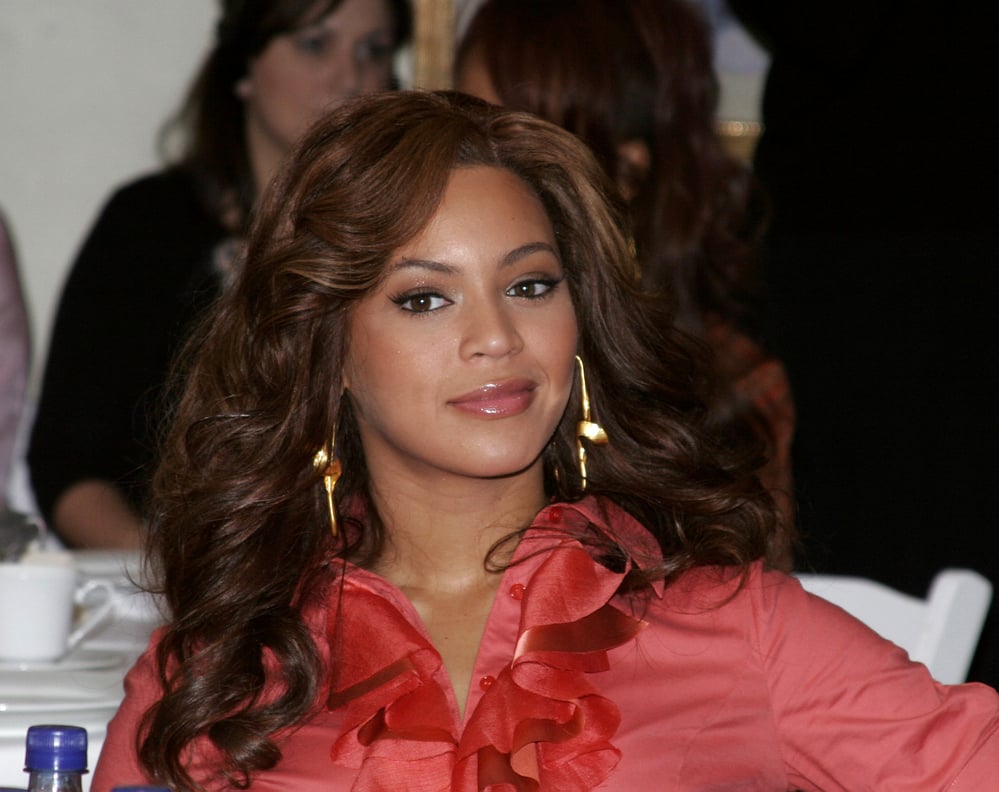
— Photo by PopularImages
She started in Destiny’s Child as Beyoncé Knowles, but once she went solo, the last name gradually faded. Now she’s just Beyoncé, and adding anything else would feel redundant.
You don’t need to specify which Beyoncé. The name itself has a musical quality—those accented syllables, the unusual spelling, the way it commands attention when spoken.
It’s a performance even before she opens her mouth to sing. That distinctiveness made the mononym transition natural rather than forced.
Her status now exists beyond typical celebrity. Beyoncé means excellence, means visual albums and Coachella performances and cultural moments.
The single name carries all of that weight without buckling. It’s become shorthand for a standard other artists measure themselves against.
Adele
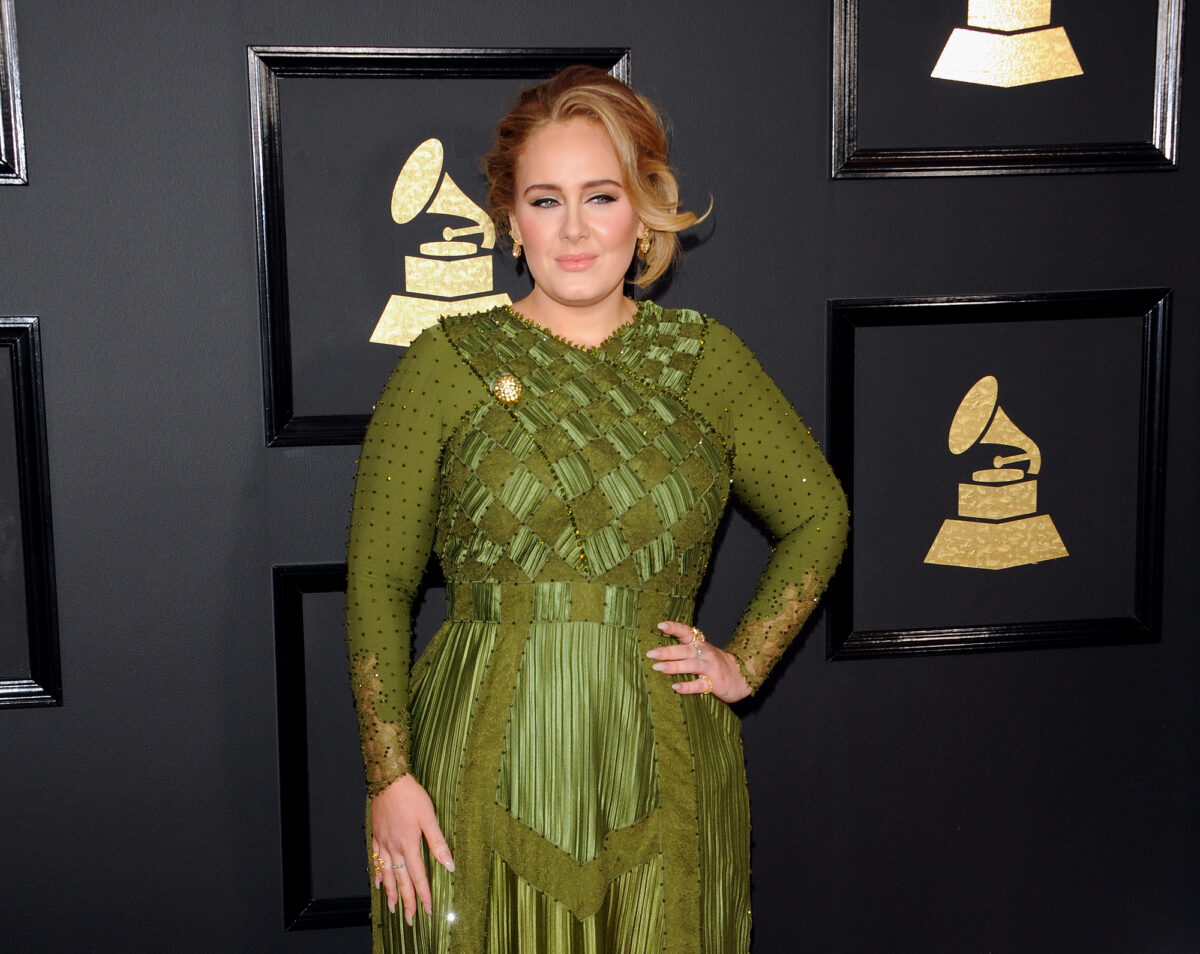
British, powerful voice, heartbreak anthems—you probably just pictured her based on that description and the name alone. Adele Adkins became Adele, and the simplicity matched her approach to music.
No gimmicks, no elaborate production tricks, just a voice that could level a room. The numbered albums—19, 21, 25, 30—created a timeline that worked with the single name.
You tracked her life through ages, through the evolution of her sound and her stories. Adele at 21 sang different heartbreak than Adele at 30, but the name stayed constant while the perspective matured.
That straightforward branding reflects her entire persona. She shows up, she sings, she makes you feel something, she leaves.
No elaborate mythology, no persona separate from the person. Just Adele, which turns out to be more than enough.
Rihanna
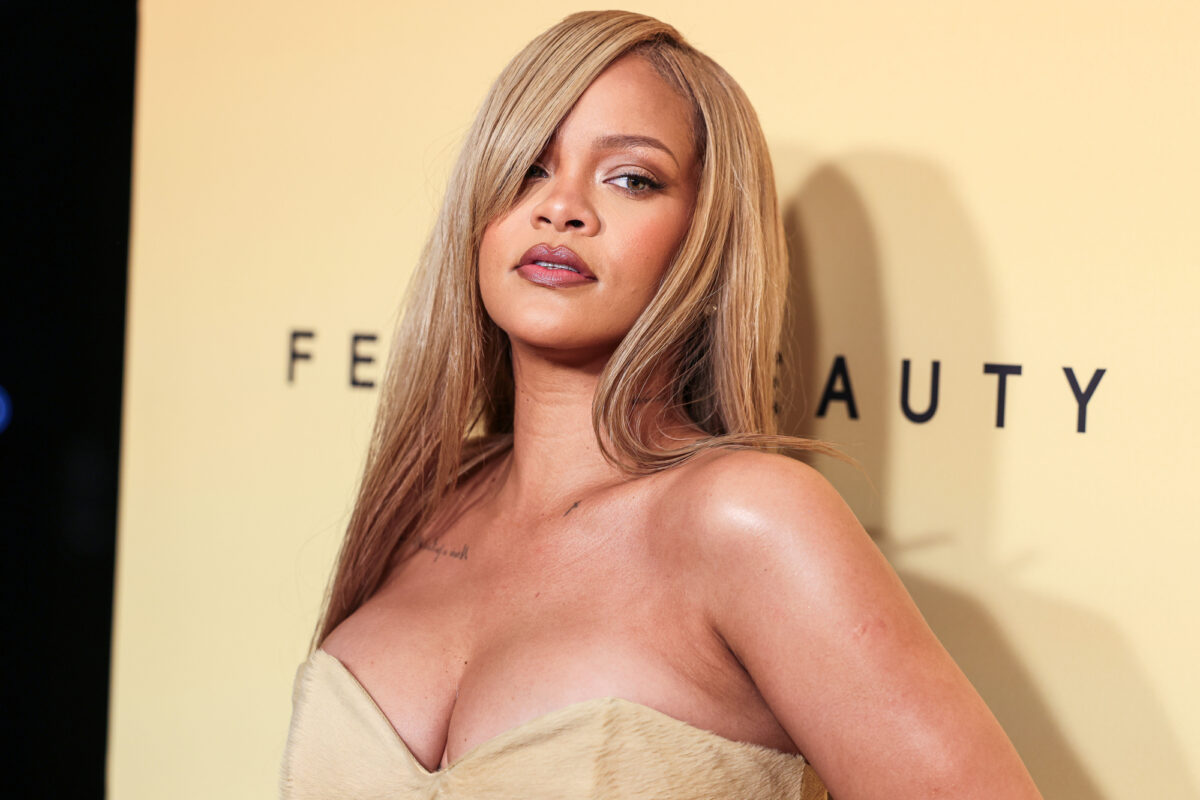
She’s from Barbados, born Robyn Rihanna Fenty, and dropped the Robyn almost immediately when she launched into mainstream music. Rihanna became the brand for her music career, then her fashion lines, then her makeup empire, then whatever else she decides to dominate next.
The name works across contexts. It sounds like music—”Umbrella,” “Diamonds,” “Work.”
It sounds like fashion—Fenty, Savage X Fenty. It sounds like beauty—Fenty Beauty. That versatility lets her expand without confusing her audience about who’s behind it all. Her evolution from pop singer to business mogul happened under the same single name.
Most artists need rebranding when they shift industries dramatically. Rihanna just kept the name and proved it could mean whatever she wanted it to mean.
The flexibility built into that single word gave her freedom most multi-named celebrities don’t have.
Drake
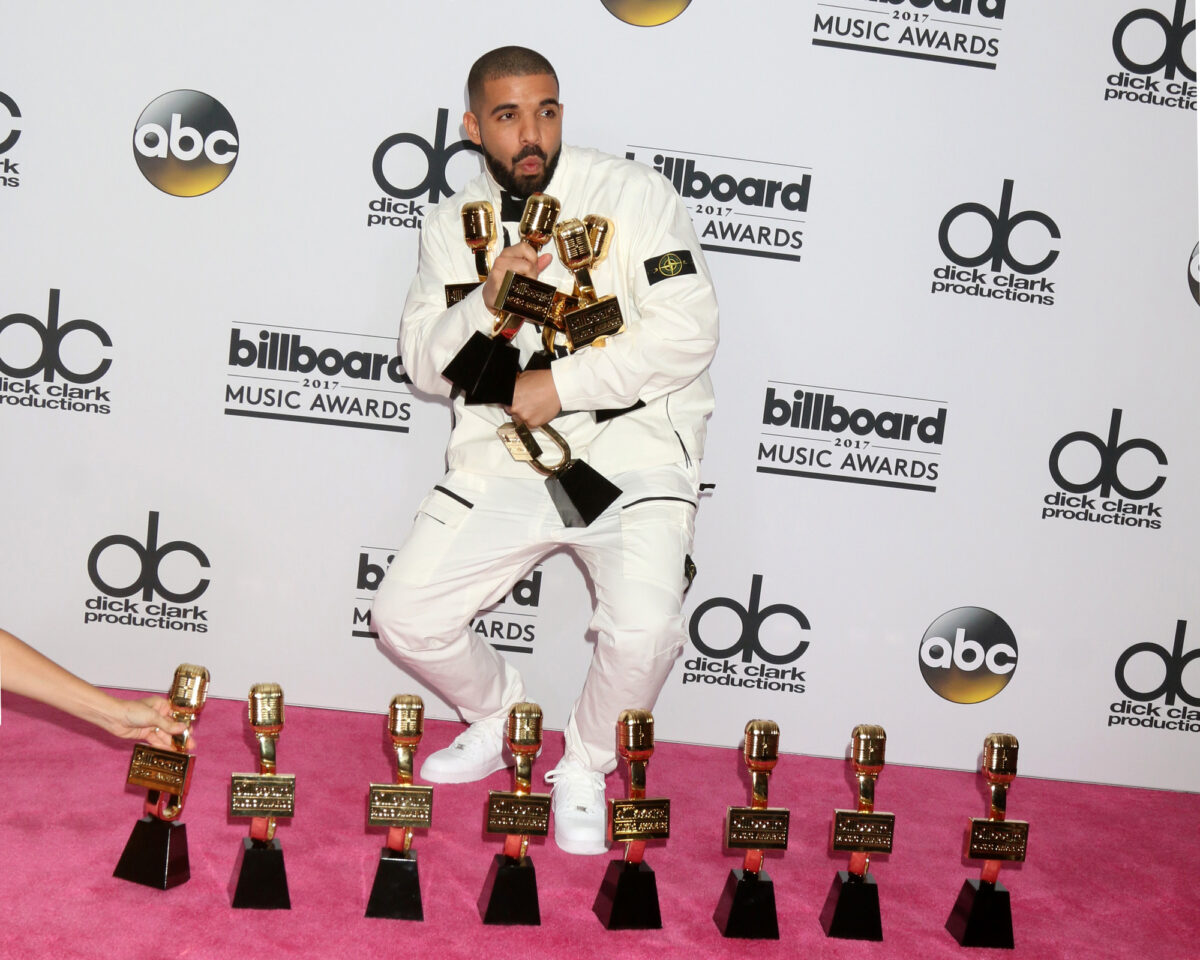
Aubrey Graham became Drake, and the rapper-turned-pop-star-turned-culture-shaper turned that one word into a whole mood. The name lost its association with the 16th-century English explorer and became permanently linked to Toronto, emotional rap, and chart dominance.
The single name helped him transition from Degrassi actor to credible rapper. Aubrey Graham had baggage—the actor past, the Canadian background in a genre dominated by American voices.
Drake could be anyone, from anywhere, and the blank slate let him build his own mythology. His music plays with vulnerability in ways that match the directness of a single name.
No walls, no hiding behind complex naming conventions. Just Drake, being honest about his feelings, his relationships, his success and insecurities.
The name and the content aligned in a way that felt authentic.
Shakira

The Colombian singer brought Latin pop to global audiences while going by just Shakira. Shakira Isabel Mebarak Ripoll simplified down to something that rolled off tongues worldwide, distinctive enough that you couldn’t confuse her with anyone else.
The name has rhythm built into it—sha-KEE-ra—three syllables that work almost like a percussion line. That musical quality fit perfectly with her hip-shaking, genre-blending style.
You could chant the name, sing the name, or just say it with the emphasis that made it memorable. Her crossover from Spanish-language to English-language music happened under the same mononym.
The name transcended language barriers because it didn’t belong specifically to one or the other. Shakira worked in Bogotá and worked in Miami and worked everywhere in between.
Usher
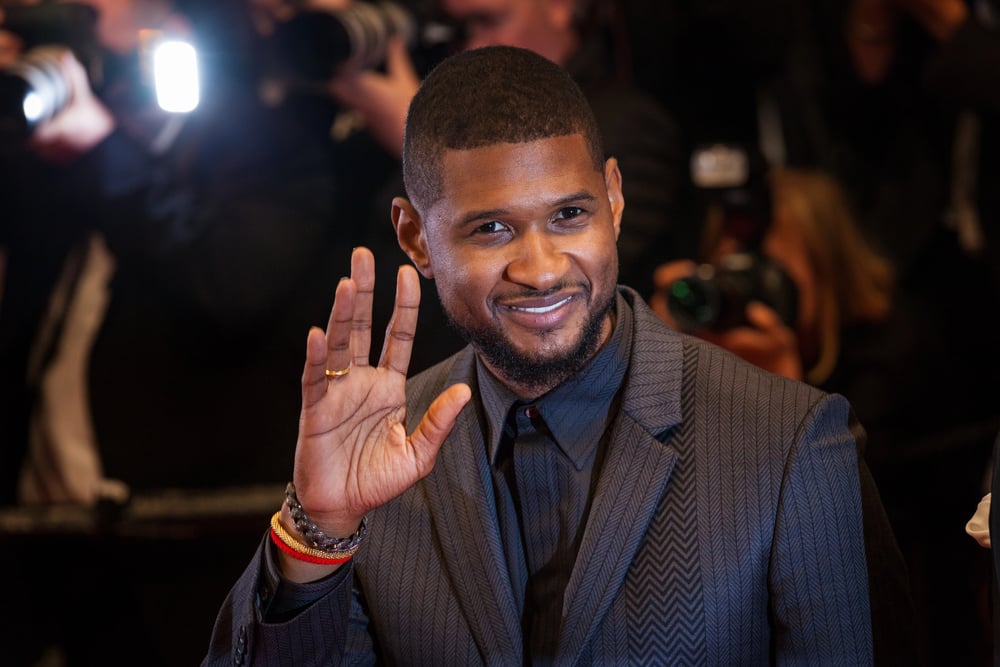
Usher Raymond IV became just Usher, and the R&B singer made that single word synonymous with smooth vocals and intricate dance moves through the late ’90s and 2000s. The name almost sounds like a job title, which somehow made it more distinctive rather than less.
He emerged during an era when R&B artists often used their full names or nicknames. Going by just Usher—a word that already existed in the dictionary—created curiosity.
You remembered it because it was unexpected. An usher shows people to their seats.
This Usher commanded the stage. The confidence in using an existing word as your only identifier showed a level of self-assurance that his performances backed up.
He didn’t need to invent a stage name. He took his actual first name and claimed it so thoroughly that the original meaning became secondary to his association with it.
Björk

The Icelandic artist kept her first name and nothing else, which fit perfectly with her approach to music—experimental, unexpected, entirely her own. Björk Guðmundsdóttir became Björk, and that one word came to represent avant-garde pop that defied easy categorization.
The name itself signals otherness to English speakers. The unusual letter, the sharp sound—it primes you for music that won’t follow conventional patterns.
She builds swan dresses and alien soundscapes, and a name like Björk prepares you for that journey. Her entire career has existed outside mainstream expectations.
The single name reinforces that outsider status. She’s not trying to be accessible through her branding.
The name is as uncompromising as her music, and that consistency creates its own kind of appeal.
Seal
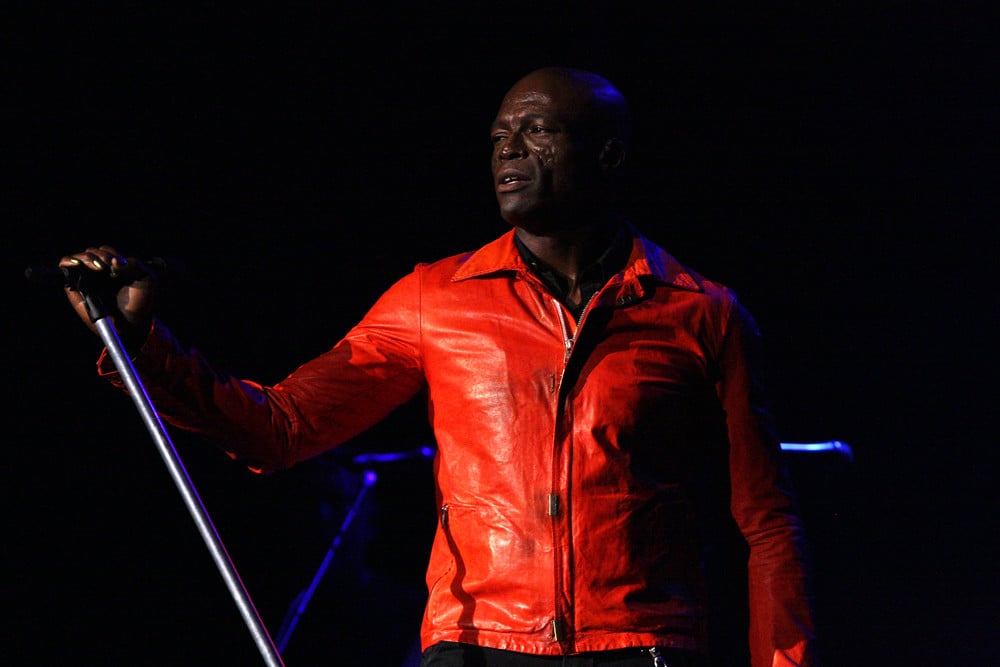
The British soul singer born Seal Henry Olusegun Olumide Adeola Samuel went by just Seal, and that four-letter name carried hits like “Kiss from a Rose” into permanent rotation. The simplicity contrasted with the richness of his voice and the complexity of his full legal name.
Choosing Seal meant choosing a word with multiple meanings—the animal, the act of closing something, a mark of authenticity. That ambiguity gave the name depth beyond just being an identifier.
Each meaning adds layers you can read into if you want, or you can just accept it as a name and move forward. The mononym helped him establish identity in the music industry without his facial scars becoming the focus of every conversation.
Seal the name, Seal the artist, Seal the voice—the emphasis stayed on the music because the branding kept things simple and directed attention where it belonged.
Sia

She spent years writing hits for other people before stepping into the spotlight herself, and when she did, she came with a blonde wig covering her face and a single name: Sia. Kate Isobelle Furler became Sia, and the name matched her approach to fame—present but hidden, powerful but mysterious.
The brevity of the name—three letters, one syllable—cuts through in a way that longer names can’t. Sia. It’s a breath, a statement, a complete thought.
The name doesn’t ask for attention, which makes it perfect for someone who became famous while literally hiding her face. Her decision to perform facing away from audiences or covering herself with wigs created a paradox where the name became the most visible part of her brand.
Sia was everywhere—on credits, on albums, on videos—while the person behind it maintained distance. The single name became a shield and a spotlight simultaneously.
Lizzo

Melissa Viviane Jefferson became Lizzo, and the name embodies the same energy as her music—bold, fun, unapologetic. The double Z in the middle adds bounce to a name that already sounds like a celebration.
She built her brand on self-love and confidence, and the single name reinforces that message. No apologies, no explanations, just Lizzo.
The name demands the same attention and respect she demands in her music and her activism. It’s not asking permission to take up space.
The fact that you can shout the name and it sounds like encouragement says everything about how well the branding works. “Lizzo!” feels like a cheer, like support, like recognition.
That energy translates into her performances, her social media presence, her entire public persona. The name and the artist work as one unit.
When Names Become Legend

A shift happens once only the first name rings a bell. That person begins seeming larger – almost mythical – and harder to relate to everyday life.
It isn’t the same as searching someone by their full name online. Finding them takes some existing knowledge – you’re already chasing because they pulled off something major.
Some artists went with just one name – different reasons for each. Either to start over, keep life simple, or stand out from the crowd; everyone had their own why.
Yet they all agreed on something: a name isn’t just a tag – it tells a story. One word could carry your whole legacy, if folks remember it clearly.
Those names turned into symbols, proving that less can hit harder – especially when talent crashes straight into courage.
More from Go2Tutors!

- The Romanov Crown Jewels and Their Tragic Fate
- 13 Historical Mysteries That Science Still Can’t Solve
- Famous Hoaxes That Fooled the World for Years
- 15 Child Stars with Tragic Adult Lives
- 16 Famous Jewelry Pieces in History
Like Go2Tutors’s content? Follow us on MSN.



