Cancelled Olympics Events That Were Too Dangerous or Too Weird to Continue
The Olympics have always been a showcase of human athletic achievement, but not every event that made it to the Games deserved to stay there. Over the decades, the International Olympic Committee has quietly retired dozens of competitions that were either too dangerous for participants, too bizarre for spectators, or simply too impractical to continue.
Some lasted only a single Olympics before organizers realized their mistake. Others endured for years before common sense finally prevailed.
Tug of War
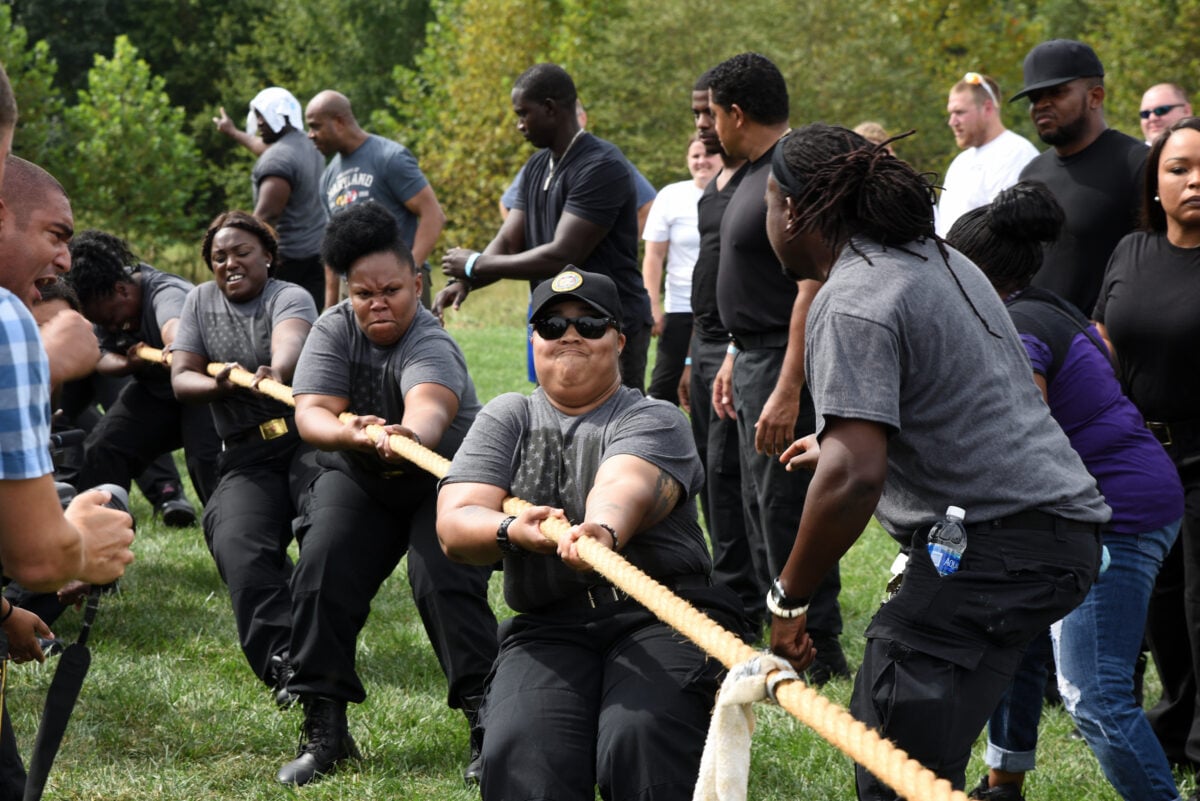
Tug of war was an Olympic sport for 20 years, from 1900 to 1920. Teams of eight would grab a thick rope and pull until one side dragged the other six feet past a center line.
The event ended when organizers realized they were basically watching grown men have tantrums over rope burns. What killed it wasn’t the obvious safety concerns (though rope burns were common).
It was the 1908 London Olympics, where the American team accused the British team of cheating by wearing illegal boots with spikes and heels. The resulting argument lasted longer than most of the actual competitions.
Standing High Jump

The standing high jump required athletes to leap over a bar without any running start. Just plant your feet, crouch down, and somehow launch yourself skyward from a dead stop.
The world record was 5 feet 5 inches, which sounds impressive until you remember that modern high jumpers clear over 8 feet with a running approach. This event disappeared after 1912, partly because it looked ridiculous and partly because it served no real athletic purpose.
Turns out there aren’t many real-world scenarios where you need to jump high without moving forward first.
Hot Air Ballooning

Ballooning appeared exactly once, at the 1900 Paris Olympics, and the whole thing was as chaotic as you’d expect from letting people compete in giant floating baskets (because that’s essentially what early hot air balloons were, when you strip away the romantic notions). The event included distance flying, altitude contests, and duration challenges — though measuring any of these accurately in 1900 proved nearly impossible, since weather conditions could change everything in minutes, and competitors often landed miles from where anyone expected them to be.
And then there was the small matter of balloons occasionally catching fire or crashing into buildings, which made spectators understandably nervous about the whole enterprise. So the IOC quietly decided that maybe Olympic sports should involve more control and less hoping the wind doesn’t kill you.
The event never returned, and for good reason. Olympic sports are supposed to test human skill and endurance, not your ability to read weather patterns and avoid power lines.
Plunge for Distance
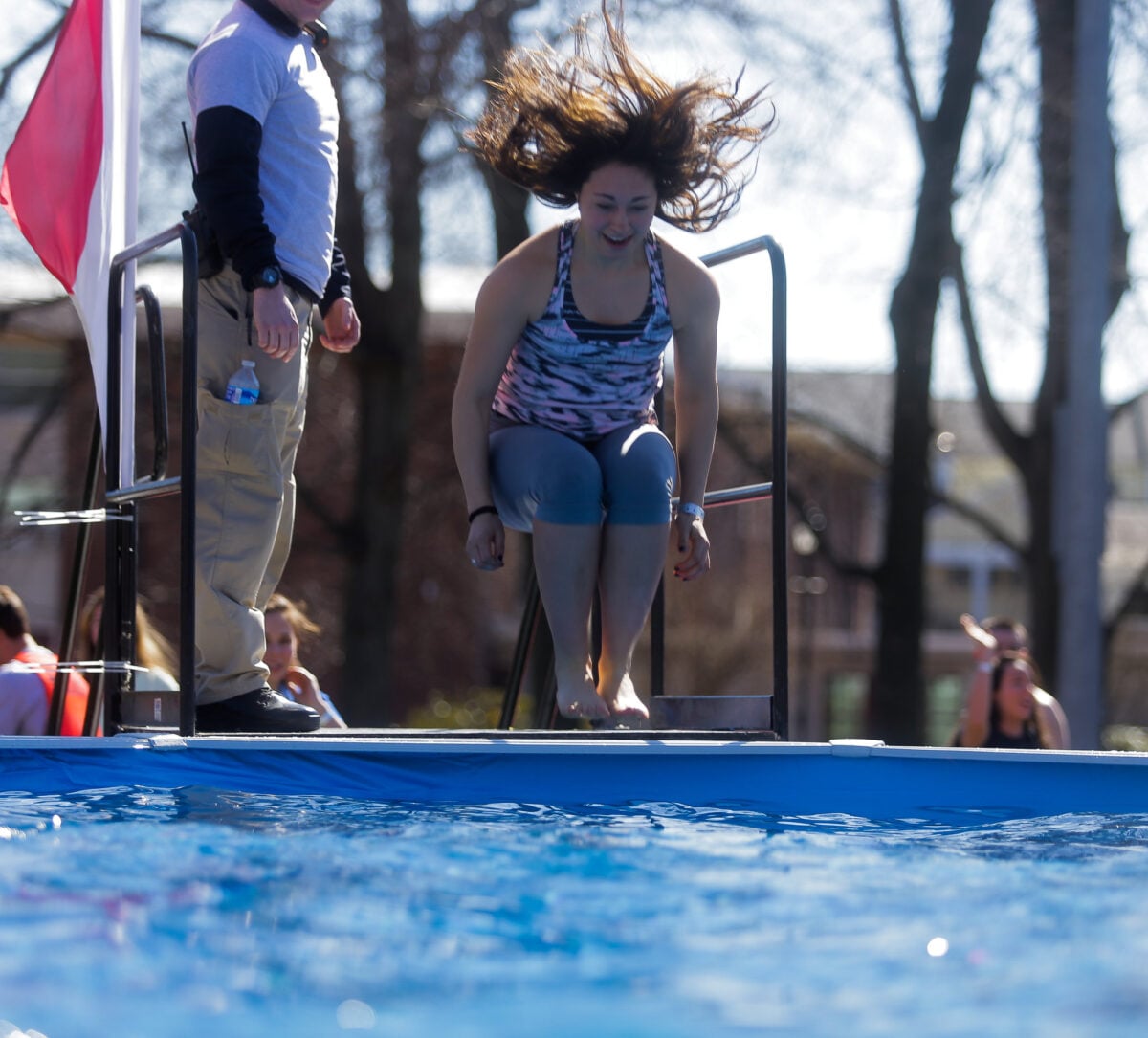
Picture this: you dive into a pool, then hold your breath and glide underwater as far as possible without moving your arms or legs. That was a plunge for distance, and it was exactly as boring as it sounds.
Athletes would launch themselves into the water, then float motionless like dead fish while judges measured how far they traveled before surfacing. The event appeared only once, at 1904 St. Louis Olympics.
The winner managed 62 feet 6 inches, which is impressive in a completely pointless way. Spectators quickly realized they were watching people do absolutely nothing for up to 60 seconds at a time. Even Olympic officials have their limits.
56-Pound Weight Throw
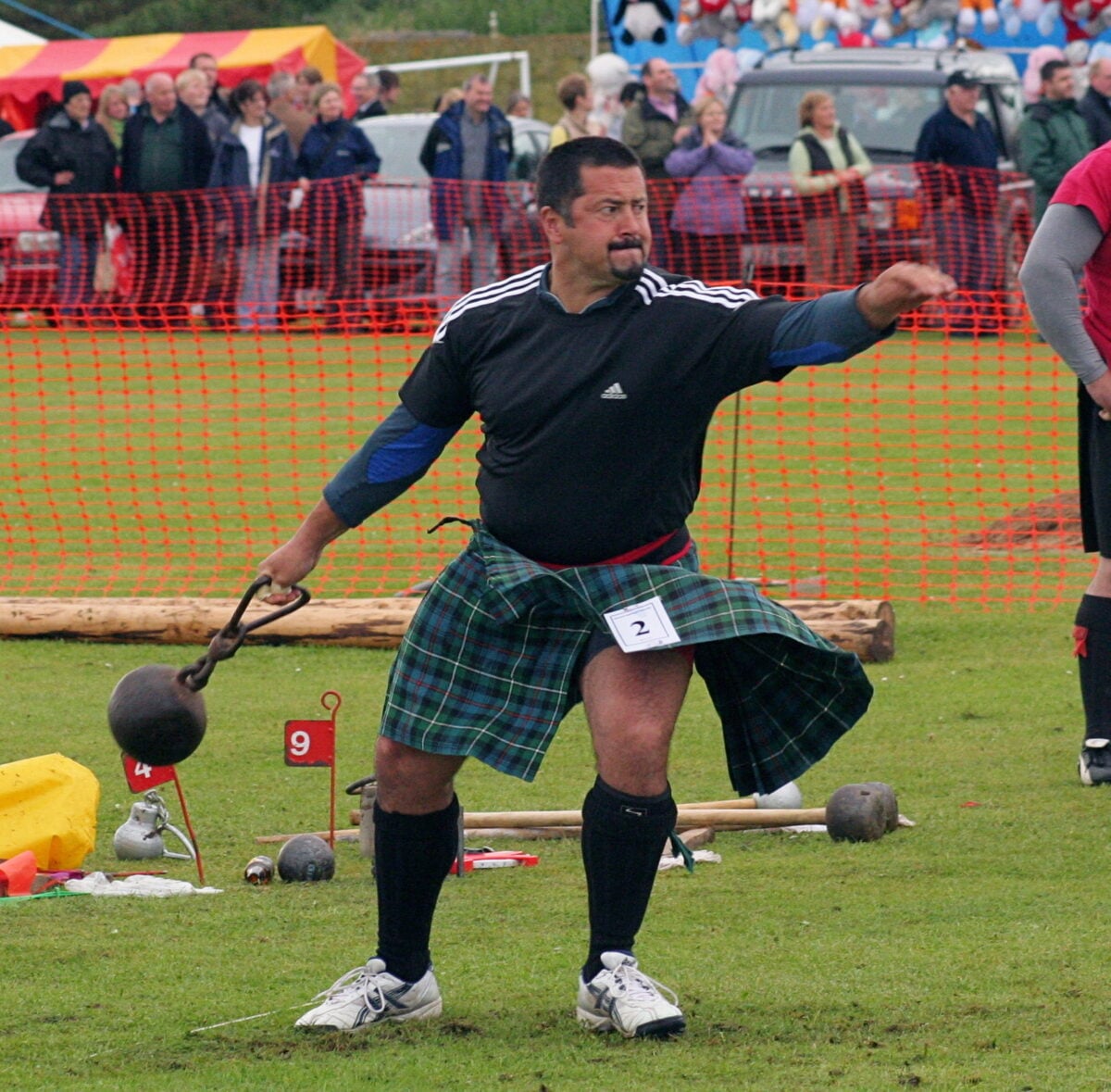
The 56-pound weight throw was essentially Highland Games meets Olympic competition, and the collision wasn’t pretty. Athletes had to hurl a massive weight attached to a chain as far as possible, using a spinning technique that looked like someone having a violent disagreement with a cannonball.
The weight itself was roughly the size of a bowling orb but significantly more dangerous when flying through the air at high speed. This event lasted from 1904 to 1920 before officials realized they were creating unnecessary opportunities for spectators to get knocked unconscious.
The modern hammer throw covers similar athletic territory without requiring implements that could demolish small buildings.
Rope Climbing

Rope climbing turned Olympic venues into makeshift gymnasiums where athletes scrambled up vertical ropes as fast as possible. The rules were simple: climb 20 feet using only your hands and arms, with legs dangling uselessly below.
The best climbers could reach the top in under three seconds, which was genuinely impressive to watch. But the event had problems beyond just being a glorified gym class activity.
Rope quality varied wildly between competitions, and athletes frequently suffered rope burns, muscle strains, and occasional falls. After appearing sporadically from 1896 to 1932, rope climbing was retired in favor of events that didn’t require participants to develop calluses as thick as leather.
Motor Boat Racing
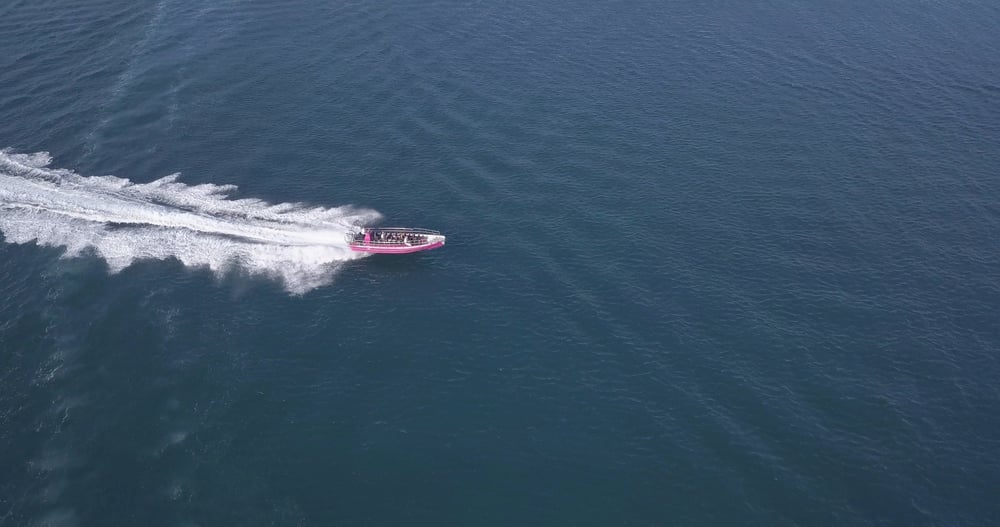
The 1908 London Olympics included motor boat racing, because apparently someone thought Olympic competition needed more engine noise and fossil fuel consumption (this was back when the environmental movement consisted mainly of people who liked looking at trees, so carbon emissions weren’t exactly a pressing concern for Olympic planners). Three classes of boats competed across different distances, with engines puttering around courses while spectators squinted through clouds of exhaust smoke trying to figure out who was winning.
The whole affair felt more like a boat show than an athletic competition, since success depended more on having a good mechanic than being a skilled athlete — though to be fair, early motorboat engines were temperamental enough that keeping one running for an entire race did require a certain kind of endurance. The IOC quickly realized they’d made a mistake. Olympic sports are supposed to showcase human athletic ability, not engineering prowess and fuel efficiency.
Lacrosse

Lacrosse occupied a strange space in Olympic history, appearing in 1904 and 1908 before vanishing for decades, then returning briefly in the 1920s and 1930s. The sport itself wasn’t particularly dangerous or weird — it was just poorly understood outside of North America and a few other regions.
The problem was logistical rather than athletic. Most countries couldn’t field competitive teams, leading to lopsided tournaments with predictable outcomes.
When Canada dominated repeatedly and other nations showed little interest in developing lacrosse programs, the IOC decided the sport didn’t have sufficient global appeal to justify continued inclusion.
Cricket
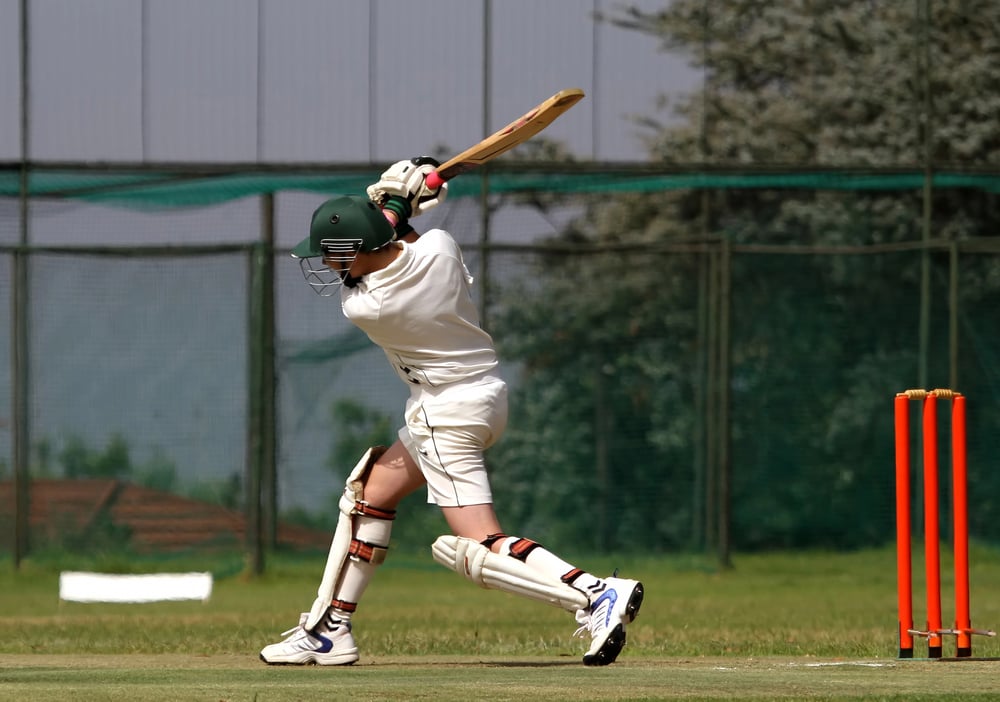
Cricket appeared exactly once, at the 1900 Paris Olympics, in what might have been the most poorly planned Olympic event in history. Only two teams competed — Britain and France — and the match lasted two days, which was actually short by cricket standards but felt eternal to spectators expecting something more dynamic.
The French team was mostly British expatriates living in Paris, which defeated the entire purpose of international competition. Worse, cricket matches can theoretically last five days, and Olympic schedules don’t accommodate sports that might not finish before the closing ceremonies.
The IOC learned a valuable lesson about time limits.
Polo
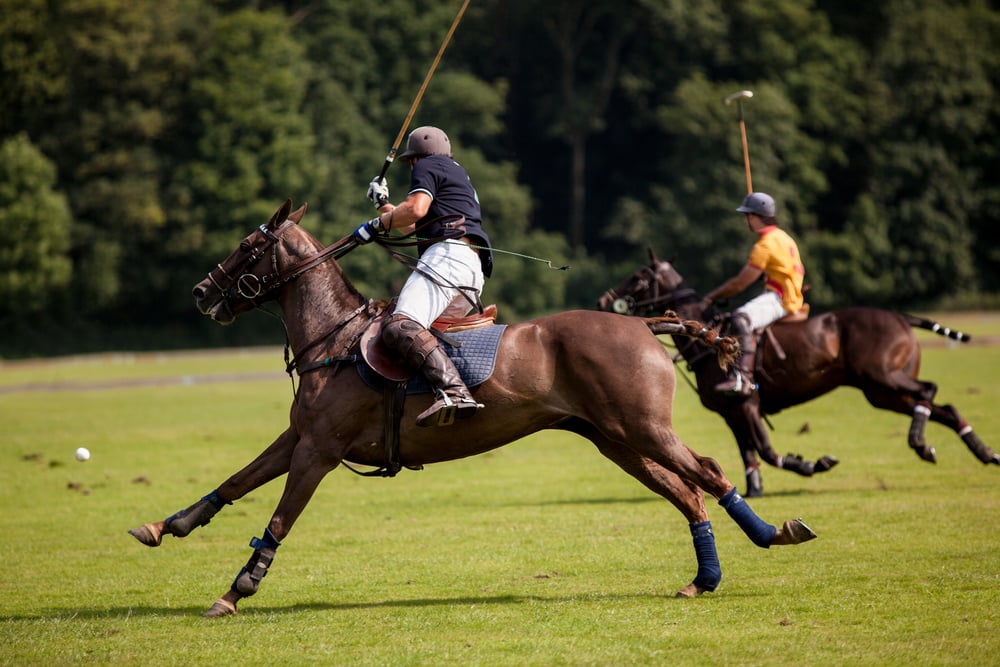
Polo suffered from the same problems that plague many expensive sports: limited global participation and significant logistical challenges. The sport appeared five times between 1900 and 1936, but organizing Olympic polo required transporting horses internationally, maintaining playing fields the size of football stadiums, and accommodating teams from wealthy nations that could afford to maintain polo programs.
The final nail came when organizers realized they were essentially hosting competitions for the entertainment of a very small, very wealthy segment of the population. Olympic sports are supposed to inspire broad participation, not remind everyone how expensive horses are.
Art Competitions

From 1912 to 1948, the Olympics included medals for architecture, literature, music, painting, and sculpture — all inspired by Pierre de Coubertin’s vision of combining athletic and artistic achievement, though in practice this meant judging subjective creative works using the same medal system designed for measuring who runs fastest or jumps highest (which created all sorts of problems you’d expect when trying to objectively rank paintings or poems). Artists submitted works inspired by sport, and panels of judges awarded gold, silver, and bronze medals based on criteria that were never entirely clear to anyone involved, including the judges themselves.
The competitions attracted legitimate artists, but they also highlighted the fundamental absurdity of treating creativity like a sprint race — because while you can definitively say who finished a 100-meter dash first, declaring one sculpture objectively better than another requires the kind of certainty that art simply doesn’t provide. The art competitions were quietly retired after World War II, when the IOC decided to focus on what they did best: watching people run really fast and jump really high.
Baseball
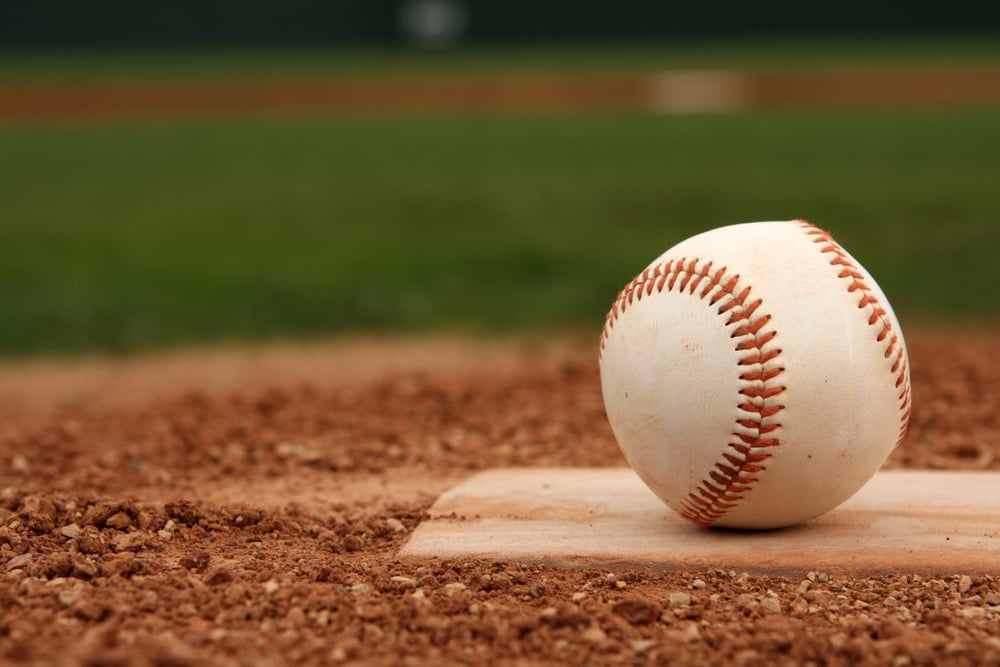
Baseball’s Olympic history was a comedy of errors that lasted from 1992 to 2008. The sport struggled with several fundamental problems: American professional players were often unavailable, games took too long for television schedules, and most of the world simply didn’t care about baseball enough to develop competitive programs.
The final straw came when organizers realized they were building expensive baseball stadiums in host cities that would never use them again. After the 2008 Beijing Olympics, baseball was dropped, though it returned briefly for the 2020 Tokyo Olympics as a host nation choice. The sport’s Olympic future remains uncertain, which tells you everything about its global appeal.
Croquet
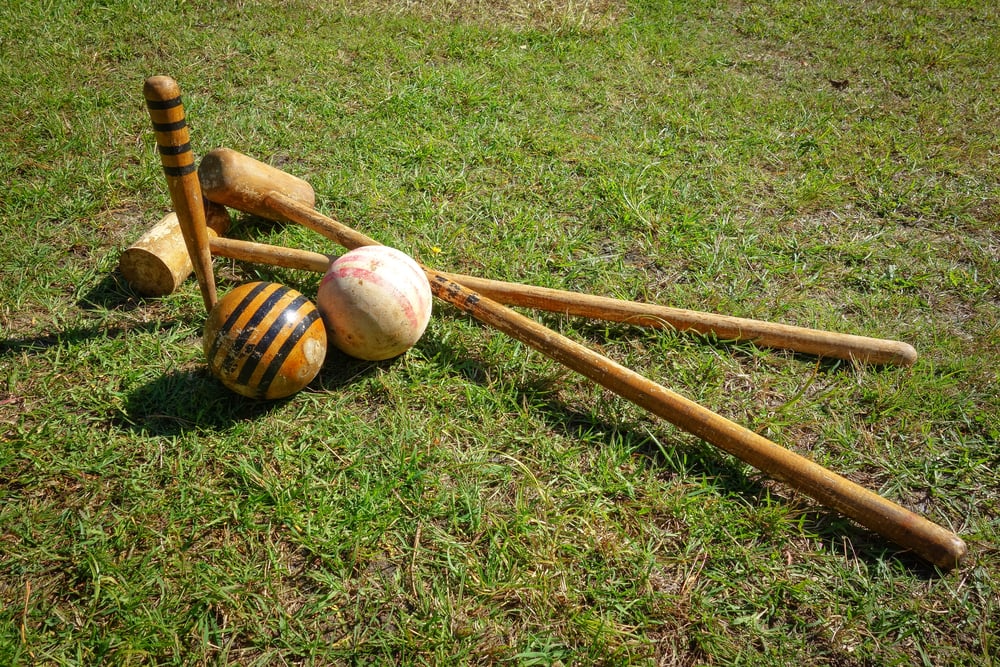
Croquet appeared once, at the 1900 Paris Olympics, where it achieved the distinction of being the first Olympic sport to include female competitors. Unfortunately, it also achieved the distinction of being completely ignored by spectators, since croquet matches moved at roughly the speed of continental drift.
All the competitors were French, which meant the event was less international competition than a glorified garden party. The sport required perfectly manicured lawns, specialized equipment, and the patience to watch people gently tap orbs through tiny hoops for hours at a time.
Even the most dedicated Olympic fans have their limits.
Roque
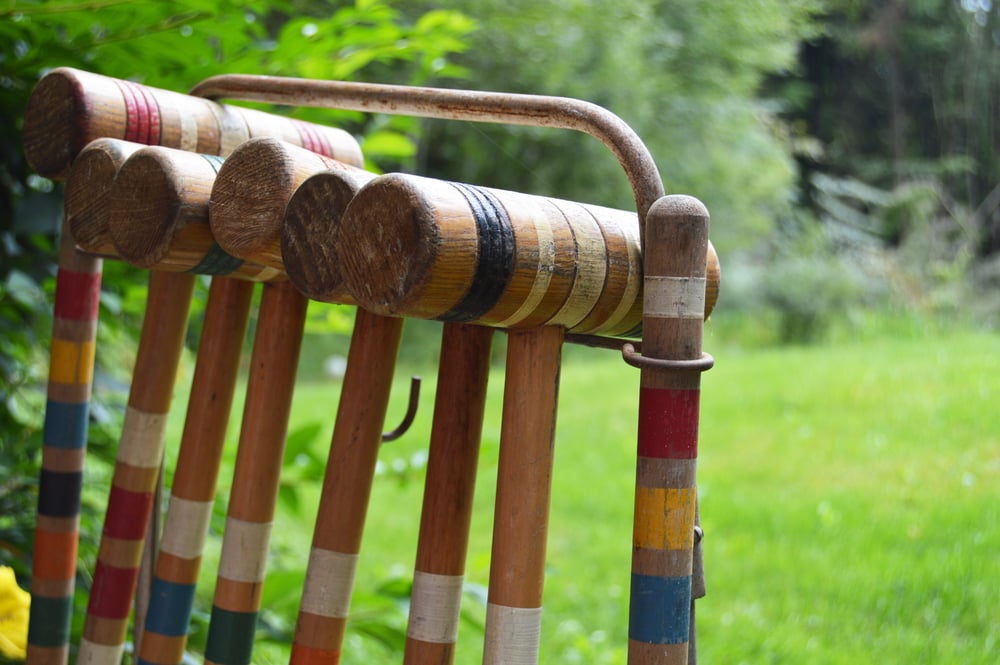
Roque was an American croquet played on a hard court with raised borders, because apparently regular croquet wasn’t complicated enough. The sport appeared exactly once, at the 1904 St. Louis Olympics, where only American players competed because nobody else had ever heard of roque or understood why anyone would want to play croquet on concrete.
The event was essentially a demonstration of American sporting eccentricity rather than international competition. When the Olympics returned to Europe, roque was quietly forgotten, and the world became a slightly less confusing place.
When Progress Means Saying Goodbye
These cancelled Olympic events tell a story about evolving standards and changing times. Some disappeared because they were genuinely dangerous, others because they failed to capture global imagination, and a few because they revealed the absurdity of trying to turn every human activity into international competition.
The Olympics survived and thrived by learning when to let go of the past, even when that past included genuinely entertaining spectacles like grown men arguing over rope burns or artists competing for medals like sprinters. Sometimes the best decision is knowing when to stop.
More from Go2Tutors!

- The Romanov Crown Jewels and Their Tragic Fate
- 13 Historical Mysteries That Science Still Can’t Solve
- Famous Hoaxes That Fooled the World for Years
- 15 Child Stars with Tragic Adult Lives
- 16 Famous Jewelry Pieces in History
Like Go2Tutors’s content? Follow us on MSN.