Celebrating Tech: 19 Milestones That Shaped the Modern Digital Age
The digital revolution has transformed every aspect of human life in just a few short decades. From communication to entertainment, healthcare to space exploration, technology has rewritten the rules of what’s possible and connected humanity in ways our ancestors could never have imagined.
Here is a list of 19 technological milestones that have fundamentally shaped our modern digital landscape and continue to influence how we live, work, and interact with the world around us.
ENIAC Computer
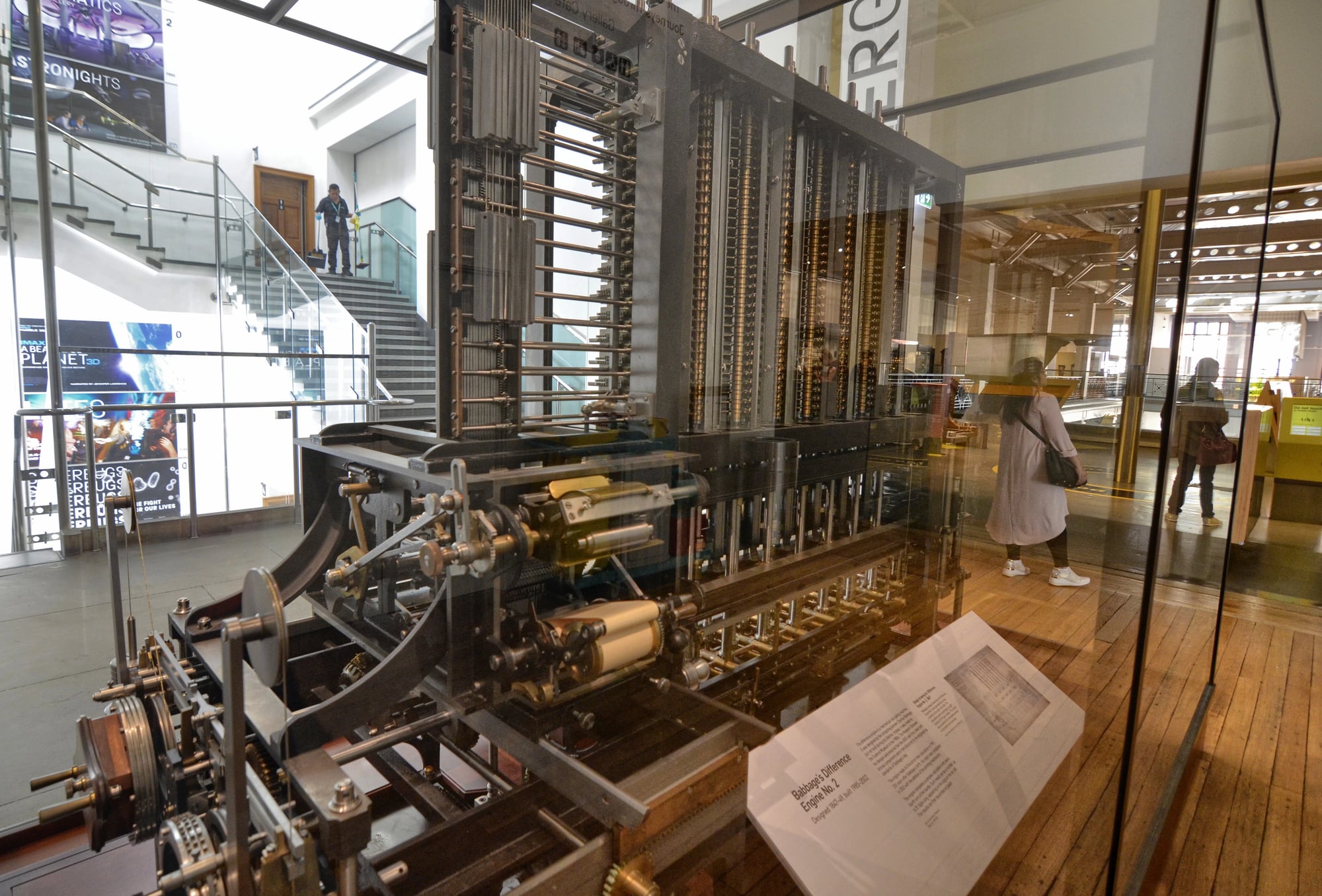
The Electronic Numerical Integrator and Computer marked the dawn of the digital computing age when it launched in. Weighing tons and containing vacuum tubes, this massive machine could perform calculations thousands of times faster than a human mathematician.
ENIAC set the stage for all computers that followed, establishing the fundamental concept that electronic machines could process data automatically.
Transistor Invention
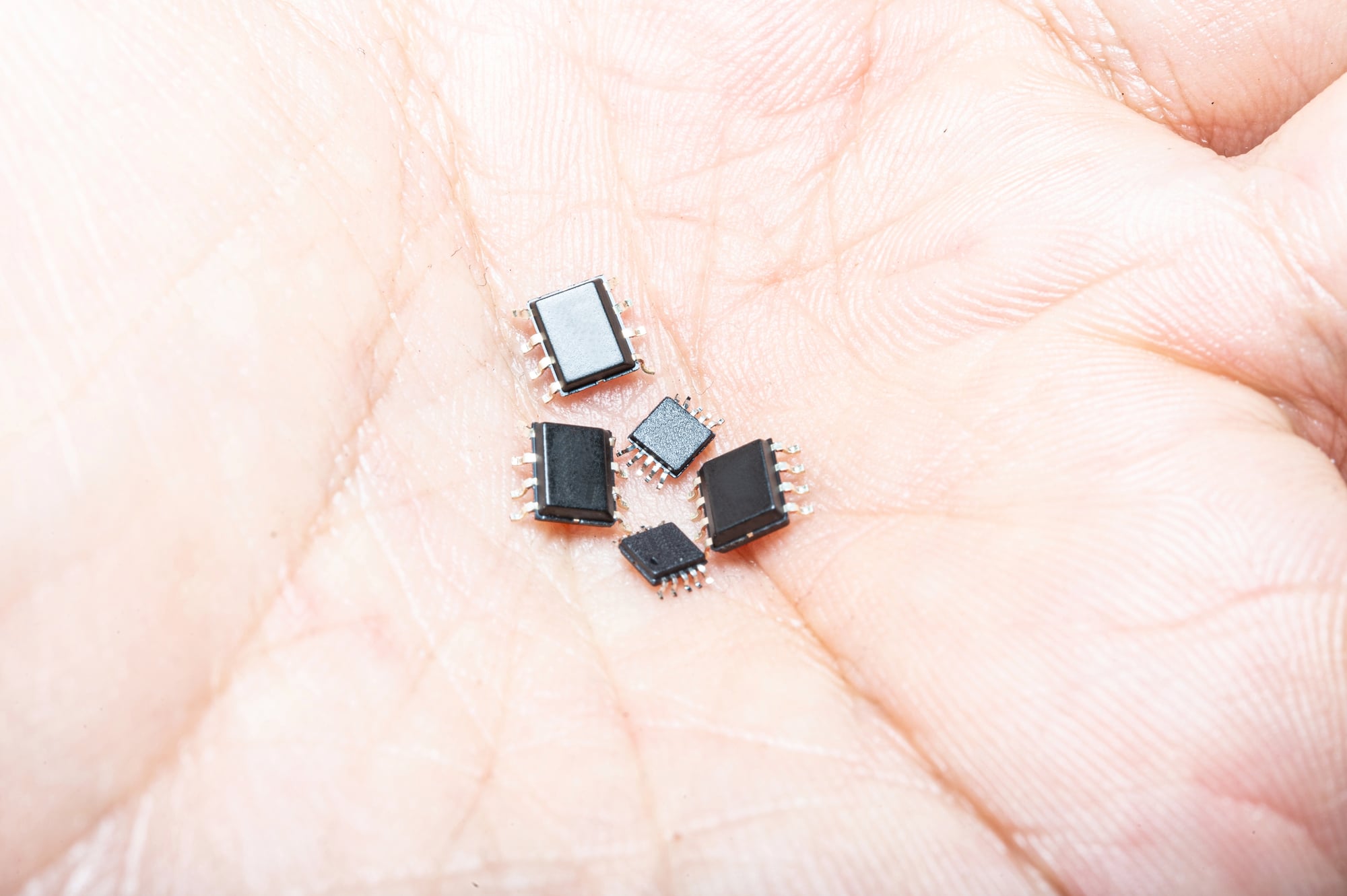
Bell Labs scientists created the first working transistor in, replacing bulky vacuum tubes with a tiny semiconductor device that would transform electronics forever. This humble component enabled the miniaturization of electronic devices and kicked off decades of exponential growth in computing power.
Modern processors now contain billions of transistors, each measuring just nanometers across, making the transistor perhaps the most manufactured device in human history.
Intel Microprocessor
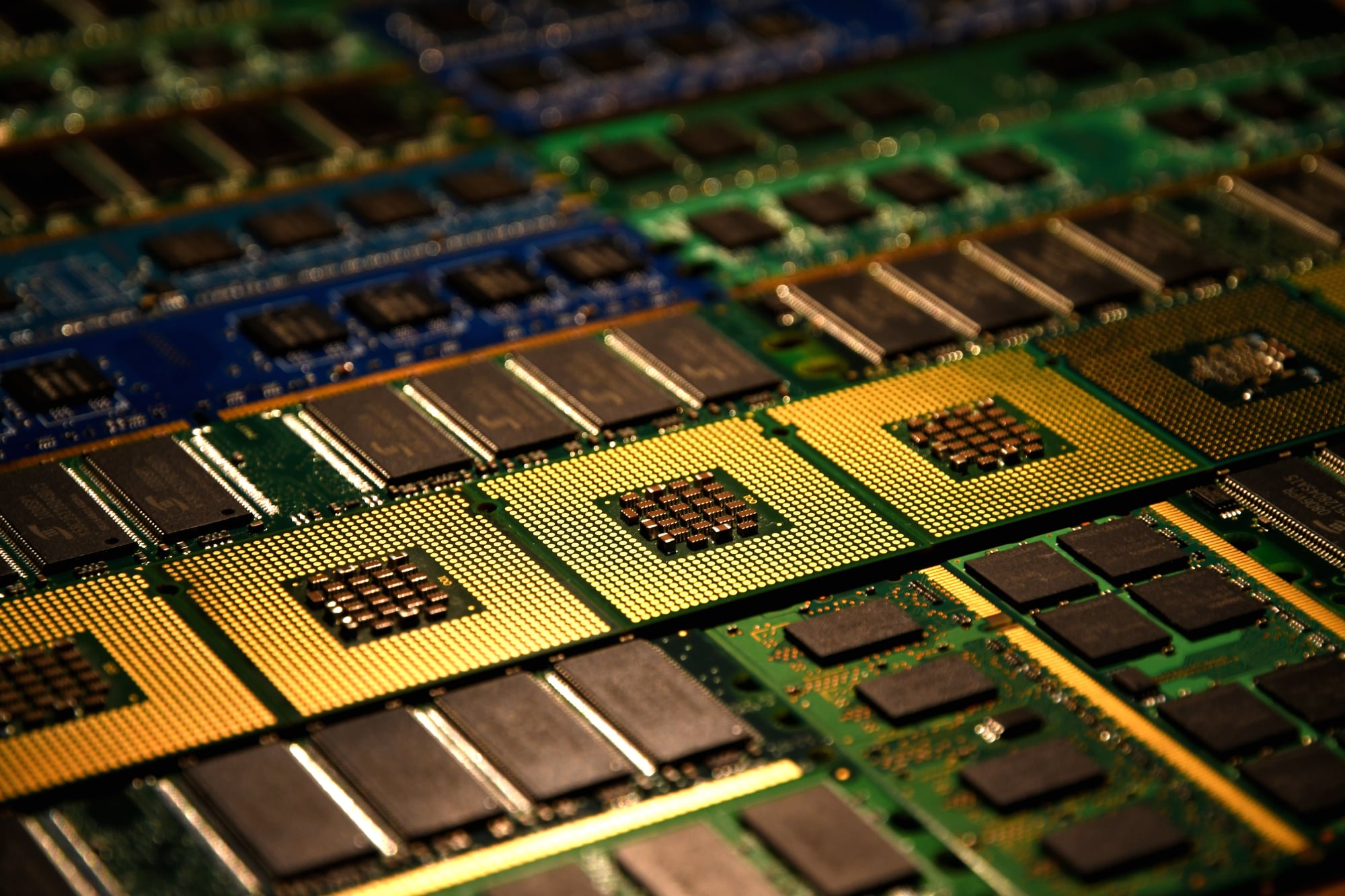
In, Intel released the first commercially available microprocessor, putting the power of a computer’s central processing unit onto a single chip. About the size of a small fingernail, the chip contained transistors and could execute operations per second.
This innovation sparked the microprocessor revolution that would eventually put computing power into everything from calculators to cars, watches to washing machines.
Personal Computer Revolution

The launch of accessible personal computers like the Apple and IBM PC brought computing from specialized institutions directly into homes and small businesses. These machines transformed computers from mysterious corporate machines into tools for personal productivity, creativity, and entertainment.
The standardization that followed created an ecosystem where software developers could build applications for millions of compatible devices.
World Wide Web Creation

Tim Berners-Lee developed the World Wide Web in while working at CERN, creating a system of interlinked hypertext documents that could be accessed via the internet. His innovation of HTML, HTTP, and URLs made the internet accessible to non-technical users and created a platform for information sharing that transcended geographical boundaries.
The web transformed the internet from a technical curiosity into an essential platform for commerce, education, entertainment, and social connection.
Mobile Phone Evolution

The evolution from the first commercial cellular networks in the to widespread adoption in the connected people on the move for the first time. Early devices like the Motorola DynaTAC were bulky and expensive, but rapidly shrinking electronics made mobile phones increasingly portable and affordable.
This technology untethered communication from fixed locations, fundamentally changing how people coordinate their lives and stay connected with loved ones.
Search Engine Development

The development of effective search engines, culminating in Google’s launch, solved the growing problem of finding relevant information in the expanding digital universe. Google’s PageRank algorithm analyzed the web’s link structure to determine which pages were most valuable for specific queries.
This innovation transformed how people access information, making the sum of human knowledge instantly searchable from any connected device.
Wi-Fi Standardization
The establishment of the Wi-Fi standard (IEEE) and subsequent widespread adoption freed network connections from physical cables. This technology enabled people to connect to the internet from anywhere within range of a wireless access point, facilitating mobility and flexibility.
Wi-Fi has become so fundamental to modern life that many consider it a basic utility alongside water and electricity.
Social Media Emergence
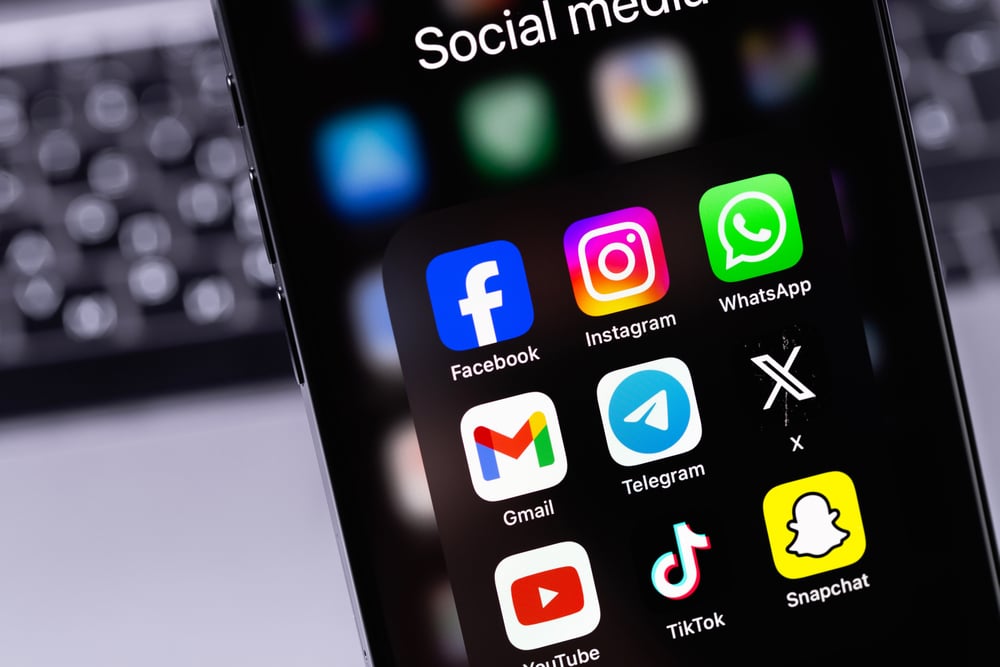
The launch of platforms like Friendster, MySpace, and Facebook created new digital spaces for human connection and self-expression. These platforms digitized social networks and made sharing personal updates, photos, and interests with friends both immediate and effortless.
Social media has reshaped how people maintain relationships, consume news, organize movements, and build communities across vast distances.
Smartphone Revolution
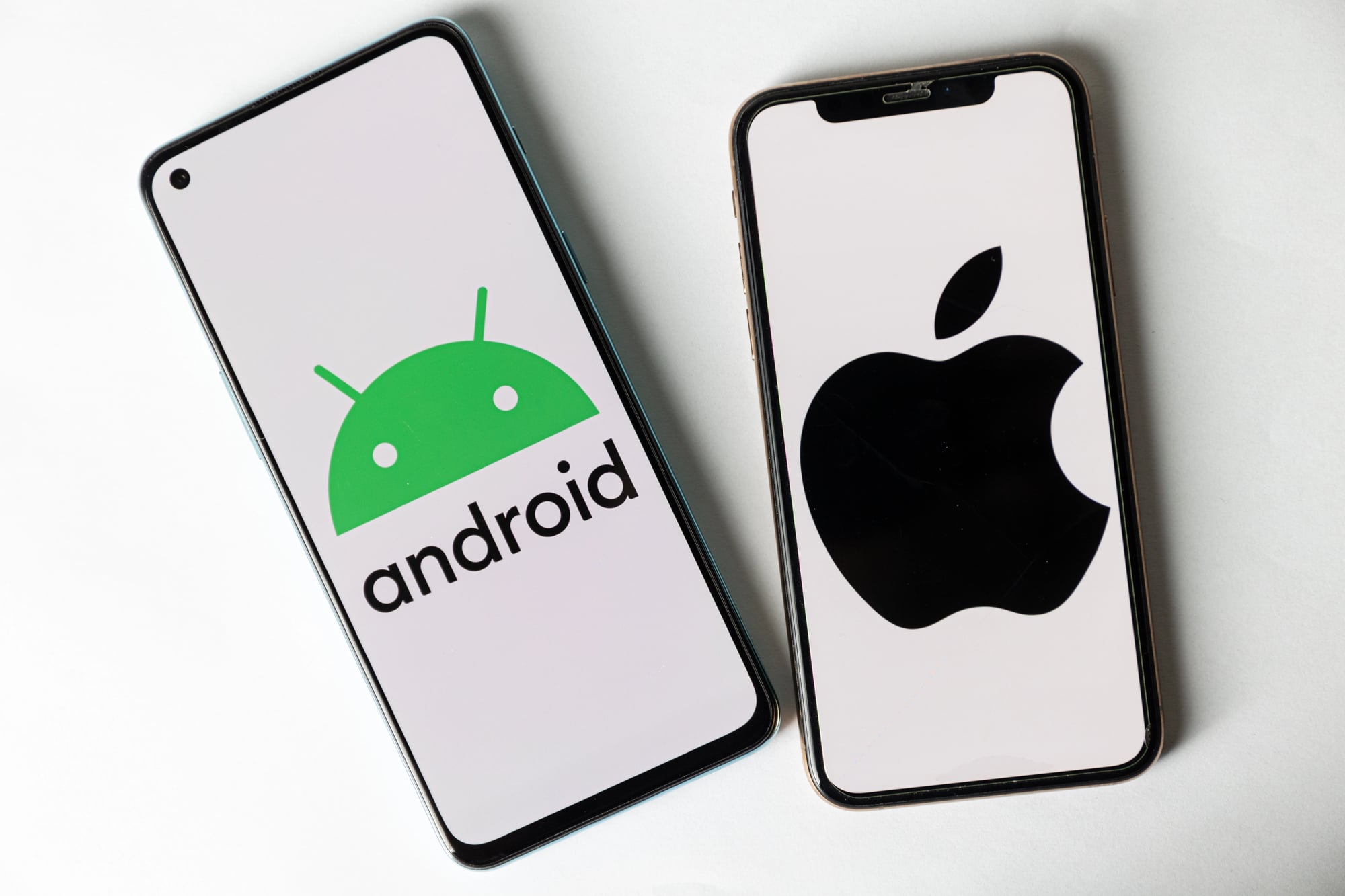
Apple’s iPhone introduction combined multiple technologies—mobile phones, internet access, touch interfaces, and app ecosystems—into a single revolutionary device. This integration created a platform that developers could extend with specialized applications for every conceivable purpose.
Smartphones have become our primary computing devices, bringing powerful tools for communication, creativity, and information access into our pockets.
Cloud Computing Expansion

The shift from local storage and processing to remote data centers revolutionized how computing resources are delivered and consumed. Services like Amazon Web Services allowed companies to access vast computing power without investing in physical infrastructure.
Cloud computing has enabled startups to scale rapidly, supported the explosion of mobile apps, and made powerful computing resources available on demand from anywhere with an internet connection.
Big Data Analytics

The development of tools to process and analyze massive datasets unlocked new insights across fields from business to science. Technologies like Hadoop and later innovations made it possible to extract meaningful patterns from the digital exhaust of billions of connected devices and users.
Big data analytics has transformed decision-making in business, healthcare, transportation, and countless other domains by revealing previously invisible patterns and relationships.
Machine Learning Breakthroughs

Advances in artificial neural networks and deep learning, particularly since, have enabled computers to recognize patterns in data with unprecedented accuracy. These technologies power everything from voice assistants to medical diagnoses, language translation to self-driving vehicles.
Machine learning has extended computing beyond explicit programming into systems that can improve their performance through experience with data.
Streaming Media Normalization

The shift from physical media and downloads to streaming services fundamentally changed how we consume entertainment. Platforms like YouTube, Netflix streaming, and Spotify made vast libraries of content available on demand without ownership of physical copies.
Streaming has transformed media business models, viewing habits, and creative approaches across music, video, and beyond.
Blockchain Development
The invention of blockchain technology, first implemented in Bitcoin, created a system for secure, transparent, and tamper-resistant digital transactions without centralized authorities. This innovation solved the double-spending problem that had previously prevented secure digital cash.
Beyond cryptocurrencies, blockchain technology has implications for supply chain tracking, voting systems, digital identity, and any application requiring trust and verification in digital environments.
Internet of Things Expansion

The proliferation of internet-connected sensors and devices has extended digital intelligence into the physical world on an unprecedented scale. From smart thermostats to industrial equipment, connected devices now generate data and respond to commands remotely.
This vast network of intelligent objects is creating homes that adjust to our preferences, cities that manage resources more efficiently, and industries that prevent problems before they occur.
Virtual and Augmented Reality Advancement
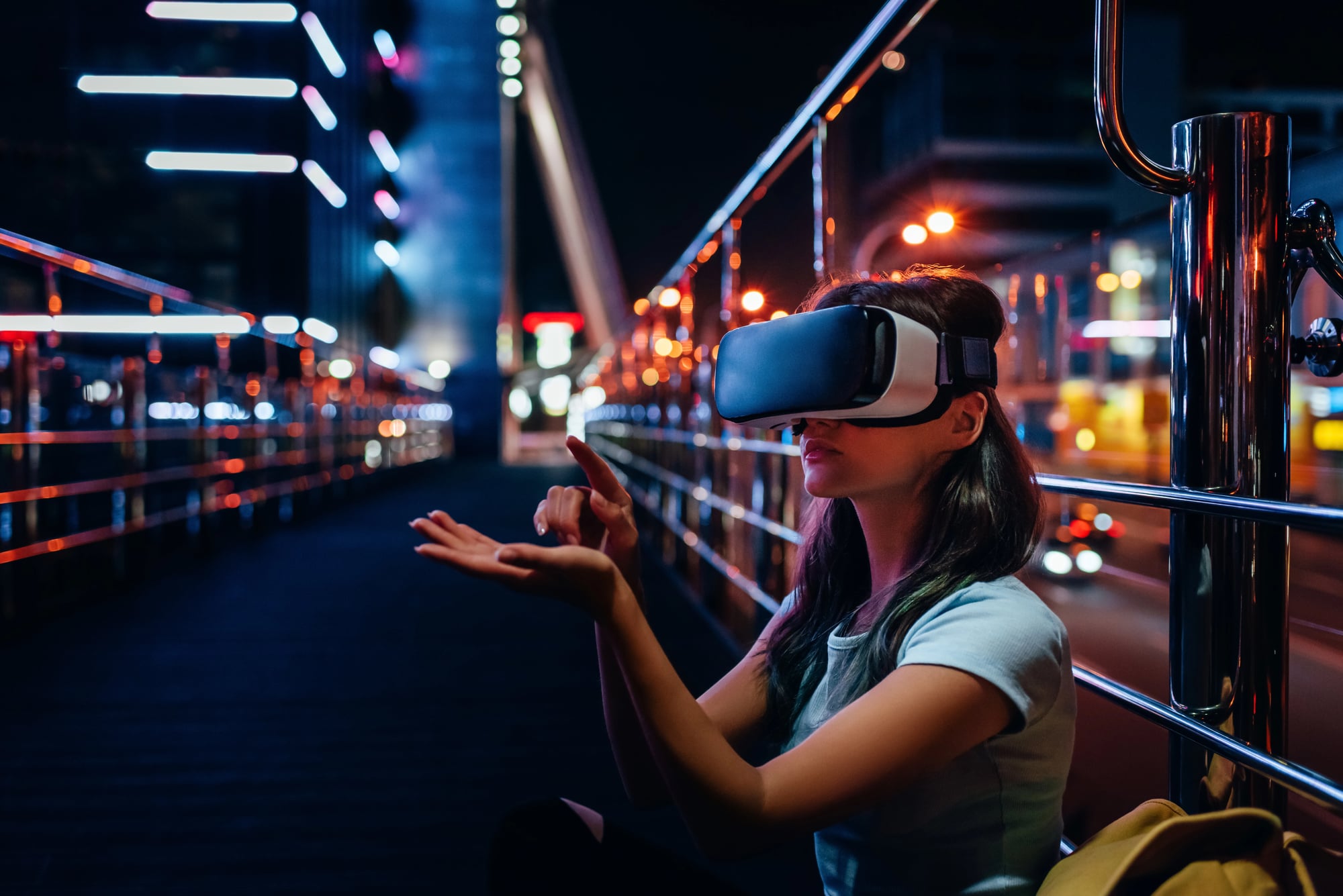
The development of immersive technologies has created new ways to experience digital content by overlaying it on our perception or replacing it entirely. Devices like the Oculus Rift and HoloLens have made these technologies accessible beyond specialized applications.
These immersive technologies are transforming entertainment, education, design, and training by allowing people to interact with digital information in spatial and intuitive ways.
Quantum Computing Progress
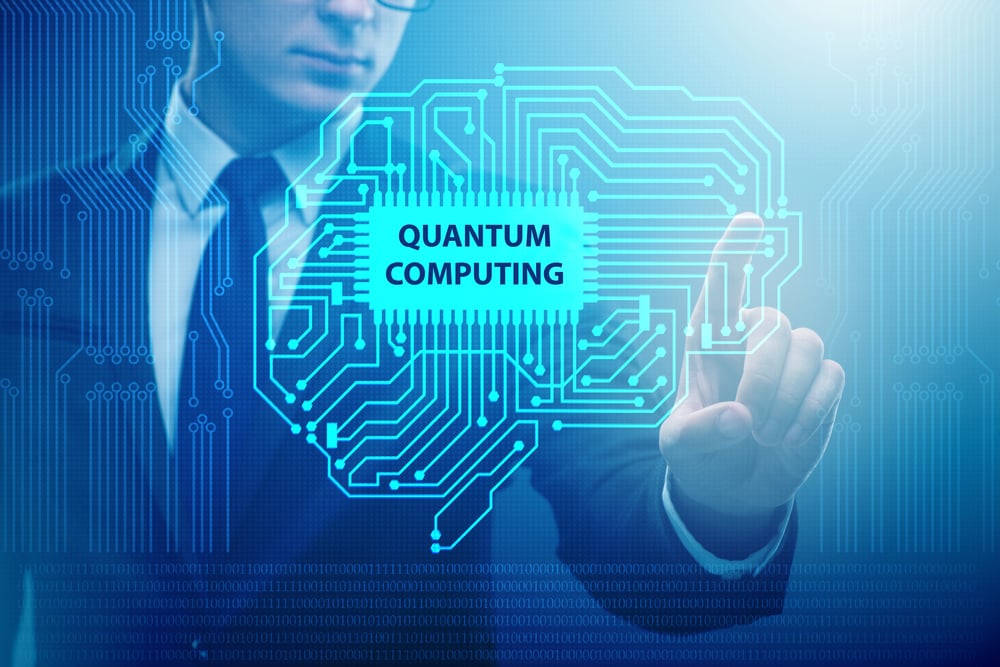
Recent advances in quantum computing are laying groundwork for a fundamentally new approach to solving certain complex problems. IBM, Google, and others have built increasingly powerful quantum processors that operate according to different principles than classical computers.
Though still emerging, quantum computing promises breakthroughs in materials science, cryptography, and optimization problems that remain intractable for conventional computers.
Digital Innovation’s Enduring Legacy
These technological milestones represent more than just technical achievements—they mark fundamental shifts in human capability and connectivity. From room-sized computers to quantum processors, from military research networks to ubiquitous mobile internet, digital technology has evolved at a pace unlike anything in previous human experience.
More from Go2Tutors!

- The Romanov Crown Jewels and Their Tragic Fate
- 13 Historical Mysteries That Science Still Can’t Solve
- Famous Hoaxes That Fooled the World for Years
- 15 Child Stars with Tragic Adult Lives
- 16 Famous Jewelry Pieces in History
Like Go2Tutors’s content? Follow us on MSN.



