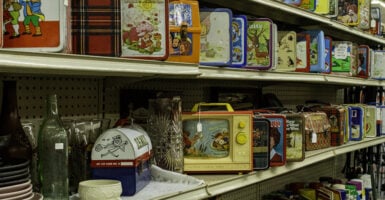
Everyday Items Replaced By Modern Smartphones
Remember when leaving the house meant grabbing keys, wallet, and about six other things? That mental checklist got shorter each year as smartphones absorbed the functions of items that once seemed irreplaceable. The transformation happened so gradually that most people didn’t notice until they were digging through old drawers, finding gadgets that now feel like archaeological artifacts.
Alarm clocks
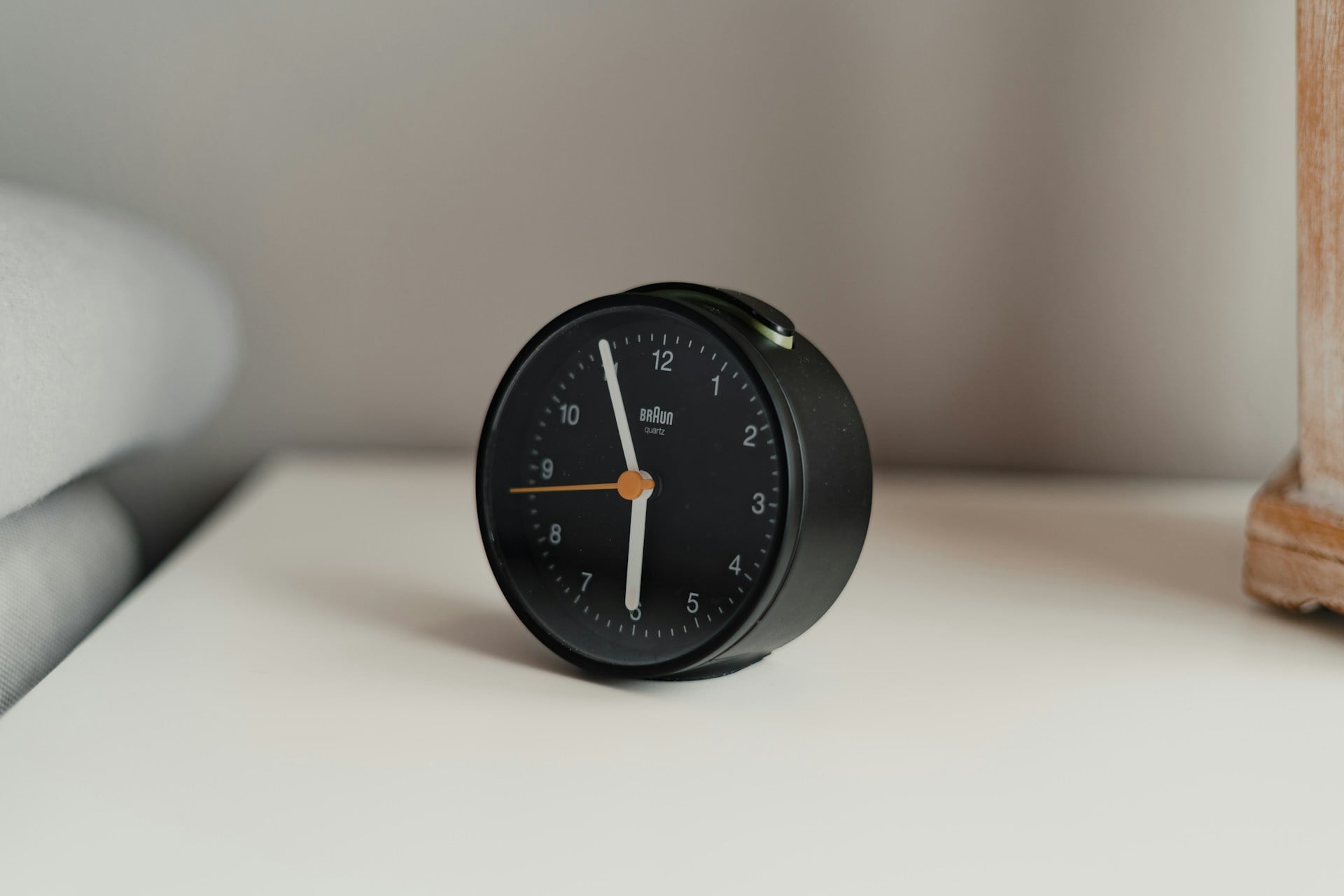
The bedside alarm clock was murdered in its sleep. Smartphones delivered the fatal blow without ceremony or fanfare.
Most people can’t even remember making the switch. One day the chunky digital display was there, the next it wasn’t.
The phone just took over, quietly and completely.
Cameras
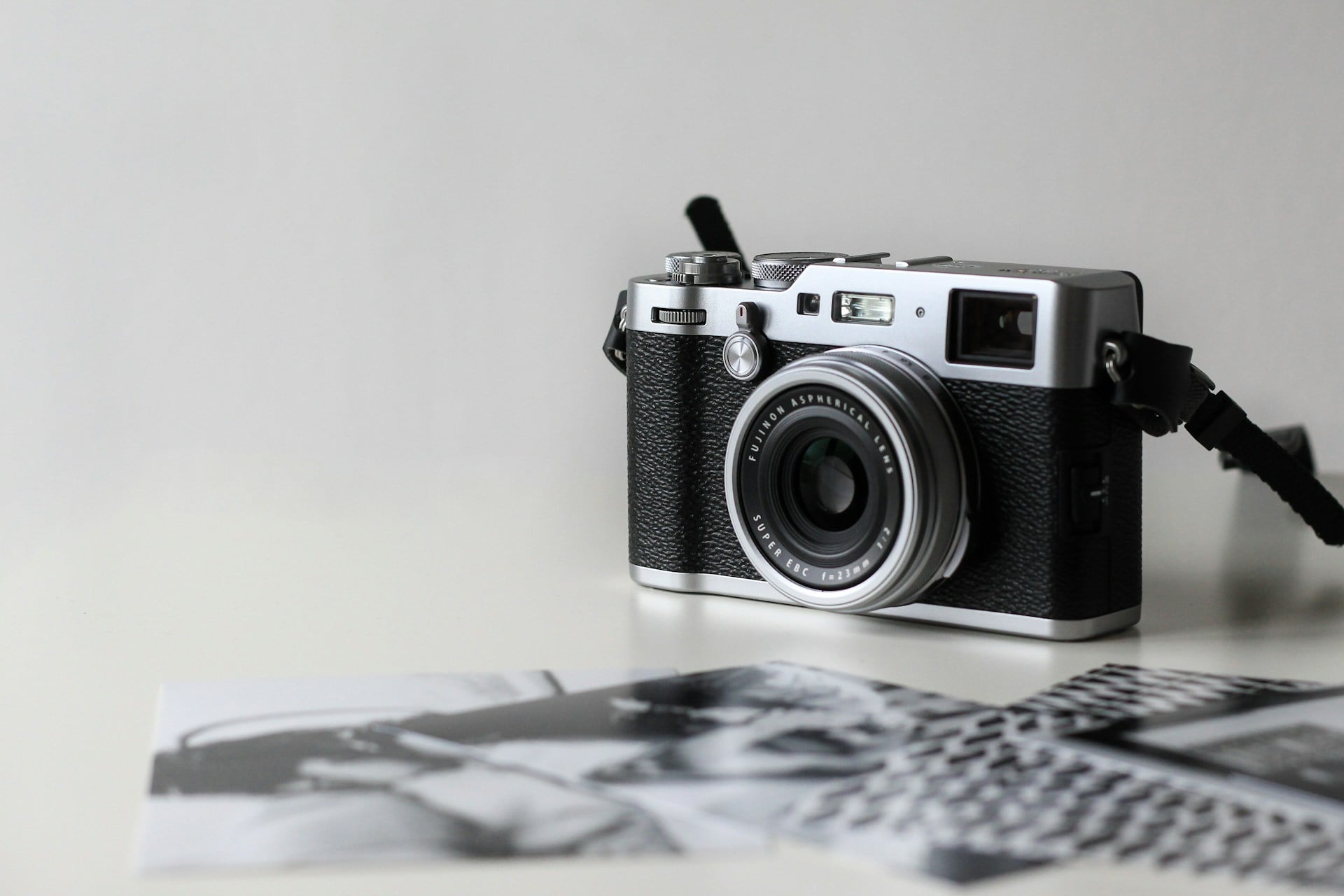
Photography used to require commitment — you carried a camera or you didn’t take pictures (and when you consider how cameras back then demanded their own separate ecosystem of film, batteries, and cases that never quite fit right, plus the fact that you couldn’t see the results until you paid someone else to develop them days later, often discovering that half your vacation photos were blurry or that your thumb had somehow wandered into every family portrait), the whole enterprise felt more like a deliberate expedition than a casual impulse. But smartphones changed that.
Now every moment becomes potentially worth capturing. So the camera industry had to reinvent itself around professionals and enthusiasts — the only people left who needed something better than what was already in their pocket.
And for everyone else, the idea of carrying a separate device just to take pictures started feeling as outdated as carrying a separate device to tell time.
Calculators
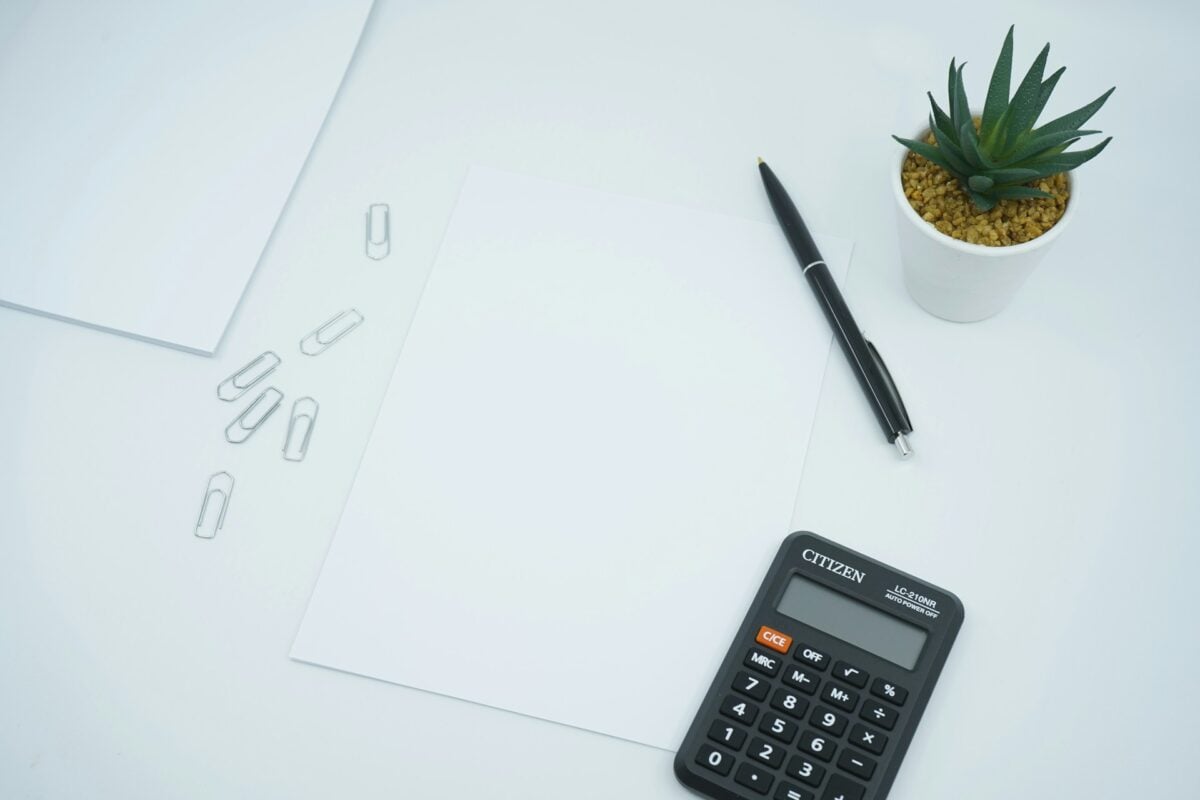
There’s something almost ceremonial about watching someone pull out their phone to calculate a tip. The small, deliberate ritual of opening the calculator app — where once there would have been the satisfying click of physical buttons — carries its own quiet dignity.
Those standalone calculators had weight to them. The good ones felt substantial in your hand, like they were built to outlast whatever problem you were trying to solve.
They sat in desk drawers and kitchen counters for decades, their LCD displays fading so gradually you barely noticed until the numbers became ghostly impressions of themselves. The phone calculator works perfectly fine, of course. It just lacks the patience of its predecessor.
No one leaves a calculator app open on their screen for hours, the way the old ones would sit there displaying your last calculation until someone finally cleared it or the batteries died.
Flashlights
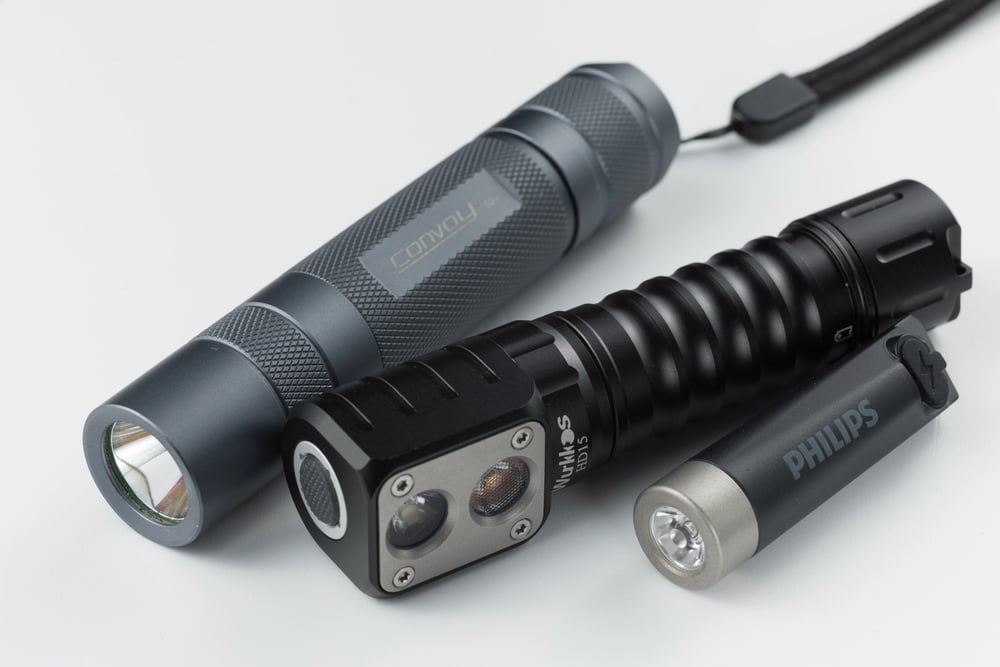
Phones killed the flashlight market and nobody bothered to send flowers. The built-in LED turned every phone into a portable spotlight that never needed new batteries.
This was pure convenience at work. No more digging through junk drawers looking for a flashlight that might actually work.
No more discovering that the batteries had leaked and turned the battery compartment into a corroded mess. The phone light was always there, always ready, always bright enough for whatever small emergency required illumination.
Sure, it drained the battery faster than anyone wanted. But that minor inconvenience paled next to the certainty that the light would actually turn on when needed.
Maps and atlases
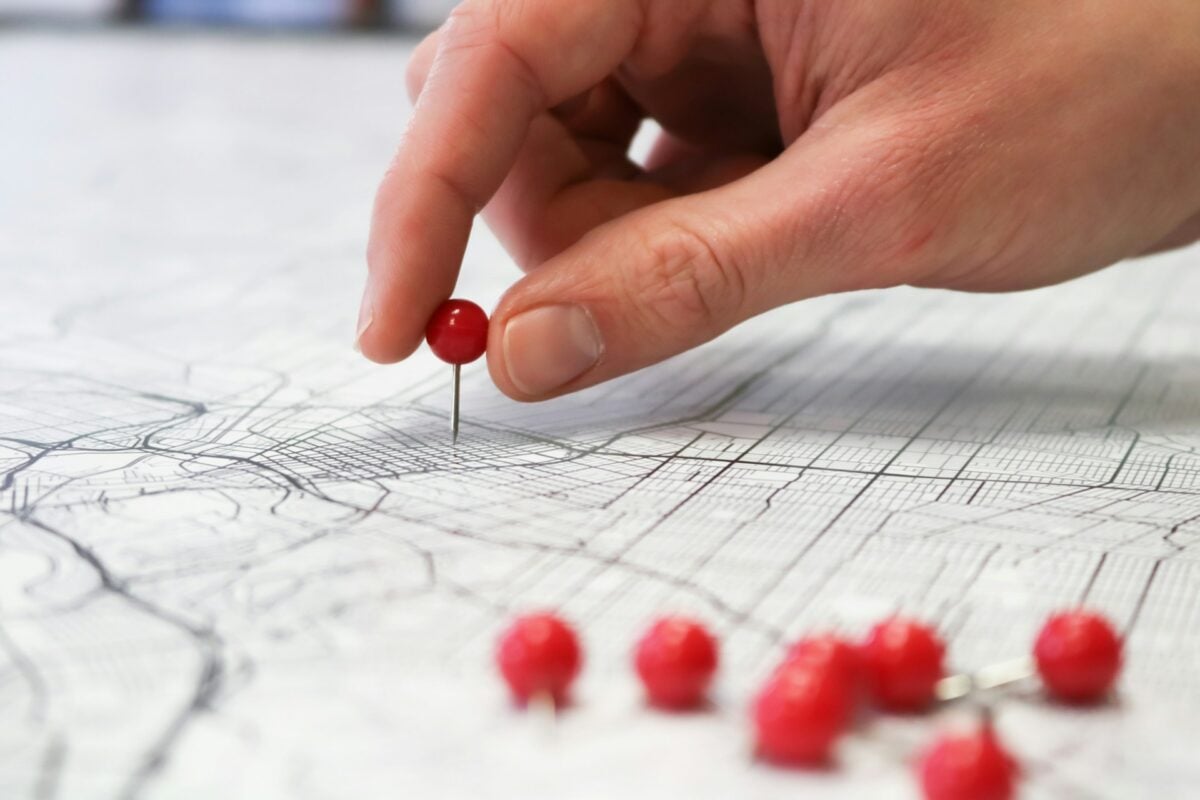
The glove compartment used to be geography’s last stand — that’s where the folded maps lived, creased into submission from countless refolding attempts that never quite matched the original pattern (because whoever designed those things apparently assumed people had both the spatial reasoning of a cartographer and the patience of a monk), along with those thick spiral-bound atlases that felt authoritative enough to settle arguments about which route was actually fastest. And there was something almost archaeological about consulting them: pulling over to the side of the road, spreading the map across the steering wheel, tracing possible routes with your finger while trying to figure out exactly where you were in relation to where you needed to be.
But phones made all of that feel immediately ancient. Navigation became effortless in a way that was almost disorienting.
The phone always knew where you were, always knew how to get where you were going, and updated its advice in real time as conditions changed. So those atlases migrated from essential equipment to emergency backup to pure nostalgia, and most people stopped carrying them without ever making a conscious decision to do so.
Watches
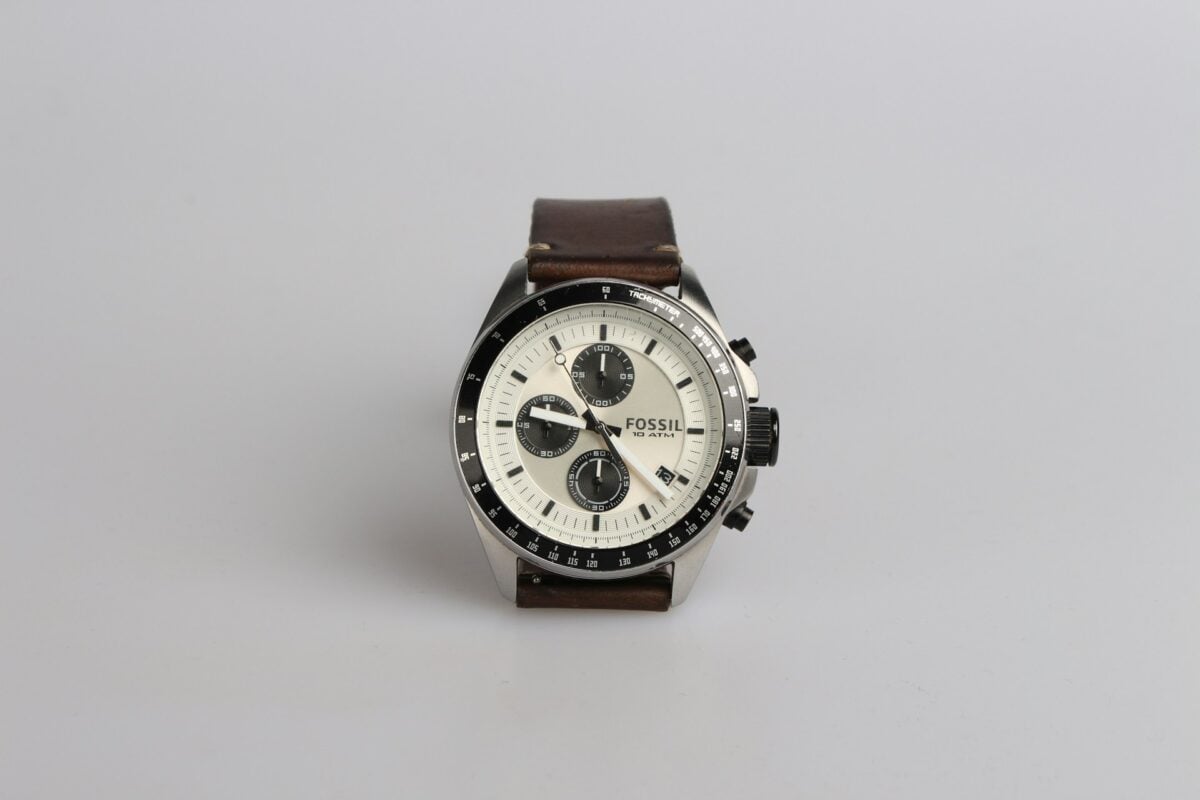
Time lives on the phone now, which means the wrist becomes optional real estate. Smartwatches tried to reclaim some of that territory, but regular watches — the ones that just told time and maybe the date — found themselves competing against a device people were already looking at dozens of times per day.
The morning routine was simplified. No more checking that the watch was wound or that the battery hadn’t died overnight.
The time was just there, persistent and accurate, on the same screen that held everything else worth checking. Some people kept wearing watches anyway, but more for style than function.
The watch became jewelry that happened to tell time, rather than a tool that happened to look good.
Music players
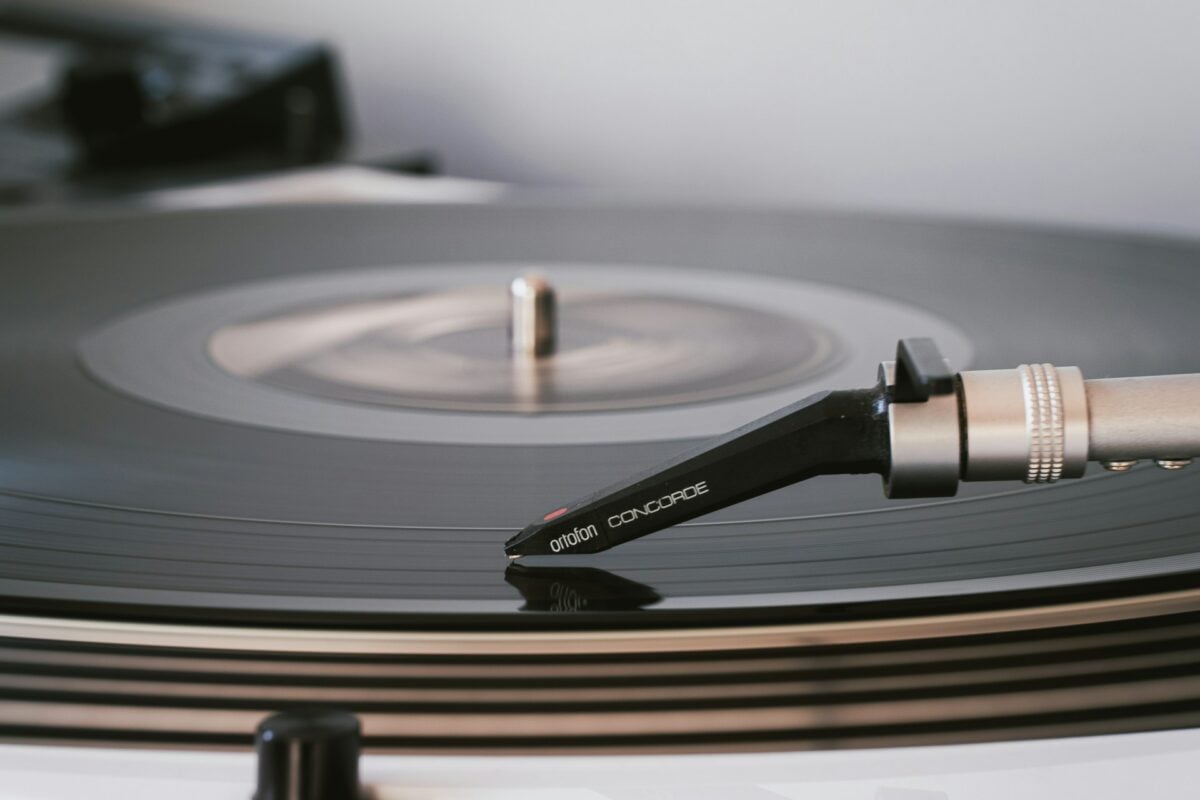
iPods were supposed to revolutionize portable music (and they did, for about a decade), but smartphones made them feel like an expensive way to carry around one less thing than you could carry around with a phone that also happened to play music just as well while doing seventeen other things simultaneously. The dedicated music player had its moment of cultural dominance — those white earbuds became a uniform, those click-wheels became an interface that everyone understood instinctively — but that moment passed as soon as phones started offering equivalent storage and better sound quality.
And once streaming services made the whole concept of locally stored music feel optional, the iPod went from essential to redundant faster than most people could finish paying off their cell phone contracts. But there’s something lost in that transition that’s worth acknowledging: the iPod created a more intentional relationship with music, where you had to actively choose what to carry with you, where running out of battery meant silence instead of switching to any of the other dozen things the device could do.
So when smartphones absorbed that function, they made music more accessible but somehow less deliberate, more background soundtrack than focused experience.
Phone books
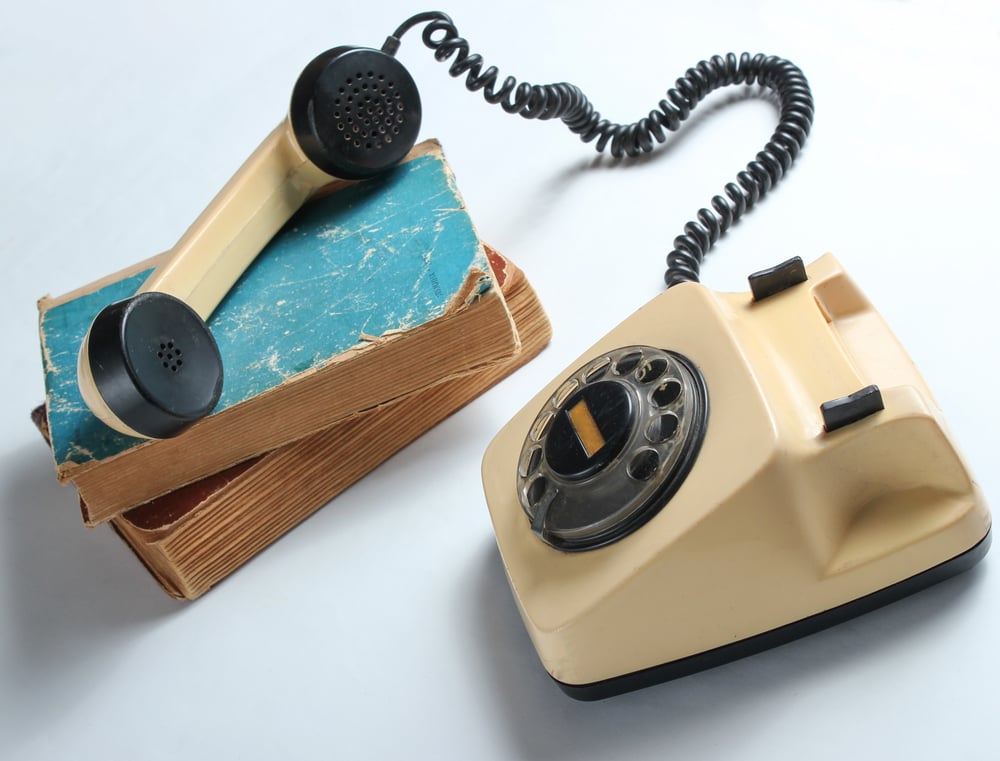
The yellow pages died a slow, dignified death in recycling bins across America. Smartphones made the thick directory books feel immediately obsolete.
Contact information moved from paper to digital storage, searchable and updateable without waiting for next year’s edition. The phone book’s annual delivery became an anachronism — hundreds of pages of information that was already outdated by the time it reached your doorstep.
Most people stopped consulting the yellow pages long before they stopped being delivered. The information was just easier to find on the phone, more current, and didn’t require flipping through pages of businesses that had closed months ago.
Portable gaming devices
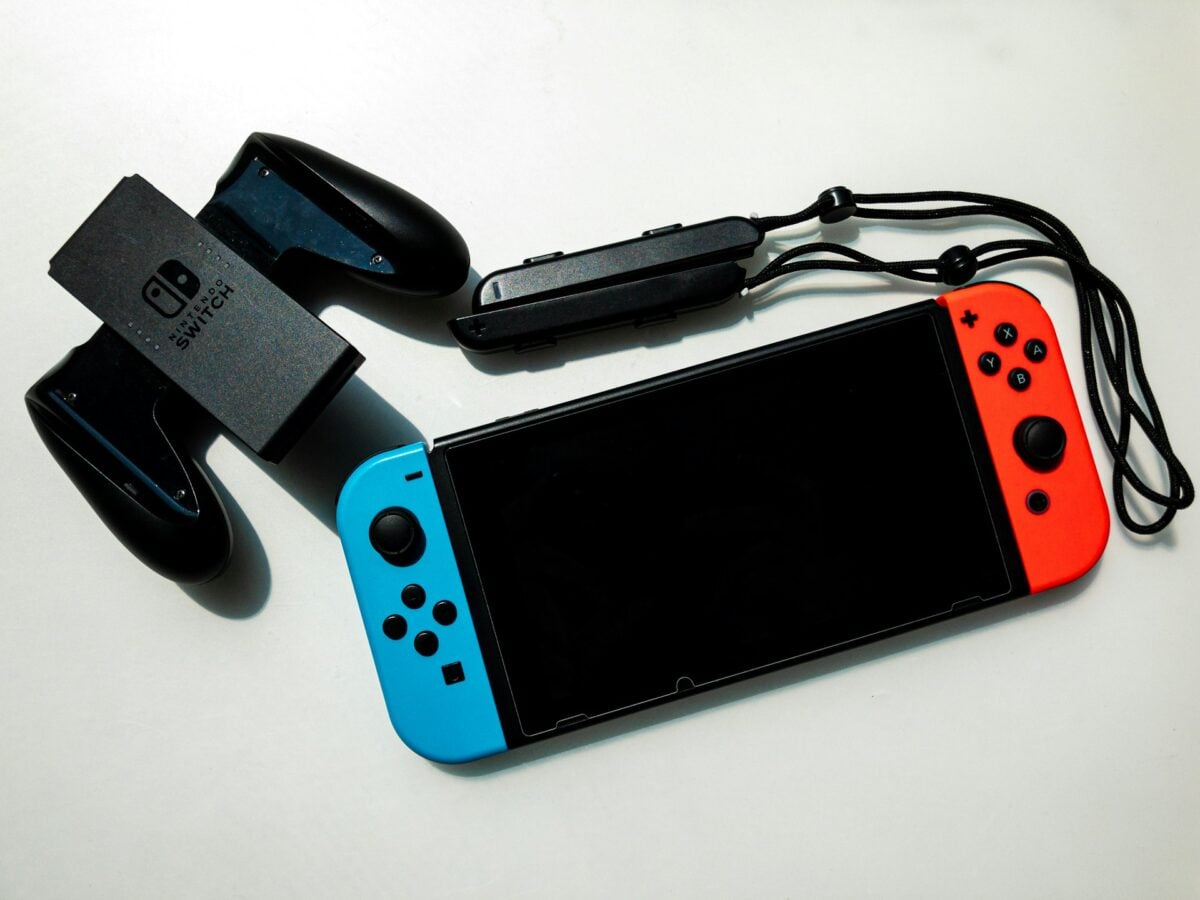
Gaming phones versus dedicated gaming handhelds was never really a fair fight. The phone was already in every pocket, already connected to the internet, already equipped with a touchscreen that could handle most games well enough.
The Nintendo DS and PlayStation Portable had their dedicated audiences, but smartphones offered gaming as a bonus feature rather than a primary function. That made them more convenient for casual gaming, even if the experience wasn’t quite as refined as what the dedicated devices could provide.
The gaming industry adapted by designing games specifically for touch interfaces and shorter attention spans. Mobile gaming became its own category, optimized for the device everyone already carried rather than trying to replicate console experiences on smaller screens.
Radios
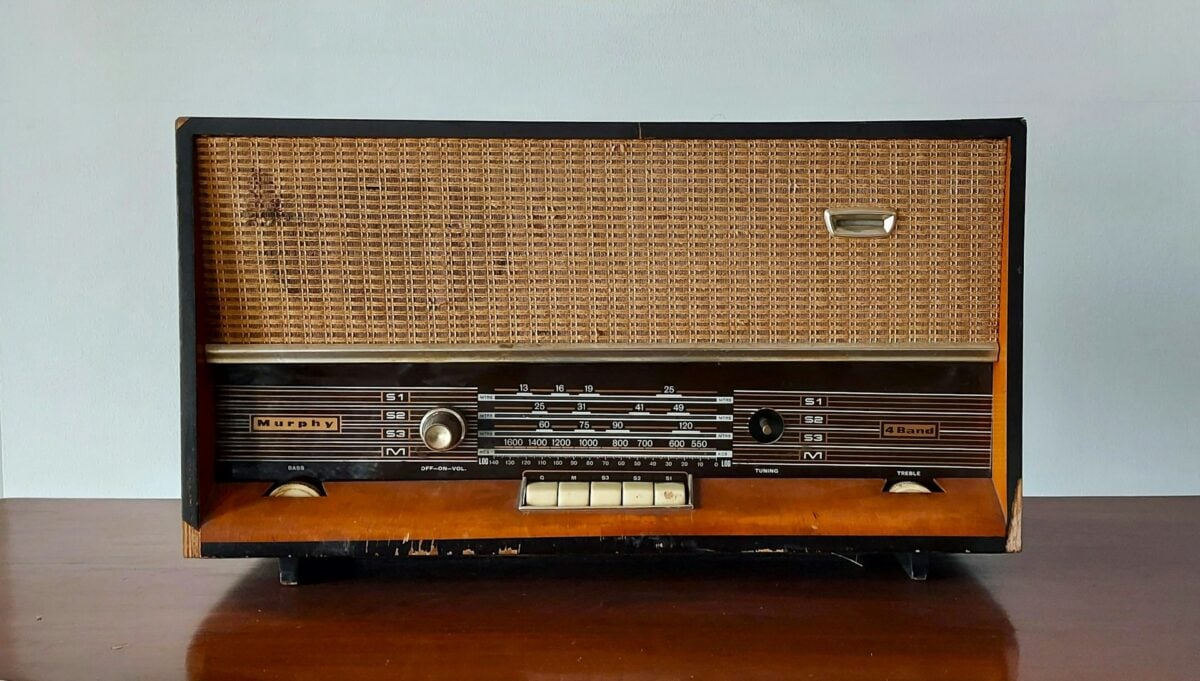
Radio frequency gave way to streaming frequency, and portable radios became obsolete almost by accident (as smartphones started offering music streaming services that provided both better sound quality and infinite variety compared to whatever happened to be broadcasting in your area at any given moment), which meant that the simple pleasure of scanning through radio stations — that random discovery of songs you’d forgotten you liked, or local news that actually mattered to your immediate geographic situation, or those late-night talk shows that felt like secret transmissions from a more interesting universe — got replaced by algorithmic recommendations that were more efficient but somehow less surprising.
But radios had something phones still struggle to replicate: they worked anywhere there was a signal, without requiring data plans or wifi connections or battery management strategies. So when phones took over music consumption, they made the experience more personalized and more convenient, but also more isolated from the broader community of people who happened to be listening to the same thing at the same time.
And that sense of shared cultural experience, of hearing the same song on the same station at the same moment as thousands of other people, became another casualty of technological progress that nobody quite intended to sacrifice.
Landline phones
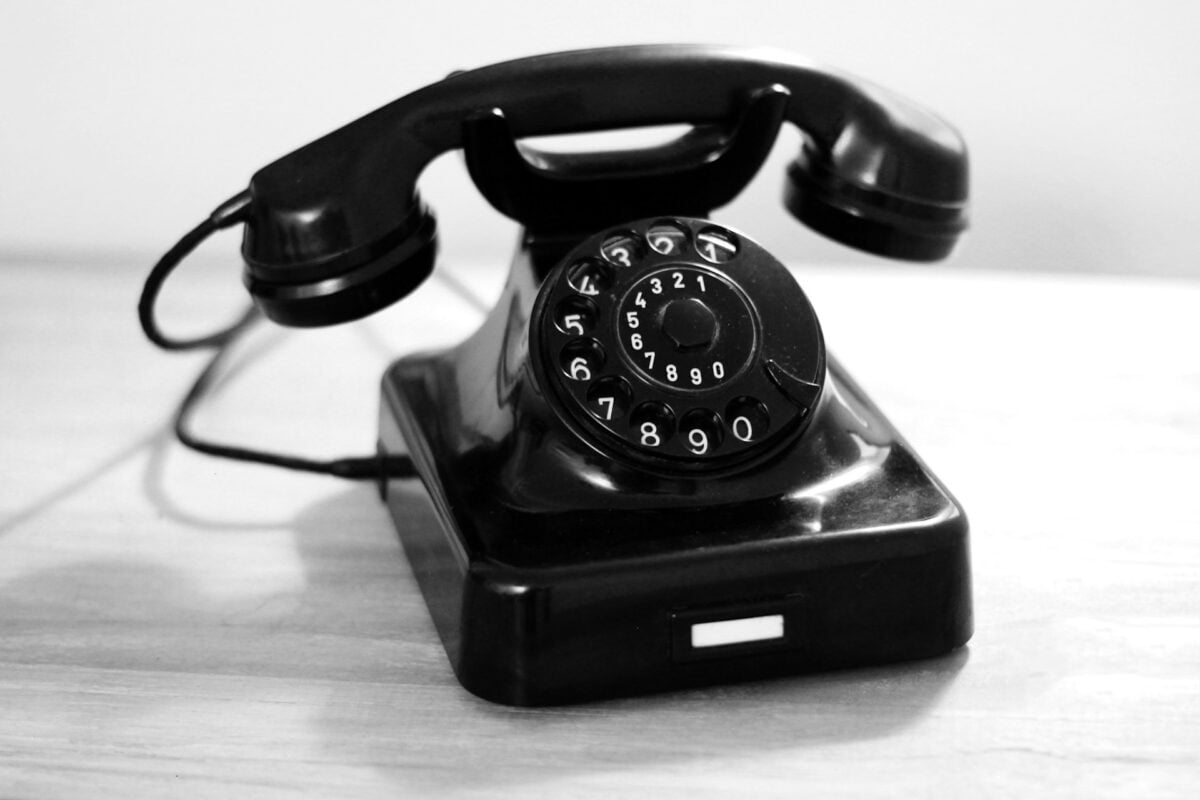
The kitchen wall phone was the communication hub of every house for decades. Smartphones made that central location feel arbitrary and limiting.
Conversations moved from stationary to mobile, from shared family line to individual devices. The landline’s reliability during power outages became less important than the convenience of taking calls anywhere.
Most people kept their landlines longer than they needed them, partly out of habit and partly out of some vague sense that having a backup communication method was probably wise. But the monthly bill eventually outweighed the theoretical benefits, and the landlines got disconnected one household at a time.
Physical books and newspapers
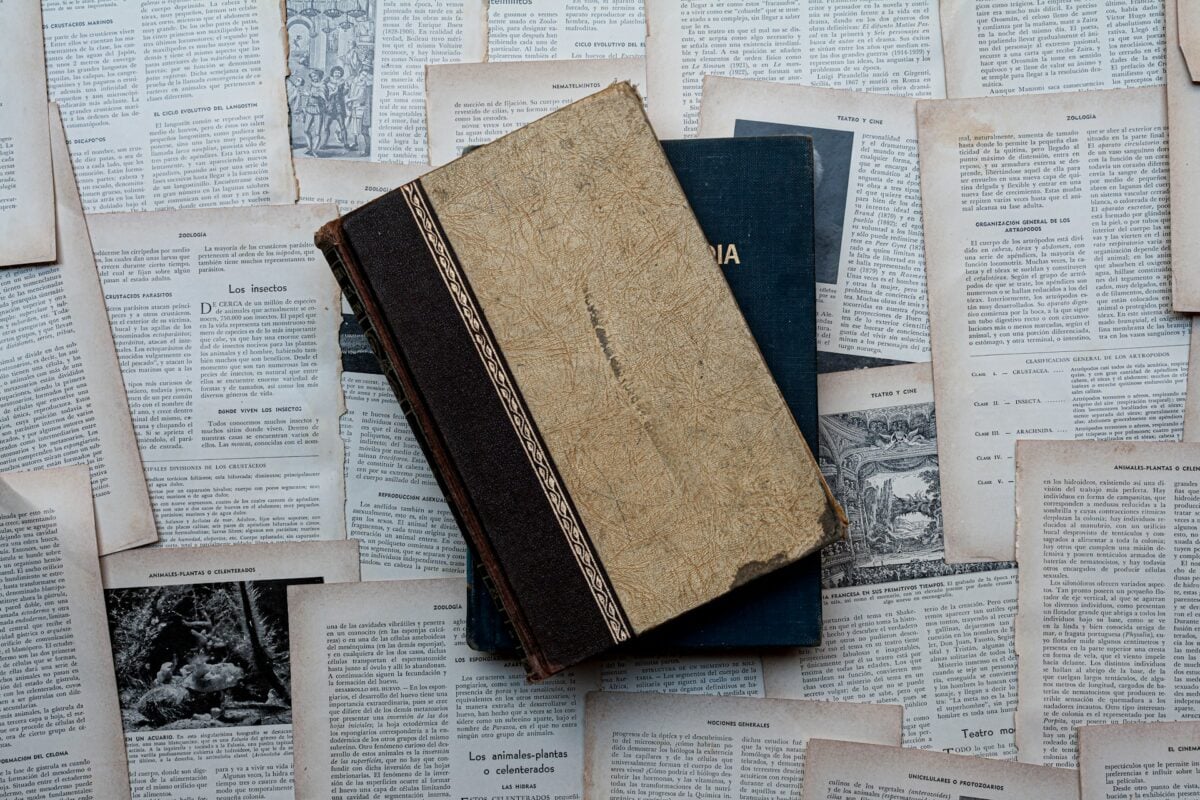
Reading moved from paper to screens gradually, then suddenly. Smartphones made it possible to carry entire libraries and every major newspaper in a device that weighed less than most paperback novels.
The transition wasn’t seamless — reading on small screens required different habits, different postures, different relationships with text. But the convenience of having reading material always available, instantly downloadable, and searchable overcame most of the ergonomic objections.
Bookstores and newspaper stands adapted by focusing on the experience of browsing and discovery that digital platforms couldn’t quite replicate. But for daily reading habits, the phone became the default platform for most people.
Remote controls
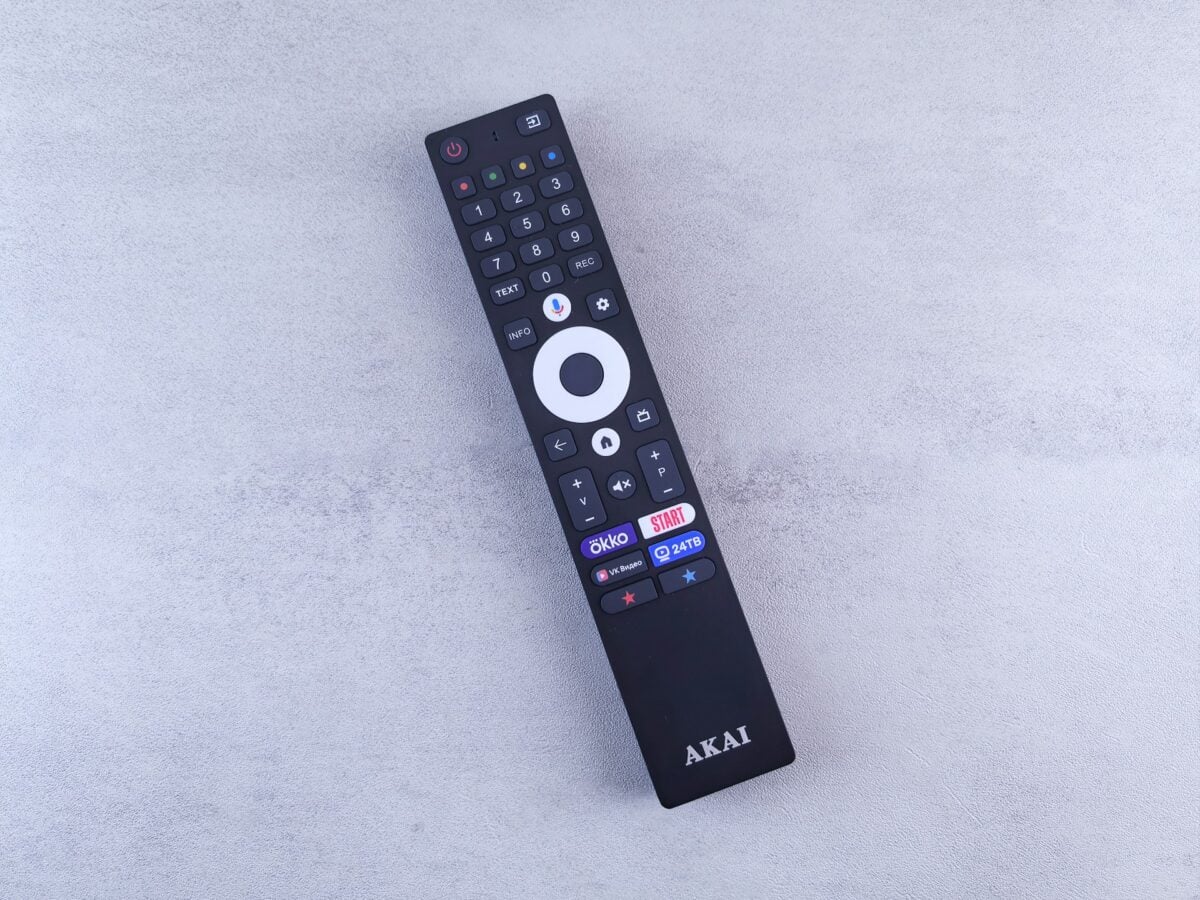
The coffee table used to be remote control storage — a collection of black rectangles with buttons for every entertainment device in the house (and somehow there were always more remotes than devices, as if they reproduced in the dark corners under couch cushions, each one programmed to control something that had been thrown away years ago but whose remote lived on in perpetual confusion). Universal remotes promised to solve the problem by consolidating everything into one device, but they mostly just created new problems about programming and compatibility.
But smartphone apps turned out to be the actual universal remote that everyone had been waiting for. Smart TVs and streaming devices started including dedicated apps that worked better than the physical remotes they replaced.
The phone became the interface for entertainment systems, air conditioners, light bulbs, and eventually anything that could connect to the internet. So the coffee table cleared up, the junk drawer got a little less junky, and everyone stopped losing the remote because the remote was the same device they never lost track of anyway.
Dictionaries and encyclopedias
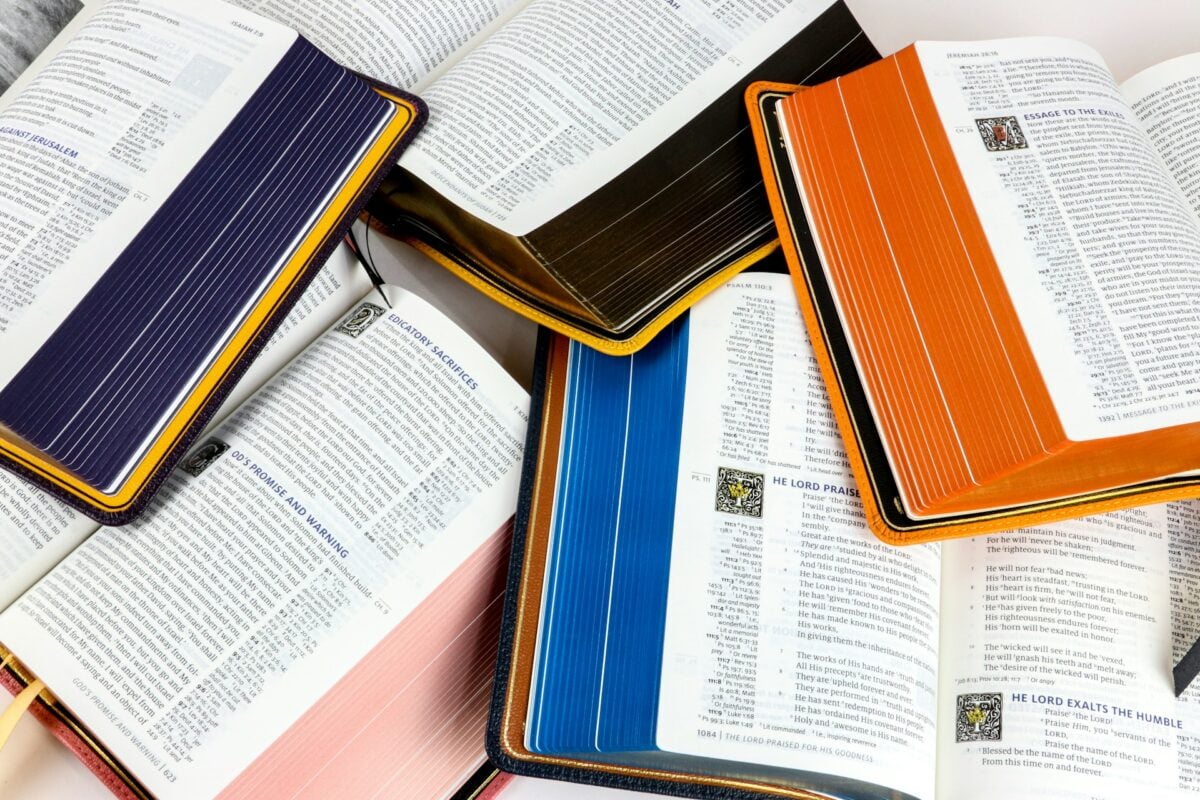
Reference books occupied serious real estate in homes and libraries. Smartphones made that physical storage feel wasteful and inefficient.
Looking up information shifted from a deliberate activity that required getting up and consulting a book to an impulse that could be satisfied in seconds. The depth of information available on phones exceeded what any physical reference collection could contain.
Encyclopedia sets became decorative rather than functional — impressive on shelves but rarely consulted. The smartphone offered more current information, searchable and cross-referenced in ways that physical books couldn’t match.
What remains unchanged
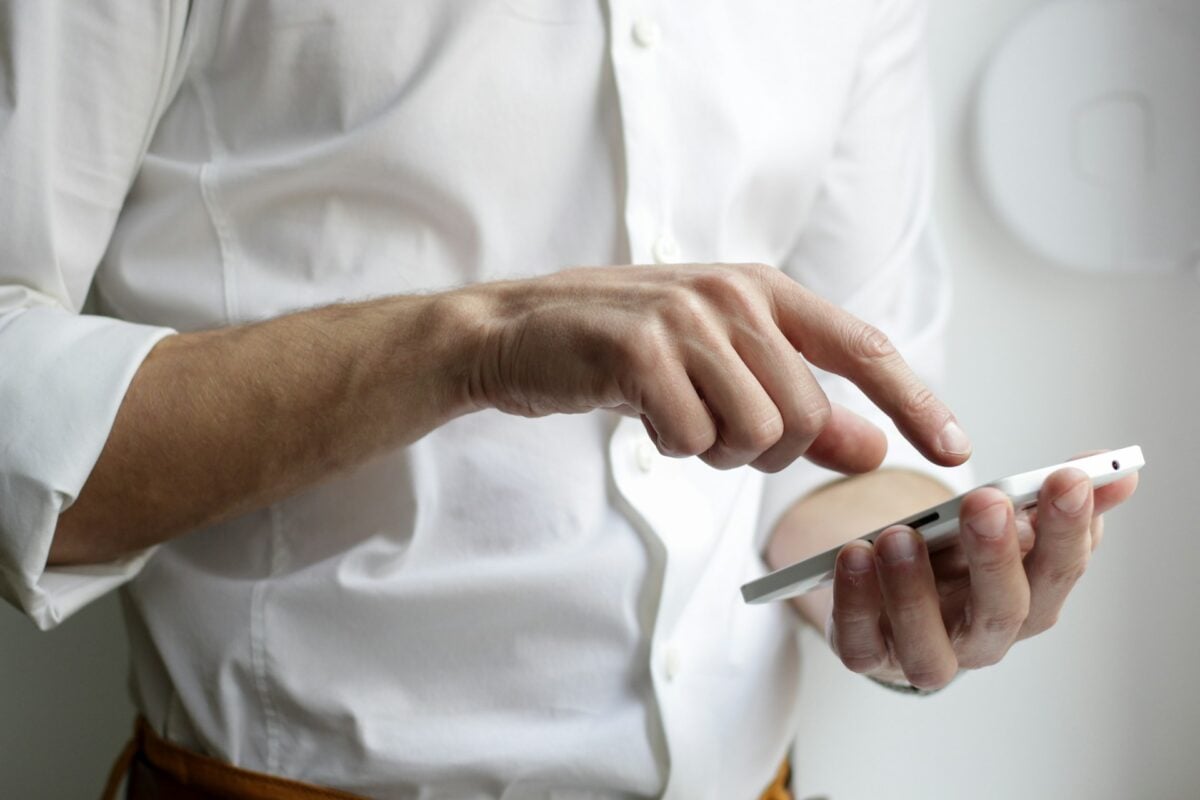
Technology keeps absorbing functions, but some things resist integration. Cash still works when phone batteries die.
Physical keys still open doors during network outages. Paper maps still navigate when GPS signals fail.
The smartphone revolution happened so gradually that most people adapted without noticing what they’d given up along the way. Convenience won almost every battle, and the casualties were devices that served their purpose faithfully until something better came along.
What’s left behind isn’t necessarily worse — just different, and sometimes unexpectedly missed when the power goes out and the battery runs low.
More from Go2Tutors!

- The Romanov Crown Jewels and Their Tragic Fate
- 13 Historical Mysteries That Science Still Can’t Solve
- Famous Hoaxes That Fooled the World for Years
- 15 Child Stars with Tragic Adult Lives
- 16 Famous Jewelry Pieces in History
Like Go2Tutors’s content? Follow us on MSN.