Chefs Sharing Kitchen Disasters
Most people picture pro kitchens as quiet zones of perfect timing, each dish sailing out flawless. Truth is, seasoned cooks stash away their own tales – slips, close calls, messes spilled on hot floors.
You won’t find these stories in shiny recipe books. Still, they carve paths through years just like triumphs do.
Truth spills out when cooks recount bad nights. Not to impress – just what it feels like under heat.
Each calm shift hides moments cracked apart. Mistakes, huge ones, shaped how they move now.
Funny how spills become stories when cooks talk late at night. Mistakes stack up not because someone wasn’t trying, but because heat, speed, and sharp knives leave little room for error.
A dropped tray, a burnt pan – these aren’t failures, just proof the job gets messy. Rush hour chaos turns small slips into full-blown messes fast.
What stays hidden during dinner service comes out later, shared like war tales around back doors. Even skilled hands fumble under pressure.
These slipups show kitchens run on real effort, not perfection.
When Timing Falls Apart
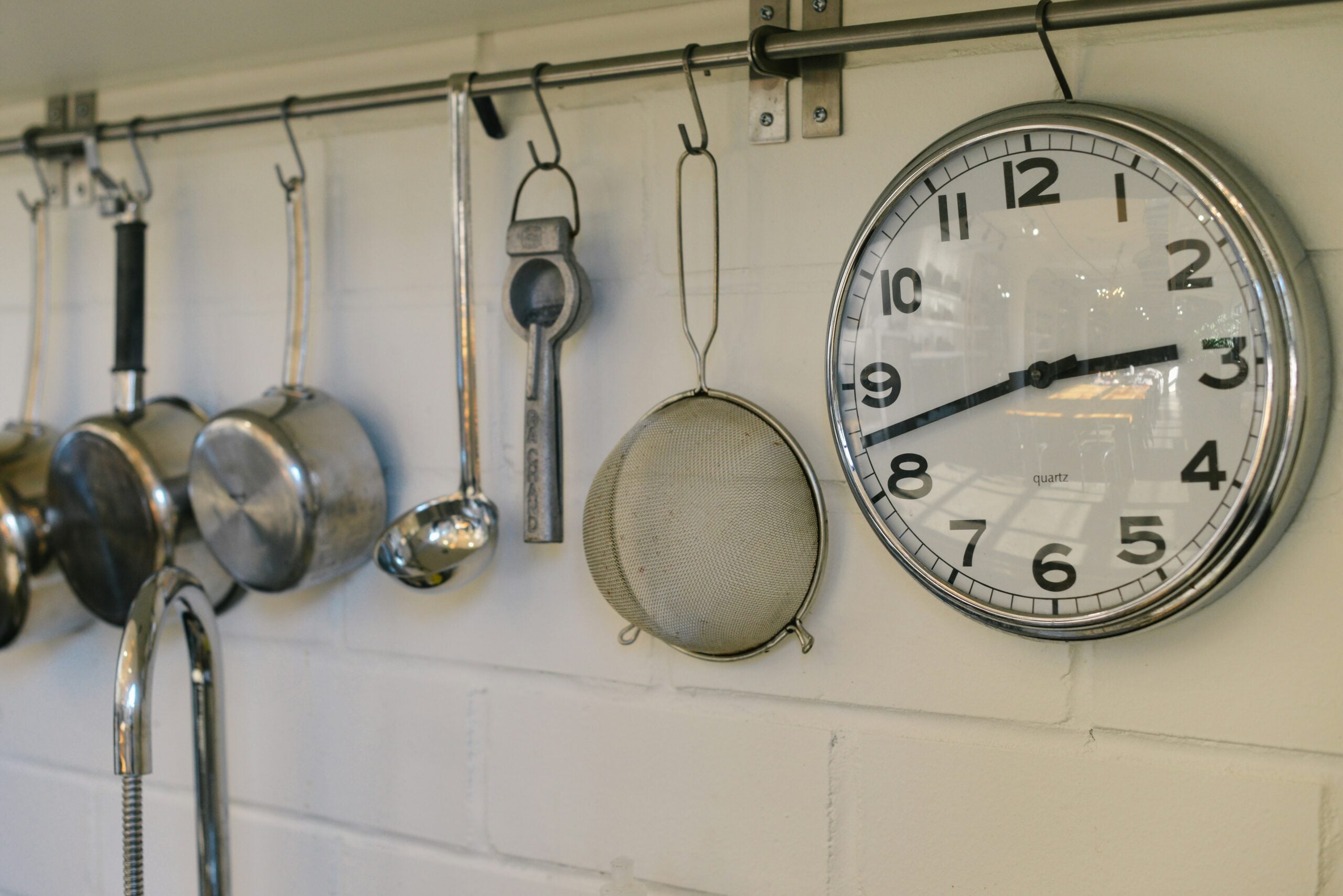
One of the most common disasters chefs describe involves timing. A single misjudgment can throw an entire service off balance.
A roast left in too long, a sauce reduced too far, or a critical component finished too early can force quick, stressful decisions. In busy kitchens, timing depends on coordination between multiple stations.
When one element slips, everything else must adjust. Chefs often recall moments when they realised too late that a dish was unsalvageable and had to be pulled from the menu mid-service.
These experiences tend to sharpen instincts. After a few painful lessons, chefs learn to build buffers into their timing and trust their senses more than the clock.
Equipment Failures at the Worst Moment
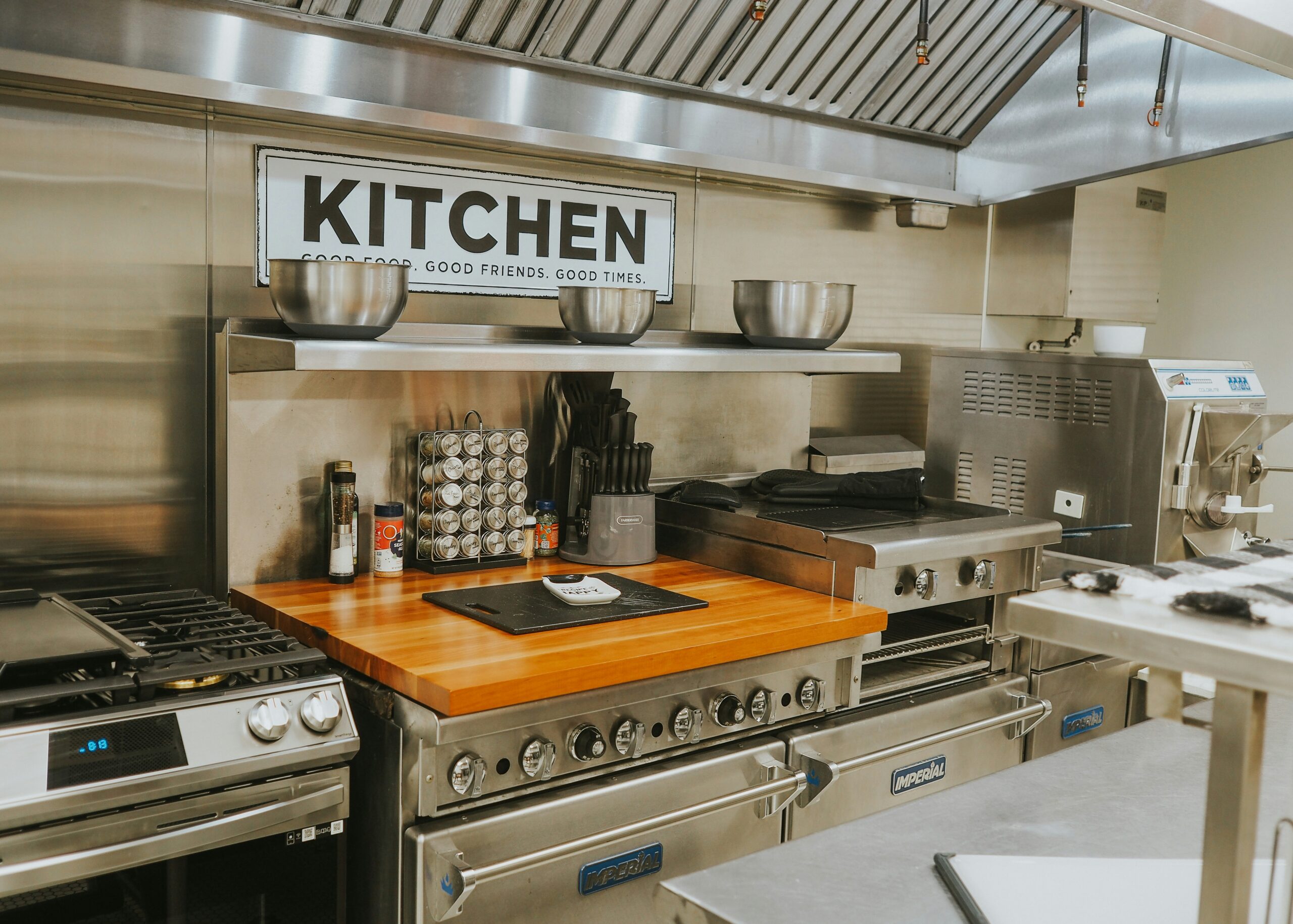
Another frequent theme is equipment failure. Ovens break, refrigerators lose temperature, mixers seize up, and gas lines misbehave, often during peak hours.
When this happens, chefs must improvise immediately or rethink the menu on the fly. Many chefs recall nights when a single piece of equipment going down caused cascading problems.
Prep plans had to be abandoned, cooking methods adjusted, and staff reassigned within minutes. These moments test leadership more than technical skill.
Over time, chefs learn to plan for failure. Backup methods, redundant tools, and contingency menus become part of kitchen culture, shaped by past disasters.
Overconfidence and Costly Assumptions

Some of the most memorable disasters come from overconfidence. Chefs admit to assuming a dish would work without testing, trusting a shortcut, or relying too heavily on experience.
These assumptions can unravel quickly under real service conditions. A new technique that behaved perfectly in practice might fail when scaled up.
An ingredient thought to be forgiving may react badly to heat or time. These moments serve as reminders that cooking remains partly unpredictable.
Chefs often describe these failures as humbling. They reinforce the idea that respect for process matters, no matter how seasoned someone becomes.
Communication Breakdowns
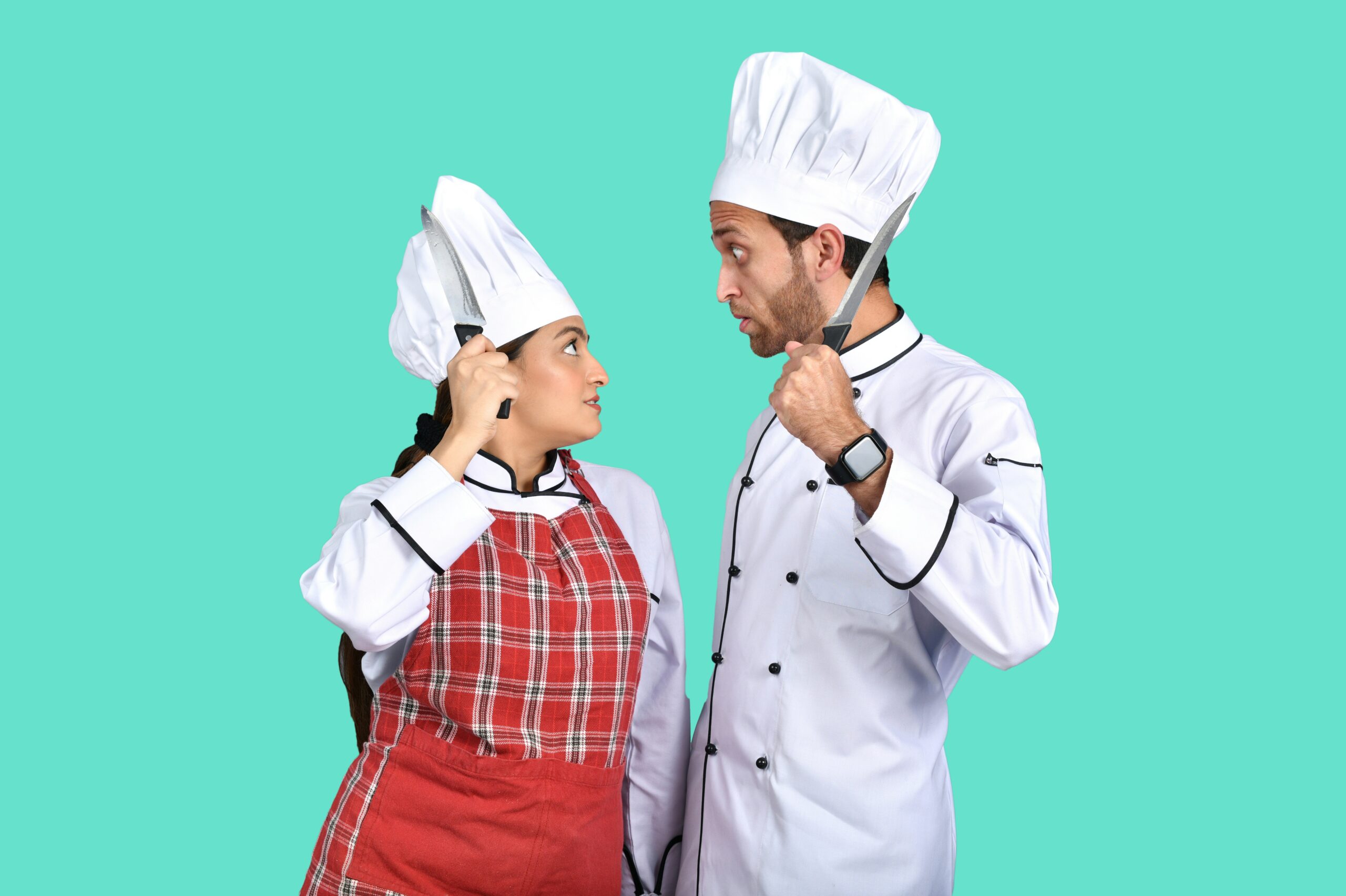
Kitchens depend on clear communication, and when it breaks down, chaos follows. Chefs recount stories of misunderstood instructions, mislabeled containers, or assumptions that someone else handled a task.
A simple miscommunication can lead to entire batches of food being unusable. In some cases, chefs only discover the problem when a plate is ready to go out, leaving no time to recover.
These disasters tend to improve systems. Clear labeling, verbal confirmations, and tighter handovers often emerge after one too many avoidable mistakes.
Ingredient Mishaps and Supply Surprises
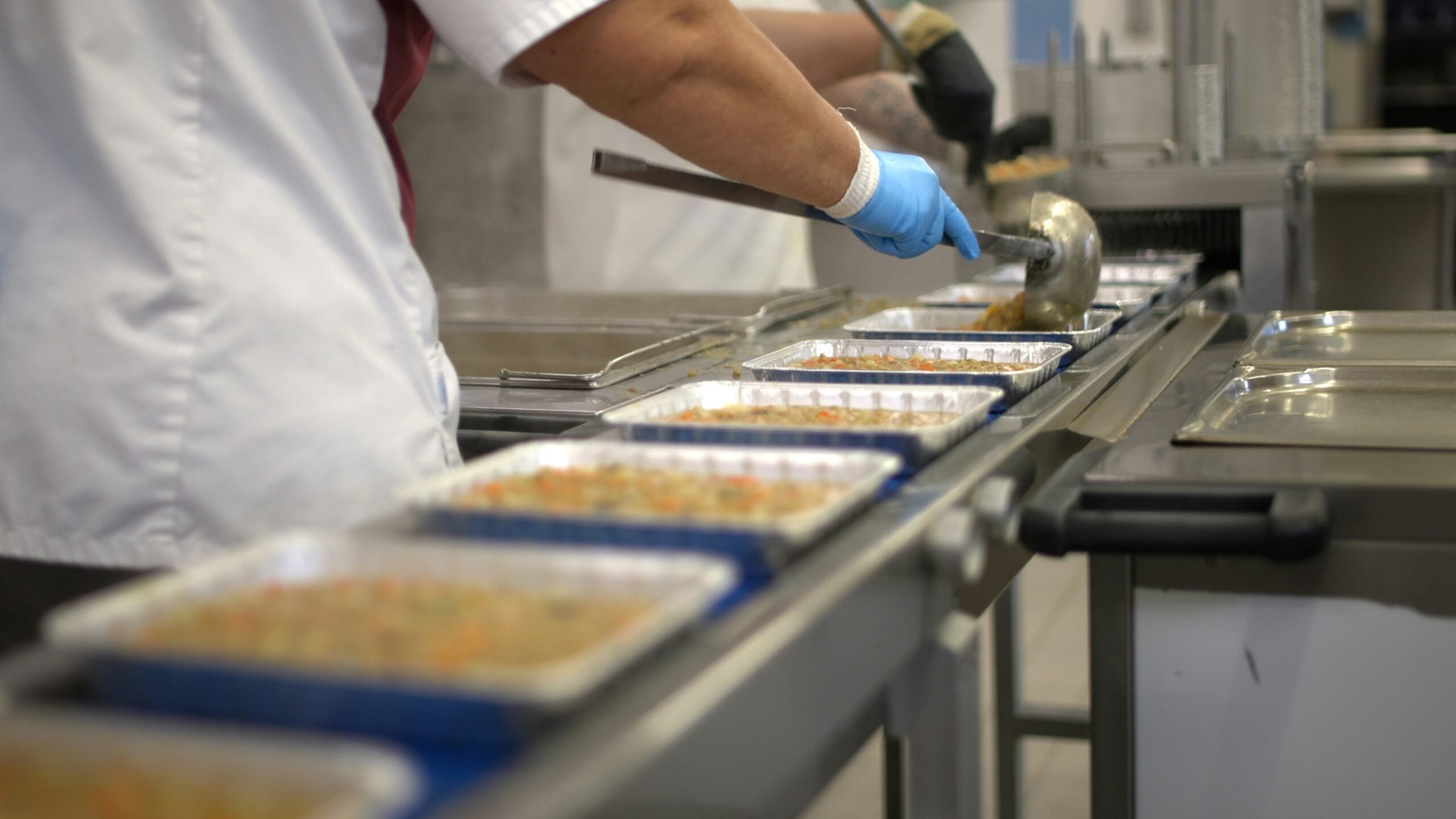
Even the best planning cannot prevent ingredient-related disasters. Deliveries arrive late, wrong items show up, or key components are unavailable without warning.
Chefs often describe scrambling to redesign dishes minutes before service. There are also stories of misjudged substitutions.
An ingredient that seems similar on paper may behave very differently in cooking. Texture, sweetness, or moisture levels can throw off an entire recipe.
These moments highlight adaptability as a core skill. Chefs learn to think in terms of structure and balance rather than fixed recipes, allowing them to pivot when ingredients fail them.
The Pressure of High Expectations
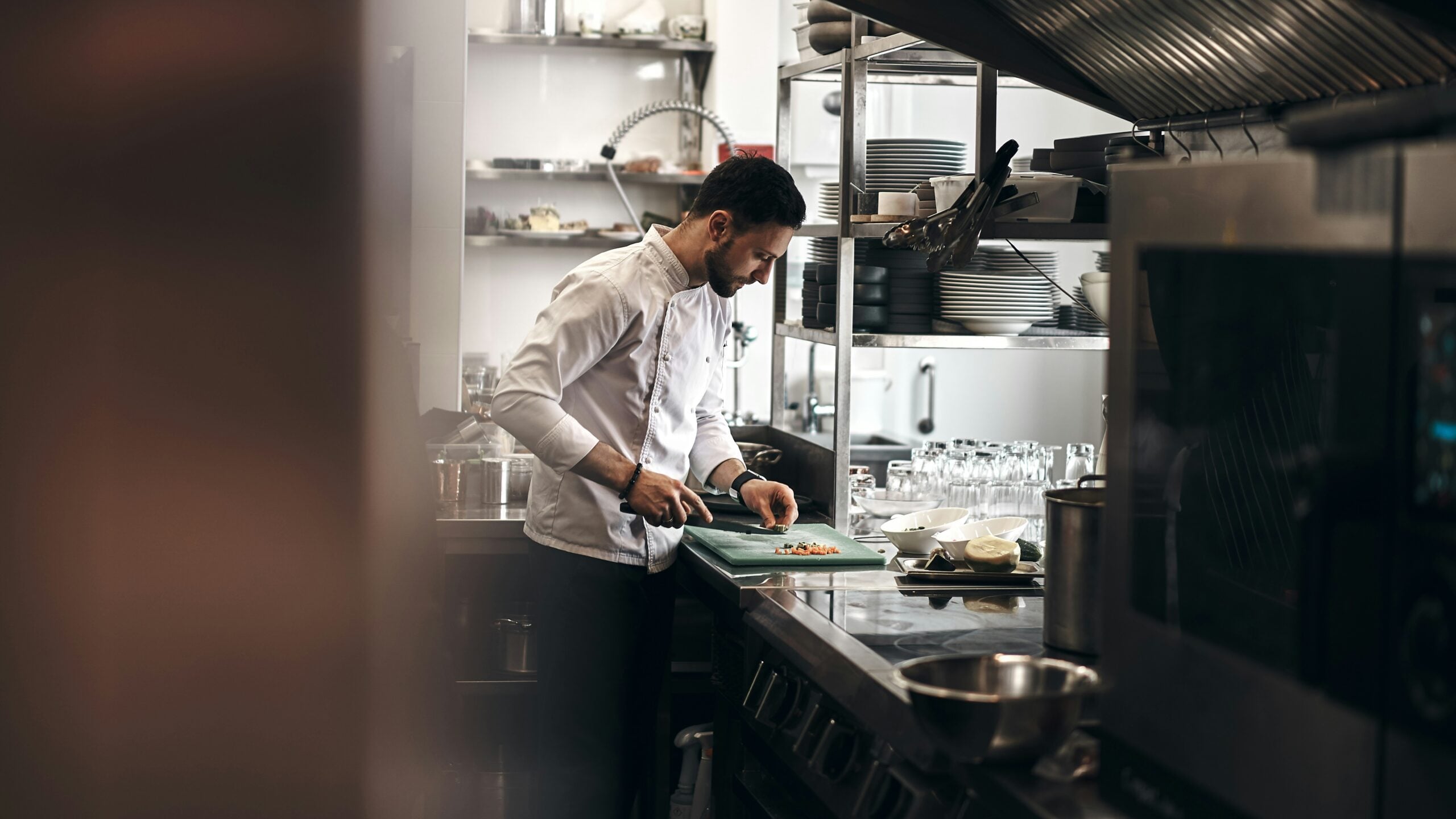
Many kitchen disasters occur under intense external pressure. Important guests, full dining rooms, or critical moments amplify the impact of even small errors.
Chefs recall moments when expectations felt overwhelming and mistakes followed. In these situations, stress itself becomes a contributing factor.
Fine motor control suffers, judgment narrows, and simple tasks become harder. Chefs often note that disasters under pressure teach them how to manage stress rather than eliminate it.
Over time, they learn to slow down mentally, even when everything else is moving fast. This skill often comes directly from past failures.
Learning the Hard Way
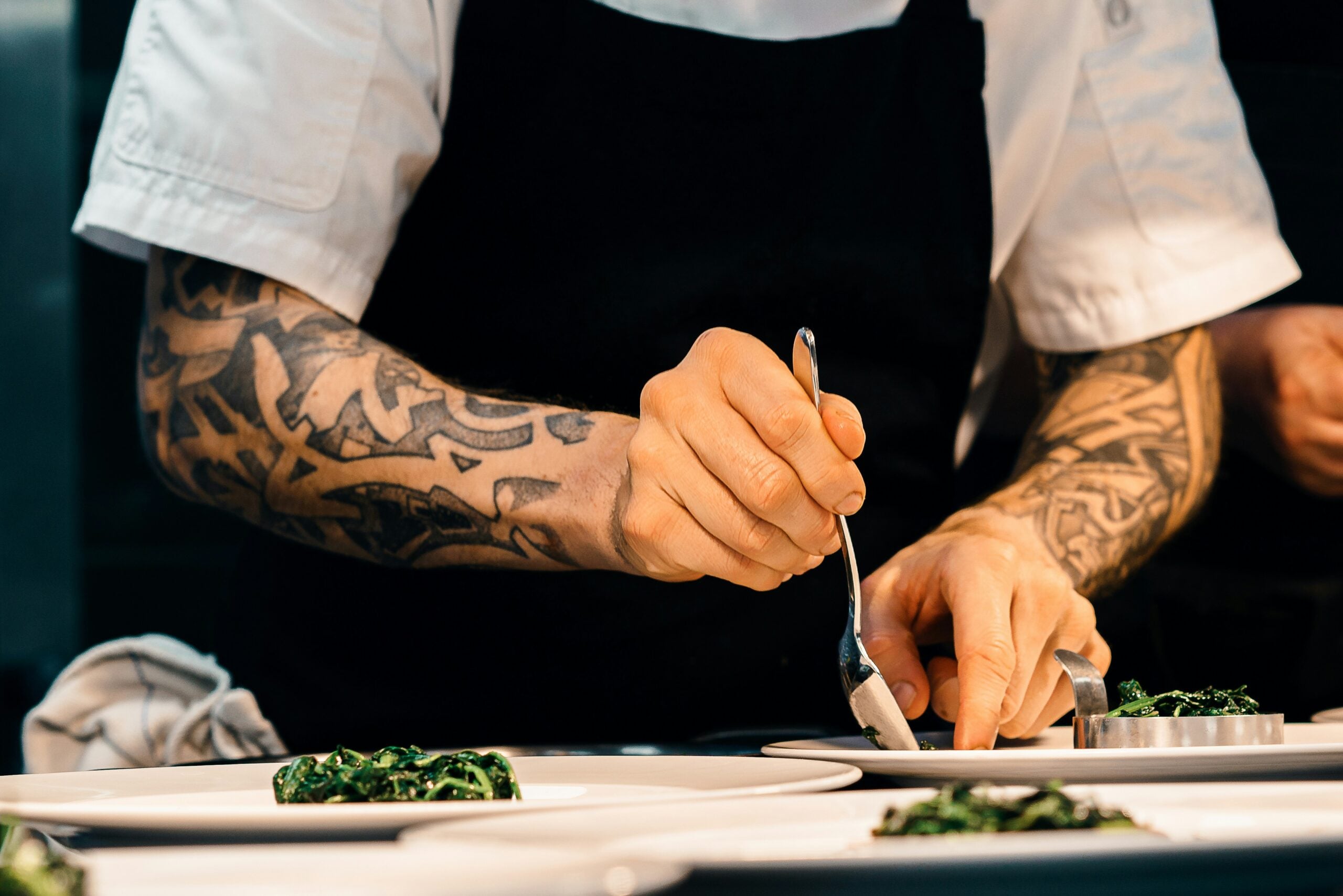
Chefs frequently describe disasters as turning points. A particularly bad service or failed dish can force a reevaluation of habits, systems, or leadership style.
These moments stick because the consequences are immediate and visible. Mistakes in kitchens are rarely abstract.
They involve wasted ingredients, disappointed guests, and frustrated teams. That direct feedback accelerates learning, even when it is uncomfortable.
Many chefs credit their biggest growth to their worst days. Those experiences become reference points that guide future decisions.
Why Chefs Share These Stories
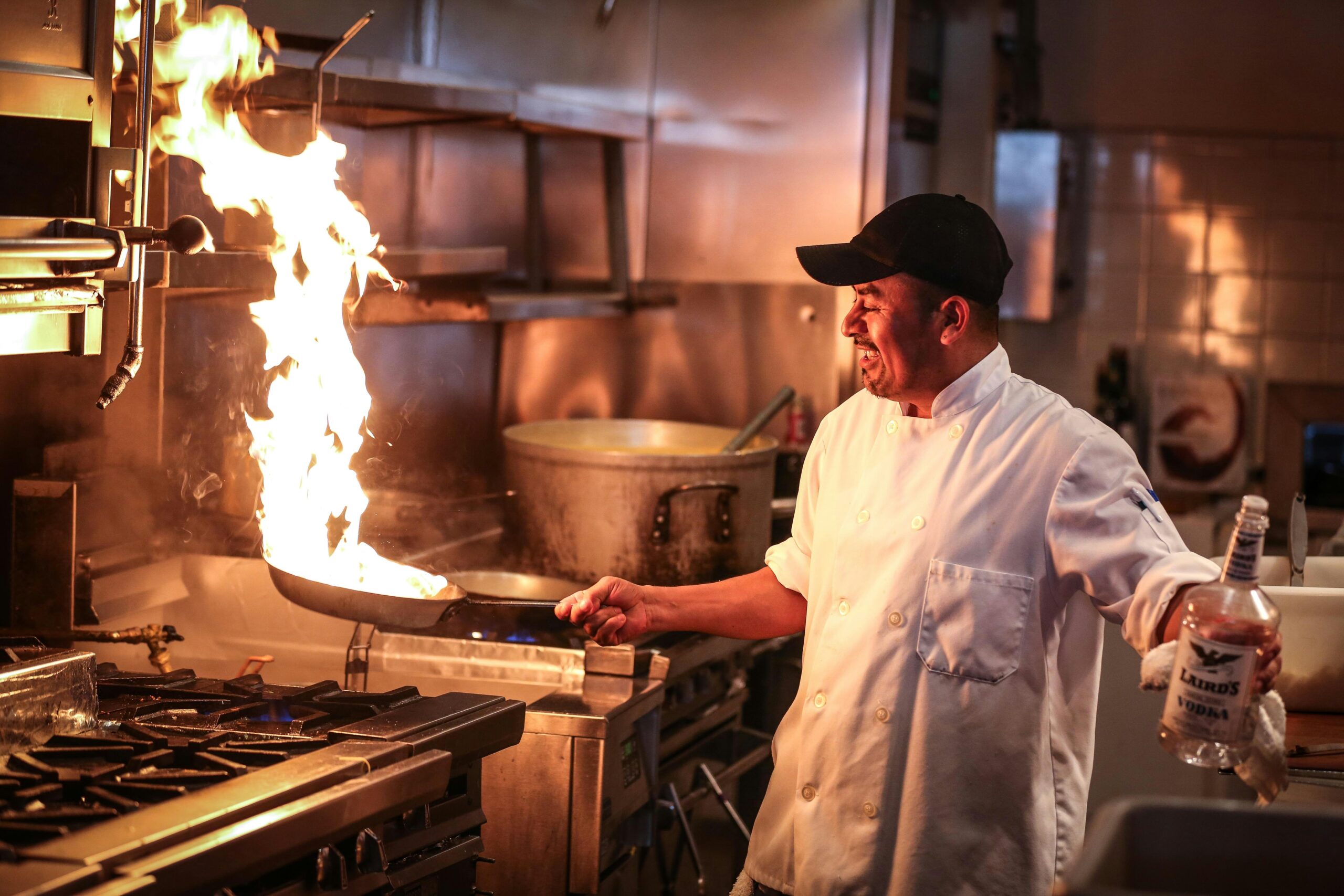
When chefs share kitchen disasters, it is often an act of transparency. It challenges the idea that mastery means perfection.
Instead, it frames expertise as the ability to recover, adapt, and improve. These stories also serve younger cooks.
Hearing that respected professionals once failed badly can make early mistakes feel survivable rather than career-ending. It normalises error as part of development.
Within teams, shared disaster stories build trust. They create space for honesty and reduce fear around admitting mistakes before they escalate.
The Culture of Resilience
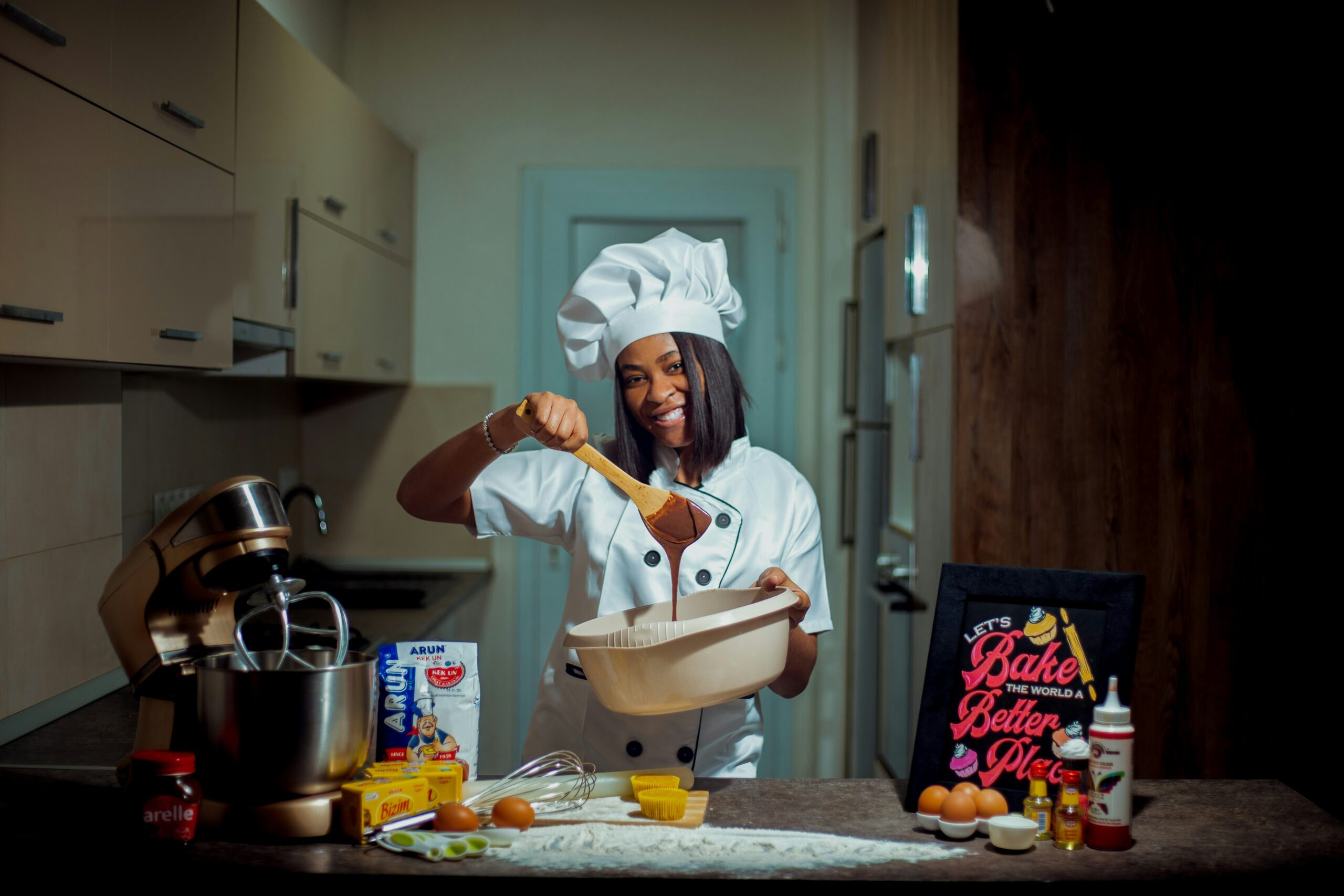
Professional kitchens are built on resilience. Disasters rarely stop service entirely.
Instead, chefs and teams find ways to keep going, even if it means simplifying, adjusting, or apologising. This resilience is learned, not innate.
It grows out of repeated exposure to things going wrong and surviving the aftermath. Chefs often say that confidence comes less from flawless execution and more from knowing they can handle failure.
That mindset shapes kitchen culture. Teams that recover together tend to communicate better and support one another more effectively.
What These Disasters Reveal
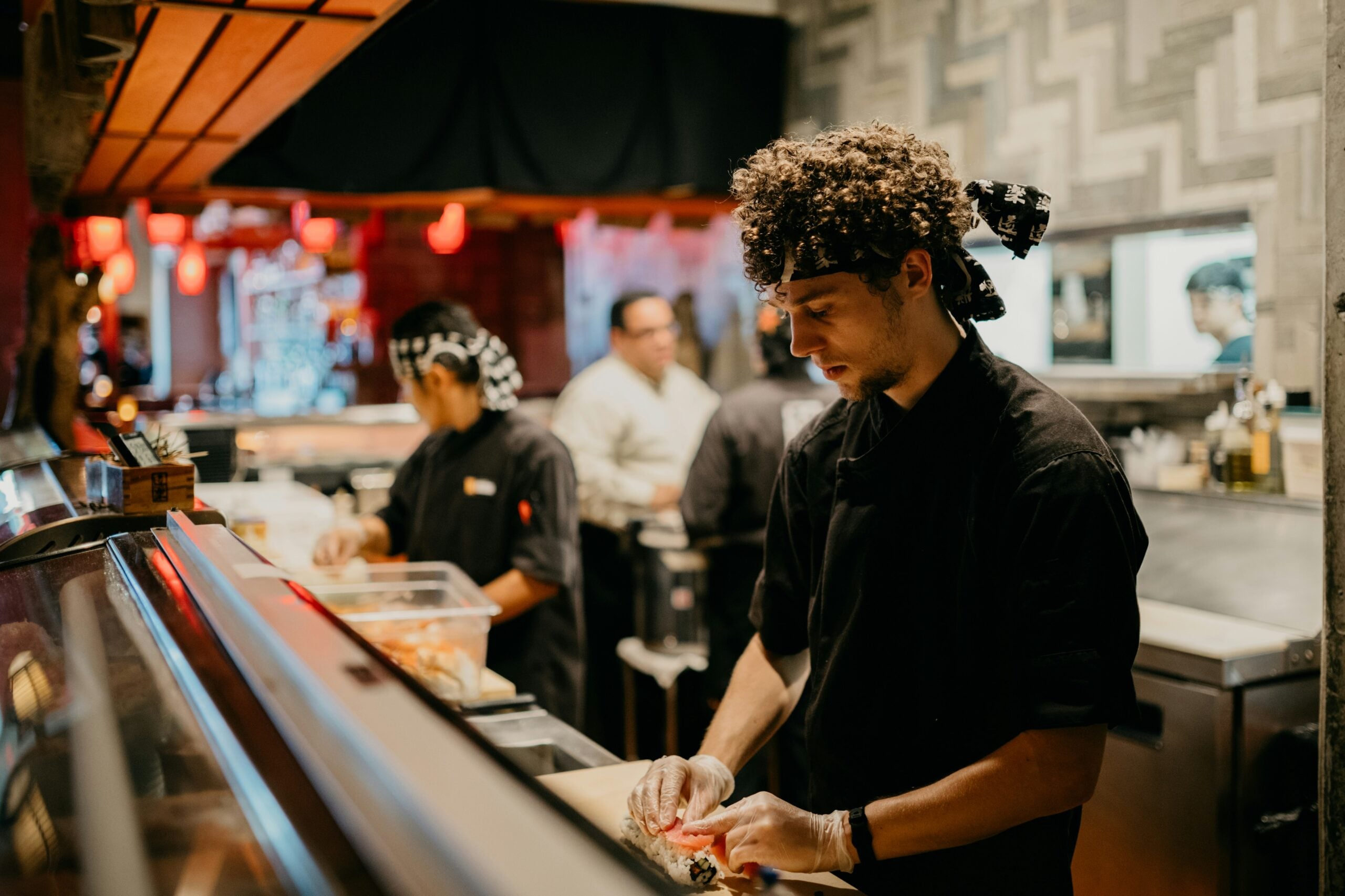
Taken together, these stories reveal a side of cooking that is rarely romanticised. They show kitchens as places of constant problem-solving rather than rigid control.
Skill matters, but adaptability matters more. They also highlight the human element behind every plate.
Fatigue, pressure, misjudgment, and learning all play roles in the final outcome. Recognising this makes professional cooking feel less distant and more relatable.
For diners, these stories add depth to the experience. They remind us that every successful meal is backed by countless lessons learned the hard way.
Why It Still Matters
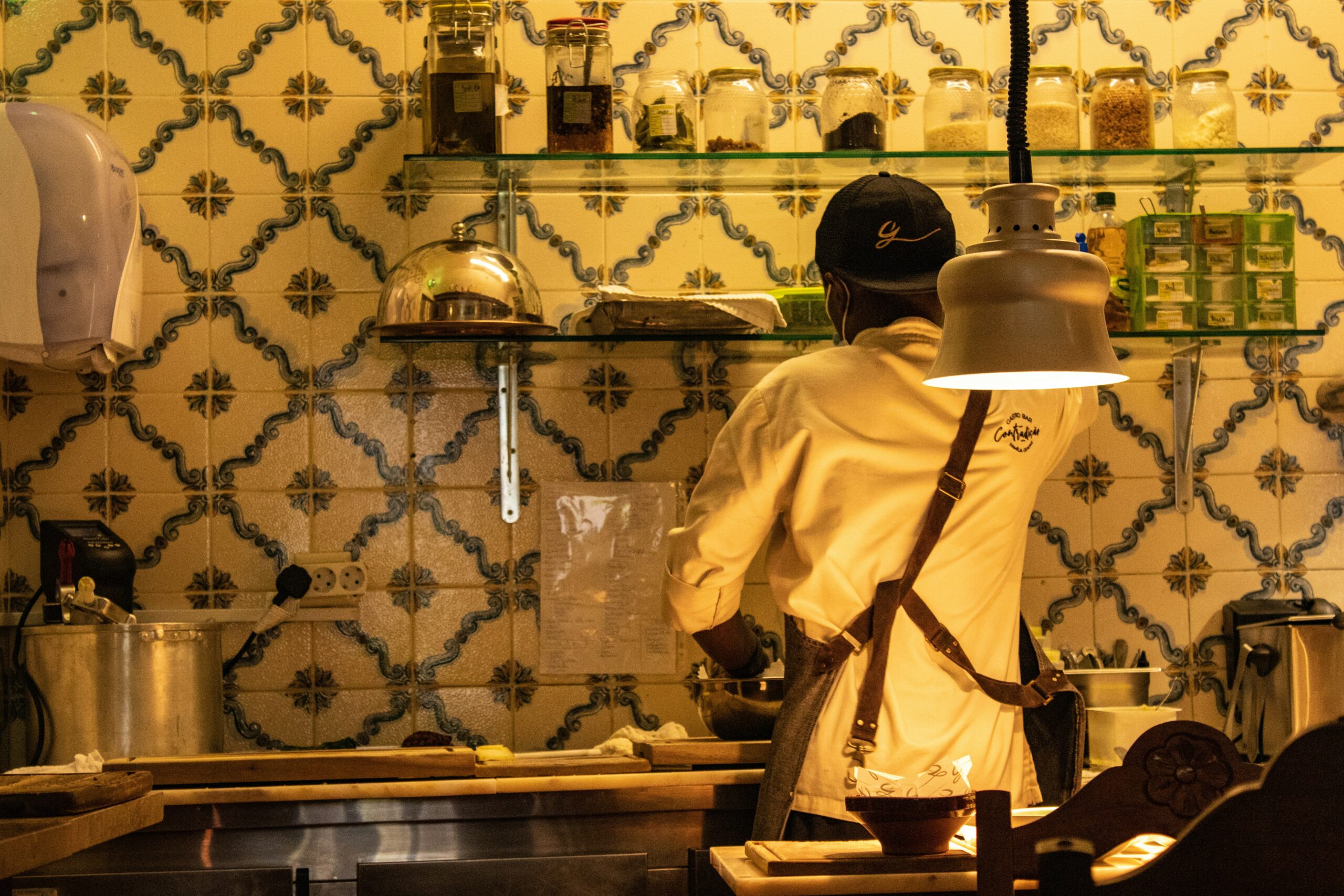
Baking a cake too long? Burning dinner completely?
These slipups happen to everyone who cooks. Real growth shows up when things go wrong, not perfect.
Each error teaches what rules matter most. Tough moments train better decisions later on.
Folks who’ve spent years in kitchens carry lessons you won’t find written down. Warnings, quiet pride, second thoughts – they slip them into tales told over simmering pots.
When every minute pushes you harder, truth like that becomes something solid to hold onto. A quiet kitchen hides stories most never see.
It’s the chaos, not perfection, that shapes a cook over time.
More from Go2Tutors!

- The Romanov Crown Jewels and Their Tragic Fate
- 13 Historical Mysteries That Science Still Can’t Solve
- Famous Hoaxes That Fooled the World for Years
- 15 Child Stars with Tragic Adult Lives
- 16 Famous Jewelry Pieces in History
Like Go2Tutors’s content? Follow us on MSN.