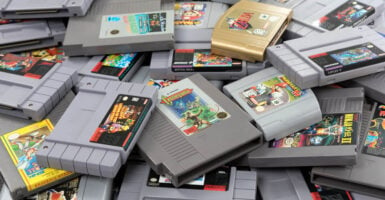
Childhood Toys That Were Secretly Designed With Adult Collectors in Mind
Walk into any toy store today and you’ll notice something curious. The packaging screams “ages 8 and up,” but the price tags suggest otherwise.
That $300 LEGO set isn’t exactly targeting someone’s weekly allowance. The truth is, many of today’s most popular “children’s” toys were designed with a very different customer in mind: adults with disposable income and a willingness to spend serious money on nostalgia.
The toy industry discovered something powerful decades ago. Adults who grew up with certain toys never really stopped wanting them.
They just developed better taste and deeper wallets. So toy companies began crafting products that could capture a child’s imagination while satisfying an adult’s desire for quality, complexity, and collectibility.
The result is a fascinating world where childhood wonder meets sophisticated design and premium pricing.
LEGO Architecture And Creator Expert Series
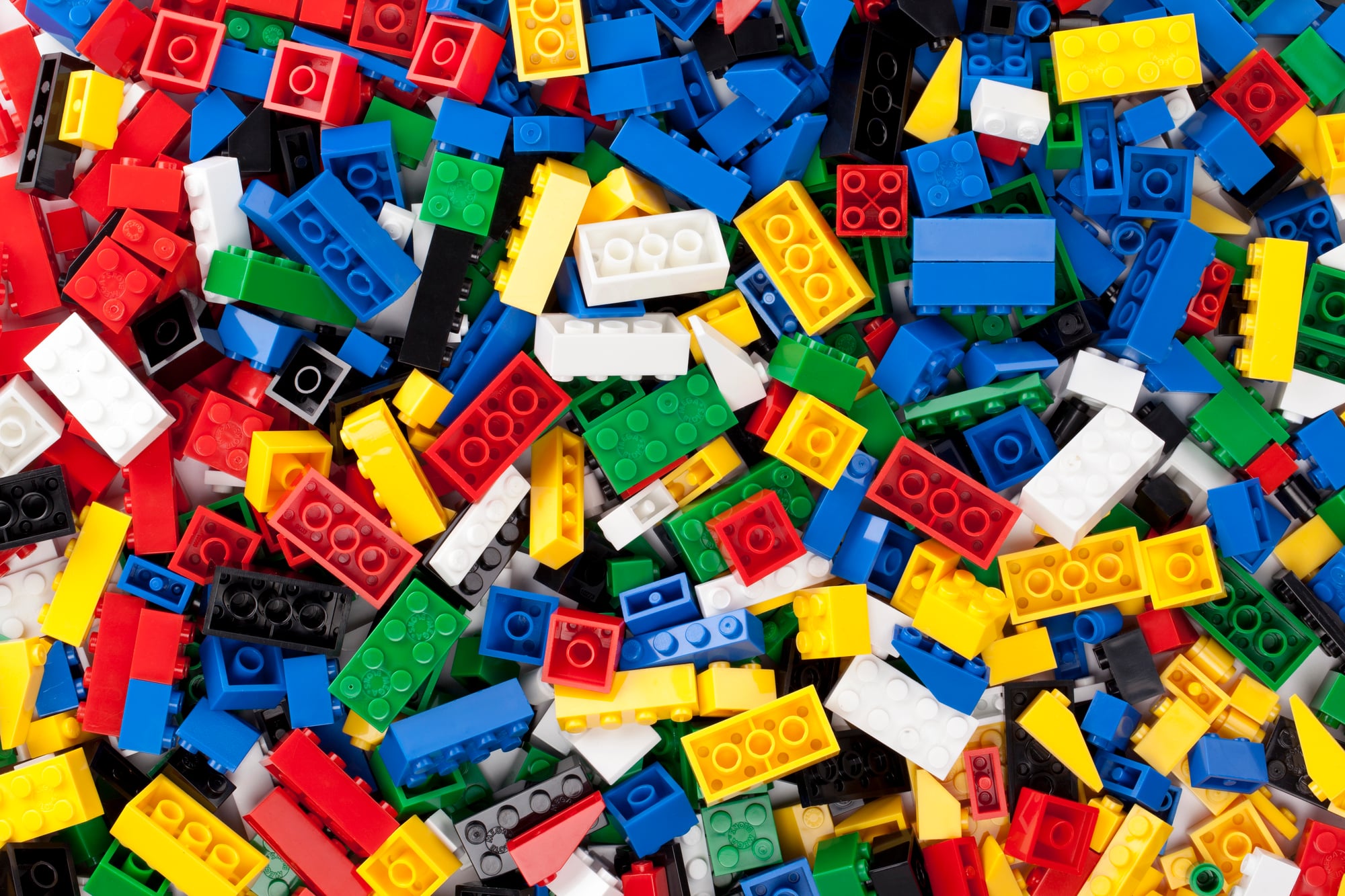
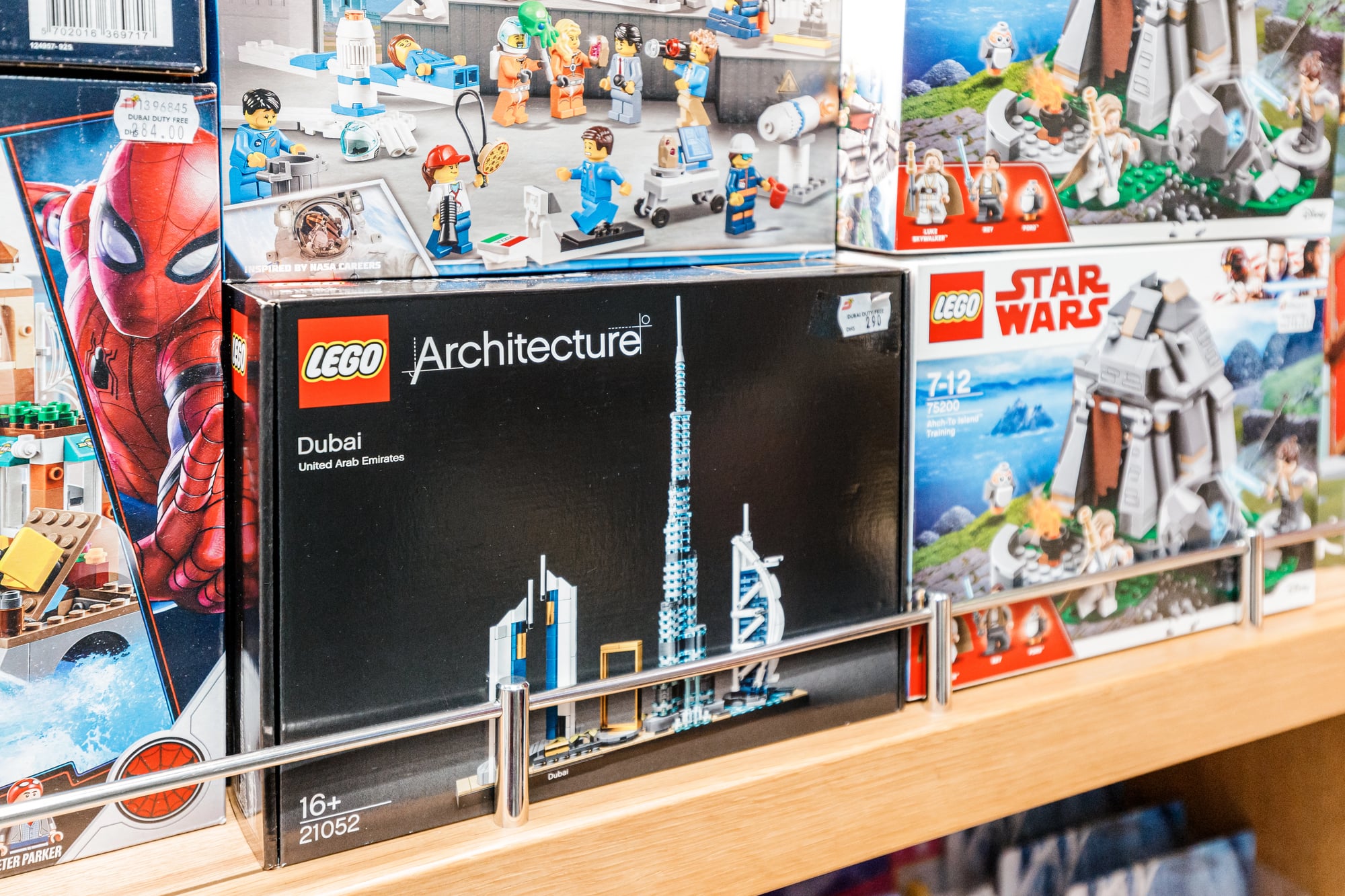
LEGO stopped pretending these sets were for kids years ago. The Architecture series features landmarks like the Statue of Liberty and Fallingwater.
The Creator Expert line includes a $800 Millennium Falcon with over 7,500 pieces. These aren’t toys.
They’re display pieces that happen to use plastic bricks. The instruction manuals read like coffee table books, complete with historical background and designer interviews.
Hot Wheels Premium Lines
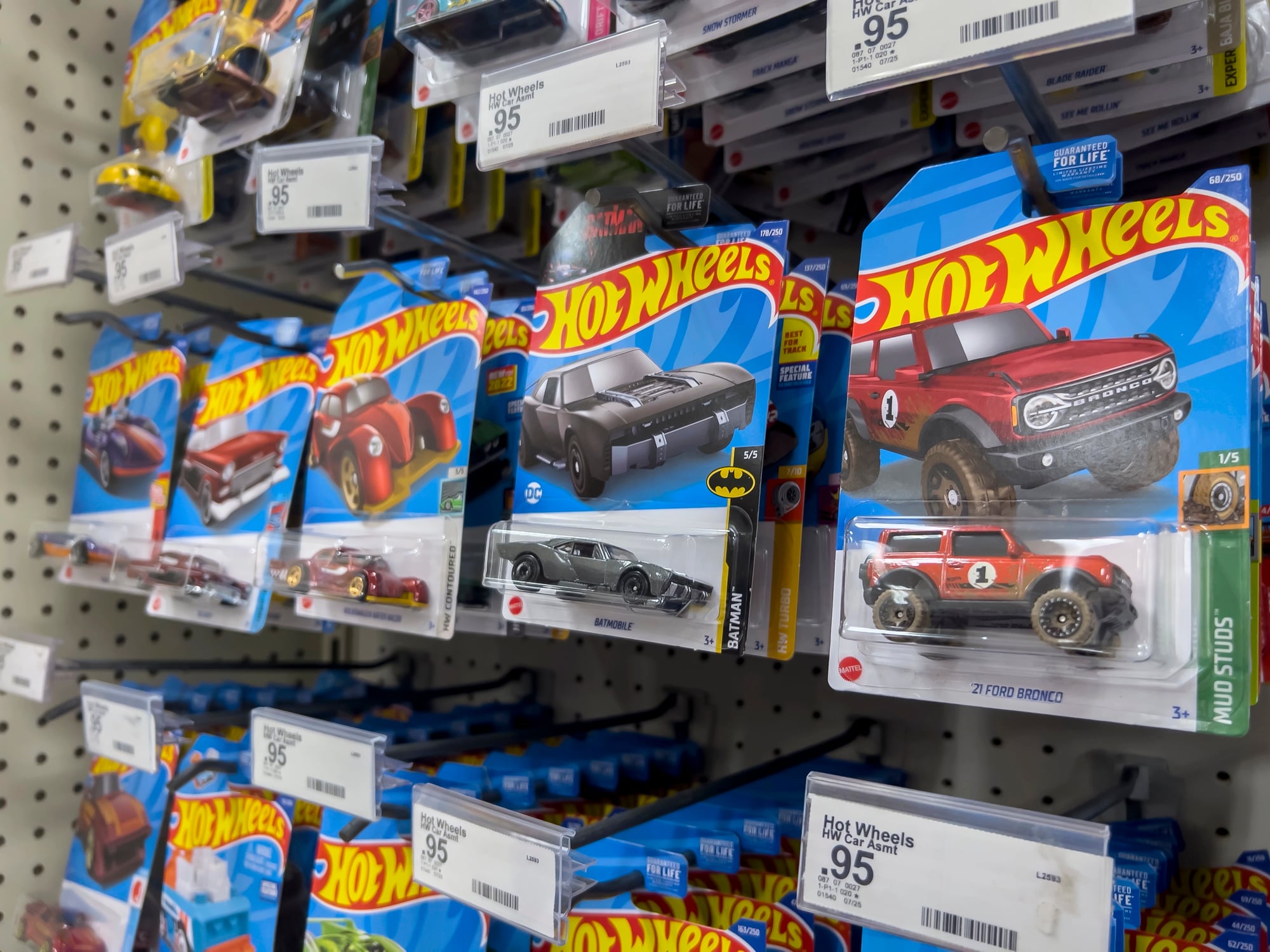
Hot Wheels figured out that the same adults buying basic cars for their kids would pay twenty times more for premium versions. The Red Line Club and Car Culture series feature detailed die-cast models with rubber tires and opening parts.
The regular Hot Wheels car costs a dollar. The premium versions start at fifteen and climb from there.
Same basic concept, completely different execution. Adult collectors get the craftsmanship they want, kids get the affordable version that can actually be played with and destroyed.
Transformers Masterpiece Collection
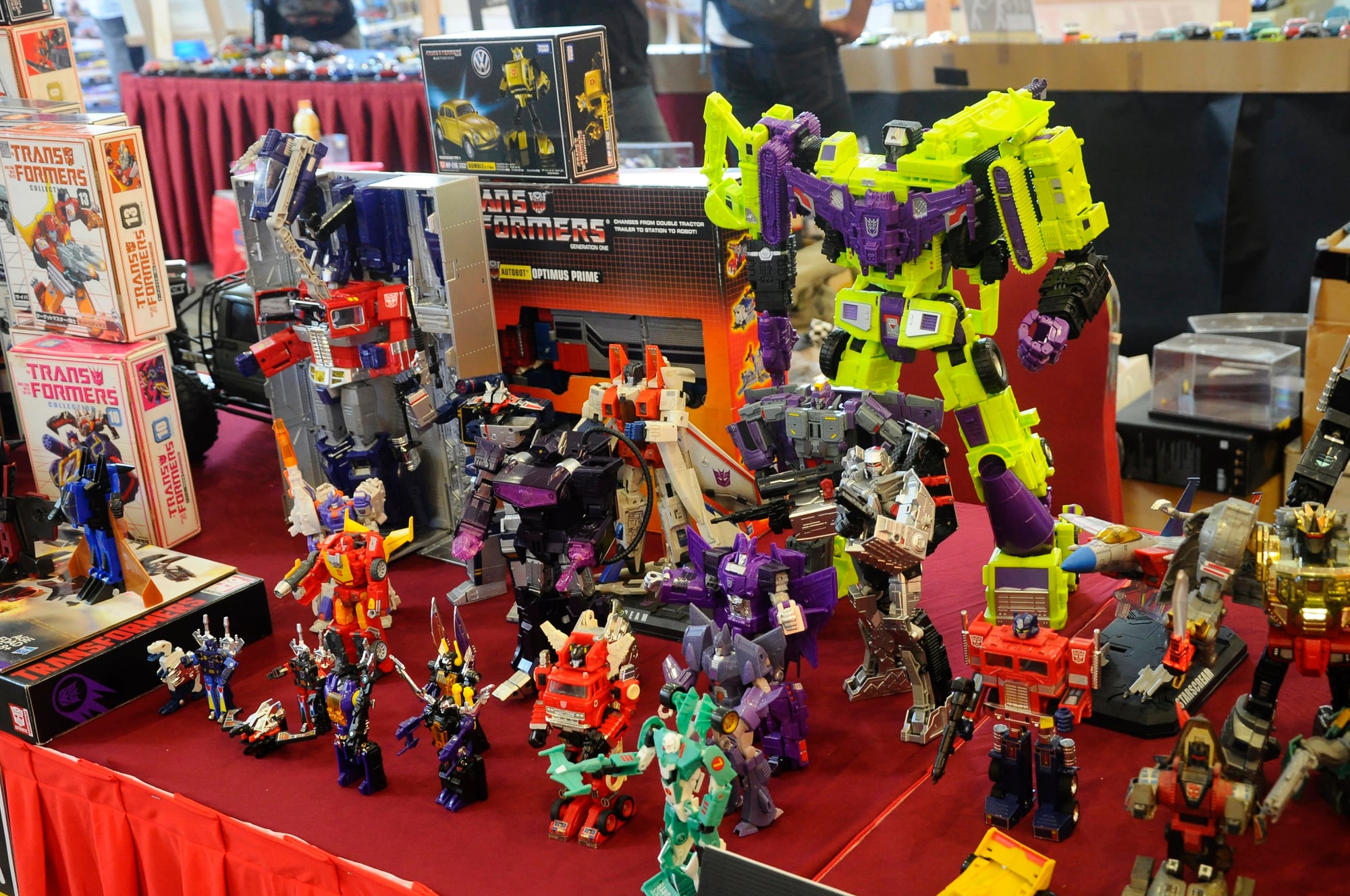
There’s something almost philosophical about the Masterpiece Transformers line — these figures transform not just from robot to vehicle, but from toy to art piece, from childhood memory to adult obsession. The original Transformers toys from the 1980s were, if someone’s being honest about it, pretty terrible: flimsy plastic that broke easily, transformations that required the engineering skills of a NASA technician, and proportions that made the robots look like they’d been designed by someone who’d never seen the cartoon.
But children loved them anyway (because children are remarkably forgiving when something captures their imagination), and those children grew up carrying a deep affection for robots that could disguise themselves as everyday objects. So Takara Tomy created the Masterpiece line — Transformers toys that actually look like the characters from the show, with smooth transformations and premium materials that won’t snap the first time someone tries to convert Optimus Prime back into a truck.
These figures cost ten times what the originals did, but they deliver on the promise those earlier toys made and couldn’t quite keep. The boxes even include collector-friendly packaging that opens without destroying anything, because adults understand the importance of keeping things pristine.
Funko Pop Figures
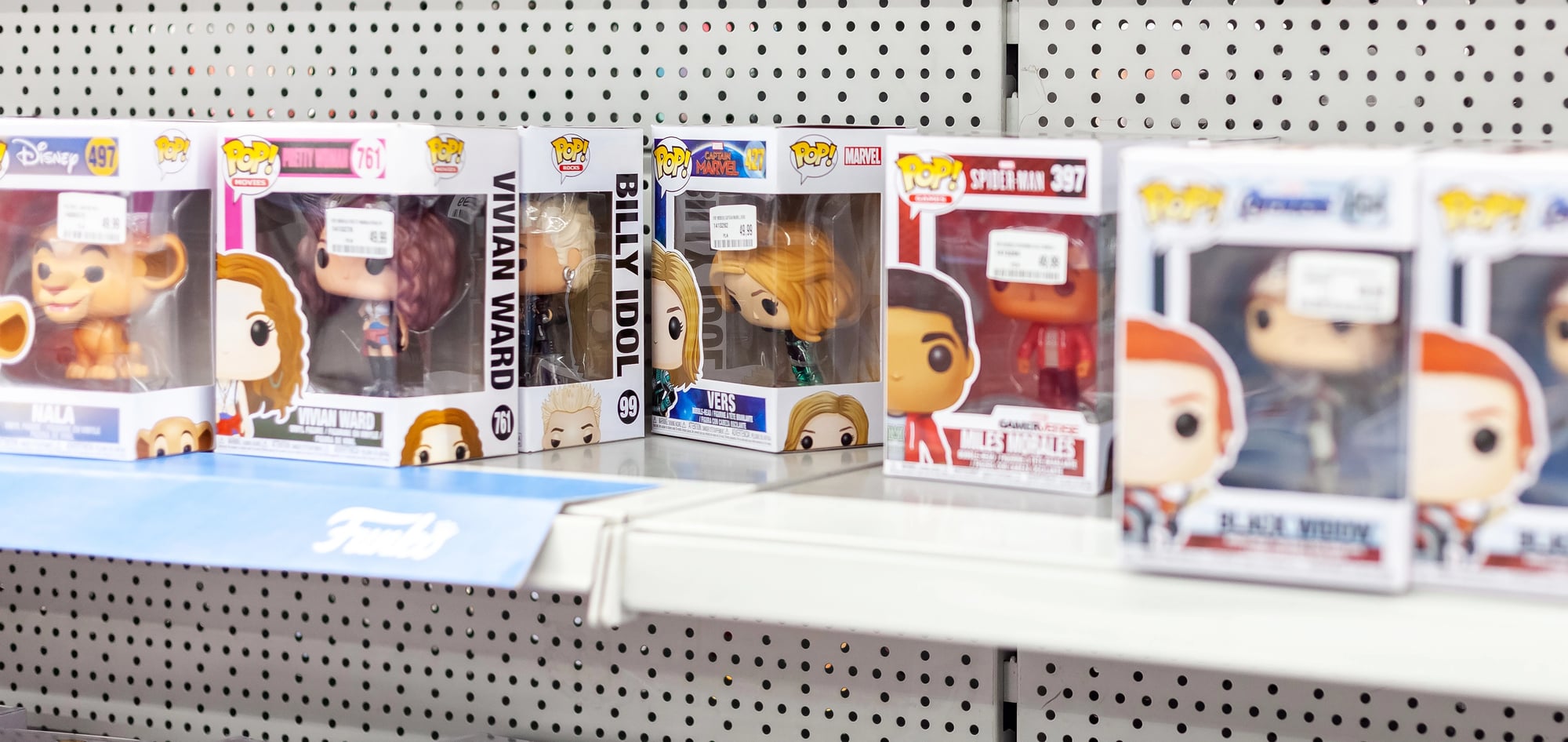
Funko Pop figures are the fidget spinners of collectibles: simple, mass-produced, and somehow irresistible to vast numbers of people who should probably know better. The design is deliberately crude — oversized heads on tiny bodies, minimal detail, expression reduced to basic shapes — yet this aesthetic choice was brilliant rather than lazy.
By stripping characters down to their most essential visual elements, Funko created figures that work for everyone from Batman to Bob Ross, from Star Wars to The Office. The real genius lies in the business model.
Each figure costs around ten dollars, cheap enough to buy impulsively but expensive enough to add up quickly. Limited editions create artificial scarcity.
Exclusive variants reward dedicated hunting. Before long, casual buyers become serious collectors, and serious collectors become people who dedicate entire rooms to displaying hundreds of vinyl figures.
The simplicity that initially seems like a bug turns out to be the feature — when every character gets the same basic treatment, completionist tendencies kick in.
Premium Action Figure Lines
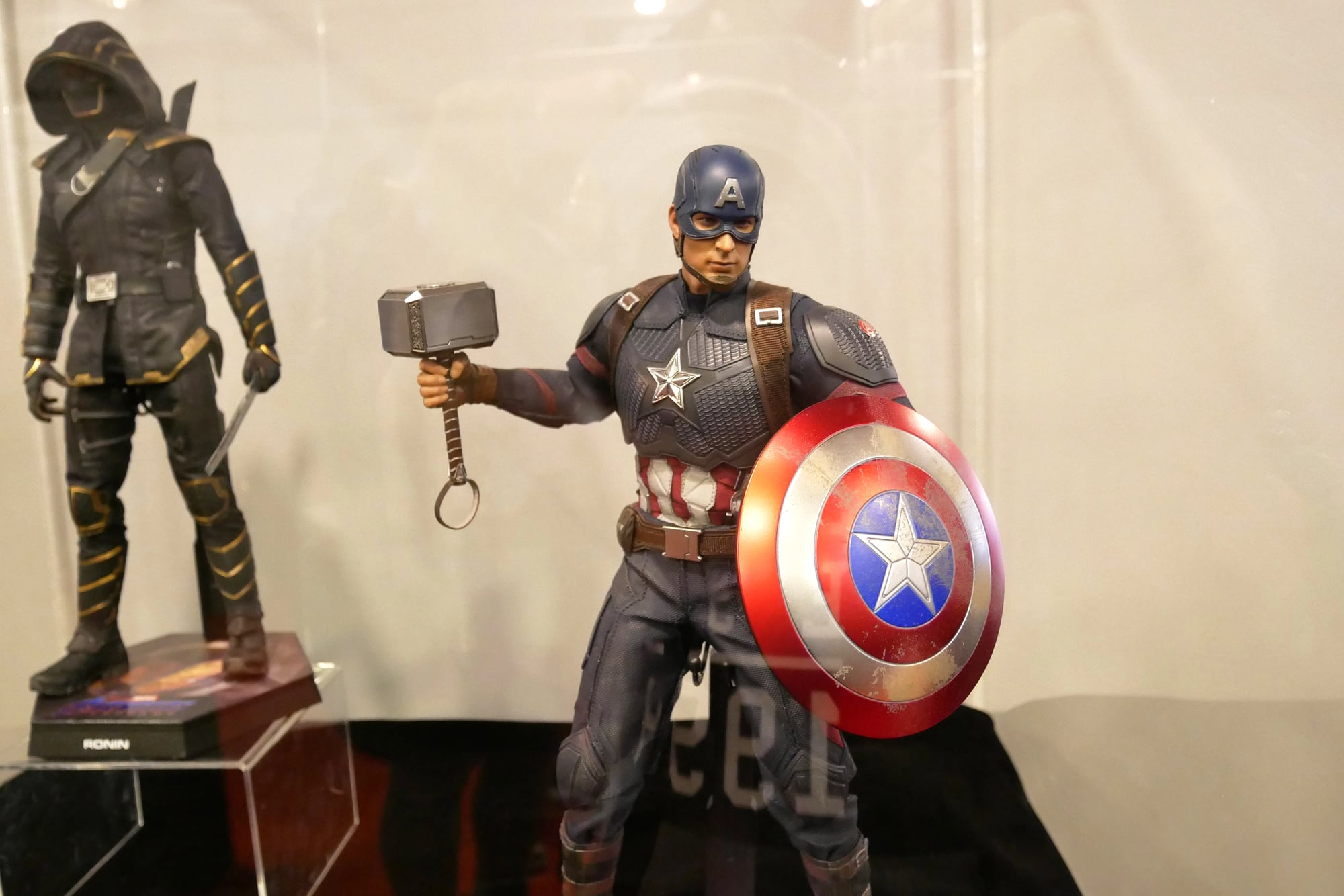
High-end action figure companies dropped any pretense about targeting children. Figures from Hot Toys, Sideshow Collectibles, and Prime 1 Studio cost between $200 and $2,000.
These aren’t toys that survive playground battles. The figures feature movie-accurate costumes, multiple interchangeable heads, and articulation so precise that posing becomes an art form.
Limited production runs ensure that popular figures appreciate in value. Some collectors treat these purchases as investments, which says everything about how far the action figure market has traveled from its origins.
Retro Gaming Consoles
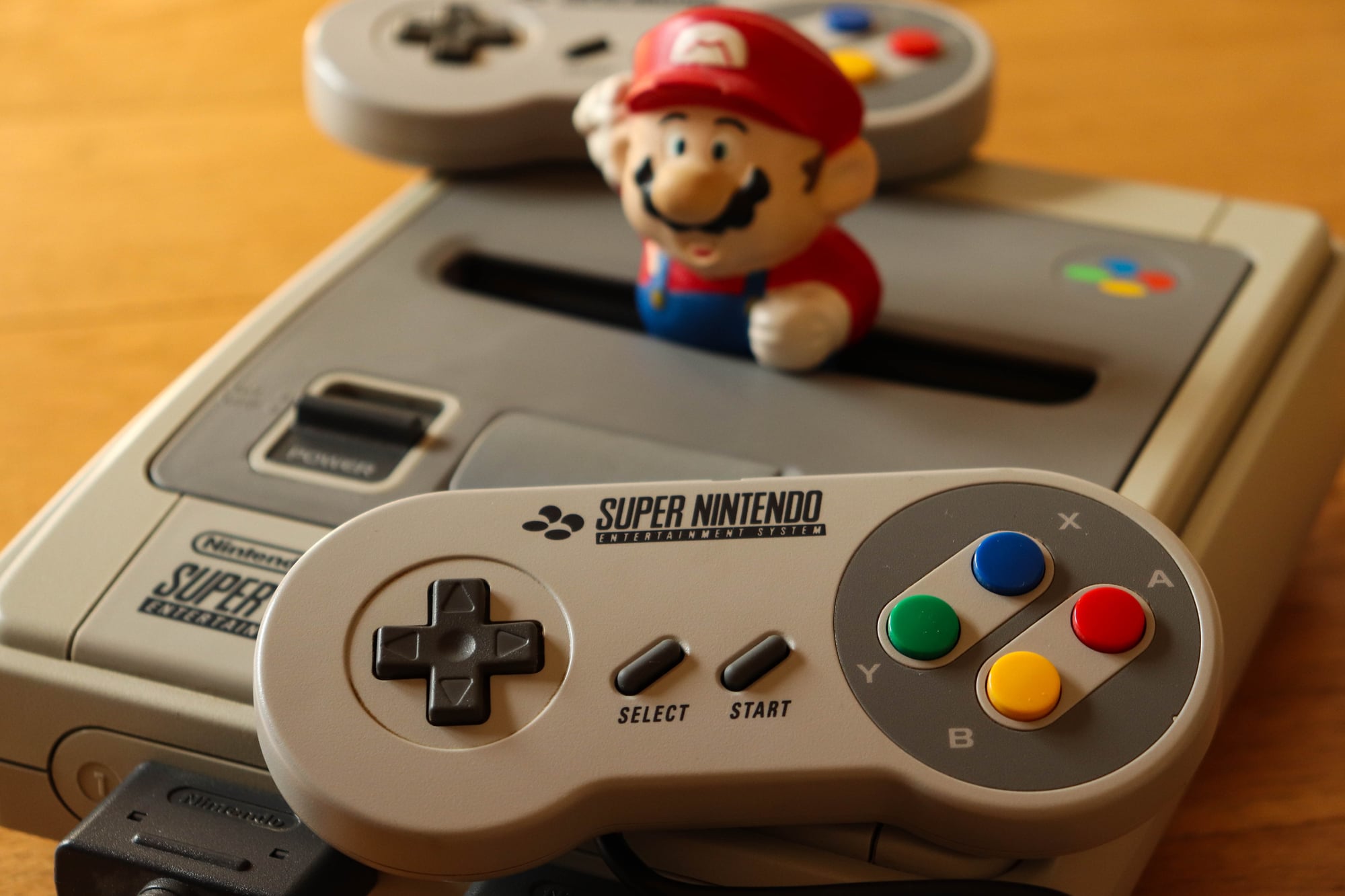
Nintendo’s NES Classic wasn’t designed for kids who wanted to play new games — it was designed for adults who wanted to play old ones, preferably with the same friends they’d played them with thirty years earlier, except now everyone could afford the good snacks and nobody had to go home when their parents called. The console came preloaded with thirty games that represented the greatest hits of the 8-bit era, games that had been refined by decades of nostalgic memory into something approaching perfection.
And because adults are willing to pay for convenience (especially when that convenience comes wrapped in nostalgia), Nintendo could charge $60 for hardware that probably cost them $15 to manufacture. The real brilliance was in the marketing: position it as a family experience, something adults could share with their children, but design it entirely around adult sensibilities.
The games were curated, not randomly selected. The packaging felt premium.
The controllers were wireless but still felt exactly like the originals. Every detail reinforced the message that this wasn’t a toy trying to be sophisticated — this was a sophisticated product that happened to play games.
Other companies took notice, and suddenly everyone was releasing “classic” versions of consoles that weren’t even that old to begin with.
Collectible Card Games
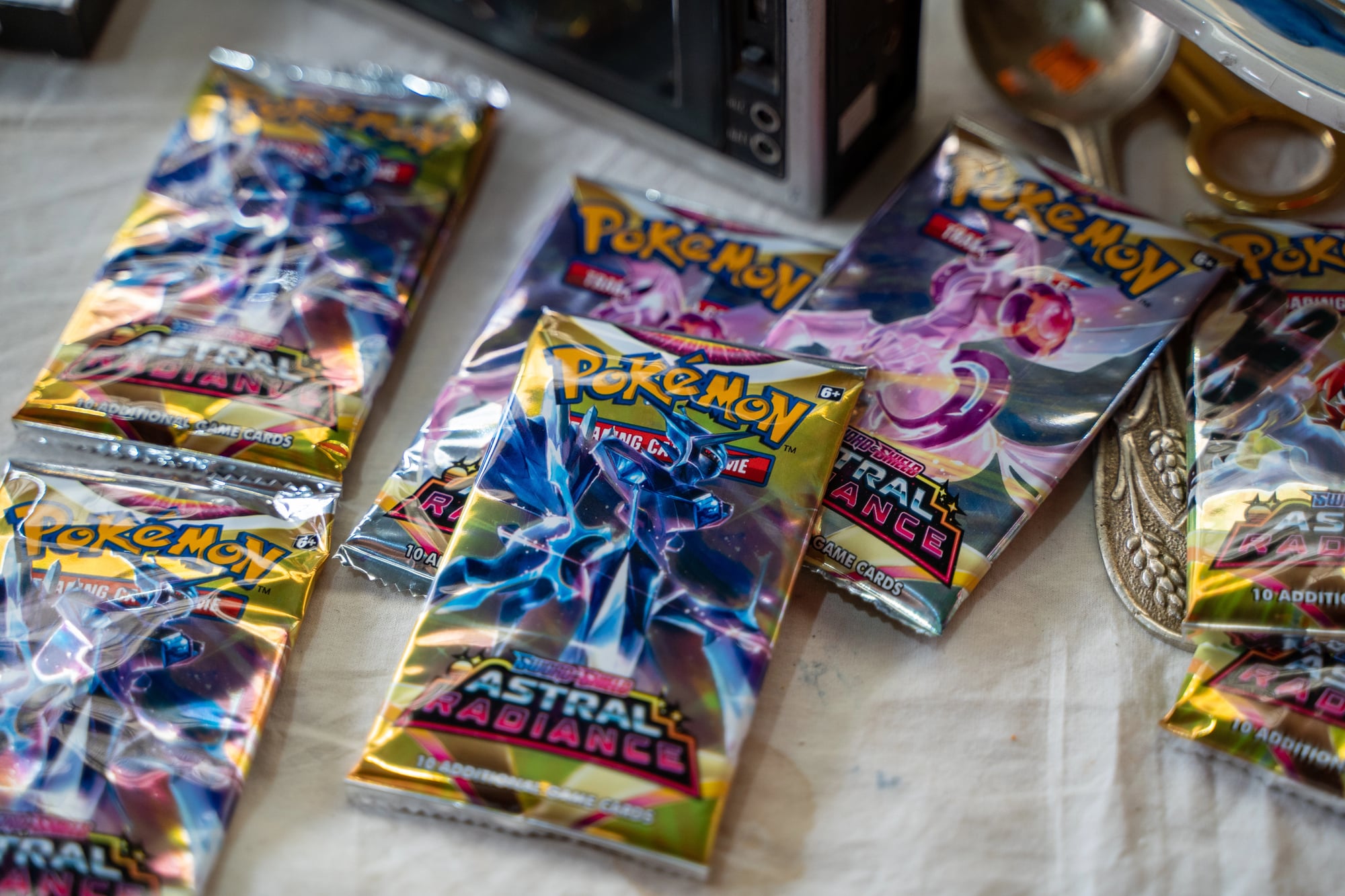
Pokemon cards succeeded in creating something remarkable: a gambling addiction disguised as a children’s hobby, wrapped in characters cute enough to escape parental suspicion. The basic premise was innocent enough — collect cards featuring various creatures, trade with friends, maybe play a simple game — but the execution was pure casino psychology.
Randomized booster packs meant that getting the card someone wanted required luck, persistence, or a willingness to spend far more money than any reasonable person would spend on cardboard rectangles. But the target wasn’t reasonable people.
The target was children with birthday money and adults with childhood regrets. The cards that were rare in 1998 became expensive in 2020, and suddenly parents found themselves spending hundreds of dollars on unopened boxes of cards, hoping to find treasures they couldn’t afford as kids.
The game itself became secondary to the collecting, and collecting became secondary to the speculation. Nobody admits they’re gambling when the stakes are Charizard cards, but the rush feels exactly the same.
Model Train Sets
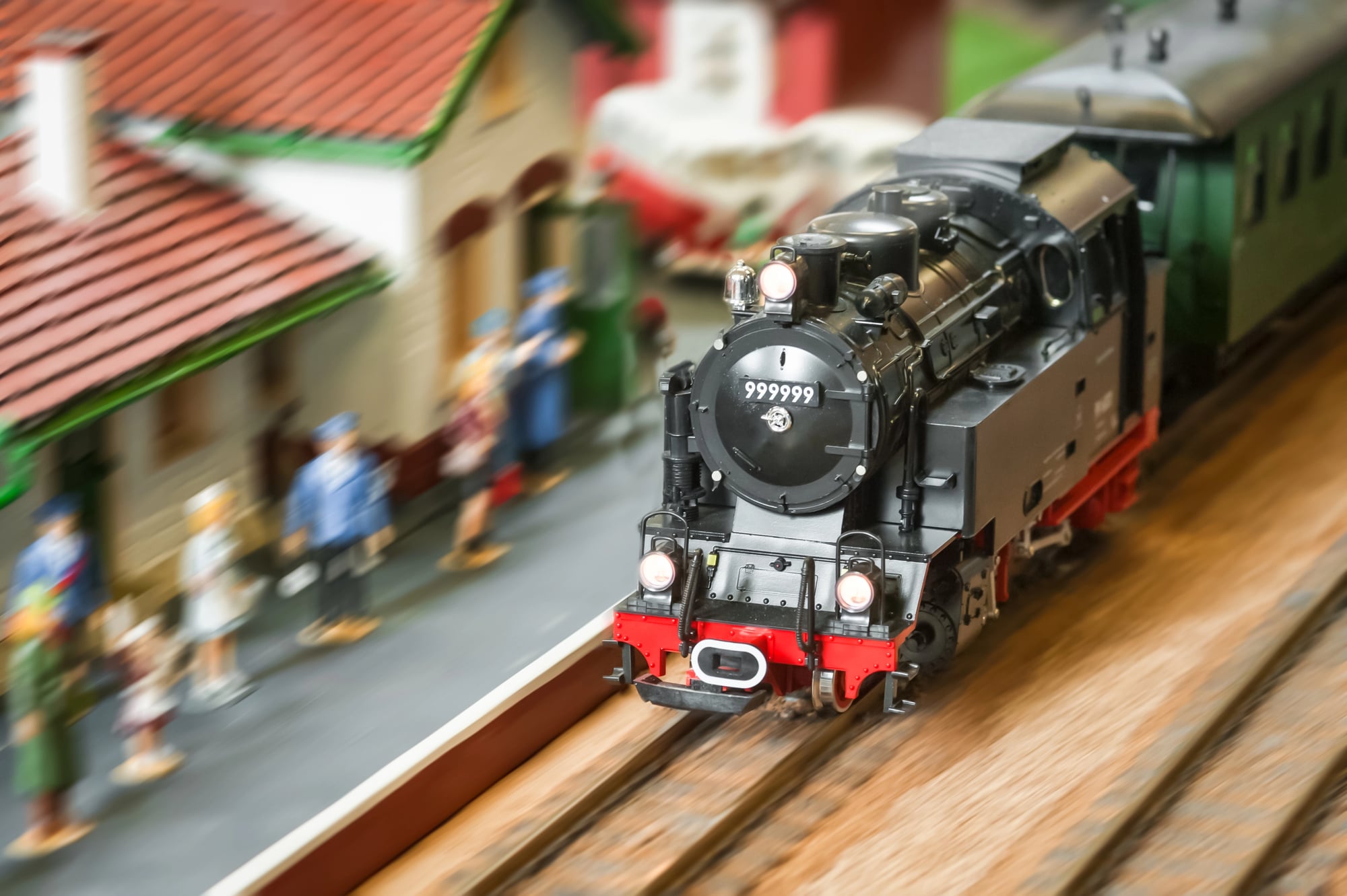
Model trains gave up any pretense of being toys decades ago. Modern sets from companies like Märklin and LGB cost thousands of dollars and require engineering degrees to set up properly.
These trains feature working lights, sound effects, and remote control systems more sophisticated than actual locomotives used fifty years ago. The layouts become architectural projects that consume entire basements and spare bedrooms.
Children might enjoy watching the trains run, but they’re definitely not the ones writing the checks.
High-End Board Games
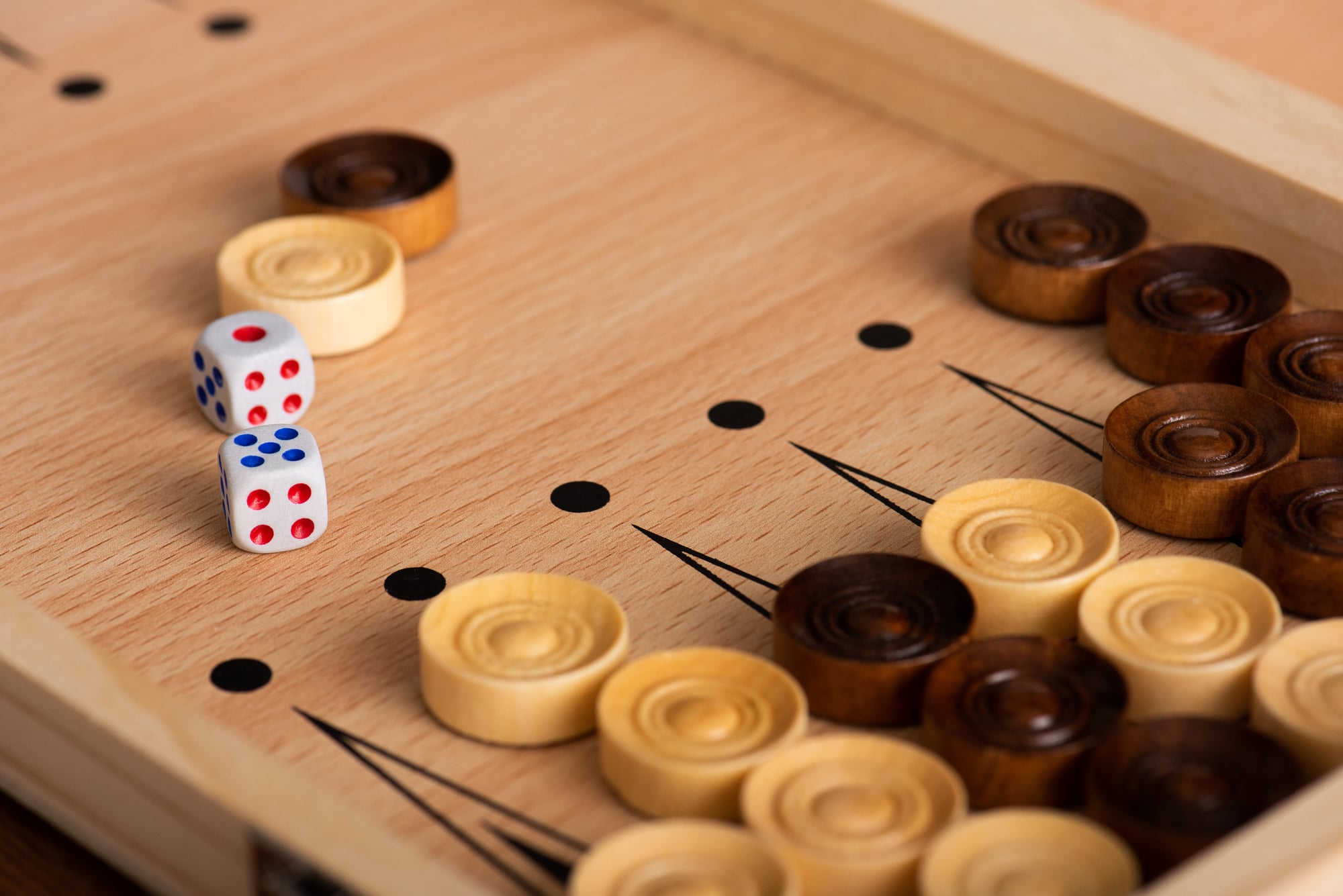
The board game renaissance of the last twenty years happened because designers figured out that adults wanted games that respected their intelligence, even if those adults still got excited about rolling dice and moving pieces around a board (which, when someone thinks about it, describes most of human civilization: elaborate systems for determining who gets to move where, with varying degrees of chance and strategy mixed in). Games like Twilight Imperium and Gloomhaven cost over $100 and require multiple evenings to complete, which automatically excludes most children from the target demographic unless those children have the patience of monks and parents with very flexible bedtime schedules.
The components in these games rival what you’d find in luxury products: thick cardboard, detailed miniatures, artwork that belongs in galleries. The rulebooks read like technical manuals because, in many ways, that’s exactly what they are.
These aren’t simplified versions of adult concepts designed for children — they’re adult concepts that happen to use the language of play. The fact that they’re called “games” instead of “strategic simulation systems” is mostly a matter of marketing and tradition.
Vintage-Style Electronic Toys
Companies discovered that adults would pay premium prices for toys that looked exactly like what they remembered from childhood but actually worked the way they’d imagined those toys worked back then. The new versions of Speak & Spell, Simon, and various handheld electronic games feature better screens, clearer sound, and batteries that last longer than fifteen minutes — improvements that matter far more to adults than to kids.
The packaging deliberately mimics the original designs, complete with retro fonts and color schemes that trigger immediate recognition. These toys succeed because they deliver on childhood promises with adult execution.
Kids wanted toys that felt magical; adults are willing to pay for toys that actually are.
Designer Art Toys
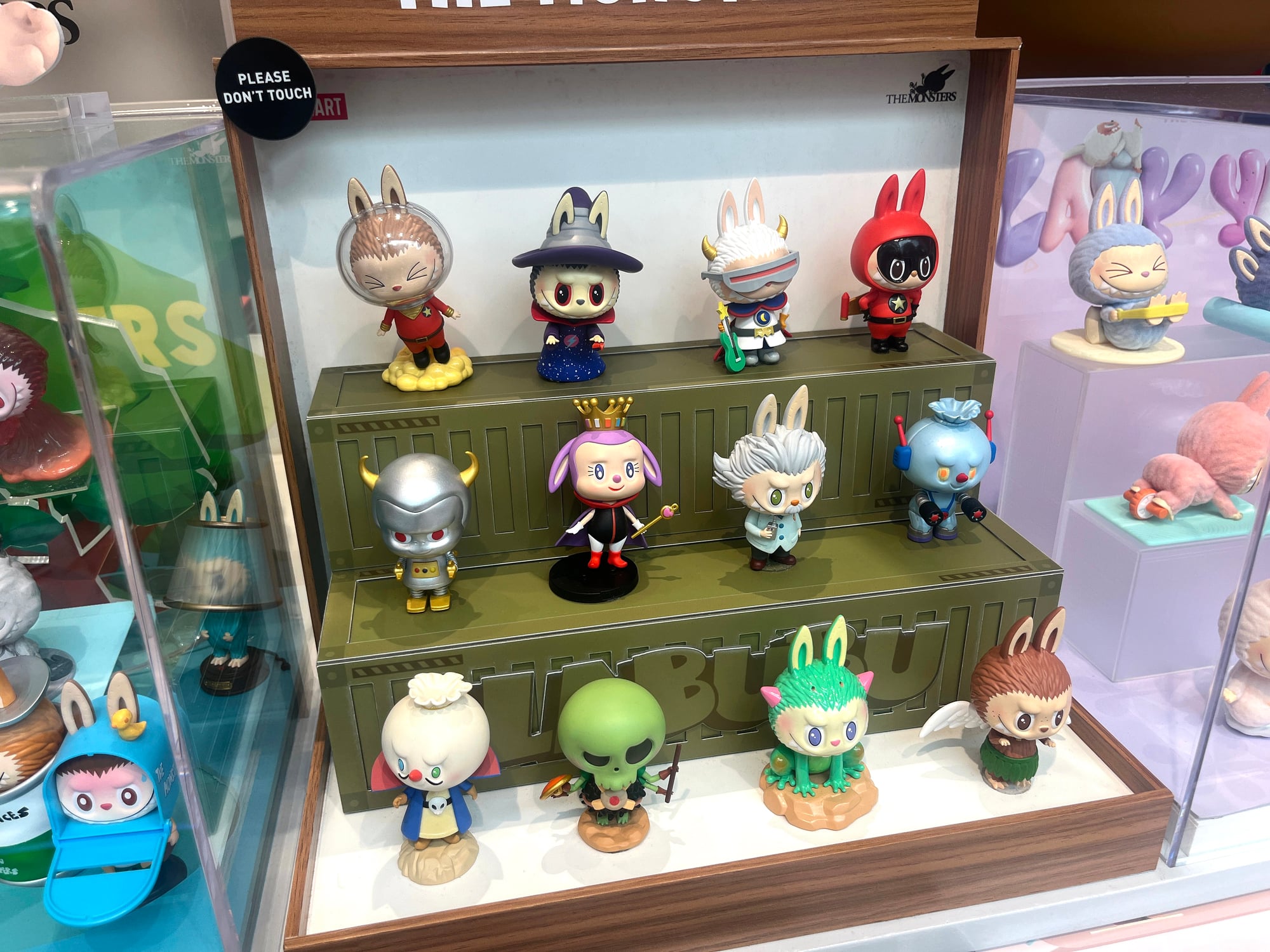
The art toy movement created collectibles that nobody even bothers to market toward children. Companies like Kidrobot and Medicom Toy produce limited-edition vinyl figures designed by contemporary artists and priced like gallery pieces.
These toys live in display cases, not toy boxes. The aesthetic ranges from cute to disturbing, but always sophisticated.
Limited production runs and artist collaborations ensure that popular pieces appreciate in value, which transforms collecting from a hobby into an investment strategy disguised as play.
Premium Building Sets Beyond LEGO
LEGO’s success inspired competitors to target the same adult market with different approaches. K’NEX Thrill Rides feature working roller coasters with motorized lifts.
Meccano sets include actual metal components and tools for assembly. These sets require genuine engineering skills and produce functional machines rather than static displays.
The instruction manuals assume familiarity with mechanical concepts that most children haven’t learned yet. The complexity justifies the price, but the complexity also reveals the true target demographic.
Collectible Vinyl Records And Music Toys

Music toys designed for adults don’t just play songs — they celebrate the ritual of music ownership that digital streaming eliminated, using the familiar language of childhood toys to make record collecting feel playful rather than obsessive (even when it absolutely becomes obsessive, which it usually does, because adults who buy toy-like music devices are often the same adults who need to own every variant of everything they decide to collect). Companies like Crosley produce turntables that look like vintage toys but play real records, bridging the gap between serious audiophile equipment and nostalgic design.
The aesthetic choices are deliberate: bright colors, simple controls, portable designs that prioritize charm over technical perfection. These products succeed because they make vinyl collecting feel accessible and fun, even when the records themselves cost more than most people spent on music in an entire year during the CD era.
The toy-like appearance gives adults permission to indulge in what might otherwise feel like an expensive and pretentious hobby.
Sophisticated Remote Control Vehicles

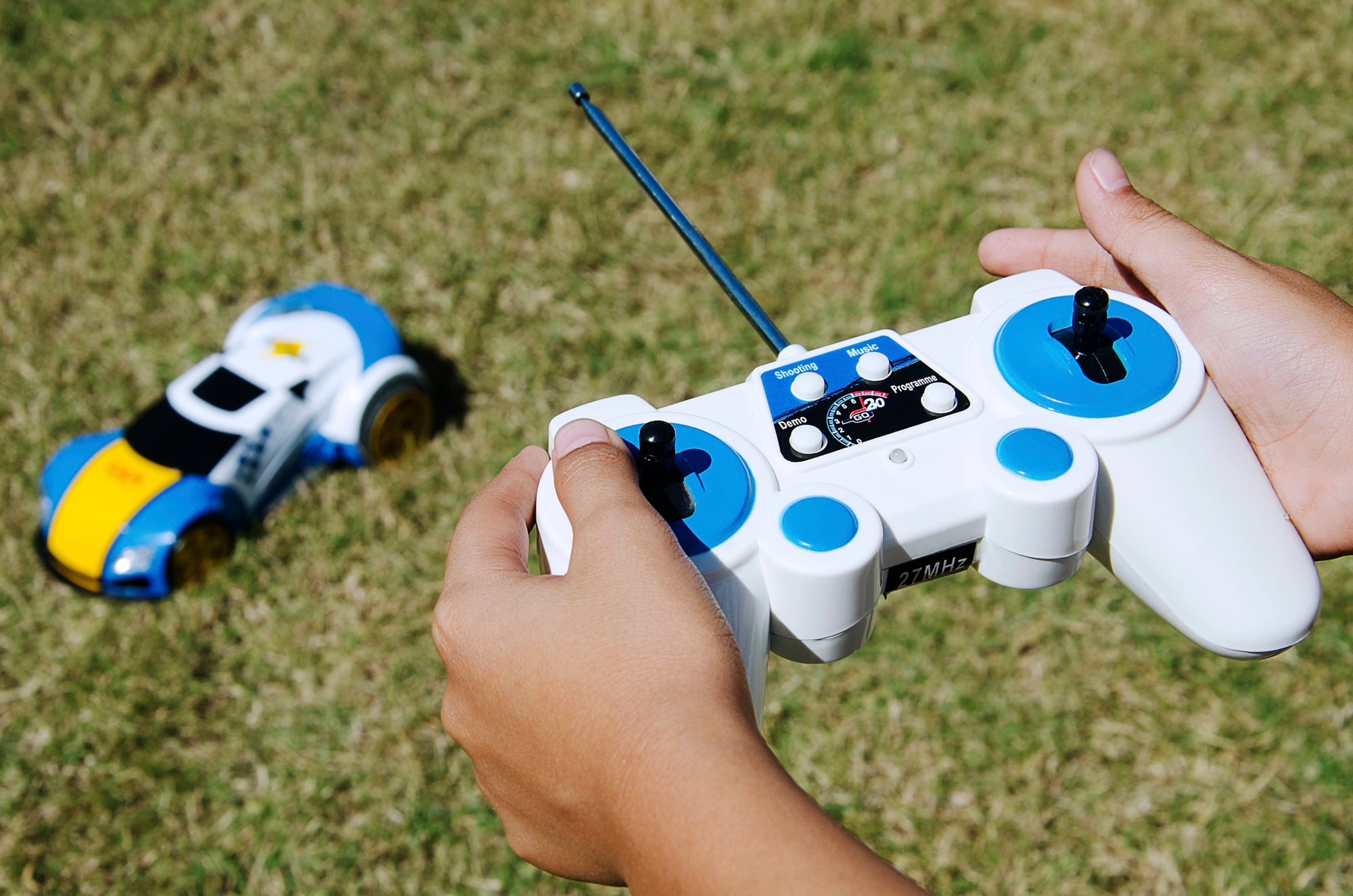
Remote control cars evolved from simple toys into precision machines that cost more than actual cars did a few decades ago. High-end RC vehicles feature carbon fiber frames, computerized suspension systems, and speeds that would be illegal on most highways.
The technical specifications read like automotive magazines. The customization options rival what professional race teams use.
Children might enjoy driving these vehicles, but they can’t afford them, maintain them, or appreciate the engineering that makes them possible.
The Collectible Economy They Created
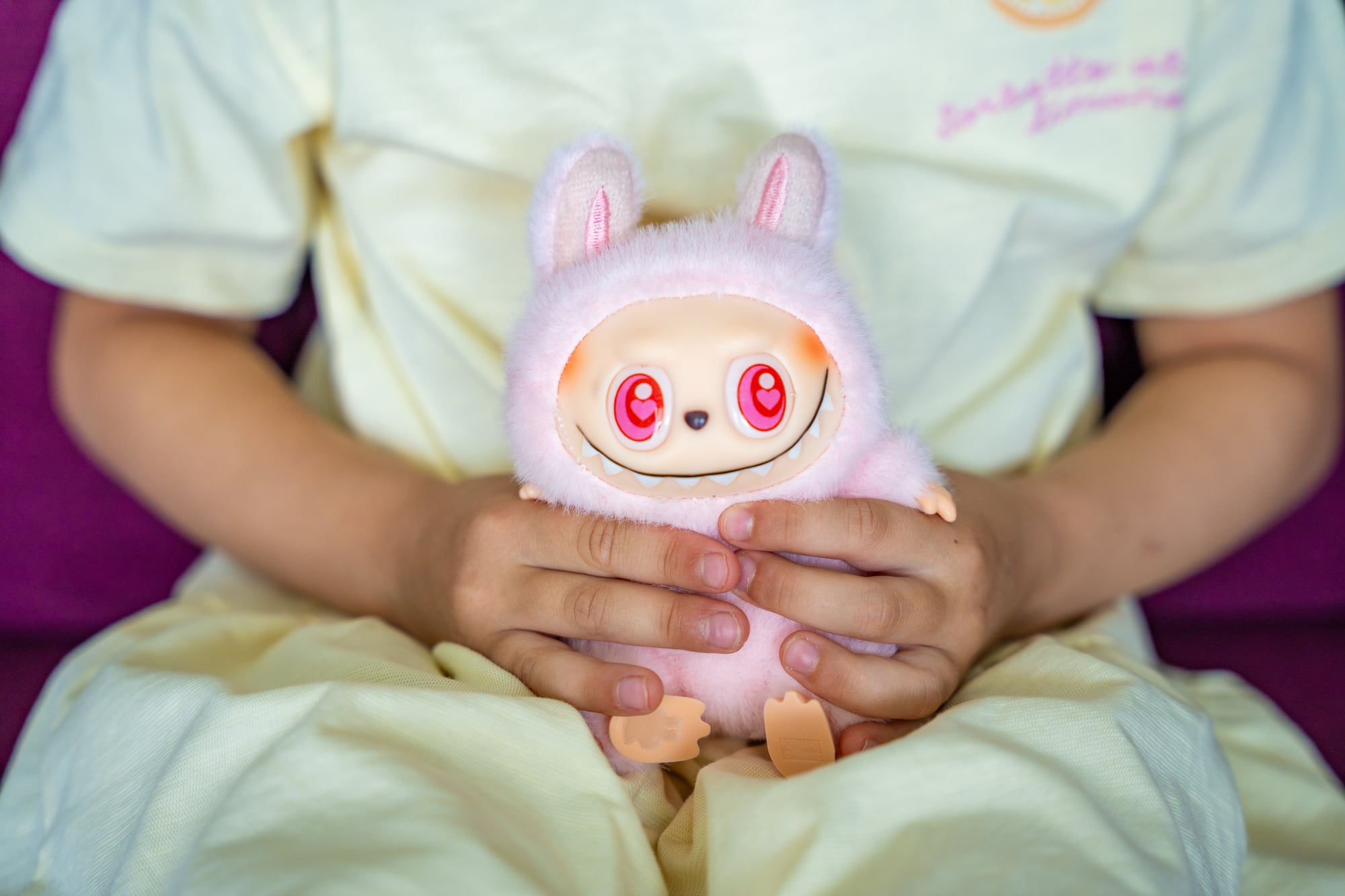
The transformation of toys into collectibles created an entire secondary economy based on artificial scarcity and manufactured nostalgia. Limited editions, exclusive variants, and regional releases ensure that collecting becomes a full-time hobby for dedicated enthusiasts.
This system works because adults have something children don’t: credit cards and the ability to rationalize expensive purchases as investments. The toys that were designed to last become valuable because they were built to endure.
The toys that were designed to be collected maintain their value because adults treat them as collectibles rather than playthings.
Beyond Child’s Play

The secret was never really secret. Toy companies learned that adults buy more toys than children, spend more money per purchase, and care more about quality and authenticity.
So they started designing products that could satisfy adult sensibilities while maintaining the emotional appeal that makes toys irresistible in the first place. The result is a market where childhood dreams meet adult resources, and where the best toys are often the ones that nobody under eighteen can afford to own.
More from Go2Tutors!

- The Romanov Crown Jewels and Their Tragic Fate
- 13 Historical Mysteries That Science Still Can’t Solve
- Famous Hoaxes That Fooled the World for Years
- 15 Child Stars with Tragic Adult Lives
- 16 Famous Jewelry Pieces in History
Like Go2Tutors’s content? Follow us on MSN.