15 Devices That Changed How We Communicate
Civilization is shaped by communication. Humans have always found ways to communicate ideas, feelings, and information across time and space, from the earliest cave paintings to the instant messaging of today. Not only are some inventions technically brilliant, but they also profoundly change how we relate to one another, which is what makes them truly revolutionary.
Barriers that previously appeared insurmountable have been continuously dismantled by technology. Human ingenuity has overcome barriers of time, space, language, and even physicality. These 15 gadgets not only enhanced communication but also revolutionized it.
Telegraph

The telegraph turned the world into a much smaller place almost overnight. Before Samuel Morse’s invention, sending a message across continents meant waiting weeks or months for ships to carry letters. Suddenly, news could travel thousands of miles in minutes, connecting distant cities with a network of wires and electrical pulses. The famous phrase ‘What hath God wrought’ became the first official telegraph message in 1844, marking the beginning of truly instant long-distance communication.
Telephone

Alexander Graham Bell’s telephone did something the telegraph couldn’t—it carried the human voice. While the telegraph required special codes and trained operators, the telephone let ordinary people have real conversations across vast distances. The first phone call in 1876 featured Bell speaking to his assistant in another room, but within decades, people were chatting with relatives in different states as if they were sitting next door.
Radio

Radio waves freed communication from wires entirely. Marconi’s wireless telegraph evolved into something far more powerful—the ability to broadcast voices and music to millions of people simultaneously. Radio brought families together around living room sets, created shared cultural experiences, and turned distant events into immediate realities. During World War II, radio broadcasts kept entire nations informed and connected during humanity’s darkest hours.
Television

Television added pictures to radio’s voices, creating an entirely new form of shared experience. Families gathered around small screens to witness historical moments, from presidential debates to moon landings, as they happened. The medium transformed not just entertainment but politics, education, and social movements. Martin Luther King Jr. understood television’s power when he strategically planned civil rights demonstrations to appear on evening news broadcasts.
Transistor
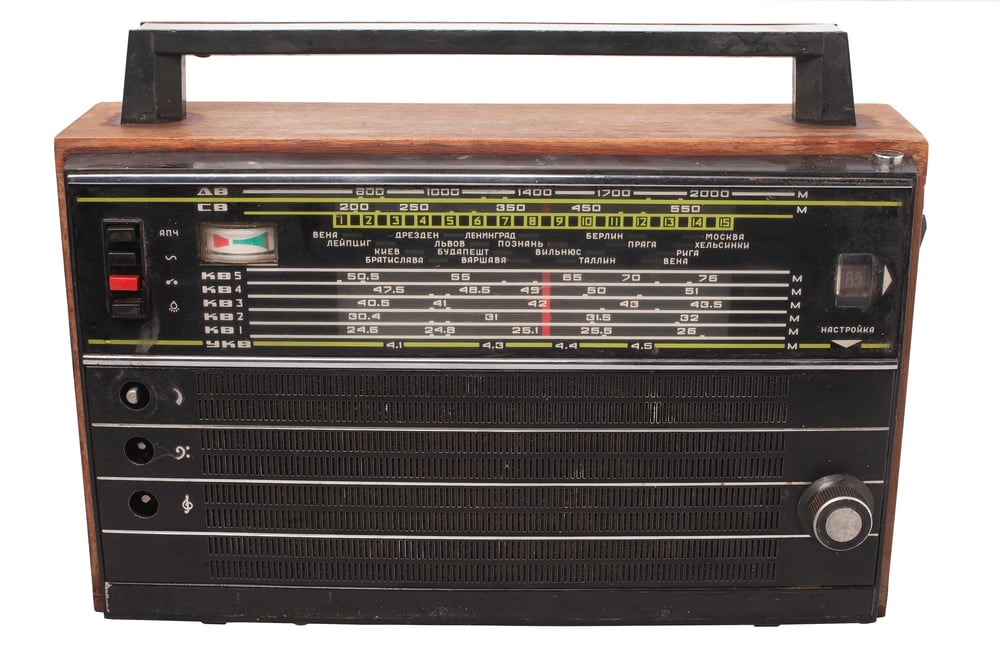
The transistor might seem like a tiny, boring component, but it’s actually the unsung hero of modern communication. Before transistors, electronic devices relied on bulky vacuum tubes that generated enormous heat and failed frequently. Transistors made electronics smaller, more reliable, and infinitely more portable. Without them, we’d never have gotten from room-sized computers to smartphones that fit in our pockets.
Satellite
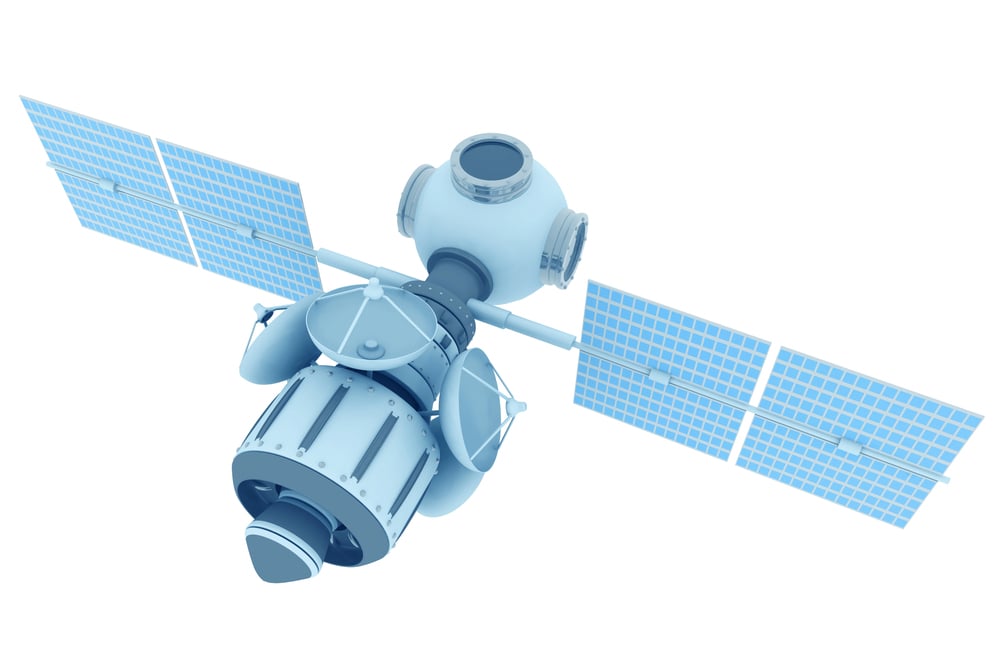
Communication satellites solved the problem of getting signals across oceans and continents without laying thousands of miles of underwater cables. The first successful satellite, Telstar, transmitted live television signals between the United States and Europe in 1962, creating the first truly global broadcasting moment. Satellites now carry everything from phone calls to internet data, making worldwide communication as simple as dialing a number.
Personal Computer
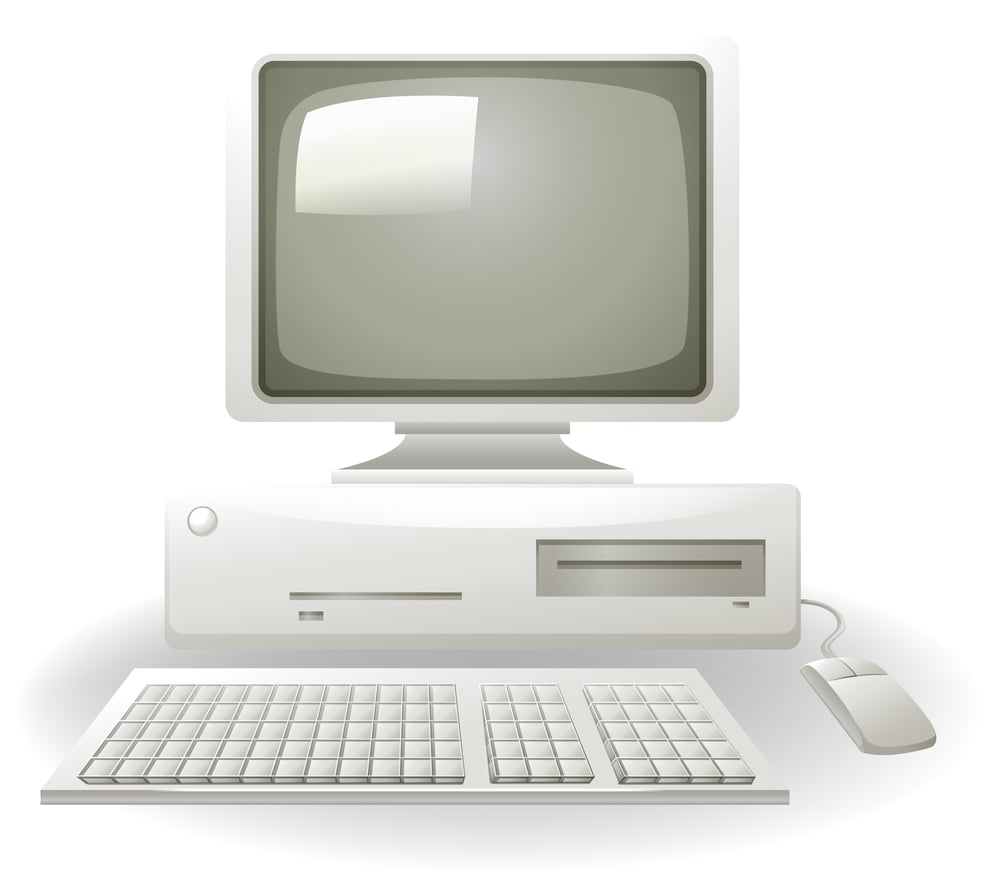
Personal computers democratized information processing and communication in ways that mainframe computers never could. Suddenly, individuals could create, edit, and share documents without relying on corporate or institutional resources. The personal computer laid the groundwork for email, word processing, and eventually the internet itself. What started as expensive hobbyist machines in the 1970s became essential tools for human communication.
Internet

The internet connected individual computers into a global network that fundamentally changed how information flows. Originally designed to help researchers share data, the internet quickly became a platform for email, file sharing, and eventually the World Wide Web. It turned every connected computer into both a receiver and broadcaster of information, creating the first truly democratic communication medium in human history.

Email replaced traditional mail with something faster, cheaper, and more convenient. Instead of writing letters by hand, finding stamps, and waiting days for delivery, people could send messages instantly to anyone with an internet connection. Email also introduced new communication patterns—the ability to easily send the same message to multiple recipients, forward conversations, and maintain digital records of every exchange.
World Wide Web

Tim Berners-Lee’s World Wide Web turned the internet from a tool for researchers into something anyone could use. The web introduced hyperlinks, which allowed people to connect information in entirely new ways, and web browsers that made navigating online content as simple as pointing and clicking. Suddenly, publishing information became something individuals could do from their homes, not just large organizations with printing presses.
Cell Phone

Mobile phones freed communication from fixed locations entirely. The first cell phones were expensive, bulky devices that barely worked, but they proved the concept that people could communicate from anywhere. As the technology improved, cell phones became smaller, cheaper, and more reliable. They also introduced the concept of personal phone numbers that followed individuals rather than locations.
Text Messaging

SMS transformed cell phones from voice-only devices into platforms for written communication. Text messaging created an entirely new communication style—brief, informal, and immediate. It also introduced communication that could be asynchronous, allowing people to send messages without interrupting the recipient’s current activity. Text messaging proved especially popular with younger users who preferred its privacy and convenience over voice calls.
Smartphone

Smartphones were portable computers that integrated several communication devices. They combined cell phones, email, web browsing, text messaging, cameras, and a myriad of other features into gadgets that are small enough to carry in a pocket. The 2007 release of the iPhone not only enhanced pre-existing features but also established a completely new paradigm for communication that was app-based, interactive, and visual.
Social Media Platforms

Social media sites like Facebook, Twitter, and others transformed private conversations into public ones. Social media gave rise to new forms of expression that fused personal communication and broadcasting, such as sharing photos and status updates. These platforms, which also introduced algorithmic feeds that curated what users saw, have fundamentally changed the way information flows through society. They created new social networks and turned everyone into a possible publisher.
Video Calling

Long-distance conversations gained visual components thanks to video calling technology, which was first made popular by Skype and then incorporated into smartphones. Text and voice alone were unable to restore a human element to digital communication, but the ability to see facial expressions, gestures, and surroundings did. When video calling abruptly replaced face-to-face meetings, family get-togethers, and social interactions for billions of people during the COVID-19 pandemic, it became indispensable.
The Thread That Connects Us All

These fifteen gadgets demonstrate humanity’s steadfast desire to connect with one another despite all obstacles, which goes beyond mere technological advancement. In addition to providing solutions for particular communication issues, each invention opened up previously unthinkable avenues for innovation. Radio broadcasting became social media, the telephone became the smartphone, and the telegraph gave rise to the internet. A century ago, video calls and instant messaging would have seemed like magic, but today they are the logical progression of humanity’s oldest longing: to communicate our ideas and experiences with people, no matter how far away we are.
More from Go2Tutors!

- The Romanov Crown Jewels and Their Tragic Fate
- 13 Historical Mysteries That Science Still Can’t Solve
- Famous Hoaxes That Fooled the World for Years
- 15 Child Stars with Tragic Adult Lives
- 16 Famous Jewelry Pieces in History
Like Go2Tutors’s content? Follow us on MSN.