Cities That Moved to Escape Disaster
Most cities stay where they were founded, even after the ground shakes or the river floods. A few took the harder path and picked up their streets, sometimes block by block, to begin again somewhere safer.
Some moved after a single catastrophe, while others left slowly as the land failed beneath them. The new sites tell a story about what survivors decided to keep.
Ciudad Vieja, Guatemala
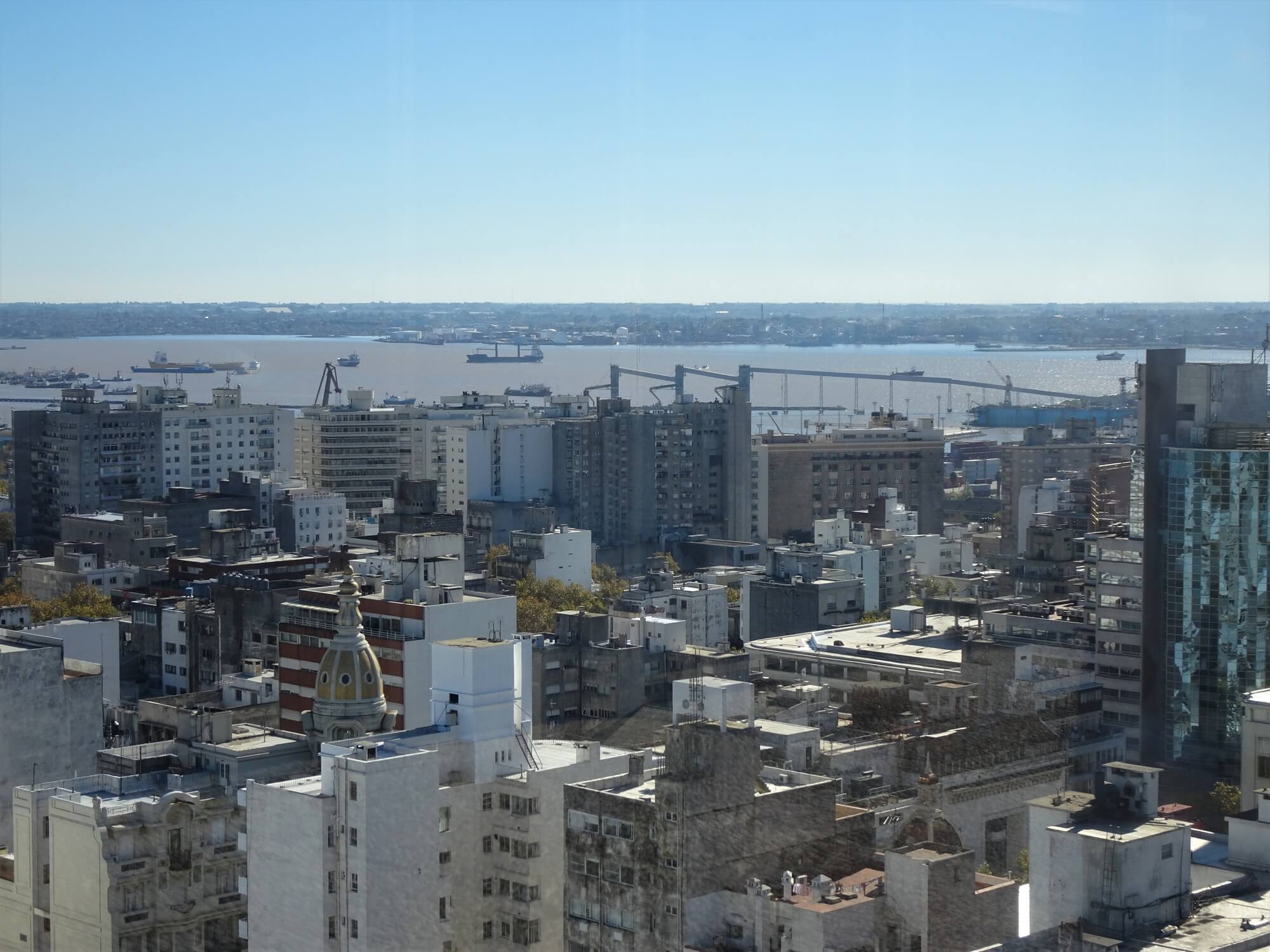
In September 1541, after days of heavy rain, a torrent of mud and water swept down from the Volcán de Agua and buried much of the Spanish capital of Guatemala. Beatriz de la Cueva, who had only just taken over as governor after her husband’s death, was among the dead.
Survivors moved the capital to a nearby valley, the site of what is now Antigua.
Antigua Guatemala
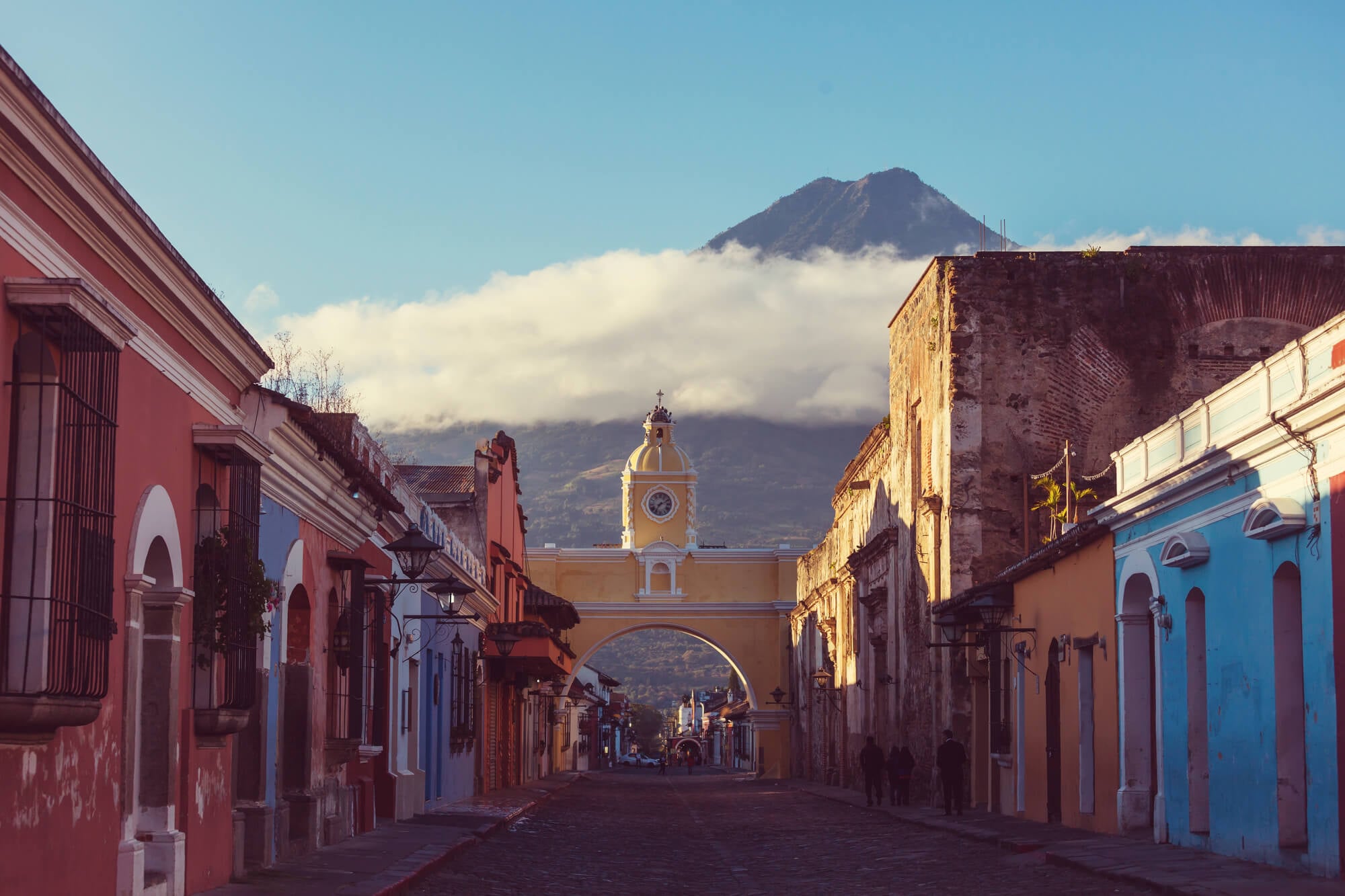
The new capital in the valley grew into one of the grandest cities in Spanish America, but the Santa Marta earthquakes of 1773 left it in ruins. Spanish authorities decided to abandon it, and in 1776 the capital moved to the valley where Guatemala City stands today.
Some residents refused to leave, and the old city became known as La Antigua, its roofless churches still drawing visitors since UNESCO added it to the World Heritage list in 1979.
Concepción, Chile
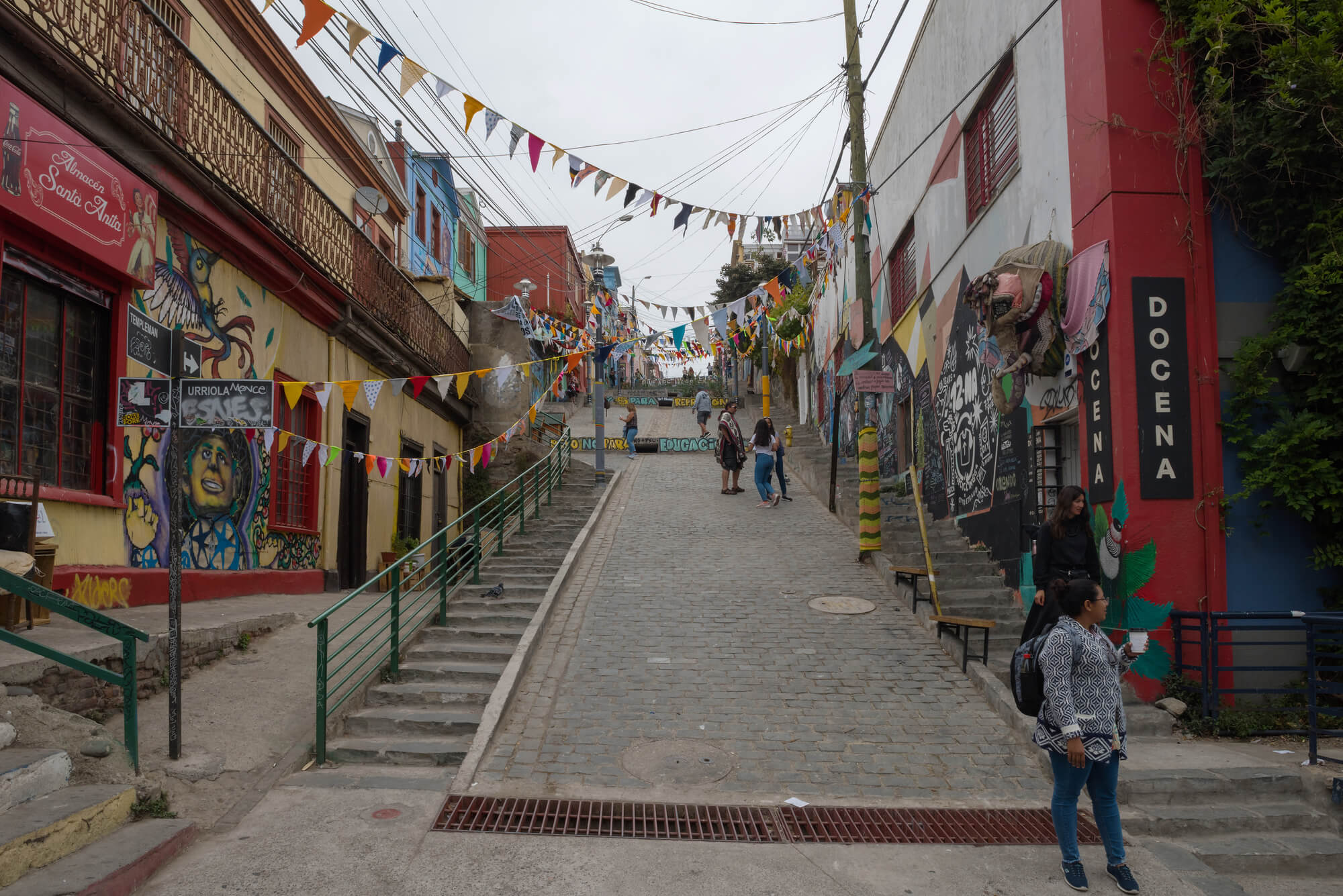
An earthquake and tsunami in 1751 devastated the Spanish settlement then located at Penco on the coast. Authorities and residents chose a new site inland, in the valley of the Mocha, and the city was refounded there in 1764.
Concepción has since survived several more major earthquakes, including the powerful one that struck in 2010.
Mendoza, Argentina
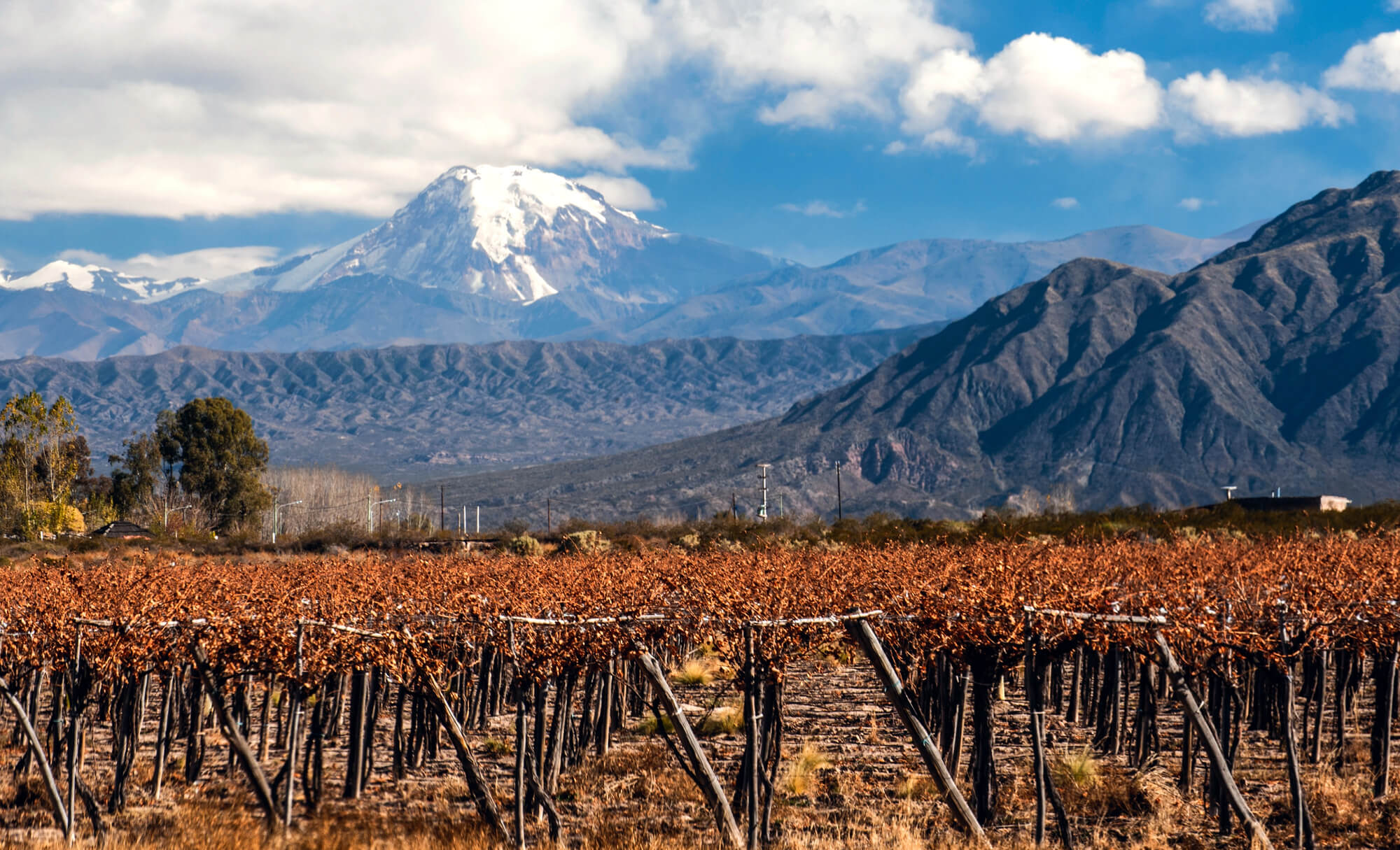
An earthquake in 1861 destroyed most of Mendoza, and rebuilding took place on a new plan beside the ruins. Planners laid out broad avenues, large plazas, and tree-lined streets so that falling walls would not block the way to open ground.
The result is one of the greenest cities in South America, shaped by a disaster most visitors never think about.
Riobamba, Ecuador
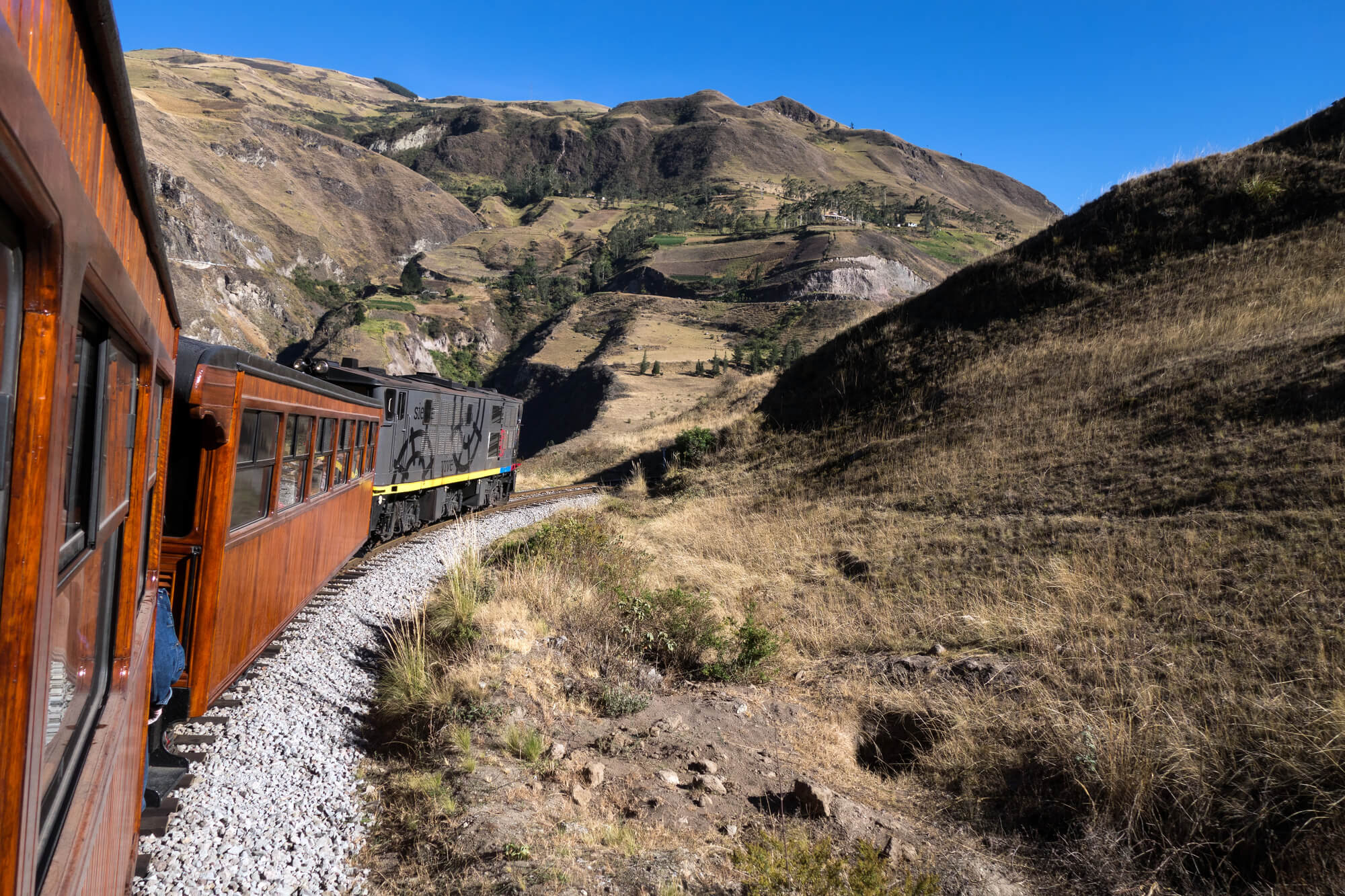
In 1797 a catastrophic earthquake flattened the colonial city of Riobamba and set off landslides across the surrounding valley. Survivors chose to rebuild on a plain several miles away rather than among the ruins.
The new city was laid out around a central plaza, and the old site is remembered as a place of loss.
Noto, Sicily
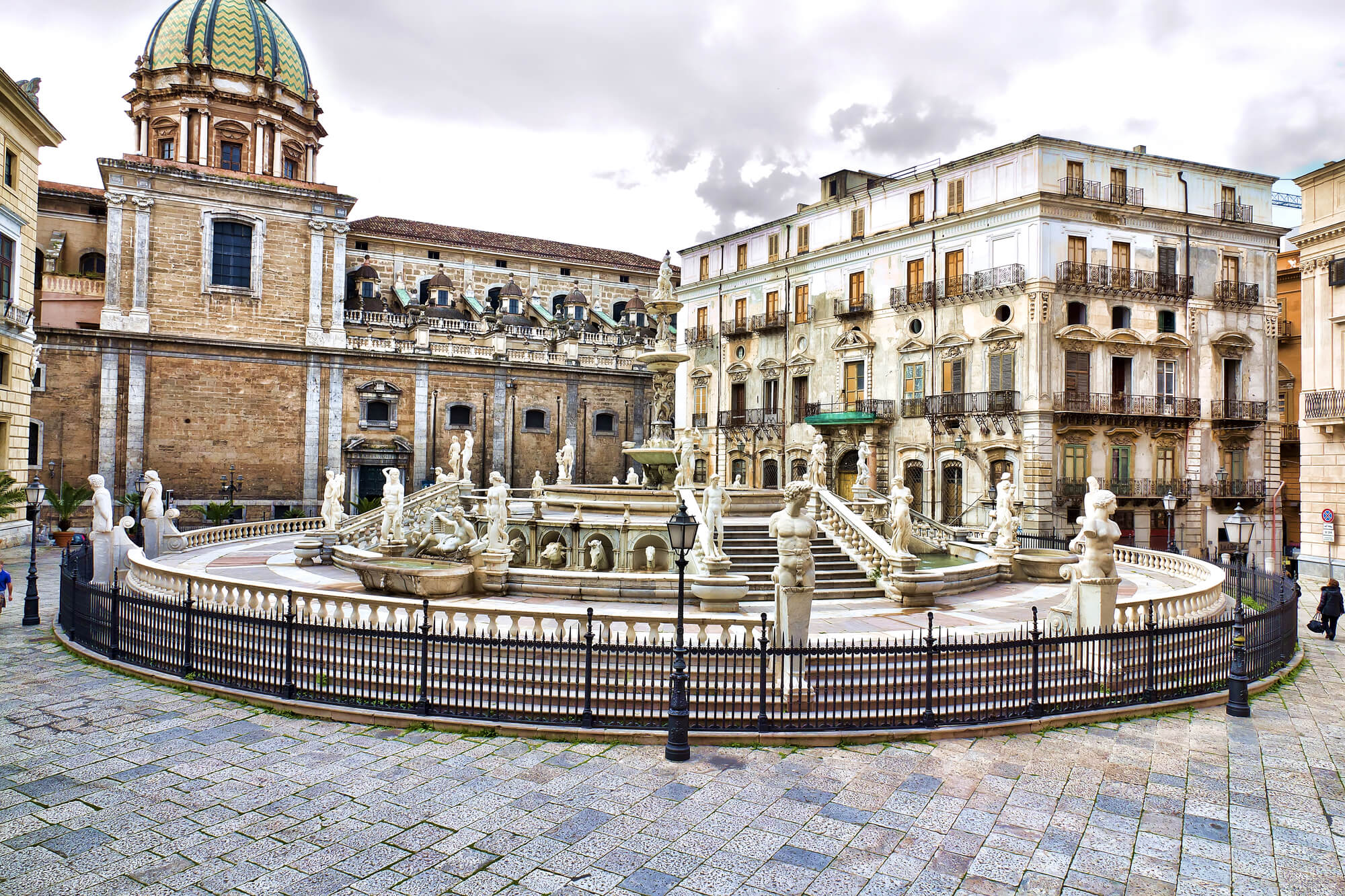
The 1693 earthquake that struck southeastern Sicily destroyed old Noto, and the survivors debated whether to repair it or move. They chose to build a new town on a hillside several miles away, and the work produced one of the island’s finest groups of Baroque buildings.
The ruins of the original town can still be visited, and UNESCO included Noto among the late Baroque towns of the Val di Noto in 2002.
Old Winchelsea, England
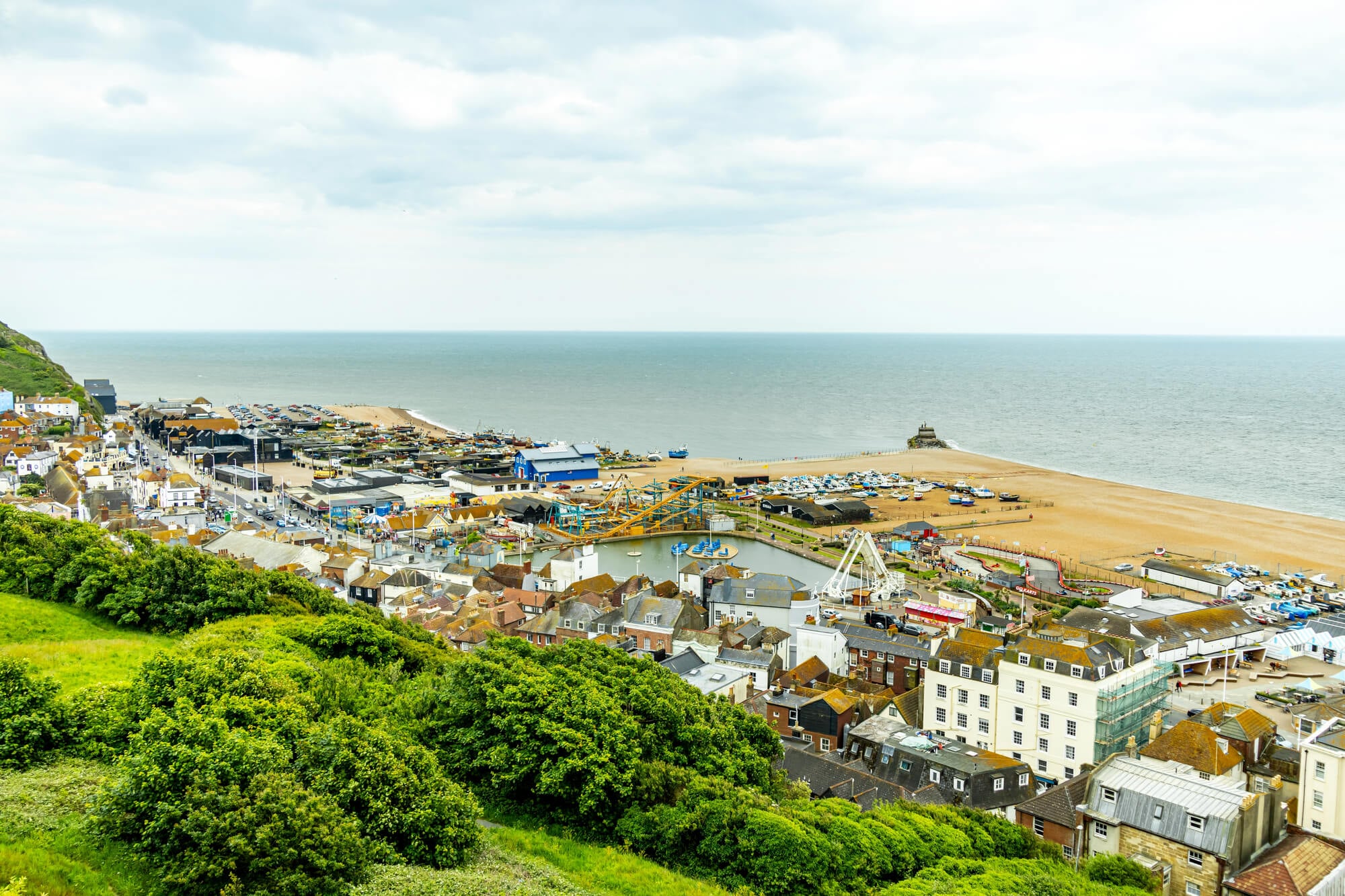
Storms battered the medieval port of Winchelsea on England’s southern coast through the 13th century, and the great storm of 1287 dealt the final blow. The English crown under Edward ordered a new town laid out on a hill, planned on a regular grid, and today’s Winchelsea still follows that plan.
The old town was lost to the sea, and the new one sits on high ground above the marsh.
Kingston, Jamaica
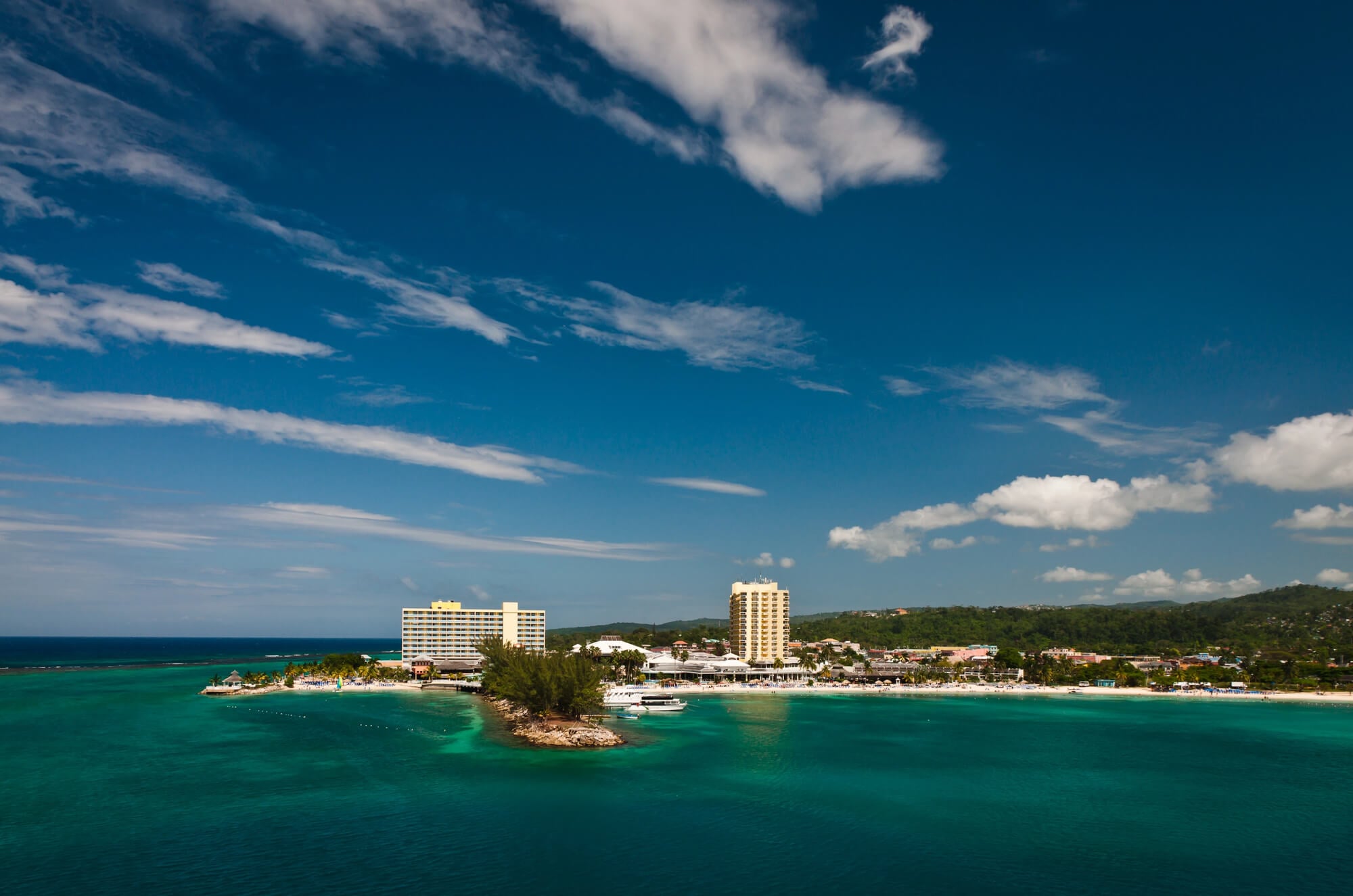
On June 7, 1692, an earthquake sent much of Port Royal, the busiest and rowdiest port in the Caribbean, sliding into the sea. Survivors rebuilt across the harbor, and Kingston was founded the same year.
Port Royal still exists as a small fishing community, and divers have found streets and buildings preserved beneath the water.
San Miguel de Tucumán, Argentina
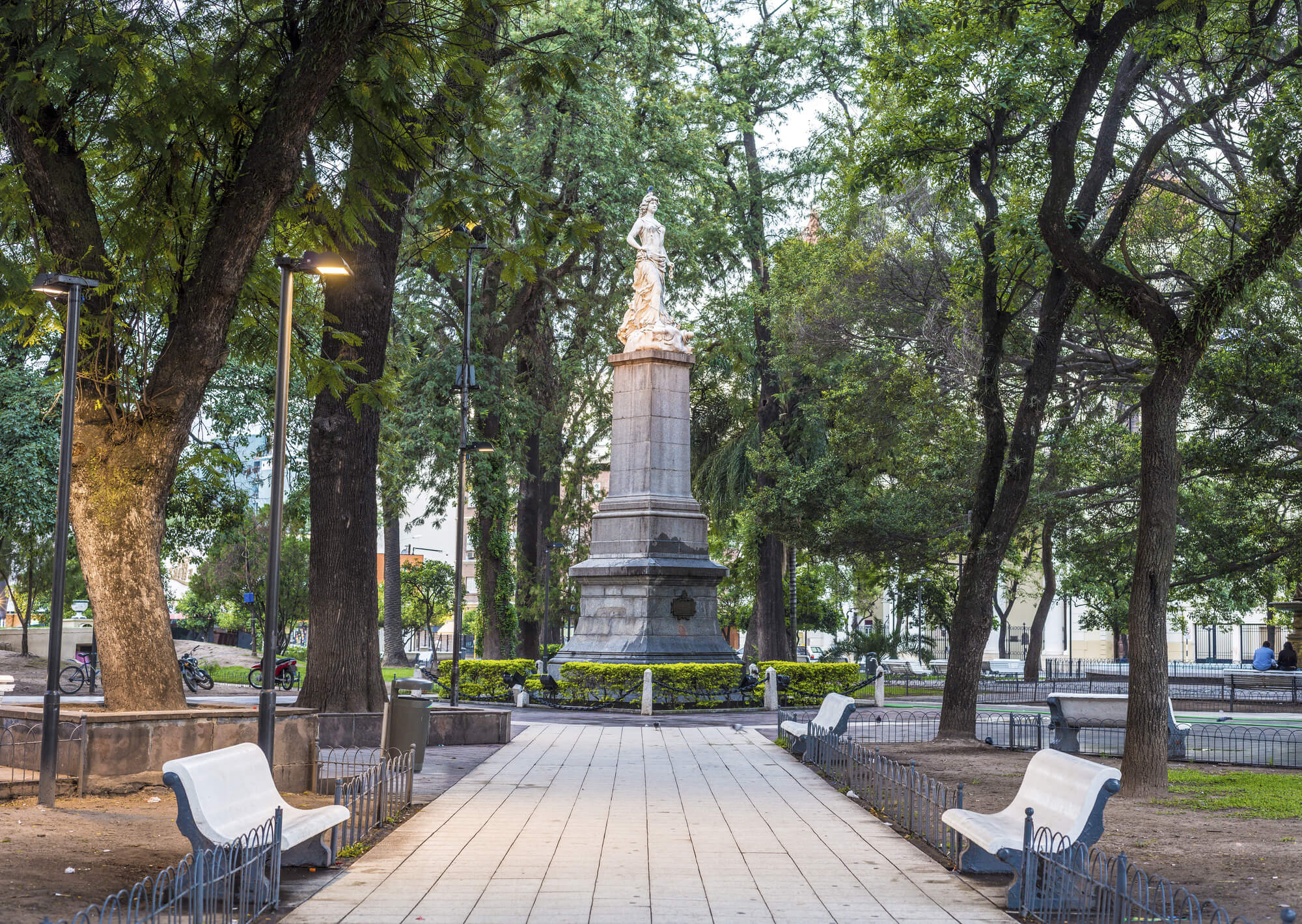
The city was originally founded at a place called Ibatín, a site troubled by flooding. In 1685 the residents moved the city to its present location.
Years later, the relocated city hosted the 1816 declaration of independence for Argentina, and the ruins of Ibatín can still be visited today.
Valdez, Alaska
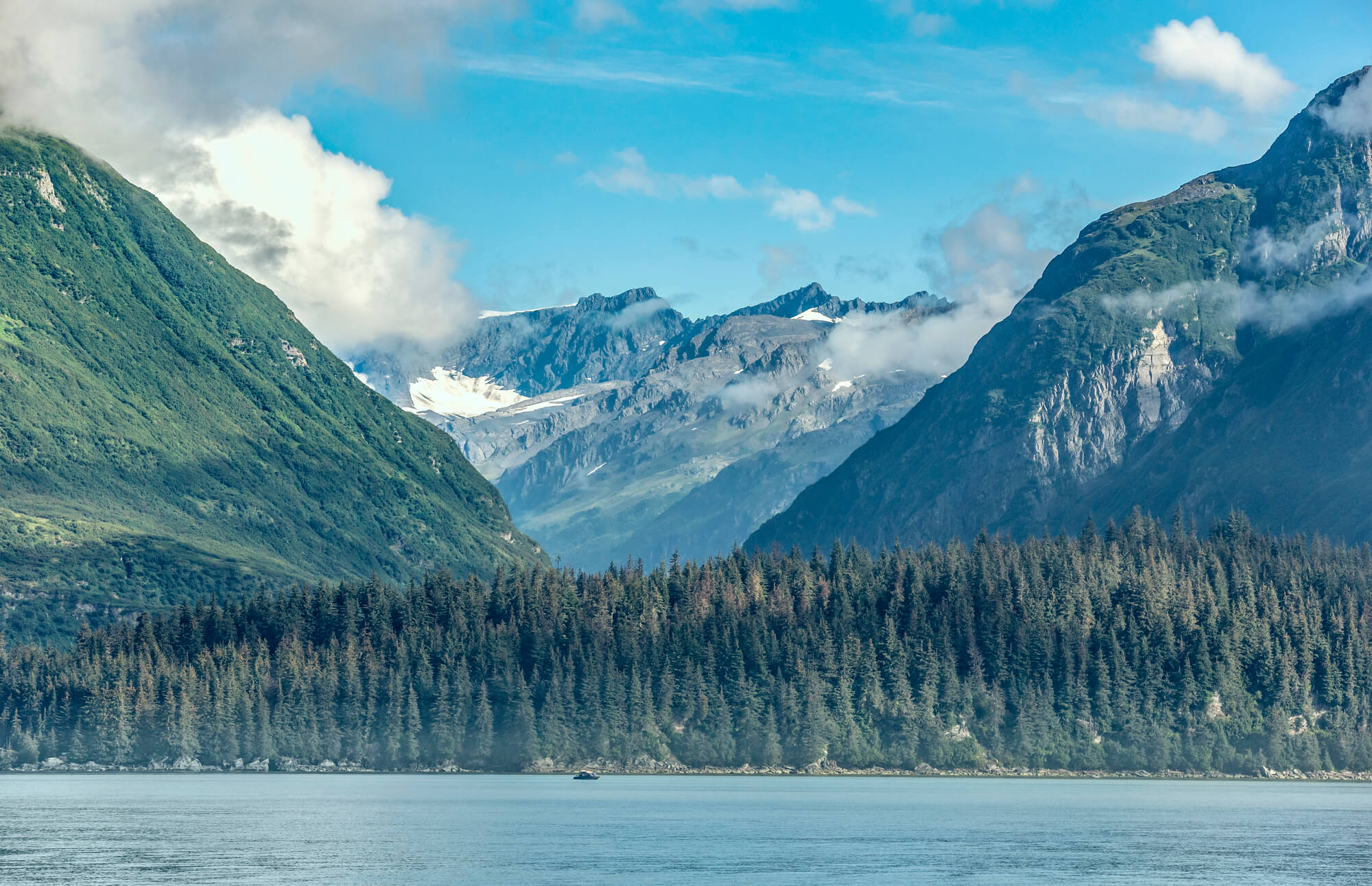
The 1964 Alaska earthquake destroyed the original townsite of Valdez, where the shaking set off an underwater landslide and a giant wave that struck the waterfront. Instead of rebuilding on the unstable silt, the town moved about four miles away to firmer ground.
Some buildings were carried to the new site, and the old townsite is now empty.
Girdwood, Alaska
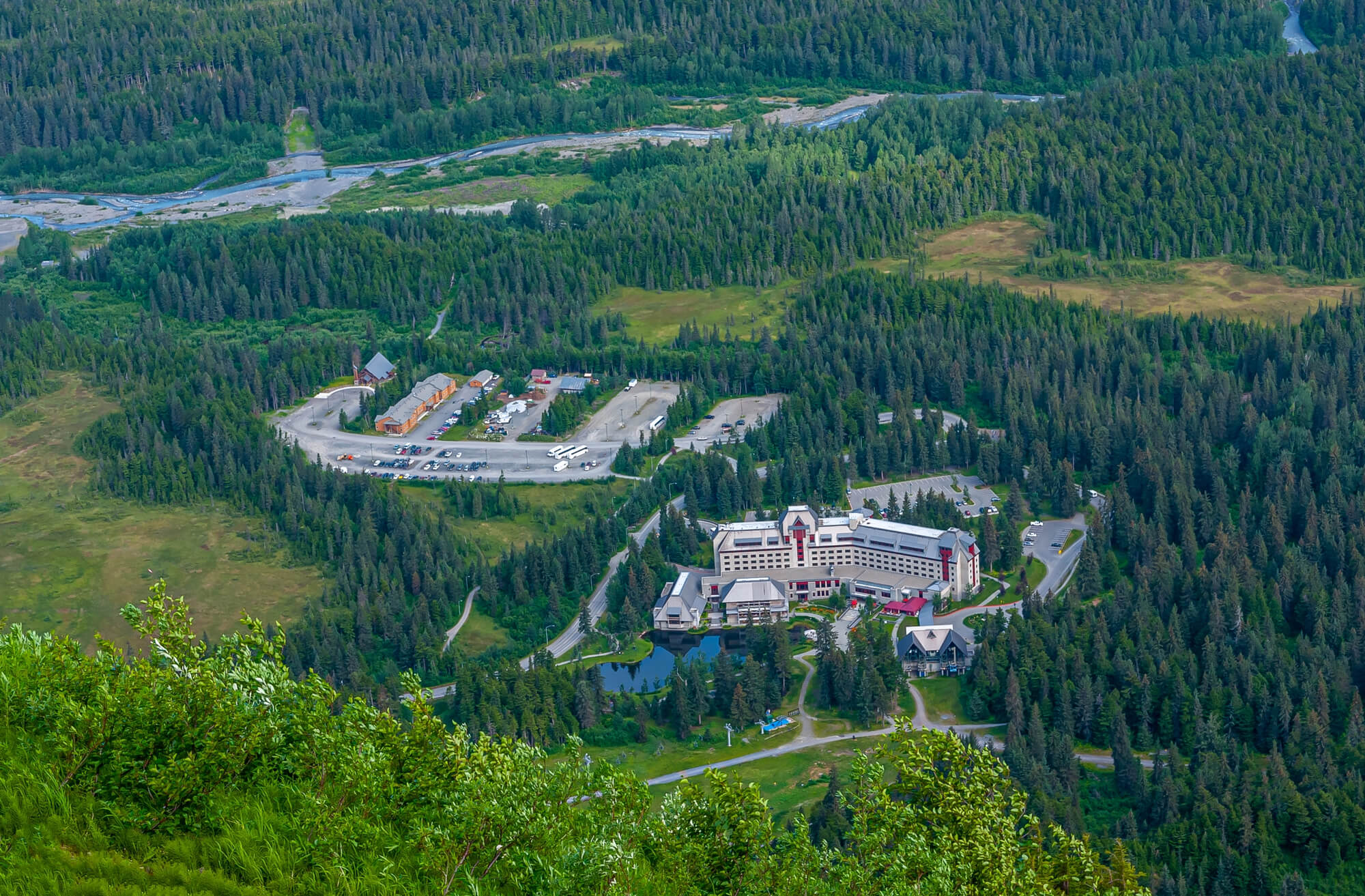
The same 1964 earthquake caused the land around Girdwood to sink by several feet, and tidal water flooded the original townsite. Residents relocated to a new townsite higher up the valley.
The community that grew there is now best known as a ski town.
Yungay, Peru
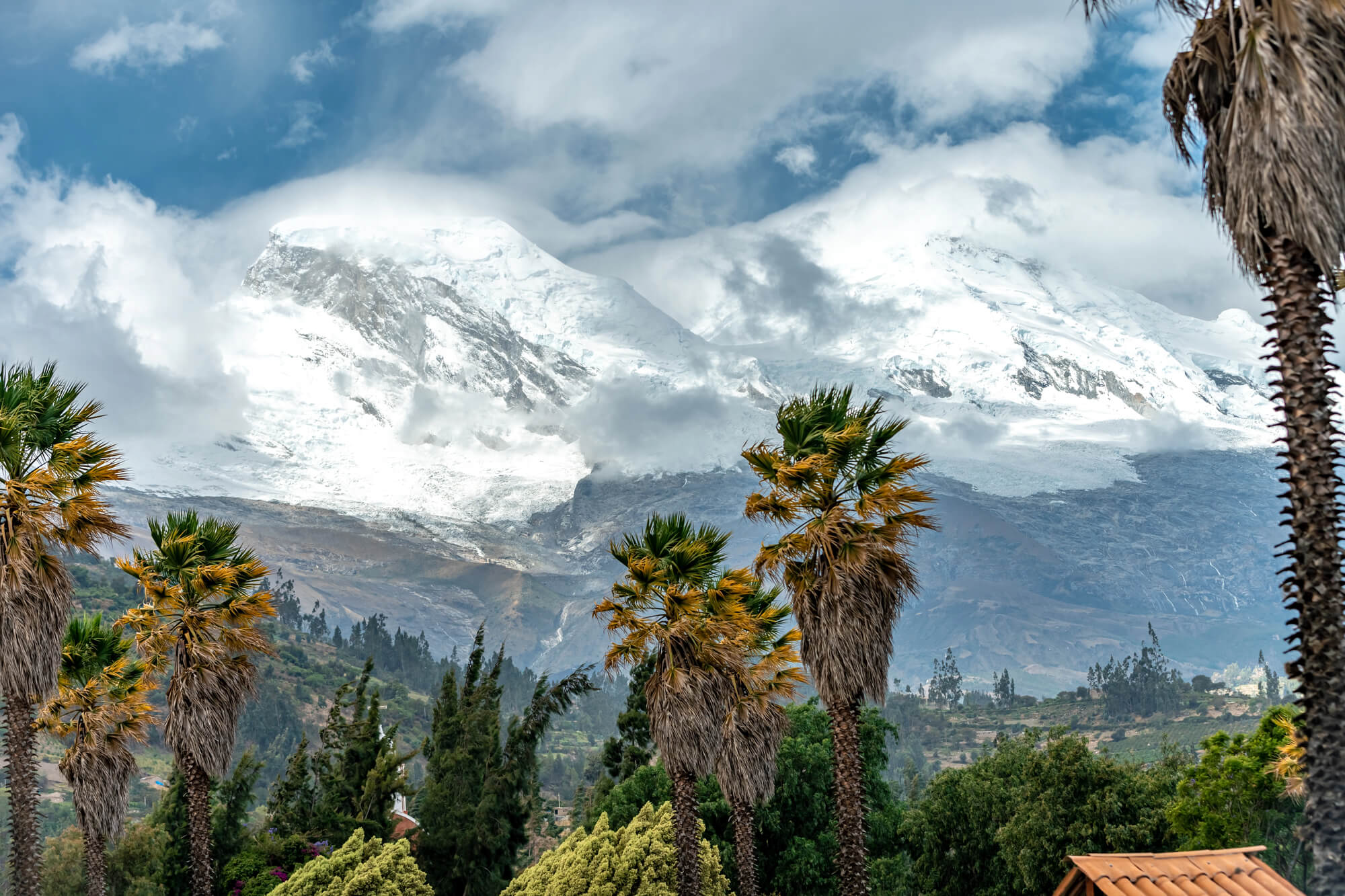
On May 31, 1970, an earthquake off the Peruvian coast shook loose a vast mass of ice and rock from the face of Mount Huascarán. The avalanche raced down the valley and buried Yungay along with thousands of its residents, and a few survivors reached the cemetery hill above town.
The old site is now a memorial, and a new Yungay was built nearby.
Gibellina, Sicily
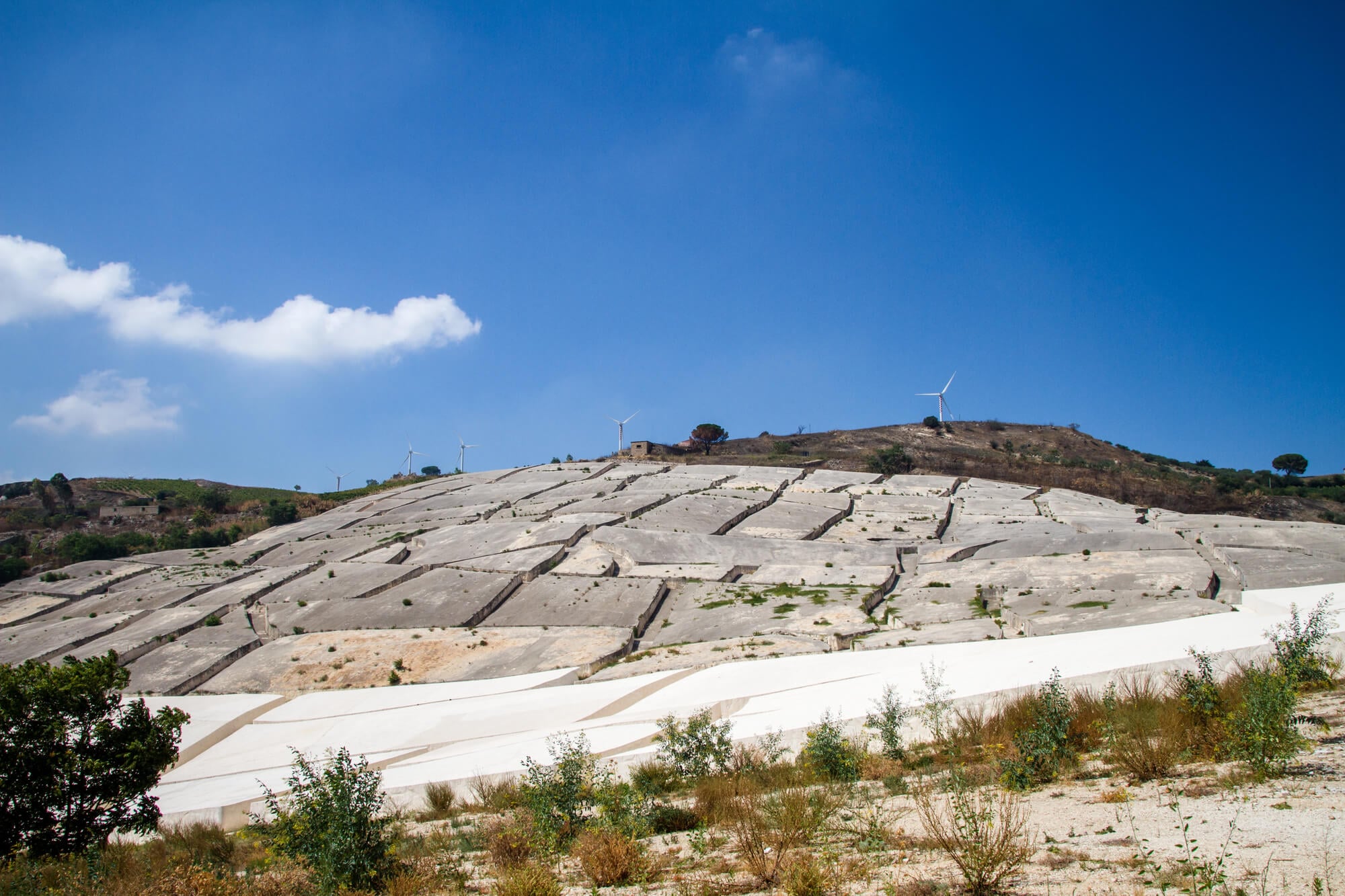
The 1968 earthquake in Sicily’s Belice Valley destroyed the old town of Gibellina, and officials decided to build a new one miles away. Gibellina Nuova became an open-air museum, filled with sculpture and bold architecture commissioned from well-known artists.
The artist Alberto Burri covered the ruins of the old town in white concrete, creating the Grande Cretto, a memorial that follows the lines of the lost streets.
Plymouth, Montserrat
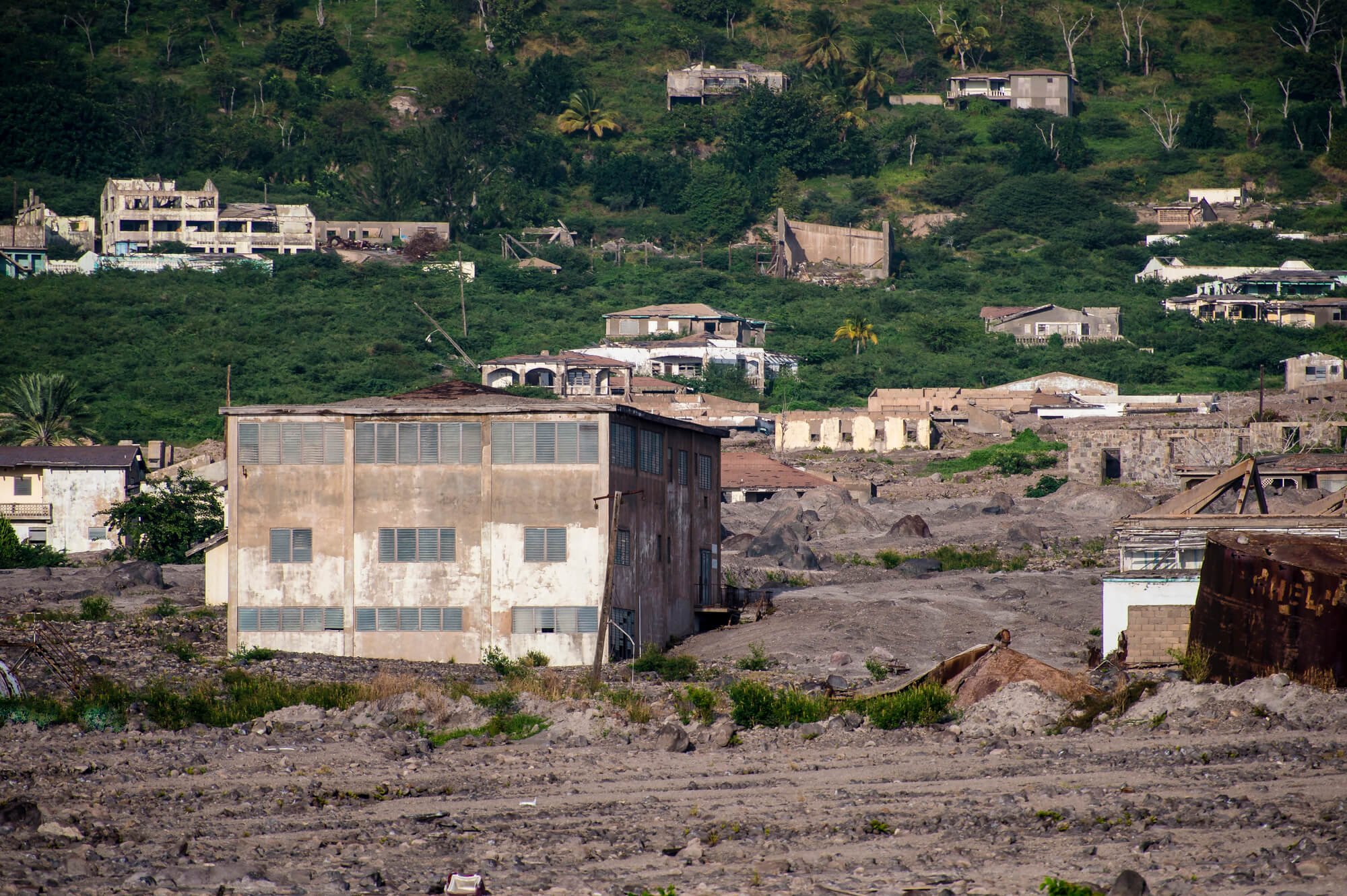
When the Soufrière Hills volcano erupted in the mid-1990s, ash and mudflows buried Plymouth, then the capital of Montserrat, and drove most residents off the island. The town is sometimes called the Pompeii of the Caribbean, with buildings still standing under a gray blanket of ash.
Government offices now operate from Brades in the north, and a new capital is being built at Little Bay.
Chaitén, Chile
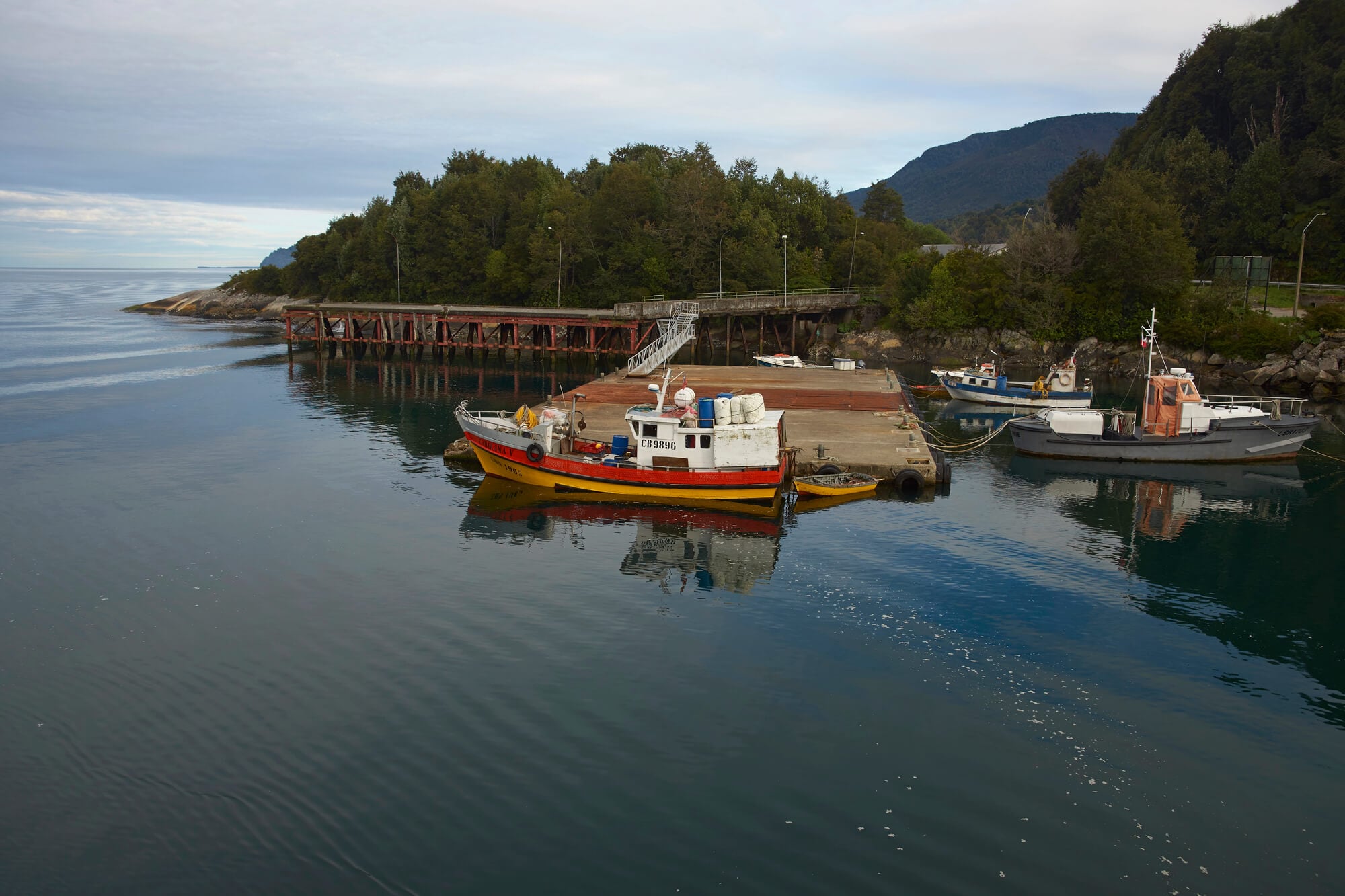
The Chaitén volcano erupted in 2008 with almost no warning, covering the town in ash and sending a river through its streets. The government announced a plan to relocate residents to a new town at Santa Barbara, to the north.
Many people returned to rebuild in the original town anyway, which left Chaitén split between the plan and the place.
Kiruna, Sweden
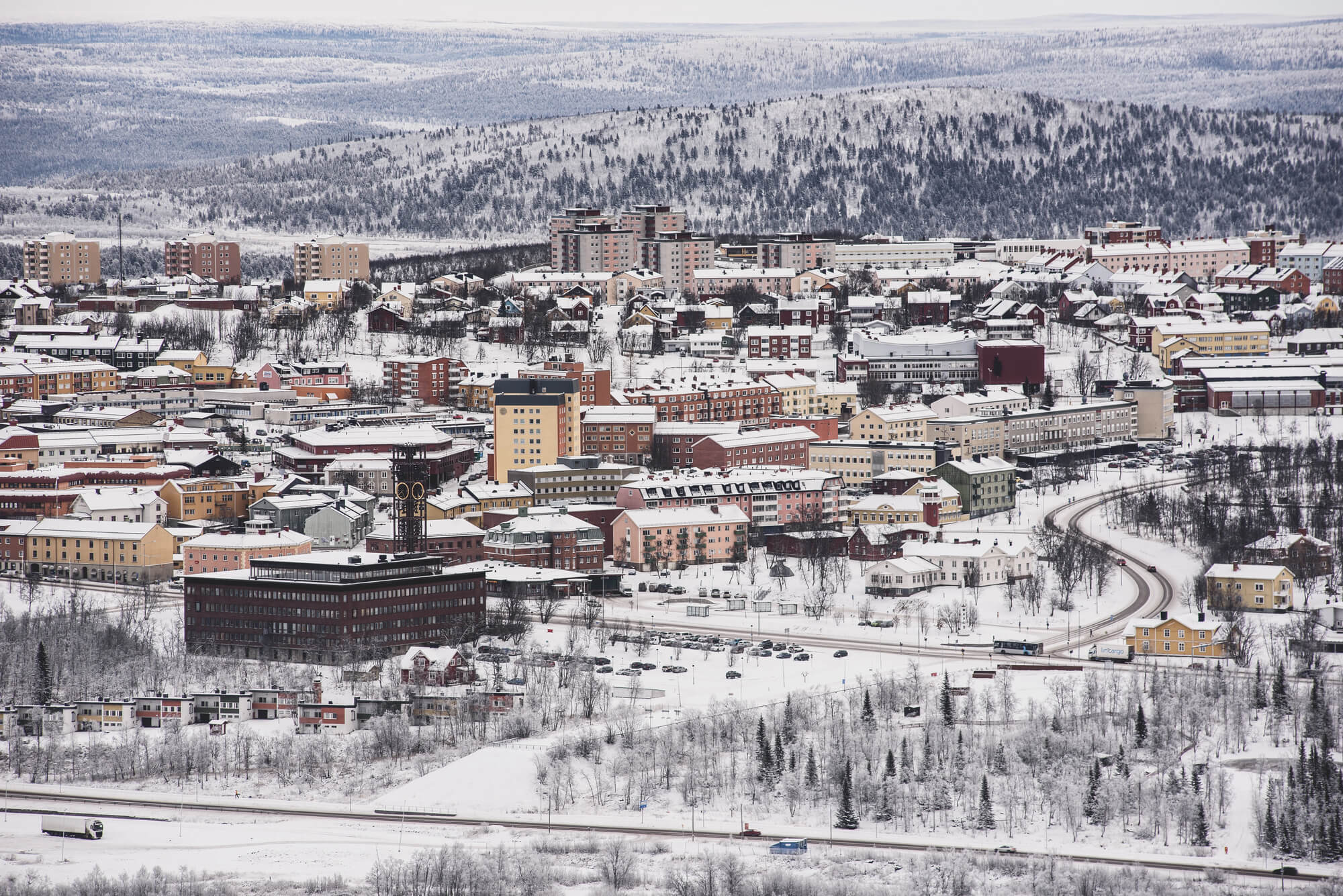
Kiruna was built beside the largest underground iron mine in the world, and as the mine expanded, the ground beneath the town began to crack and subside. The city has been moving about two miles east in stages, with new buildings going up in the new center.
In August 2025, the town’s red wooden church, weighing 672 tons, was rolled on a wheeled platform to its new site as crowds watched.
Jakarta, Indonesia
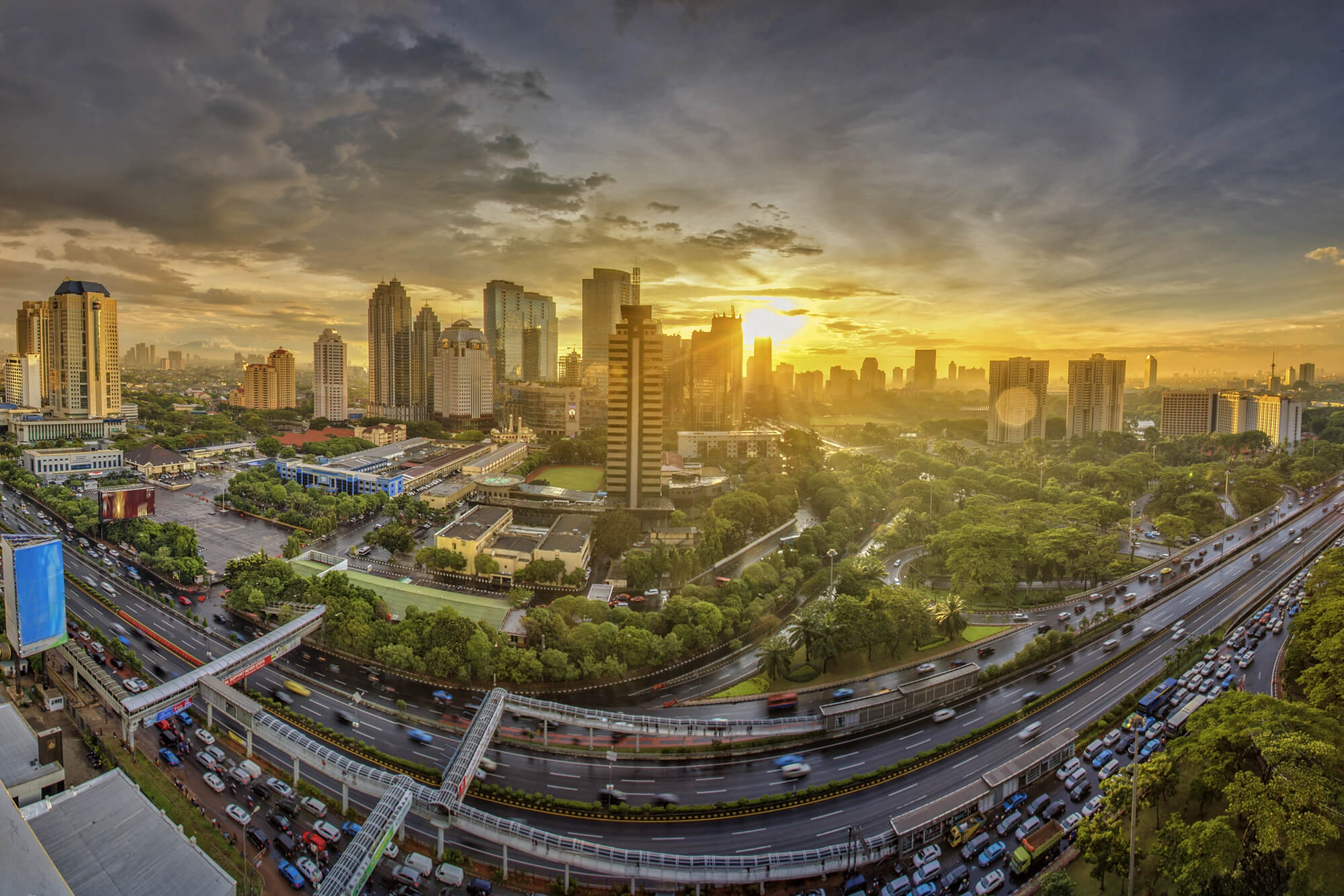
Jakarta ranks among the fastest-sinking big cities in the world, with the land dropping as groundwater is pumped from beneath it and the sea pressing in from the north. In January 2022, Indonesia passed a law to move the national capital to a new city named Nusantara in East Kalimantan, on the island of Borneo.
The move is meant to relieve the pressure on a crowded and flood-prone city.
Rikuzentakata, Japan
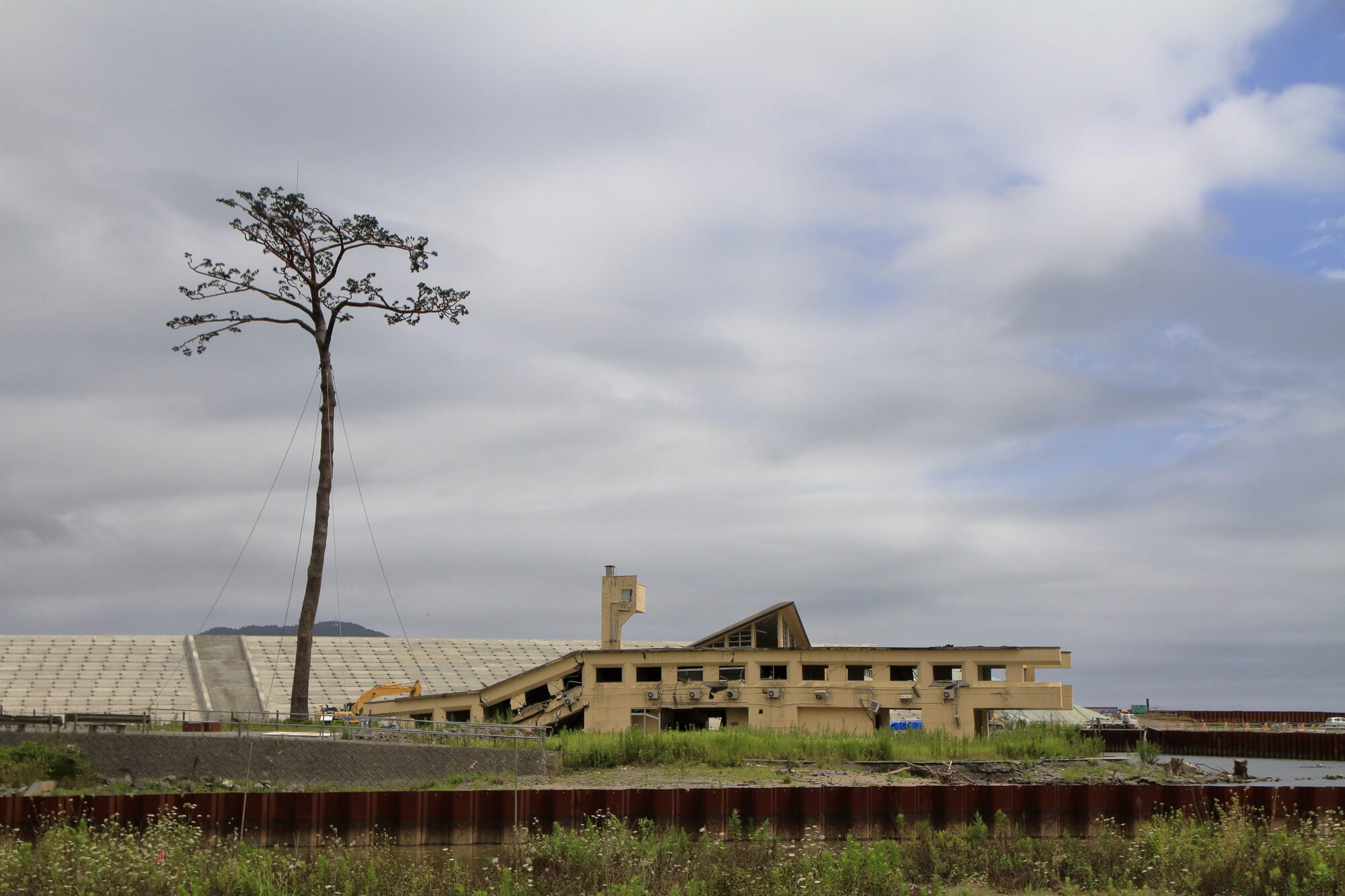
A tsunami in March 2011 destroyed much of Rikuzentakata, and the city rebuilt its downtown on raised ground, using soil carried from nearby hills by an enormous conveyor system. The new ground sits well above the waterline, and many homes were built on higher slopes.
The project took years to complete.
The Price of Higher Ground
Moving a city is an admission that the ground cannot be trusted, and that is never an easy thing for a community to accept. Residents leave behind houses, graves, and streets that hold generations of memory.
The relocations on this list happened because staying was worse.
The new sites show what survivors valued. Some chose firmer ground, some added wide avenues, and some kept the old name as a way of keeping faith.
Many of the abandoned towns remain as ruins or memorials, a reminder that every city is a bet on the land beneath it.
More from Go2Tutors!

- 27 Silver Dollars and Half Dollars Worth Keeping
- 28 Restaurant Menu Items Nobody Orders Anymore
- 17 Places Built in Seemingly Impossible Spots
- 27 Vintage Rings Worth More Than They Look
- 25 Restricted Sites Tourists Can’t Enter
Like Go2Tutors’s content? Follow us on MSN.