Why Some Islands Have No People
Islands often bring to mind images of sandy beaches, palm trees, and bustling tourist spots. Yet, many islands around the world remain completely empty, without a single person living there. It might seem strange to wonder why no one has settled on these patches of land surrounded by water. The reasons can be simple or complex, ranging from natural barriers to human decisions. Understanding these reasons helps make sense of the quiet spaces on our planet.
Let’s dive into the real explanations behind why some islands have no people at all.
Too small to live on

Some islands are incredibly tiny—so small that building a shelter is nearly impossible. There’s not enough space to grow food, store water, or even move around freely.
Without room to support basic needs, no one can make a home there. Even animals often avoid these places because there’s no shelter or food.
So while they might look charming on a map, they just can’t support life in the long run.
Dangerous wildlife

Some islands are home to animals that make living there risky or even dangerous. Venomous snakes, aggressive insects, or territorial birds can create an unsafe environment.
These creatures may protect their space fiercely, which makes it hard for people to settle peacefully. Human settlements tend to avoid places with high risks of attacks or bites, leaving the island to its wildlife.
Volcano risks
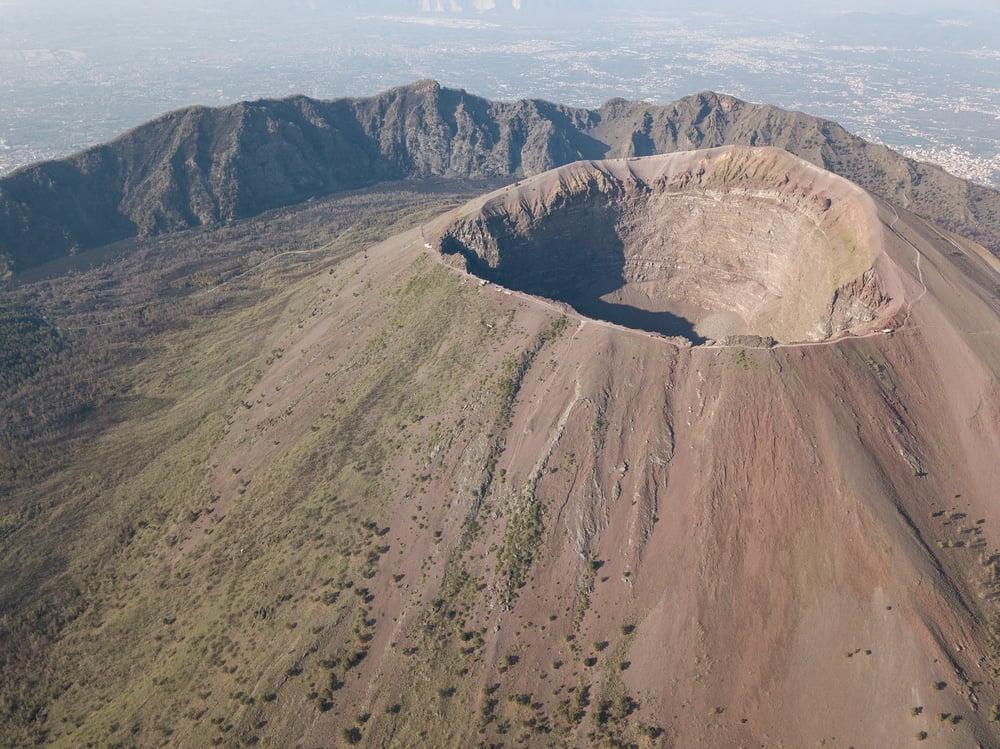
Volcanic islands might seem exciting, but active volcanoes present real dangers. Eruptions can happen suddenly, spewing lava, ash, and gas.
Even dormant volcanoes can become active again without warning. The threat of destruction keeps many people from settling on or near these islands.
For safety, it’s better to stay away from volatile volcanic areas.
Extreme weather

Many islands lie in areas where severe storms are common. Hurricanes, typhoons, and cyclones bring heavy winds, rain, and flooding regularly.
Building strong homes that survive these conditions can be very expensive. Frequent damage and repair discourage permanent settlement.
People usually choose safer places with milder weather.
Hard to reach

Some islands are located far away from other land or transportation routes. Without regular boats, planes, or roads, reaching these places is a challenge.
This isolation makes it difficult to get supplies or medical help when needed. In emergencies, waiting for rescue or resources can be dangerous.
Because of this, few people choose to live so far from help and comfort.
Protected by law
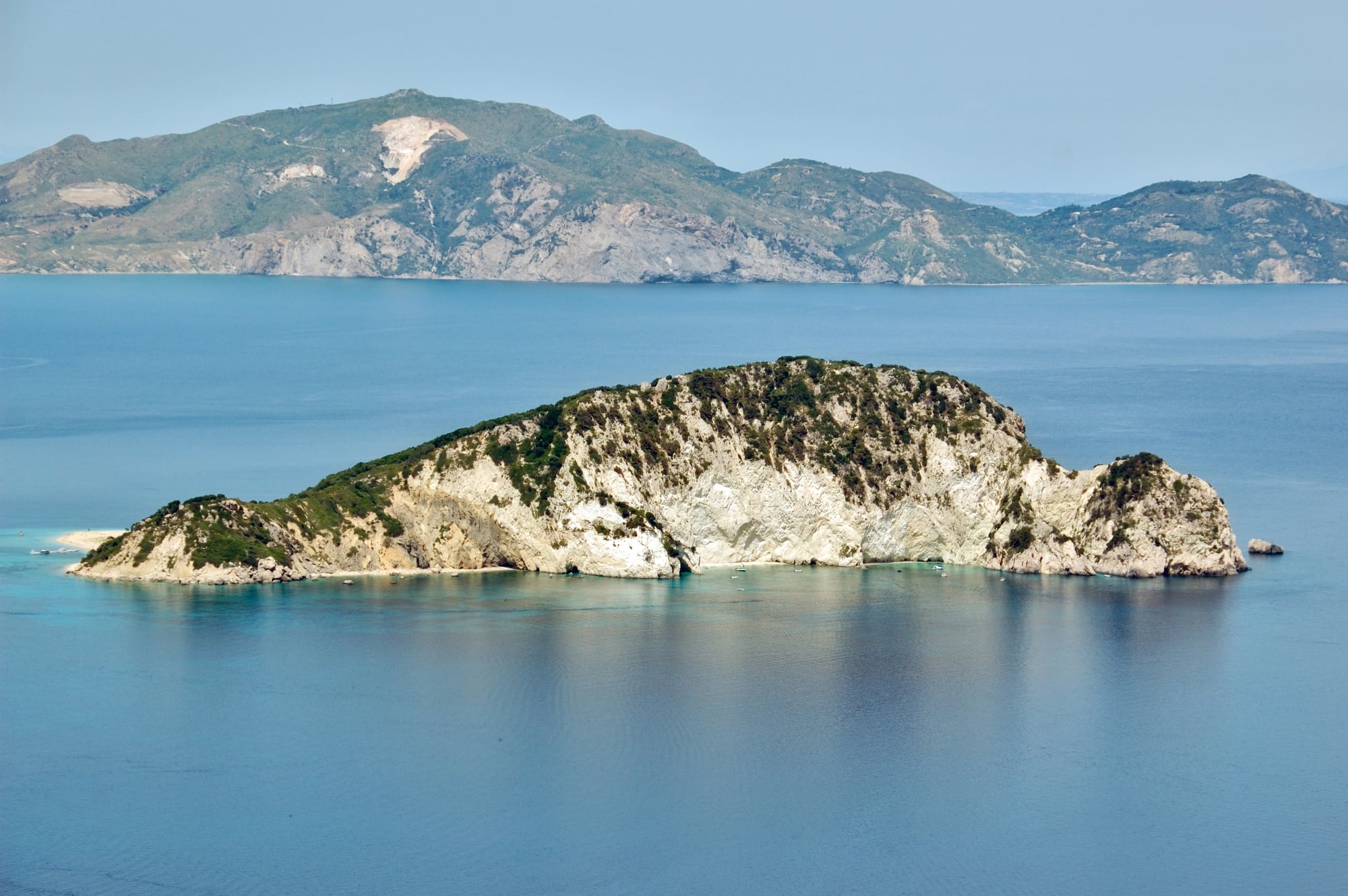
Certain islands are protected by governments or organizations to preserve nature. These protected areas prevent construction, hunting, or farming to keep wildlife safe.
Many islands serve as important habitats for endangered species or fragile ecosystems. Access to these islands may be restricted or controlled.
Keeping them empty helps maintain the planet’s natural balance.
Harsh climate
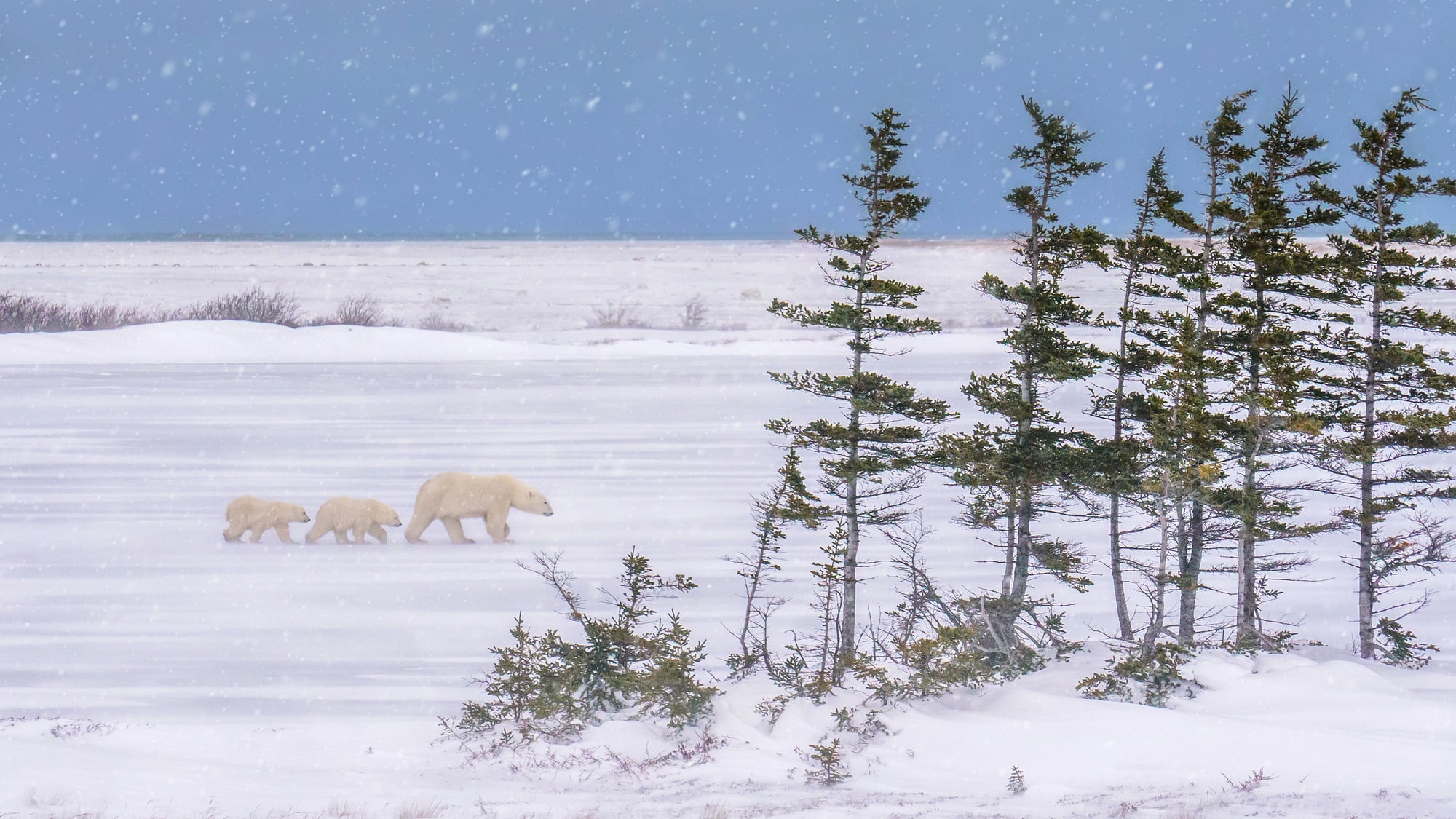
Some islands experience extreme climates that are hard to live in. They might have very high temperatures during the day and cold nights, or they might be extremely dry or wet.
These harsh conditions make it difficult to grow food or stay comfortable. Without proper shelter and resources, surviving there is a constant challenge.
This often leads people to avoid settling in such places.
Frequent flooding

Islands close to sea level face flooding regularly. High tides, storms, or heavy rains can cover large parts of the land with water.
This damages homes, roads, and crops frequently. Constant flooding makes building permanent structures nearly impossible.
Over time, people leave to find safer places to live.
Past disasters
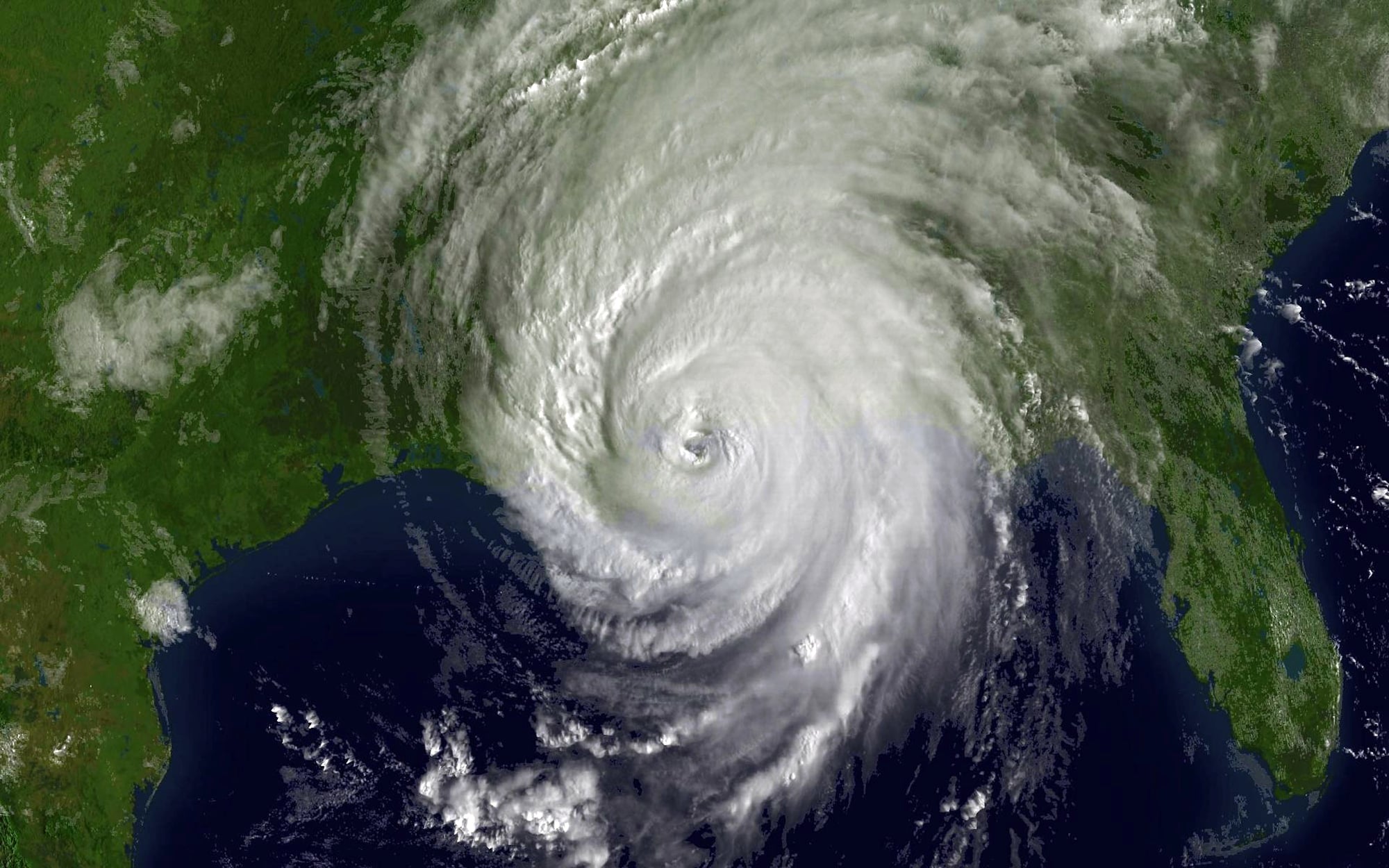
Many islands once had people living on them but suffered from natural disasters like tsunamis, earthquakes, or volcanic eruptions. After such events, survivors often leave and never return.
Nature reclaims the land, covering ruins and making rebuilding difficult. These islands remain empty as reminders of those past events.
No economic reason to settle

Living somewhere needs a way to earn a living. If an island has no valuable resources, no tourism, and no trade potential, it offers little opportunity.
Without jobs or business, people cannot support themselves. The cost of living outweighs the benefits, and people move on.
Economic factors strongly influence whether an island is settled or not.
Owned but unused

Some islands are owned by individuals or companies but are left undeveloped. They might use them occasionally for vacations or keep them as investments.
These owners may not want or need permanent residents. This leaves islands quiet, without communities or towns.
Ownership doesn’t always lead to habitation.
Too expensive to develop

Building on islands is often very costly. Transporting building materials, equipment, and workers can be complicated and expensive.
Setting up utilities like electricity and water adds more costs. Many islands are simply not worth the investment.
Developers choose easier and cheaper places instead.
Military restrictions

Some islands are controlled by the military and closed to the public. They may be used for training, testing, or defense purposes.
To keep the area secure, civilians are not allowed. This restriction keeps the islands free of permanent residents.
Military use creates a no-go zone for most people.
Home only to researchers

A small number of islands serve as temporary research stations. Scientists visit to study animals, plants, or climate.
These visits are usually short and focused on collecting data. Researchers do not live there all the time.
After they leave, the islands remain quiet and empty.
Still empty, still important

Even without people, empty islands have great value. They protect animals and plants, offer places for science, and preserve natural beauty.
Some carry cultural or historical importance. Their emptiness helps maintain the environment’s balance.
These islands remind us that not all land must be filled with people to matter.
A quiet part of the world that speaks volumes
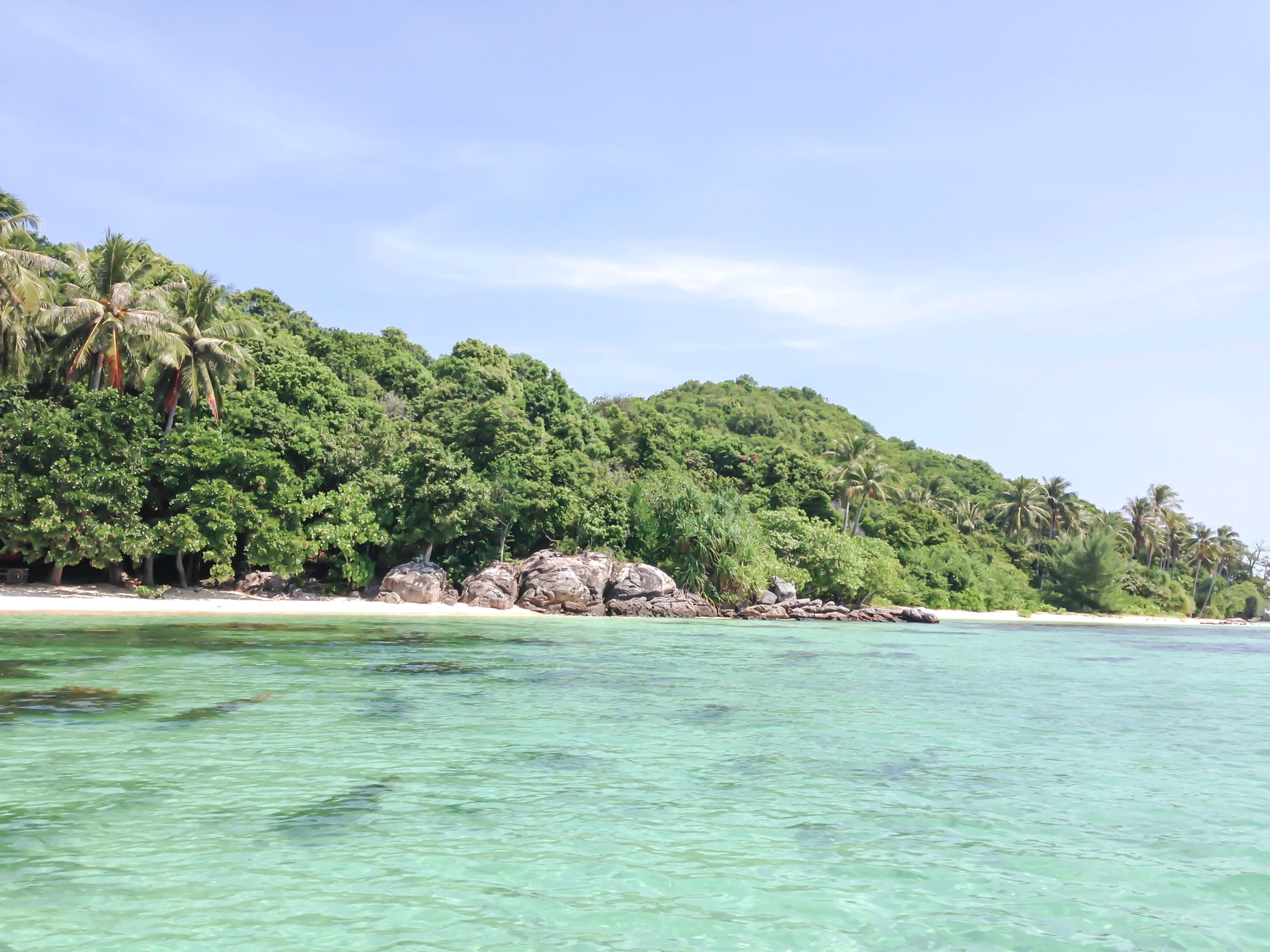
Throughout history, humans have explored nearly every corner of the Earth. Still, some islands remain untouched for good reasons.
These quiet places show that not every piece of land needs to be occupied or changed. They offer spaces where nature stays in control.
Today, they serve as important reminders of the balance between humans and the natural world.
More from Go2Tutors!

- The Romanov Crown Jewels and Their Tragic Fate
- 13 Historical Mysteries That Science Still Can’t Solve
- Famous Hoaxes That Fooled the World for Years
- 15 Child Stars with Tragic Adult Lives
- 16 Famous Jewelry Pieces in History
Like Go2Tutors’s content? Follow us on MSN.