15 Historic Art Heists That Turned Out to Be Inside Jobs
Sometimes the most shocking art thefts don’t come from masked strangers rappelling through skylights or tunneling beneath marble floors. They come from the people who were supposed to protect the art in the first place.
Museum guards, curators, directors, and trusted insiders have orchestrated some of the most brazen heists in history, exploiting their access and knowledge to walk away with priceless masterpieces.
These inside jobs reveal something unsettling about the art world’s vulnerability. When the fox is guarding the henhouse, even the most sophisticated security systems become meaningless.
The Isabella Stewart Gardner Museum Heist

Two men dressed as Boston police officers convinced a night security guard to let them inside on March 18, 1990. The guard broke protocol.
He shouldn’t have opened the door, but he did. What followed was the largest art theft in history.
Thirteen works vanished, including pieces by Vermeer, Rembrandt, and Degas. The thieves knew exactly what they wanted and where to find it.
The Mona Lisa Disappearance
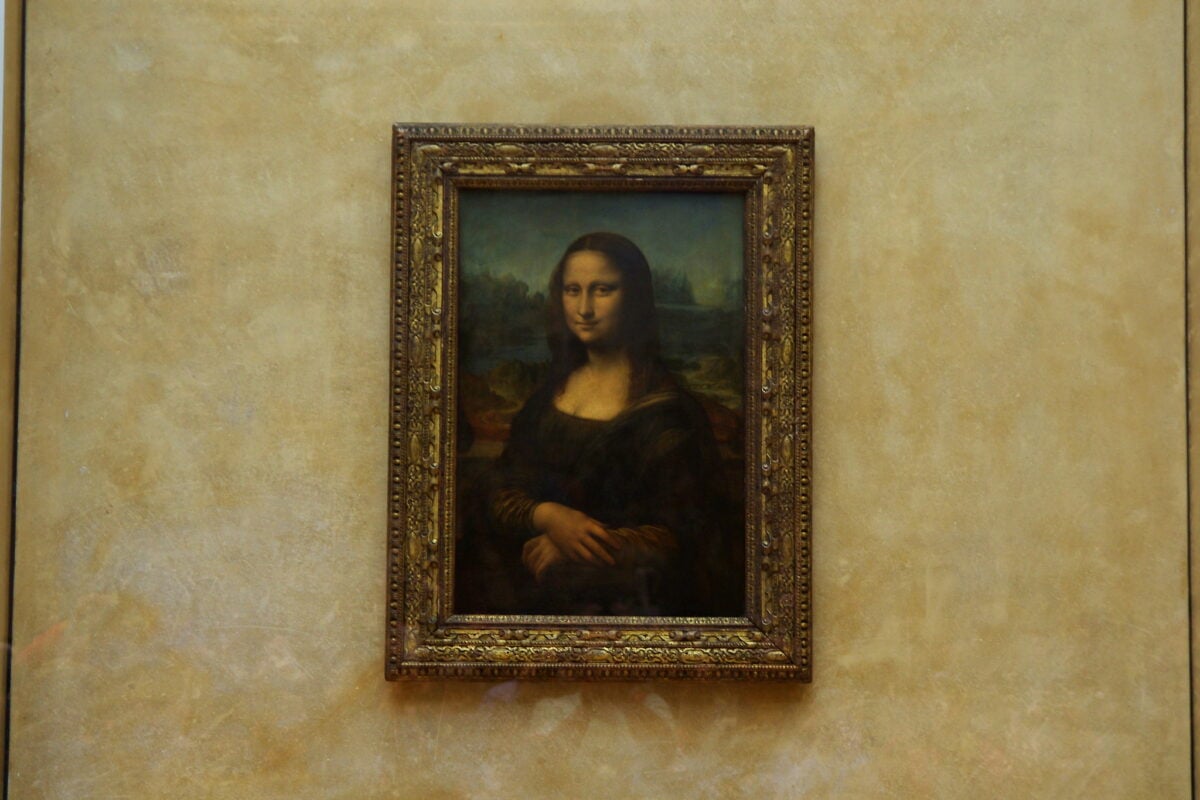
Vincenzo Peruggia worked as a handyman at the Louvre. He knew the museum’s routines, the blind spots, the moments when corridors stood empty.
On August 21, 1911, he simply lifted the Mona Lisa off the wall and walked out with it; the painting was stored in a wooden frame case, not carried under his coat. The painting stayed hidden in his Paris apartment for two years.
When he finally tried to sell it to an Italian gallery, thinking he was repatriating stolen art, authorities caught him. The joke was on Peruggia — the painting had been legally acquired by France centuries earlier.
The Art Institute of Chicago Print Theft
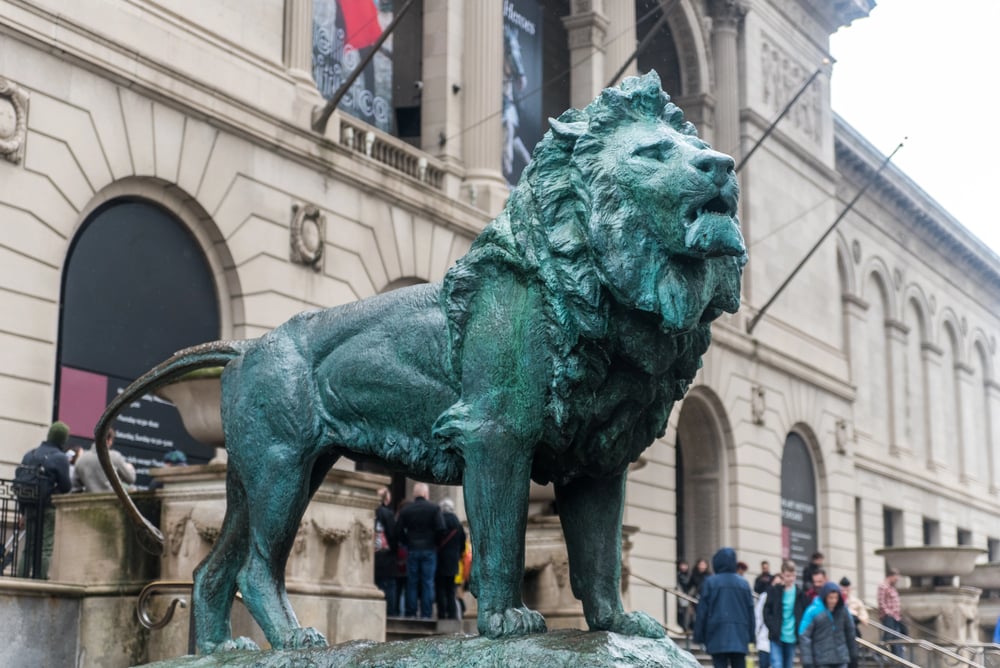
Between 1994 and 2006, a trusted employee systematically stole over 100 prints and drawings from the Art Institute of Chicago. This wasn’t a smash-and-grab operation (though the methodical nature of it makes you wonder if that would have been more honest, in a twisted way).
The thief had legitimate access to the storage areas where these works were kept, and used that access to build what amounted to a private collection worth millions. The thefts went unnoticed for years because the stolen pieces were rarely displayed or requested for study — they existed in that liminal space where museum collections live most of their lives, catalogued but largely forgotten.
When the scheme finally unraveled, it revealed something uncomfortable about how museums track their own holdings; if a tree falls in a storage room and no one’s looking for it, does it make a sound? But here’s what gets you: the employee didn’t sell most of the stolen works.
They just kept them, as if proximity to greatness at work wasn’t enough — they needed to own it, to take it home. And that tells you something about the psychology of these inside jobs that goes beyond simple greed.
The Stockholm National Museum Heist

Museum guard Dieudonne Cedor spent months planning his 2000 heist of three paintings worth $30 million. He knew the security system inside and out. He understood shift changes, camera angles, and alarm sequences.
On December 22, Cedor and accomplices created diversions around Stockholm while he disabled alarms from the inside. They grabbed a Renoir and two Rembrandts in minutes.
The paintings were recovered three years later, but not before Cedor had proven how easily trusted access could be weaponized.
The Russian State Hermitage Thefts
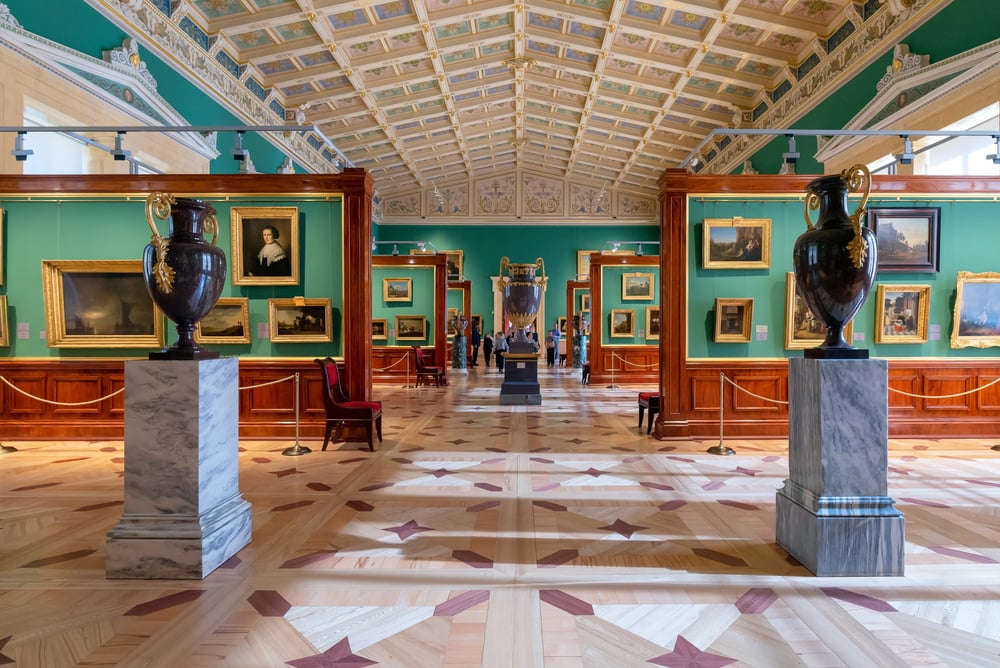
Picture this: you’re a curator at one of the world’s most prestigious museums, surrounded daily by treasures that most people only see in books, and somehow that proximity becomes its own kind of torture rather than privilege. That’s what happened to several employees at the Hermitage in St. Petersburg, who over decades developed what you might call an acquisition problem — except instead of buying things they couldn’t afford, they were stealing things that were literally priceless.
The scheme involved multiple curators and restoration specialists who used their access to gradually replace authentic works with forgeries, smuggling the originals out bit by bit like someone slowly draining a wine cellar. What makes this particularly heartbreaking is that these weren’t desperate people driven by poverty — they were scholars and art lovers who had dedicated their careers to preservation and education.
The thefts were discovered almost by accident when a visiting researcher noticed inconsistencies in some pieces that didn’t match their documented histories. It’s the kind of betrayal that cuts deeper than a smash-and-grab robbery because it comes from people who were supposed to understand the cultural value of what they were stealing better than anyone.
The Yale Center for British Art Theft
— Photo by sainaniritu
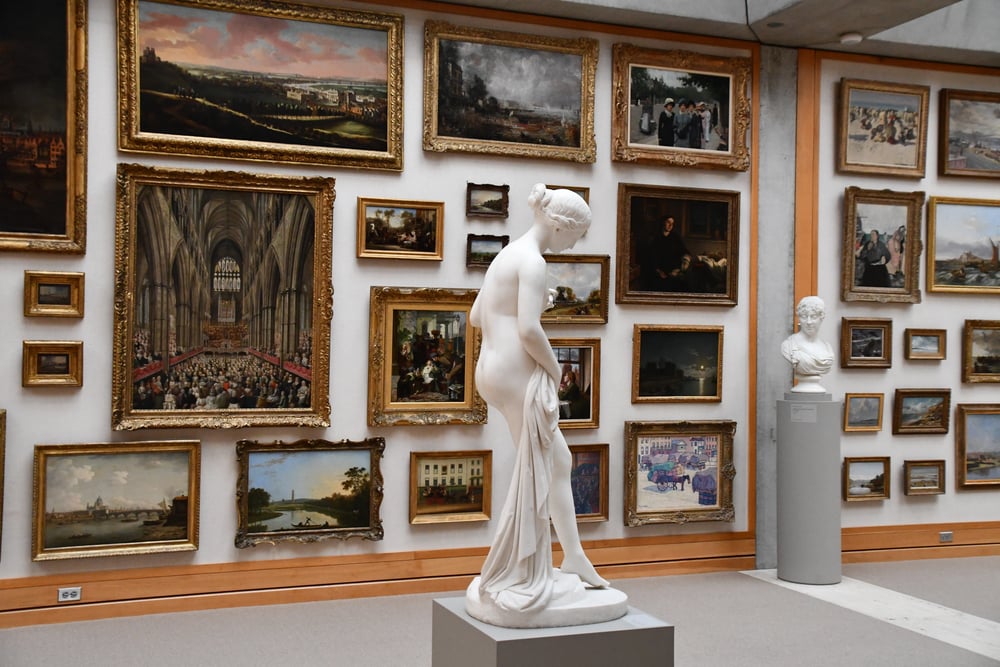
Richard Johnson worked in shipping and receiving at the Yale Center for British Art. Simple job. Honest work.
Except Johnson saw an opportunity that proved too tempting to resist. Between 2003 and 2006, he stole numerous prints and maps, replacing them with forgeries.
His knowledge of the museum’s inventory system meant the thefts went undetected for years. When caught, investigators found stolen works worth over $2 million in his possession.
The Detroit Institute of Arts Inside Conspiracy
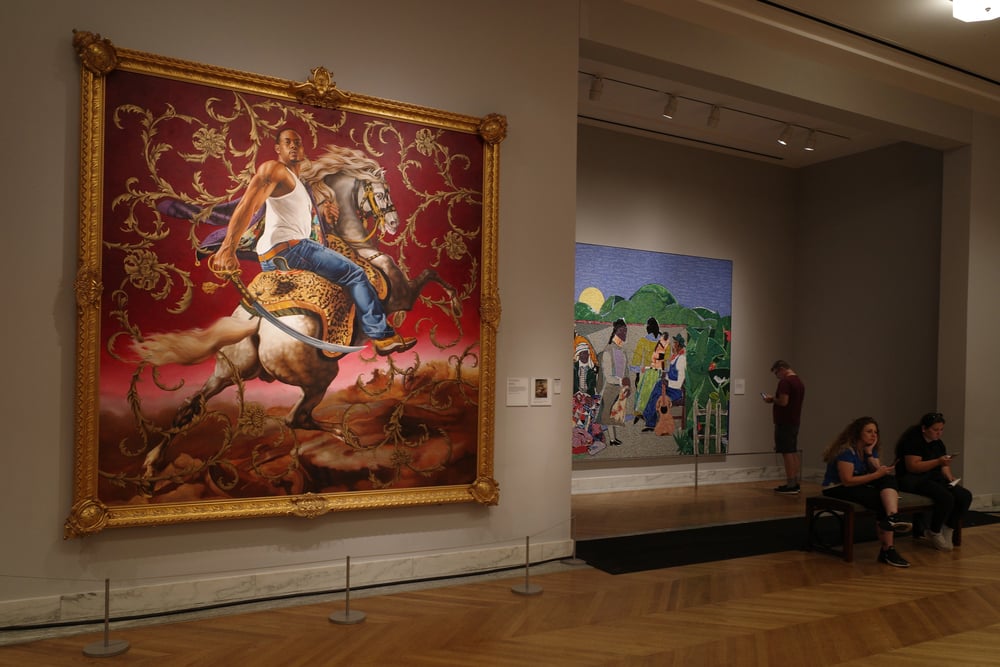
The Detroit Institute of Arts learned a hard lesson about trust when employees orchestrated thefts worth hundreds of thousands of dollars in the 1970s and 1980s. Security guards and administrative staff worked together, using their combined access to target specific pieces and disable security measures.
These weren’t crimes of passion or desperation. They were calculated business decisions made by people who understood the market value of what they were protecting.
The conspiracy lasted years before unraveling.
The Brooklyn Museum Print Heist
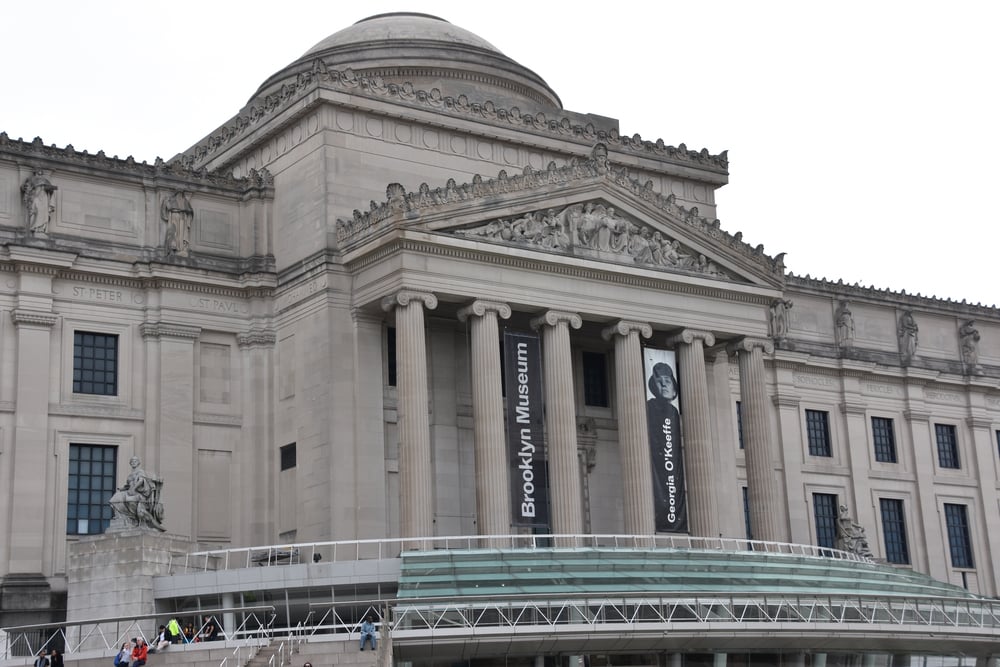
Trust is a funny thing in the art world — it’s absolutely essential and completely naive at the same time, which is probably why inside jobs feel so particularly brutal when they’re discovered. At the Brooklyn Museum in the 1990s, a curator used his scholarly credentials and institutional access to systematically steal prints from the collection, replacing them with reproductions that were good enough to fool casual inspection but would never survive serious scholarly scrutiny.
The thefts weren’t random; he targeted works that were stored rather than displayed, pieces that existed in that museum purgatory where they might not be examined closely for years or even decades. What’s striking about this case is how the curator’s expertise became the weapon — he knew which pieces were valuable, which were rarely accessed, and how to create convincing forgeries.
His knowledge of art history, conservation techniques, and museum procedures turned his education into a criminal toolkit. It makes you wonder how many similar thefts have gone undetected, hidden in the vast storage systems of major museums where millions of pieces wait in climate-controlled anonymity.
The psychological profile here gets complicated: someone who loves art enough to dedicate their career to it, who understands its cultural and historical significance, but who ultimately decides that possession matters more than preservation or public access.
The Dulwich Picture Gallery Theft
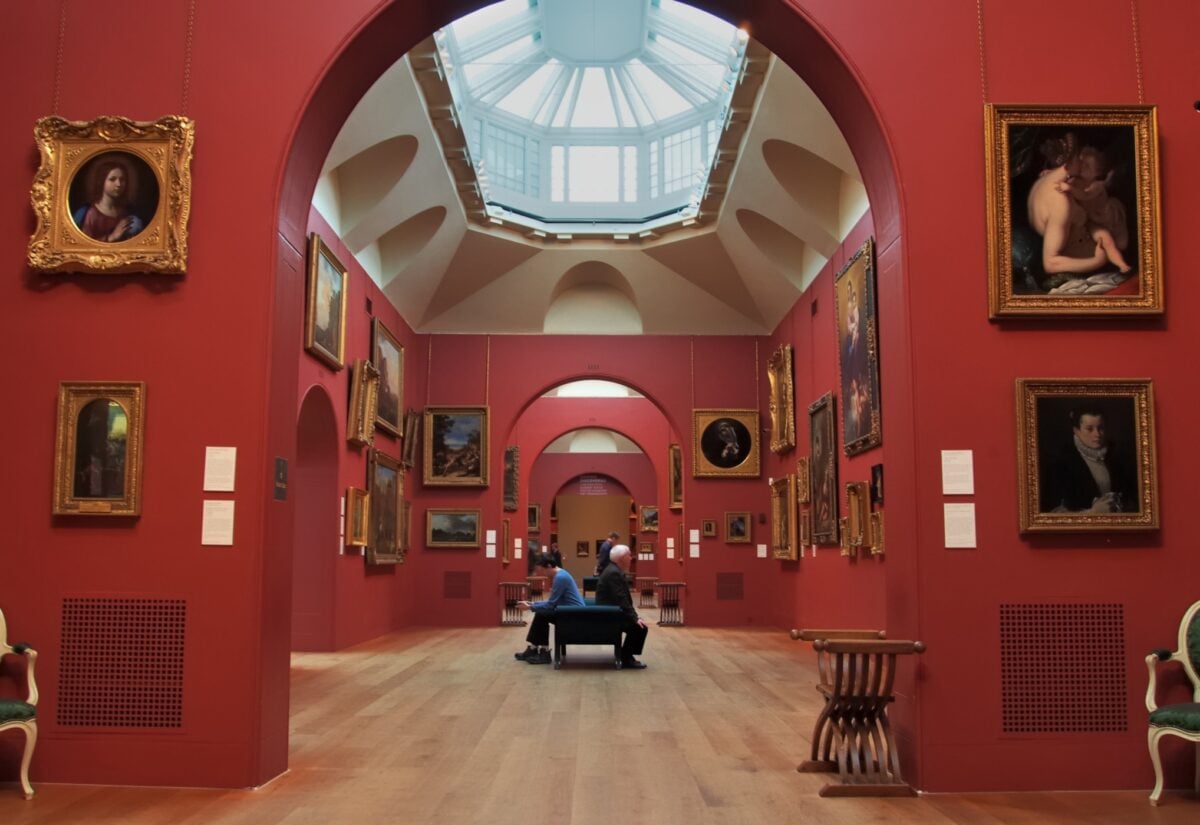
Peter Duffin worked as a security guard at the Dulwich Picture Gallery in London. He knew every corner of the building, every blind spot, every moment when surveillance might lapse.
In 1981, he exploited that knowledge. Duffin orchestrated the theft of eight paintings worth millions. His insider knowledge made the heist possible, but his unfamiliarity with the art market made selling the works nearly impossible.
Most were eventually recovered.
The Philadelphia Museum of Art Conspiracy

Multiple employees at the Philadelphia Museum of Art collaborated in a sophisticated theft ring during the 1960s. Guards, curators, and administrative staff worked together to steal and sell artwork worth hundreds of thousands of dollars.
The conspiracy worked because each participant controlled a different aspect of museum security and inventory. Guards provided access, curators identified valuable targets, and administrative staff covered the paper trail.
The scheme collapsed when one participant attempted to sell stolen works to an undercover investigator.
The Barnes Foundation Employee Theft
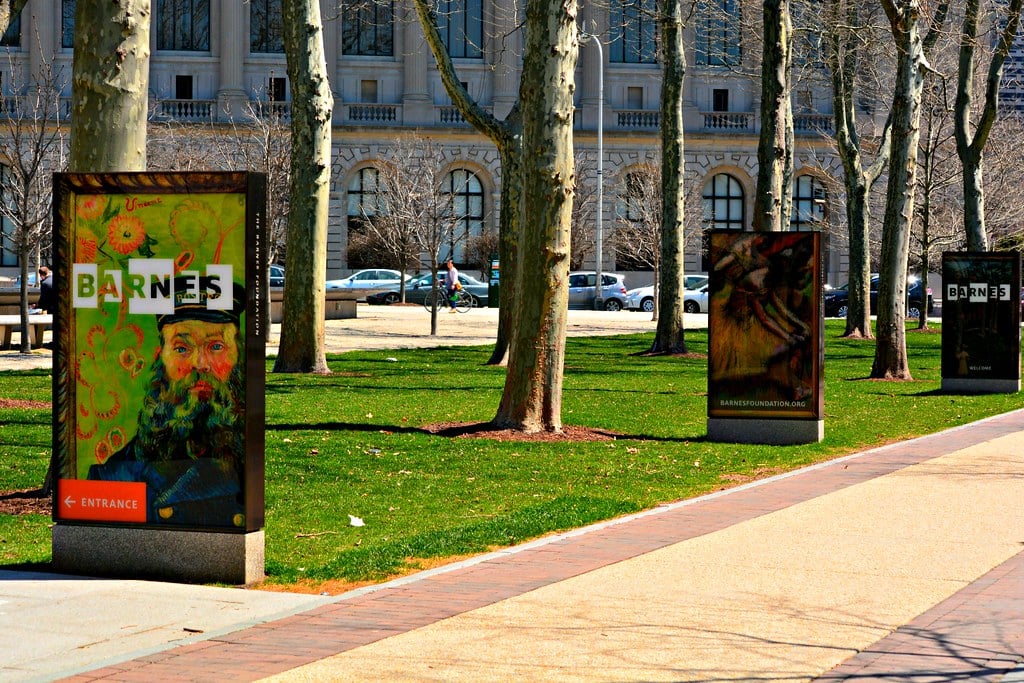
Employees at the Barnes Foundation in Pennsylvania systematically stole items from the collection over several years in the early 2000s. The thefts targeted smaller works — prints, sketches, and decorative objects that might not be missed immediately.
The foundation’s somewhat chaotic inventory system made the thefts easier to conceal and harder to detect. When discovered, the stolen works were found in the homes of multiple employees who had essentially been dividing up the collection among themselves.
The Metropolitan Museum Employee Scheme
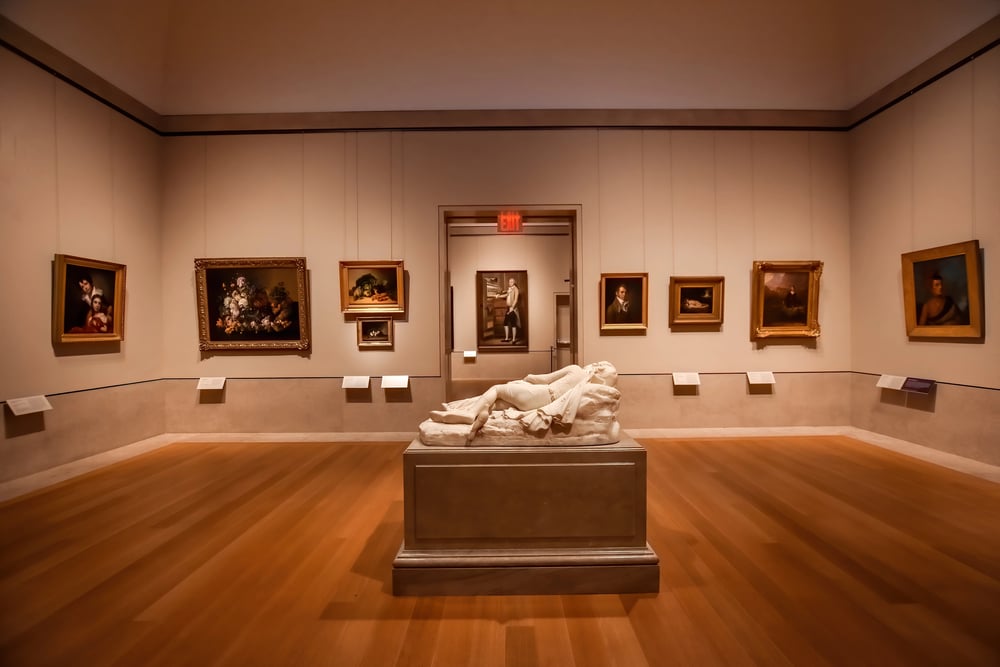
The Metropolitan Museum of Art discovered in the 1980s that trusted employees had been systematically removing items from storage areas and replacing them with photographs or inferior substitutes. This wasn’t the work of one rogue employee (which would have been bad enough, but at least contained), but rather a network of insiders who had figured out how to exploit the gaps between the museum’s vast collection and its tracking systems — gaps that exist, frankly, at every major institution because the sheer volume of objects makes constant monitoring impossible.
The scheme worked partly because of specialization: different employees had access to different areas and different types of objects, so no single person was stealing enough to trigger obvious red flags. A textile specialist might take a few pieces from the costume collection, while someone in decorative arts would focus on ceramics or small sculptures. The cumulative loss was enormous, but spread across departments and categories in a way that delayed detection.
What’s particularly galling about this case is that the Metropolitan has some of the most sophisticated inventory and security systems in the museum world. But systems are only as strong as the people operating them, and when those people decide to work against the system rather than within it, even the best safeguards become vulnerabilities.
The inside knowledge that should have made these employees the most effective guardians instead made them the most dangerous threats.
The Smithsonian Storage Thefts

A Smithsonian Institution employee used his access to storage facilities to steal Native American artifacts and historical items worth hundreds of thousands of dollars between 1999 and 2004. The thefts went undetected because the stolen items were in storage rather than on display.
The employee sold items through online auctions and private dealers. His knowledge of the collection’s value and his ability to access storage areas made the thefts both profitable and difficult to detect.
The scheme was discovered only when a suspicious dealer reported questionable provenance documentation.
The Louvre Storage Room Thefts

Several Louvre employees collaborated in the 1970s to steal smaller works from storage areas. They targeted pieces that were catalogued but not regularly accessed for exhibition or research.
The thieves used their combined knowledge of the museum’s inventory system, security protocols, and storage layouts. The thefts continued for several years before being detected during a routine inventory audit.
Many of the stolen works were never recovered.
The National Gallery Employee Heist
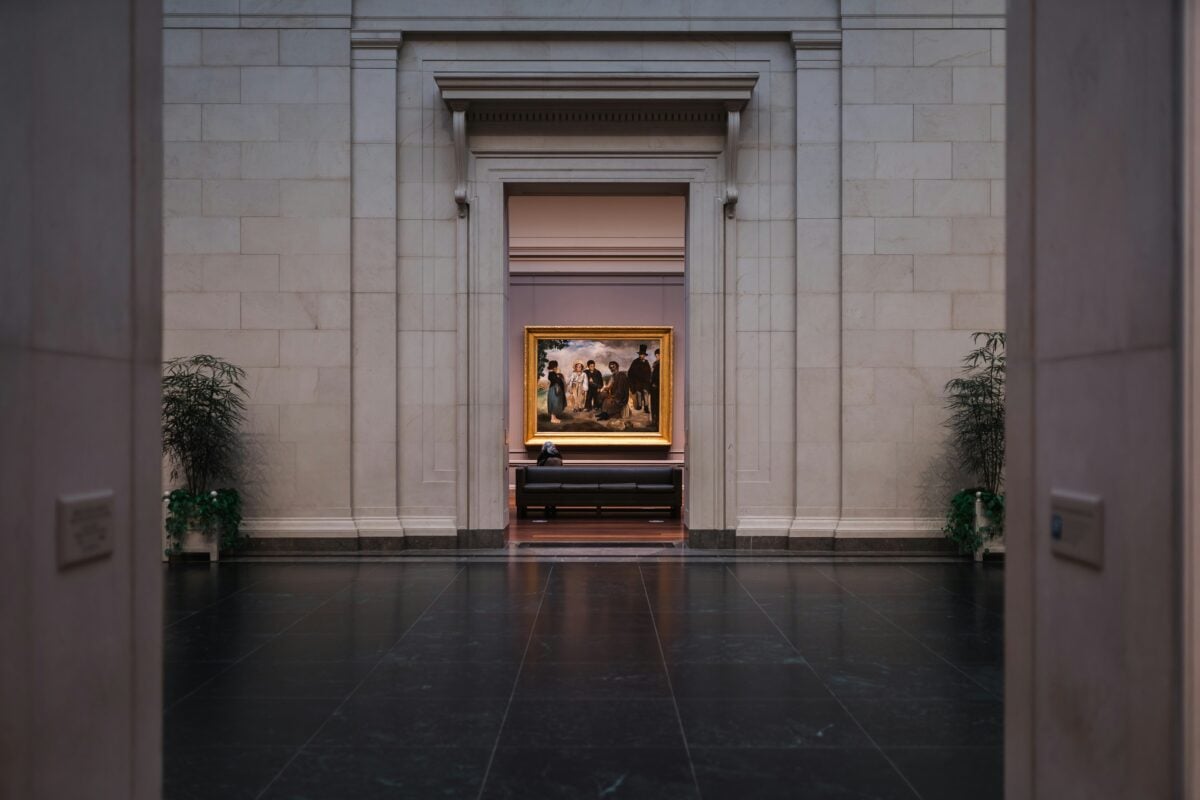
A National Gallery employee in London used his position to steal several drawings and prints in the 1990s. His access to the collection and knowledge of security procedures made the thefts possible.
The employee gradually built a collection of stolen works in his home, apparently for personal enjoyment rather than financial gain. The thefts were discovered when he attempted to sell some pieces to finance personal expenses.
Most of the stolen works were recovered from his residence.
When Trust Becomes Betrayal

These inside jobs reveal an uncomfortable truth about protecting cultural treasures. The very people with the knowledge and access necessary to preserve art are also uniquely positioned to steal it.
Museums depend on trust, expertise, and dedication from their employees. When that trust is violated, the damage goes beyond the financial loss of individual works.
Each of these cases forced institutions to reconsider their security protocols, inventory systems, and employee oversight. But the fundamental tension remains: art must be accessible to scholars, curators, and conservators to serve its cultural purpose, yet that accessibility creates opportunities for those who would exploit it.
The price of protection, it turns out, is eternal vigilance — even over those doing the protecting.
More from Go2Tutors!

- The Romanov Crown Jewels and Their Tragic Fate
- 13 Historical Mysteries That Science Still Can’t Solve
- Famous Hoaxes That Fooled the World for Years
- 15 Child Stars with Tragic Adult Lives
- 16 Famous Jewelry Pieces in History
Like Go2Tutors’s content? Follow us on MSN.



