Cities With Surprisingly Long Names
Looking at a map can lead to some head-scratching moments. You’ll spot a city name that seems to go on forever, making you wonder how anyone remembers it or fits it on a sign.
Some places earned their lengthy names through historical accidents, while others wear them as badges of honor. The stories behind these tongue-twisters reveal something deeper about the communities that call them home.
Taumatawhakatangihangakoauauotamateaturipukakapikimaungahoronukupokaiwhenuakitanatahu, New Zealand
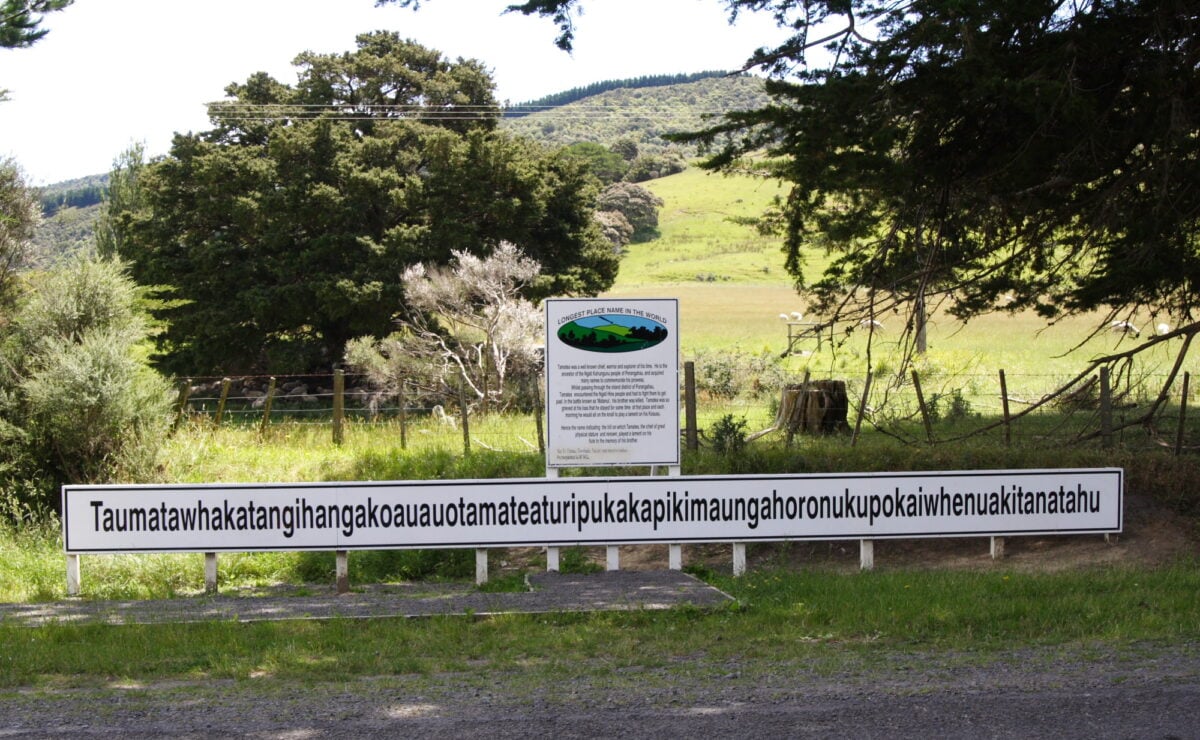
This hill in New Zealand holds the record for the longest place name in the world. The Māori name tells a complete story about a warrior and his loved one, condensed into 85 letters.
Local residents shortened it to Taumata for everyday use, which makes perfect sense. The full name translates to a tale about Tamatea, a man known for his climbing prowess, playing a flute for his beloved.
Road signs in the area sparked curiosity for decades, and now tourists make pilgrimages just to snap photos next to them.
Llanfairpwllgwyngyllgogerychwyrndrobwllllantysiliogogogoch, Wales
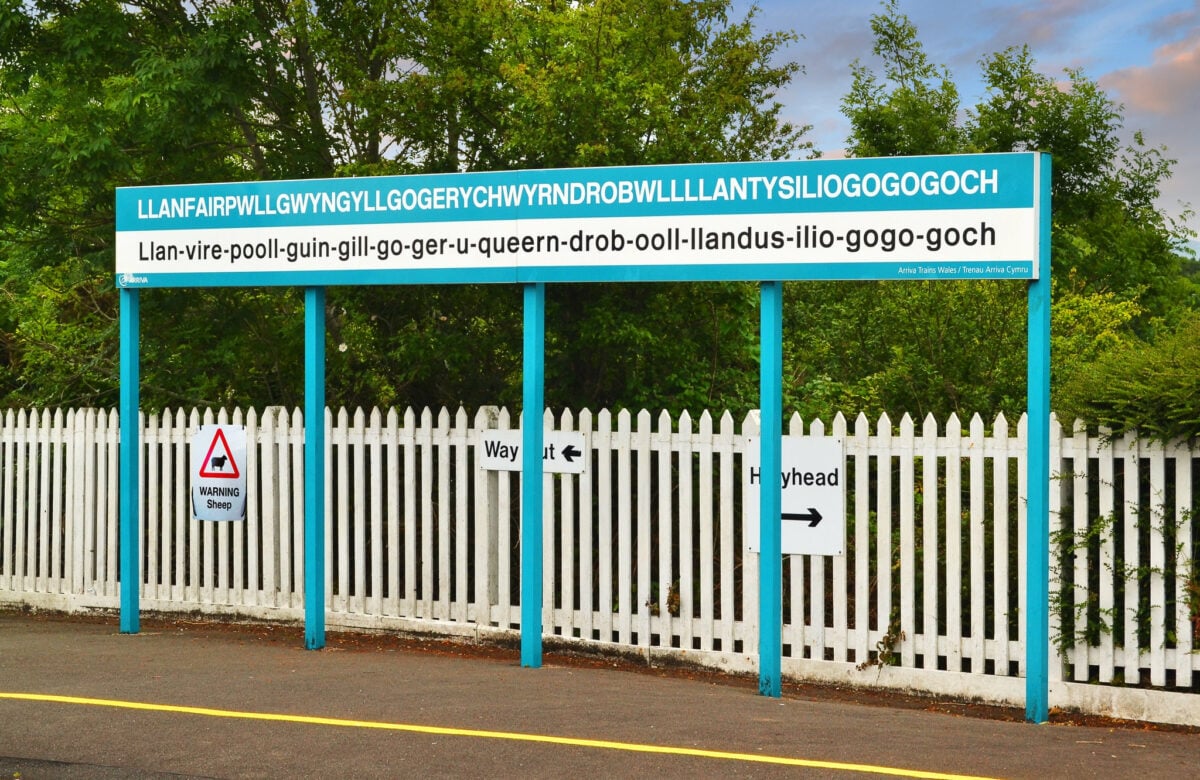
This Welsh village became famous for its 58-letter name, though locals simply call it Llanfairpwll or Llanfair PG. The name translates to “St Mary’s Church in the hollow of the white hazel near a rapid whirlpool and the Church of St. Tysilio near the red cave.”
A local tailor allegedly lengthened the name in the 1860s as a publicity stunt to attract visitors arriving by train. The strategy worked.
The village now draws thousands of tourists each year who want to see the train station sign and attempt pronunciation. Gift shops sell certificates proving you said the full name correctly.
Chargoggagoggmanchauggagoggchaubunagungamaugg, Massachusetts
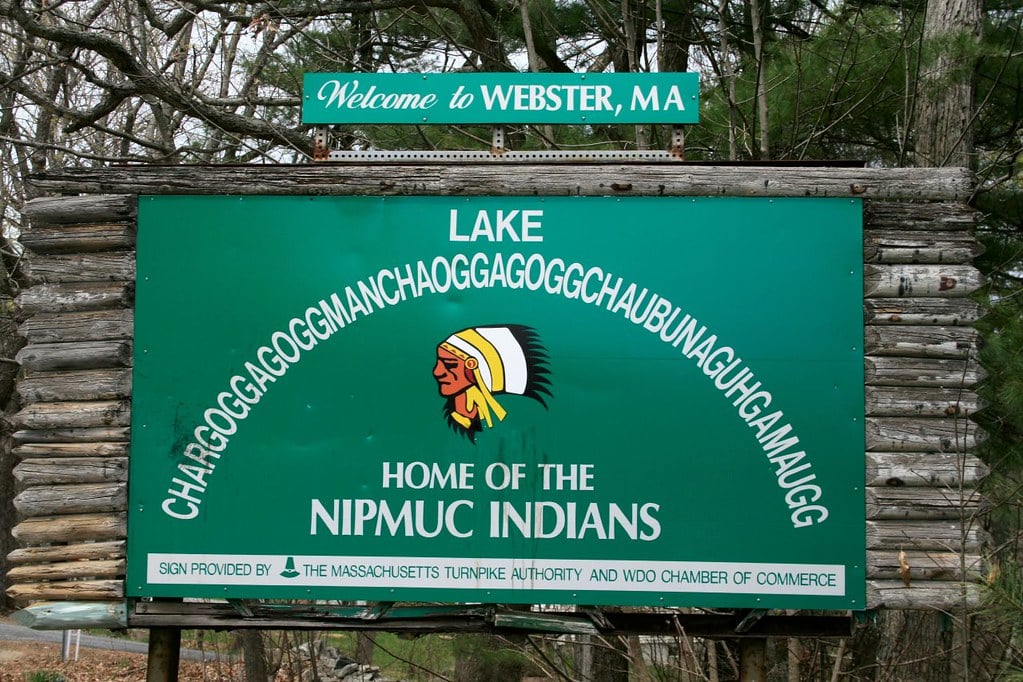
This lake in Webster, Massachusetts, carries a 45-letter Native American name that locals debate about constantly. Some claim it means “You fish on your side, I fish on my side, nobody fishes in the middle.”
Others say the translation differs entirely. The lake goes by Lake Webster in daily conversation, which saves everyone a lot of breath.
The name appeared in print as early as 1831, though spellings varied wildly. Modern maps and signs now use the standardized version, but pronunciation guides still differ depending on who you ask.
Tweebuffelsmeteenskootmorsdoodgeskietfontein, South Africa

This 44-letter farm name in South Africa tells a darkly specific story. It translates to “The spring where two buffaloes were shot dead with a single shot.”
The name commemorates an impressive feat of marksmanship, though the exact date and hunter remain lost to history. Farms in South Africa often carry descriptive names like this, turning geography into storytelling.
The property sits in the North West Province, and while it’s technically a farm rather than a city, the name appears on official maps. Locals shorten it creatively, though no standard abbreviation exists.
Äteritsiputeritsipuolilautatsijänkä, Finland
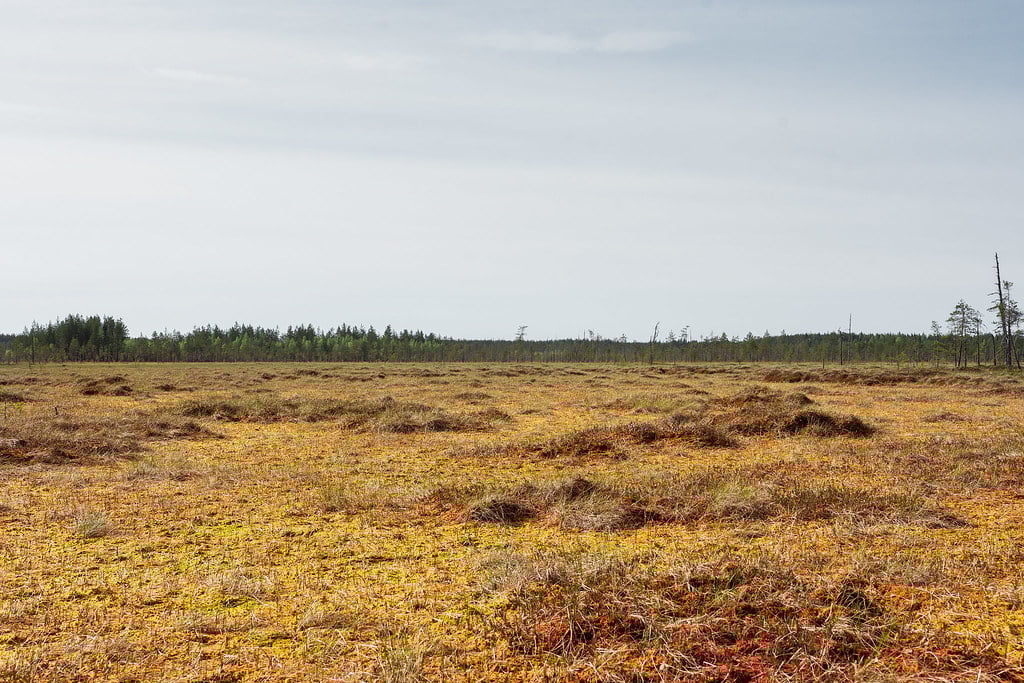
This Finnish marsh name stretches to 35 letters and appears in the northern part of the country. The name roughly translates to “the virgin marsh that someone is carrying something on a board across.”
Finnish place names often describe landscapes in exhaustive detail, turning simple features into compound words that confuse outsiders. The marsh itself remains relatively unknown outside Finland, but language enthusiasts celebrate it as an example of how Finnish constructs words.
Each syllable adds meaning, building a complete picture of the place.
Siemieniakowszczyzna, Belarus
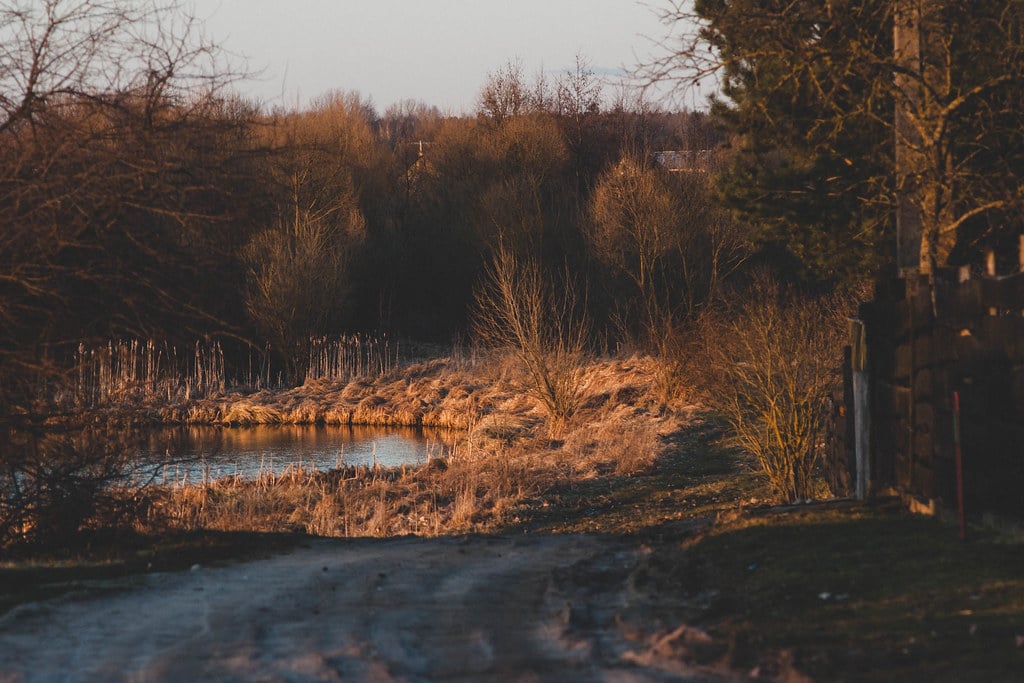
This village near the Polish border carries a 20-letter name that looks impossible to pronounce if you don’t speak Belarusian or Polish. The name comes from a personal name combined with a possessive suffix, a common pattern in Slavic languages.
Villages across Belarus and Poland share this naming convention, though few reach this length. The population hovers around a few hundred people, all of whom navigate the name without issue.
Postal workers probably know the address by heart.
Venkatanarasimharajuvaripeta, India
This village in Andhra Pradesh earned its 28-letter name from a local ruler. Indian place names frequently honor historical figures, religious deities, or geographical features.
The length doesn’t faze residents who grew up hearing it, but visitors stumble through attempts at saying it correctly. Transportation signs in the area abbreviate the name, though no official short form exists.
Maps show the full version, creating challenges for anyone trying to fit it on a GPS screen.
Pekwachnamaykoskwaskwaypinwanik, Canada
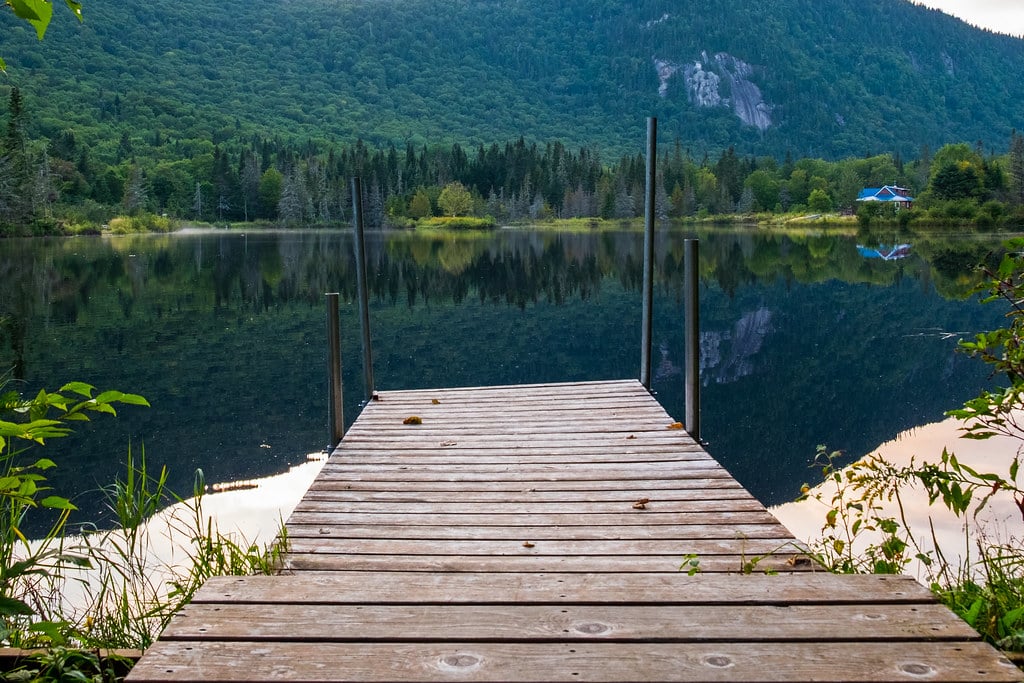
This lake in Manitoba carries a 31-letter Cree name that translates to “where the wild trout are caught by fishing with hooks.” Indigenous languages in Canada often create long names by combining descriptive elements into single words.
The result preserves specific knowledge about places and their uses. Anglers who fish the lake rarely use the full name, preferring to call it by a shortened version or simply “that lake up north.”
But official documents maintain the complete name, honoring the Cree language and its precision.
Mamungkukumpurangkuntjunya, Australia
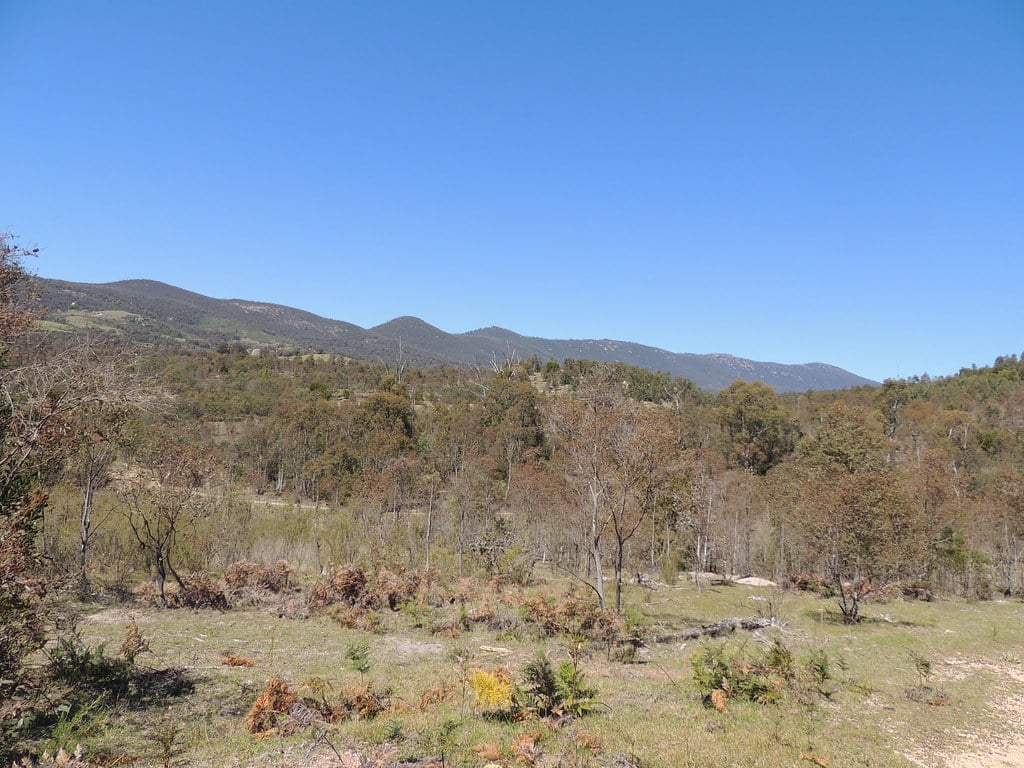
This 26-letter hill in South Australia bears a Pitjantjatjara name meaning “where the devil urinates.” The story behind the name involves spiritual beliefs and landscape features sacred to the local Aboriginal people.
Australian geography contains numerous long Indigenous names that non-Indigenous residents often shorten or anglicize. The hill sits in a remote area, so few people visit it regularly.
But the name appears on official maps, preserving the original language and the cultural knowledge it carries.
Bovenendvankeelafsnysleegte, South Africa

Another South African entry, this 27-letter place name describes a specific valley. It translates to “upper end of throat cut valley,” which sounds ominous but likely refers to a narrow passage between hills.
Afrikaans creates long words through compounding, stacking nouns and adjectives together without spaces. The area remains sparsely populated, and the name shows up mainly on detailed maps and land records.
Hikers who venture through the valley probably use a nickname.
Meallan Liath Coire Mhic Dhughaill, Scotland

This Scottish mountain carries a 30-letter Gaelic name that translates to “grey hill of MacDougall’s corrie.” Scottish geography preserves many Gaelic names, even in areas where few people speak the language anymore.
The names encode information about ownership, appearance, and historical events. Climbers tackle the peak regularly, though they usually refer to it by a shortened version.
Maps show the full name, maintaining the connection to Scotland’s linguistic heritage.
Azpilicuetagaraycosaroyarenberecolarrea, Spain
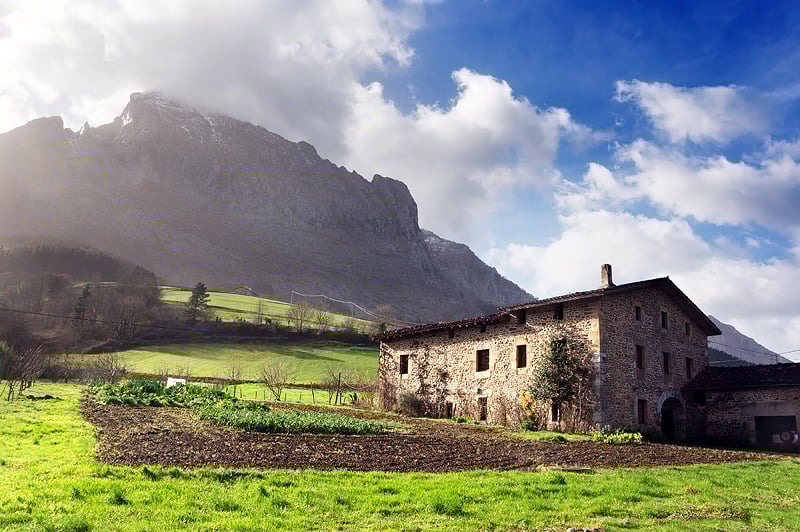
This Basque farmhouse name reaches 39 letters and appears in the Navarre region. Basque creates extremely long place names through agglutination, adding multiple elements to describe locations precisely.
The name likely references the original owner and the farm’s position in the landscape. Few people outside the immediate area know about this place, but it stands as an example of how Basque naming traditions work.
The language builds complexity through combination rather than separate words.
Bullaunancheathrairaluinn, Ireland

A stretch of water in County Galway carries an Irish name made up of twenty-eight letters, spelling out where it lies and what kind of spot it is. Starting with small pieces joined together, the old Gaelic tongue builds big words that hold facts about hills, bogs, or bends in rivers.
Though some modern charts swap in shorter English-style labels, people still say the first version aloud when they pass by. The full title sticks around, even if written less often now.
Out on the water, anglers toss around nicknames, yet folks raised nearby likely learned the long form years ago. Tied to speech patterns of old, the title links back to Irish roots.
The Art Of Remembering What Cannot Be Recalled

Out here, long names do more than label spots. Tied to speech kept alive through generations, they unfold tales while anchoring folks to memory.
Spot one on a chart? You’re seeing time squeezed tight – a moment, a life, a landmark fused together.
Awkward typing, sure. But small words could never hold what these strings carry.
There’s an old idea floating around: say a place’s full name, truly know it, and something shifts between you and the land. Perhaps that belief is why certain groups guard every syllable handed down so deliberately.
More from Go2Tutors!

- The Romanov Crown Jewels and Their Tragic Fate
- 13 Historical Mysteries That Science Still Can’t Solve
- Famous Hoaxes That Fooled the World for Years
- 15 Child Stars with Tragic Adult Lives
- 16 Famous Jewelry Pieces in History
Like Go2Tutors’s content? Follow us on



