17 Natural Disasters That Reshaped Entire Regions
When nature unleashes its full power, the results can be so devastating that entire landscapes, communities, and ways of life change forever. Throughout history, earthquakes, volcanic eruptions, floods, and storms have left their mark not just on the physical world, but on human civilization itself. These catastrophic events remind us just how small we are in the face of geological and meteorological forces.
Here is a list of 17 natural disasters that didn’t just cause temporary damage—they fundamentally transformed entire regions, creating new geographical features, altering ecosystems, and forcing millions of people to rebuild their lives from scratch.
Mount Vesuvius Eruption (79 AD)
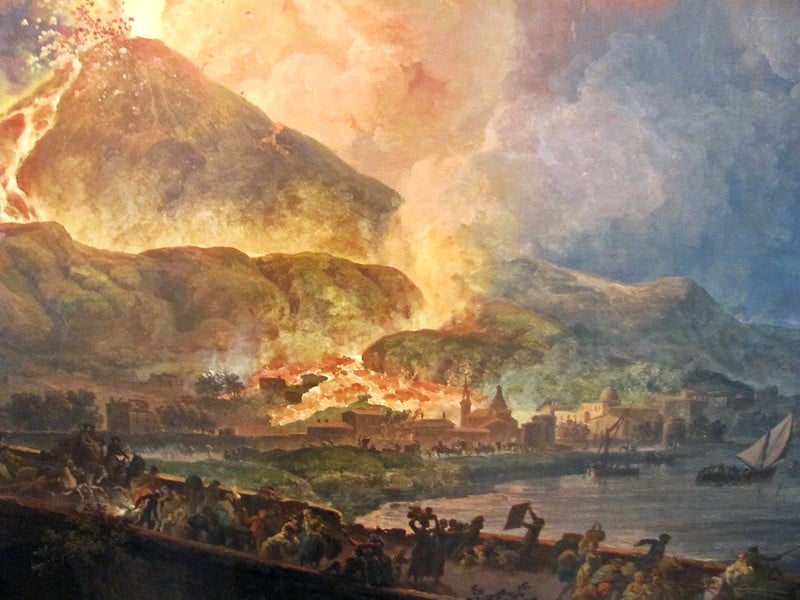
The eruption of Mount Vesuvius in 79 AD didn’t just destroy Pompeii and Herculaneum—it created one of history’s most perfectly preserved archaeological sites. The volcanic ash that buried these Roman cities in a matter of hours essentially freeze-dried an entire civilization, giving us an unparalleled glimpse into daily life nearly 2,000 years ago. The Bay of Naples region was transformed from a thriving commercial hub into a barren wasteland, and it took decades for the area to recover its former prosperity.
The Great Galveston Hurricane (1900)

Before Hurricane Katrina, the deadliest natural disaster in U.S. history was the Great Galveston Hurricane of 1900, which killed between 6,000 and 12,000 people. This Category 4 storm didn’t just devastate the Texas coastal city—it fundamentally changed how Americans thought about hurricane preparedness and coastal development. Galveston responded by raising the entire city by up to 17 feet and building a massive seawall, essentially creating a new urban landscape that still protects the city today.
The 1906 San Francisco Earthquake
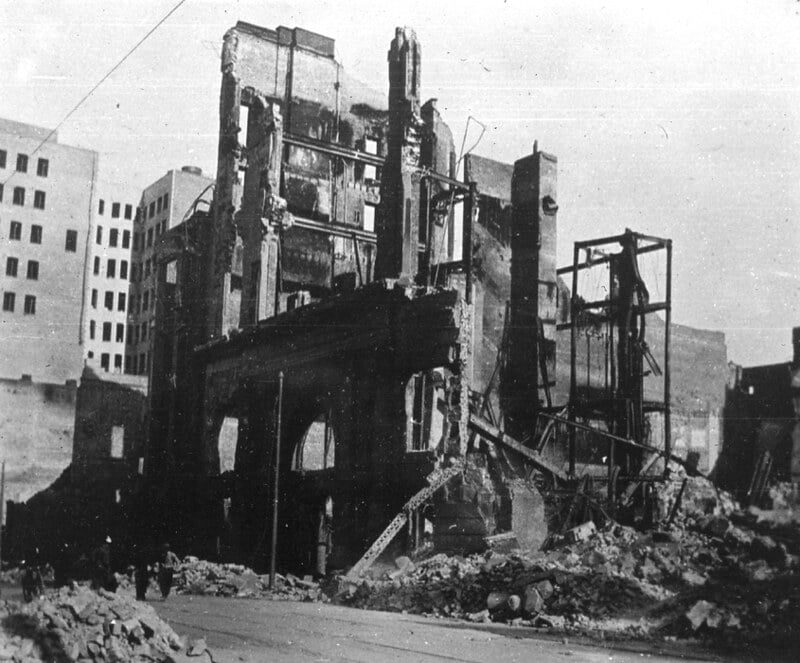
The Great San Francisco Earthquake of 1906 lasted less than a minute, but its effects reshaped the entire West Coast. The 7.9 magnitude quake and subsequent fires destroyed 80% of San Francisco, leaving 250,000 people homeless out of a population of 400,000. The disaster led to revolutionary changes in building codes, urban planning, and earthquake science that influenced construction practices across the globe. San Francisco’s rebuilding effort created the modern city we know today, with wider streets and more earthquake-resistant architecture.
The Dust Bowl (1930s)

The Dust Bowl wasn’t a single event but a decade-long environmental catastrophe that transformed the Great Plains into an uninhabitable wasteland. Poor farming practices combined with severe drought created massive dust storms that stripped topsoil from millions of acres across Texas, Oklahoma, Kansas, and surrounding states. This ecological disaster forced 2.5 million people to abandon their homes and migrate west, fundamentally altering the demographics of states like California and changing American agriculture forever.
The 1931 China Floods

The 1931 floods in China remain one of the deadliest natural disasters in recorded history, killing an estimated 1 to 4 million people. The Yangtze, Yellow, and Huai Rivers all flooded simultaneously, submerging an area the size of New York and Florida combined. The disaster reshaped Chinese society and politics, contributing to social unrest that would eventually lead to the Chinese Civil War. The flooding also permanently altered the course of several major rivers and transformed vast agricultural regions.
Mount Tambora Eruption (1815)

The 1815 eruption of Mount Tambora in Indonesia was so powerful that it changed weather patterns across the entire globe. The volcanic ash and gases ejected into the atmosphere caused global temperatures to drop, leading to crop failures and famine worldwide. The year 1816 became known as ‘The Year Without a Summer’ in Europe and North America, with snow falling in June and crops failing across multiple continents. This single volcanic event triggered migration patterns, political upheaval, and economic changes that lasted for decades.
The 2004 Indian Ocean Tsunami

The Boxing Day tsunami of 2004 reshaped coastlines across 14 countries and changed how the world thinks about ocean-based disasters. The 9.1 magnitude earthquake off the coast of Sumatra generated waves up to 100 feet tall that traveled across the Indian Ocean at jet-plane speeds. Beyond the immediate devastation that killed 230,000 people, the tsunami permanently altered coastal geography, destroyed entire ecosystems, and led to the creation of the first global tsunami warning system.
Hurricane Katrina (2005)

Hurricane Katrina didn’t just flood New Orleans—it exposed deep-seated problems in American infrastructure and emergency response while permanently altering the city’s demographics and culture. The storm’s surge overwhelmed the levee system, flooding 80% of the city and displacing over a million people across the Gulf Coast. New Orleans lost nearly half its population, with many neighborhoods never fully recovering. The disaster led to massive changes in federal disaster response and flood control engineering.
The Great Chilean Earthquake (1960)

The 1960 Chilean earthquake was the most powerful earthquake ever recorded, with a magnitude of 9.5 that triggered tsunamis across the Pacific Ocean. The quake reshaped Chile’s coastline, dropping some areas by six feet and raising others by the same amount. The resulting tsunamis killed people as far away as Japan and the Philippines, leading to the creation of the Pacific Tsunami Warning Center. The disaster fundamentally changed how Pacific Rim countries prepare for and respond to seismic events.
Mount St. Helens Eruption (1980)
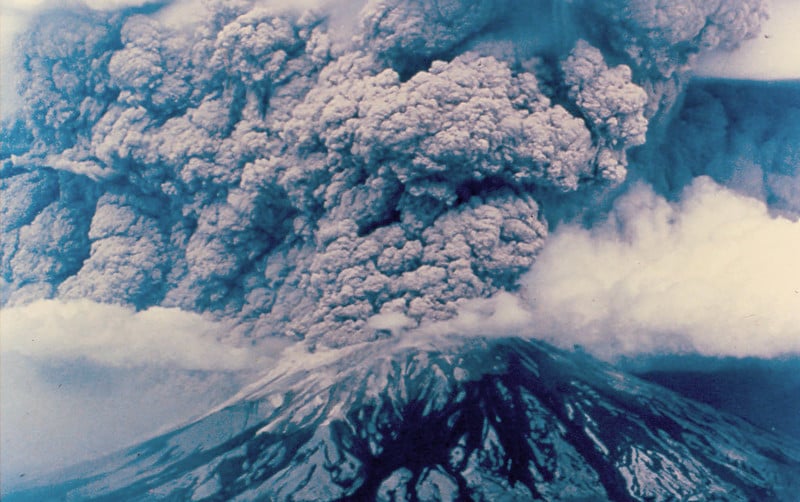
The 1980 eruption of Mount St. Helens in Washington state was like watching a mountain blow up in real time. The blast removed 1,300 feet from the mountain’s summit and created a crater a mile wide, while the lateral blast flattened forests across 230 square miles. The eruption transformed the surrounding landscape into what looked like a lunar surface, but it also created an unprecedented opportunity for scientists to study how ecosystems recover from complete destruction.
The 1883 Krakatoa Eruption

The explosion of Krakatoa in 1883 was so powerful that it was heard 3,000 miles away and created tsunamis that killed 36,000 people across the Indonesian archipelago. The eruption literally blew the island apart, leaving only a third of the original landmass above water. The volcanic ash circled the globe multiple times, creating spectacular sunsets worldwide and affecting global weather patterns for years. The disaster also demonstrated how quickly telegraph technology could spread news around the world.
The 1755 Lisbon Earthquake

The Great Lisbon Earthquake of 1755 didn’t just destroy Portugal’s capital—it shook the foundations of European philosophy and religion. The 8.5 magnitude quake, followed by fires and tsunamis, killed between 60,000 and 100,000 people and destroyed 85% of Lisbon’s buildings. The disaster occurred on All Saints’ Day, leading many to question divine providence and contributing to Enlightenment thinking about natural disasters. The rebuilding of Lisbon created one of Europe’s first earthquake-resistant urban designs.
The 1970 Bhola Cyclone

The Bhola Cyclone of 1970 was the deadliest tropical cyclone in recorded history, killing an estimated 300,000 to 500,000 people in what is now Bangladesh. The storm surge from this Category 3 cyclone completely inundated the low-lying Ganges Delta, essentially erasing entire islands and communities. The disaster exposed the Pakistani government’s inadequate response to East Pakistan (now Bangladesh), contributing to the political tensions that led to the Bangladesh Liberation War and the creation of an independent Bangladesh.
The 1815 Tambora Winter

While we mentioned Tambora’s eruption earlier, its global impact deserves separate recognition for how it reshaped societies worldwide. The volcanic winter caused by Tambora’s ash led to the worst famine of the 19th century, with crop failures triggering mass migration and social upheaval across Europe and North America. In Ireland, the potato crop failed, presaging the later Great Famine. The disaster also contributed to the invention of the bicycle, as horses became too expensive to maintain due to crop failures.
The 1935 Labor Day Hurricane

The Labor Day Hurricane of 1935 was the most intense hurricane ever to make landfall in the United States, with sustained winds of 185 mph. This Category 5 storm completely reshaped the Florida Keys, destroying the railroad that connected the islands to the mainland and killing over 400 people. The hurricane’s storm surge was so powerful that it moved entire islands and created new channels between keys. The disaster led to the construction of the Overseas Highway, fundamentally changing how people travel through the Keys.
The 1976 Tangshan Earthquake

The Tangshan earthquake in China killed an estimated 242,000 people and completely destroyed a city of one million inhabitants in just 23 seconds. The 7.5 magnitude quake hit at 3:42 AM when most people were sleeping, collapsing 85% of the buildings in the city. The disaster was kept secret from the outside world for years, but internally it led to massive changes in Chinese building codes and earthquake preparedness. The complete rebuilding of Tangshan created a modern city from scratch.
The 1888 Blizzard of 1888
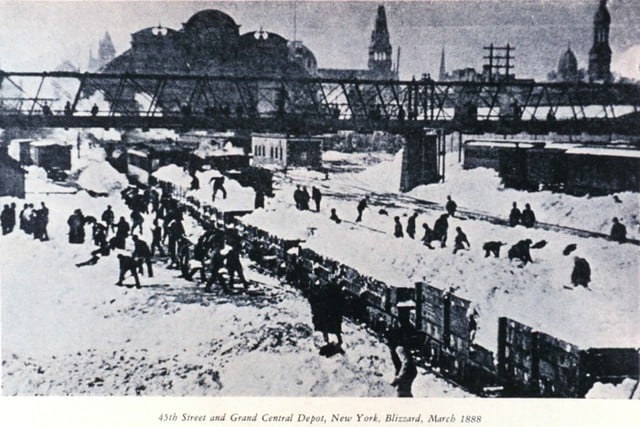
The Great Blizzard of 1888 paralyzed the northeastern United States for days, dropping up to 55 inches of snow and killing 400 people. The storm exposed the vulnerability of above-ground infrastructure, particularly telegraph and telephone lines that were essential for communication. The disaster led to the burial of utility lines in major cities and accelerated the development of subway systems in New York City. The blizzard also demonstrated the need for better weather forecasting and emergency preparedness systems.
When Nature Writes History

These disasters remind us that human civilization exists at the mercy of geological and meteorological forces far beyond our control. Each catastrophe forced societies to adapt, innovate, and rebuild in ways that permanently altered their trajectory. From the ancient Romans preserved in Pompeii’s ash to the modern tsunami warning systems protecting Pacific coastlines, these events show how disaster and progress often walk hand in hand. The regions that experienced these catastrophes bear their scars to this day, but they also demonstrate humanity’s remarkable ability to learn, adapt, and emerge stronger from even the most devastating natural forces.
More from Go2Tutors!

- 16 Historical Figures Who Were Nothing Like You Think
- 12 Things Sold in the 80s That Are Now Illegal
- 15 VHS Tapes That Could Be Worth Thousands
- 17 Historical “What Ifs” That Would Have Changed Everything
- 18 TV Shows That Vanished Without a Finale
Like Go2Tutors’s content? Follow us on MSN.