Famous Companies Started in Garages
The garage startup story has become almost mythical in business culture. You’ve probably heard at least one version of it—scrappy founders tinkering away in a cramped space, building something that eventually turns into a billion-dollar empire.
What makes these stories stick isn’t just the dramatic contrast between humble beginnings and massive success. These spaces represented something real: a place where people could experiment without permission, fail without an audience, and build without the pressure of office rent or investor scrutiny.
Not every garage startup makes it, of course. For every Apple or Google, thousands of projects fizzled out after a few months of weekend work.
But the ones that did succeed changed entire industries. They proved that you don’t need a fancy office or a trust fund to start something significant.
Just space to work, an idea worth pursuing, and the stubbornness to keep going when it would be easier to quit.
Apple Started With Two Guys and a Vision

Steve Jobs and Steve Wozniak built the first Apple computers in Jobs’ parents’ garage in Los Altos, California, in 1976. Wozniak designed the hardware while Jobs handled the business side.
They weren’t trying to build a tech empire at first—Wozniak just wanted to create a computer he’d enjoy using.
The garage gave them privacy to experiment. They could test circuits, argue about design choices, and work odd hours without bothering anyone.
Jobs convinced Wozniak to sell their creation rather than just share the design with the Homebrew Computer Club as Wozniak had planned. That decision changed everything.
They sold Wozniak’s HP calculator and Jobs’ Volkswagen van to fund the first batch of circuit boards. The Apple I sold for $666.66, and they built about 200 units.
Most sold to hobbyists and tech enthusiasts. The Apple II, launched the next year, brought in serious money and established Apple as a real company.
The garage phase lasted less than a year, but it gave them the space to prove their concept worked.
Google Began in a Suburban Rental
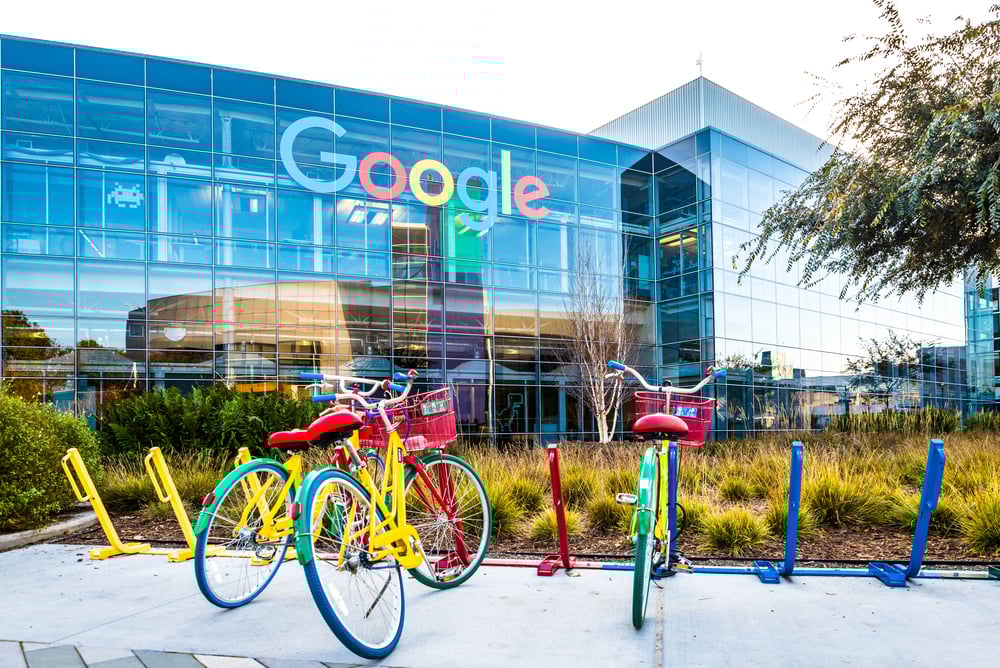
Larry Page and Sergey Brin started Google in a garage in Menlo Park, California, in 1998. They rented the space from Susan Wojcicki, who later became CEO of YouTube.
The garage wasn’t huge—barely room for their servers, desks, and the constant hum of equipment that kept the neighbors wondering what they were up to.
Their search algorithm was different from anything else available at the time. While other search engines ranked pages by how many times they used a keyword, Page and Brin’s system analyzed how websites linked to each other.
More links from reputable sites meant a page ranked higher. Simple concept, but it required serious computing power.
The garage period taught them to work lean. They bought used servers, maxed out credit cards, and convinced friends to invest when money got tight.
Within months, Google processed 10,000 search queries per day. By the time they moved out of the garage, that number had jumped to 500,000.
Susan Wojcicki eventually joined Google and played a key role in its growth. The garage where it all started still exists, and Google bought the property in 2006 to preserve the space where the company found its footing.
Microsoft Had a Different Kind of Start

Bill Gates and Paul Allen founded Microsoft in a garage in Albuquerque, New Mexico, in 1975. They weren’t California kids with venture capital connections.
They were coders who saw an opportunity when the Altair 8800 microcomputer hit the market without decent software.
Gates was still at Harvard when they wrote their first product—a version of BASIC for the Altair. They worked remotely at first, but eventually Gates dropped out and moved to Albuquerque where MITS, the Altair’s manufacturer, was based.
The garage served as their office while they perfected the software and looked for other clients.
Their big break came from being early. Personal computers were just emerging, and most companies hadn’t figured out that software would become more valuable than hardware.
Gates and Allen bet everything on that insight. They wrote software for different computer systems, licensed it instead of selling it outright, and built relationships with hardware manufacturers who needed their programs.
The Albuquerque phase didn’t last long. By 1979, Microsoft moved to Seattle, where Gates and Allen had grown up.
But those early years established the company’s core strategy: create essential software, license it widely, and make money every time someone used a computer.
Amazon Started at a Garage in Seattle

Jeff Bezos launched Amazon from his garage in Bellevue, Washington, in 1994. He’d quit his job at a hedge fund to start an online bookstore, a decision that seemed questionable to almost everyone he knew.
The internet was new, online shopping barely existed, and most people still bought books at physical stores.
The garage held his desk, servers, and the packing materials for the first orders. Bezos and his wife MacKenzie, along with a few early employees, packed books and shipped them out while building the website and figuring out logistics on the fly.
They used the garage door buzzer to alert the team whenever an order came in during the first weeks.
Books made sense as the first product. They didn’t require much storage space, customers knew what they wanted, and the selection available online dwarfed any physical bookstore.
Bezos focused obsessively on customer experience—fast shipping, easy returns, detailed reviews. The formula worked.
Amazon went public in 1997, just three years after starting in that garage. The company now sells everything imaginable, runs massive data centers, produces movies and TV shows, and has made Bezos one of the richest people alive.
But it started with books, a garage, and someone willing to bet big on an unproven idea.
HP Invented the Silicon Valley Garage Story
Hewlett-Packard wasn’t just a garage startup. It was the garage startup, the one that established the template everyone else followed.
Bill Hewlett and Dave Packard started the company in a garage in Palo Alto, California, in 1939. Their first product was an audio oscillator, a device that tested sound equipment.
Walt Disney Studios bought eight oscillators to test audio systems for the movie Fantasia. That sale gave HP early credibility and cash flow.
Hewlett and Packard kept inventing new measurement instruments, selling them to engineers and scientists who needed precise equipment.
The garage still stands on Addison Avenue in Palo Alto. California designated it as the birthplace of Silicon Valley, which might seem like hyperbole except it’s basically true.
HP grew into a massive electronics company, and the valley around it became the global center of tech innovation. Every startup that came after borrowed something from the HP model—two founders with technical skills, a focus on innovation, and the willingness to start small.
Disney’s Cartoon Empire Started Tiny

Walt Disney and his brother Roy started their animation studio in their uncle’s garage in Los Angeles in 1923. They called it the Disney Brothers Studio, though Walt’s name eventually took over.
The garage held animation desks, cameras, and the equipment needed to shoot and edit short films.
Disney’s early cartoons featured characters like Oswald the Lucky Rabbit, which he lost the rights to after a contract dispute. That setback pushed him to create Mickey Mouse, a character he could own completely.
The first Mickey Mouse cartoon with synchronized sound, Steamboat Willie, hit theaters in 1928 and became an instant sensation.
The garage phase taught Disney to work efficiently with limited resources. Animation required painstaking frame-by-frame work, and every project took months to complete.
The brothers learned to manage budgets, negotiate with distributors, and keep improving their craft even when money ran short.
Disney eventually built an animation empire that changed entertainment. The company moved out of the garage quickly, but those early years established Walt’s perfectionism and storytelling instincts that defined everything Disney created afterward.
Mattel Made Toys in a Workshop
Ruth and Elliot Handler, along with Harold “Matt” Matson, founded Mattel in a garage workshop in Southern California in 1945. They started by making picture frames, but Elliot began using the scrap wood to make dollhouse furniture.
The furniture sold better than the frames, so they shifted focus entirely to toys.
The name Mattel combined “Matt” from Matson (who left the company early) and “Elliot” from Handler. The garage workshop let them experiment with different toy designs and manufacturing techniques.
They worked with whatever materials they could afford and sold their creations to local stores.
Ruth Handler’s biggest contribution came years later when she created the Barbie doll, inspired by watching her daughter play with paper dolls. Barbie launched in 1959 and became one of the most successful toys ever made.
But the company’s roots in that garage workshop established Mattel’s approach: watch what kids enjoy, make it better, and sell it at a price families could afford.
Harley-Davidson Rumbled to Life in a Shed
William S. Harley and Arthur Davidson built their first motorcycle in a small wooden shed in Milwaukee, Wisconsin, in 1903. The shed was basically a garage—barely 10 by 15 feet, just enough space for them to work on their prototype.
They used a small engine attached to a bicycle frame, tweaking and testing until they had something that actually worked.
The first Harley-Davidson motorcycle wasn’t impressive by modern standards. It had a three-horsepower engine and couldn’t climb Milwaukee’s steeper hills without help from the rider pedaling.
But it proved the concept. Harley and Davidson kept improving the design, building bigger engines and stronger frames.
By 1906, they’d built their first factory—still small, but larger than the shed. Harley-Davidson motorcycles became known for reliability and power, qualities that mattered when most roads were unpaved and breakdowns meant getting stranded.
The company survived the Great Depression, two world wars, and countless competitors. That wooden shed where two friends tinkered with a motorized bicycle started something that’s still roaring more than a century later.
Maglite Illuminated From a Garage Shop
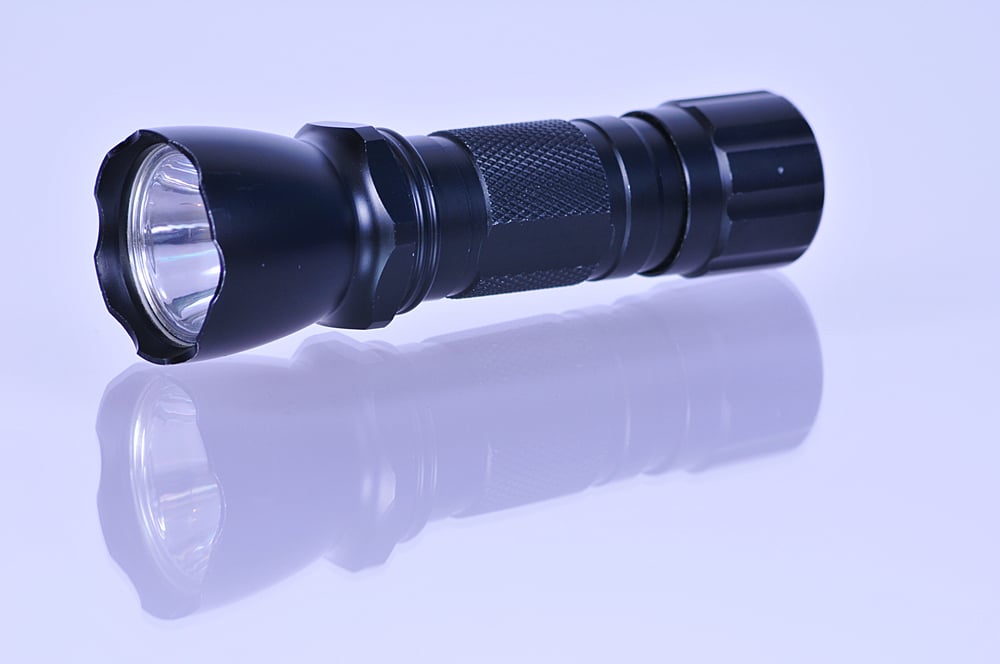
Anthony Maglica founded Mag Instrument in a garage in Los Angeles in 1955. He was a machinist who’d immigrated from Croatia, and he started by manufacturing custom parts for other companies.
The garage served as his workshop where he could use his lathe and milling equipment to create precision components.
Maglica didn’t create the Maglite flashlight until the 1970s, after years of perfecting his machining skills. When he finally designed his flashlight, he made it from aircraft-grade aluminum with precision parts that fit together perfectly.
The result was brighter, more durable, and more reliable than the cheap plastic flashlights flooding the market.
The Maglite became standard equipment for police officers, security guards, and anyone who needed a flashlight they could trust. Maglica kept manufacturing in the United States when most competitors moved production overseas, maintaining control over quality from his facility that grew far beyond that original garage workshop.
Yankee Candle Started as a Christmas Gift

Michael Kittredge created his first scented candle in his parents’ garage in South Hadley, Massachusetts, in 1969. He was 16 years old and made the candle as a Christmas gift for his mother.
He melted crayons, added some scent, and poured the mixture into a container. Nothing fancy, but it smelled good and looked nice.
A neighbor saw the candle and wanted to buy one. Then another neighbor wanted one.
Kittredge realized he could sell these things, so he started making more candles in the garage, experimenting with different scents and containers. His mother helped him sell candles at craft fairs and local shops.
The business grew slowly at first. Kittredge kept making candles in that garage, then eventually moved to a small store, then a factory.
Yankee Candle became one of the largest candle companies in America, with hundreds of scents and products in stores nationwide. Kittredge sold the company in 1998, but it started with a teenager making a single candle for his mom in a garage.
Lotus Built Racing Machines in a Stable
Colin Chapman founded Lotus Cars in a garage behind the Railway Hotel in London in 1952. Actually, it was a stable that had been converted into a garage, which Chapman rented cheaply.
He was an engineer who loved racing and wanted to build lighter, faster cars than anyone else was making.
Chapman’s philosophy was simple: add lightness. While other racing cars were getting heavier with more powerful engines, Chapman focused on stripping weight and improving handling.
His first cars were built by hand in that cramped garage, using aluminum and fiberglass instead of heavy steel.
The early Lotus racing cars dominated their classes, not by having the biggest engines but by being nimble and efficient. Chapman kept that philosophy throughout his career, designing cars that changed Formula One racing.
Lotus went from a garage operation to a legendary racing manufacturer, proving that innovation mattered more than resources.
When Starting Small Becomes Your Advantage

These garage stories matter because they’re real, not because they fit a neat narrative. Each founder faced different challenges and made different choices, but they all shared one thing: they started without the resources that supposedly matter most.
No boardroom approved their ideas. No committee debated whether the market was ready.
They just built something, tested it, and kept going when it worked. The garage wasn’t a limitation—it was freedom.
Freedom from overhead, from expectations, from the pressure to look successful before you actually are.
That’s what makes these stories more than nostalgia. They remind you that starting small isn’t a disadvantage you need to overcome.
Sometimes it’s the only way to build something that actually matters.
More from Go2Tutors!

- The Romanov Crown Jewels and Their Tragic Fate
- 13 Historical Mysteries That Science Still Can’t Solve
- Famous Hoaxes That Fooled the World for Years
- 15 Child Stars with Tragic Adult Lives
- 16 Famous Jewelry Pieces in History
Like Go2Tutors’s content? Follow us on MSN.



