How US Holidays Actually Came To Be
The calendar hangs on the wall, packed with red-letter days that give Americans a reason to pause, celebrate, or simply sleep in. These holidays feel permanent, like they’ve always been there, but each one has a story behind it.
Some were born from tragedy, others from political maneuvering, and a few just happened because someone thought it was a good idea at the time. Let’s dig into the real stories behind these days off and see how they landed on the calendar.
Thanksgiving’s political origins

Most people imagine Pilgrims and Native Americans sharing a peaceful meal in 1621, and that’s partly true. But Thanksgiving didn’t become a national holiday until 1863, right in the middle of the Civil War.
President Abraham Lincoln declared it a national day of thanks, hoping to unite a country tearing itself apart. Sarah Josepha Hale, a magazine editor, had been pestering presidents for decades to make it official.
Lincoln finally listened, and Thanksgiving became a tool for national unity during the darkest period in American history.
Independence Day wasn’t July 4th at first
The Continental Congress actually voted for independence on July 2nd, 1776. John Adams was so sure that would be the day Americans celebrated forever that he wrote letters about it to his wife.
But the Declaration of Independence was formally adopted on July 4th, so that’s the date that stuck. For years, different towns celebrated on different days, and it wasn’t until after the War of 1812 that July 4th became the universally accepted date for fireworks and barbecues.
Labor Day started with blood and strikes

The late 1800s saw brutal working conditions across America, and workers were fighting back. In 1894, federal troops broke up a railroad strike, and several workers died in the violence.
President Grover Cleveland needed to repair his relationship with the labor movement, so he rushed through legislation making Labor Day a federal holiday just six days after the strike ended. It was damage control dressed up as appreciation.
The holiday’s September timing was deliberately chosen to distance it from May Day, which had socialist connections that made politicians nervous.
Memorial Day grew from Civil War graves

After the Civil War ended, communities across the South and North started decorating the graves of fallen soldiers. General John Logan, leader of a Union veterans’ group, declared May 30th as Decoration Day in 1868.
The date was chosen because flowers would be blooming everywhere in the country. Southern states resisted for decades, creating their own memorial days for Confederate soldiers.
It wasn’t until after World War I that Memorial Day expanded to honor all American military deaths, and it didn’t become an official federal holiday until 1971.
Presidents Day was supposed to honor Washington alone

George Washington’s birthday was celebrated on February 22nd as a federal holiday starting in 1879. But in 1971, Congress passed the Uniform Monday Holiday Act to create more three-day weekends.
They moved Washington’s birthday to the third Monday in February, which meant it would never actually fall on his real birthday. Some states started calling it Presidents Day to include Lincoln and other presidents, though the federal government still officially calls it Washington’s Birthday.
It’s become a catch-all holiday that mostly serves as an excuse for mattress sales.
Martin Luther King Jr. Day faced fierce opposition
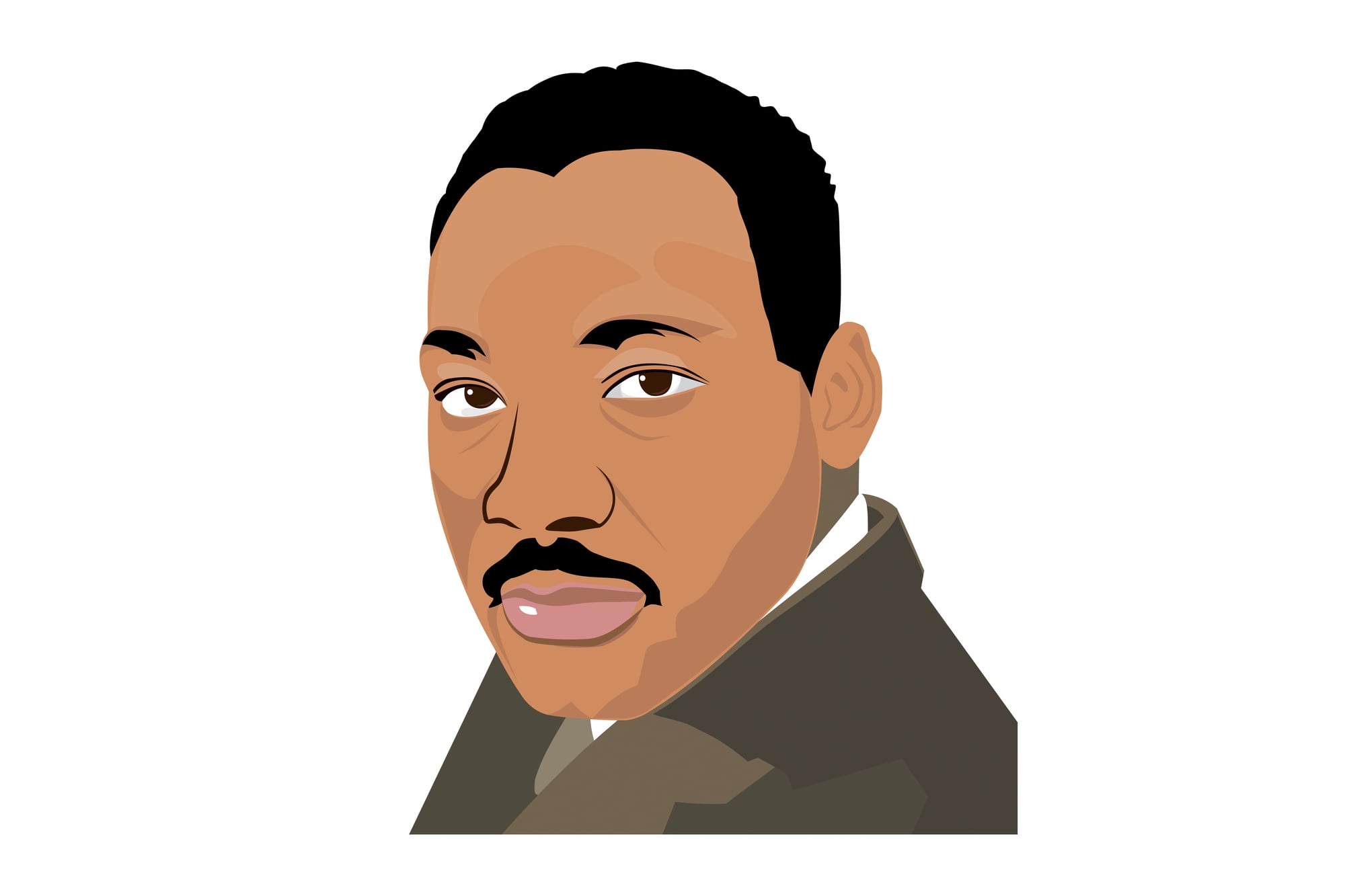
After King’s assassination in 1968, Representative John Conyers introduced a bill to create a federal holiday in his honor just four days later. It took 15 years of political battles to make it happen.
President Ronald Reagan signed it into law in 1983, but only after Congress passed it with a veto-proof majority. Arizona and New Hampshire refused to recognize it for years, and some states combined it with other holidays to avoid fully honoring King.
It wasn’t until 2000 that all 50 states officially observed it as a paid holiday.
Veterans Day changed names and dates

November 11th marks the end of World War I, when an armistice was signed in 1918. It was originally called Armistice Day and focused on World War I veterans.
After World War II and the Korean War, veterans pushed to honor all who served, and President Dwight Eisenhower signed legislation in 1954 changing the name to Veterans Day. In 1968, Congress moved it to the fourth Monday in October for another three-day weekend, but that caused so much confusion and anger that they moved it back to November 11th in 1975.
Christmas became federal for economic reasons

Christmas was actually controversial in early America because of its association with Catholicism and rowdy celebrations. Puritan-led states like Massachusetts even banned it.
But as German and Irish immigrants brought their traditions, and Charles Dickens’ writings popularized the holiday, it gained acceptance. Congress declared Christmas a federal holiday in 1870, partly because so many businesses were already closing that day that government offices were empty anyway.
It was more about acknowledging reality than promoting religion.
New Year’s Day was a compromise

Different cultures celebrated the new year at different times throughout history. Romans marked it in March, while many medieval Europeans celebrated it on March 25th or December 25th.
When Britain and its colonies finally adopted the Gregorian calendar in 1752, January 1st became the official start of the year. It became a federal holiday in 1870, bundled together with Christmas and Independence Day in the same legislation.
It was one of the easiest holidays to pass because everyone was already taking the day off anyway.
Columbus Day emerged from Italian-American lobbying
Italian Americans faced severe discrimination in the late 1800s and early 1900s, including lynchings and job discrimination. They rallied around Christopher Columbus as a way to claim a place in American history and prove their patriotism.
Colorado became the first state to make it a holiday in 1906, and it became a federal holiday in 1937 after heavy lobbying from the Knights of Columbus. President Franklin Roosevelt declared it a national holiday partly to court the Italian-American vote.
Many states and cities now celebrate Indigenous Peoples’ Day instead, recognizing the holiday’s problematic origins.
Juneteenth took 156 years to become federal

When Union soldiers arrived in Galveston, Texas on June 19th, 1865, they brought news that the Civil War had ended and enslaved people were free. But it took until 2021 for Juneteenth to become a federal holiday, making it the newest one on the calendar.
Texas made it a state holiday in 1980, and other states slowly followed. The push accelerated after the protests following George Floyd’s death in 2020, and Congress passed it with overwhelming bipartisan support in just a few weeks.
Flag Day never quite made it
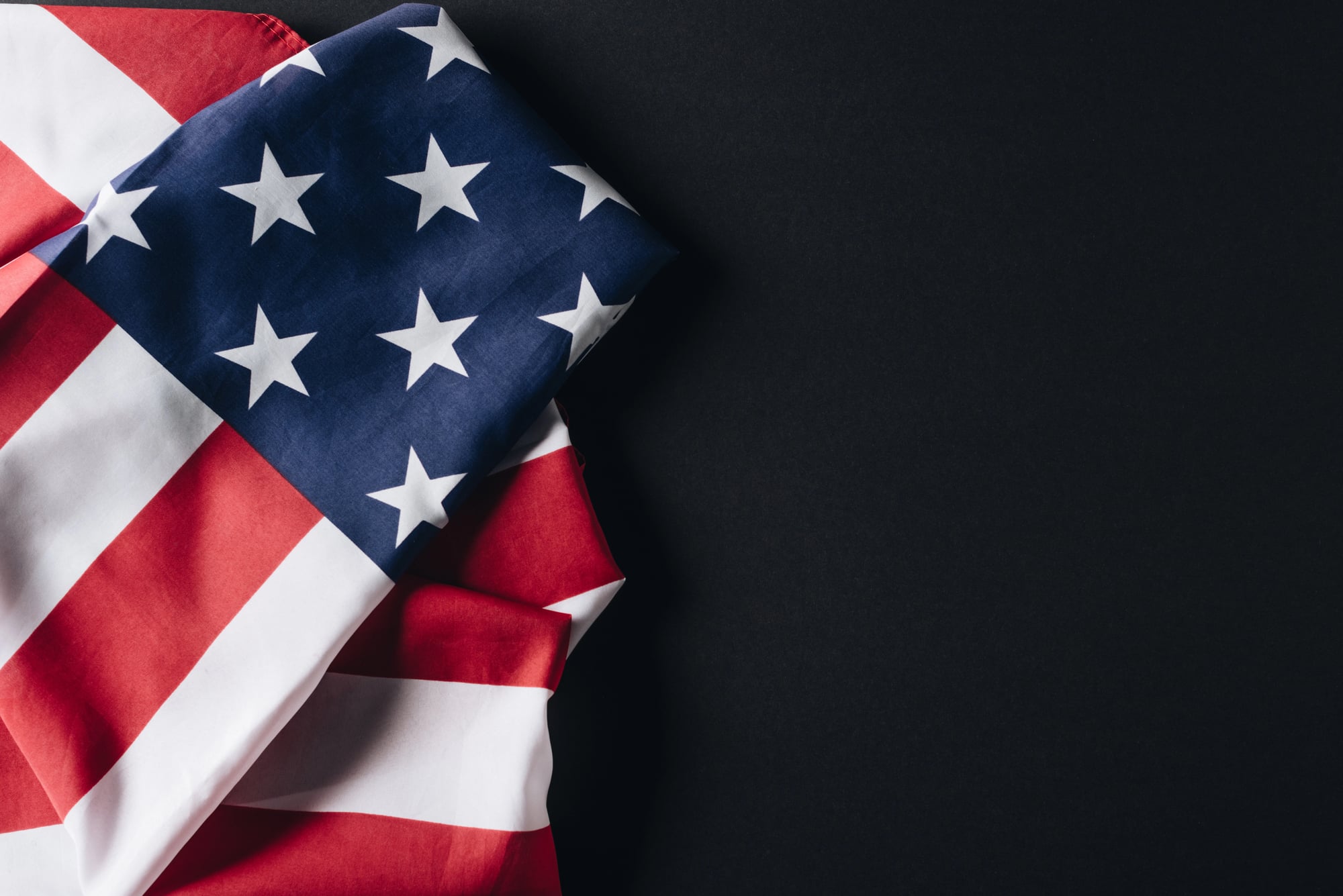
Americans have celebrated Flag Day on June 14th since the 1880s, marking the date in 1777 when the Continental Congress adopted the Stars and Stripes. President Woodrow Wilson proclaimed it a national observance in 1916, and President Harry Truman signed it into law in 1949.
But it never became a federal holiday with a day off work. Pennsylvania is the only state that treats it as a full holiday.
It remains one of those observances that exists officially but barely registers in most Americans’ lives.
Mother’s Day started as a peace protest

Anna Jarvis spent years campaigning for a day to honor mothers after her own mother died in 1905. President Woodrow Wilson signed it into law in 1914, designating the second Sunday in May.
Ironically, Jarvis later fought against the commercialization of the holiday, even protesting a Mother’s Day event and getting arrested. She died penniless, regretting ever starting the holiday because it had become exactly what she feared.
It’s not a federal holiday that closes government offices, but it’s one of the most commercially successful days on the calendar.
Father’s Day took decades longer than Mother’s Day

Sonora Smart Dodd pushed for Father’s Day after hearing a Mother’s Day sermon in 1909, wanting to honor her veteran father who raised six children alone. Various presidents supported it over the years, but Congress dragged its feet.
It wasn’t until 1972 that President Richard Nixon finally signed it into law as a permanent national observance. The resistance partly came from people who thought it was too commercial and partly from those who felt fathers didn’t need the recognition.
Like Mother’s Day, it doesn’t close offices, but greeting card companies certainly mark their calendars.
Easter Monday only matters in some places

While Easter itself isn’t a federal holiday, Easter Monday is recognized in a strange, limited way. It’s an official holiday for Washington D.C. government employees, and the president hosts an Easter Egg Roll on the White House lawn.
Some states give it to their workers, but most Americans don’t get the day off. The tradition comes from European customs, and it stuck around in the nation’s capital while fading elsewhere.
It’s one of those holidays that exists in pockets, a reminder of older traditions that never quite caught on nationwide.
Pearl Harbor Remembrance Day stays low-key

December 7th was declared a national day of remembrance by Congress in 1994, but it’s not a federal holiday. Government offices stay open, and most Americans go about their regular day.
The designation came after veterans groups pushed for official recognition as the World War II generation was aging. Unlike Memorial Day or Veterans Day, it focuses on a single event rather than all service members.
It gets mentioned in news broadcasts and at military bases, but it hasn’t taken root in American culture the way other remembrance days have.
Armed Forces Day replaced multiple military holidays

Back before 1950, every military group celebrated on different days – this made things messy plus hard to follow. So Defense Chief Louis Johnson merged them into one event: Armed Forces Day, held on the third Saturday of May.
Truman backed the idea because it helped tie together the new Department of Defense. Even though it’s official, it doesn’t shut down offices, so people barely notice it.
Since Memorial Day pops up soon after, this day tends to fade into the background. A lot of folks today don’t know when it happens or why we even have it.
Patriots’ Day only exists in New England
Massachusetts along with Maine marks Patriots’ Day every third Monday in April – this recalls the clashes at Lexington and Concord kicking off the Revolution. Wisconsin joins in too, though it’s not an official day off there.
This observance stands out as the lone local holiday from early America still alive today, full of live recreations, marches through towns, plus the famous Boston race. Elsewhere across the U.S., hardly anyone pays attention.
Proof that some customs stick around strong in one area, yet never catch on elsewhere.
Groundhog Day turned into a celebration kind of by mistake

On February 2nd, folks were already celebrating Candlemas – a Christian feast – long before German settlers showed up in Pennsylvania with their animal weather lore. Then came Punxsutawney Phil; he stole the spotlight, turning everything into a spectacle.
Nobody treats it like an actual public holiday – not federally, not locally – and work goes on as usual. Still, you’ll find it printed in planners and featured on TV each winter without fail.
One popular film pushed it further into fame, locking it into pop culture, even though it’s got zero legal recognition.
What happens next with vacations

The holidays folks in America mark now blend true tribute, smart politics, and shifts in how we live. A few kicked off with good purpose but slowly leaned into shopping, whereas some were born from power plays yet grew heartfelt down the line.
Dates shift around since society never stays still. Fresh days pop up once plenty believe they’re worth noting, just like outdated ones slip away when they no longer fit how things are.
More from Go2Tutors!

- The Romanov Crown Jewels and Their Tragic Fate
- 13 Historical Mysteries That Science Still Can’t Solve
- Famous Hoaxes That Fooled the World for Years
- 15 Child Stars with Tragic Adult Lives
- 16 Famous Jewelry Pieces in History
Like Go2Tutors’s content? Follow us on MSN.



