Commemorative Coins That Spiked in Value
Most people see commemorative coins as novelty items that sit in drawers collecting dust. Your grandfather might have a few tucked away in a shoebox, or you stumbled across one at an estate sale and wondered if it was worth anything.
The truth is, some of these coins went from affordable souvenirs to serious investments that fetch thousands at auction.
The 1982 George Washington Half Dollar
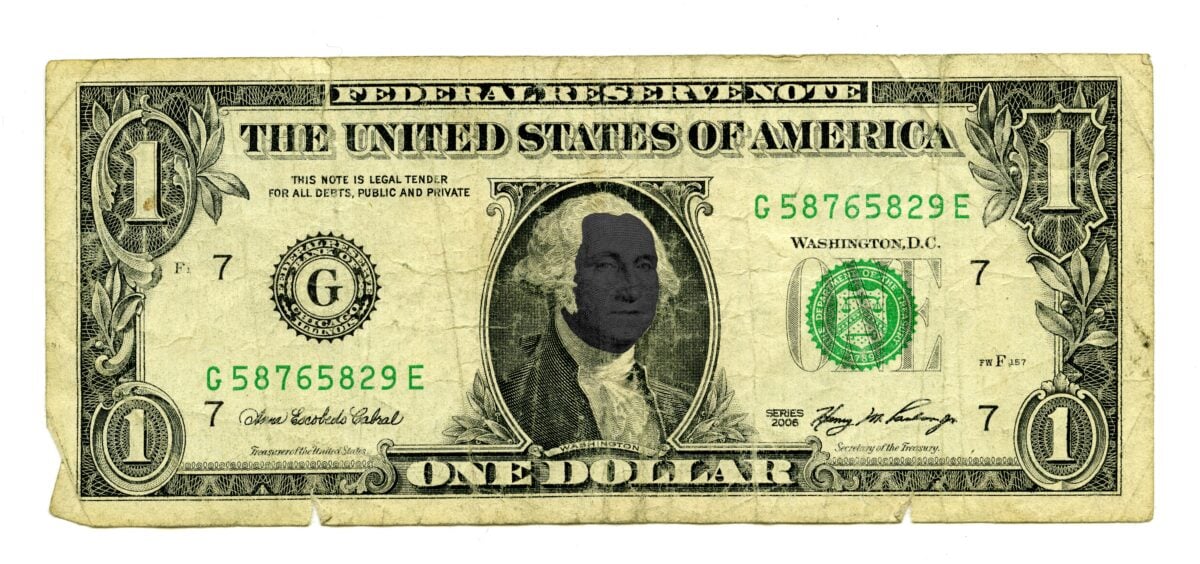
This coin celebrates the 250th anniversary of Washington’s birth, and the U.S. Mint produced both proof and uncirculated versions. The uncirculated version started at face value, but high-grade examples now sell for over $400.
The proof version does even better. Collectors pay premium prices for coins graded MS-70 because the Mint’s quality control wasn’t perfect that year.
2009 Ultra High Relief Gold Coin
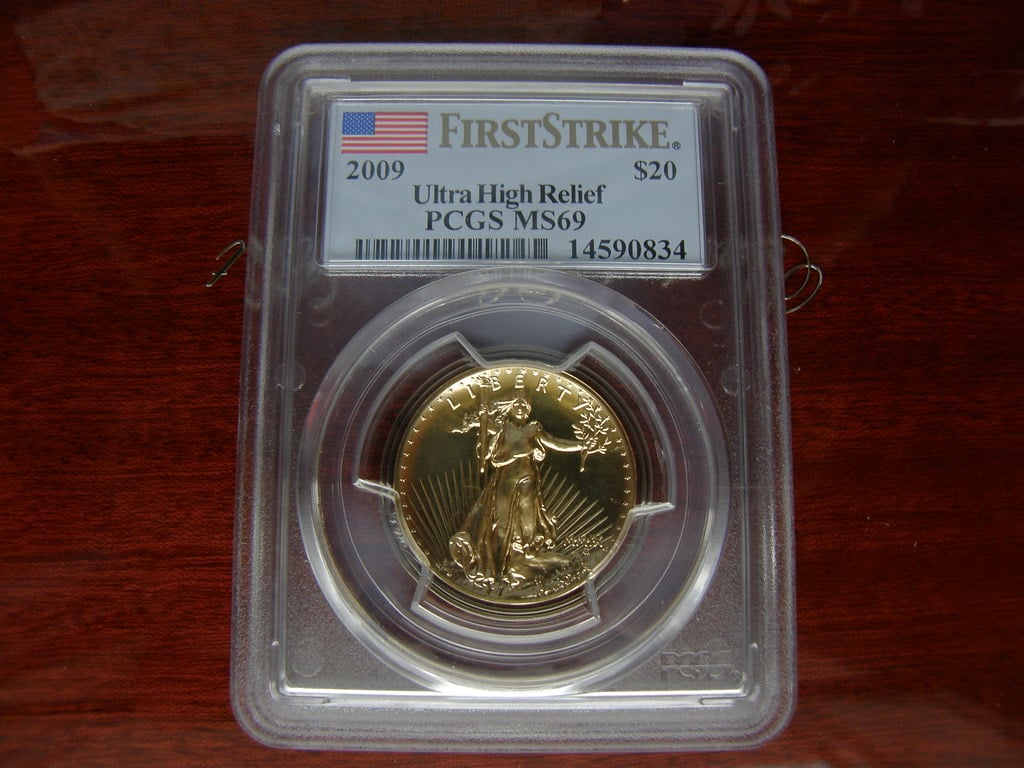
The Mint decided to recreate Augustus Saint-Gaudens’s original 1907 design with modern technology. They sold these for $1,189 when they launched.
Fast forward to today, and you’re looking at prices between $3,500 and $4,500 depending on condition. Only 115,178 were minted, which keeps demand strong among serious collectors.
The 1995-W Olympic Torch Runner Gold Five Dollar
Atlanta hosted the Olympics in 1996, and the Mint released several commemorative coins leading up to the games. This particular gold coin featured a torch runner design that resonated with buyers.
Initial price was around $200. Clean examples now trade for $800 to $1,200.
The relatively low mintage of 14,675 makes it one of the harder Olympic commemoratives to find.
2006 San Francisco Old Mint Silver Dollar
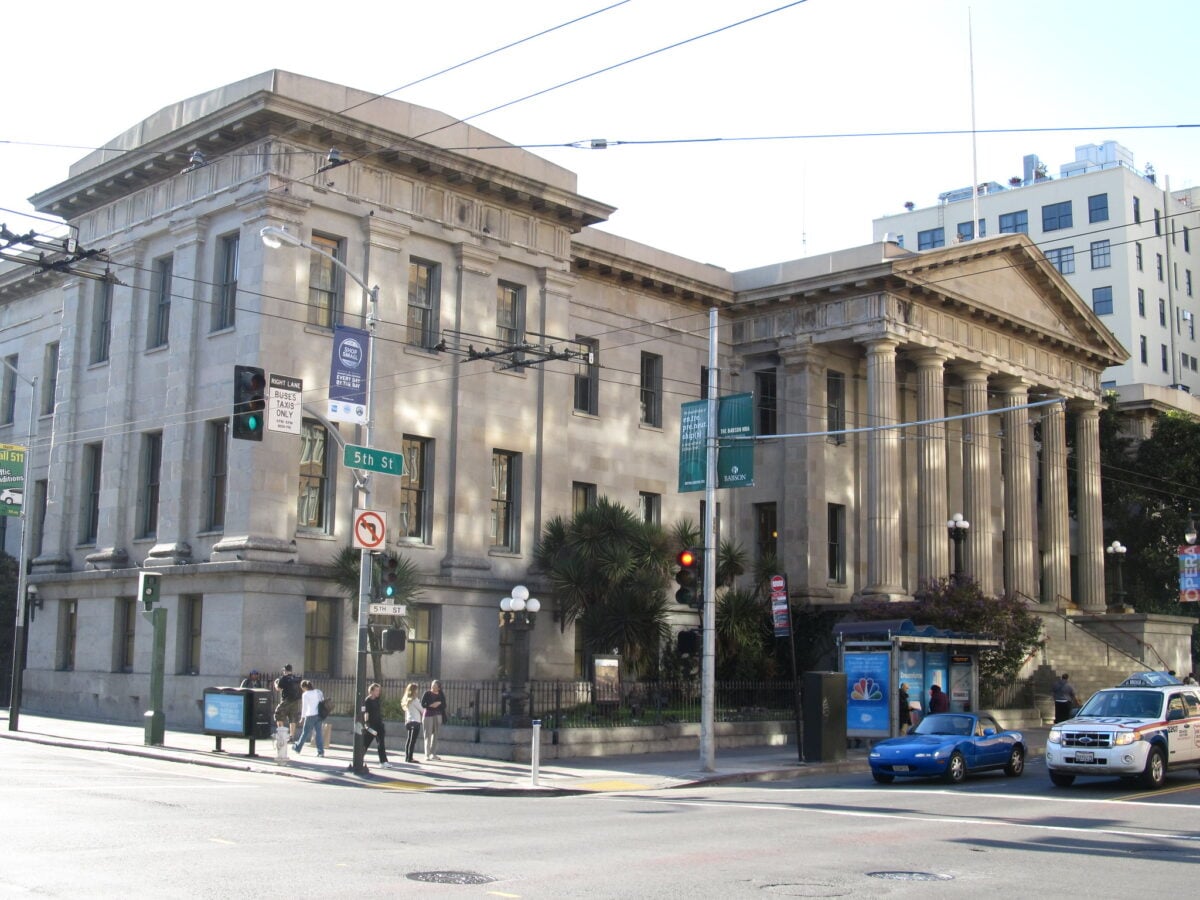
The original San Francisco Mint survived the 1906 earthquake, which gave this commemorative coin its story. The Mint produced both proof and uncirculated versions. Uncirculated coins started at $33. Today they sell for $120 to $180. The proof version does slightly better.
Collectors appreciate the building’s historical significance, and that drives prices up.
1997 Franklin Delano Roosevelt Gold Five Dollar
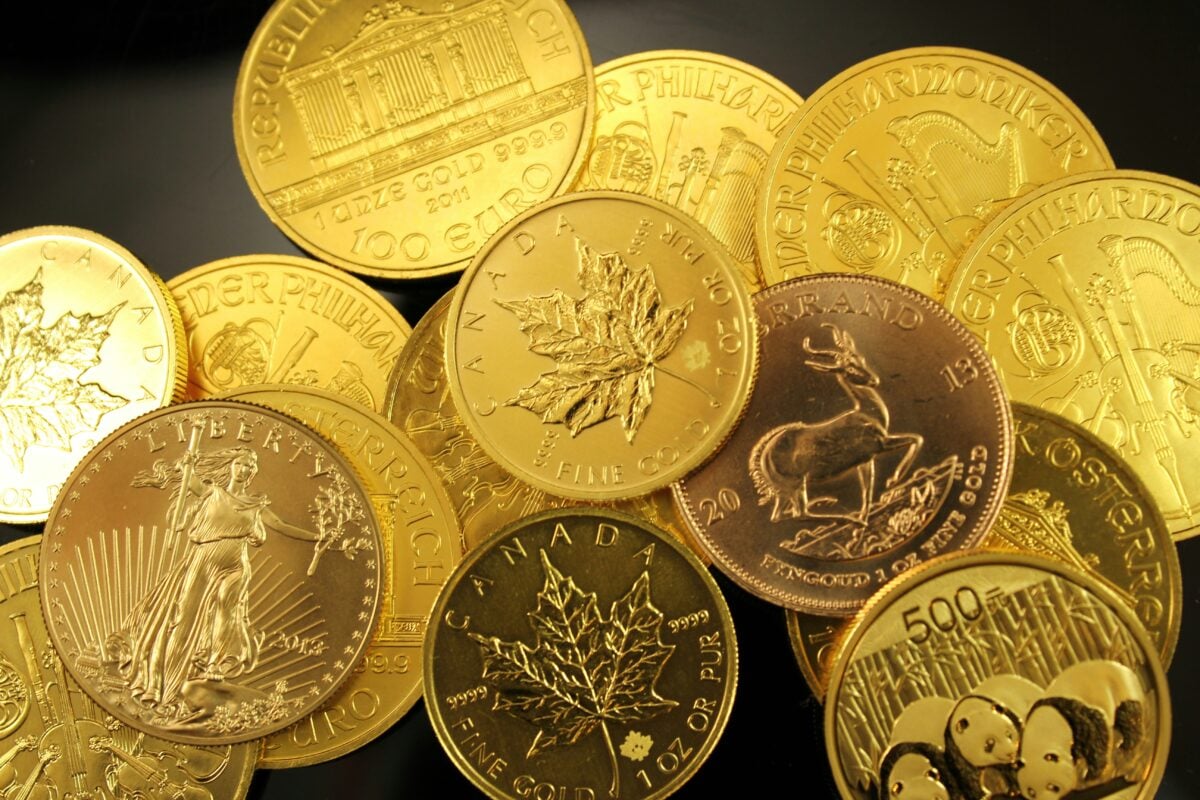
This coin marked the dedication of the FDR Memorial in Washington, D.C. The design shows Roosevelt in his wheelchair, which was controversial at the time because his disability was rarely acknowledged publicly during his presidency. Only 11,894 were minted in proof format.
These coins sold for about $195 originally. Now they command $700 to $1,000 at auction.
2001 American Buffalo Silver Dollar
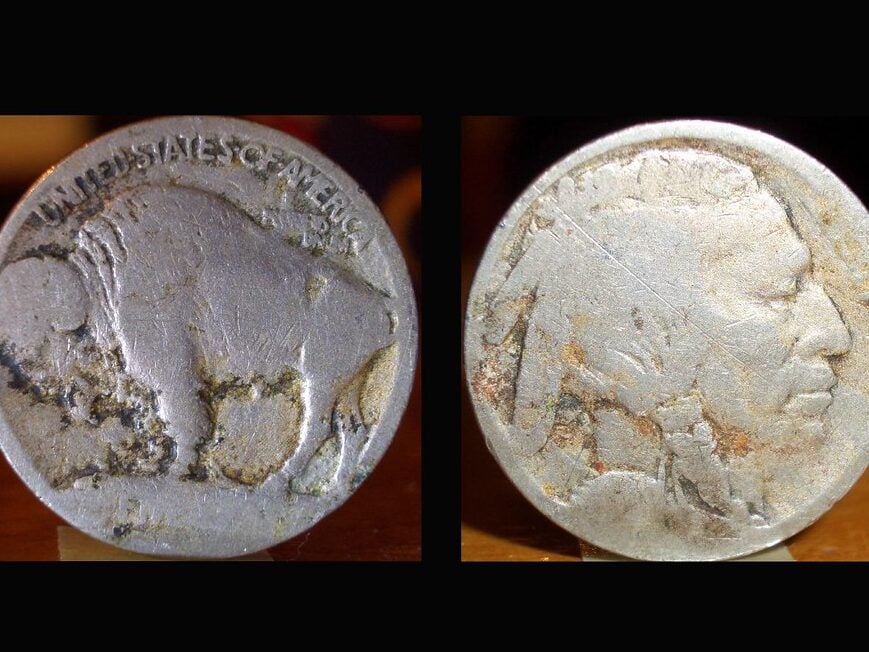
The Mint created this coin to celebrate the opening of the Smithsonian’s National Museum of the American Indian. The design mirrors the classic 1913 Buffalo nickel. Original price was $33 for uncirculated versions.
High-grade examples now sell for $300 to $500. The combination of limited mintage and attractive design keeps values climbing.
The 1992 Olympics Baseball Half Dollar
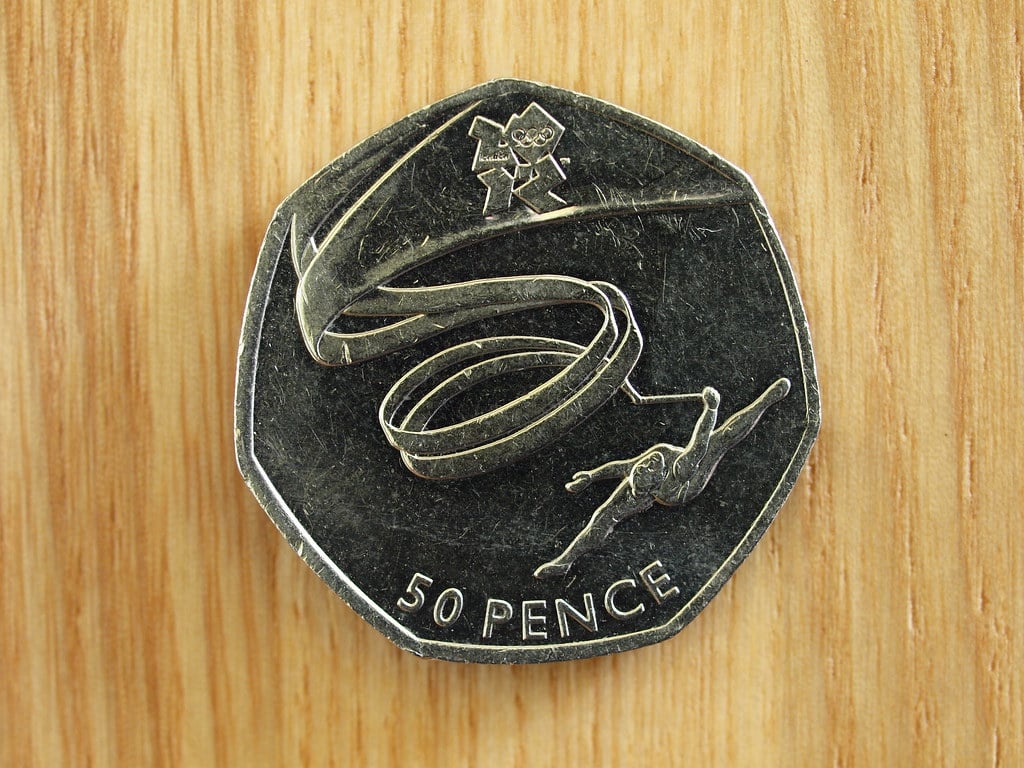
Part of the Barcelona Olympics commemorative series, this coin shows a baseball pitcher mid-throw. The uncirculated version sold for about $7 when it was released.
Clean examples now trade between $75 and $120. The proof version performs even better, reaching $150 for top grades.
Baseball’s popularity in the U.S. keeps demand steady.
1999 Dolley Madison Silver Dollar
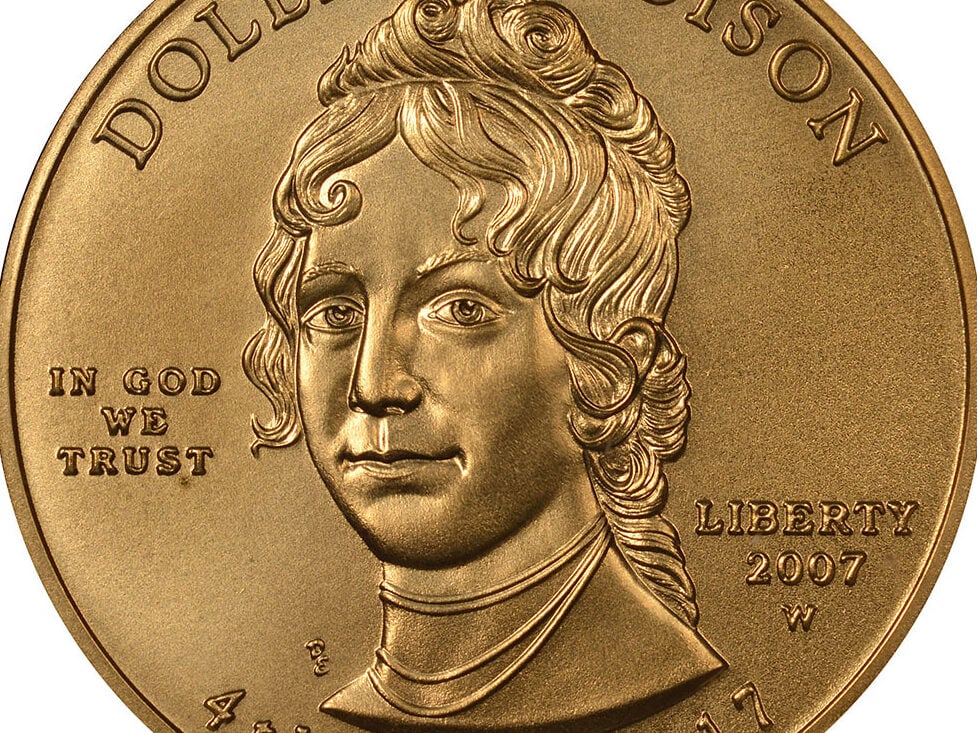
This coin honors the fourth First Lady’s role in saving important documents and artwork when the British burned the White House in 1814. The Mint produced 224,403 in total.
The original retail price was around $32. Today, uncirculated examples in high grades sell for $150 to $250.
The historical significance appeals to both coin collectors and history enthusiasts.
2007 Jamestown 400th Anniversary Gold Five Dollar
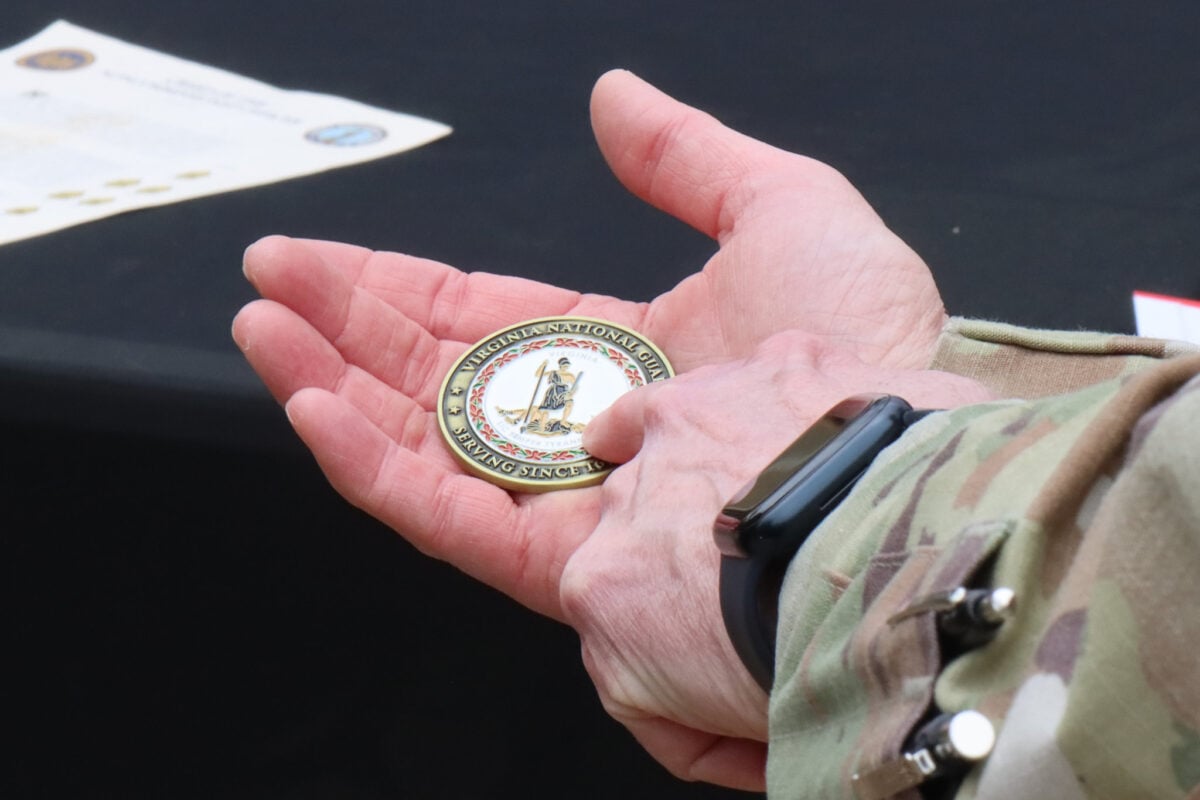
Jamestown marked its 400th anniversary with this commemorative coin showing three settlers and a ship. The Mint struck only 18,623 in uncirculated format.
The initial price was $299. Current market value sits between $600 and $900 for well-preserved examples.
The low production numbers work in favor of anyone who bought one early.
The 1989 Congress Bicentennial Gold Five Dollar
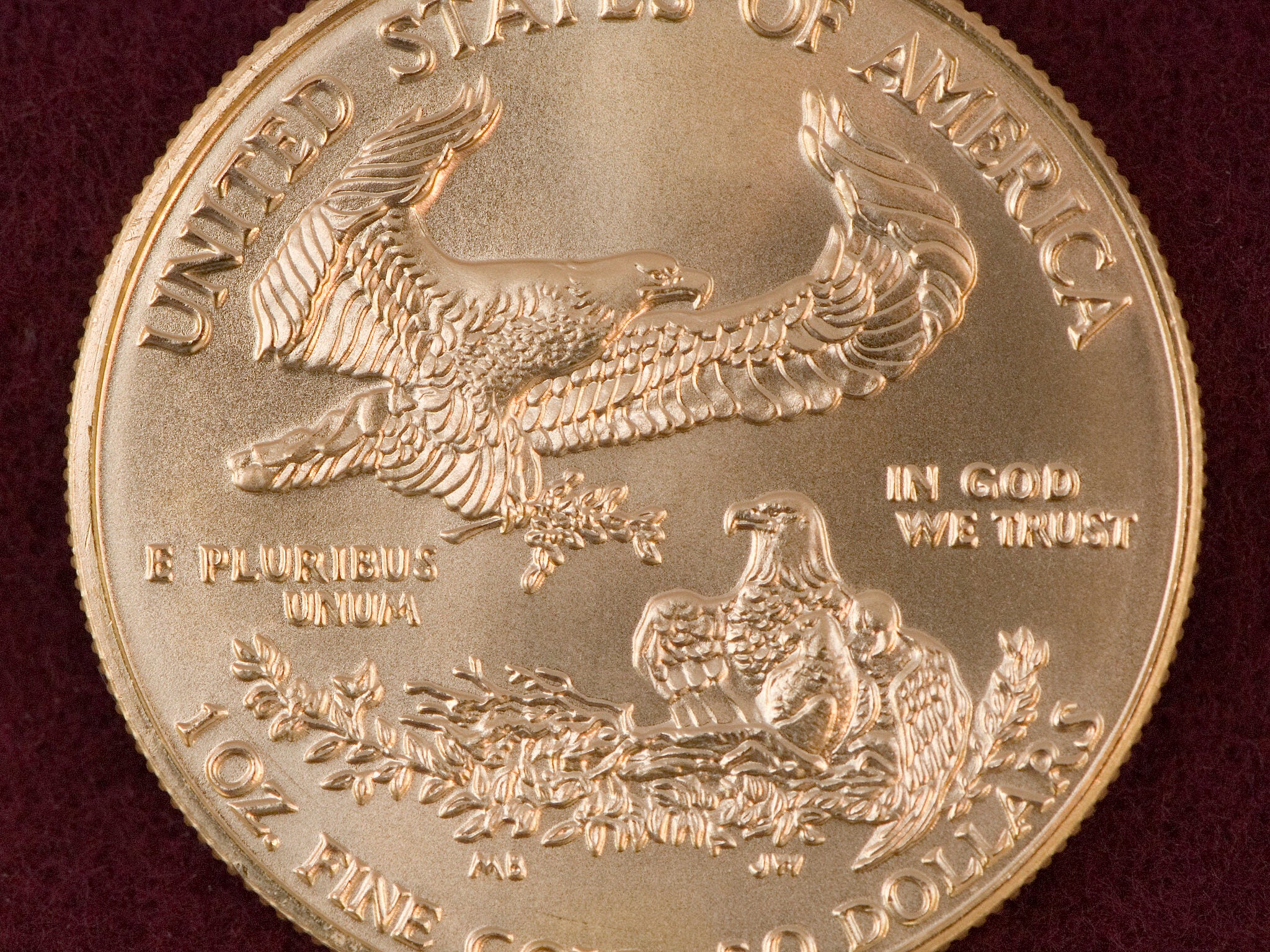
This coin celebrated 200 years of Congress with an eagle design. The Mint sold these for around $215 originally.
Only 46,899 uncirculated versions were produced. High-grade examples now fetch $500 to $700.
The proof version, with a mintage of 164,690, sells for slightly less but still shows solid appreciation.
2011 U.S. Army Half Dollar
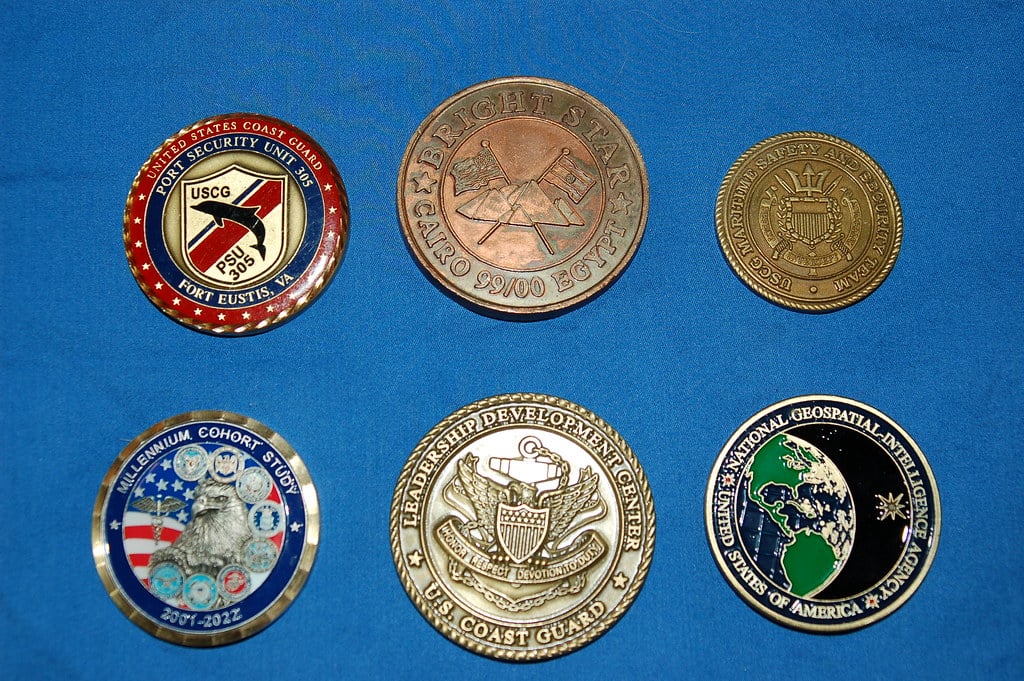
The Army’s anniversary brought this commemorative featuring a soldier and flag design. Uncirculated versions sold for about $35.
Today they trade for $150 to $250 depending on grade. The relatively low mintage of 39,442 keeps prices strong.
Military collectors drive much of the demand for this particular coin.
1994 Women in Military Service Silver Dollar
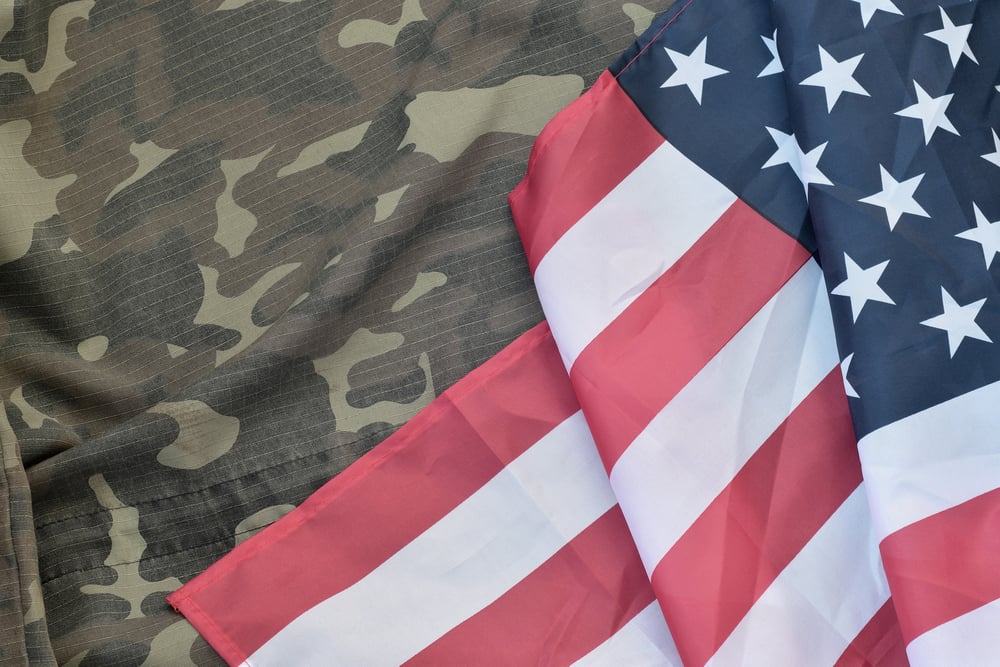
This coin honors women who served in the armed forces. The design shows a woman in uniform with various service symbols.
The original price was $28 for uncirculated versions. Current values range from $100 to $180 for high grades.
The proof version performs similarly. The historical significance and relatively low mintage both contribute to its value.
2008 Bald Eagle Gold Five Dollar
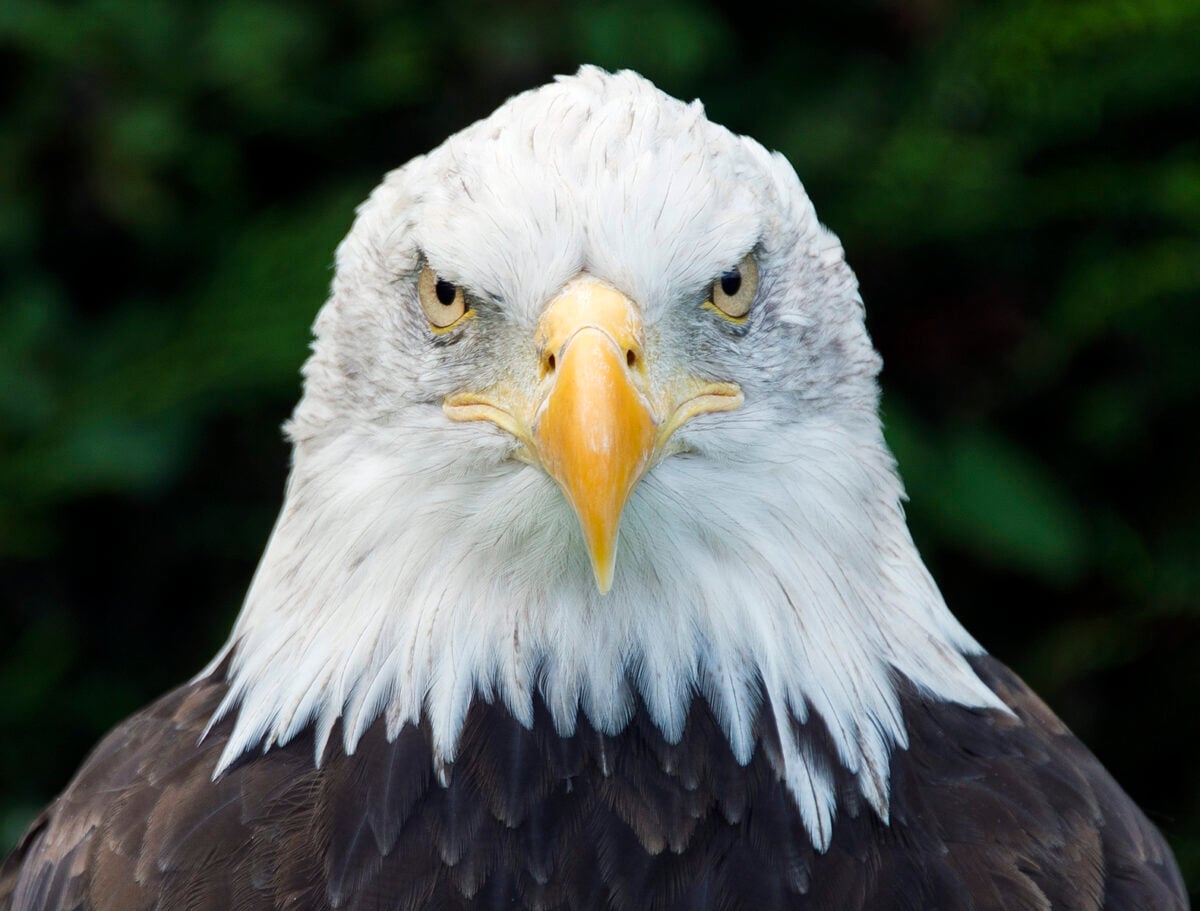
The Mint issued this coin to support the American Bald Eagle Recovery and National Emblem Commemorative Coin Program. They sold for $439 originally.
Only 59,269 were minted across all formats. Today these coins trade between $800 and $1,200.
The eagle’s status as a national symbol keeps collector interest high.
The 1991 Mount Rushmore Half Dollar
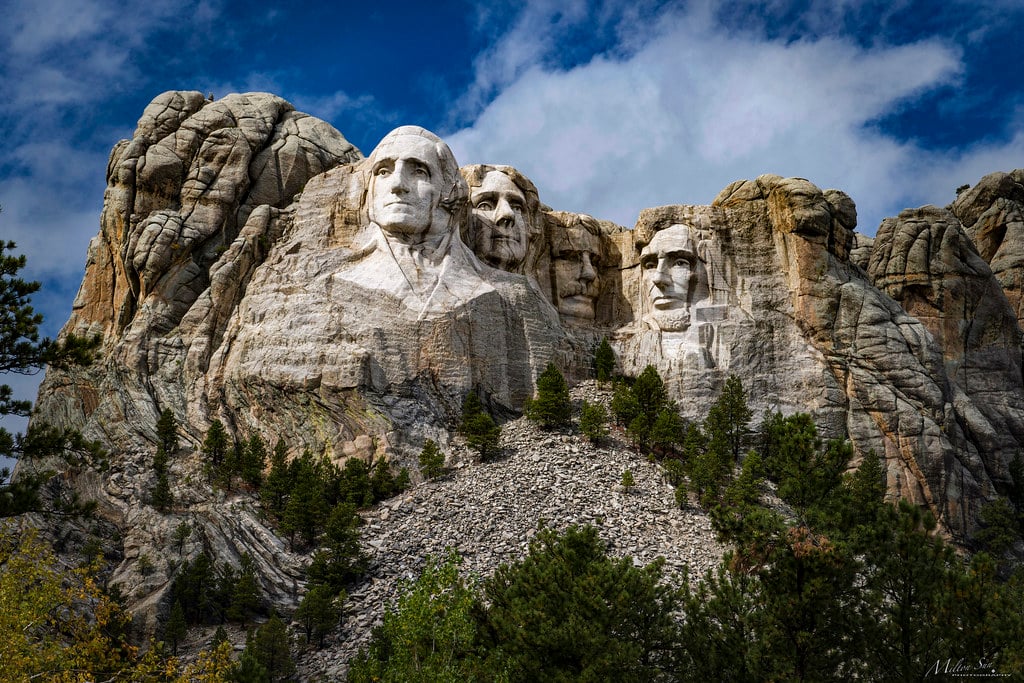
Stone heads of four leaders stare out from this dollar piece. Still sealed ones moved at nominal cost but with a little extra paid by buyers.
Pristine specimens today pull in between ninety and one hundred fifty dollars. An unmistakable national symbol lives on its surface, so those focused on tribute coins keep coming back.
That steady interest holds prices up without need for flash or promotion.
When Metal Holds Memories
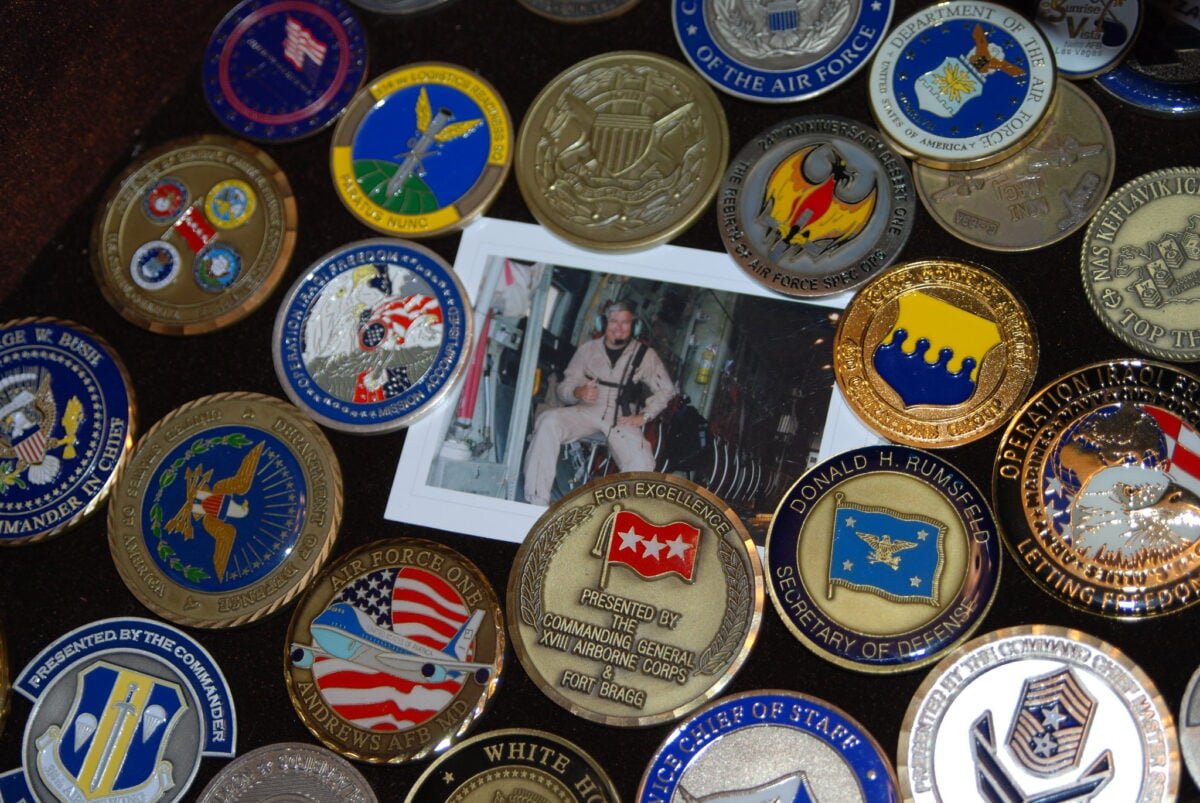
Coins meant to mark events began as ways for governments to earn money or sell keepsakes to travelers. Decades pass sometimes, then someone realizes a few have grown worth more.
Those gaining the most often share features like small production numbers, stories tied to big moments, history that sticks, artwork holding up across years. Estate clearances offer chances, so do gatherings where collectors meet, websites trading old currency.
What counts is spotting the right pieces, waiting while years add quiet weight.
More from Go2Tutors!

- The Romanov Crown Jewels and Their Tragic Fate
- 13 Historical Mysteries That Science Still Can’t Solve
- Famous Hoaxes That Fooled the World for Years
- 15 Child Stars with Tragic Adult Lives
- 16 Famous Jewelry Pieces in History
Like Go2Tutors’s content? Follow us on MSN