Common Habits Shaped By Old Advice
Growing up means collecting rules. Some stick with you forever, even when you can’t remember where they came from.
Your parents said it, or maybe a teacher, or possibly that one aunt who always had opinions about everything. The advice became a habit, and the habit became who you are.
Years later, you still follow guidelines that made perfect sense in 1950 but have nothing to do with how the world actually works now.
Drinking Eight Glasses of Water Daily

This one lives rent-free in everyone’s head. Eight glasses, eight ounces each, every single day. You probably feel guilty when you don’t hit the target.
The advice sounds so specific that it must be based on something scientific, right? The origin traces back to a 1945 recommendation that suggested people need about 2.5 liters of fluid daily.
But that total included water from food, not just beverages. Somewhere along the way, the food part got dropped and the eight-glass rule was born.
Your body actually tells you when it needs water through thirst. Revolutionary concept.
Making Your Bed Every Morning

Military precision for civilian bedrooms. Make that bed before you do anything else, or the whole day falls apart.
The habit supposedly builds discipline and starts your morning with a win. One small task completed means momentum for everything else.
The advice works for some people. Others waste five minutes tucking corners while their coffee gets cold.
Your bed gets unmade again in about sixteen hours anyway. The discipline argument holds water, but the practical benefits remain questionable for anyone who isn’t preparing for inspection.
Eating Breakfast Like It’s the Most Important Meal

Your mother probably said this, and her mother before her. Breakfast jumpstarts your metabolism. Skipping it leads to weight gain, poor concentration, and general life failure.
The meal takes on moral weight, as if eating toast proves character. Cereal companies loved this message and promoted it heavily throughout the twentieth century.
Recent research shows that breakfast matters for some people and not for others. Your body doesn’t operate on a schedule that requires food at 7 AM just because the clock says so.
Eat when you’re hungry. What a concept.
Waiting an Hour After Eating to Swim
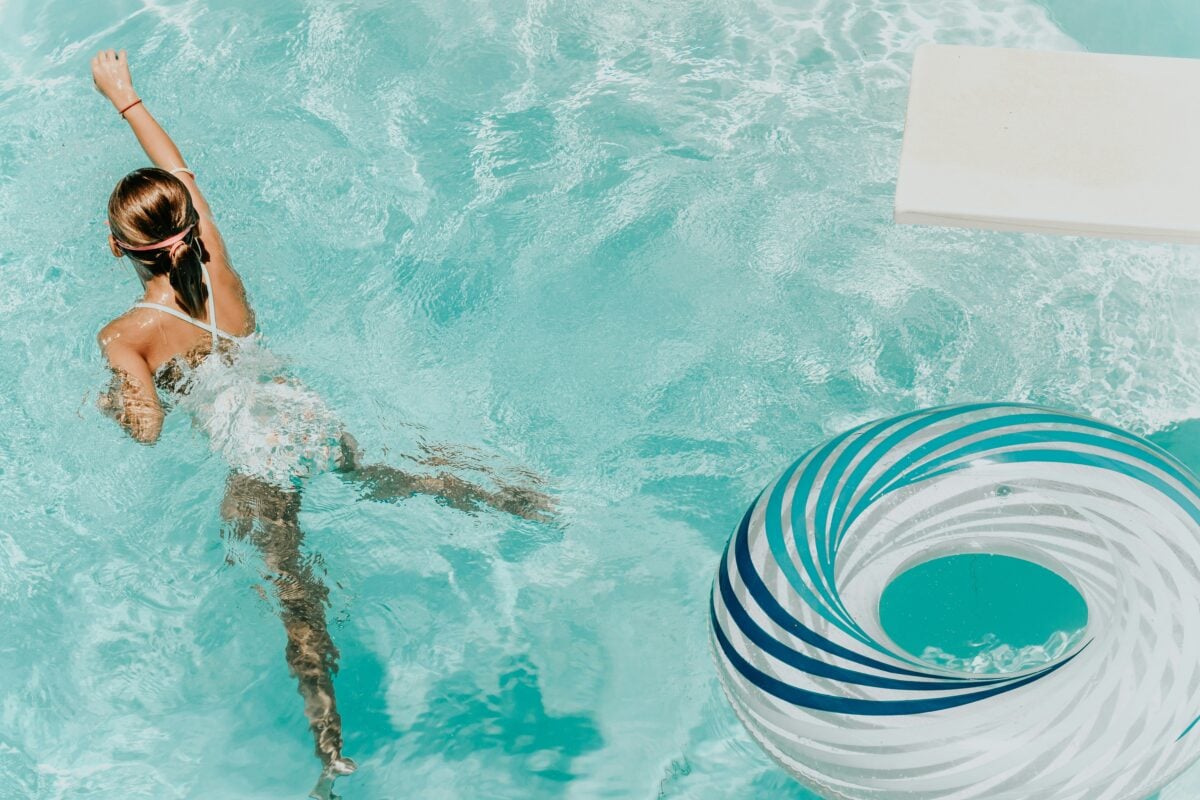
Summer rules. Eat lunch, then sit there watching everyone else have fun in the pool while you digest.
The cramps will get you otherwise, supposedly dragging you down to a watery doom. Parents everywhere enforced this with absolute certainty.
The body does direct blood flow to your digestive system after eating, but not enough to cause cramping that prevents swimming. You might feel sluggish if you jump in right after a huge meal, but the danger was always overstated.
Generations of kids sat poolside for no good reason.
Cracking Your Knuckles Leads to Arthritis
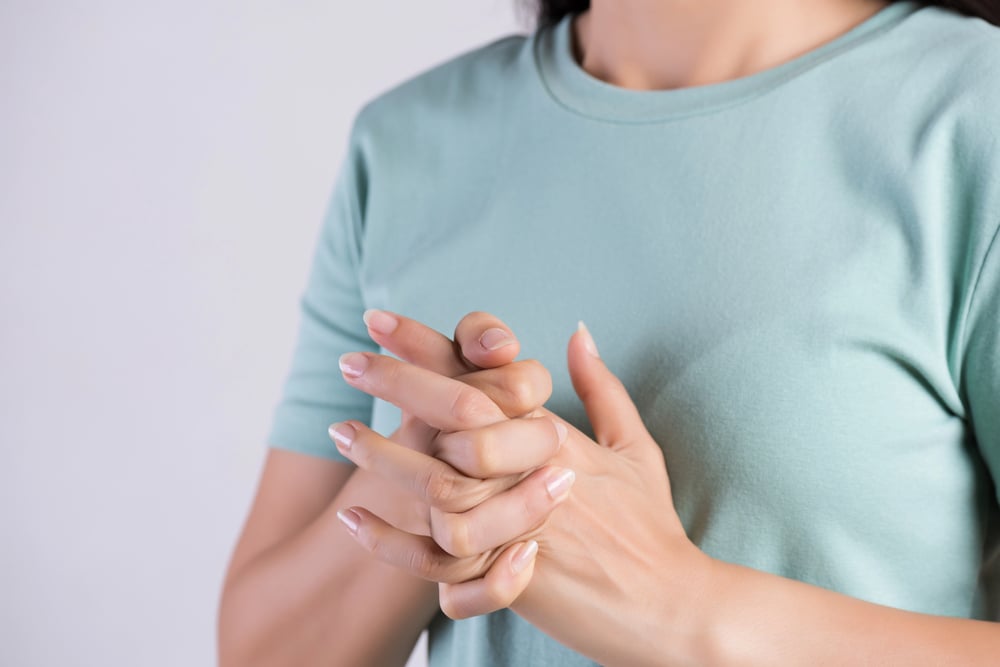
The warning came with authority. Stop that right now, or your hands will be gnarled and painful by age forty. The sound itself seemed suspicious, as if joints weren’t meant to make noise.
Surely something that is satisfying must come with consequences. Studies have found no connection between knuckle cracking and arthritis.
The sound comes from gas bubbles in the joint fluid popping. The habit might annoy people around you, but your joints will be fine.
One doctor even cracked the knuckles on one hand for fifty years while leaving the other hand alone. Both hands ended up identical.
Reading in Dim Light Ruins Your Eyes

Close that book and turn on a proper light. Reading in darkness strains your eyes and ruins your vision permanently. Every kid who read under the covers with a flashlight heard this warning at some point.
The concern felt legitimate enough to make you feel guilty about it. Reading in low light tires your eyes but causes no permanent damage.
Your eyes work harder to focus in dim conditions, leading to fatigue and maybe a headache. But vision problems come from genetics and age, not from reading by lamplight.
The strain is temporary and reversible.
Going Outside with Wet Hair Gives You a Cold

Winter mornings meant this warning on repeat. Dry your hair properly or you’ll catch something.
The cold air combined with wet hair creates the perfect storm for illness, apparently. Better to be late than sick.
Colds come from viruses, not temperature or damp hair. You catch a cold when a virus enters your body, usually through contact with infected people or surfaces.
Being cold and wet feels miserable but doesn’t make you more susceptible to viruses. The correlation between winter and colds happens because people spend more time indoors in close contact, not because of the weather.
Sitting Up Straight Prevents Back Problems

Good posture became a moral imperative. Shoulders back, spine aligned, no slouching allowed.
Poor posture supposedly leads to chronic back pain, spinal problems, and a hunched future. The advice came with rulers placed along spines and constant reminders to straighten up.
Posture matters less than movement. Staying in any position for too long causes problems, whether you’re sitting like royalty or slouched like a teenager.
Your back needs regular position changes and activity, not rigid adherence to a specific angle. The quest for perfect posture often creates more tension than it relieves.
Starving a Fever and Feeding a Cold

This saying has been around so long that nobody questions it anymore. The treatment plan sounds medical enough to follow without checking.
Fever means fasting, cold means eating. Simple. The advice probably stems from outdated ideas about body heat and digestion.
Your body needs fuel regardless of whether you have a fever or a cold. Both conditions benefit from proper nutrition and hydration.
The saying persists despite making no scientific sense. Eat when you’re hungry, whether you’re sick or healthy.
Eating Carrots Improves Your Eyesight

World War II propaganda turned into lasting nutrition advice. The British claimed their pilots had excellent night vision from eating carrots, which explained how they shot down enemy planes in the dark.
The real reason involved radar technology they wanted to keep secret, but the carrot story stuck. Carrots contain vitamin A, which supports eye health.
But eating more carrots than you need won’t give you supervision. Your body processes what it needs and disposes of the rest.
The wartime myth became playground wisdom that somehow sounds true enough to believe.
Keeping Your Coat On Indoors Makes You Cold Later

The reasoning sounded airtight. Wearing your coat inside warms you up too much, so when you go back outside, you feel colder by comparison.
Better to tough it out indoors and save the warmth for when you really need it. The logic made enough sense to follow.
Your body maintains its core temperature regardless of whether you wear a coat indoors. Taking off your coat when you’re comfortable makes sense, but not because it affects how cold you’ll feel later.
The advice confused adaptation with actual temperature regulation.
Not Swimming Right After Eating

Different from the hour-long wait, this version says any swimming after eating invites disaster. Food in your stomach plus physical activity equals cramps that pull you underwater.
The combination seemed dangerous enough to avoid completely. Competitive swimmers avoid eating right before races because digestion affects performance.
But casual swimming after a meal poses no real danger. Your body handles multiple tasks at once without shutting down.
The warning conflated competitive athletics with recreational swimming.
Going to Bed Early and Waking Up Early
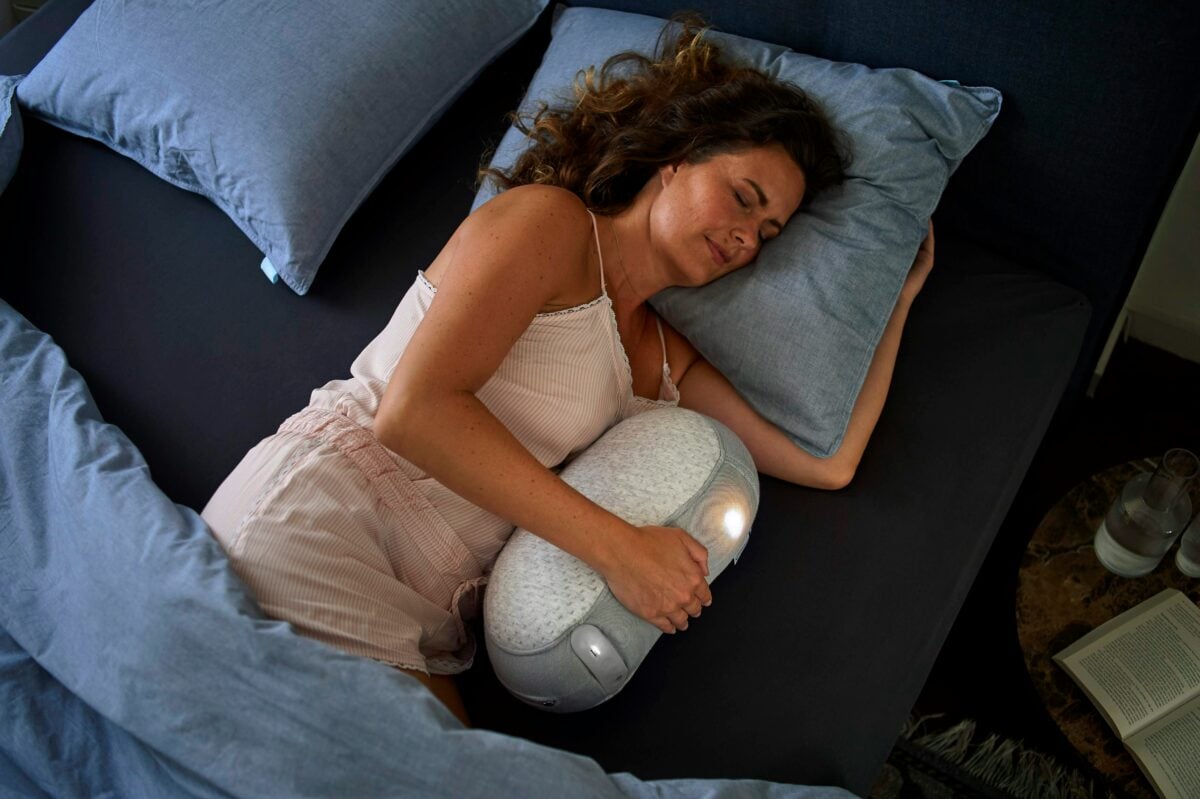
Benjamin Franklin gets credit for this one, though he probably wasn’t the first. Early to bed, early to rise makes you healthy, wealthy, and wise.
The schedule became a character test. Night owls were lazy, while morning people had discipline and success. Sleep patterns are largely genetic.
Some people function better at night, others in the morning. Neither schedule makes you more productive or successful.
The advice fit an agricultural society where daylight dictated work hours. Modern life operates twenty-four hours, but the judgment about sleep schedules remains.
Standing Close to the Television Damages Your Eyes
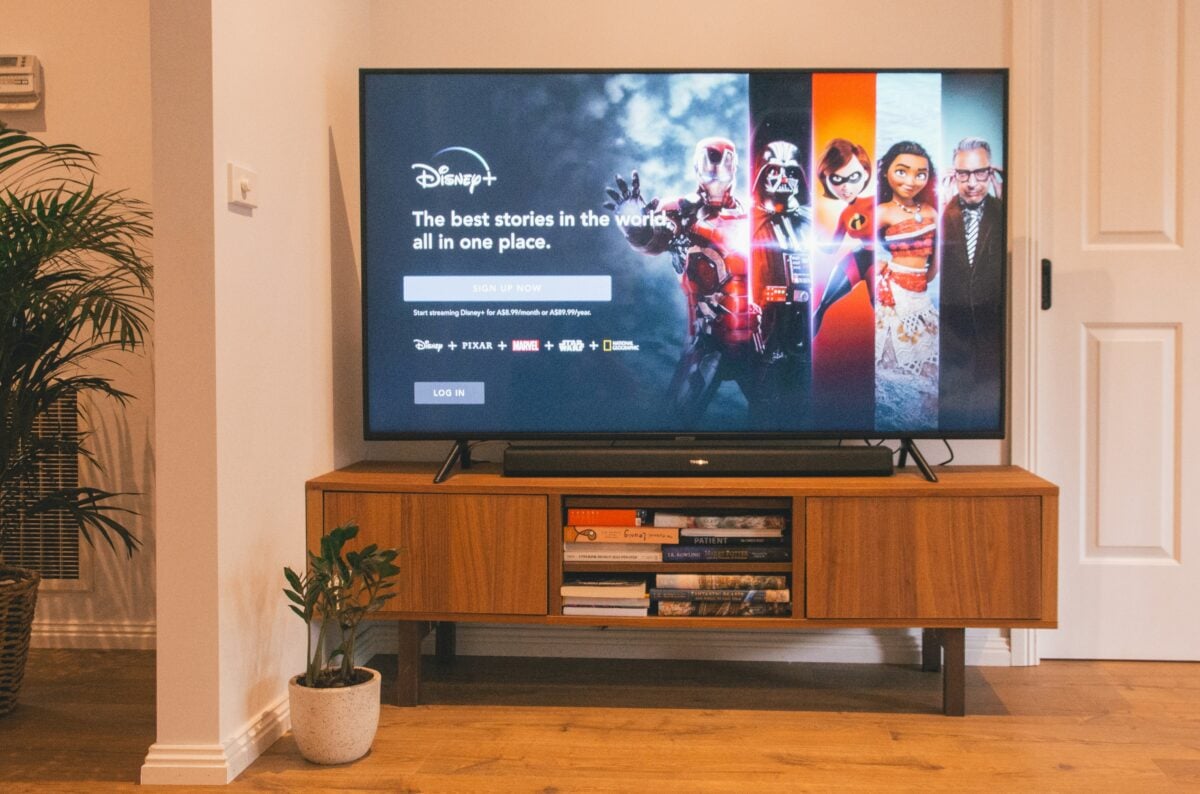
Sitting way too near the TV was said to wreck your eyes for good. Grown-ups yanked children away, shouting they’d go blind.
Space between kid and screen seemed serious, like the machine could actually harm you. Old tube TVs gave off a bit of radiation, yet it wasn’t strong enough to hurt your eyes.
Today’s displays don’t release any radiation whatsoever. Getting up close could lead to tired eyes from staring sharply, however, there’s no permanent effect.
Children tend to sit nearer to the screen since their vision handles short distances better compared to grown-ups.
Where This Leaves You

The tips don’t just vanish overnight. Still find yourself sticking to guidelines that once worked – for somebody, somehow, sometime.
Certain routines run so deep they’re hard to doubt, no matter what you’ve learned since. Those past suggestions molded your choices every day, yet ditching them demands way more energy than going along ever required.
Could be that’s the true staying power behind lessons handed down from before.
More from Go2Tutors!

- The Romanov Crown Jewels and Their Tragic Fate
- 13 Historical Mysteries That Science Still Can’t Solve
- Famous Hoaxes That Fooled the World for Years
- 15 Child Stars with Tragic Adult Lives
- 16 Famous Jewelry Pieces in History
Like Go2Tutors’s content? Follow us on MSN.