Regional Crafts That Influenced Global Fashion
Step inside a luxury shop now – many items there stem from methods honed ages back in tiny towns. Old-school craftsmanship ties closely to modern clothing, though folks often miss this link.
It’s more than looks or quick ideas taken here and there. We’re talking full systems of creation that moved across lands, then reappeared on catwalks and closets everywhere.
Japanese Shibori Dyeing
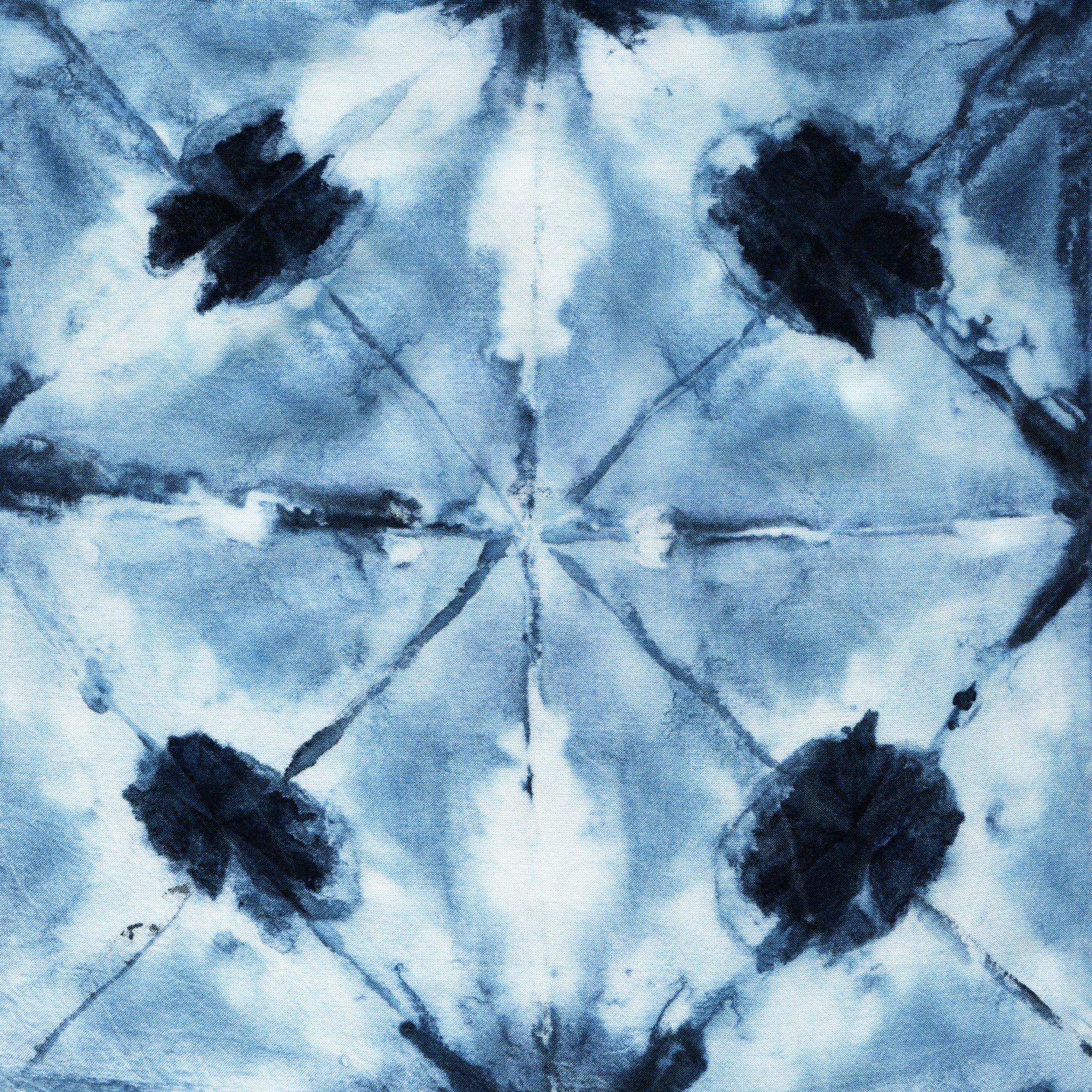
The resist-dyeing technique from Japan creates patterns through binding, stitching, folding, or compressing cloth before dyeing it. Artisans in the Arimatsu region have been practicing this craft since the 1600s, developing dozens of distinct methods.
Each approach produces different effects, from tight concentric circles to flowing organic shapes. Western designers discovered shibori in the 1960s, and the technique really exploded in mainstream fashion during the 1970s.
High fashion houses started incorporating these hand-dyed textiles into their collections, though often mechanizing what had been painstaking handwork. The indigo-dyed fabrics, with their unpredictable patterns and deep blue hues, became synonymous with artisanal quality.
Today you’ll find shibori-inspired prints on everything from fast fashion tees to couture gowns. Most aren’t actually made using traditional methods—digital printing has taken over.
But the visual language remains, and a handful of designers still work with Japanese artisans to produce authentic pieces that can take weeks to complete.
Indian Block Printing

Rajasthan’s block printing tradition goes back over a thousand years. Craftspeople carve intricate designs into wooden blocks, then stamp them repeatedly across fabric using natural dyes.
The process requires precision and patience. A single sari can involve hundreds of individual stampings, each one needing to align perfectly with the last.
British colonizers brought these textiles back to Europe in the 18th and 19th centuries, where they influenced the development of English chintz and calico printing. The bright florals and geometric patterns found their way into European fashion and home decor, though often stripped of their original cultural meanings.
Modern fashion has rekindled interest in authentic block printing. Brands now collaborate directly with printing communities in Jaipur, Bagru, and Sanganer.
The hand-printed fabrics command premium prices, and consumers increasingly want to know the stories behind the patterns. Each imperfection—a slightly misaligned stamp, an uneven ink application—becomes proof of authenticity rather than a flaw.
Scottish Tartan Weaving

Tartan patterns became closely associated with Scottish clans, particularly during the 18th and 19th centuries when the system of clan-specific tartans was formalized. The weaving technique itself, with its precise over-under pattern creating distinctive checks, became deeply symbolic.
After the Jacobite rebellions, the British government actually banned tartan wearing for decades, turning a textile into an act of resistance. When the ban lifted, tartan exploded back into Scottish culture and soon spread globally.
Queen Victoria’s love of Scottish culture in the mid-1800s made tartan fashionable across Britain. Designers started creating new patterns not tied to any clan, treating tartan as pure design rather than identity marker.
Punk fashion in the 1970s grabbed tartan and ran with it in an entirely different direction. Vivienne Westwood’s designs mixed tartan with bondage gear and safety pins, turning a symbol of tradition into one of rebellion.
That tension between respectability and subversion still defines how tartan appears in fashion. You’ll see it on prep school uniforms one day and ripped punk trousers the next.
Peruvian Weaving
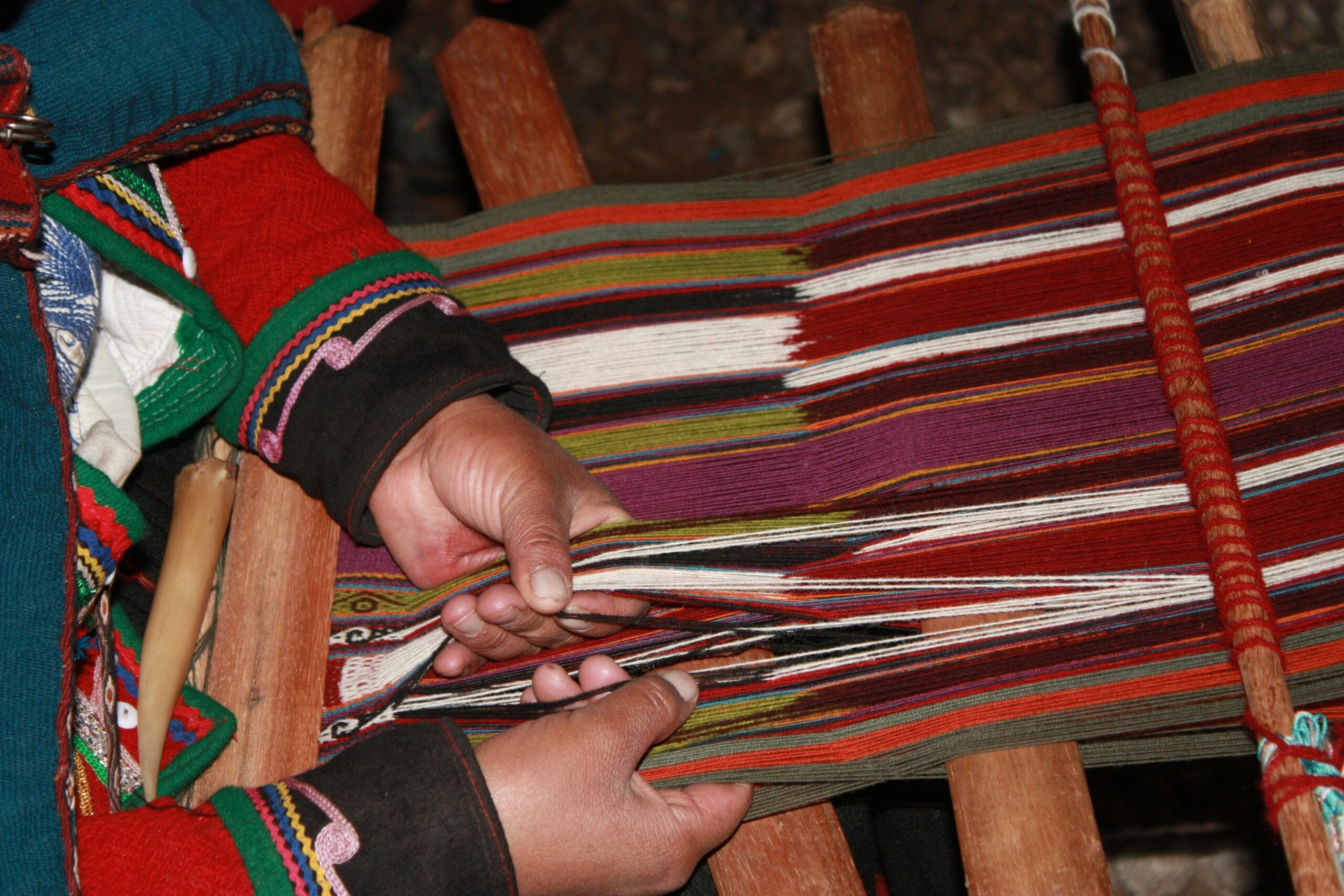
The Quechua and Aymara peoples of the Andes have been weaving intricate textiles for thousands of years. Their backstrap looms produce fabrics with complex geometric patterns that carry cultural meanings—certain designs represent mountains, others water, still others community bonds.
The technique requires the weaver to essentially become part of the loom, using their body weight to maintain tension. International fashion discovered these textiles in the mid-20th century, often through folk art markets and ethnographic interest.
Initially, designers simply incorporated the woven strips into otherwise Western garments as decorative elements. But some went deeper, learning the techniques and collaborating with weaving cooperatives.
The bright colors and geometric precision of Peruvian weaving influenced the bohemian fashion movements of the 1960s and 70s, then again in the 2010s. But this popularity created problems.
Mass production of “Peruvian-style” prints undercut actual Peruvian weavers, and designs with specific cultural meanings were reproduced without context or compensation. Some weaving cooperatives and community groups now work to protect and document their patterns to preserve their cultural heritage.
West African Kente Cloth
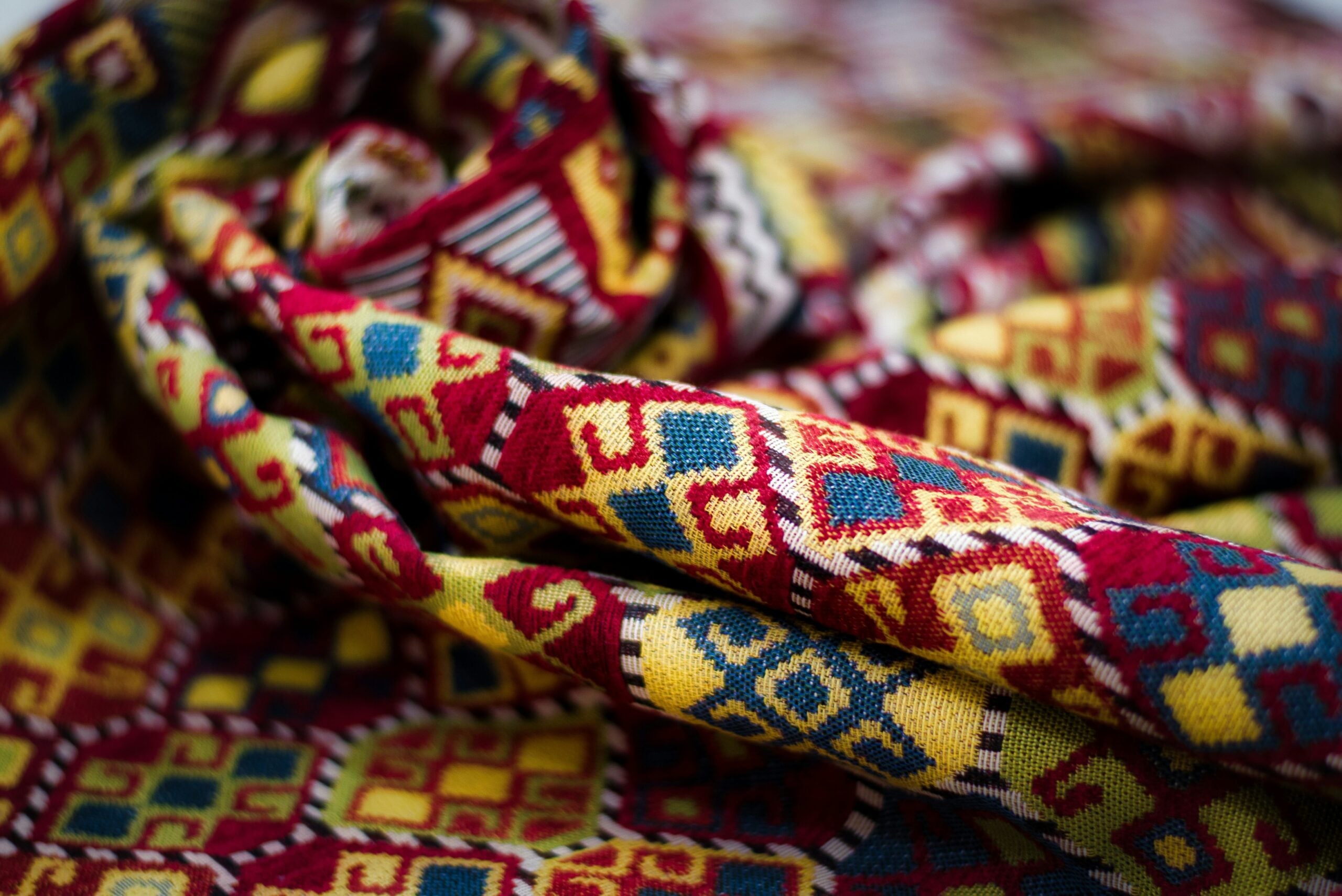
Kente originated with the Akan people of Ghana, woven on horizontal treadle looms in narrow strips that get sewn together. The fabric features complex geometric patterns in vibrant colors, originally woven with imported silk as well as cotton, with each combination of colors and patterns carrying specific meanings.
Traditionally, only royalty wore certain patterns, and weavers trained for years to master the technique. The cloth gained international recognition during the African independence movements of the 1960s, becoming a symbol of African heritage and pride.
African diaspora communities embraced kente as a way to connect with ancestral culture. By the 1990s, kente patterns appeared everywhere in American fashion, often in contexts far removed from their origins.
This popularization sparked ongoing debates about cultural appropriation versus appreciation. When designers use kente-inspired prints without understanding or acknowledging their significance, or when they profit from patterns that hold sacred meanings, it raises questions about who gets to use cultural symbols and how.
Some Ghanaian weavers have found new markets through this global interest, while others feel their cultural heritage has been reduced to a trend.
Mexican Embroidery

Oaxaca’s traditional embroidery, particularly the intricate floral designs on blouses called huipiles, represents generations of knowledge passed down through families. Each region has distinct styles—the Mazatec areas favor dense, colorful flowers, while Mixtec embroidery often includes geometric elements.
Women spend months completing a single garment, and the stitching itself becomes a form of storytelling. European fashion has borrowed from these traditions for decades, but not always ethically.
Major fashion houses have been accused of copying specific indigenous designs without permission or payment, leading to legal battles and public outcry. Mexico has taken steps toward protecting indigenous textile designs, though these protections remain incomplete and enforcement is challenging.
Some collaborations work better. When designers partner directly with embroidery cooperatives, paying fair prices and crediting the artisans, both sides benefit.
The embroiderers gain access to global markets and sustainable income, while designers get authentic handwork impossible to replicate mechanically. These partnerships also help preserve techniques that were at risk of disappearing as younger generations moved away from traditional crafts.
Chinese Silk Embroidery
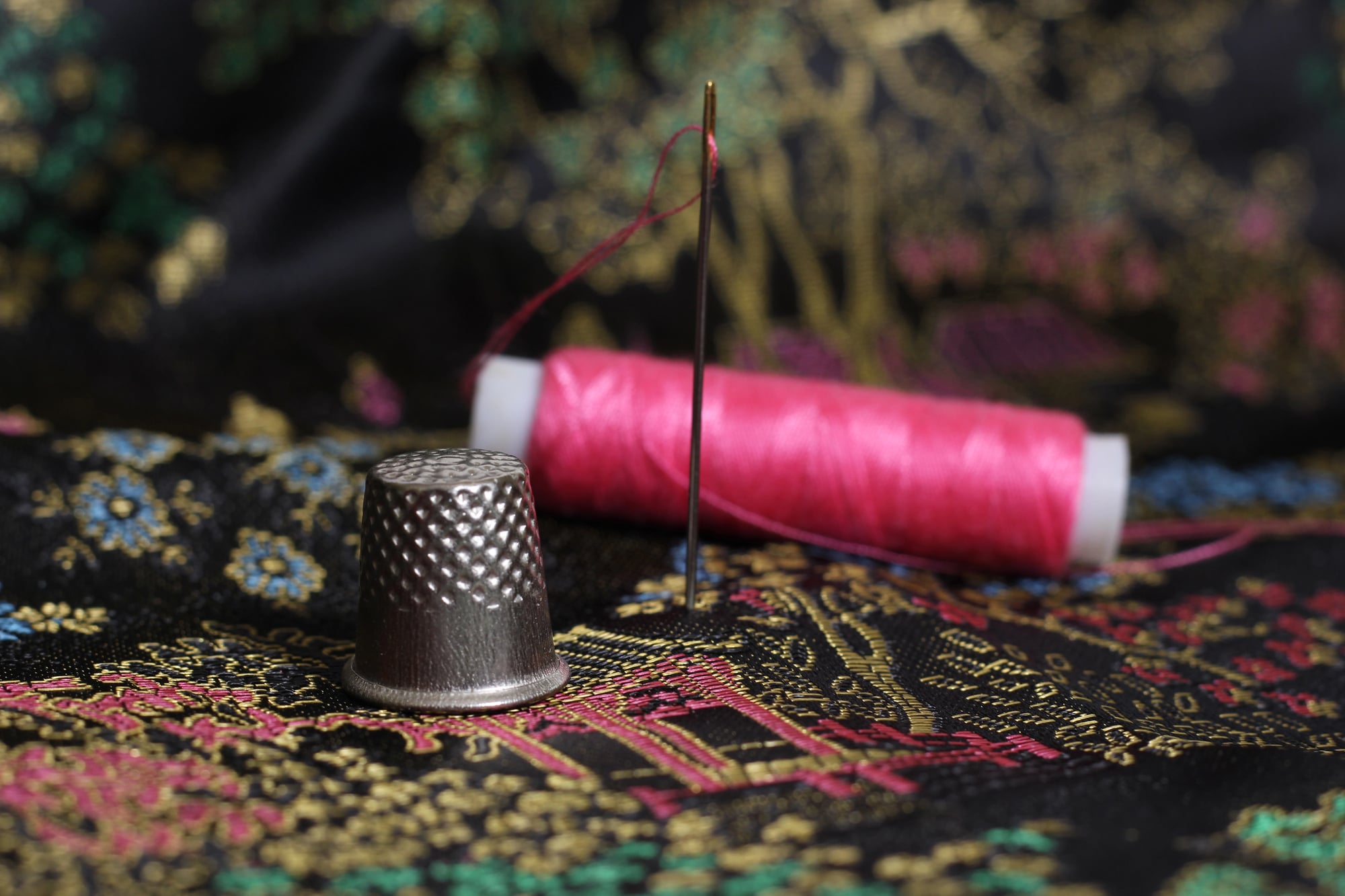
Suzhou embroidery stands as one of China’s most refined traditional crafts, with a history stretching back over 2,000 years. Artisans use incredibly fine silk threads—sometimes just a single strand split into multiple pieces—to create images with painterly detail.
The technique requires extraordinary precision and can take years to master fully. This craft influenced global fashion most notably through its integration into luxury goods.
European aristocracy prized Chinese embroidered silks from the 16th century onward, incorporating them into formal wear and furnishings. The aesthetic influenced European embroidery traditions, which developed their own takes on the flowing, naturalistic designs.
Contemporary fashion still references Suzhou embroidery, particularly in evening wear and special occasion pieces. Some designers commission work directly from Suzhou studios, while others adapt the aesthetic using modern techniques.
The hand-embroidered pieces command extraordinary prices—a single garment can cost tens of thousands of dollars and represent months of work by a master embroiderer.
Irish Lace Making
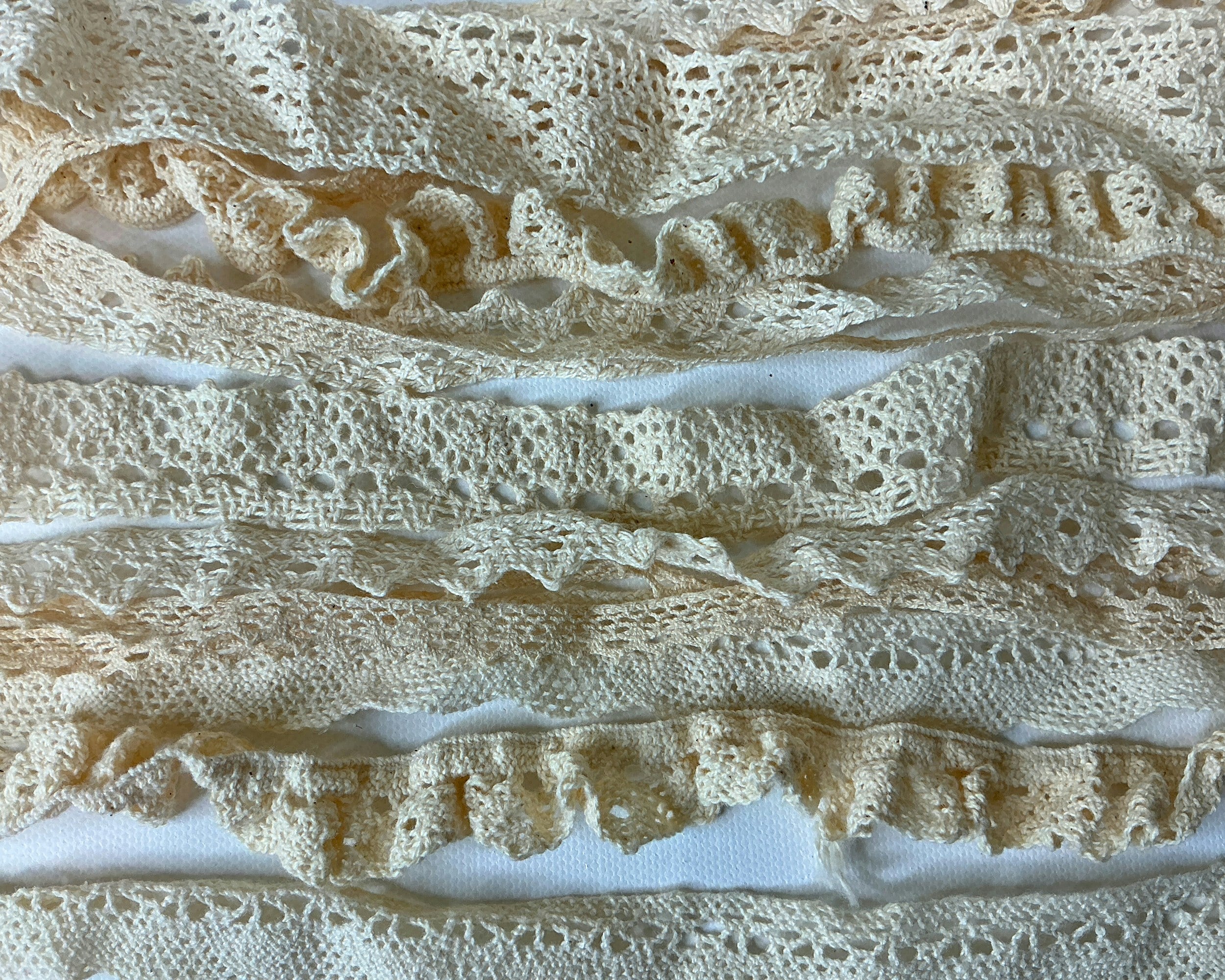
Irish crochet lace developed in the mid-1800s, initially as famine relief work. The technique created dimensional, highly textured lace through intricate crochet stitches, producing flowers, leaves, and elaborate patterns.
Unlike flat bobbin lace, Irish crochet had a sculptural quality that made it stand out. Women could do the work at home, and the lace provided crucial income during desperate times.
Victorian fashion embraced Irish lace enthusiastically. It appeared on everything from collars and cuffs to entire gowns.
The delicate, handmade quality signaled wealth and refinement. But this popularity also drove wages down as demand increased, and women doing the painstaking work often earned barely enough to survive.
Modern designers rediscovered Irish crochet in the early 2000s, appreciating its three-dimensional quality and handmade imperfections. Crochet techniques generally, influenced by the Irish tradition, saw a major fashion resurgence.
You’ll find crochet in everything from music festival wear to high fashion runways, though most contemporary pieces use simpler techniques than traditional Irish lace required.
Indonesian Batik

Batik uses wax-resist dyeing to create intricate patterns on fabric, with Indonesian artisans practicing the technique for centuries. The process involves drawing designs with hot wax, dyeing the fabric, then removing the wax and repeating with different colors and patterns.
Traditional batik can involve dozens of waxing and dyeing cycles, creating complex layered designs. Dutch colonizers brought batik to European attention, and the technique influenced Art Nouveau designers in the early 20th century.
Later, batik became associated with 1960s counterculture, representing both exoticism and handcrafted authenticity. The distinctive crackled lines created when wax breaks during dyeing became an iconic look.
Indonesia successfully lobbied to have batik recognized by UNESCO as intangible cultural heritage, protecting its cultural significance while allowing the craft to evolve. Contemporary Indonesian designers blend traditional batik techniques with modern silhouettes, creating fashion that honors tradition while remaining relevant.
International designers still borrow batik aesthetics, though with varying degrees of respect for the craft’s origins.
Nordic and Fair Isle Knitting

Stranded colorwork knitting patterns developed across the Nordic regions, with each area creating distinctive traditions. Norway, Sweden, Iceland, and other northern countries developed geometric patterns that used color changes rather than complex stitches for their effect.
These patterns originally served practical purposes—the extra layer of yarn made warmer garments essential for harsh winters. Fair Isle knitting, which developed separately in Scotland’s Shetland Islands, shares similar techniques but represents its own distinct tradition.
The rest of Europe adopted these patterns enthusiastically starting in the 1920s, particularly after the Prince of Wales wore Fair Isle sweaters and made them fashionable. The geometric designs fit well with Art Deco aesthetics and remained popular through the mid-century.
Ski fashion particularly embraced these knitting patterns from both Nordic and Scottish traditions, which became shorthand for winter sport style. Contemporary fashion returns to these patterns cyclically.
They appear in everything from luxury knitwear to mass-market sweaters. Hand-knitters worldwide have learned the techniques from both Nordic and Scottish traditions, sharing patterns across the internet and adapting traditional designs.
The craft itself has become democratized even as fashion brands capitalize on its nostalgic, handmade appeal.
Filipino Piña Weaving

Piña fabric comes from pineapple leaf fibers, woven into an extremely fine, translucent cloth that was once called “the queen of Philippine fabrics.” The labor-intensive process involves extracting fibers from pineapple leaves, preparing them for spinning, weaving them on handlooms, then often embroidering the finished cloth.
A single garment can take months to complete. Spanish colonial influence shaped how piña fabric was used, particularly in the formal wear called barong tagalog.
But the weaving technique itself predates colonization. The fabric’s delicate quality and subtle sheen made it prized for special occasions, though its fragility meant it needed careful handling.
International designers discovered piña in the late 20th century, appreciating its sustainable qualities and unique texture. The fabric works particularly well for structured garments because of its stiffness, despite its delicate appearance.
But increased demand has created challenges—there aren’t many weavers left who know the traditional techniques, and training new ones takes years. Some Filipino designers now work to revive and protect the craft while bringing it to contemporary audiences.
Moroccan Zellige Patterns in Textile Design

Zellige means classic Moroccan tiles with complex geometric designs. Though it’s made from clay, not cloth, those building patterns shaped how fabrics and clothes were decorated.
Because of their exact layouts and fitting pieces, they worked nicely on weaved or printed materials. Embroidery and bead details borrowed the look too – just not directly from the tile method.
Back then, European creators got hooked on these motifs – first through colonial contacts, later in the ’60s and ’70s as Morocco drew crowds. Shaped by clean lines, they clicked with modern tastes, showing up in YSL pieces or basic living room stuff.
Since the art relies on shapes instead of figures, it shifted easily between fashion, homes, even street visuals. Modern clothes still use tile-like prints, especially on jewelry or small details – though these ideas shift easily between sizes, from mini motifs to bold centerpieces; yet that kind of reuse hardly ever recognizes the original culture or clever math involved, seeing them more like vague “faraway” looks rather than meaningful art.
The Thread That Connects

These handmade works have more in common than just how they’re made or how they look. Yet each carries wisdom passed down through families, shaped by many makers, filled with deeper significance.
While clothing designs take inspiration from them, a shift happens – one that can deepen understanding, but might also turn rich customs into surface-level trends. The strongest partnerships form if designers treat traditional skills with real care, focusing less on appearance and more on meaning.
Because artisans are paid fairly and recognized fully, plus their backgrounds respected instead of ignored, such connections keep old practices alive while encouraging fresh thinking. Clothes change constantly – yet they don’t need to lose touch with the roots behind their boldest inspirations.
More from Go2Tutors!

- The Romanov Crown Jewels and Their Tragic Fate
- 13 Historical Mysteries That Science Still Can’t Solve
- Famous Hoaxes That Fooled the World for Years
- 15 Child Stars with Tragic Adult Lives
- 16 Famous Jewelry Pieces in History
Like Go2Tutors’s content? Follow us on MSN.