Tattoo Trivia You Need to Know
Have you ever looked at someone’s tattoo and wondered about the story behind it? Maybe you’ve got ink yourself, or perhaps you’re simply fascinated by this ancient art form that’s become so mainstream.Either way, you’re about to discover some absolutely mind-blowing facts about tattoos that will change how you see them forever.
Think about it – tattoos have been around for thousands of years, yet most of us only scratch the surface of their incredible history and cultural significance.From ancient mummies to modern world record holders, the world of tattoos is filled with surprises that go far beyond what meets the eye.
Whether you’re a tattoo enthusiast or just curious about this fascinating art form, these stories will captivate you.The dedication, creativity, and sometimes downright obsession people have with tattoos reveals so much about human nature and our desire for self-expression.
Here’s a list of 12 incredible tattoo facts that showcase just how amazing this world really is.
The Word ‘Tattoo’ Comes from Captain Cook’s Adventures

When Captain James Cook and his crew sailed to Polynesia in 1769, they encountered the local practice of ‘tatau’ – marking the skin with permanent designs. The sailors were so intrigued that many got tattooed themselves, bringing both the practice and the word back to the Western world.
One voyage literally changed how we talk about tattoos forever, proving that travel really does broaden your horizons in unexpected ways.
British Royalty Started a Victorian Tattoo Trend
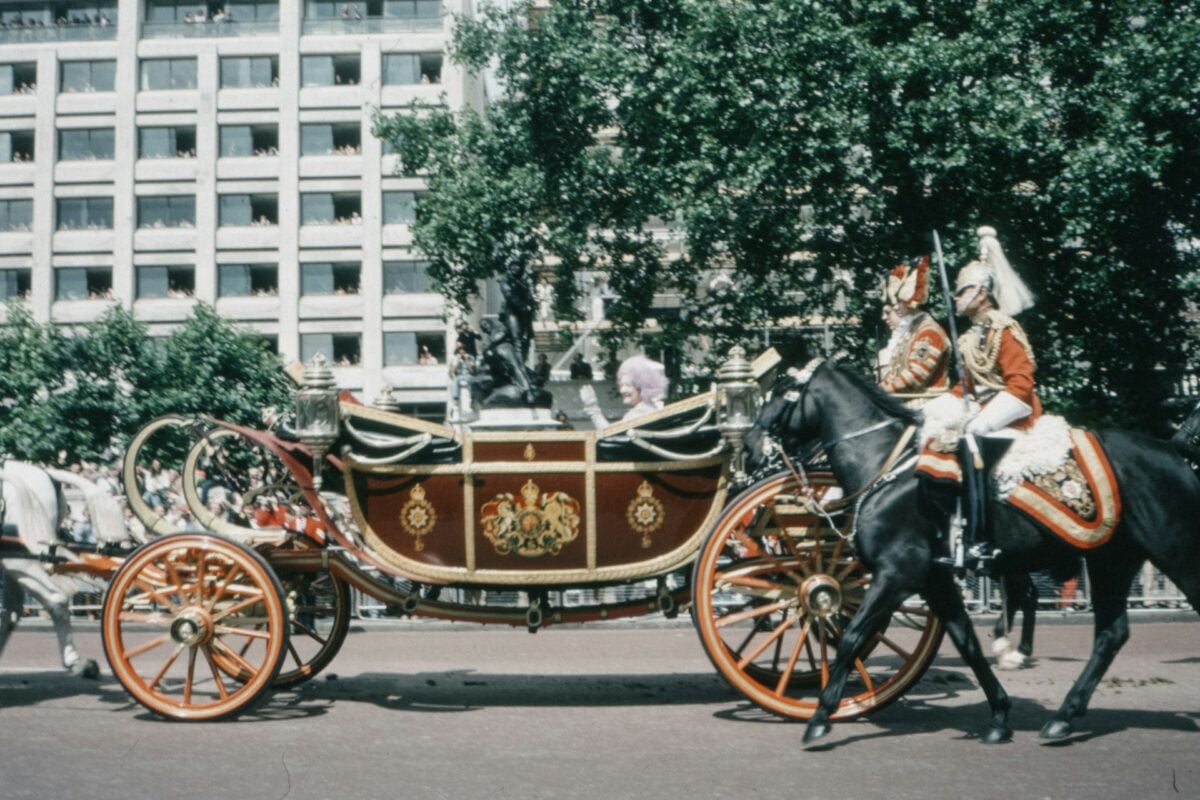
Forget what you think you know about stuffy Victorian society. In 1862, the Prince of Wales (later King Edward VII) got a Jerusalem Cross tattooed during a visit to the Holy Land.
His sons followed suit, getting dragon tattoos in Japan. Suddenly, tattoos became fashionable among European aristocrats, proving that even royalty wants to rebel sometimes. Of course, when the practice became more accessible to common people, the elite quickly moved on to other trends.
Like Go2Tutors’s content? Follow us on MSN.
King Harold II Was Identified by His Tattoos
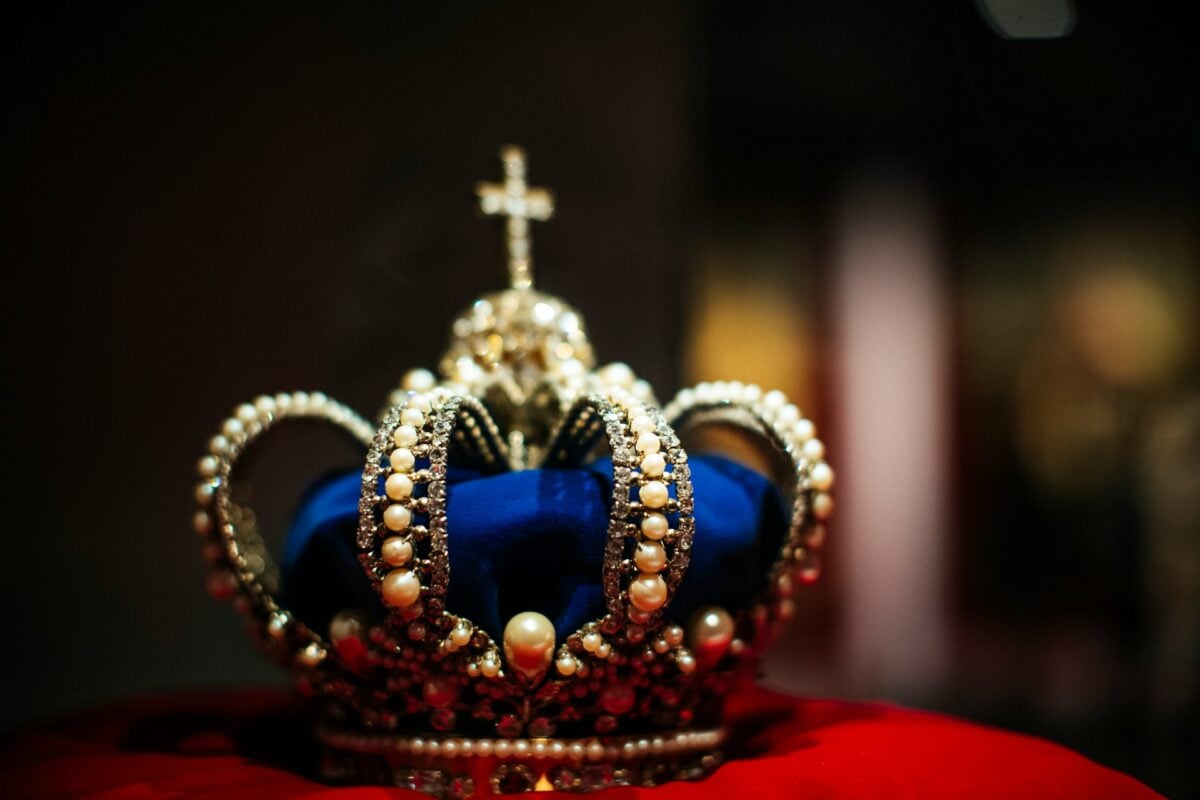
After the Battle of Hastings in 1066, King Harold II’s body was so mangled that it could only be identified by his distinctive tattoos, including the words ‘Edith and England’ on his chest.This might be one of history’s earliest examples of tattoos serving as identification – long before fingerprints or DNA testing.
It’s both romantic and tragic that his love for his queen and country was literally written on his body.
Ancient Egyptians Used Tattoos for Women’s Health

For the longest time, scholars dismissed tattooed Egyptian mummies as ‘women of dubious status.’ Turns out, they were completely wrong.
These women, including high-status priestesses, had tattoos that likely served medical or spiritual purposes, possibly related to childbirth and women’s health. It’s a powerful reminder that we shouldn’t judge ancient practices by modern prejudices – these tattoos might have been sacred healing tools.
Sailors’ Tattoos Were Spiritual Protection
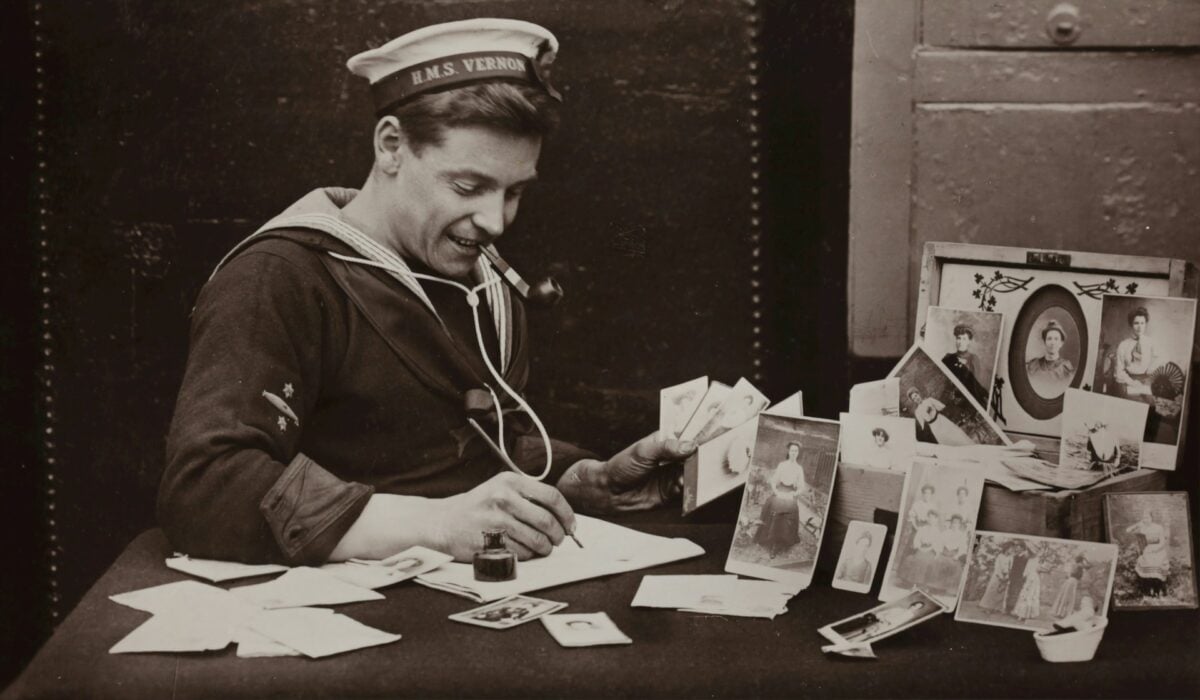
Those classic nautical tattoos weren’t just decorative – they were believed to be magical protection. A pig on one foot and a rooster on the other were thought to prevent drowning because neither animal can swim, so they’d help get the sailor to shore quickly.
A full-rigged ship showed you’d sailed around Cape Horn, while an anchor meant you’d crossed the Atlantic.Each design told a story of survival and adventure on the high seas.
Like Go2Tutors’s content? Follow us on MSN.
Urine Was Once Used in Tattoo Ink

Before modern sterile practices, tattoo artists sometimes mixed coal dust with urine because they believed it had antiseptic properties. Thankfully, today’s tattoo ink consists of proper pigments and carriers, with some artists adding unexpected ingredients like Listerine or vodka to help with sterilization.
It’s a stark reminder of how far tattoo safety has come – and why you should always choose reputable artists!
Barbie Got Her First Tattoo in 1999

Mattel’s Butterfly Art Barbie was the first commercial toy to feature a tattoo, marking a significant shift in how mainstream culture viewed body art. The fact that even America’s most iconic doll embraced tattoos shows how dramatically social attitudes were changing.
Today, tattooed toys are common, but Barbie was breaking new ground back then.
New York City Banned Tattoos for 36 Years

From 1961 to 1997, getting a tattoo was illegal in New York City due to a hepatitis B outbreak. This forced tattoo enthusiasts to travel to other states or risk underground artists.
The ban significantly impacted tattoo culture on the East Coast and shows how health concerns can dramatically affect artistic expression. When the ban was lifted, the city’s tattoo scene exploded with pent-up creativity.
Like Go2Tutors’s content? Follow us on MSN.
Black Ink Is Easiest to Remove

Contrary to what you might expect, black tattoos are actually the easiest to remove with laser treatment because black ink absorbs more laser wavelengths. Bright colors like yellow and green are much more challenging to eliminate.
This is good news for anyone with regrets about that bold black tribal tattoo from the early 2000s!
Tattoos Can Fade Due to Sun Exposure

Even permanent tattoos aren’t truly permanent – they can fade and blur over time due to sun exposure, aging skin, and the natural breakdown of ink particles. UV radiation is particularly damaging, which is why tattoo artists always recommend sunscreen for fresh ink.
Quality inks and proper aftercare can help tattoos maintain their vibrancy for decades, but nothing lasts forever.
Esperance Fuerzina Broke Two Records Simultaneously

This Connecticut woman holds the current records for most tattooed woman (99.98% coverage) and most body modifications (89 total). Her modifications include facial implants, intimate piercings, and even tattooed eyeballs and gums.
What’s remarkable is that she didn’t get her first tattoo until she was 21 and her first body modification at 26 – proving it’s never too late to completely transform yourself.
Like Go2Tutors’s content? Follow us on MSN.
The Longest Tattoo Session Lasted Over 50 Hours

James Llewellyn endured 50 hours and 10 minutes of continuous tattooing in the UK, setting a world record for dedication to the art. That’s more than two full days of being under the needle – a testament to both human endurance and the lengths people will go for their tattoo goals.
The Art That Lives and Breathes With You

What makes tattoos truly special isn’t just their permanence or artistry – it’s how they become part of your story. Each piece of ink represents a moment in time, a relationship, a belief, or simply an aesthetic choice that spoke to you.
Whether it’s a tiny heart or full-body coverage, tattoos are ultimately about human connection – to art, to culture, to memories, and to the skilled artists who help us wear our stories on our skin.The world of tattoos continues to evolve, from ancient spiritual practices to modern artistic masterpieces.
These facts remind us that behind every tattoo is a human story, whether it’s Ötzi’s ancient pain relief or Lucky Diamond Rich’s colorful journey. The next time you see someone’s ink, remember – you’re looking at a piece of living art with a history that spans millennia.
More from Go2Tutors!

- 16 Historical Figures Who Were Nothing Like You Think
- 12 Things Sold in the 80s That Are Now Illegal
- 15 VHS Tapes That Could Be Worth Thousands
- 17 Historical “What Ifs” That Would Have Changed Everything
- 18 TV Shows That Vanished Without a Finale
Like Go2Tutors’s content? Follow us on MSN.