Competitions That Were National Obsessions
Throughout history, certain competitions have captured public imagination to the point of becoming full-blown national obsessions. These weren’t just popular pastimes—they were cultural phenomena that dominated conversations, flooded media coverage, and became integral parts of their era’s identity. From game shows that emptied streets to sporting events that paralyzed entire economies, these competitions reflected the values, anxieties, and passions of their times.
Here is a list of 15 competitions that once held nations completely in their grip, transforming from mere contests into defining cultural moments.
The $64,000 Question
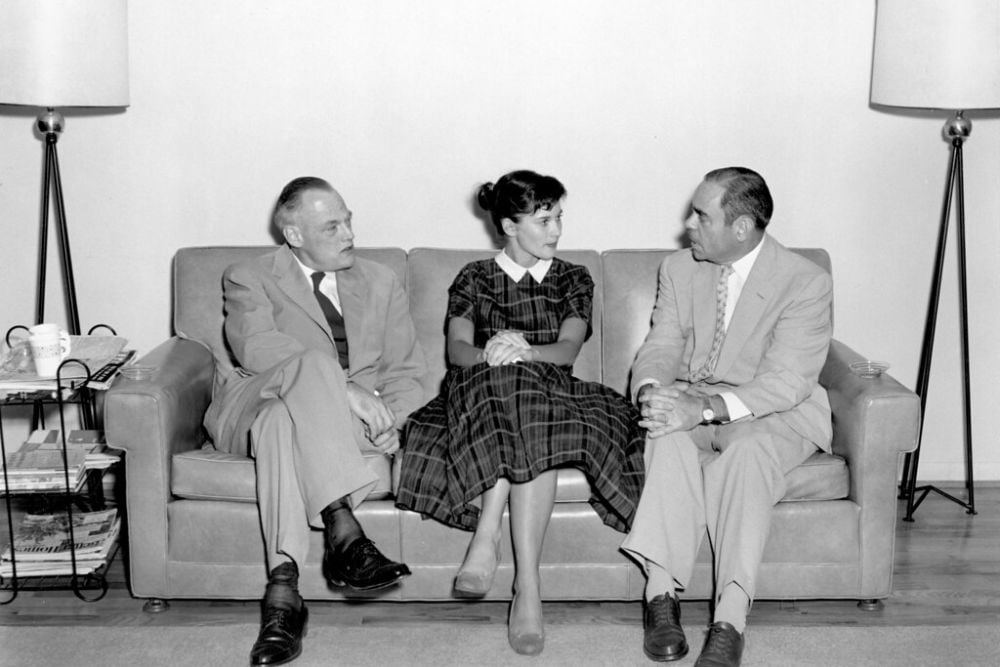
In the mid-1950s, this pioneering TV quiz show became America’s first true game show obsession. Airing Tuesday nights at 10 PM, The $64,000 Question regularly commanded over 55 million viewers—roughly one-third of the entire U.S. population at the time.
Restaurants reported dramatic drops in Tuesday night business, and movie theaters adjusted their showtimes to avoid conflicting with the broadcast. The show’s isolation booth, where contestants answered increasingly difficult questions in their chosen field of expertise, became an iconic image in American popular culture.
Its massive prizes—at a time when the average annual salary was around $4,000—created a sense of vicarious possibility for viewers nationwide. The show’s popularity only imploded after the infamous quiz show scandals revealed that producers had been feeding answers to preferred contestants.
Dance Marathons
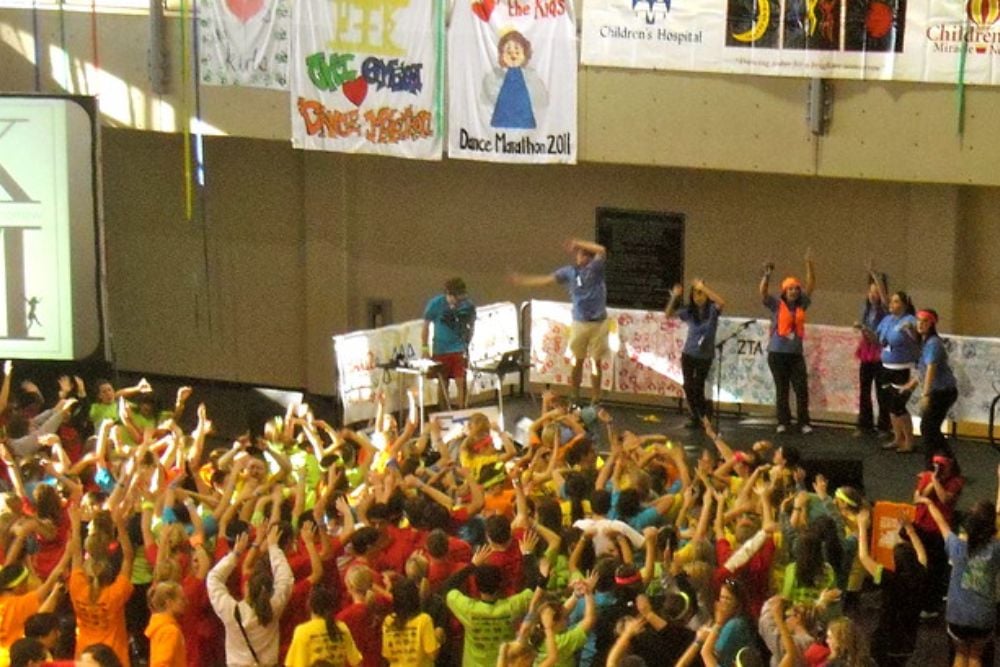
During the Great Depression, dance marathons emerged as a bizarre fusion of entertainment and endurance sport that captivated struggling Americans. Couples would dance continuously for weeks or even months, with only brief 15-minute rest periods every hour, competing for cash prizes that could sustain them through hard times.
Spectators paid small admission fees to watch competitors literally dance until they dropped from exhaustion. These brutal spectacles regularly attracted thousands of daily spectators, with major marathons becoming round-the-clock affairs that lasted up to 5,000 hours.
Local newspapers provided daily updates on participants, creating celebrities out of ordinary people desperate enough to endure physical collapse, hallucinations, and sometimes permanent physical damage for a shot at financial salvation during America’s darkest economic period.
Fischer vs. Spassky
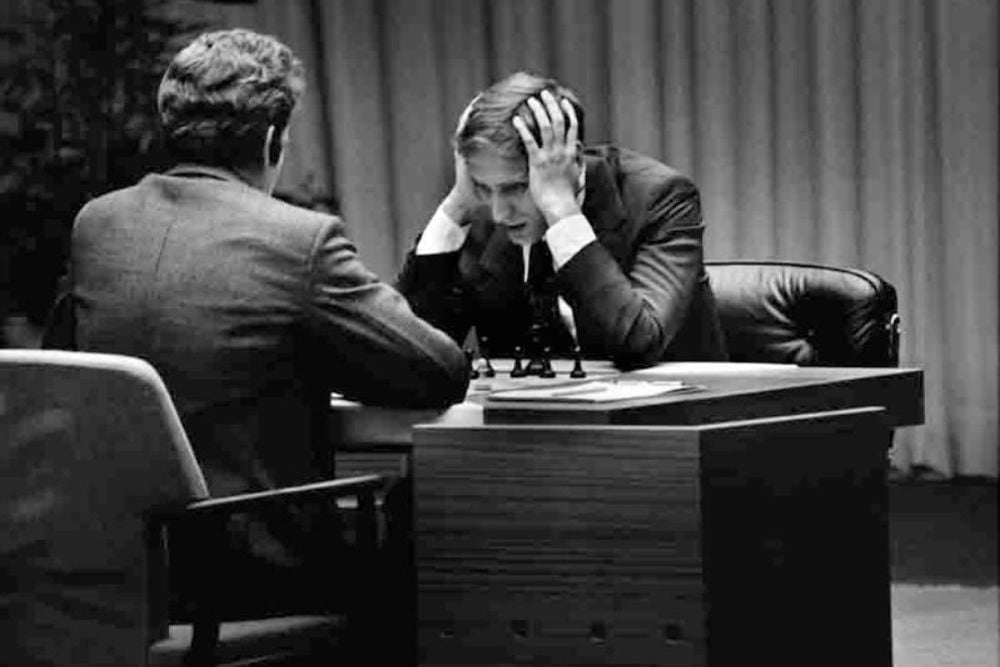
The 1972 World Chess Championship between American Bobby Fischer and Soviet Boris Spassky transformed chess from an intellectual pursuit into perhaps the most watched sporting event in global history. Set against the backdrop of the Cold War, the match in Reykjavík, Iceland, became a proxy battle between competing ideologies and superpowers.
American television networks interrupted regular programming with chess updates, while Soviet citizens gathered around public screens to follow the action. Fischer’s eventual victory was celebrated as an American triumph comparable to the moon landing, while the Soviet chess establishment entered a period of intense soul-searching.
At the height of the competition, an estimated 500 million people worldwide followed the matches, making chess briefly more popular than any traditional sport and turning the eccentric, brilliant Fischer into an unlikely American hero.
Flagpole Sitting
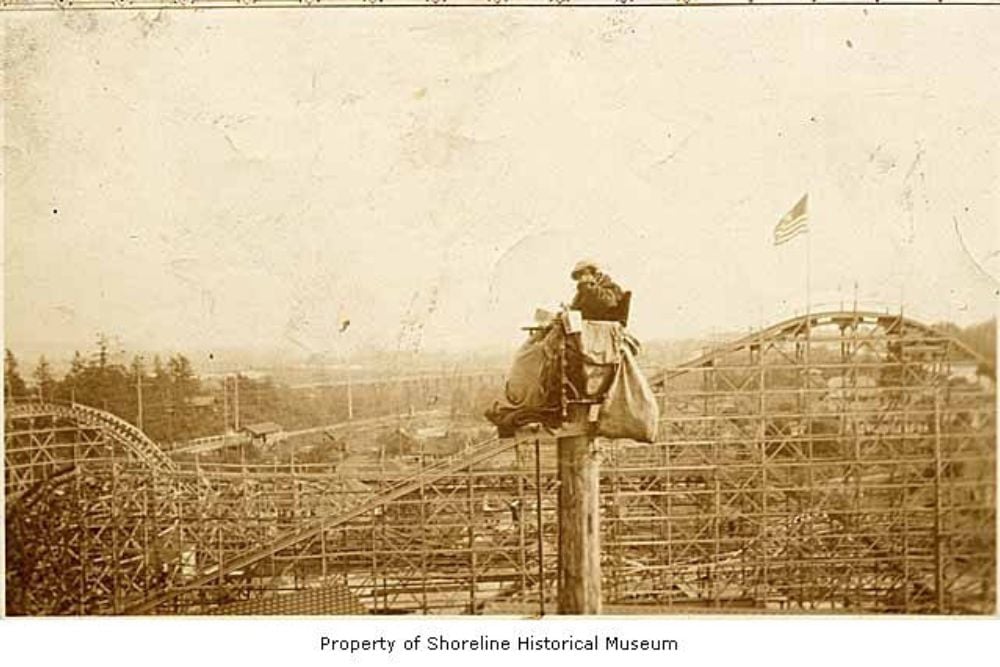
The 1920s saw the inexplicable rise of flagpole sitting—a competition where participants would perch atop poles for days, weeks, or even months to set endurance records. Starting with stunt performer Alvin ‘Shipwreck’ Kelly’s 13-hour sit in 1924, the craze rapidly escalated as competitors pushed the boundaries of human endurance.
Local newspapers provided daily updates on hometown sitters, turning ordinary people into overnight celebrities. By 1929, the record had reached an astonishing 51 days, with sitters dealing with weather extremes, sleep deprivation, and extremely basic toilet arrangements.
Massive crowds would gather around the bases of poles in city centers, creating impromptu festivals and commerce opportunities. The fad represented the carefree spirit of the Roaring Twenties, only fading when the stock market crash of 1929 made such frivolity seem inappropriate amid widespread economic suffering.
Hulkamania Wrestling
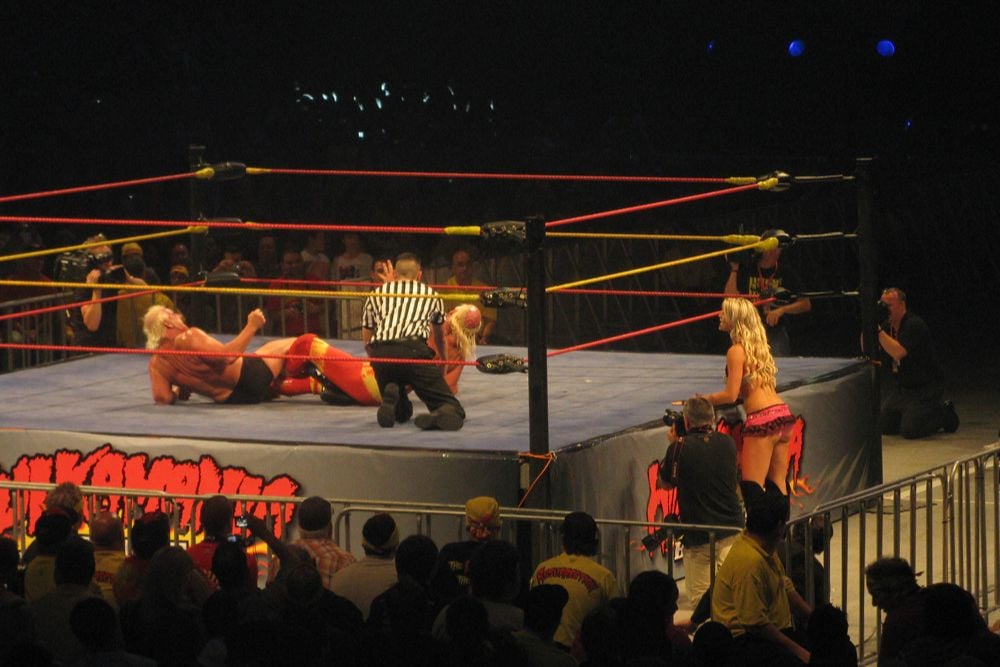
In the mid-1980s, professional wrestling transformed from regional entertainment into a national phenomenon largely through the charismatic persona of Hulk Hogan. The World Wrestling Federation (now WWE) expanded beyond traditional wrestling audiences to become mainstream family entertainment, with Hulkamania as its driving force.
When Hogan faced off against Andre the Giant at WrestleMania III in 1987, the reported attendance of 93,173 set a North American indoor attendance record. Wrestling programming regularly captured over 15 million weekly viewers, while action figures, lunch boxes, and countless other merchandise items flooded American homes.
The obsession reached such heights that WWF owner Vince McMahon successfully convinced many Americans that this predetermined entertainment should be considered legitimate athletic competition, complete with Congressional testimony arguing wrestling should be exempt from state athletic commission regulations.
Who Wants to Be a Millionaire
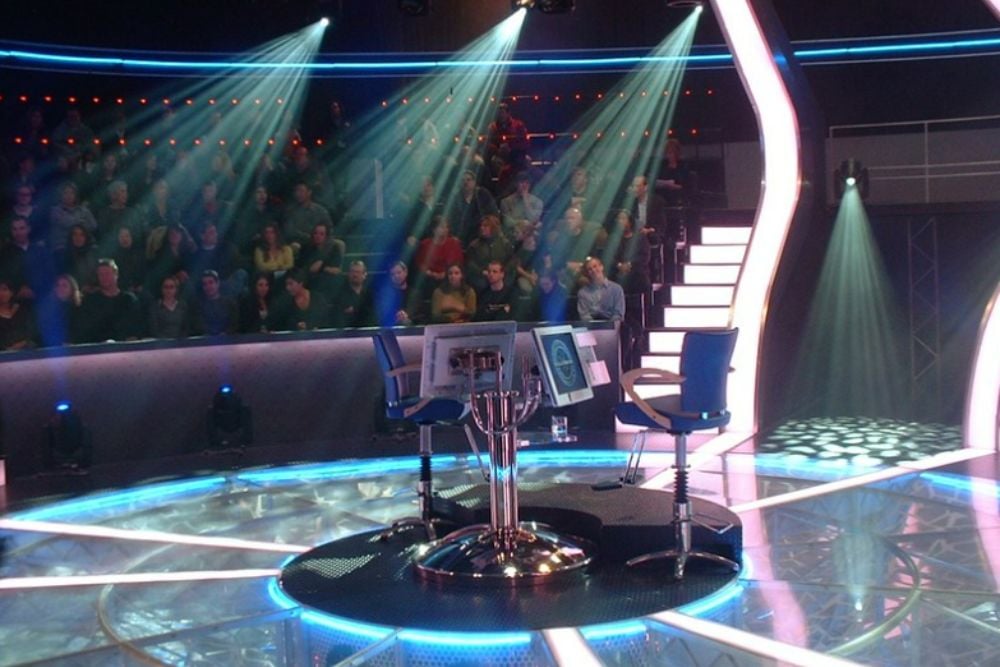
In the late 1990s Britain, this quiz show became such a ratings juggernaut that competing networks essentially surrendered when it aired. At its peak, nearly 19 million Britons—approximately one-third of the UK population—tuned in regularly, with special episodes capturing even larger audiences.
The show created a cultural shorthand that permeated everyday conversation, with phrases like ‘phone a friend’ and ‘final answer’ becoming part of common speech. When the format came to America in 1999, it similarly dominated ratings and temporarily changed network television strategy, with ABC eventually airing it five nights a week at the height of its popularity.
The show’s tension-building format, deceptively difficult questions, and life-changing stakes made ordinary contestants into celebrities while providing viewers with the vicarious thrill of imagining themselves in the hot seat.
Pokémon Card Trading

The late 1990s saw Pokémon trading cards evolve from a children’s hobby into a nationwide fixation that impacted both kids and parents. Schools across America were forced to ban the cards as classrooms became impromptu trading floors, with playground status determined by card ownership.
Parents waited in predawn lines for store shipments, paid enormous markups for rare cards, and sometimes literally fought other adults for access to new inventory. The rarest cards, like the holographic Charizard, sold for hundreds or even thousands of dollars at the height of the craze.
The competition to ‘catch ’em all’ drove children to memorize the statistics and abilities of hundreds of fictional creatures while developing complex trading strategies that would impress Wall Street traders. The obsession became so intense that it ignited moral panics, with some religious groups claiming the monsters depicted on cards were promoting occult practices to children.
Dionne Quintuplets
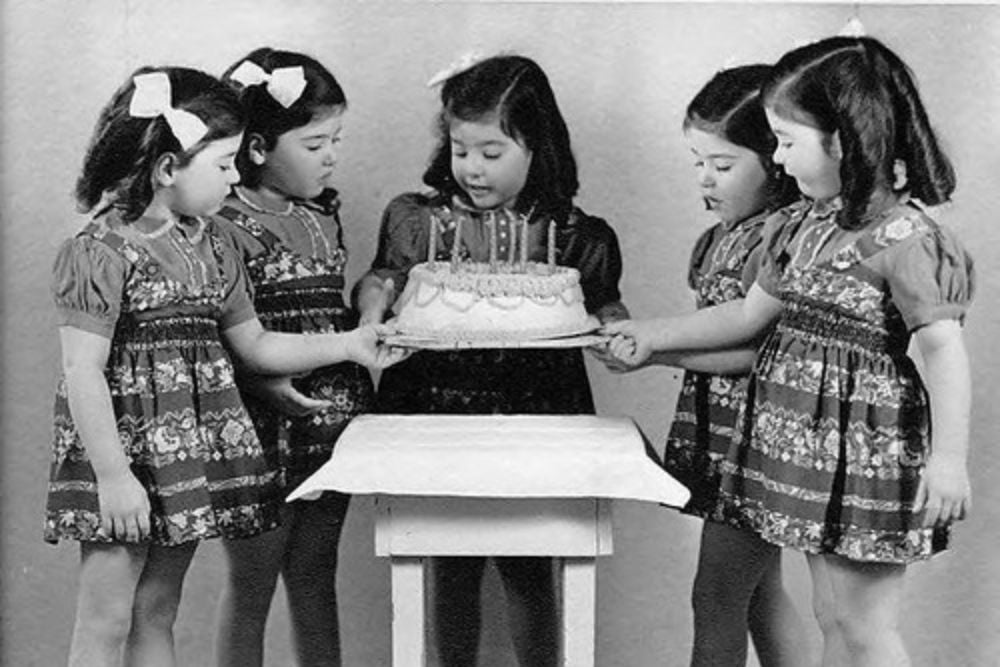
In 1934, the birth of five identical girls to a family in rural Ontario, Canada created an unprecedented form of competition—the race to exploit the world’s first known quintuplets to survive infancy. The Canadian government declared the girls wards of the state and built ‘Quintland,’ a hospital compound where the sisters were displayed to tourists behind one-way glass multiple times daily.
At its peak, this exhibit attracted over 6,000 daily visitors, surpassing Niagara Falls as Canada’s largest tourist attraction. Newspapers worldwide provided daily updates on the girls’ development, while an estimated $500 million was generated through product endorsements, souvenirs, and tourism.
Companies competed fiercely to secure the quintuplets’ endorsement, believing their connection to the girls could boost any product. This macabre human zoo remained one of North America’s biggest attractions until it declined during World War II.
The $25,000 Pyramid
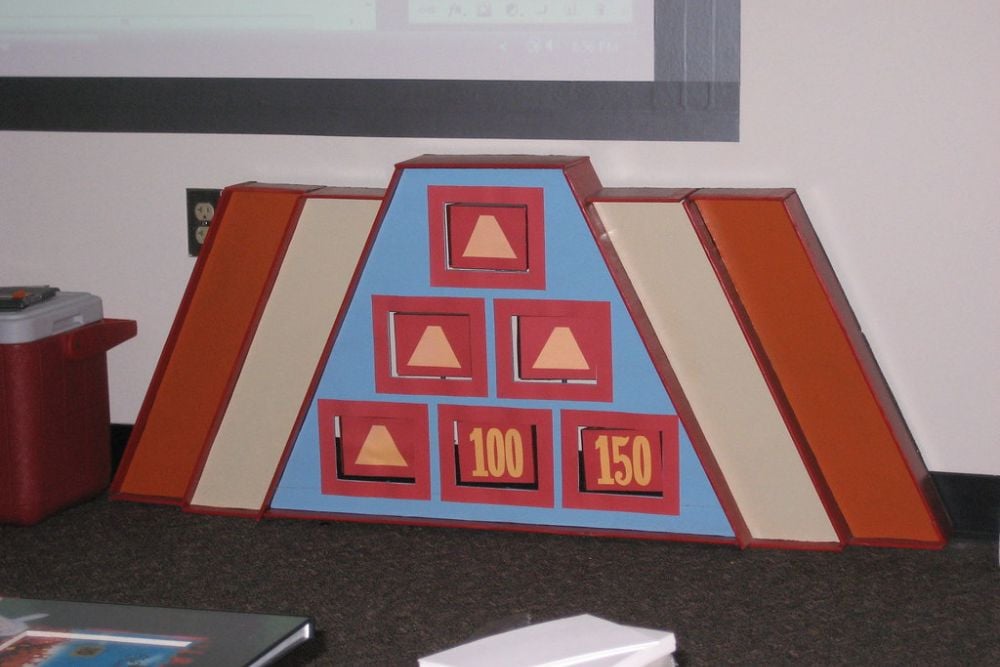
Throughout the 1970s and 80s, this word-association game show became such a fixture in American households that its distinctive bonus round music could trigger a Pavlovian response in millions of viewers. At its peak, The $25,000 Pyramid (later increased to $100,000) regularly attracted over 9 million daily viewers, creating a shared noon-hour experience for Americans across demographic lines.
The show’s blend of celebrity participation and ordinary contestants created a democratic appeal that made it appointment viewing for Middle America. The competition to reach the ‘Winner’s Circle’ was so engaging that regional tournaments emerged where fans would recreate the game in living rooms across the country.
The show’s format was so perfectly calibrated that it remained essentially unchanged for decades, eventually airing more than 4,000 episodes across various iterations while maintaining its grip on the national imagination.
Rubik’s Cube Competitions
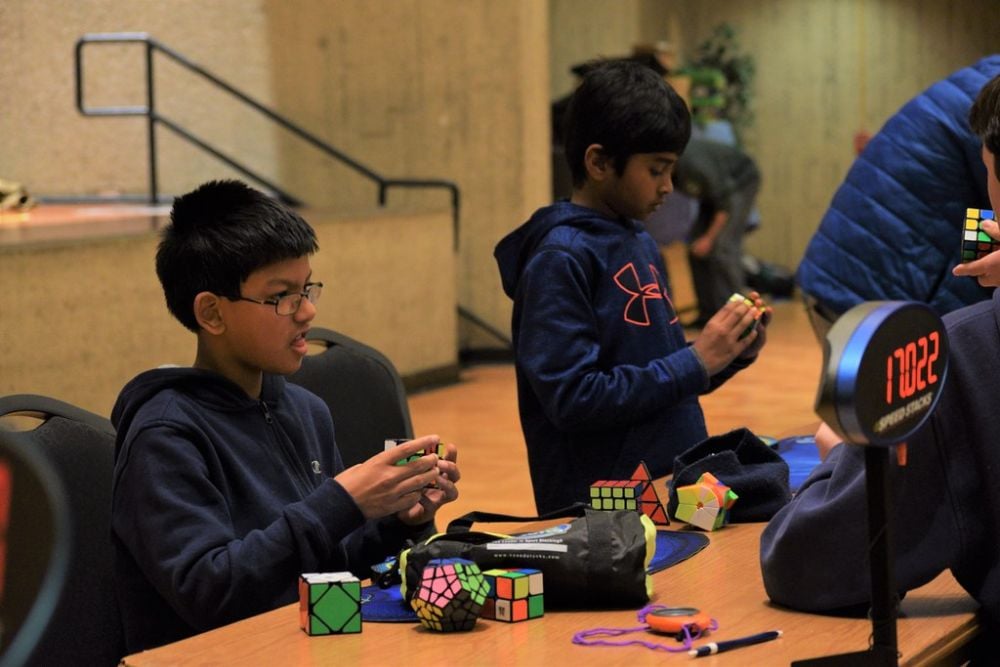
When the Rubik’s Cube arrived in America in 1980, it transformed from toy to national phenomenon with astonishing speed, selling over 100 million units worldwide in just a few years. The colorful puzzle created by Hungarian architect Ernő Rubik sparked the first international speedcubing competitions, with regional tournaments drawing thousands of spectators watching competitors solve the cube in under a minute.
ABC’s Wide World of Sports broadcast the first Rubik’s Cube World Championship in 1982, treating the puzzle solution like an athletic event complete with slow-motion replays and technical analysis. The competition extended beyond solving speed to include one-handed solving, blindfolded solving, and even solving with feet, with newspapers publishing ‘foolproof’ solution methods that readers would practice obsessively.
The craze was so pervasive that specialized clinics emerged to treat ‘Rubik’s wrist’ and ‘Cubist’s thumb’—repetitive strain injuries from hours of intensive cubing that affected thousands of Americans before the fad cooled in the mid-1980s.
The National Spelling Bee
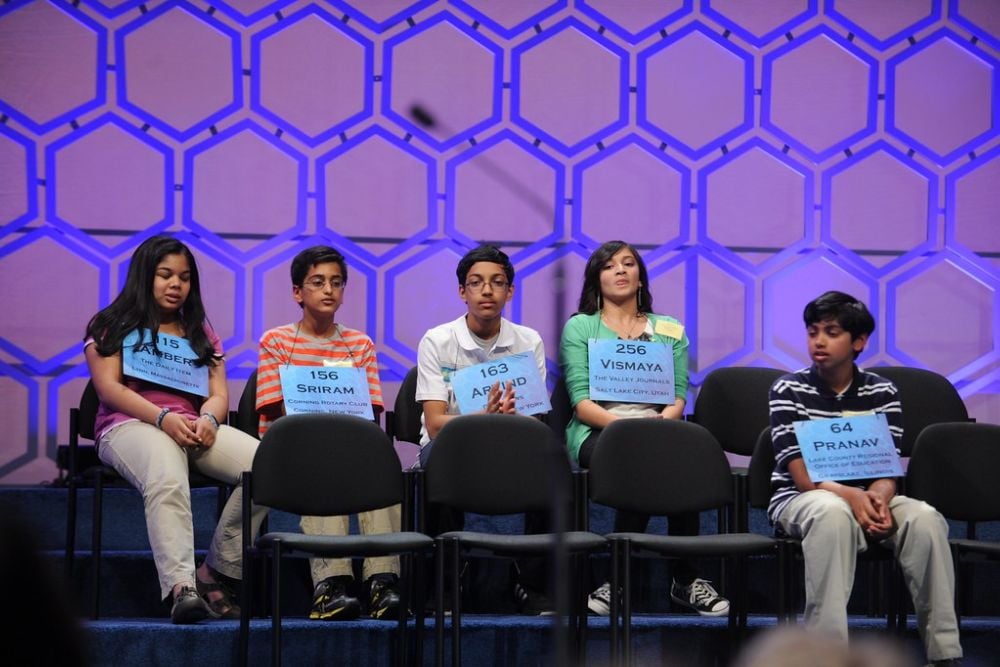
What began in 1925 as a modest educational exercise has transformed into one of America’s most enduring and unusual competitions. The Scripps National Spelling Bee emerged as a cultural phenomenon in the 1990s when ESPN began broadcasting the finals, turning spelling into an improbable spectator sport.
Audiences became fascinated watching middle schoolers navigate obscure etymologies under intense pressure, with the champions achieving brief but intense fame. Regional qualifying competitions now engage more than 11 million students annually, with local newspapers covering preliminary rounds with sports-like intensity.
The competition has inspired award-winning documentaries, feature films, and even Broadway musicals, while creating heated debates about educational priorities and the nature of achievement. The sight of children spelling words most adults have never heard has become a uniquely American tradition, reflecting both educational aspirations and the national love for high-stakes competition.
The $64,000 Challenge
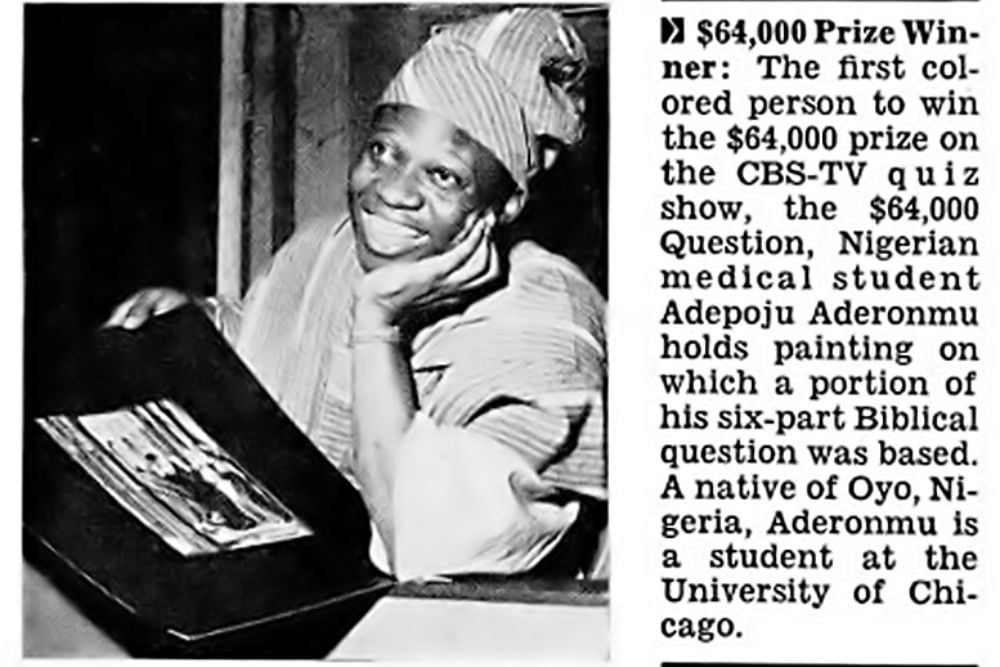
Riding the success of its predecessor, this 1950s game show pushed the quiz show format to new competitive heights by pitting champions from The $64,000 Question against experts in their field. A shoe salesman who knew opera would face an actual opera singer in a knowledge showdown that captivated American viewers.
The show regularly achieved ratings that would be unimaginable today, with over 30% of all American households tuning in weekly. The competition became so prominent that when contestant Joyce Brothers (a psychologist) mastered the unlikely category of boxing knowledge, she instantly became America’s most famous female intellectual.
CBS scheduled the program directly against NBC’s most popular show, demonstrating its confidence in the format’s nationwide appeal. Like its predecessor, the show eventually collapsed under the quiz show scandal revelations, but not before creating a template for high-stakes competition programming that persists today.
Beatlemania
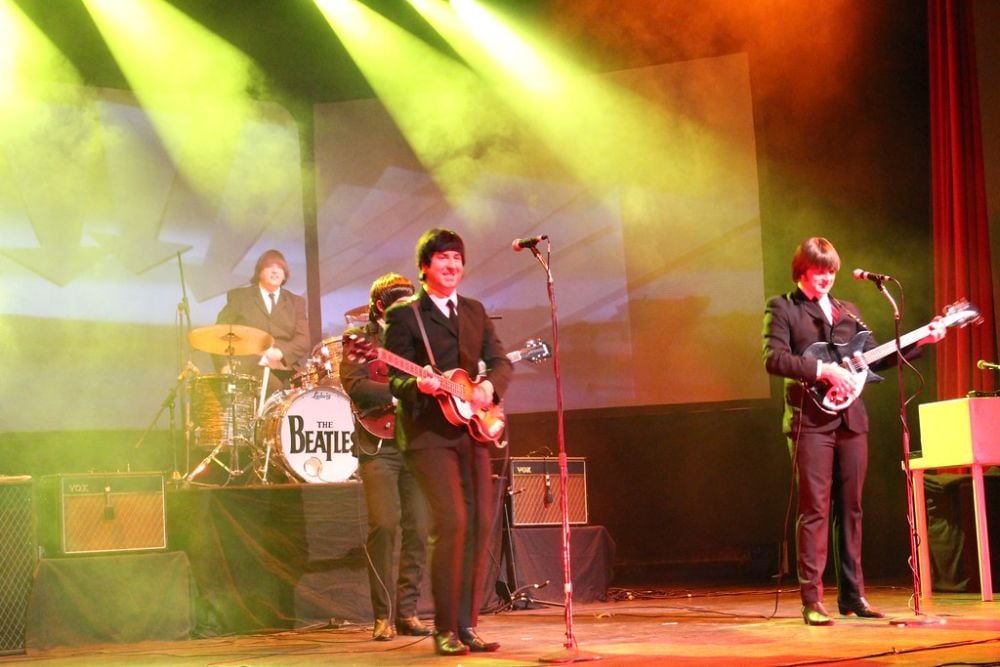
While not a structured competition, the phenomenon of Beatlemania created unprecedented contests among fans for proximity to the band during their mid-1960s American tours. Cities competed for concert dates, radio stations battled for exclusive interviews, and teenage fans engaged in extreme behaviors for tickets and memorabilia.
When the Beatles performed on The Ed Sullivan Show in February 1964, approximately 73 million viewers—about 40% of the American population—tuned in, making it one of the most-watched television events in history. Hotels where the band stayed reported thousands of dollars in damage as rooms were literally dismantled by souvenir hunters seeking anything the group had touched.
The competition reached such intensity that the Beatles eventually stopped touring, finding the fan frenzy dangerous and the music inaudible above screaming crowds. The phenomenon represented perhaps the first truly national youth obsession in American history.
Queen For a Day

This stunningly exploitative 1950s competition show asked women to share their most tragic personal circumstances, with the studio audience voting via applause meter for whose misery deserved the greatest reward. The winner would receive household appliances, fashion makeovers, and other prizes to temporarily escape their difficult lives.
At its peak, the show received over 3,500 daily letters from women desperate to compete, while attracting 13 million daily viewers—approximately 37% of all American households with televisions. Host Jack Bailey’s catchphrase, ‘Would YOU like to be Queen for a Day?’
became a cultural touchstone, while businesses fought fiercely to have their products featured as prizes. The show’s popularity revealed much about gender expectations and economic hardship in postwar America, creating a bizarre spectacle where personal tragedy became entertainment and competition.
Phone Booth Stuffing
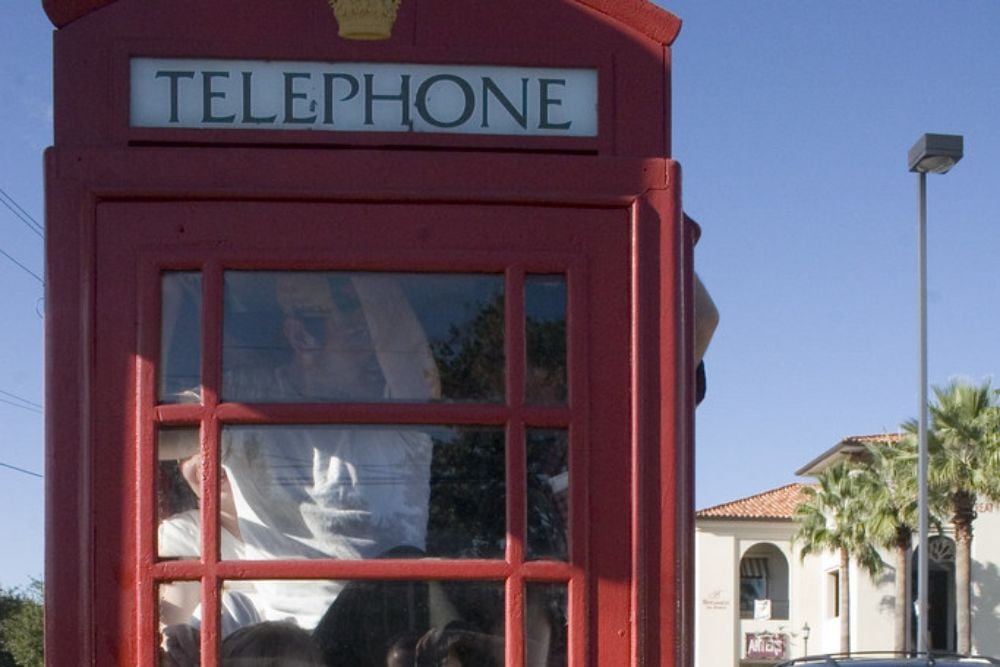
In 1959, a peculiar competition swept through American college campuses—the quest to cram as many students as possible into a standard telephone booth. What began as a reported stunt at Durban Technical College in South Africa quickly spread to British universities before exploding across American campuses.
The absurd competition received serious coverage in mainstream media, with Life magazine documenting record attempts and newspapers reporting new achievements with the gravitas normally reserved for athletic records. South African students managed 25 people in a booth, which became the target number for American undergraduates to surpass.
The fad spoke to the conformist, community-oriented nature of the late 1950s collegiate experience, with participants literally molding themselves to group expectations. Like many such crazes, it burned intensely but briefly, largely disappearing by 1960 as students found new outlets for exhibitionism and group belonging.
Our Changing Competition Culture
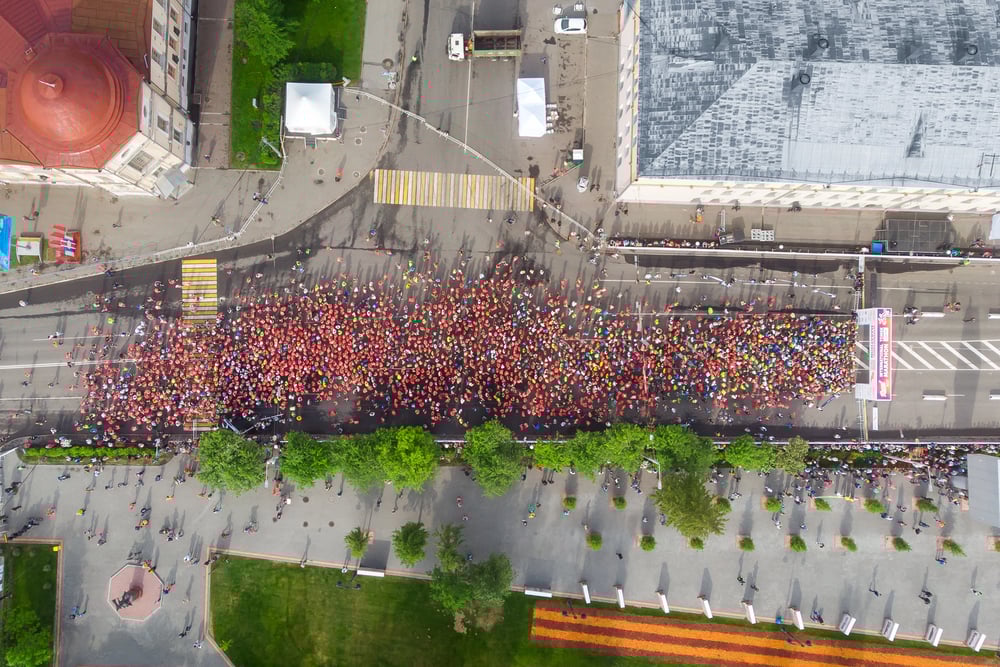
These once-dominant competitions reflect how national interests evolve over time, from the desperate entertainment of Depression-era dance marathons to the knowledge-based quiz shows of early television to the reality competition formats that would later emerge. What unites them is their ability to transform ordinary activities into spectacles that captured the collective imagination and created shared experiences across geographic and demographic lines.
While today’s fragmented media landscape makes such universal phenomena increasingly rare, these historic competitions reveal our enduring hunger for vicarious achievement, structured conflict, and the joy of declaring winners.
Looking at these competitions provides valuable insight into what different eras valued—physical endurance, specialized knowledge, material acquisition, or personal transformation. They remind us that while the specific competitions that obsess us may change, the human desire to compete, achieve, and witness extraordinary accomplishment remains a constant thread in our cultural fabric.
More from Go2Tutors!

- The Romanov Crown Jewels and Their Tragic Fate
- 13 Historical Mysteries That Science Still Can’t Solve
- Famous Hoaxes That Fooled the World for Years
- 15 Child Stars with Tragic Adult Lives
- 16 Famous Jewelry Pieces in History
Like Go2Tutors’s content? Follow us on MSN.