Could the Megalodon still be alive today?
The idea that megalodons might still prowl the depths of our oceans continues to capture imaginations worldwide. This massive prehistoric shark, which dominated the seas for nearly 20 million years, has become the subject of countless documentaries, movies, and online debates. While the thought of these 60-foot giants lurking in unexplored waters is undeniably thrilling, the scientific evidence tells a very different story.
The question of megalodon survival isn’t just idle speculation—it touches on fundamental aspects of marine biology, fossil evidence, and how we understand extinction. Let’s examine the compelling evidence that puts this prehistoric giant firmly in the past, along with the claims that suggest otherwise.
The Fossil Record Speaks Clearly

— Photo by neilld
Scientists have established that megalodons went extinct around 3.6 million years ago, at the end of the Pliocene epoch. This conclusion isn’t based on guesswork—it comes from examining thousands of megalodon teeth found worldwide. The most recently confirmed megalodon fossils are still over 2 million years old, with no authentic specimens found from more recent periods. Shark teeth are incredibly durable and fossilize easily, so if megalodons had survived longer, we’d expect to find fresher specimens scattered across ocean floors.
The absence of recent megalodon teeth is particularly telling because these sharks shed thousands of teeth throughout their lifetimes. Modern great whites lose about 35,000 teeth over their lifespan, and megalodons would have been no different. If megalodons were still alive today, their massive teeth would continue littering ocean floors in tens of thousands.
Climate Change Sealed Their Fate

The extinction of megalodons wasn’t sudden—it was the result of gradual environmental changes that made their survival impossible. As the planet entered a phase of global cooling about 2.6 million years ago, up to a third of all large marine animals became extinct, including 43% of turtles and 35% of sea birds. This cooling period created a cascading effect throughout marine ecosystems.
Megalodons were adapted to warm tropical and subtropical waters, and the drop in ocean temperatures likely resulted in significant habitat loss. Additionally, falling sea levels destroyed the shallow coastal nursery areas where megalodon pups would have been protected from larger predators. These environmental pressures, combined with changes in prey availability, created conditions that even the ocean’s apex predator couldn’t overcome.
Modern Sightings Don’t Hold Water

Despite numerous claimed sightings over the years, none have provided credible evidence of living megalodons. The most famous alleged sighting occurred in 1918 when Greek fishermen off Australia reported encountering a massive shark, but this account has been thoroughly debunked by researchers. The language barrier, unfamiliarity with local sea life, and the fact that whale sharks weren’t yet known in the area make misidentification the most likely explanation.
Scientific analysis of reported megalodon sightings shows they involve hoaxes or misidentifications of known sharks. Many supposed ‘megalodon encounters’ can be explained by sightings of whale sharks, which can reach lengths of nearly 62 feet, or basking sharks, which also grow quite large and are sometimes spotted near the surface.
The Discovery Channel Factor

— Photo by seemantaduttaskv@gmail.com
Popular media has played a significant role in perpetuating megalodon survival myths. Discovery Channel’s 2013 documentary ‘Megalodon: The Monster Shark Lives’ was completely fictional, though 73% of viewers believed megalodons were not extinct after watching it. This program used paid actors posing as scientists and provided no disclosure of its fictional nature during the broadcast.
The documentary showed fabricated footage of supposed megalodon attacks on blue whales and featured six-foot tall fins, but marine biologist David Shiffman called it a ‘fiasco’ and ‘utter nonsense’. These fictional presentations have significantly influenced public perception, creating a disconnect between entertainment and scientific reality.
Ocean Exploration Arguments Fall Short
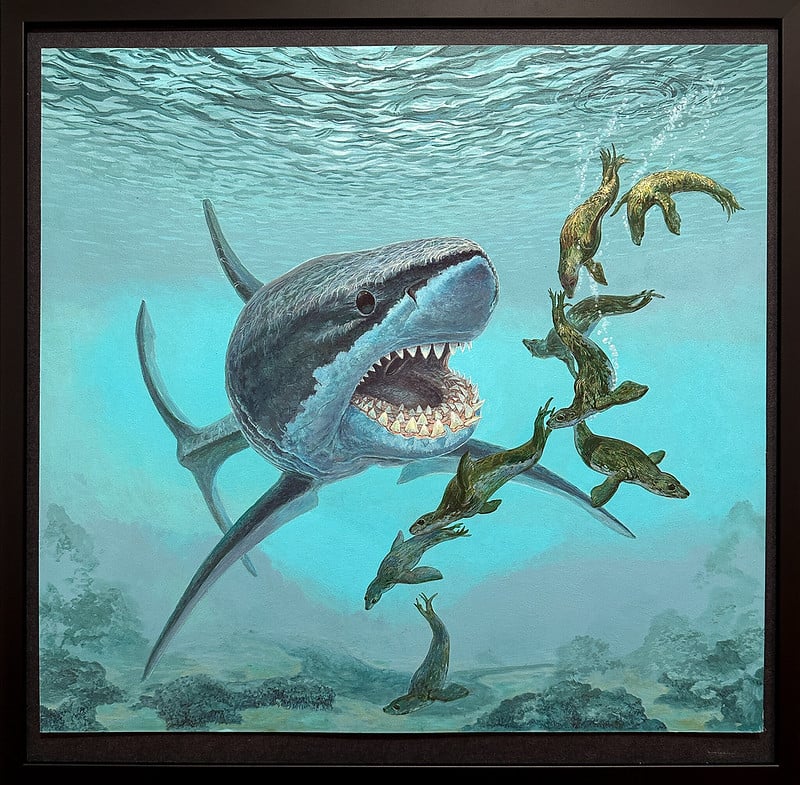
One common argument for megalodon survival centers on the fact that we’ve only explored about 5% of the ocean. While it’s true that vast areas remain unexplored, this doesn’t support megalodon survival for several key reasons. Megalodons lived in warm coastal waters and probably could not survive in the cold, nutrient-poor deep sea environment.
As a warm-water species, megalodons wouldn’t be able to survive in the cold waters of the deep ocean, where they would have a better chance of going unnoticed. The deep sea environment lacks the abundant food sources that such massive predators would require, making it an unsuitable habitat for creatures that needed to consume enormous amounts of prey to survive.
Missing Evidence Tells the Real Story

If megalodons were still alive, we’d expect to see clear signs of their presence beyond just occasional teeth. Large predators aren’t successful every hunt—great white sharks have only a 40-55% success rate when ambushing seals, so megalodons would have missed prey that escaped with distinctive bite marks. Yet we see no modern marine animals swimming around with megalodon-sized bite wounds.
The complete absence of other megalodon evidence is equally damning. We should find recent carcasses, encounter live specimens during deep-sea research expeditions, or at minimum discover fresh biological material. Instead, the fossil record shows a clear cutoff point millions of years ago, with no authentic evidence extending into modern times.
Scientific Consensus Stands Firm
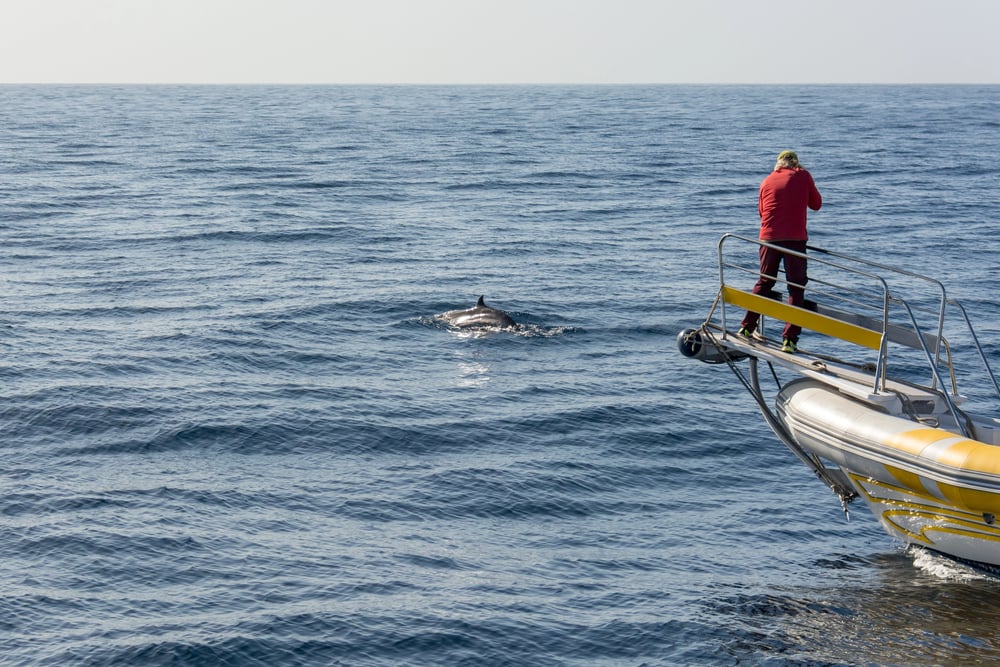
The scientific community is unanimous in its conclusion that megalodons are extinct. Natural History Museum fossil fish expert Emma Bernard states definitively: ‘It’s definitely not alive in the deep oceans, despite what the Discovery Channel has said in the past’. This consensus is based on comprehensive analysis of fossil evidence, environmental factors, and the complete absence of credible modern evidence.
Recent comprehensive reviews of megalodon survival claims show no compelling evidence for their continued existence and ample proof of extinction. Researchers have systematically examined every supposed piece of evidence and found each one lacking when subjected to rigorous scientific scrutiny.
Competition Contributed to Decline

The rise of smaller, more efficient predators also played a role in megalodon extinction. Around 3.5 million years ago, great white sharks evolved alongside megalodon decline, and competition with these smaller predators for food may have contributed to megalodon’s downfall. Great whites were more adaptable to changing conditions and required less food to survive.
Studies show that megalodon and great white shark diets overlapped significantly, creating direct competition for marine mammals. As environmental conditions changed and prey became scarcer, the more energy-efficient great whites had a distinct survival advantage over their massive cousins.
Why the Myth Persists

The enduring appeal of living megalodons reflects our fascination with the unknown and our desire for mystery in an increasingly mapped world. These creatures represent the ultimate apex predator—something so powerful that it seems impossible for it to simply vanish. The weak evidential basis for megalodon survival demonstrates the power of popular culture in linking modern cryptids with extinct species.
Social media and viral videos have amplified megalodon myths, often presenting manipulated footage or misidentified animals as evidence. The combination of our incomplete ocean exploration and the shark’s legendary status creates fertile ground for speculation, even when scientific evidence clearly contradicts these claims.
When Giants Ruled and Fell
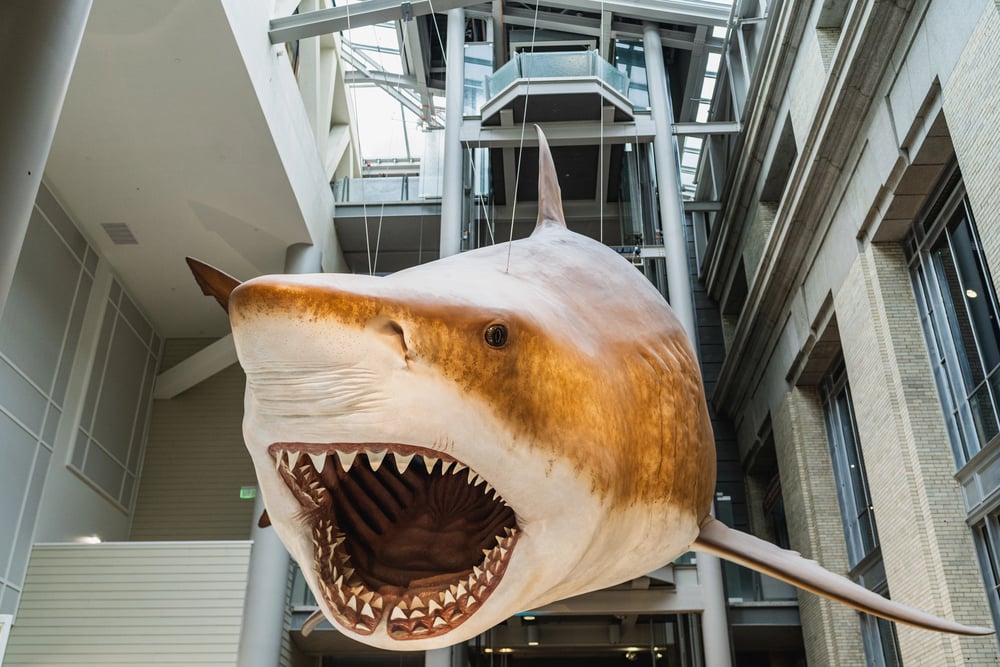
— Photo by zastrownoah123@gmail.com
The story of megalodons offers a sobering reminder that even the most dominant species can succumb to environmental change. These magnificent predators ruled the oceans for nearly 20 million years before climate shifts and ecosystem changes proved insurmountable. Their extinction demonstrates that no species, regardless of size or strength, is immune to the forces of environmental change—a lesson that resonates strongly as we face modern conservation challenges. While megalodons may live on in our imaginations and popular culture, the depths of our oceans are home to other wonders that continue to surprise and amaze researchers exploring the remaining 95% of our planet’s waters.
More from Go2Tutors!

- The Romanov Crown Jewels and Their Tragic Fate
- 13 Historical Mysteries That Science Still Can’t Solve
- Famous Hoaxes That Fooled the World for Years
- 15 Child Stars with Tragic Adult Lives
- 16 Famous Jewelry Pieces in History
Like Go2Tutors’s content? Follow us on MSN.