Countries’ Nicknames and Why They’re Called That
Every country has an official name, and then there’s what people actually call it. Some nicknames come from geography, others from history, and a few are so old that nobody’s entirely sure where they started.
Here’s a look at some of the most well-known country nicknames and the stories behind them.
Australia — The Land Down Under
Australia sits in the Southern Hemisphere, which means it literally is “down under” relative to Europe, Asia, and North America. The phrase became common in the 19th century, used by British sailors and colonists who described the long journey south.
It stuck, and Australians eventually owned it completely — it’s now a source of national pride rather than a geographical observation.
Japan — The Land of the Rising Sun

Japan’s name in Japanese is Nihon or Nippon, which translates roughly to “origin of the sun.” This comes from Japan’s position east of China — from China’s perspective, the sun rises from Japan’s direction.
The imagery has been part of Japanese identity for over a thousand years and is woven into the country’s flag: a red circle on white, representing the sun rising over the horizon.
Ireland — The Emerald Isle
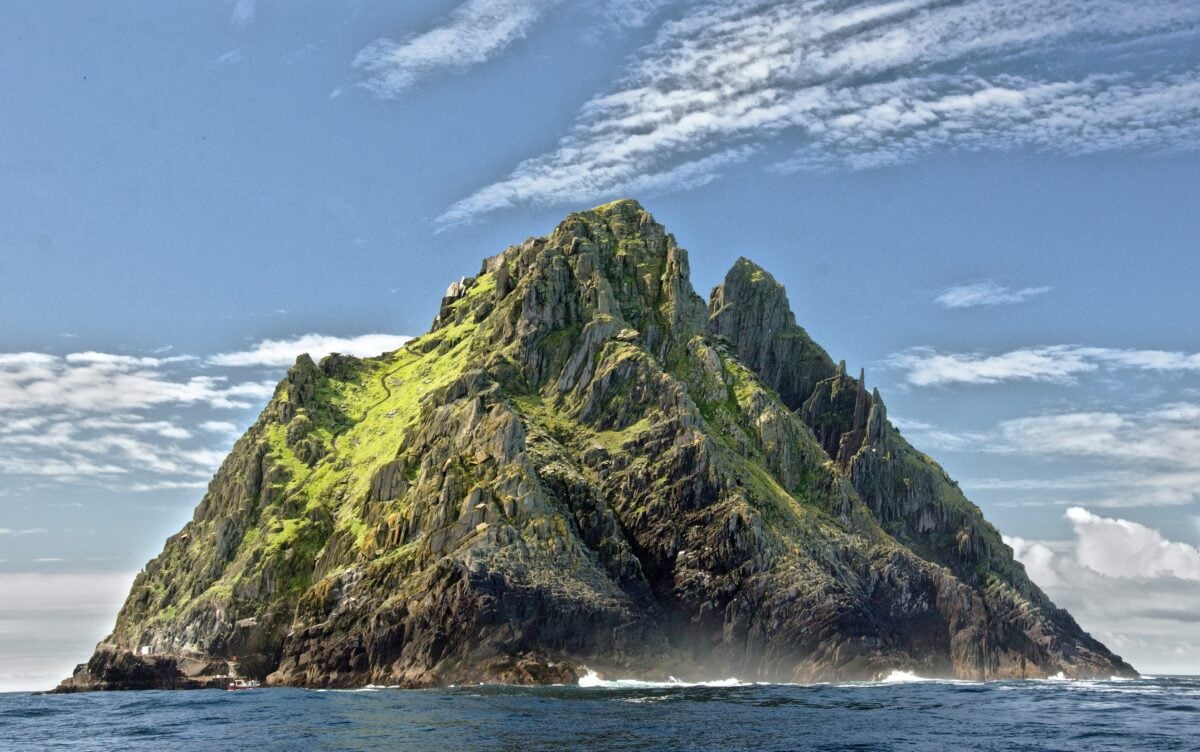
Anyone who has visited Ireland understands this one immediately. The country is extraordinarily green — a result of its mild, wet Atlantic climate that keeps the grass lush year-round.
The nickname was popularized in the late 1700s by the Irish poet William Drennan, who used the phrase in a poem. It captured something real about the place, and it stuck fast.
Canada — The Great White North
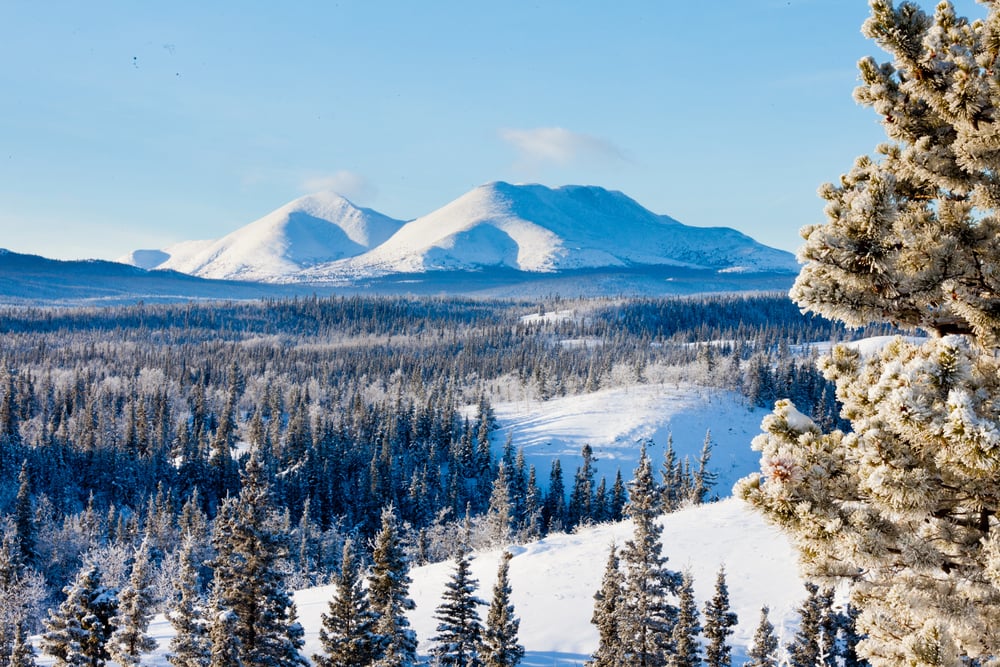
Canada is the second-largest country in the world by land area, and a significant portion of that land is covered in snow and ice for much of the year. The phrase became widely used after a 1976 sketch comedy show called SCTV featured two fictional Canadian characters named Bob and Doug McKenzie who leaned heavily into the stereotype.
It was meant as a joke, but Canadians embraced it so thoroughly that it became affectionate.
Brazil — The Land of the Future
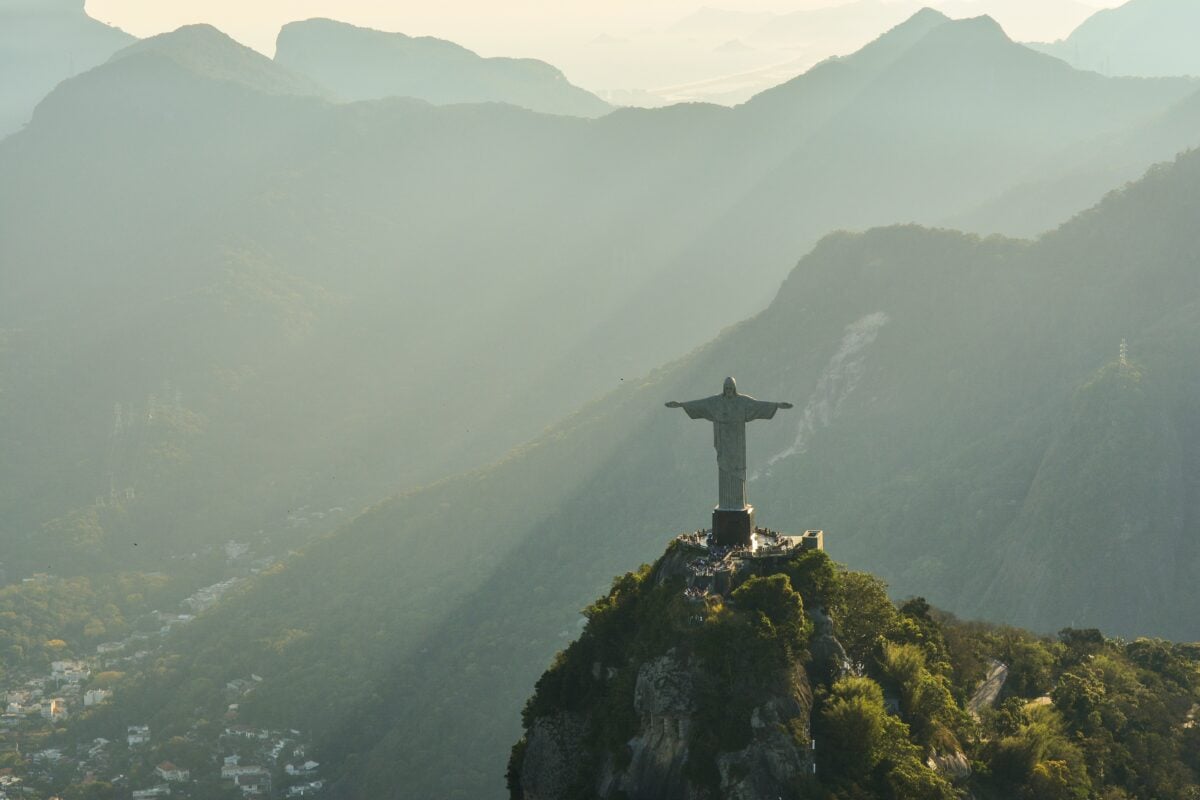
The Austrian writer Stefan Zweig gave Brazil this nickname in a 1941 book he wrote while living there in exile. His argument was that Brazil had all the ingredients — land, resources, diversity, a young population — to become one of the world’s great powers.
Brazilians have had a complicated relationship with the phrase ever since, sometimes using it as a compliment, sometimes as a joke about an unfulfilled promise. It captured a real ambivalence about potential versus reality.
South Africa — The Rainbow Nation
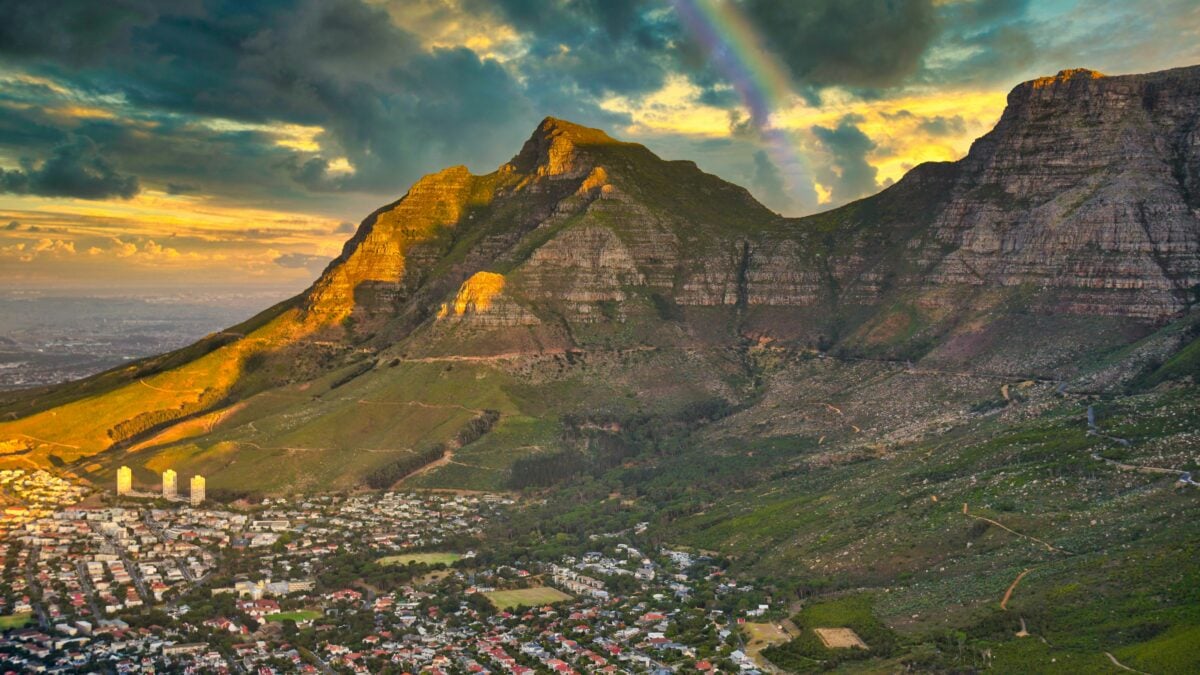
Archbishop Desmond Tutu coined this phrase after the end of apartheid in 1994. He used it to describe the vision of a South Africa where people of all races and backgrounds could live together as a unified country — different colours making something whole.
The phrase was also adopted by Nelson Mandela and became a central part of the post-apartheid national identity. Whether the country has lived up to that vision is a question South Africans still debate, but the nickname endures.
Greece — The Cradle of Civilisation

The phrase is an old one, and it points to something historians genuinely credit: ancient Greece gave the Western world many of its foundational ideas. Democracy, philosophy, theatre, the Olympic Games, major developments in mathematics and science — a lot of what shaped European and eventually global culture had its roots in Athens and the surrounding Greek world.
The nickname is less a poetic flourish and more a summary of an enormous historical legacy.
Thailand — The Land of Smiles

Thailand adopted this nickname partly as a tourism slogan and partly as a reflection of genuine cultural practice. In Thai culture, smiling carries a lot of social weight — it can signal warmth, diffuse tension, show respect, or mask discomfort.
Visitors to Thailand often remark on how frequently people smile, even in situations where a Westerner might not. Whether that reflects deep cultural warmth or a cultural norm around maintaining composure is something you’d need to spend real time there to understand.
Iceland and Greenland — The Great Switcheroo
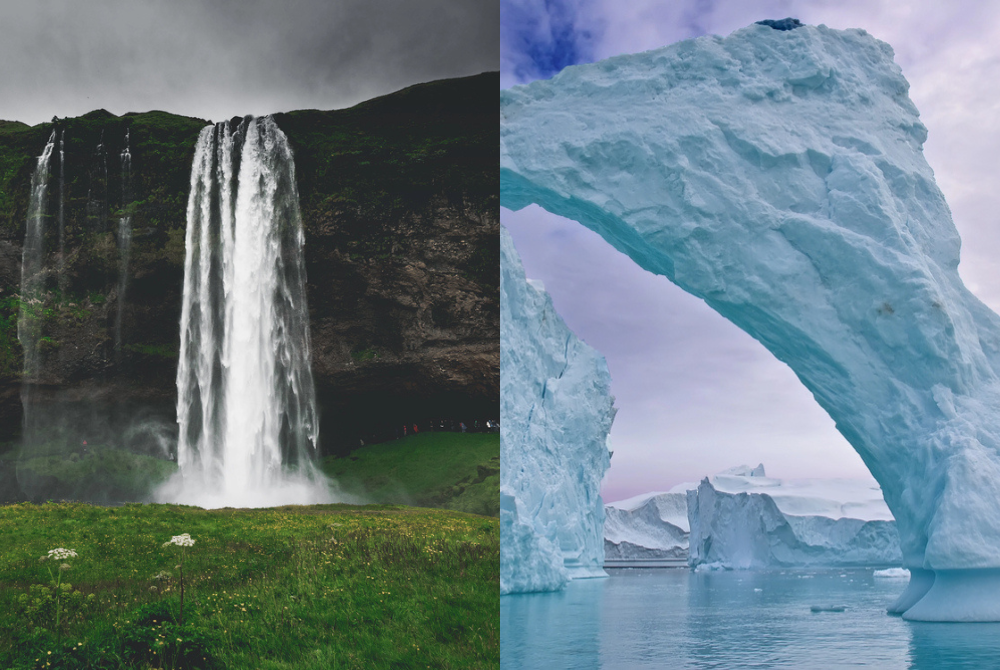
These two deserve to be discussed together because, famously, they seem to have swapped names. Iceland is mostly green and habitable, while Greenland is covered in ice. The most popular explanation is that the Viking explorer Erik the Red, after being banished from Iceland, settled on Greenland around 985 AD and named it something appealing to attract settlers.
Iceland, meanwhile, supposedly got its name from a Viking who arrived and saw a lot of sea ice floating in the fjords and named it accordingly. Whether Erik the Red was being deliberately deceptive or just optimistic is still debated.
France — The Hexagon

France’s nickname among its own citizens is L’Hexagone — the Hexagon. Look at a map of France and the reason is obvious: the country’s shape is remarkably six-sided.
The nickname is purely practical and not particularly flattering or romantic, which is a bit unusual for a country with a strong sense of its own cultural identity. But the French use it casually and often, treating it as a straightforward piece of geography rather than a statement about national character.
New Zealand — Godzone

Short for “God’s own country,” Godzone is an informal nickname New Zealanders use for their home. The phrase reflects a genuine attachment to the landscape — the mountains, fjords, coastline, and open space that make the country look like it was designed to be photographed.
The nickname is used with a mixture of real pride and self-aware humour, as New Zealanders are generally good at poking fun at their own patriotism while still meaning it.
Russia — The Bear
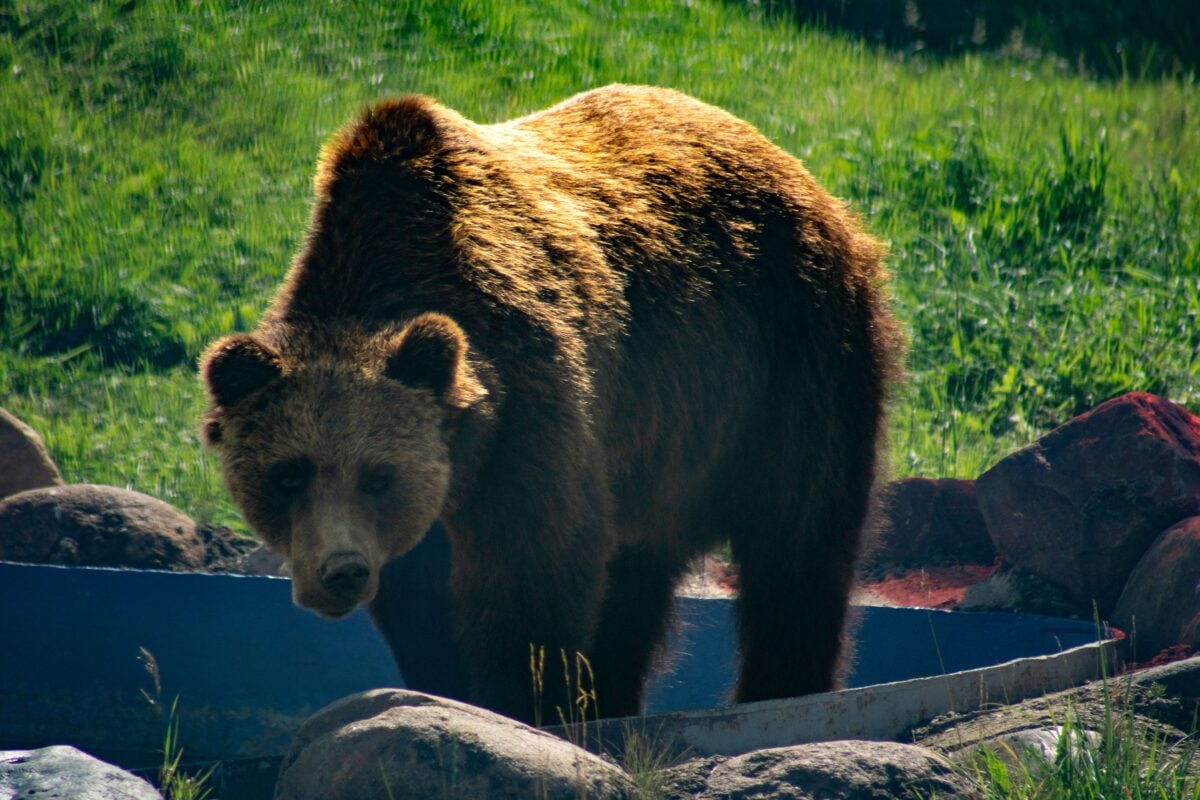
The bear as a symbol of Russia dates back centuries, used by European neighbours to characterise a large, powerful, slow-moving, and potentially dangerous presence on the continent. Russia is the largest country in the world by area, and the brown bear has long been native to its vast forests.
The image became especially common in political cartoons from the 18th and 19th centuries, and it has never really gone away. Whether the symbol is affectionate or foreboding tends to depend entirely on who’s using it.
Switzerland — Confoederatio Helvetica
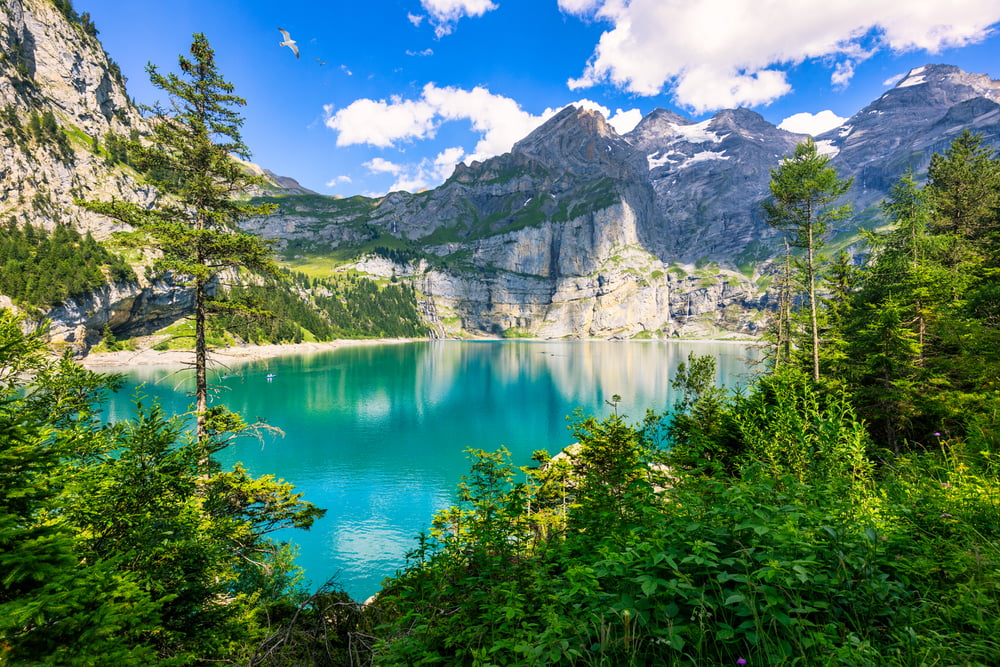
Switzerland’s nickname isn’t really a nickname — it’s the country’s official Latin name, and you see it everywhere. The reason Switzerland uses Latin is that the country has four official languages: German, French, Italian, and Romansh.
Choosing any one of them for official purposes would be politically fraught. Latin, a neutral dead language, solves the problem neatly.
The Helvetii were a Celtic tribe who lived in the region over two thousand years ago. Their name outlasted their civilisation, and it now lives on every Swiss coin and postage stamp.
The Nickname Behind the Name

Curiously, nicknames get the credit for covering such a wide area. Regions feature boundaries – they’re all represented by the casual names put on maps.
Some of the nicknames symbolize things quite quietly, like freedom or unity being passed on without being noticed over the years. In fact, some of them begin as marketing efforts by local people who want more visitors or buyers.
Besides, some of the nicknames are originally insults, which people end up proudly displaying like medals. Actually, the thing that people remember isn’t necessarily what has been recorded, but rather that which remains in their voice, memory, and sense of pride.
A name contains great energy. However, the names that last and are unchanged usually signify a genuine fact worth preserving.
More from Go2Tutors!

- The Romanov Crown Jewels and Their Tragic Fate
- 13 Historical Mysteries That Science Still Can’t Solve
- Famous Hoaxes That Fooled the World for Years
- 15 Child Stars with Tragic Adult Lives
- 16 Famous Jewelry Pieces in History
Like Go2Tutors’s content? Follow us on MSN.