Countries That Barely Celebrate New Year’s Eve
Midnight hits when bursts of light tear through the dark. Bottles release their fizz just as voices rise in unison. From Australia’s harbor to England’s heart, energy floods streets and faces glow under electric skies.
This night – December 31 – pulls nearly everyone into its rhythm. But not everywhere.
January first slips by like any ordinary Tuesday in certain places. Classrooms hum with lessons instead of celebrations.
Stores stock shelves while customers browse without fanfare. People show up to jobs, hands on tools or keyboards, minds on tasks, not promises.
It isn’t about ignoring time – it’s shaped by faith rhythms, local customs, state rules, or a quiet belief that fresh beginnings need no fixed date
Israel
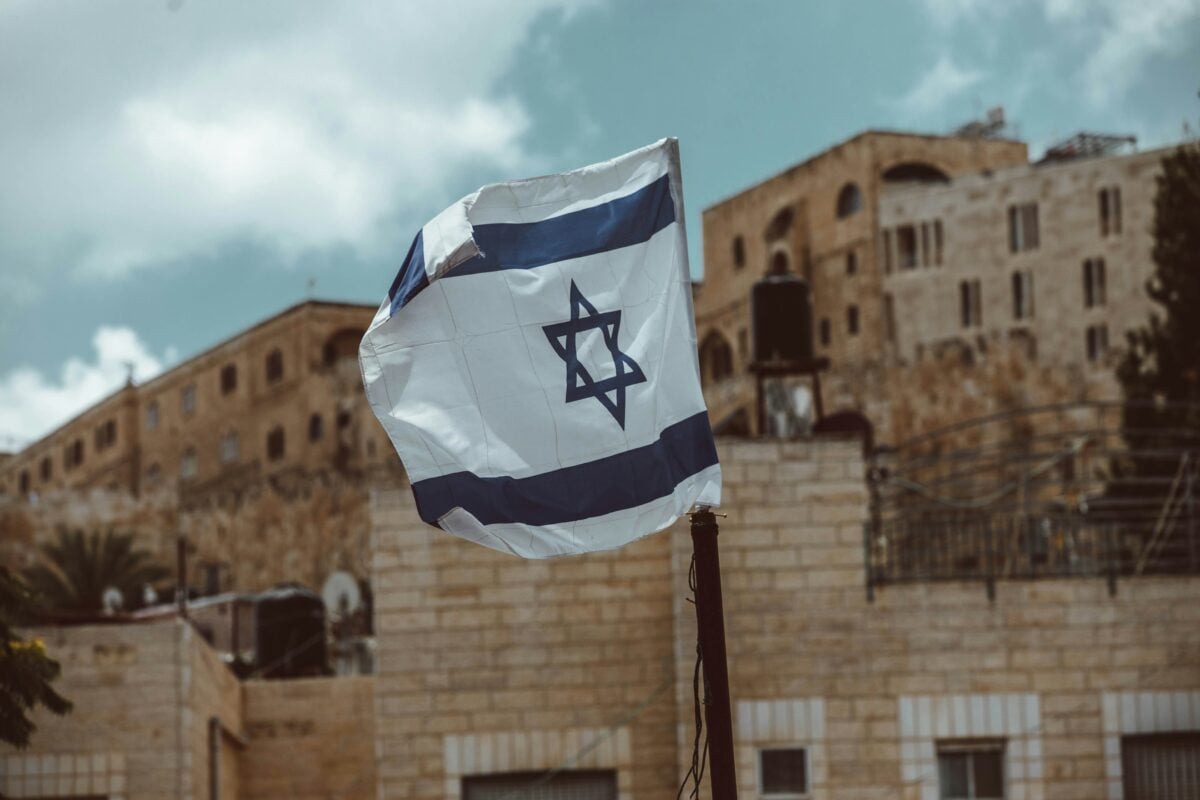
Walk through Tel Aviv on January 1st and you might notice something unusual. Kids are heading to school.
Offices buzz with activity. Buses run on their regular schedules.
In Israel, January 1st is not a public holiday. The country follows the Hebrew calendar for religious and cultural purposes, which places its New Year during Rosh Hashanah, typically in September or October.
For Jewish Israelis, the real time for reflection and renewal comes during those fall celebrations, with apples dipped in honey and the sound of the shofar. Some secular Israelis do acknowledge the Gregorian calendar change with parties on December 31st, locally called “Sylvester.”
But there’s no day off the next morning, no cultural expectation of resolutions, and no universal sense that something fresh is beginning. It’s a tongue-in-cheek acknowledgment of the Western calendar rather than a heartfelt celebration.
South Korea
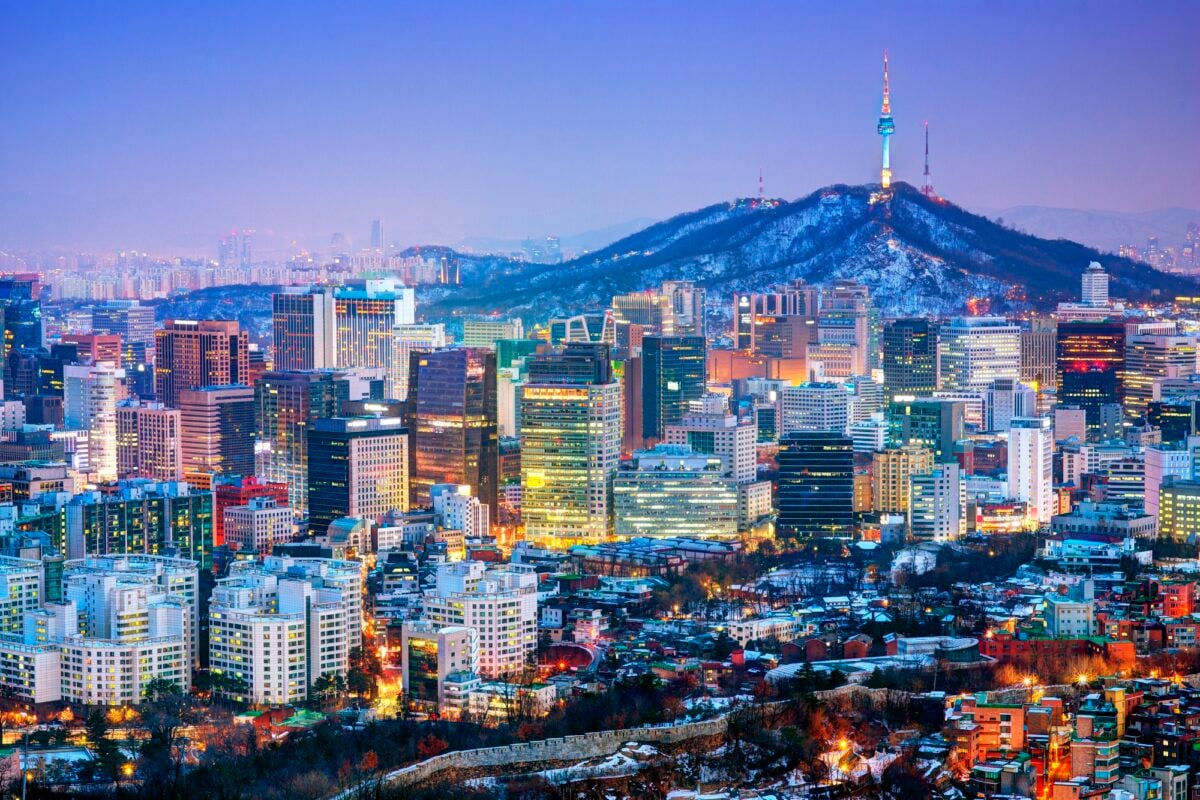
Koreans know how to throw a New Year’s party. They just saved their biggest celebration for about a month later.
South Korea observes January 1st as a public holiday, and there are fireworks in major cities like Seoul. But the celebration pales in comparison to Seollal, the Lunar New Year.
That three-day holiday, falling in late January or February, brings the country to a standstill. Highways jam with people returning to their hometowns.
Families don traditional hanbok clothing, perform ancestral rites, and share meals of tteokguk, a rice cake soup believed to add a year to your age. By contrast, the Gregorian New Year often feels like a warm-up act.
Some people watch the bell ringing at Bosingak or enjoy the countdown at Lotte World Tower. But the emotional weight, the family gatherings, the cultural significance? That all waits for Seollal.
Vietnam
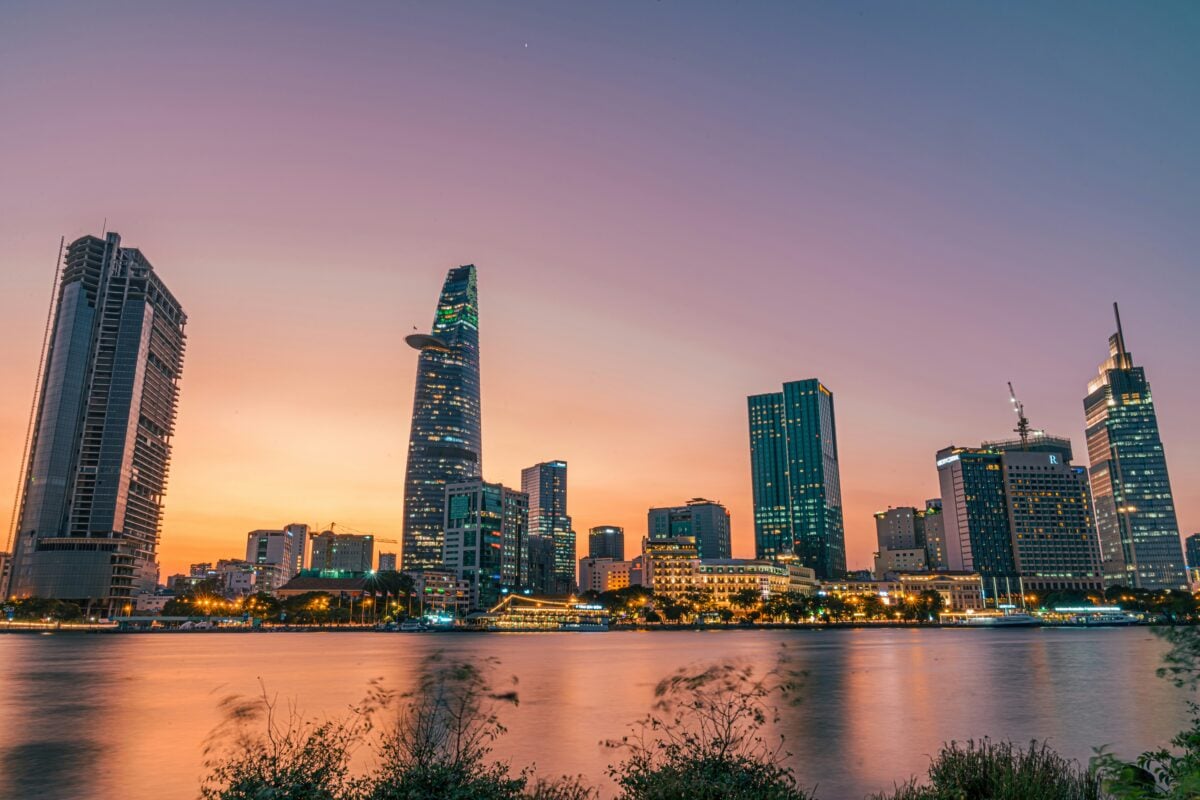
January 1st is technically a public holiday in Vietnam, and the streets of Ho Chi Minh City and Hanoi do see activity on December 31st, with parties in hotels and countdown events. But Vietnamese hearts belong to Tết. Tết, the Vietnamese Lunar New Year, commands weeks of preparation.
Families clean their homes to sweep out bad fortune. Homes are filled with peach blossoms and kumquat trees.
Everyone buys new clothes. The celebration runs for days, with elaborate meals, ancestor worship, and children receiving red envelopes filled with money. January 1st comes and goes with little fanfare by comparison.
Many Vietnamese see it as a Western import, something observed mostly in urban areas by younger generations or in venues catering to international visitors. The real magic happens during Tết.
China
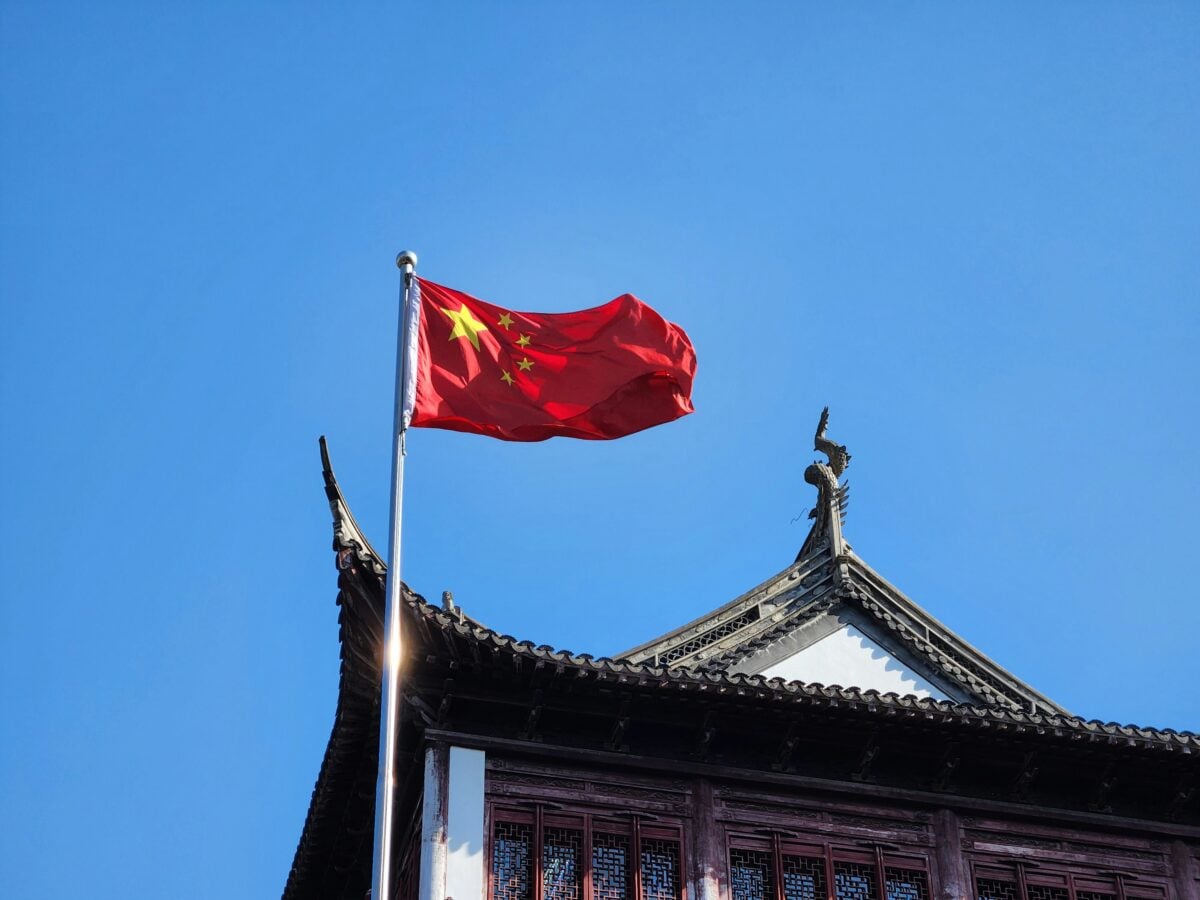
China’s relationship with December 31st reflects its balancing act between global integration and cultural tradition. January 1st is a public holiday, typically giving workers a three-day break.
Major cities host countdown events. Young people gather in shopping districts to watch fireworks or attend parties.
But ask any Chinese person about their most important celebration, and they’ll talk about the Spring Festival. Spring Festival, known as Chunjie, triggers the largest annual human migration on Earth.
Hundreds of millions of people travel home for reunions with their families. The festivities span fifteen days, ending with the Lantern Festival.
Red decorations cover everything. Firecrackers explode through the night to drive away evil spirits.
This is when Chinese families give red envelopes, share elaborate feasts, and truly mark the passage from one year to the next.
Japan

Here’s where things get interesting. Japan abandoned the lunar calendar in 1873 during the Meiji Restoration, adopting the Gregorian calendar to align with Western nations. This means the Japanese New Year, called Oshogatsu, actually falls on January 1st. But Japan barely acknowledges December 31st in the way Western countries do.
The Japanese approach to New Year is almost the opposite of the champagne-soaked party atmosphere found in Times Square. Families gather for quiet, traditional celebrations.
They clean their homes thoroughly in a ritual called oosouji. They eat special foods like mochi and osechi ryori.
At midnight, Buddhist temples ring their bells 108 times to purify the 108 worldly desires. There are no wild street parties. No public drunkenness.
The mood is reflective rather than raucous. When other countries’ Lunar New Year celebrations begin in late January or February, Japan has long since moved on, leaving its neighbors to celebrate without it.
Ethiopia
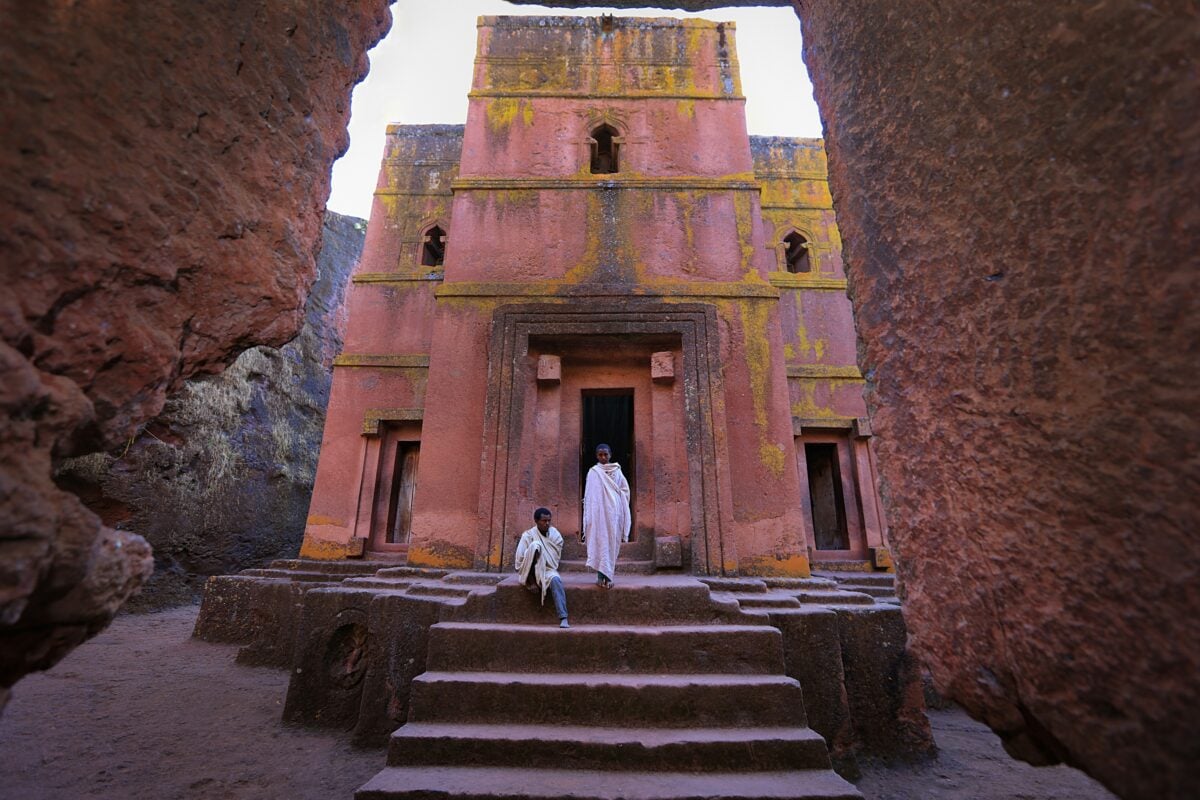
Ethiopia operates on its own calendar entirely, one that remains seven to eight years behind the Gregorian calendar. Ethiopian New Year, called Enkutatash, falls on September 11th (or September 12th during leap years).
The celebration marks the end of the rainy season and the beginning of spring. Families gather for feasts, exchange flowers, and sing traditional songs.
Children go door to door offering painted pictures and singing for small gifts. December 31st passes without ceremony for most Ethiopians.
The country’s unique calendar system means the Gregorian New Year holds little cultural or religious significance. While hotels in Addis Ababa might host events for international visitors, the vast majority of the population treats it as an ordinary day.
Iran
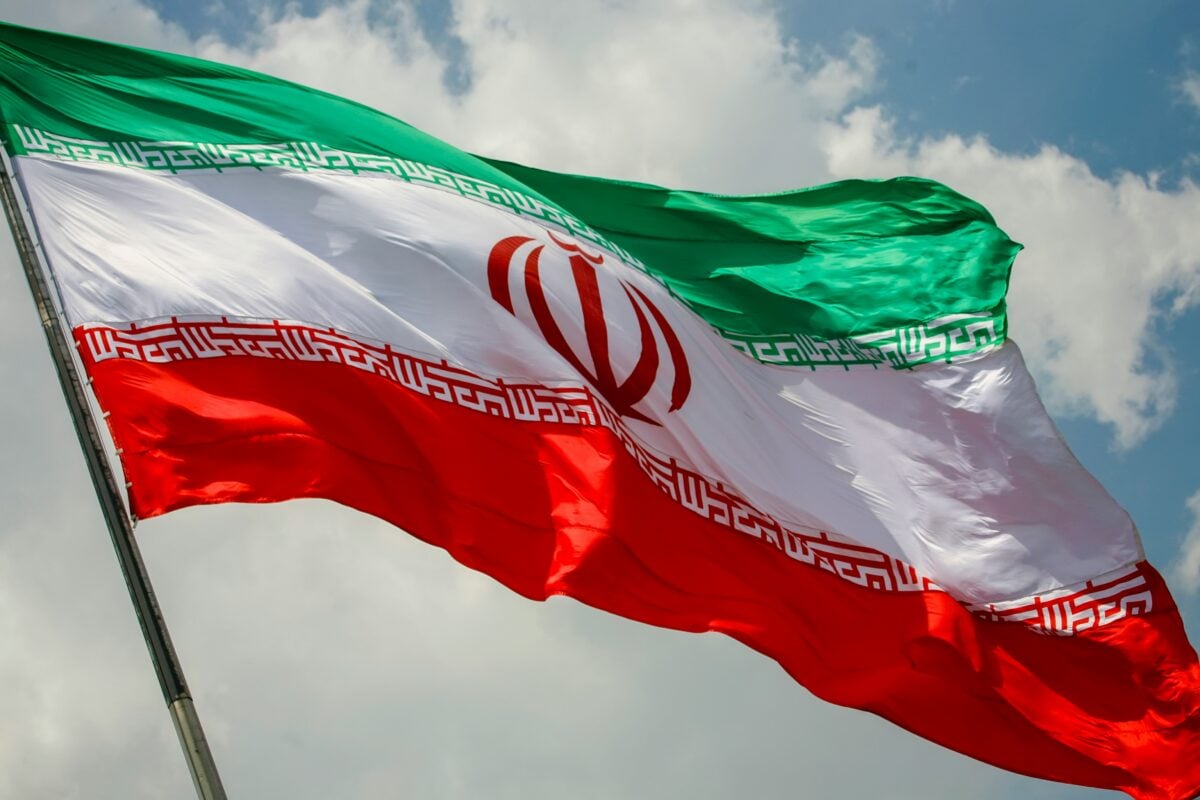
Iran follows the Solar Hijri calendar, and its New Year arrives with the spring equinox, usually around March 21st. Nowruz, meaning “new day,” has been celebrated for over 3,000 years.
Families set up a ceremonial table called Haft-sin, decorated with seven items beginning with the letter S in Persian. They do thorough spring cleaning.
They gather with relatives and friends. The festivities continue for thirteen days, ending with outdoor picnics on Sizdah Bedar.
The Gregorian New Year barely registers. While some urban Iranians might acknowledge the date, particularly those with connections abroad, there are no public celebrations, no official recognition, and certainly no holiday from work or school.
The country’s rhythms are set by Nowruz, not by a calendar developed by a Catholic pope.
Bali, Indonesia
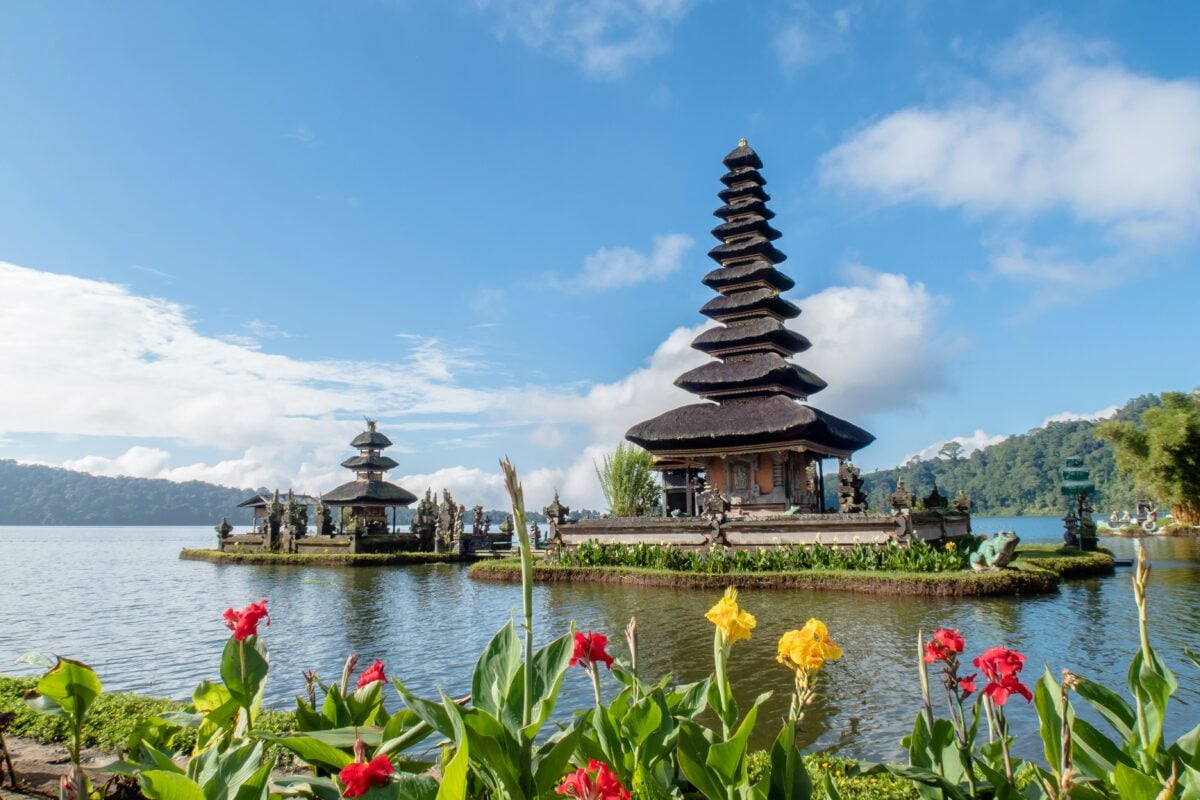
Bali celebrates its New Year in a way that defies every expectation of how a new year should be marked. Nyepi, the Balinese New Year based on the Saka calendar, typically falls in March.
And instead of fireworks and parties, the island goes completely silent. For 24 hours, no one works.
No one travels. No one turns on lights or makes noise.
The airport closes. Streets empty.
Hotels keep their guests indoors with curtains drawn. Traditional guards called Pecalang enforce the silence.
The belief is that making the island appear deserted will trick evil spirits into leaving. The night before Nyepi sees tremendous noise and chaos, with giant demon effigies called ogoh-ogoh paraded through the streets.
But when dawn breaks on the new year, Bali enters a state of profound stillness that lasts until the following morning. It’s the opposite of every other New Year celebration on Earth.
Saudi Arabia
Saudi Arabia’s official calendar is the Islamic Hijri calendar, based on lunar cycles. The Islamic New Year falls on the first day of Muharram, a month that shifts earlier each Gregorian year because the lunar calendar is about eleven days shorter than the solar one.
For conservative Saudi Muslims, celebrating the Gregorian New Year was traditionally considered inappropriate as a Western import with no connection to Islamic tradition. December 31st was simply another day.
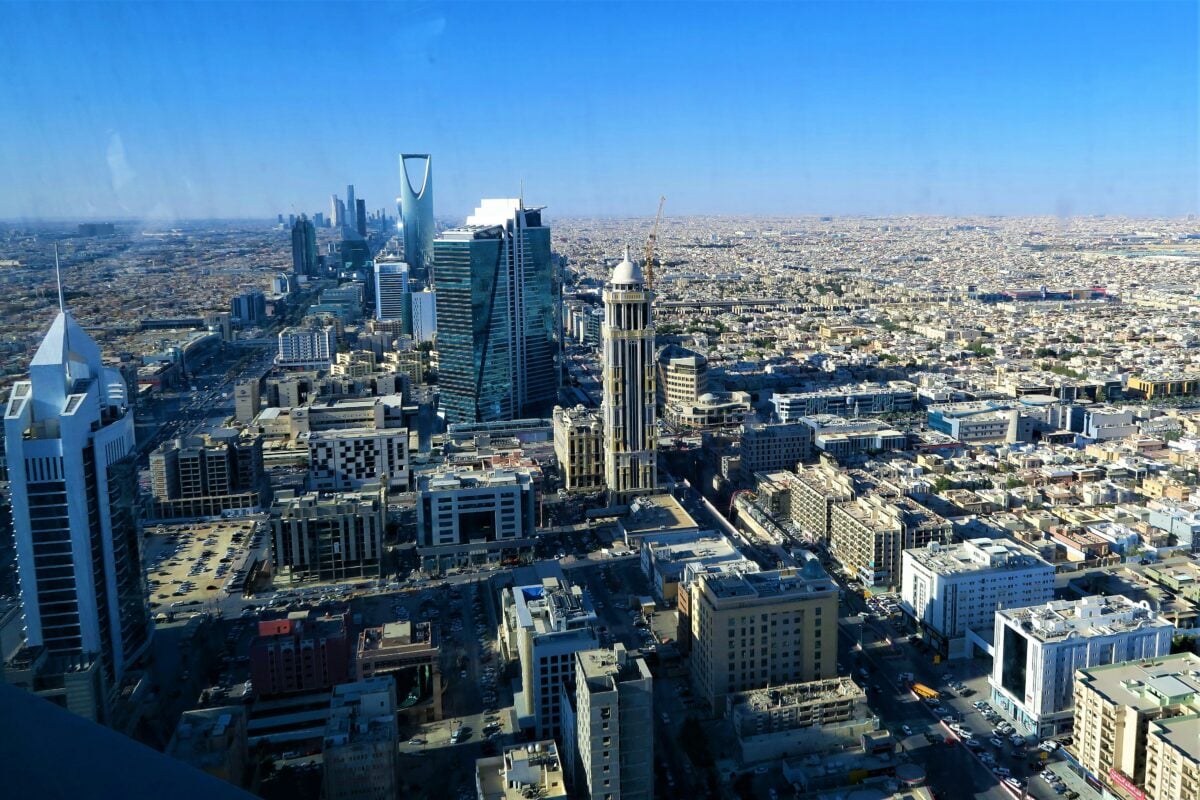
However, the Kingdom has changed dramatically in recent years. Riyadh now hosts major New Year’s Eve celebrations as part of the annual Riyadh Season entertainment festival.
Fireworks light up the sky. International performers draw massive crowds.
The government actively promotes these events as part of its Vision 2030 modernization efforts. Still, for many Saudis, particularly those with more traditional views, the Gregorian New Year remains culturally secondary.
Their calendar, their religious observances, and their sense of time all follow a different rhythm.
Somalia
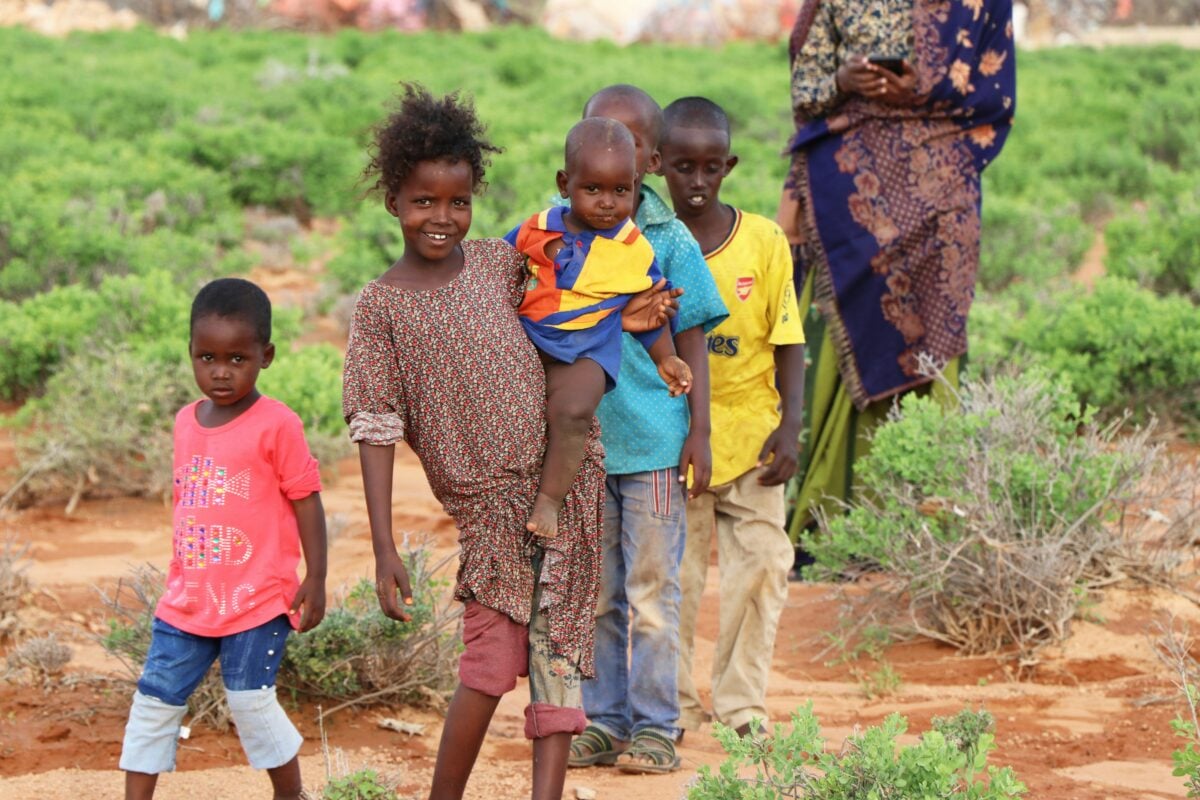
Somalia has actively banned public New Year’s celebrations. The government issues annual reminders that celebrating December 31st or January 1st is illegal, arguing that such festivities are incompatible with the country’s Islamic identity.
Security forces are instructed to break up any gatherings. The country follows the Islamic calendar and sees no reason to acknowledge the Gregorian one.
Foreign diplomats and aid workers can mark the date privately within their compounds, but Somalis themselves face potential consequences for public observance. In a country where al-Shabab militants have historically used holidays as opportunities for attacks, the government also cites security concerns.
Brunei
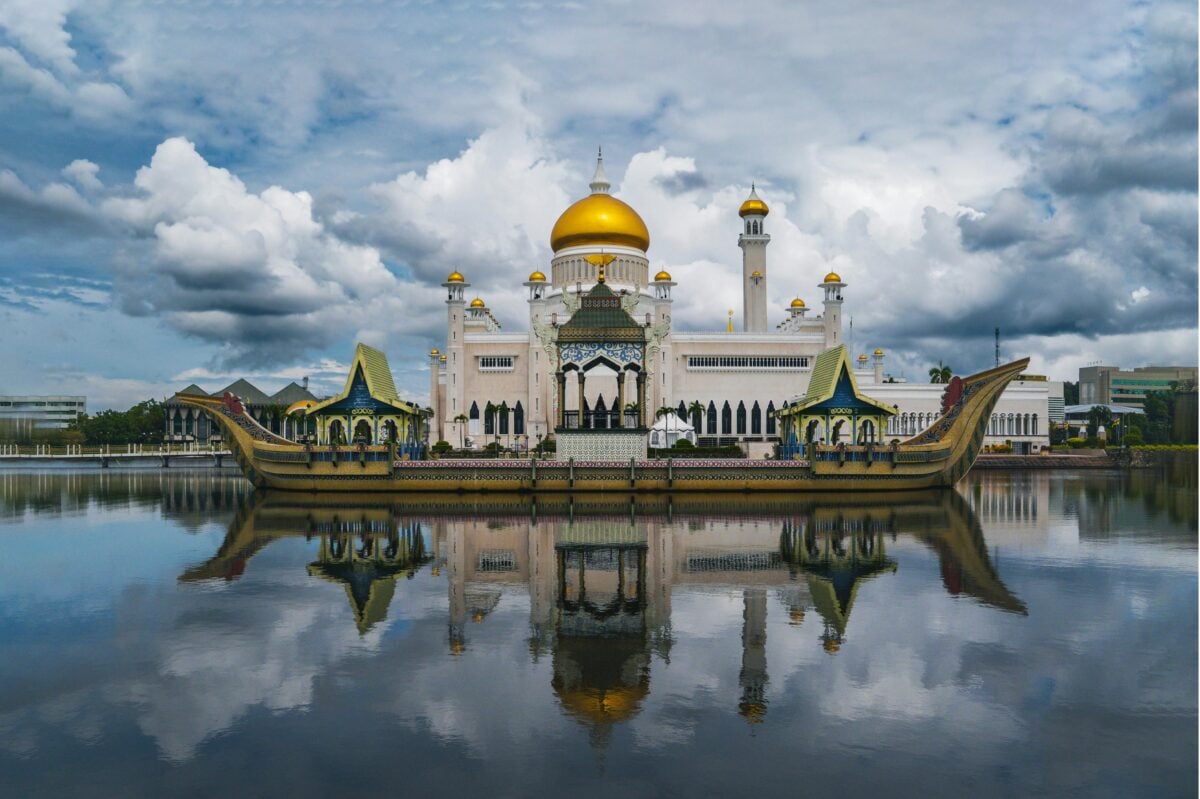
The Sultan of Brunei banned public Christmas and New Year celebrations in 2014, citing the need to protect Islamic faith. Displaying decorations, wearing festive attire, or gathering publicly to mark December 31st can result in fines or jail time.
The country’s small Christian population (about 10 percent) may celebrate privately in homes or churches, but they must first notify authorities. Public displays are forbidden.
The streets remain silent when the calendar changes. For a country that strictly enforces its interpretation of Islamic law, the Gregorian New Year is viewed as a foreign imposition that might confuse or weaken the faith of Muslims.
North Korea
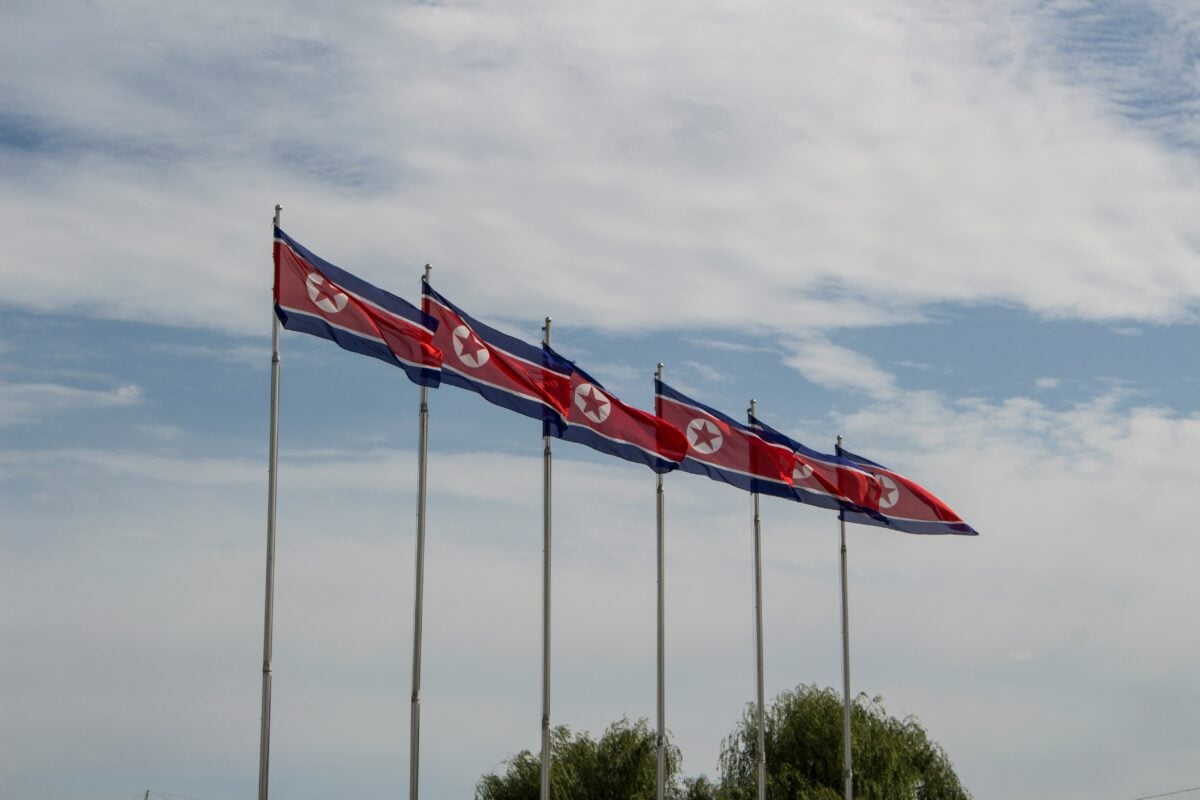
North Korea has turned December 24th into a celebration of Kim Jong-suk, grandmother of current leader Kim Jong-un, effectively overshadowing any acknowledgment of Western holidays. The country officially promotes the Juche calendar, which counts years from the birth of founder Kim Il-sung in 1912. Religious holidays of all kinds are suppressed.
Most citizens have no concept of Christmas, and the Gregorian New Year receives no official recognition. While the regime hosts some organized celebrations and mass dances during the holiday period, these honor the ruling family rather than marking a new calendar year.
For ordinary North Koreans, December 31st is an ordinary day, shaped more by the demands of survival than by any sense of annual transition.
A World of Different Beginnings

Most of the world runs on the Gregorian calendar when dealing with trade or global talks. Almost every nation follows it for government work.
Yet living by it doesn’t always sit deep in people’s daily rhythm. Some folks mark time by old whispers passed down through generations.
Spring light stretching longer kicks things off for many. A fresh moon rising can signal a start too.
When rains stop pounding the earth, that might be the moment. Harvests coming in – ripe and heavy – also count.
Midnight on December thirty-first? Just hours ticking along like any other.
This isn’t about saying no to festivities. Long before Pope Gregory changed the calendar in 1582, people already had ways of tracking years.
Each society picks its own point to stop, look back, then move forward. Midnight in New York? Not everyone lines up their fresh start with that chime.
More from Go2Tutors!

- The Romanov Crown Jewels and Their Tragic Fate
- 13 Historical Mysteries That Science Still Can’t Solve
- Famous Hoaxes That Fooled the World for Years
- 15 Child Stars with Tragic Adult Lives
- 16 Famous Jewelry Pieces in History
Like Go2Tutors’s content? Follow us on MSN.



